12 Safety Tips for Hiking Hidden Trails in the USA (Don't Skip #7)

Hidden hiking trails offer some of the most breathtaking, untouched landscapes across the country - but they also require extra preparation and caution. Unlike popular routes, these paths may have limited signage, fewer hikers around, and unpredictable terrain. That’s why understanding key precautions can make your adventure both safe and memorable. Whether you're exploring remote mountains or lesser-known forest paths, these essential safety hiking hidden usa tips will help you stay prepared and confident throughout your journey.

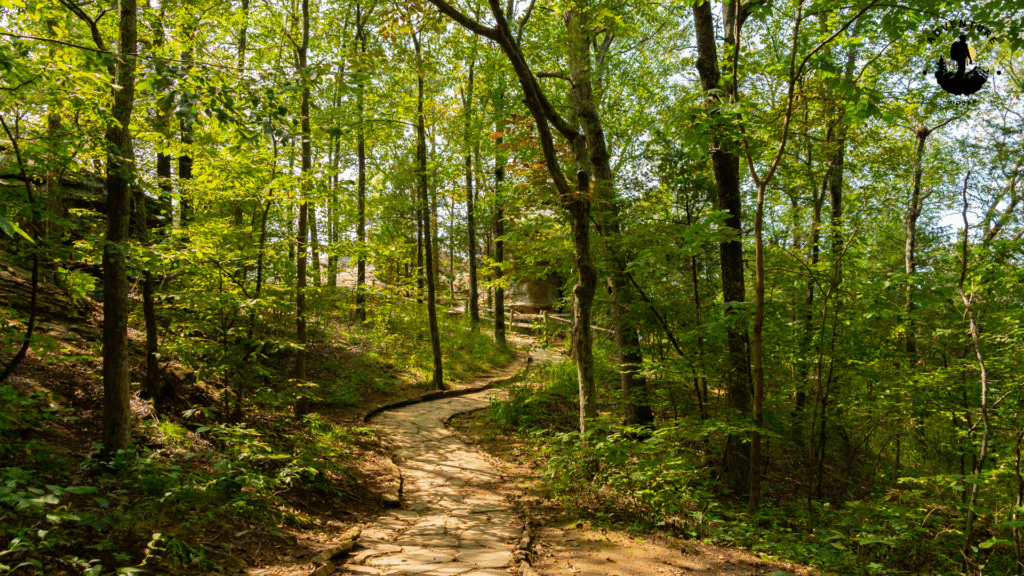
Research the Trail Before You Go
Understanding your destination is the first step toward a safe hiking experience.
- Look up trail difficulty, expected weather, elevation gains, and terrain type.
- Check recent trail reviews to learn about closures, animal sightings, or rough patches.
- Study maps and note important landmarks and possible exit routes.
- Confirm whether the trail is officially maintained or one of the completely hidden paths.
- Identify available facilities - parking, restrooms, water sources, and ranger stations.

Pack Smart with Essential Gear
Hidden trails often require more gear than crowded tourist routes.
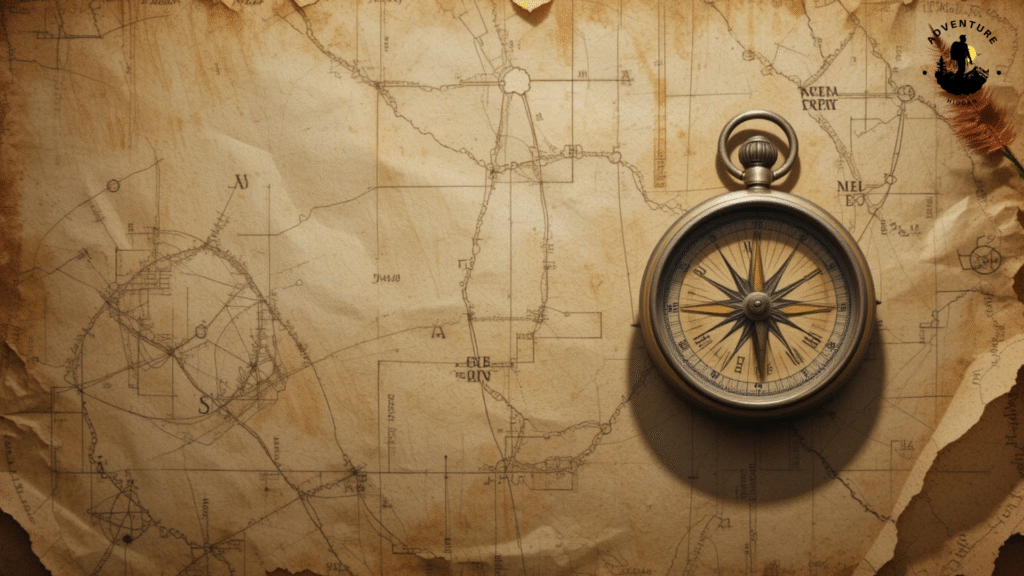
- Carry a detailed physical map and a compass as GPS may not always work.
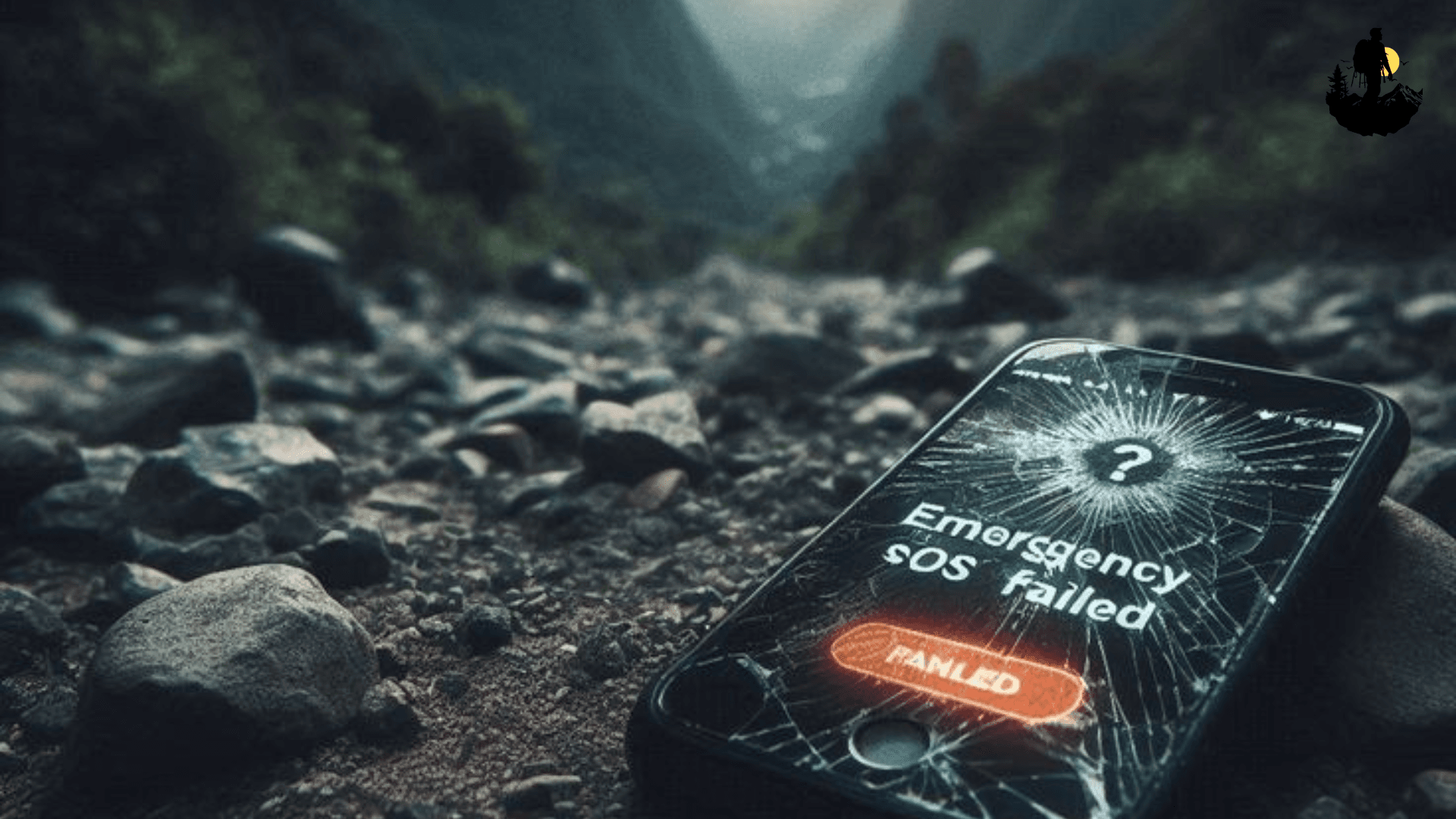
- Bring a portable power bank to keep your phone running for emergencies.
- Pack weather-appropriate layers, including a waterproof jacket and thermal wear.
- Include a compact first aid kit with bandages, antiseptic wipes, blister treatment, and painkillers.
- Carry a lightweight emergency shelter or space blanket.
- Pack extra food and water - hidden trails rarely offer reliable natural water sources.
Prioritize Navigation and Awareness
Navigation is central to safety on lesser-known hiking paths.
- Learn the trail markers or blazes specific to the area you’re exploring.
- Regularly check your map at junctions to avoid wandering off-route.
- Note unusual landmarks like giant rocks, twisted trees, or creek crossings to find your way back.
- Avoid using headphones so you can stay alert to wildlife and environmental cues.
- Stop immediately if you feel lost - retrace your steps instead of exploring random directions.

Prepare for Wildlife Encounters
Encountering animals is more common on hidden trails due to low foot traffic.
- Make noise occasionally to alert animals of your presence, reducing surprise encounters.
- Learn about species common in the region - bears, mountain lions, snakes, or moose.
- Carry bear spray if hiking in bear territory and know how to use it quickly.
- Store food in scent-proof bags to avoid attracting animals.
- Keep a safe distance and never attempt to feed or photograph wildlife up close.
- Watch for tracks, droppings, and disturbed foliage to identify active wildlife zones.

Stay Connected and Inform Someone
Communication plays a huge role in safe hiking, especially on hidden routes.
- Inform a family member or friend about your hiking plan, expected return time, and trail location.
- Carry a satellite communicator or emergency beacon if you’re going to areas with weak signals.
- Check in occasionally with a trusted contact before entering low-signal zones.
- Download offline maps, emergency numbers, and weather alerts before leaving home.
- Join local hiking forums or groups to ask questions and gather feedback from recent hikers.

Respect Weather and Trail Conditions
Weather changes fast in remote hiking areas, making vigilance crucial.
- Check hour-by-hour weather forecasts on the day of your hike.
- Avoid trails during storms, high winds, or heavy fog - visibility can drop drastically.
- Wear moisture-wicking clothing to regulate sweat and temperature.
- Be mindful of slippery rocks, muddy tracks, loose gravel, and unstable slopes.
- Turn back if conditions worsen - safety is more important than reaching the summit.
- Know seasonal hazards such as snowmelt, flash floods, or early winter chills.
Understand the Importance of Physical Conditioning
A hidden trail often demands higher stamina, balance, and endurance than mainstream hiking routes.
- Build your endurance weeks before the hike with regular walking, jogging, or stair climbing.
- Strengthen your legs and core through squats, lunges, and balance exercises to handle uneven ground.
- Practice carrying your fully packed backpack to get used to the weight distribution.
- Train with short hikes on local trails and gradually increase difficulty to avoid sudden strain.
- Incorporate flexibility stretches to prevent muscle stiffness, especially during long hikes.
- Take rest days before the trip so your body performs at its peak on hiking day.
Learn Basic Survival and Emergency Skills
Knowing how to handle emergencies boosts your confidence and safety on secluded trails.
- Learn how to make an emergency fire using waterproof matches or basic fire-starting kits.
- Understand how to purify natural water using tablets or portable filters in case supplies run low.
- Know the basics of treating sprains, minor cuts, insect bites, and dehydration in the wild.
- Practice signaling techniques - whistles, reflective mirrors, or ground symbols - to alert rescuers.
- Study how to build a temporary shelter from branches, leaves, or a tarp to protect against cold or rain.
- Learn how to assess risks quickly, such as avoiding unstable cliffs, swollen rivers, or loose rock paths.
Adopt Responsible and Eco-Friendly Hiking Practices
Protecting hidden trails ensures they remain pristine and safe for future hikers.
- Follow Leave No Trace principles to keep sensitive ecosystems undisturbed and healthy.
- Carry reusable bottles, utensils, and containers to minimize plastic and food waste.
- Avoid creating new shortcuts - stick to natural paths to prevent soil erosion and damage.
- Keep noise levels low to preserve the natural habitat and avoid disturbing wildlife unnecessarily.
- Pack out every item you bring, including biodegradable waste, to leave the trail spotless.
- Respect restricted or restoration areas marked by park authorities to protect endangered plants or wildlife.
Final Words
Exploring hidden trails across the United States offers an unmatched blend of solitude, adventure, and natural beauty. These routes invite hikers to experience untouched landscapes, peaceful forest corridors, and lesser-known summits far from crowded tourist paths. But this serenity also comes with added responsibility - preparing yourself physically, mentally, and logistically ensures every step is taken with awareness.
From understanding terrain challenges to being ready for sudden weather changes, safety becomes the foundation that allows you to fully enjoy remote hiking experiences. Hidden trails reward those who approach them with respect, curiosity, and preparedness.
As you continue planning your next outdoor escape, let the lessons of smart navigation, eco-friendly behavior, wildlife awareness, and emergency readiness guide your journey. Each trail, whether short or long, remote or rugged, becomes far more enjoyable when you prioritize your well-being and the protection of nature. These safety principles empower you to explore deeper, stay confident in unfamiliar terrain, and embrace the wonders of America’s lesser-known outdoor gems. With mindful preparation, you can turn every hidden route into a memorable, meaningful, and safe adventure - one that strengthens your connection with the land while ensuring you return home with stories worth sharing.
✦ Related Articles You May Love
- Living Like A Local In Remote U S Regions
- Hidden Homestay Experiences In Offbeat U S Towns
- Folklore And Legends From The Deep South
- How To Find Hidden Adventure Spots Across The Usa
- Essential Packing Tips For U S Hiking Trips
- Budget Travel Hacks For Exploring U S Trails
- Best Seasons To Visit Hidden U S Parks
- Eco Friendly Ways To Explore Remote U S Destinations
- How To Reach Hard To Access U S Adventure Spots
- Navigating Road Trips To Lesser Known U S Parks
- Apps That Reveal Hidden Trails And Campsites
- How To Stay Connected In Remote U S Areas
- Capturing Hidden Landscapes Of The American West
- Capturing Hidden Motion Long Exposure Photography In U S National Parks
- Night Sky Photography In Americas Dark Sky Parks
- Photo Walks Through Hidden U S Small Towns
- Reflections Photography On Hidden U S Lakes
- Rock Climbing In Lesser Known U S Spots
- Trail Running Through Hidden Forest Paths
- Mountain Biking Adventures In The Pacific Northwest
- Paragliding Above Secret U S Peaks
- Scuba Diving Hidden Reefs In The Florida Keys
- Abandoned Ghost Towns In The American West
- Hidden Architectural Gems Across The Usa
- Discovering Truly Local Favourite Hiking Trail Usa
- Travel Mistakes To Avoid On U S Hidden Trails
- Solo Adventures In Remote U S Locations
- How Tourism Is Changing Hidden American Spots
- Hidden U S Destinations That Inspired Great Art
- Americas Forgotten Ghost Stories And Legends
- Short Hidden Hikes Under 5 Miles In The Usa
- Abiqua Falls Oregons Most Hidden Waterfall In The Pacific Northwest
- Exploring Hidden Islands In The Florida Keys
- Hidden Trails Secret Canyons Offbeat Hiking Escapes In The American Southwest
- Lesser Known National Parks Usa Hidden Gems To Explore In 2025
- Secret Caves To Explore In The Appalachian Mountains
- A Bloomseekers Paradise The Wildflower Trails In The Rocky Mountains
- Scenic Mountain Passes Few Know In Colorado Hidden And Adventurous Places You Must Explore
- Kayaking Through Hidden Rivers Of The South
- Underrated Desert Oases In The Southwest Usa
- Seasonal Hidden Wonders In U S National Parks
- Hidden Hot Springs In The Western United States Your Guide To Real Relaxation
- Snow Covered Winter Trails No One Talks About
- Secret Coastal Cliffs To Explore In California
- Underground Crystal Caves In The United States
- Untouched Forest Sanctuaries In The Northeast
- Stories From Rural Americas Forgotten Communities
- Hidden Artisan Markets In The Midwest Your Ultimate Guide
- Local Foods Found Only In Small Town America
- Native American Heritage Trails You Didnt Know About Best Ones 2
🌿 Sources & References
- Hiking Safety – American Hiking Society
- Leave No Trace Hiking Principles
- Hiking Gear Guide – REI
- Trail Finder – AllTrails
- Hiking Benefits – Healthline
- Travel & Adventure – National Geographic
- Outdoor Recreation – REI Expert Advice
- Nature Conservation – WWF
- U.S. National Parks – NPS
- Sustainable Tourism – UNWTO