
Ultimate Guide to Planning Remote Travel in the USA
Remote travel in the United States offers something rare in modern tourism. Wide open landscapes, quiet roads, and deep connections with nature replace crowded attractions and strict schedules. From desert highways to mountain backcountry, planning a remote journey requires more preparation than a typical vacation. The reward is freedom, adventure, and unforgettable scenery. This guide explains how to plan safely and confidently, covering route strategy, gear preparation, budgeting, and smart travel habits so you can explore America’s most remote travel planning usa destinations without unnecessary stress or risk.
Choosing Remote Destinations and Building a Smart Travel Plan
Planning remote travel begins with understanding what “remote” really means. In the USA, it can include desert regions of the Southwest, mountain ranges in the Rockies, forests in the Pacific Northwest, or isolated coastal roads in Alaska. These locations offer beauty and solitude, but they also demand thoughtful preparation because services like fuel stations, food stops, and reliable phone signals can be limited.
The first step is defining your travel style. Some travelers prefer scenic drives with occasional small towns, while others want true wilderness experiences. Knowing your comfort level helps you choose realistic destinations. Beginners often start with national parks that have infrastructure, then slowly move toward more isolated regions such as national parks remote travel or remote byways.
Research plays a huge role in building a strong travel plan. Instead of simply mapping a start and end point, study terrain, weather patterns, seasonal closures, and driving conditions. Desert travel USA can become dangerously hot in summer, while mountain roads may close during winter storms. Planning around seasons improves both safety and enjoyment.
Creating a flexible route is another key element. Remote travel should never rely on a single plan. Always identify alternative routes, nearby towns, and safe overnight stops. Unexpected situations like road construction or extreme weather are common in isolated regions. Flexibility allows you to adapt without panic.
Budgeting also requires a different mindset compared to city travel. Gas prices may be higher in remote areas, and lodging options might be limited. Many travelers choose camping or van life setups to maintain independence. However, even if you plan to camp, keep a small budget for emergency hotels in case conditions change.
Navigation deserves special attention. Digital maps are helpful, but offline tools are essential. Download maps in advance and carry physical road atlases as backups. Remote regions often lack reliable internet service, so relying only on live navigation apps can lead to serious problems.
Here are some important planning tips to follow:
- Check road conditions and seasonal access before departure
- Inform someone at home about your route and expected return time
- Plan fuel stops carefully and never let your tank run too low
- Research local wildlife and environmental risks
- Choose accommodations in advance during peak seasons
Another major factor in remote travel is understanding local regulations. Many public lands have rules about camping, fire safety, and vehicle access. Some areas require permits for backcountry travel. Respecting these guidelines protects both the environment and your safety.
Timing your daily drives is also important. Remote roads can be challenging at night due to limited lighting and wildlife crossings. Planning to arrive at your destination before sunset reduces risk and makes setup easier if you are camping.
Finally, build rest days into your itinerary. Remote travel can be physically and mentally demanding, especially when driving long distances through isolated terrain. Taking time to slow down allows you to fully experience the landscape rather than rushing from one location to another.
Safety, Packing Essentials, and Remote Travel Survival Strategies
Once your route is planned, the next step is preparing for safety and self sufficiency. Remote travel is incredibly rewarding, but it requires a mindset focused on prevention rather than reaction. The goal is to carry enough supplies and knowledge so that unexpected challenges remain manageable.
Start with your vehicle. A well maintained car or camper is one of the most important safety tools you have. Before leaving, check tires, brakes, fluids, and battery health. Consider bringing a portable air compressor, spare tire, and basic repair kit. Many remote areas have long stretches without mechanics or service stations.
Packing essentials goes beyond normal vacation luggage. Food, water, and emergency supplies should always be part of your travel kit. Experts often recommend carrying more water than you think you will need, especially in desert environments where dehydration happens quickly.
Navigation and communication tools are equally important. While smartphones are useful, adding backup systems like GPS devices or satellite communicators can make a huge difference in emergencies. These tools allow you to send messages even without cell coverage.
Here are some must have items for remote travel packing:
- Extra drinking water and non perishable food
- First aid kit with medications and bandages
- Flashlight or headlamp with spare batteries
- Portable power banks or solar chargers
- Warm clothing layers even in summer months
- Emergency blankets and basic shelter gear
Weather awareness plays a huge role in safety. Conditions can change rapidly in remote regions. Desert storms may cause flash floods, while mountain areas can experience sudden temperature drops. Checking forecasts regularly and being willing to adjust plans is a sign of smart travel, not failure.
Wildlife encounters are another unique part of remote exploration. Respecting distance and storing food properly helps prevent dangerous situations. Many national parks and wilderness areas provide guidelines on how to handle animals safely. Following these recommendations protects both you and the natural environment.
Personal health should also be a priority. Long drives, hiking, and exposure to extreme temperatures can be exhausting. Staying hydrated, eating regularly, and recognizing early signs of fatigue help prevent accidents. Remote travel is not about pushing limits constantly. It is about maintaining balance between adventure and well being.
Financial preparation is often overlooked but extremely important. Some remote areas may not accept cards or digital payments. Carrying enough cash for fuel, food, or unexpected expenses ensures you remain prepared even when technology fails.
Mental preparedness is just as valuable as physical gear. Remote travel means embracing quiet spaces and unpredictable moments. Travelers who stay calm and adaptable tend to have the best experiences. Instead of seeing challenges as problems, view them as part of the adventure.
Consider these practical safety strategies during your journey:
- Start each day with a quick vehicle and gear check
- Share location updates whenever you have signal
- Avoid risky shortcuts on unfamiliar roads
- Keep emergency contacts written on paper
- Trust your instincts if a route feels unsafe
In the end, remote travel in the USA is about creating meaningful experiences away from crowds and noise. With careful planning, the right gear, and a safety focused mindset, you can explore some of the most beautiful and untouched landscapes in the country. The journey becomes less about reaching a destination and more about embracing freedom, discovery, and respect for nature.

Managing Accommodation, Camping, and Off Grid Living on the Road
One of the most exciting parts of remote travel in the USA is choosing where you will sleep each night. Unlike city trips where hotels are everywhere, remote areas require a mix of planning and flexibility. Travelers often combine campgrounds, dispersed camping, small motels, and occasional unique stays such as cabins or lodges. Understanding how to balance comfort, safety, and budget will make your journey smoother.
Start by deciding how independent you want to be. If you enjoy comfort and predictable routines, booking lodges or rural guesthouses ahead of time is a smart option. Many remote regions have small family run accommodations that provide local charm while still offering basic amenities. These locations can also give you valuable advice about nearby trails, weather conditions, and hidden viewpoints.
For travelers seeking deeper connection with nature, camping becomes the preferred choice. National parks and state parks offer developed campgrounds with restrooms and water access. Dispersed camping on public lands provides even more freedom, allowing you to stay in quieter locations without crowds. However, dispersed camping requires careful preparation because services are limited.
When choosing a campsite, think beyond scenery. Ground stability, weather exposure, and distance from roads all matter. Flat areas away from flood zones are safer, especially in desert regions where sudden rainstorms can create flash floods. In forested areas, avoid camping directly under weak branches or unstable trees.
Another factor to consider is sustainability. Remote environments are fragile, and responsible travel ensures these places remain beautiful for future visitors. Pack out all trash, minimize campfire impact, and respect wildlife habitats. Following local guidelines not only protects nature but also keeps you safe from fines or restrictions.
Many travelers combine van life or car camping with occasional indoor stays. This hybrid approach allows you to save money while still enjoying comfort when needed. After several nights in remote terrain, booking a motel for rest, laundry, and showers can feel refreshing and help reset your energy levels.
Here are practical accommodation tips for remote travel:
- Reserve popular campgrounds early during peak seasons
- Carry backup camping gear even if you plan to stay in hotels
- Check fire restrictions before planning campfires
- Arrive at campsites before dark whenever possible
- Store food securely to avoid attracting wildlife
Safety during overnight stays is just as important as comfort. Choose locations that feel secure and avoid isolated private property unless you have permission. Trust your instincts. If an area feels unsafe or overly exposed, move to a different spot rather than trying to make it work.
Power management is another key aspect of off-grid travel USA. Many remote travelers rely on portable batteries, solar panels, or vehicle charging systems to keep devices running. Planning how you will charge phones, cameras, and navigation tools prevents frustration later. Even something simple like a headlamp can make nighttime tasks much easier.
Cooking and food storage also shape your experience. Lightweight stoves and compact coolers allow you to prepare meals almost anywhere. Buying groceries from small towns along your route supports local communities and reduces reliance on expensive tourist areas.
Remote accommodation planning is ultimately about balance. Too much structure can limit spontaneity, while too little preparation can create unnecessary stress. By combining research with flexibility, you can enjoy peaceful nights under the stars while still staying comfortable and safe throughout your journey.

Capturing Experiences Through Photography, Journaling, and Storytelling
Remote travel in the USA offers some of the most visually stunning landscapes in the world, making it a perfect opportunity to document your journey creatively. Whether you are using a professional camera or just a smartphone, storytelling adds deeper meaning to your adventure and helps preserve memories long after the trip ends.
Photography in remote areas is different from urban travel photography. Light changes quickly across open landscapes, and natural elements like dust, wind, or snow can affect your equipment. Early morning and late afternoon often provide the best lighting conditions, creating warm colors and dramatic shadows across mountains, deserts, and forests.
Before focusing on gear, think about the story you want to tell. Remote travel is not just about wide landscapes. Small details like road signs, campfire moments, or wildlife tracks add emotional depth to your collection. Mixing scenic shots with personal experiences creates a more engaging visual narrative.
Journaling is another powerful way to capture the journey. Writing a few lines each day about where you went, how you felt, and what surprised you turns a simple trip into a meaningful record of growth. Many travelers find that journaling helps them slow down and notice details they might otherwise miss.
If you enjoy sharing your experiences online, remote travel provides unique content opportunities. Social platforms often highlight crowded destinations, but quiet backroads and lesser known viewpoints can feel refreshing to audiences. Authentic storytelling usually resonates more than perfectly staged images.
Here are helpful tips for documenting your journey:
- Keep a small notebook or digital journal for daily reflections
- Shoot photos during golden hour for softer natural light
- Protect gear with dust proof or weather resistant bags
- Capture short video clips to complement still photography
- Focus on moments rather than only perfect scenery
Respecting nature and local communities while documenting your trip is essential. Avoid stepping off trails in sensitive environments just to get a photo. Be mindful when photographing people or private property. Ethical storytelling builds trust and preserves the authenticity of remote destinations.
Creative projects can also make long drives more enjoyable. Some travelers create themed photo series, while others record voice notes describing the landscape around them. These small habits turn travel into a personal creative journey rather than just a series of destinations.
Editing your content later is part of the storytelling process. Instead of rushing to post everything immediately, take time to reflect on the experiences behind each image. Remote travel often brings emotional moments of solitude and discovery. Highlighting these feelings makes your story more powerful.
In the end, documenting remote travel is not about perfection. It is about capturing the sense of freedom and connection that comes from exploring vast open spaces. Whether through photos, writing, or video, storytelling allows you to relive the adventure and inspire others to explore responsibly.
Budgeting, Time Management, and Staying Flexible During Long Remote Trips
One of the biggest challenges in planning remote travel across the USA is managing time and money without losing the sense of adventure. Unlike structured city vacations, remote trips often involve unexpected detours, weather delays, and spontaneous discoveries. Creating a flexible yet realistic plan helps you stay relaxed while keeping expenses under control.
Budgeting begins with understanding the main cost categories. Fuel is usually the largest expense because remote routes involve long distances between destinations. Lodging, food, park entrance fees, and gear maintenance also add up quickly. Setting a daily spending target helps you track expenses without feeling restricted.
A smart approach is dividing your budget into fixed and flexible sections. Fixed costs include vehicle preparation, insurance, and essential gear. Flexible costs cover dining, activities, and souvenirs. This method allows you to adjust spending based on changing plans without exceeding your overall budget.
Time management works differently on remote journeys. Driving distances may look short on a map but take longer due to winding roads, elevation changes, or wildlife crossings. Planning fewer destinations per day gives you space to explore unexpected viewpoints and rest when needed.
Here are practical strategies to stay organized during long remote trips:
- Track fuel expenses regularly to avoid surprises
- Plan grocery stops in larger towns where prices are lower
- Allow extra time for scenic detours and rest breaks
- Keep a simple daily checklist for tasks like charging devices
- Schedule occasional slow days with minimal driving
Flexibility is one of the greatest advantages of remote travel. Weather conditions might change your route, or you might discover a hidden trail that encourages you to stay longer. Instead of seeing these moments as disruptions, treat them as part of the journey. Building buffer days into your itinerary makes it easier to adapt without stress.
Food planning is another area where budgeting and time management overlap. Preparing simple meals at campsites saves money and reduces dependence on limited restaurant options. Packing reusable containers and cooking tools makes meal preparation faster and more sustainable.
Financial safety is also important. Keep emergency funds separate from your daily spending money. Remote areas may require unexpected repairs or alternative lodging if plans change. Having a financial cushion allows you to make decisions based on safety rather than cost pressure.
Staying mentally flexible is just as important as managing logistics. Remote travel often involves long quiet stretches where plans evolve naturally. Embracing a slower pace helps you appreciate the experience rather than constantly worrying about schedules.
Technology can support your planning without controlling it. Offline budgeting apps, downloaded maps, and digital note taking tools keep information accessible even without internet service. However, avoid over planning every minute. Some of the best travel memories come from unplanned stops and spontaneous conversations with locals.
Ultimately, budgeting and time management during remote travel are about creating freedom rather than limitations. By understanding your priorities and allowing room for change, you can explore vast landscapes with confidence while maintaining financial and emotional balance throughout your adventure.
Understanding Weather, Terrain, and Seasonal Travel Challenges
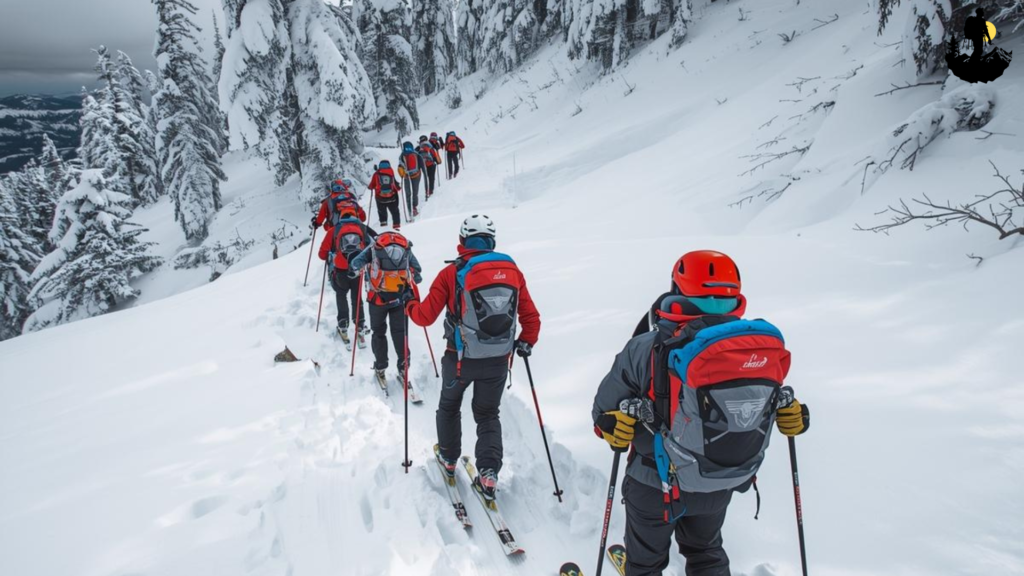
Remote travel in the USA is deeply connected to nature, which means weather and terrain shape every part of your journey. From desert heat to mountain snow, understanding seasonal patterns helps you avoid dangerous situations and enjoy each destination at its best. Many travelers underestimate how quickly conditions can change in isolated regions, making preparation and awareness essential.
Start by researching the climate of your chosen region. The American Southwest experiences extreme summer temperatures that can make hiking risky during midday hours. Northern states and mountainous areas may have snow even in late spring. Coastal regions bring their own challenges, including strong winds and fog that can reduce visibility while driving.
Elevation plays a significant role in remote travel planning. Higher altitudes often mean cooler temperatures and thinner air. If you plan to visit mountain destinations, give yourself time to adjust gradually. Drinking plenty of water and avoiding intense activity during the first day at higher elevations can help reduce fatigue.
Terrain also affects travel speed and vehicle safety. Gravel roads, narrow passes, and steep inclines require slower driving and increased attention. Some remote routes may become impassable after heavy rain or snowfall. Checking local updates and talking to park rangers or locals before heading into isolated areas can provide valuable real time information.
Here are some weather and terrain preparation tips:
- Pack clothing layers to handle temperature changes
- Check sunrise and sunset times to plan safe driving hours
- Avoid crossing flooded roads or fast moving water
- Carry traction tools if traveling through snowy or muddy areas
- Monitor local alerts for storms or fire risks
Wildfires are another seasonal concern, especially in western states during dry months. Smoke can affect air quality and visibility, and certain roads or campgrounds may close unexpectedly. Staying informed and having backup routes allows you to adjust plans quickly without losing momentum.
Wind conditions can also impact remote travel more than people expect. Open desert highways or high elevation passes may experience strong gusts that affect vehicle stability. Slowing down and keeping both hands on the wheel during windy conditions improves safety.
Another important factor is daylight. Remote areas often lack artificial lighting, which makes nighttime travel more challenging. Planning activities around daylight hours helps reduce risk and allows you to fully appreciate the landscape. Early morning starts often provide calmer weather and quieter trails.
Ultimately, understanding weather and terrain is not about avoiding adventure. It is about respecting nature’s power and making informed decisions. Travelers who prepare for seasonal changes enjoy greater freedom because they can explore confidently without being caught off guard by sudden environmental shifts.

Connecting With Local Culture and Supporting Small Remote Communities
Remote travel is not only about landscapes. It is also an opportunity to experience unique local cultures and connect with communities that many travelers overlook. Small towns across the USA often have rich histories, regional food traditions, and welcoming people who appreciate respectful visitors.
One of the best ways to support remote communities is by spending locally. Independent diners, roadside markets, and small businesses rely on tourism for survival. Choosing these options instead of large chains helps preserve the character of rural destinations and creates more meaningful interactions during your journey.
Learning about regional history before arriving adds depth to your experience. Many remote towns grew around mining, ranching, fishing, or agriculture. Understanding this background allows you to appreciate local architecture, traditions, and storytelling. Museums, visitor centers, and historic landmarks often provide insight into how communities have evolved over time.
Respect for local customs is equally important. Remote communities may have slower lifestyles compared to large cities. Taking time to greet people, ask for recommendations, and show patience builds positive relationships. Travelers who approach interactions with curiosity rather than expectation often leave with memorable conversations and new perspectives.
Here are ways to connect respectfully with local culture:
- Support farmers markets and locally owned cafes
- Ask locals for hidden scenic spots or safe travel advice
- Respect quiet hours and community guidelines
- Learn basic regional etiquette and traditions
- Leave positive reviews for small businesses you enjoy
Food is often one of the strongest cultural connections during remote travel. Trying regional specialties introduces you to flavors that reflect local history and geography. From mountain town bakeries to coastal seafood shacks, these experiences create lasting memories beyond scenic views.
Volunteering or participating in local events can also deepen your connection to a place. Seasonal festivals, craft markets, or conservation activities allow travelers to give back while learning about community values. Even small gestures like purchasing handmade crafts help sustain local artists and traditions.
Photography and storytelling should always respect privacy and cultural sensitivity. Ask permission before taking photos of people or private spaces. Sharing authentic stories that highlight community strengths rather than stereotypes helps promote responsible tourism.
Ultimately, connecting with local culture transforms remote travel into a human experience rather than just a scenic journey. By supporting small communities and engaging with kindness, you contribute to sustainable travel while gaining a richer understanding of the diverse landscapes and people that make up the United States.
Maintaining Mental Wellness and Finding Balance During Long Remote Adventures
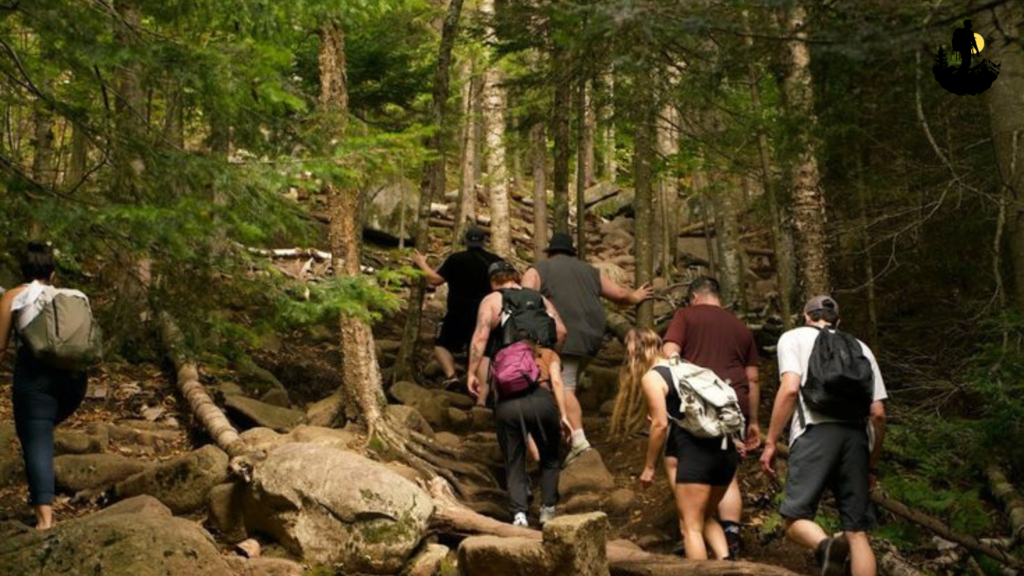
Remote travel often promises solitude and freedom, but long periods away from routine can also bring emotional challenges. Maintaining mental wellness during extended journeys is just as important as managing logistics or safety. Creating balance between exploration and rest helps you stay energized and fully present throughout your adventure.
One of the biggest benefits of remote travel is the opportunity to disconnect from constant digital noise. Wide open spaces and quiet environments naturally encourage reflection. However, complete isolation may feel overwhelming for some travelers. Finding a healthy balance between solitude and connection can make your journey more fulfilling.
Daily routines provide stability even in constantly changing environments. Simple habits like morning coffee, stretching, or journaling create a sense of familiarity that supports mental well being. These small rituals help you stay grounded regardless of where you wake up each day.
Mindfulness practices are especially powerful in remote settings. Taking time to notice sounds, colors, and textures around you can transform ordinary moments into meaningful experiences. Whether watching a sunrise over desert cliffs or listening to wind through trees, slowing down allows you to absorb the atmosphere more deeply.
Here are wellness tips for long remote trips:
- Schedule regular rest days without long drives
- Stay connected with friends or family when signal allows
- Balance solo time with occasional social interaction
- Keep a gratitude journal to reflect on positive moments
- Practice gentle stretching after long hours of driving
Physical health directly influences mental wellness. Staying hydrated, eating balanced meals, and getting enough sleep help maintain energy levels during long journeys. Even short walks or light exercises near your campsite can boost mood and reduce fatigue.
Remote travel can also spark creativity and personal growth. Many travelers use the quiet environment to think about goals, reflect on life changes, or explore new hobbies like sketching or writing. Embracing these moments of self discovery turns the journey into more than just a physical adventure.
At times, unexpected challenges may test your patience. Weather delays, mechanical issues, or changing plans are normal parts of remote exploration. Developing a mindset that views obstacles as learning experiences helps reduce stress. Taking deep breaths, reassessing options, and focusing on solutions keeps your mood positive.
Connection with nature itself has proven mental benefits. Open landscapes often create a sense of perspective and calm that is difficult to find in busy urban environments. Spending time outdoors without rushing allows your mind to reset and recharge.
In the end, maintaining mental wellness during remote travel is about listening to your needs. Some days will call for adventure and exploration, while others may require rest and quiet reflection. By honoring both, you create a balanced journey that leaves you feeling refreshed, inspired, and deeply connected to the experience.
Technology, Navigation Tools, and Staying Connected in Remote Areas
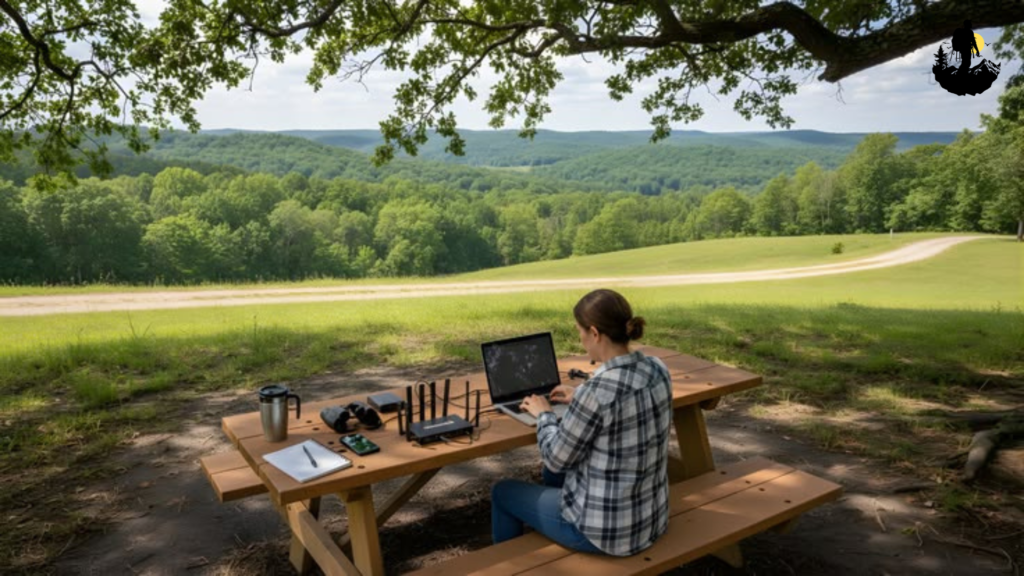
Technology can be both a powerful advantage and a potential weakness during remote travel in the USA. While modern apps make navigation easier than ever, remote regions often have limited signal coverage. Learning how to use technology wisely without depending on it completely helps you stay safe, organized, and confident throughout your journey.
Navigation is usually the first concern for travelers heading into isolated landscapes. GPS apps work well in cities, but remote deserts, forests, and mountain passes may have long stretches without internet access. Preparing offline maps before leaving populated areas ensures you can still track your location even when the signal disappears. Many experienced travelers combine digital navigation with traditional paper maps as a reliable backup.
Another important part of remote travel technology is communication. Staying connected does not always mean constant internet access. It means having reliable ways to reach help if needed. Satellite messengers or emergency beacons allow you to send your location during emergencies, making them valuable tools for travelers exploring truly isolated routes.
Power management becomes essential when you rely on devices for navigation, photography, or safety. Long days on the road can quickly drain phone batteries, especially when running GPS continuously. Portable power banks, vehicle chargers, and small solar panels help keep your equipment ready without searching for electrical outlets.
Here are practical technology tips for remote travel:
- Download offline maps and save important locations in advance
- Use a physical compass or paper map as a backup
- Use airplane mode to conserve battery during long drives
- Keep charging cables organized and easily accessible
- Store emergency contacts both digitally and on paper
Photography gear, drones, and action cameras are popular among remote travelers, but they also require thoughtful use. Wind, dust, and extreme temperatures can affect equipment performance. Protecting your devices with weather resistant cases and cleaning tools helps extend their lifespan during rugged adventures.
Security is another factor many travelers overlook. Public Wi Fi in small towns or roadside stops may not always be secure. Using basic online safety practices such as strong passwords and avoiding sensitive transactions on unfamiliar networks protects your personal information while traveling.
Technology can also enhance your overall experience when used intentionally. Travel apps that track fuel stops, weather updates, or campsite availability allow you to make smarter decisions along the way. Audio guides and offline playlists make long drives more enjoyable, turning quiet highways into immersive storytelling experiences.
However, it is important to balance technology with presence. Remote travel offers rare opportunities to disconnect from constant notifications and digital noise. Setting boundaries around screen time allows you to fully appreciate natural surroundings and spontaneous moments that cannot be captured through a device.
Group travelers may benefit from shared digital planning tools. Keeping itineraries, reservations, and emergency plans in a shared folder ensures everyone has access to important information even if one device fails. This small step reduces confusion and helps maintain organization during long trips.
Consider creating a simple digital routine each day. Checking weather updates in the morning, confirming your route, and backing up photos in the evening keeps everything organized without overwhelming your travel experience. Consistency with these habits builds confidence and reduces stress.
In the end, technology should support your remote journey rather than control it. By combining digital tools with traditional navigation skills and mindful usage, you create a balanced approach that enhances safety while preserving the sense of freedom that makes remote road trips in the USA so unforgettable.
Practical Tips for a Smooth and Enjoyable Remote Travel Experience
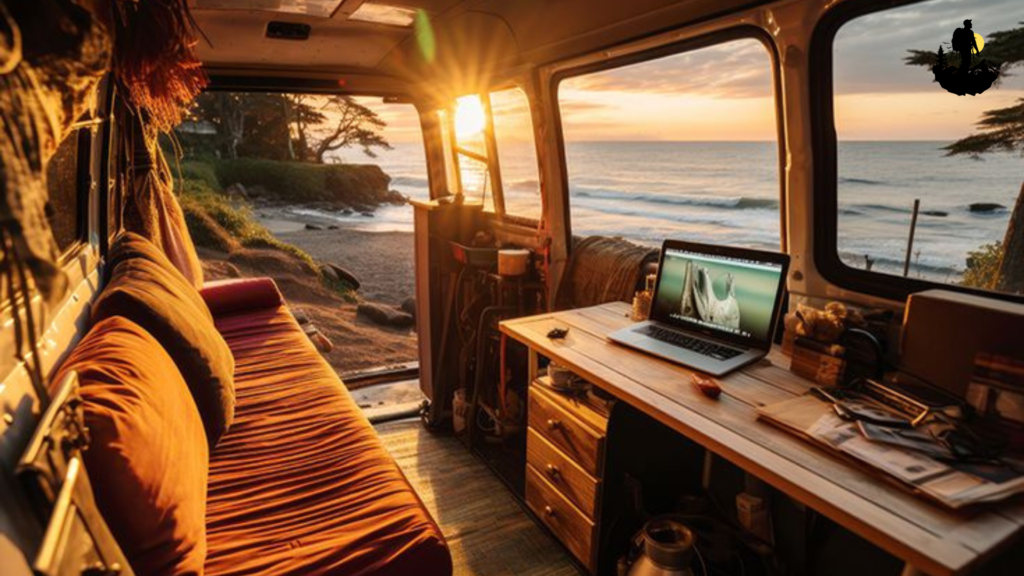
Remote travel across the USA becomes far more rewarding when you combine preparation with a flexible mindset. While every journey is different, certain habits consistently help travelers stay safe, organized, and relaxed even in isolated environments. These practical tips bring together everything discussed in this guide and turn it into simple actions you can follow before and during your trip.
Start by simplifying your packing strategy. Many travelers overpack because they worry about being far from stores, but excessive gear can make moving and organizing more difficult. Focus on versatile clothing, multi use tools, and lightweight essentials. Keeping your setup simple allows you to adapt quickly when plans change.
Fuel management is one of the most important habits to develop. Remote highways may stretch for hours without gas stations, so get used to filling your tank whenever you reach a larger town. Even if you feel you still have enough fuel, topping up early prevents unnecessary stress later.
Daily planning should remain flexible rather than rigid. Instead of creating a tight schedule, plan only a few main stops and leave room for unexpected discoveries. Remote travel often leads to hidden viewpoints, quiet trails, or local recommendations that were not part of your original itinerary. Allowing time for these surprises makes the journey feel more authentic.
Safety awareness is another key factor. Begin each morning with a quick check of your vehicle, weather forecast, and route conditions. This simple routine can help you avoid issues before they grow into problems. If conditions feel unsafe, changing direction is always better than pushing forward out of stubbornness.
Here are some practical remote travel tips to keep in mind:
- Keep a printed copy of your route and emergency contacts
- Store snacks and water within easy reach during long drives
- Organize gear so frequently used items are accessible quickly
- Respect nature by following leave no trace principles
- Talk to locals for real time travel advice and hidden gems
Maintaining a positive mindset also plays a huge role in enjoying remote travel. Delays, road closures, or sudden weather changes are normal parts of exploring isolated landscapes. Instead of seeing these moments as setbacks, treat them as opportunities to slow down and experience something new.
Balance adventure with rest. Long drives and outdoor activities can be physically demanding, so schedule downtime to recharge. Even a short break at a scenic overlook or a relaxed evening at a campsite can restore your energy and help you stay fully present.
Conclusion
Planning remote travel in the USA is not just about reaching distant locations. It is about embracing independence, respecting nature, and creating meaningful experiences far from crowded tourist paths. From choosing the right destinations to packing smart gear, understanding weather patterns, supporting local communities, and using technology wisely, every step of preparation contributes to a safer and more enjoyable journey.
The true beauty of remote travel lies in its balance between structure and freedom. Careful planning gives you confidence, while flexibility allows you to follow the unexpected moments that make travel unforgettable. Quiet desert roads, mountain sunsets, and small town conversations often become the memories that stay with you long after the trip ends.
As you prepare for your own adventure, remember that remote travel is not about perfection. It is about curiosity, patience, and respect for the landscapes and people you encounter along the way. By traveling responsibly and staying open to new experiences, you can explore some of the most breathtaking and peaceful places in the United States while creating a journey that feels uniquely your own.

🌿 Sources & References
- Travel Health – CDC
- Responsible Travel – National Geographic
- Travel Tips – Lonely Planet
- Sustainable Travel – World Tourism Organization (UNWTO)
- Outdoor Recreation – REI Expert Advice
- Leave No Trace Principles
- Nature Conservation – WWF
- U.S. National Parks – NPS
- Wilderness Safety – American Red Cross
- Outdoor Health Benefits – NIH