How to Travel Safely Without Cell Signal in the USA
Traveling across remote parts of the United States can feel freeing, but losing cell service changes how you plan, navigate, and stay safe. From desert highways to deep national forests, many beautiful destinations have limited or no signal at all. The key to safe off-grid travel is preparation, awareness, and smart decision-making before you even start the journey. With the right mindset and tools, traveling without connectivity can become a peaceful and rewarding experience rather than a risky one.

This guide explains practical strategies, real-world safety habits, and thoughtful no signal travel usa tips to help you explore confidently even when your phone shows zero bars.
Why Traveling Without Cell Signal Requires Extra Planning
Offline Navigation and Route Planning: Staying Oriented Without Technology
One of the biggest challenges when traveling without cell signals in the USA is navigation. Many remote highways, national parks, and rural mountain routes can leave you without GPS data for hours. The goal is not to avoid technology completely, but to make sure you are not dependent on it.
Before leaving, download offline maps using reliable navigation apps. Offline maps allow turn by turn guidance even without internet access, but they only work if you save them in advance. Study your route at home and identify rest stops, ranger stations, fuel locations, and emergency services. Knowing your general direction helps you make smarter decisions if your digital tools stop working.
Carry a physical road atlas or printed maps as a backup. Paper maps navigation never run out of battery and provide a wider view of your surroundings than most phone screens. Many experienced travelers highlight their route with a marker and note alternate paths in case of road closures or weather changes.
Another important habit is sharing your travel plan with someone you trust. Tell them where you are going, when you expect to arrive, and which roads you plan to use. If you do not check in by a certain time, they can alert authorities. This simple step dramatically increases safety when traveling in remote areas.
Understanding terrain is equally important. Desert roads in Arizona or Nevada can stretch for hundreds of miles without services. Mountain routes in Colorado or Montana may have sudden weather changes and winding roads that slow travel. Researching elevation, seasonal conditions, and potential hazards helps you prepare realistically.
Navigation without signal also requires attention to physical landmarks. Watch for trail signs, mile markers, and distinctive natural features like rivers, cliffs, or mountain ridges. Many travelers find that learning to observe their surroundings actually improves their awareness and confidence.
Fuel management becomes part of navigation planning as well. Never assume the next gas station will be open or accessible. Fill up whenever your tank reaches half in remote regions. Carrying a small approved fuel container can add an extra layer of safety during long stretches.
Battery conservation is another often overlooked detail. Put your phone in airplane mode when you know there is no signal. Searching for service drains battery quickly, and conserving power ensures you can still access maps, photos, or emergency features if needed later.
Travel timing also affects navigation safety. Starting long drives early in the day gives you more daylight to adjust if something goes wrong. Driving unfamiliar roads at night without signal can increase stress and risk, especially in wildlife heavy areas where animals may cross unexpectedly.
Many experienced travelers recommend keeping a simple written checklist in the car. Include your destination, backup routes, important contact numbers, and nearby towns. Writing things down helps reduce panic if technology fails.
Ultimately, safe navigation without cell signal comes down to mindset. Instead of relying on instant updates, focus on preparation and observation. The slower pace encourages you to notice landscapes, road conditions, and your own comfort level. With strong planning and situational awareness, traveling off-grid becomes less about losing connection and more about gaining independence.
Emergency Preparedness and Safety Gear: Building Confidence in Remote Travel
When traveling without a cell signal, preparation shifts from convenience to survival awareness. Even short trips through remote areas require thinking ahead about weather, vehicle safety, and unexpected delays. The right gear does not just protect you physically, it reduces anxiety and allows you to enjoy the journey more fully.
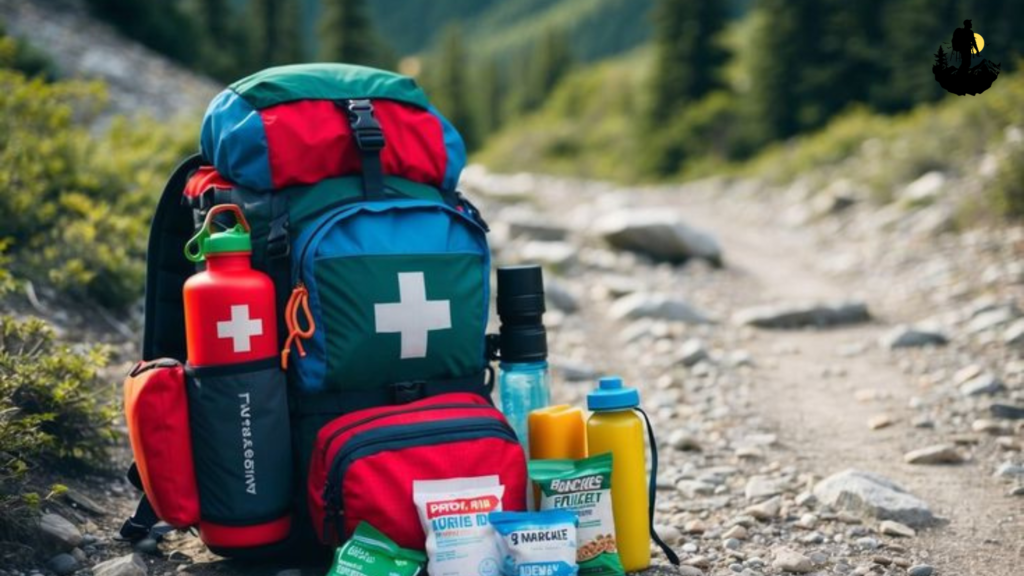
Start with a well organized emergency kit. A basic setup should include extra water, high energy snacks, a flashlight, batteries, a portable power bank, and a first aid kit. In desert environments, dehydration is one of the most common risks, while in colder regions hypothermia can become dangerous quickly. Pack layers of clothing even if the forecast looks warm because temperatures change dramatically at higher elevations.
A vehicle safety kit is equally essential. Jumper cables, a tire repair kit, and a portable air compressor can solve common roadside problems without needing outside help. Many experienced road travelers also carry reflective triangles or hazard lights to make their vehicle visible on dark rural highways.
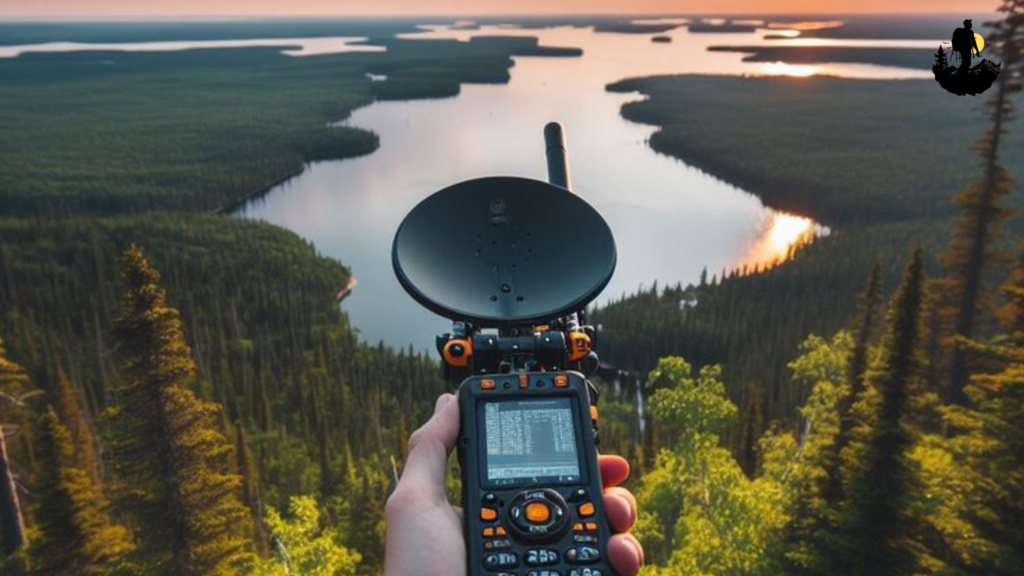
Satellite communication devices are becoming increasingly popular for travelers who venture far from cell service. These tools allow you to send SOS signals or brief messages through satellites, giving peace of mind without requiring traditional signal coverage. Even if you never use it, knowing you have a backup connection can reduce stress during long remote drives.
Food planning is another overlooked safety factor. Restaurants and stores may close early in rural towns, and unexpected road delays can leave you far from services. Pack simple non perishable items such as nuts, protein bars, and dried fruit. These small supplies can make a big difference if your travel time doubles due to weather or construction.
Weather awareness plays a huge role in safe travel. Check forecasts before leaving and understand how conditions affect your route. Heavy rain can make dirt roads impassable, snow can close mountain passes, and extreme heat can strain both vehicles and travelers. Carrying a small weather radio or checking ranger station updates before entering remote areas can provide valuable information.
Wildlife encounters are another consideration when traveling without signal. In many parts of the USA, deer, elk, and even bears may appear near roads or campsites. Driving slower at dawn and dusk reduces accident risk. Properly storing food and maintaining distance from animals protects both you and the environment.
Mental preparedness matters as much as physical gear. Traveling without constant connectivity can feel unfamiliar at first. Instead of viewing it as a limitation, treat it as an opportunity to slow down and be present. Keep a journal, plan scenic stops, or schedule rest breaks to maintain focus and energy.
Parking and overnight safety should also be planned carefully. Choose designated campgrounds, well reviewed lodges, or established rest areas rather than isolated pull offs. Let someone know your overnight location whenever possible. Even simple habits like locking doors and keeping valuables out of sight add an extra layer of security.
Hydration and health awareness are crucial during long stretches without services. Take breaks to stretch, stay hydrated, and monitor your energy levels. Fatigue can be more dangerous than poor signal because it affects judgment and reaction time.
Ultimately, emergency preparedness is not about expecting the worst. It is about creating a safety net that allows you to explore confidently. With thoughtful packing, awareness of your environment, and respect for nature’s unpredictability, traveling without cell signal becomes an empowering experience. Many travelers discover that once they prepare properly, the absence of constant notifications and digital noise transforms the journey into something calmer, more intentional, and deeply memorable.
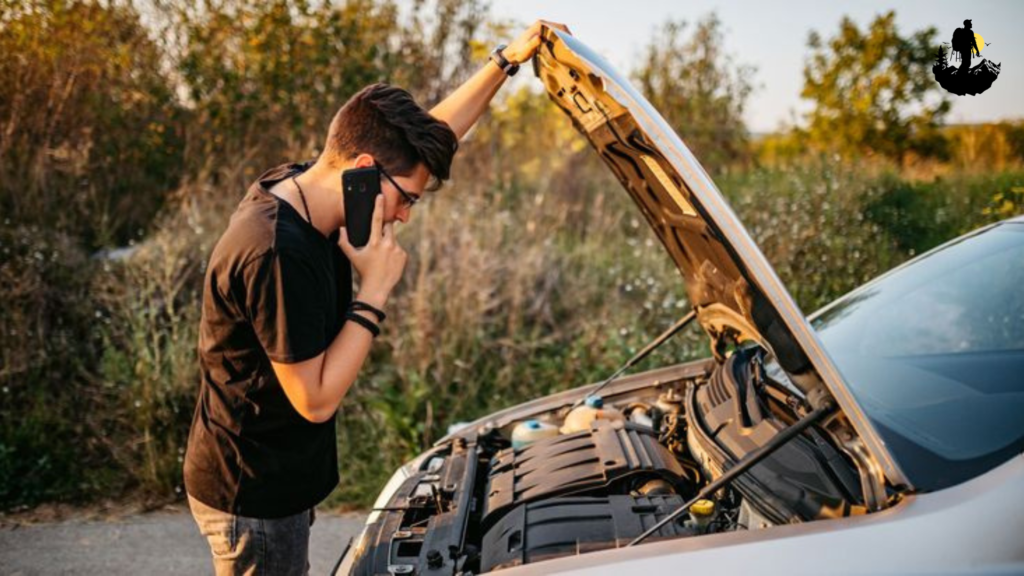
Vehicle Readiness and Mechanical Safety: Preparing Your Car for No Signal Zones
Traveling through remote parts of the USA without cell signal means your vehicle becomes your most important safety tool. Unlike city driving where help is usually minutes away, mechanical issues in isolated areas can leave you waiting hours for assistance. Preparing your car properly before the journey reduces risk and gives you confidence when you venture far from busy highways.
Start with a full vehicle inspection. Check tire pressure, brake condition, engine oil, coolant levels, and windshield fluid before leaving. Many remote routes involve steep climbs, rough terrain, or long stretches without service stations, which can place extra strain on your car. A simple maintenance check can prevent breakdowns that become much more complicated when you cannot call for help.
Tires deserve special attention because they are one of the most common causes of roadside trouble. Inspect for uneven wear, cracks, or low tread depth. Carry a fully functional spare tire and make sure you know how to change it safely. Practice at home if needed so you are not learning for the first time on a quiet desert road or mountain shoulder.
Fuel strategy also becomes part of mechanical safety. Remote regions often have limited gas stations, and some close early or may not accept certain payment methods. Always refill earlier than you think necessary. Many experienced travelers follow the half tank rule, which means refueling whenever the tank drops below half while traveling through isolated areas.
Temperature management is another key factor. In hot environments like the American Southwest, engines can overheat quickly during long climbs or heavy traffic in national parks. Carry extra coolant and know where your vehicle’s temperature gauge sits during normal operation. In colder regions, winter tires and antifreeze protection are essential for safe driving.
Battery health is often overlooked until it becomes a problem. If your battery is more than a few years old, consider replacing it before a long off-grid trip. Remote areas rarely offer quick replacements, and jump starting without another vehicle nearby can be challenging. Portable battery boosters are small investments that provide significant peace of mind.
Driving habits also affect mechanical safety. Avoid aggressive acceleration or sudden braking on unfamiliar roads. Slow and steady driving not only conserves fuel but also reduces wear on your car. Gravel roads require gentle steering and lower speeds to maintain control and protect tires from sharp rocks.
Storage organization inside the vehicle matters too. Keep emergency gear, tools, and water within easy reach instead of buried under luggage. If you need to act quickly during a roadside situation, you do not want to search through bags while standing near traffic or harsh weather.
Many travelers also recommend learning basic troubleshooting skills. Understanding how to check fluid levels, identify warning lights, or reset simple systems can save time and stress. Even small knowledge, such as recognizing the smell of overheating brakes or low coolant, helps you respond early rather than waiting for a major issue.
Planning your driving schedule around daylight hours contributes to both mechanical and personal safety. Visibility is better, wildlife encounters are easier to avoid, and roadside repairs become less stressful. Nighttime breakdowns without signal can feel isolating, so minimizing risk through smart timing is valuable.
Ultimately, vehicle readiness is not just about avoiding problems. It creates a sense of independence that makes off-grid travel enjoyable. When you trust your car and understand its limits, long scenic drives across deserts, forests, and mountain passes become adventures rather than uncertainties.

Smart Communication Strategies Without Signal: Staying Connected in Creative Ways
Even when traditional cell service disappears, communication does not have to stop completely. Travelers who understand alternative ways to stay connected feel more secure and less isolated during remote journeys. The key is combining technology, planning, and human awareness to maintain a safety network.
Before leaving, create a simple communication plan. Decide how often you will check in with a friend or family member and what they should do if you miss a scheduled update. Many travelers leave a printed itinerary at home, including routes, accommodation details, and expected travel times. This approach ensures someone knows your general location even if you cannot send updates regularly.
Satellite based devices offer one of the most reliable ways to communicate without cell signal. These tools allow you to send short text messages, share your location, or activate emergency alerts using satellite networks instead of cell towers. While not necessary for every trip, they are especially useful for long hikes, desert crossings, or remote national park visits.
Public communication points still exist across the USA, even in rural areas. Visitor centers, ranger stations, gas stations, and small town cafes often provide Wi Fi or landline access. Planning occasional stops at these locations allows you to update loved ones and check for important news such as weather alerts or road closures.
Radio communication is another underrated option. Handheld radios or vehicle mounted CB radios allow drivers to communicate with nearby travelers, truck drivers, or local communities. While not as common as they once were, they remain useful on certain highways and off road trails where other drivers rely on shared channels.
Body language and awareness also play a role in communication when technology is limited. If you need help on the road, raising the hood of your car signals distress to passing drivers. Reflective triangles or hazard lights increase visibility and encourage safe assistance from others.
Group travel offers natural communication advantages. Traveling with another vehicle means you can share supplies, assist with navigation, and support each other during unexpected delays. Many travelers coordinate using simple walkie talkies when caravanning through remote areas.
Respecting privacy and safety remains important when interacting with strangers for help. Choose well lit locations and trust your instincts when accepting assistance. Most roadside interactions in remote communities are friendly and supportive, but awareness ensures positive experiences.
Written communication can be surprisingly effective as well. Leaving notes at trailheads, campsite boards, or ranger stations can inform others of your plans or help search teams locate you if needed. Keeping a small notebook and pen inside your vehicle makes this process easy.
Communication without signal also involves mental preparation. Without constant notifications or social media, travelers often experience a deeper sense of calm and focus. Use this time to observe your surroundings, document experiences in a journal, or simply enjoy quiet moments away from digital noise.
Ultimately, staying connected without cell service is about creativity and planning. By combining modern tools with traditional methods, you maintain a reliable safety network while still enjoying the freedom of off-grid exploration.
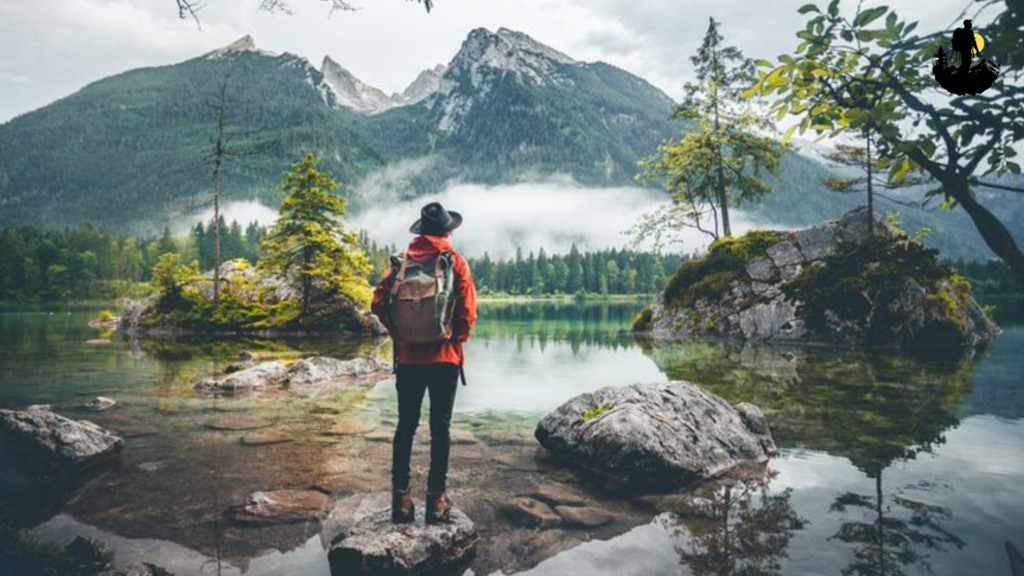
Mindset, Awareness, and Solo Travel Safety: Staying Calm and Confident Off Grid
Traveling without cell signal is as much a mental experience as a physical one. Many travelers initially feel uneasy when they realize they cannot instantly call or message someone. Developing the right mindset transforms that uncertainty into confidence and awareness, allowing you to travel safely while fully appreciating the journey.
The first step is shifting expectations. Instead of relying on constant updates or instant navigation, embrace slower decision making. Take time to observe road signs, natural landmarks, and changes in weather or terrain. This heightened awareness improves safety because you become more present in your environment.
Situational awareness is one of the most valuable skills during off-grid travel. Pay attention to how your body feels, how your vehicle responds to the road, and how surroundings change as you move through different regions. Notice details like wildlife activity, cloud movement, or shifting light conditions. These observations help you anticipate challenges before they become problems.
Solo travelers often worry about safety when disconnected from communication networks. Choosing well traveled routes during the day, parking in designated areas, and maintaining a confident presence can significantly reduce risk. Trusting your instincts is important. If a location feels uncomfortable, it is always acceptable to move on and find a safer environment.
Routine planning helps maintain emotional balance. Set regular times for meals, rest stops, and hydration. Consistency keeps your energy levels stable and prevents decision fatigue during long drives. Fatigue can make situations feel more stressful than they actually are, so maintaining healthy habits is essential.
Learning to manage uncertainty is another key part of mindset preparation. Weather delays, road closures, or unexpected detours are common in remote regions. Instead of viewing them as setbacks, treat them as part of the adventure. Carrying extra supplies and allowing flexible travel time reduces pressure when plans change.
Many travelers find that journaling or photography helps maintain a sense of connection during off-grid experiences. Writing down thoughts or capturing landscapes creates a meaningful record of your journey while keeping your mind engaged. These small activities can reduce feelings of isolation and enhance the overall experience.
Personal safety tools such as whistles, flashlights, and basic self defense awareness add another layer of confidence. Knowing you have ways to attract attention or navigate in low light allows you to focus more on enjoying your surroundings rather than worrying about worst case scenarios.
Respect for local communities and nature also contributes to a safer mindset. Follow park rules, respect private property, and practice Leave No Trace principles. When travelers show responsibility and care, they often receive kindness and support from locals who understand the challenges of remote travel.
Finally, remember that traveling without cell signal can be incredibly rewarding. Many people discover that the absence of constant connectivity allows deeper reflection, stronger appreciation for landscapes, and a renewed sense of independence. By preparing mentally and staying aware of your surroundings, you transform potential anxiety into a powerful sense of freedom.
With the right mindset, off-grid travel becomes more than just a safety challenge. It becomes an opportunity to reconnect with the journey itself, where every mile feels intentional and every moment feels fully experienced.
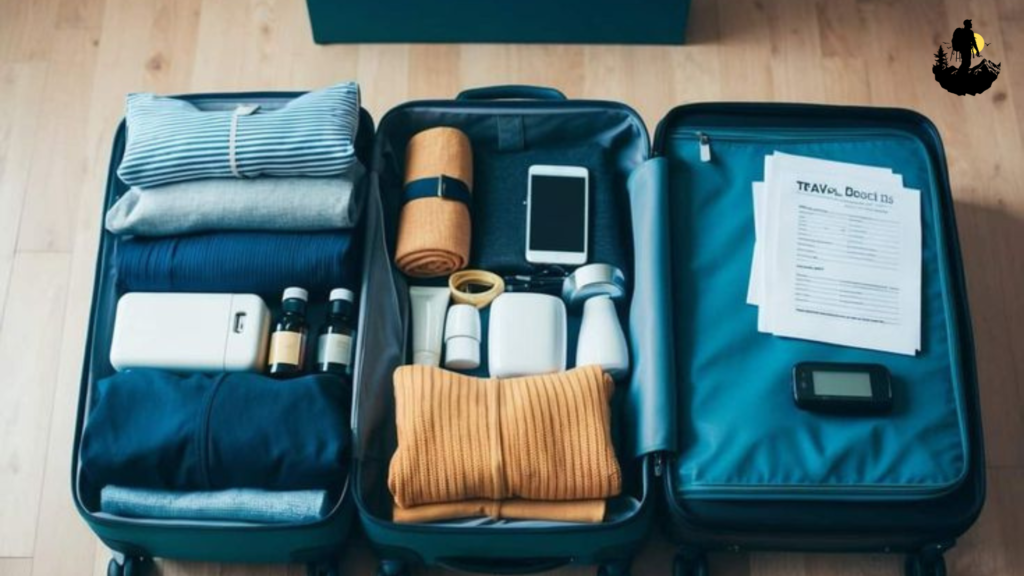
Packing Smart for Remote Travel: Essential Supplies That Replace Digital Convenience
When you travel through areas of the USA without cell signal, your packing strategy becomes more than just comfort. It becomes a system that replaces the everyday convenience normally handled by apps, online searches, and instant communication. Smart packing helps you stay independent, reduces stress, and allows you to adapt quickly to unexpected situations.
Start by thinking in categories rather than individual items. Navigation, food, health, shelter, and lighting are the five core groups that every off grid traveler should prepare carefully. Each category supports a different part of your safety plan, and balancing them ensures you are ready for both short delays and longer challenges.
Navigation supplies should include printed maps, a small compass, and a notebook with important directions written clearly. Even if you rely on downloaded maps, having a physical reference gives you confidence if your phone battery drains. Many travelers also mark key locations such as ranger stations, lakes, or nearby towns directly on their maps before leaving home.
Food and hydration planning is often underestimated. Pack more water than you think you will need because remote environments can be dehydrating, especially in desert or high elevation areas. Reusable bottles, insulated containers, and simple purification tablets provide flexibility if you run low. Food choices should focus on non perishable items like trail mix, peanut butter packets, crackers, and dried fruit. These foods require no cooking and provide steady energy during long drives.
Health and hygiene supplies are equally important. A well stocked first aid kit should include bandages, antiseptic wipes, pain relief medication, and blister care. Add sunscreen, insect repellent, and lip balm to protect against environmental exposure. Without nearby stores, small comfort items like wet wipes or hand sanitizer can make a big difference in maintaining morale during long travel days.
Shelter and warmth preparation depends on the region you are visiting. Even if you plan to stay in lodges or campgrounds, carry an emergency blanket, lightweight sleeping bag, or extra layers. Weather can shift quickly in mountain or desert regions, and having warmth available helps you stay calm if travel plans change.
Lighting tools are essential when traveling without signal because you cannot rely on online updates about sunset times or weather conditions. Headlamps, flashlights, and lanterns allow you to move safely around campsites or roadside stops. Many experienced travelers prefer rechargeable lights paired with a solar charger to extend their independence.
Organization matters just as much as what you pack. Use small labeled bags or storage boxes so you can find supplies quickly. Keeping frequently used items near the top of your bag reduces frustration and prevents unnecessary unpacking during stressful moments.
Comfort items also play a role in long term safety. A travel pillow, lightweight blanket, or favorite snacks help maintain emotional balance during long stretches of isolation. Feeling comfortable reduces fatigue and helps you make better decisions on the road.
Seasonal adjustments should always be considered. Winter travelers may need traction mats, snow brushes, and thermal gloves, while summer travelers should focus on shade, cooling towels, and extra hydration. Tailoring your packing list to the environment makes your preparation more efficient.
Ultimately, packing smart means thinking ahead about the moments when technology is unavailable. Every item you carry becomes part of your support system. With thoughtful preparation, you replace digital dependence with practical readiness, allowing you to enjoy remote travel with confidence and peace of mind.
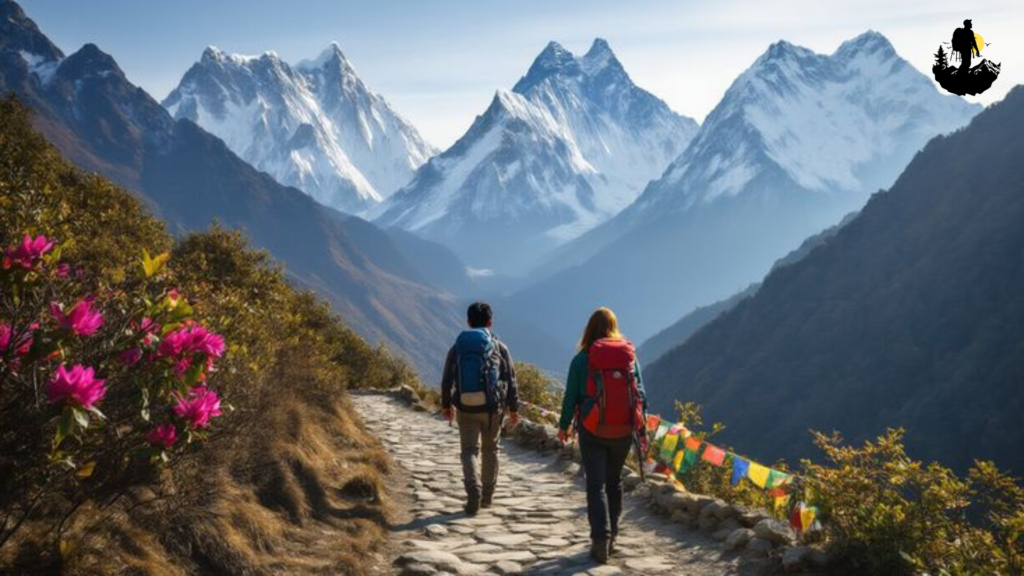
Choosing Safe Routes and Destinations: How to Plan Off Grid Travel Like an Expert
Selecting the right route is one of the most important decisions when traveling without cell signal in the USA. Some areas offer stunning scenery but limited services, while others balance remoteness with safety infrastructure. Understanding how to evaluate destinations helps you avoid unnecessary risk while still experiencing incredible landscapes.
Begin by researching road types before you leave. Paved highways usually provide more predictable conditions than dirt or gravel roads. While unpaved routes can be beautiful, they require careful planning, especially if you are traveling alone or in a standard vehicle. Checking maps that show terrain elevation and road quality helps you decide whether a route fits your experience level.
National parks and scenic byways often offer a good balance between remoteness and safety. These areas may lack strong cell service but usually include visitor centers, marked trails, and regular ranger patrols. Choosing destinations with some level of infrastructure ensures that help is not too far away if you need it.
Distance between services is another key factor. Study how far apart gas stations, rest areas, and small towns are located along your route. Long stretches without facilities can be rewarding but require strong preparation. Many travelers create a simple timeline that estimates when they will reach the next populated area, helping them manage fuel and rest breaks.
Weather patterns also influence route safety. Mountain passes may close due to snow even during spring or fall, while desert roads can become dangerous during extreme heat. Reviewing seasonal travel guides and understanding local climate trends helps you avoid routes that may become risky during certain times of the year.
Consider the popularity of the route as well. Extremely isolated roads may offer solitude but reduce the chance of passing drivers who could assist during emergencies. Choosing moderately traveled scenic routes provides a balance between peaceful exploration and practical safety.
Local knowledge can be incredibly valuable when planning destinations. Reading travel forums, park updates, or regional guides gives insight into road conditions, wildlife activity, and construction zones. Even without cell signal during the trip, you can gather a wealth of information beforehand.
Timing your travel around daylight hours improves route safety significantly. Starting early allows you to navigate unfamiliar terrain with better visibility. Sunlight helps you read road signs, identify hazards, and enjoy scenic stops without feeling rushed.
Flexibility should be part of every off grid plan. Instead of locking yourself into a strict schedule, build extra time into your itinerary. Unexpected delays become less stressful when you know you have room to adjust your plans without pressure.
Environmental respect also plays a role in choosing safe destinations. Following Leave No Trace principles and respecting local regulations protects fragile ecosystems and ensures that remote areas remain accessible for future travelers. Responsible travel builds trust between visitors and local communities.
In the end, choosing safe routes is about balancing adventure with preparation. The goal is not to avoid remote places but to approach them thoughtfully. When you select destinations that match your skills, vehicle, and comfort level, traveling without cell signal becomes an empowering experience rather than a risky one.
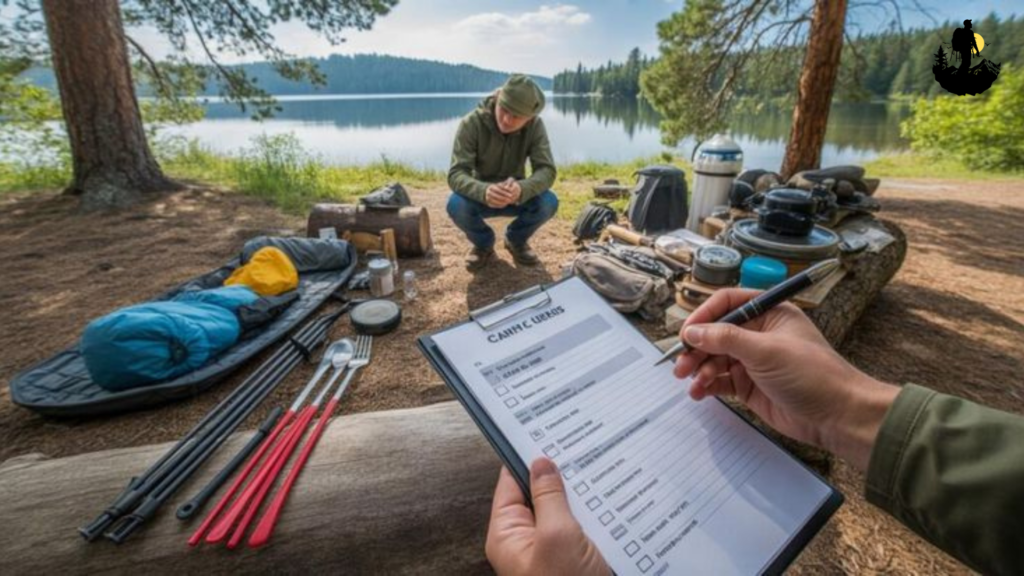
Camping and Overnight Safety Without Connectivity: Resting Securely Off Grid
Spending the night in areas without cell signal can be one of the most memorable parts of traveling across the USA. Whether you choose a forest campsite, desert pull off, or quiet mountain lodge, overnight safety depends on preparation, awareness, and thoughtful planning. Creating a secure sleeping environment helps you relax fully even when you are far from digital connection.
Start by selecting established overnight locations whenever possible. Designated campgrounds, state parks, and well reviewed lodges provide basic infrastructure such as restrooms, marked spaces, and occasional ranger presence. These environments reduce uncertainty and allow you to focus on enjoying the surroundings.
Arriving before sunset is one of the simplest ways to improve safety. Daylight allows you to assess the terrain, locate water sources, and identify potential hazards like uneven ground or wildlife activity. Setting up camp in the dark without signal can increase stress and make simple tasks more difficult.
Positioning your vehicle strategically also adds security. Park facing the exit whenever possible so you can leave quickly if needed. Keep essential items such as keys, flashlight, and water within arm’s reach during the night. Organized placement helps you respond calmly if unexpected sounds or weather changes occur.
Lighting plays a major role in overnight comfort. Soft lanterns or headlamps create a welcoming atmosphere while allowing you to move safely around your campsite. Avoid overly bright lights that disturb wildlife or other travelers. Balanced lighting helps maintain awareness without attracting unnecessary attention.
Food storage is especially important in wildlife areas. Use sealed containers and store food away from sleeping areas when possible. In bear country, many campgrounds provide storage lockers for safety. Following local guidelines protects both you and the animals that share the environment.
Personal routines contribute to a sense of normalcy even when off grid. Simple habits like making tea, writing in a journal, or organizing gear before sleep help you relax. Establishing a calming evening routine reduces anxiety that can sometimes come from being disconnected.
Weather awareness should continue throughout the night. Check the sky, wind direction, and temperature before sleeping. Keeping an extra blanket or jacket nearby ensures you stay comfortable if conditions change. Small adjustments can prevent restless sleep and keep you energized for the next day.
Noise awareness is another helpful practice. Natural sounds like wind, insects, or distant animals may feel unfamiliar at first. Learning to recognize these sounds reduces fear and helps you distinguish between normal environmental noise and situations that require attention.
Morning preparation is just as important as nighttime setup. Pack your gear methodically and check the area for forgotten items. Leaving a campsite cleaner than you found it supports responsible travel and maintains access to beautiful remote locations.
Ultimately, overnight safety without connectivity is about creating a space where you feel grounded and prepared. With thoughtful planning and respect for your surroundings, nights spent off grid become peaceful experiences filled with quiet skies, fresh air, and a deeper connection to the journey itself.
Practical Safety Tips for Traveling Without Cell Signal in the USA
Traveling off grid becomes much safer when you follow a few simple but powerful habits. These tips are designed to help you stay calm, prepared, and aware while exploring areas where your phone cannot guide every decision.
Plan your route before leaving
Always review your path in advance and understand the main highways, backup roads, and nearby towns. Write down key locations such as gas stations, ranger stations, and overnight stops. When you already know the general direction, losing signal feels less stressful because you still understand where you are going.
Tell someone your travel schedule
Share your departure time, route, and expected arrival with a trusted person. Ask them to check in if they do not hear from you within a specific window. This simple step creates a safety net that works even when you cannot send messages.
Carry extra water and food
Remote travel often takes longer than expected due to weather, road conditions, or scenic stops. Keeping extra water and non perishable snacks helps maintain energy and prevents dehydration. Even short delays feel manageable when you know you have supplies.
Keep your vehicle ready for long distances
Check fuel levels frequently and refill earlier than usual. Monitor tire pressure, engine temperature, and battery condition throughout the trip. Your vehicle is your main support system when traveling without connectivity, so treating it with care reduces risk.
Use daylight to your advantage
Try to drive unfamiliar roads during the day. Visibility improves navigation, helps you spot wildlife, and makes it easier to find safe places to stop. Daytime travel also reduces fatigue, which is one of the biggest hidden dangers on remote journeys.
Organize your gear for quick access
Store flashlights, maps, and emergency tools in reachable locations. When something unexpected happens, you should be able to grab what you need immediately without searching through bags. Organization keeps small problems from turning into stressful situations.
Stay aware of weather changes
Check forecasts before you leave and pay attention to the sky and wind as you travel. Remote areas can shift quickly from clear conditions to storms or extreme heat. Adjusting your plans early is always safer than pushing forward into uncertain conditions.
Trust your instincts
If a location feels unsafe or uncomfortable, move on and find a better spot. Confidence and awareness are more valuable than sticking to a strict schedule. Listening to your intuition often prevents unnecessary risks.
Take regular breaks to stay focused
Long stretches without signal can feel mentally draining. Stop periodically to stretch, hydrate, and rest your eyes. These small pauses keep your mind sharp and help you enjoy the journey rather than rushing through it.
Respect nature and local communities
Follow posted rules, keep noise low, and leave places cleaner than you found them. Responsible behavior not only protects the environment but also builds positive connections with local communities who support safe travel.
Conclusion
Traveling without cell signals in the USA may seem intimidating at first, but it often becomes one of the most rewarding ways to explore the country. Without constant notifications or digital distractions, you begin to notice the rhythm of the road, the quiet beauty of remote landscapes, and the simple joy of being fully present in the moment. Safety comes not from technology alone, but from preparation, awareness, and thoughtful decision making.
By planning routes carefully, packing smart supplies, maintaining your vehicle, and building strong communication habits before leaving, you create a reliable safety foundation that allows you to travel with confidence. Each tip works together to replace the convenience of online tools with real world readiness.
Off grid travel is not about disconnecting completely from the world. It is about reconnecting with the journey itself. When you approach remote adventures with respect for nature, patience for unexpected changes, and trust in your preparation, the absence of signal becomes less of a challenge and more of an invitation to slow down. With the right mindset and practical safety habits, you can explore vast deserts, mountain roads, and quiet forests knowing that you are prepared for whatever the road brings.

✦ Related Articles You May Love
- Living Like A Local In Remote U S Regions
- Hidden Homestay Experiences In Offbeat U S Towns
- Folklore And Legends From The Deep South
- How To Find Hidden Adventure Spots Across The Usa
- Essential Packing Tips For U S Hiking Trips
- Budget Travel Hacks For Exploring U S Trails
- Safety Tips For Hiking Hidden Trails In The Usa
- Best Seasons To Visit Hidden U S Parks
- Eco Friendly Ways To Explore Remote U S Destinations
- How To Reach Hard To Access U S Adventure Spots
- Navigating Road Trips To Lesser Known U S Parks
- Apps That Reveal Hidden Trails And Campsites
- How To Stay Connected In Remote U S Areas
- Capturing Hidden Landscapes Of The American West
- Capturing Hidden Motion Long Exposure Photography In U S National Parks
- Night Sky Photography In Americas Dark Sky Parks
- Photo Walks Through Hidden U S Small Towns
- Reflections Photography On Hidden U S Lakes
- Rock Climbing In Lesser Known U S Spots
- Trail Running Through Hidden Forest Paths
- Mountain Biking Adventures In The Pacific Northwest
- Paragliding Above Secret U S Peaks
- Scuba Diving Hidden Reefs In The Florida Keys
- Abandoned Ghost Towns In The American West
- Hidden Architectural Gems Across The Usa
- Discovering Truly Local Favourite Hiking Trail Usa
- Travel Mistakes To Avoid On U S Hidden Trails
- Solo Adventures In Remote U S Locations
- How Tourism Is Changing Hidden American Spots
- Hidden U S Destinations That Inspired Great Art
- Americas Forgotten Ghost Stories And Legends
- Short Hidden Hikes Under 5 Miles In The Usa
- Abiqua Falls Oregons Most Hidden Waterfall In The Pacific Northwest
- Exploring Hidden Islands In The Florida Keys
- Hidden Trails Secret Canyons Offbeat Hiking Escapes In The American Southwest
- Lesser Known National Parks Usa Hidden Gems To Explore In 2025
- Secret Caves To Explore In The Appalachian Mountains
- A Bloomseekers Paradise The Wildflower Trails In The Rocky Mountains
- Scenic Mountain Passes Few Know In Colorado Hidden And Adventurous Places You Must Explore
- Kayaking Through Hidden Rivers Of The South
- Underrated Desert Oases In The Southwest Usa
- Seasonal Hidden Wonders In U S National Parks
- Hidden Hot Springs In The Western United States Your Guide To Real Relaxation
- Snow Covered Winter Trails No One Talks About
- Secret Coastal Cliffs To Explore In California
- Underground Crystal Caves In The United States
- Untouched Forest Sanctuaries In The Northeast
- Stories From Rural Americas Forgotten Communities
- Hidden Artisan Markets In The Midwest Your Ultimate Guide
- Local Foods Found Only In Small Town America
🌿 Sources & References
- Travel Health – CDC
- Responsible Travel – National Geographic
- Travel Tips – Lonely Planet
- Sustainable Travel – World Tourism Organization (UNWTO)
- Outdoor Recreation – REI Expert Advice
- Leave No Trace Principles
- Nature Conservation – WWF
- U.S. National Parks – NPS
- Wilderness Safety – American Red Cross
- Outdoor Health Benefits – NIH