Night Sky Photography in America's Dark Sky Parks: The Ultimate Field Guide
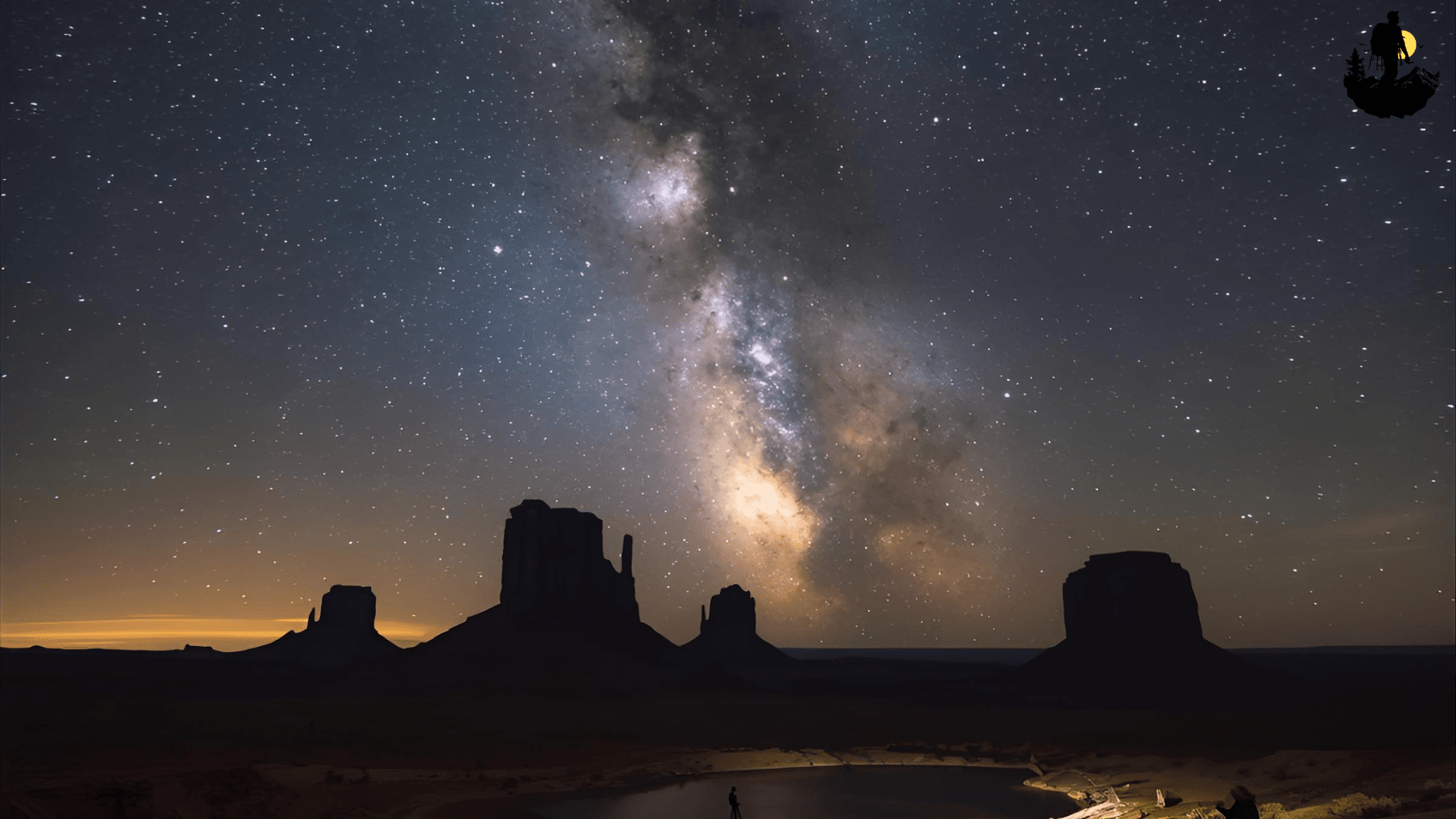
Exploring remote parks under a canopy of stars offers a photographic experience unlike any other. The U.S. boasts dozens of designated “dark sky” sites, places far from city lights where the night sky appears in its full brilliance. In these landscapes, your camera becomes a window to the universe. If you’ve ever wanted to capture the Milky Way bursting above a canyon rim, or streaks of stars over a still alpine lake, this blog will help you through location selection, gear and settings, field workflow, and post‑processing essentials for night sky photography in America’s dark‑sky parks.
What Makes a Dark Sky Park Special
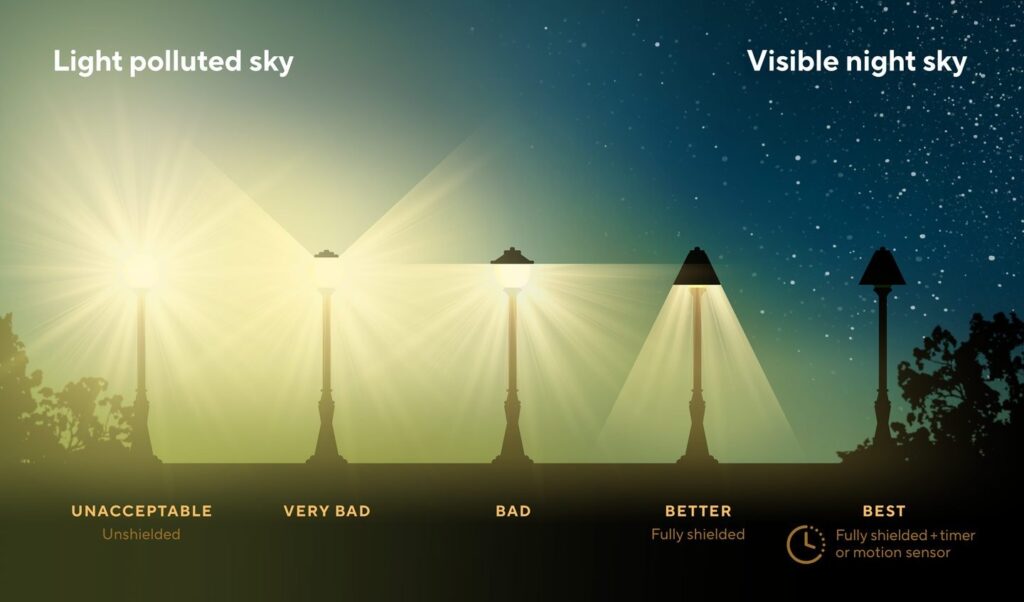
A “dark sky” park is more than a remote place; it’s a protected area where artificial light is minimised and natural darkness preserved. Granting and maintaining this status typically requires rigorous standards for lighting control, sky‑glow measurement, and ecological stewardship. The International Dark‑Sky Association lists such parks globally.
For photographers, these parks offer dramatically better access to celestial phenomena: the Milky Way arches clearly, faint meteor showers become visible, and the stars themselves feel close. In fact, some parks record skies so dark that the Milky Way’s band casts a faint shadow.
If you shoot at a lesser‑polluted sky, you gain two things: more stars and longer usable exposures without city‑glow bleaching your image. That means better foregrounds, richer skies, and a deeper photo experience.
Choosing Your Park & Timing
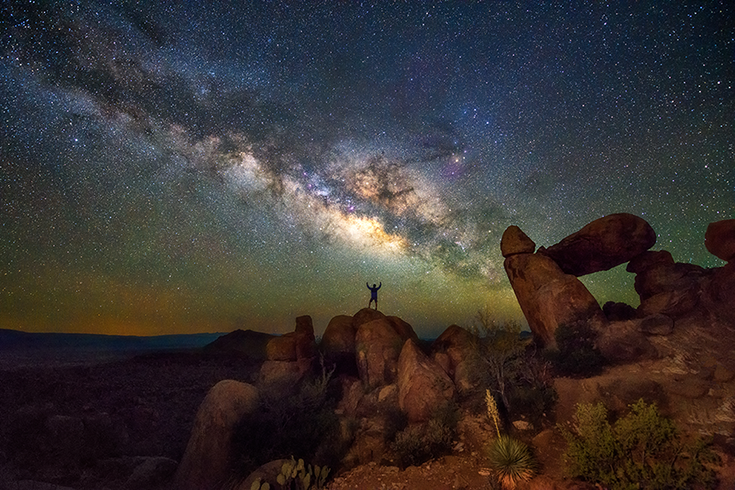
Selecting the right park and timing your visit are key to success.
Top park suggestions
- Big Bend National Park (Texas)- Vast, remote, lowest light pollution in the continental U.S.
- Natural Bridges National Monument (Utah) -The first certified dark sky park, with extremely clear skies.
- Cherry Springs State Park (Pennsylvania)-One of the darkest skies in the eastern U.S., especially good if you’re east coast‑based.
Timing considerations
- Moon phase: New moon or moonless nights yield the darkest skies.
- Season: Summer in the Southwest for the Milky Way core; winter in higher latitudes for crisp air and clear skies.
- Weather & humidity: Dry air, high altitude, and no haze improve clarity.
- Light pollution: Away from cities and major highways. Even a small distant town can brighten your horizon.
Proper timing means arriving early enough to set up, and staying late enough to capture nightfall and sky transitions.
Gear & Camera Settings
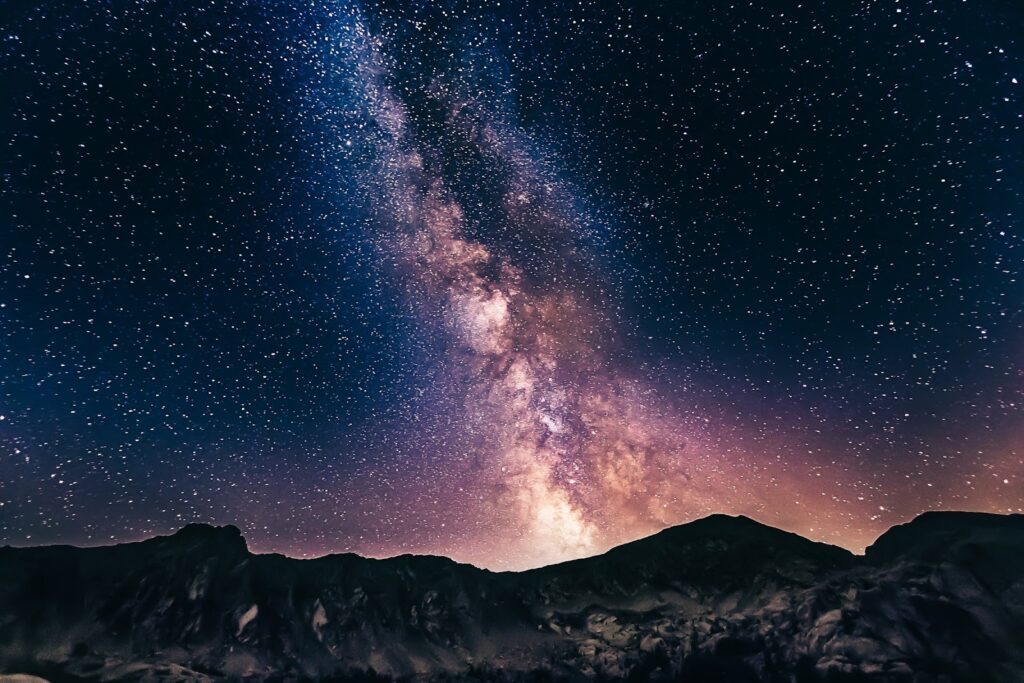
Capturing the night sky at its best demands both the right gear and the correct settings.
Gear essentials
- A sturdy tripod: Might seem obvious, but wind, uneven terrain, and remote spots make a strong support essential.
- Wide aperture lens: 14‑24 mm (or equivalent full‑frame) with f/2.8 or wider helps gather light.
- Fast lens + high ISO: Pair with good sensor performance to capture dim stars.
- Remote shutter or intervalometer: Avoid camera shake during long exposures.
- Headlamp with red filter: Dark‑adapt your eyes and preserve the night ambience.
- Spare batteries & memory cards: Cold nights drain batteries faster; you don’t want to miss light because you ran out.
Settings basics
- Shoot in RAW format.
- Aperture wide open (f/2.8‑f/4) for maximum light.
- Shutter: 15‑30 seconds is common, depending on lens focal length and accuracy of star points.
- ISO: 1600‑6400, depending on your camera’s noise performance.
- Focus manually: Infinity or using live‑view zoom on a bright star.
- Set white balance to daylight or a custom cool tone; adjust later in post.
These are just starting points; each night and location will behave slightly differently. Test, review, adjust.
Composition & Foreground Integration
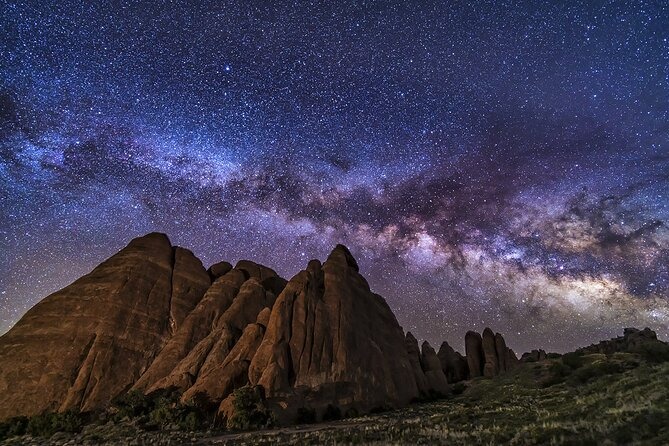
Great night sky photos aren’t only about the stars but where the sky meets the land.
Tips for composition
- Foreground interest: Introduce silhouettes, trees, rock formations, or water reflections to anchor the sky.
- Include the Milky Way core: The bright, dense part of the galaxy adds drama.
- Use symmetry or patterns: Reflections in lakes, star trails around poles, or arching rock shapes amplify impact.
- Frame with direction: If you know where the Milky Way will rise, arrive so your foreground faces that direction.
- Mind the horizon: Keep it low to give room to the sky, unless the land itself is extraordinary.
A well‑composed shot doesn’t just show stars, it tells a sense of place at night.
Field Workflow: From Arrival to Capture
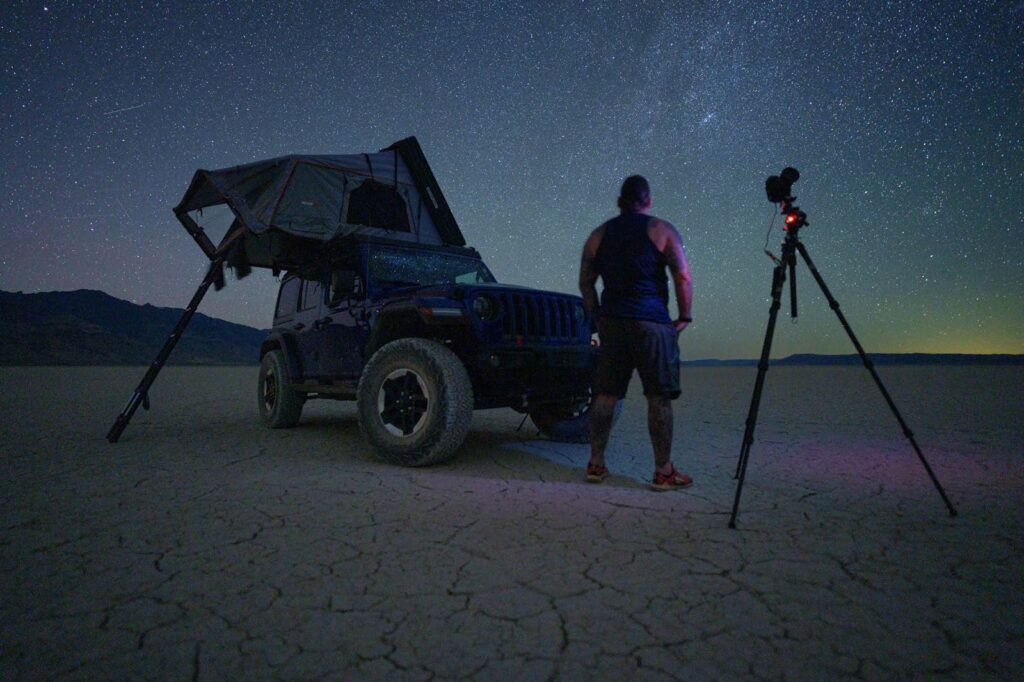
Here’s a reliable workflow for a night sky photo outing:
- Arrive in daylight: Check access, light pollution sources, parking, camping or lodging options.
- Scout your planned foreground during twilight: Identify a composition and check the horizon.
- Set up gear before full darkness: Tripod, camera, intervalometer, and headlamp.
- Test focus and exposure: Capture a short exposure to verify star sharpness and composition.
- Once it’s dark, shoot your main frames: multiple frames if you plan to stack or create panoramas.
- Consider stacking: For star trails, take many 30 s exposures; for the Milky Way, a single long exposure may suffice.
- Review images: Check for unwanted light intrusion (car headlights, campfires), check battery status.
- After capture: Backup memory cards and store gear securely. Cold nights can surprise.
Working diligently in the field ensures you don’t lose the one clear night you waited for.
Post‑Processing for Night Sky Images
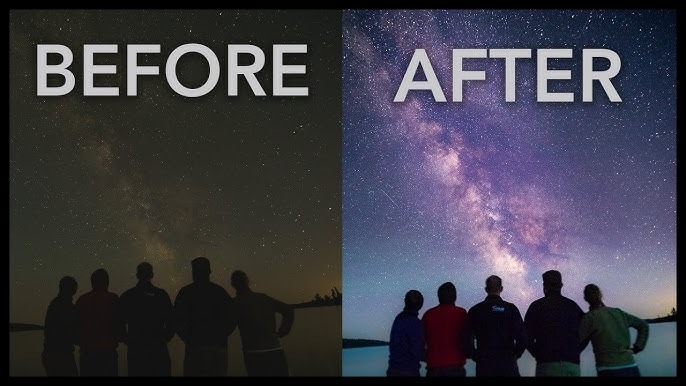
Processing turns your field files into impactful photographs.
Editing steps
- Use RAW conversions: retain detail and maximise dynamic range.
- Reduce noise carefully: High ISO demands clean‑up, but over‑smoothing kills star points.
- Adjust contrast and clarity: Make the Milky Way pop without blowing out stars.
- Crop and align: Straight horizons help; consider vertical crops for tall trees or rock spires.
- Colour grading: Slight cool blues for high altitude; warm tones for desert skies.
- Star trails: For those, stack many exposures in software like StarStaX or Lightroom’s sequence mode.
- Remove light pollution gradients: Use radial filters or gradient masks to darken light‑polluted areas.
- Export at high resolution: Night sky prints look stunning large, consider output to 300 dpi or higher.
Post‑processing converts your technical capture into artistic expression.
Respect, Ethics & Practical Safety
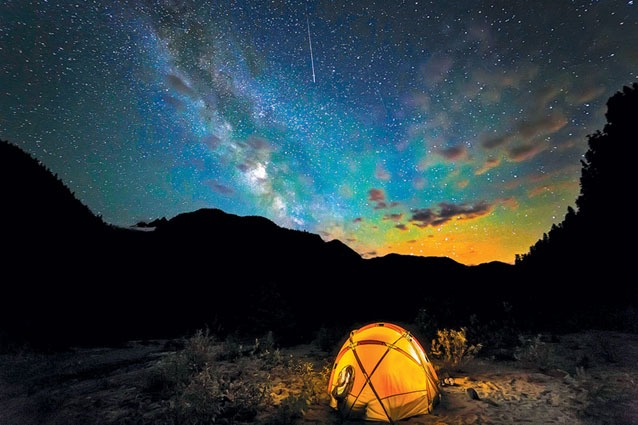
Photography at night in remote parks comes with responsibility.
- Stay on marked roads/trails: Footprints and vehicle tracks can harm fragile ecosystems.
- Respect wildlife: Loud voices, lights, and vehicle noise can disturb nocturnal creatures.
- Minimise artificial light: Use red filters on headlamps; avoid shining lights into the sky.
- Pack out gear and rubbish: Even small items glow under flash and damage the wilderness's look.
- Be aware of hazards: Remote terrain, cold overnight temperatures, and lack of phone signal require preparation.
- Follow local park regulations: Many parks ban lights, drones, or commercial equipment at night without a permit. For example, some dark sky parks only allow stargazing in designated zones.
By acting responsibly, you protect the very darkness and place you came to photograph.
Why Night Sky Photography Matters
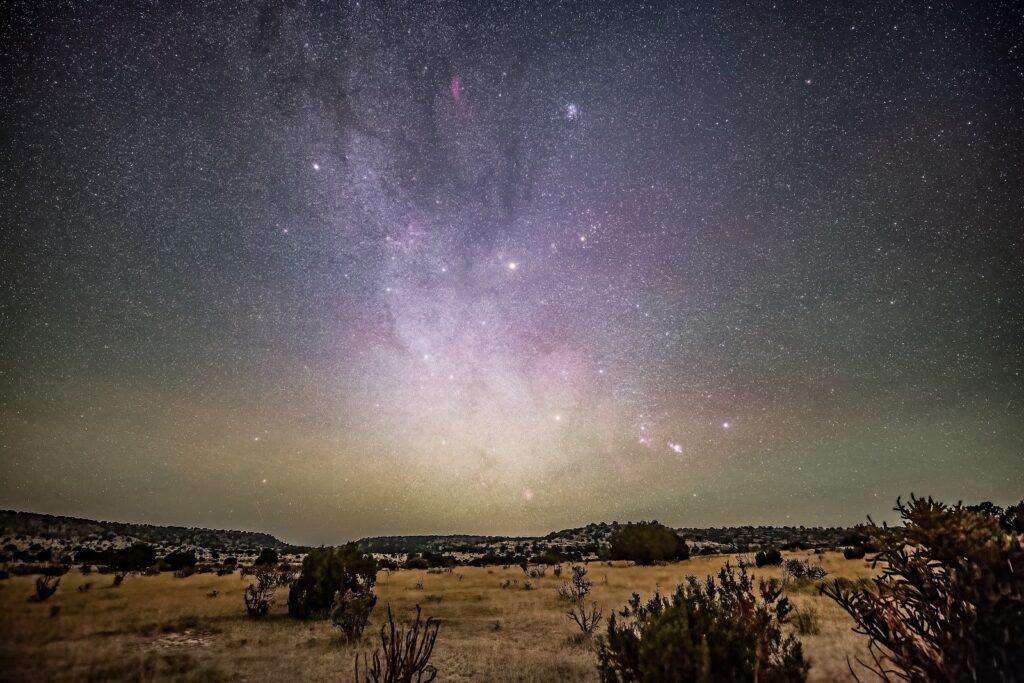
Night sky photography in these parks offers something deeper than a beautiful image. It reconnects you with a landscape and cosmos both. When you frame the Milky Way over a national park icon, you’re photographing time and space together: ancient rock, silent night, and distant stars.
Conservation also comes into the frame. When photographers highlight dark sky parks’ beauty, they raise awareness of light pollution and natural darkness as a shared resource.
These images do more than decorate; they invite reflection, wonder, and respect for the night environment.
Through the Viewfinder
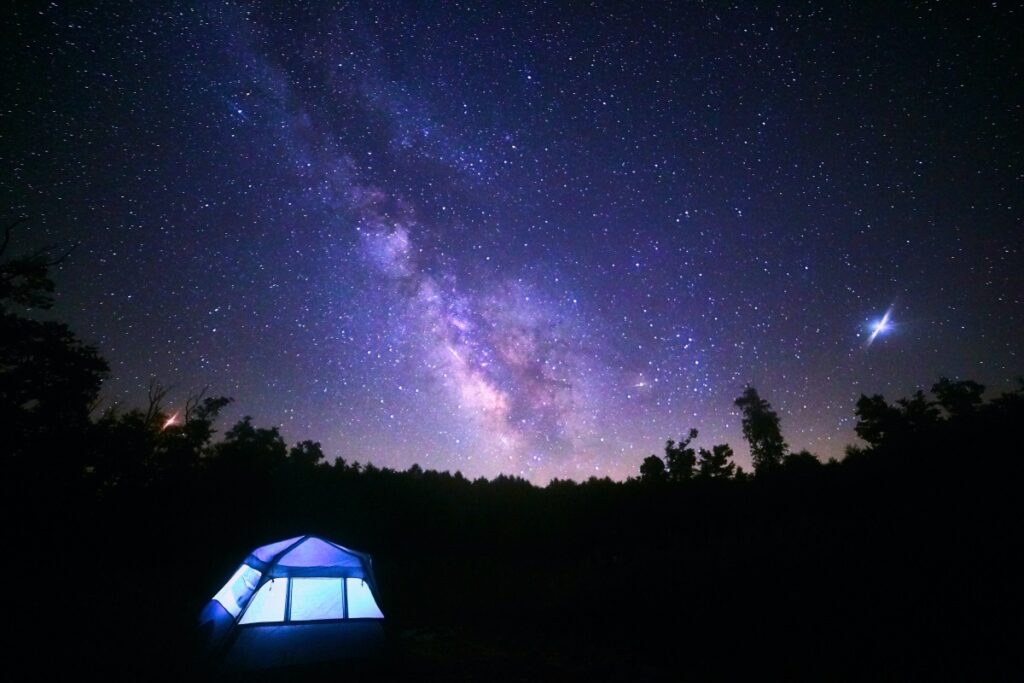
Night sky photography at America’s dark sky parks can feel daunting, but the reward is huge. With the right park, timing, gear, and prep, you’ll stand under a sky bursting with stars, compose with stillness, and create images that stand apart. Guard the darkness, respect the land, and let the cosmos unfold above. Your camera will capture more than light; it will capture a moment of awe under the universe’s ceiling.
✦ Related Articles You May Love
- Living Like A Local In Remote U S Regions
- Hidden Homestay Experiences In Offbeat U S Towns
- Folklore And Legends From The Deep South
- How To Find Hidden Adventure Spots Across The Usa
- Essential Packing Tips For U S Hiking Trips
- Budget Travel Hacks For Exploring U S Trails
- Safety Tips For Hiking Hidden Trails In The Usa
- Best Seasons To Visit Hidden U S Parks
- Eco Friendly Ways To Explore Remote U S Destinations
- How To Reach Hard To Access U S Adventure Spots
- Navigating Road Trips To Lesser Known U S Parks
- Apps That Reveal Hidden Trails And Campsites
- How To Stay Connected In Remote U S Areas
- Capturing Hidden Landscapes Of The American West
- Capturing Hidden Motion Long Exposure Photography In U S National Parks
- Photo Walks Through Hidden U S Small Towns
- Reflections Photography On Hidden U S Lakes
- Rock Climbing In Lesser Known U S Spots
- Trail Running Through Hidden Forest Paths
- Mountain Biking Adventures In The Pacific Northwest
- Paragliding Above Secret U S Peaks
- Scuba Diving Hidden Reefs In The Florida Keys
- Abandoned Ghost Towns In The American West
- Hidden Architectural Gems Across The Usa
- Discovering Truly Local Favourite Hiking Trail Usa
- Travel Mistakes To Avoid On U S Hidden Trails
- Solo Adventures In Remote U S Locations
- How Tourism Is Changing Hidden American Spots
- Hidden U S Destinations That Inspired Great Art
- Americas Forgotten Ghost Stories And Legends
- Short Hidden Hikes Under 5 Miles In The Usa
- Abiqua Falls Oregons Most Hidden Waterfall In The Pacific Northwest
- Exploring Hidden Islands In The Florida Keys
- Hidden Trails Secret Canyons Offbeat Hiking Escapes In The American Southwest
- Lesser Known National Parks Usa Hidden Gems To Explore In 2025
- Secret Caves To Explore In The Appalachian Mountains
- A Bloomseekers Paradise The Wildflower Trails In The Rocky Mountains
- Scenic Mountain Passes Few Know In Colorado Hidden And Adventurous Places You Must Explore
- Kayaking Through Hidden Rivers Of The South
- Underrated Desert Oases In The Southwest Usa
- Seasonal Hidden Wonders In U S National Parks
- Hidden Hot Springs In The Western United States Your Guide To Real Relaxation
- Snow Covered Winter Trails No One Talks About
- Secret Coastal Cliffs To Explore In California
- Underground Crystal Caves In The United States
- Untouched Forest Sanctuaries In The Northeast
- Stories From Rural Americas Forgotten Communities
- Hidden Artisan Markets In The Midwest Your Ultimate Guide
- Local Foods Found Only In Small Town America
- Native American Heritage Trails You Didnt Know About Best Ones 2
🌿 Sources & References
- Nature Photography Tips – National Geographic
- Landscape Photography Guide – Nature TTL
- Ethical Wildlife Photography – Audubon Society
- Travel Photography Tips – Lonely Planet
- Travel & Adventure – National Geographic
- Outdoor Recreation – REI Expert Advice
- Leave No Trace Principles
- Nature Conservation – WWF
- U.S. National Parks – NPS
- Sustainable Tourism – UNWTO