How Over-Tourism Is Changing America's Hidden Spots (And What Travelers Can Do)
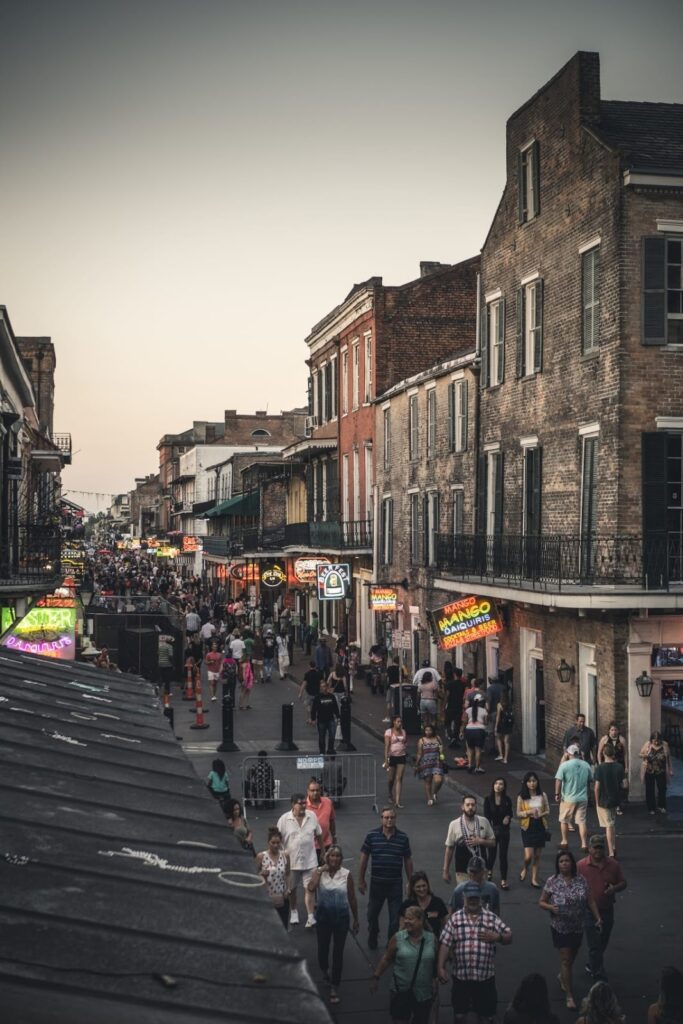
Tourism is no longer limited to the usual big‑name destinations. Across the United States, lesser‑known places are gaining attention, drawing travellers, money, and sometimes unexpected consequences. The phrase “tourism hidden spots USA” captures this phenomenon: destinations once off the radar are now becoming stopovers, photo‑ops and local driver income streams. That shift brings both opportunity and challenge.
As visitors explore these hidden spots, local economies see growth, but ecosystems, community life and authenticity can face pressure. This article explores how tourism is reshaping hidden corners of America, setting out what’s changing, what to watch, and how destinations and travellers can move toward balance.
The Rise of Hidden‑Spot Tourism
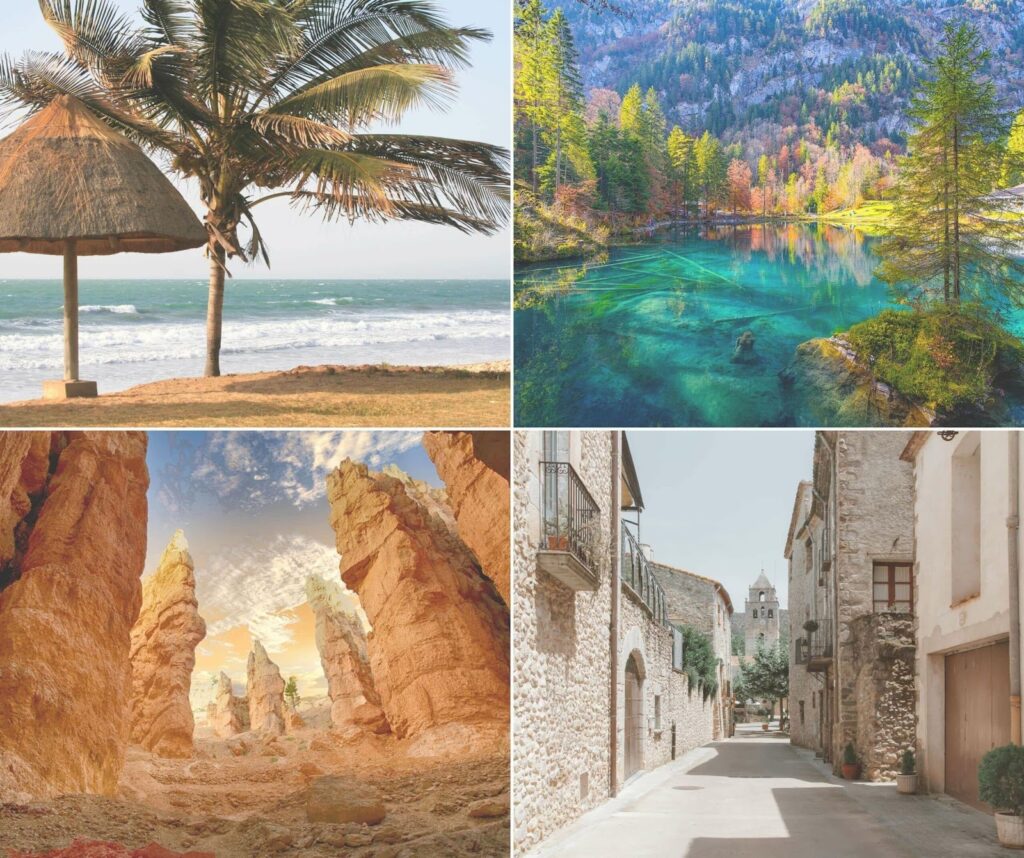
In recent years, tourism marketing and social media have spotlighted places that previously drew few visitors. Websites promoting “underrated USA destinations” cite lesser‑visited parks, quiet towns and natural landscapes as fresh travel experiences.
Hidden spots often benefit early: local businesses draw new customers, property values tick up, and infrastructure improvements follow. Communities that long operated quietly suddenly become part of the national travel conversation. At the same time, built‑for‑explorer tourism meets its limits. Local services may gear up, but not always at the pace of demand.
Many destinations start asking: How do we welcome visitors without losing what made us special? The benefits lie in exposure and revenue; the risks lie in change without planning.
Economic Impact: Boon and Burden
When hidden locations become travel targets, money flows in. Visitors spend on lodging, food, souvenirs, guided tours and local attractions. That spending can uplift a region. For example, new national monuments or park designations often show measurable economic benefits for nearby towns.
However, local business growth can bring pitfalls. Real estate prices may rise, pushing out longtime residents. Increased demand for services might stretch local budgets. Seasonal traffic can bring instability: strong income in peak months, little in off‑season. Communities new to tourism may find management and equity of benefits uneven.
Tourism's hidden spots USA aren’t only about scenery, they’re about livelihoods. Ensuring the economic boost lasts and benefits locals rather than just investors is key.
Environmental Strains and Conservation Challenges
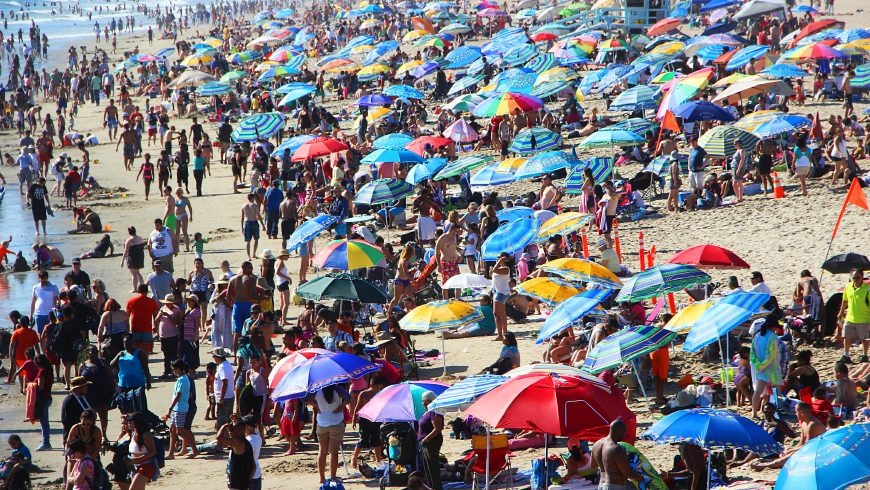
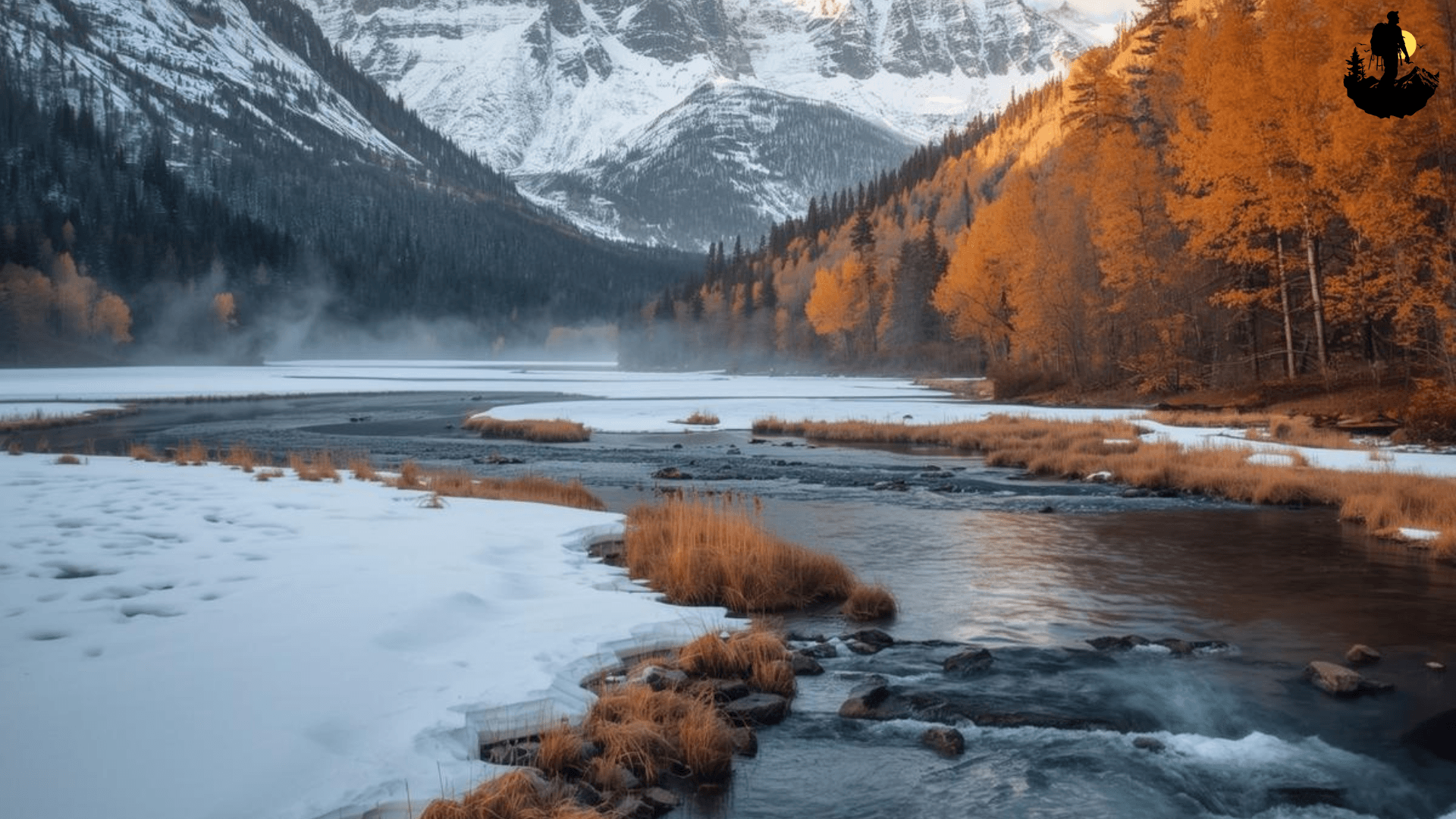
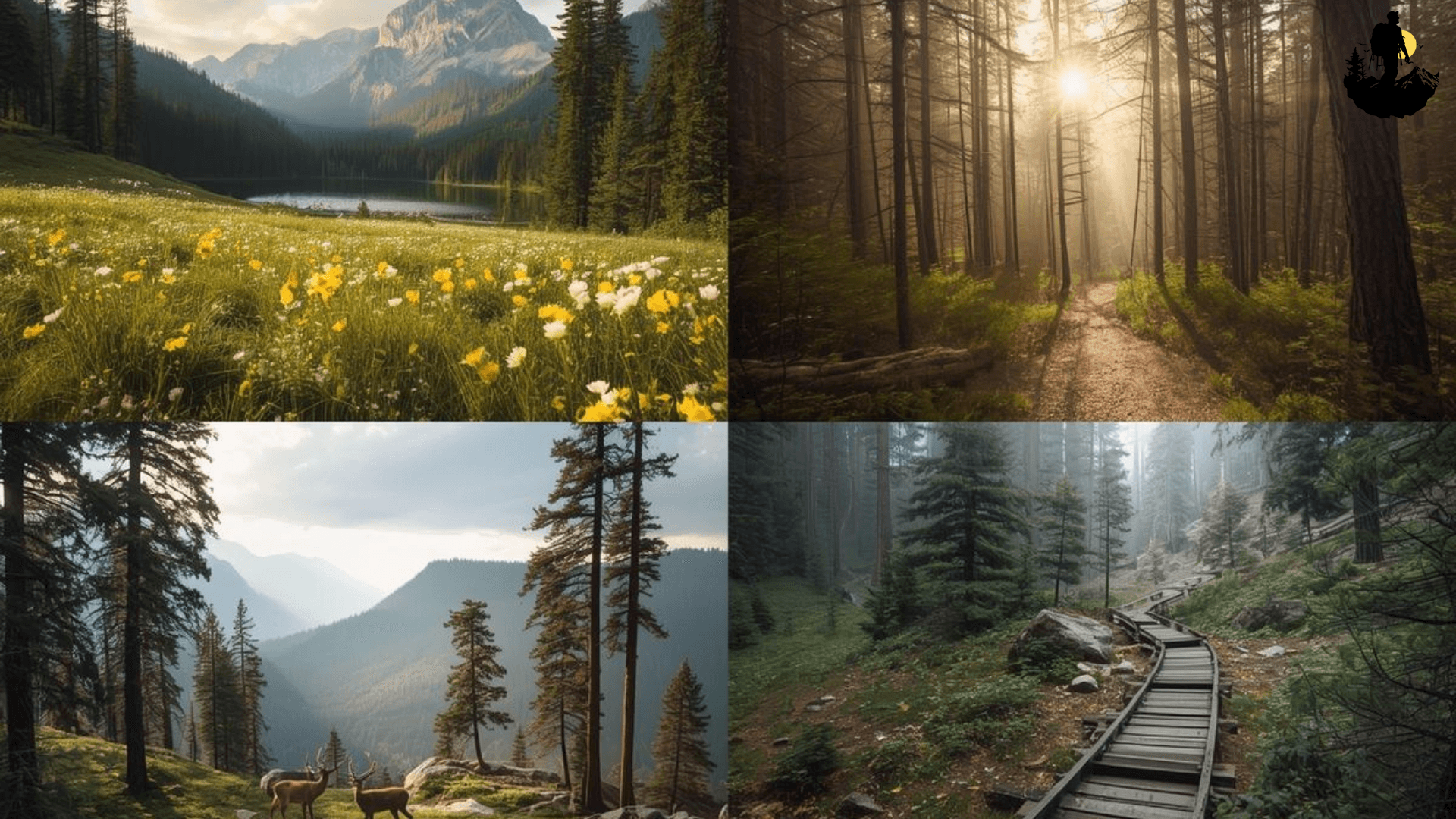
Hidden or remote spots often feature ecosystems that evolved with low human impact. Sudden surges in visitation can lead to trail erosion, wildlife disturbance, littering and infrastructure stress. Journalism covering U.S. public lands points to overcrowding as a rising threat.
Local lifecycles of many hidden places didn’t anticipate mass tourism. Built infrastructure (parking lots, toilets, waste management) may fall short. Increased foot traffic can accelerate vegetation damage and disturb habitats previously quiet.
That means tourism's hidden spots USA require careful management. Visitor caps, carefully placed pathways, clear signage and local stewardship systems become important. Without these, the very features that attracted travellers may degrade.
Cultural & Community Dynamics
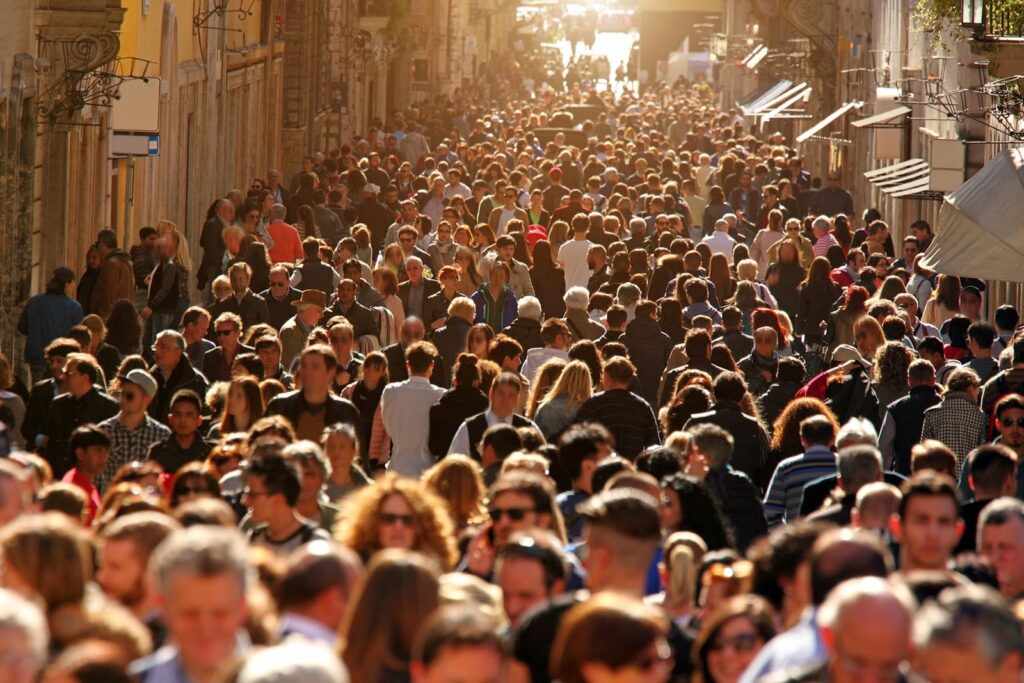
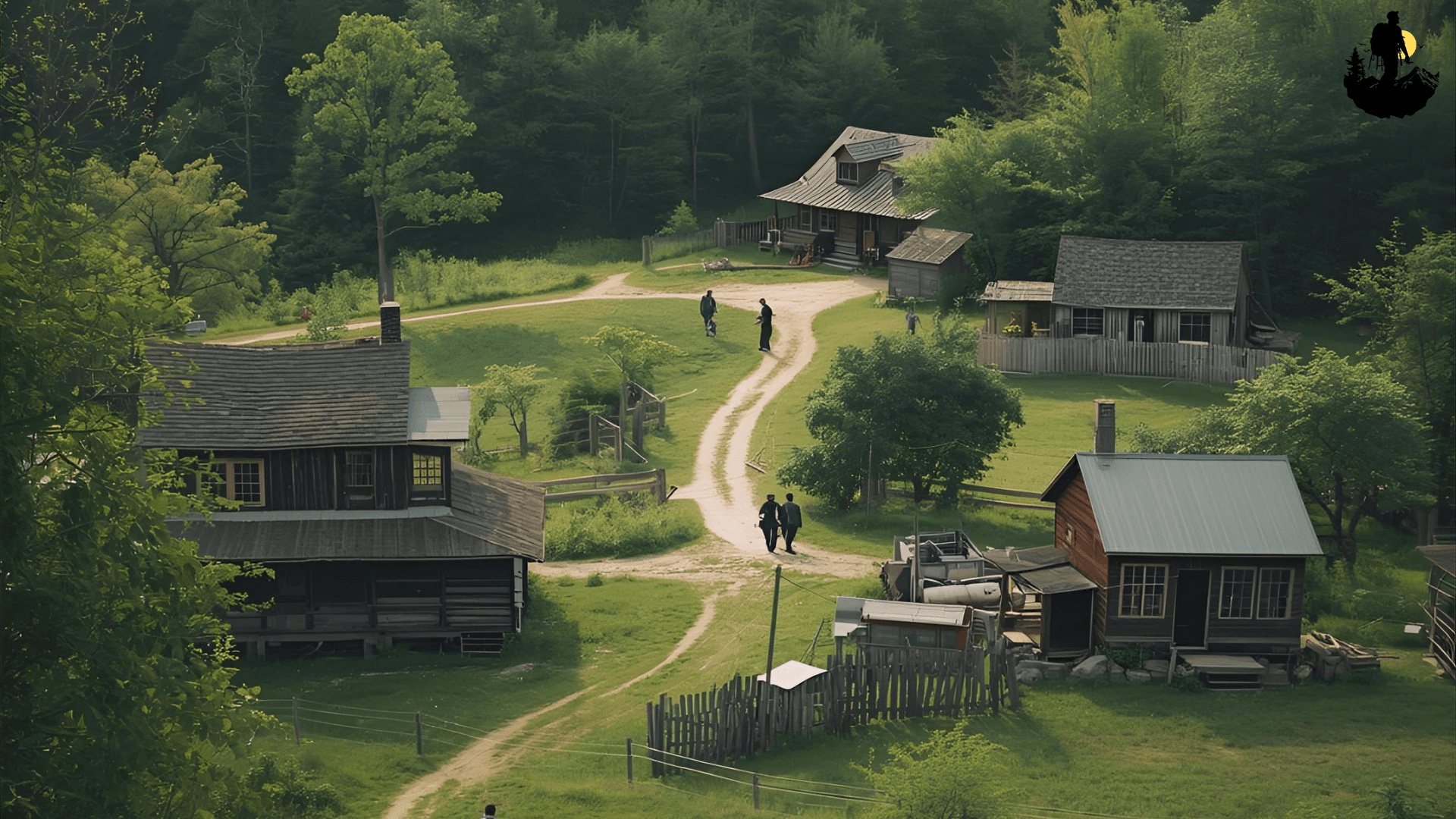
Communities hosting hidden spots feel change in subtle and overt ways. On the positive side, fresh income, jobs, and civic revitalisation appear. On the flip side, locals may feel their space is becoming a “tourist zone.” Tensions can mount around access, noise, authenticity and housing. Travel writers caution that hidden gem tourism can create a divide between visitors and residents.
In many places, “authenticity” becomes a selling point, and sometimes a brand. That can shift local culture. Residents may adapt to visitor expectations rather than the other way around. Sustainable approaches aim to include communities in planning, share benefits, and preserve local identity rather than replace it.
Infrastructure and Access: Upgrades vs. Overload
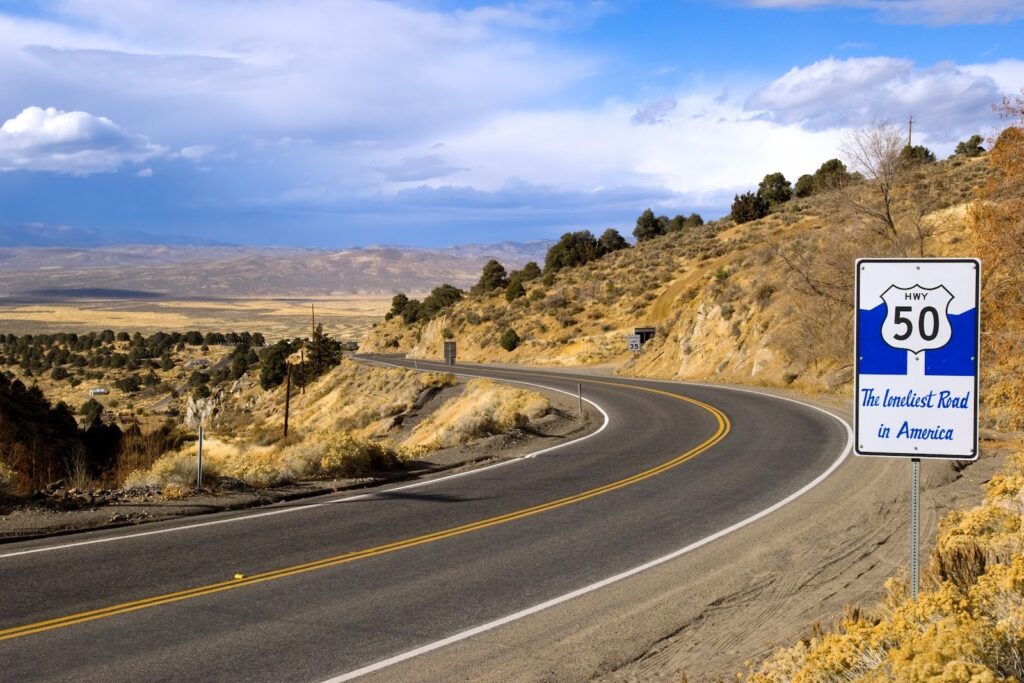
Making hidden spots accessible often means infrastructure changes: paved roads, visitor centres, more signage and facilities. That’s good for convenience and safety, but it can dilute remoteness. Heavy traffic or large parking expansions can alter landscape character.
Balanced planning for tourism hidden spots USA means evaluating carrying capacity. Authorities might limit vehicles, ask for advanced reservations or designate low‑impact transportation. Without these, roads can degrade, visitor experience suffers, and residents bear the burden of traffic, litter or congestion.
Marketing, Media & the Tipping Point
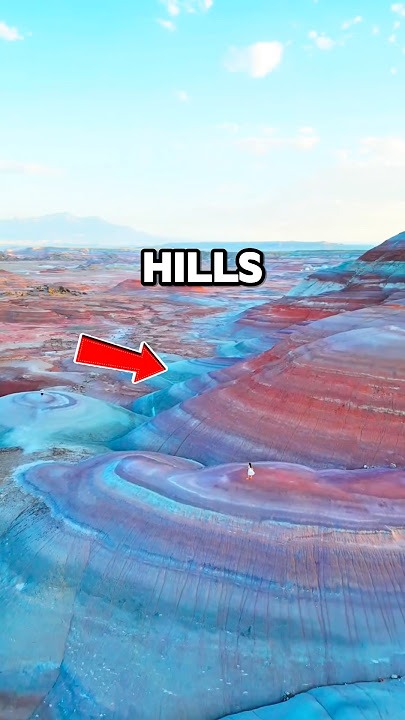
Hidden spots often become trending because of Instagram, TikTok or blogs. A single viral photo can bring thousands of visitors overnight. Global commentary notes that this “snowball” effect can cause unmanaged peaks of tourism.
For a hidden place that once drew maybe hundreds of visitors annually, suddenly thousands arrive, disrupting the rhythm. Marketing campaigns aim to leverage assets; managing campaigns aims to spread visitors evenly, educate them and preserve quality. The difference between exposure and overload hinges on preparation, capacity and visitor behaviour.
Strategies for Sustainable Hidden‑Spot Tourism
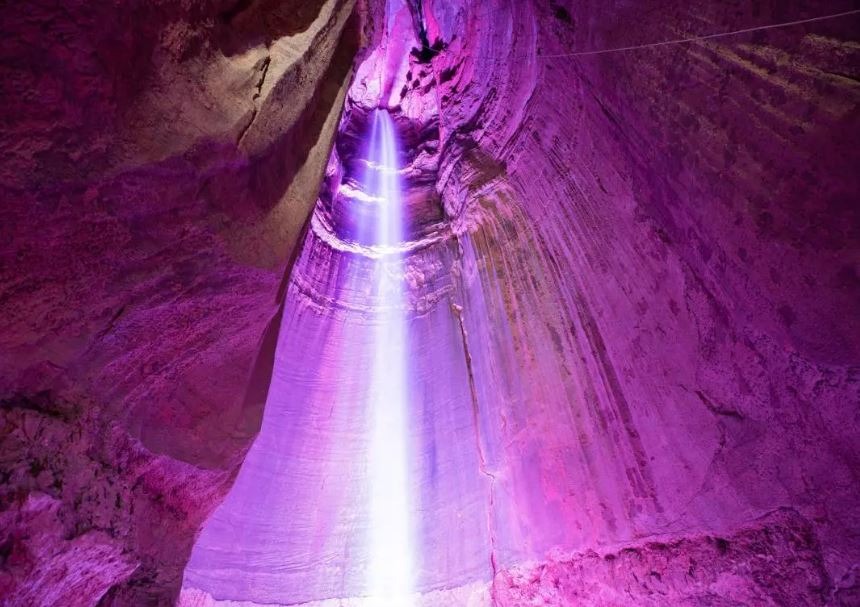
Several actionable strategies help protect hidden spots while still allowing tourism benefits:
- Develop visitor caps or timed entry systems to avoid peak overload.
- Build low‑impact infrastructure: designated trails, minimal footprints, and support local businesses rather than large chains.
- Encourage off‑peak visitation and diversify activities so that not all traffic concentrates in one season.
- Involve local communities in planning and revenue sharing; training locals as guides or service providers helps buy‑in.
- Educate visitors about responsible behaviour: stay on the path, carry out trash, respect wildlife and local culture.
The phrase tourism hidden spots USA should become part of a conversation about balance between discovery and preservation, access and restraint.
Case Study Snapshot
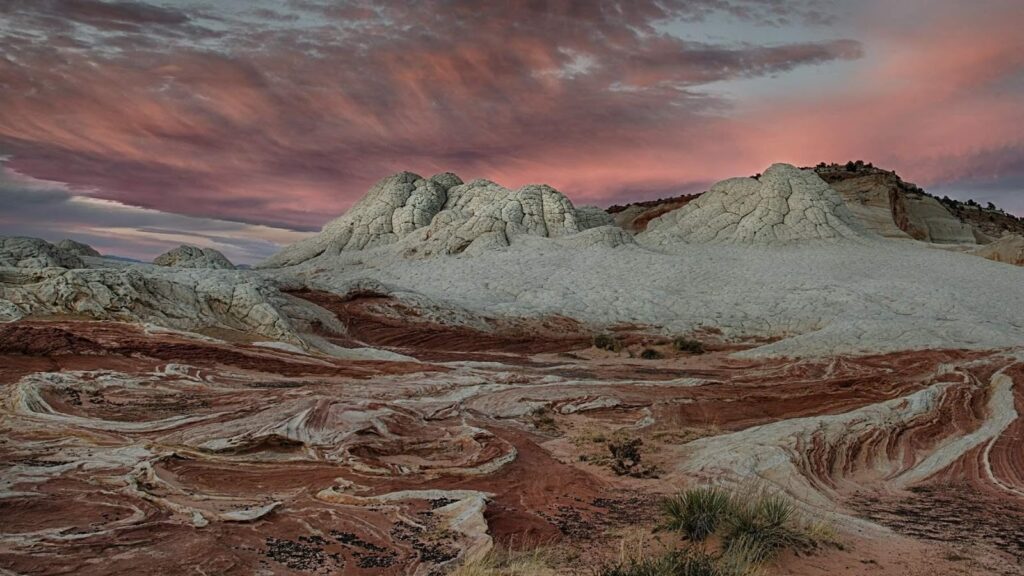
Consider a recently designated national monument in a remote U.S. region. Local officials anticipated modest visitation, but media exposure led to a spike. Local businesses welcomed extra customers, but trails needed upgrades, parking overflowed, and residents raised concerns about noise and trash. The region responded with reservation‑based access, visitor information kiosks and a requirement that tour operators register. That model shows the steps hidden spots take from discovery to structured tourism. It illustrates tourism's hidden spots USA in action, and how careful management makes the difference between thriving and overwhelmed.
What Travellers Can Do?
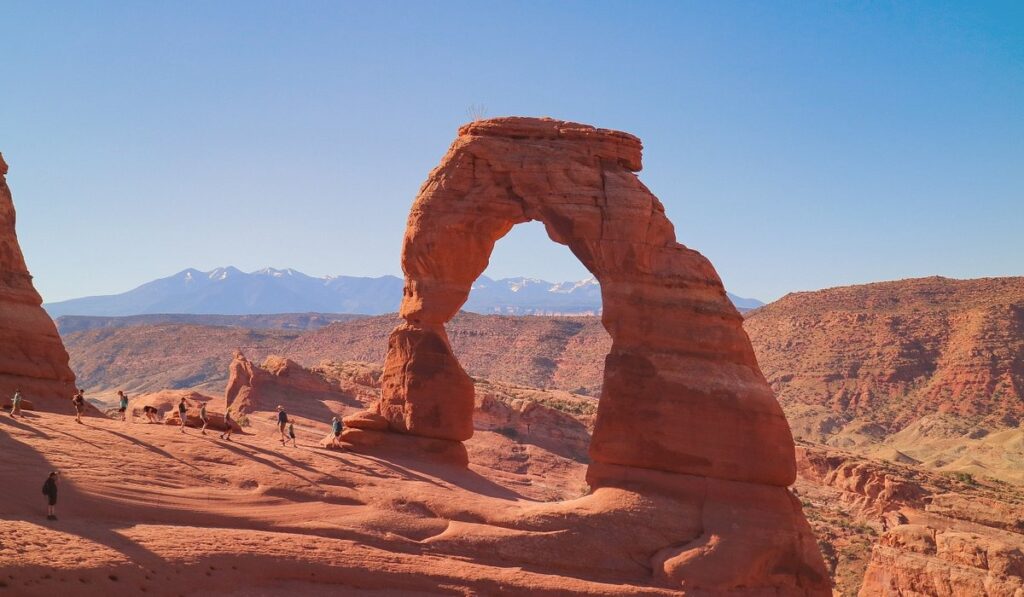
Tourists arriving at lesser‑known places hold power. To contribute positively:
- Choose accommodations that support locals rather than large chains.
- Travel outside peak season when possible.
- Follow local rules: stay on trails, respect wildlife and respect resident privacy.
- Share travel information responsibly, and avoid turning a tiny spot into the next overcrowded destination.
- Ask: Will my visit benefit the place or just change it? Aim to create value rather than a footprint.
By travelling thoughtfully, each visitor becomes part of the preservation conversation rather than just another number.
Reflecting on Change
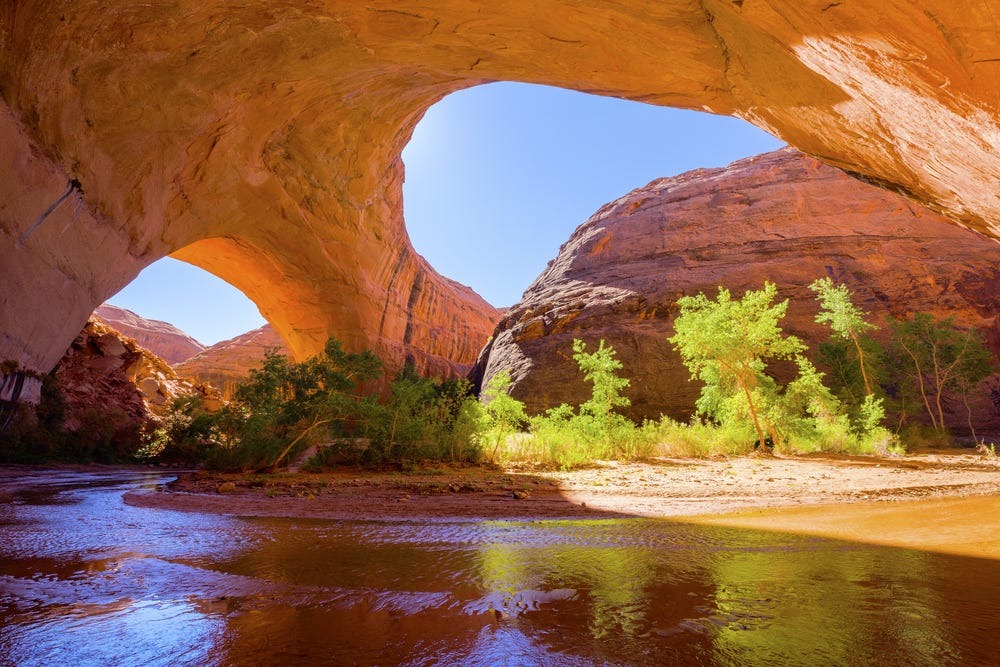
Tourism brings change. For hidden places, that change evolves fast once outside attention arrives. The core question becomes: how do we invite visitors without erasing what made the place “hidden” in the first place?
The term “tourism hidden spots USA” expresses more than just a destination; it signals a process. Hidden places become known; they require infrastructure, management, local participation and sustainable practices. Slow tourism, local‑first business models and community resilience become central.
Ultimately, hidden destinations show us the paradox of travel: seeking the undiscovered invites discovery, and discovery invites change. Wise management balances enthusiasm and preservation.
Discovery with Care
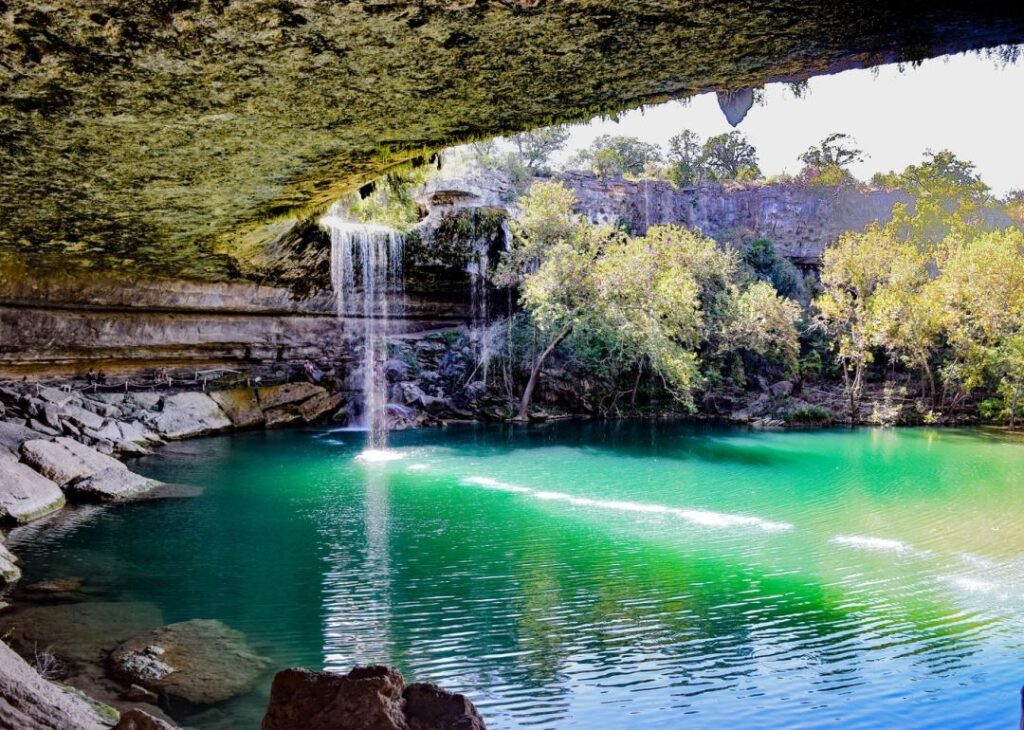
Hidden spots across America attract travellers with the promise of originality and space. Growth in visitation brings real benefits such as jobs, revitalisation, income, but also responsibilities. The expression tourism hidden spots USA invites us to explore thoughtfully, support local stakeholders, align infrastructure with demand and safeguard the environment and culture.
As you plan your trip, ask yourself: Will my visit help the place thrive or just change it? Be a visitor who values more than the selfie, choose a destination, respect its rhythm, and leave it ready for tomorrow’s traveller.
✦ Related Articles You May Love
- Living Like A Local In Remote U S Regions
- Hidden Homestay Experiences In Offbeat U S Towns
- Folklore And Legends From The Deep South
- How To Find Hidden Adventure Spots Across The Usa
- Essential Packing Tips For U S Hiking Trips
- Budget Travel Hacks For Exploring U S Trails
- Safety Tips For Hiking Hidden Trails In The Usa
- Best Seasons To Visit Hidden U S Parks
- Eco Friendly Ways To Explore Remote U S Destinations
- How To Reach Hard To Access U S Adventure Spots
- Navigating Road Trips To Lesser Known U S Parks
- Apps That Reveal Hidden Trails And Campsites
- How To Stay Connected In Remote U S Areas
- Capturing Hidden Landscapes Of The American West
- Capturing Hidden Motion Long Exposure Photography In U S National Parks
- Night Sky Photography In Americas Dark Sky Parks
- Photo Walks Through Hidden U S Small Towns
- Reflections Photography On Hidden U S Lakes
- Rock Climbing In Lesser Known U S Spots
- Trail Running Through Hidden Forest Paths
- Mountain Biking Adventures In The Pacific Northwest
- Paragliding Above Secret U S Peaks
- Scuba Diving Hidden Reefs In The Florida Keys
- Abandoned Ghost Towns In The American West
- Hidden Architectural Gems Across The Usa
- Discovering Truly Local Favourite Hiking Trail Usa
- Travel Mistakes To Avoid On U S Hidden Trails
- Solo Adventures In Remote U S Locations
- Hidden U S Destinations That Inspired Great Art
- Americas Forgotten Ghost Stories And Legends
- Short Hidden Hikes Under 5 Miles In The Usa
- Abiqua Falls Oregons Most Hidden Waterfall In The Pacific Northwest
- Exploring Hidden Islands In The Florida Keys
- Hidden Trails Secret Canyons Offbeat Hiking Escapes In The American Southwest
- Lesser Known National Parks Usa Hidden Gems To Explore In 2025
- Secret Caves To Explore In The Appalachian Mountains
- A Bloomseekers Paradise The Wildflower Trails In The Rocky Mountains
- Scenic Mountain Passes Few Know In Colorado Hidden And Adventurous Places You Must Explore
- Kayaking Through Hidden Rivers Of The South
- Underrated Desert Oases In The Southwest Usa
- Seasonal Hidden Wonders In U S National Parks
- Hidden Hot Springs In The Western United States Your Guide To Real Relaxation
- Snow Covered Winter Trails No One Talks About
- Secret Coastal Cliffs To Explore In California
- Underground Crystal Caves In The United States
- Untouched Forest Sanctuaries In The Northeast
- Stories From Rural Americas Forgotten Communities
- Hidden Artisan Markets In The Midwest Your Ultimate Guide
- Local Foods Found Only In Small Town America
- Native American Heritage Trails You Didnt Know About Best Ones 2
🌿 Sources & References
- Travel & Adventure – National Geographic
- Outdoor Recreation – REI Expert Advice
- Leave No Trace Principles
- Nature Conservation – WWF
- U.S. National Parks – NPS
- Sustainable Tourism – UNWTO
- Wilderness Safety – American Red Cross
- Outdoor Health Benefits – NIH
- Travel Health – CDC
- Ecotourism – The International Ecotourism Society