Reflection Photography on Hidden U.S. Lakes: Best Locations and Techniques
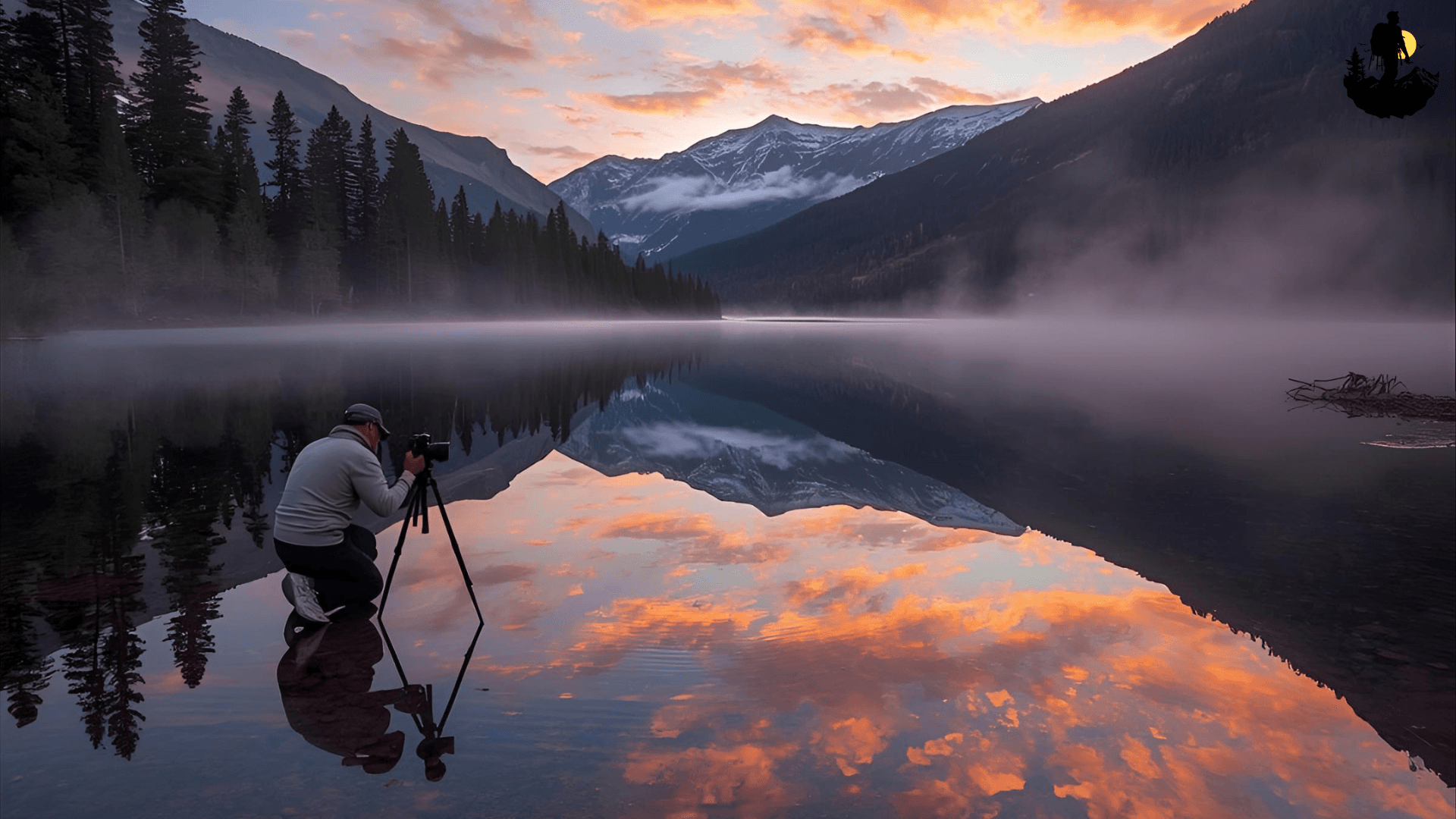
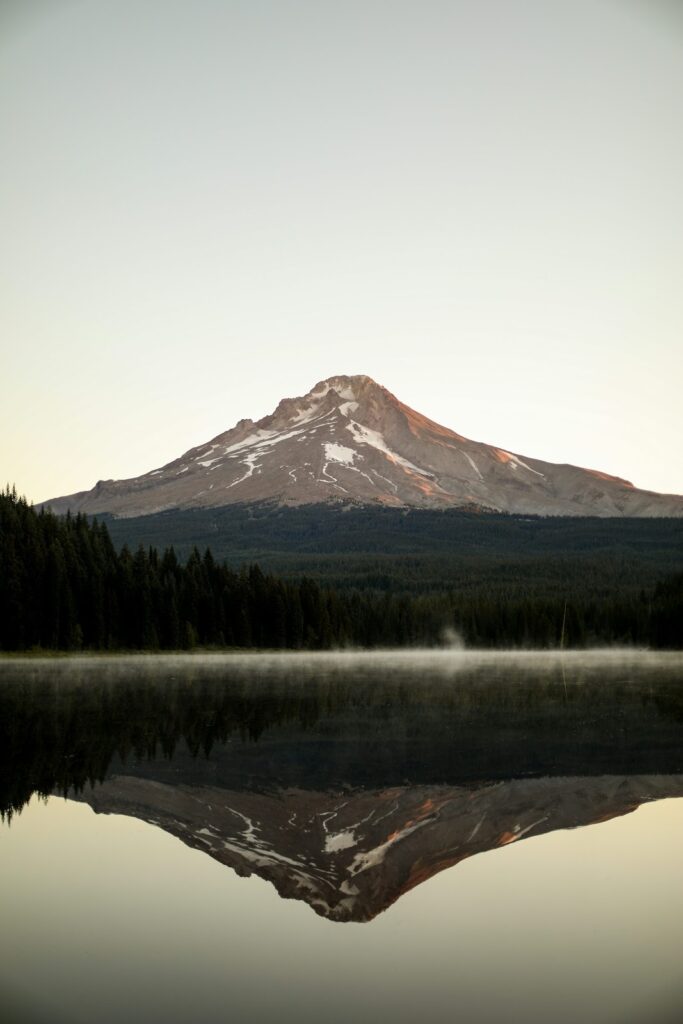
Quiet lakes off the beaten path offer one of the richest settings for photography in the U.S. When conditions align, the still water, soft light, and minimal distraction offer you a mirror world, doubling the beauty of the landscape. By focusing on reflection photography of USA lakes, you can go beyond the postcard view and capture moments of symmetry, mood, and stillness that others often miss.
Learn how to find these hidden lakes, how to plan for your shoot, gear and settings to use, compositional tips for reflections, editing considerations, and the respectful logistics of working in remote places. Let’s dive in.
Why Hidden Lakes Make Ideal Reflection Photography Spots?
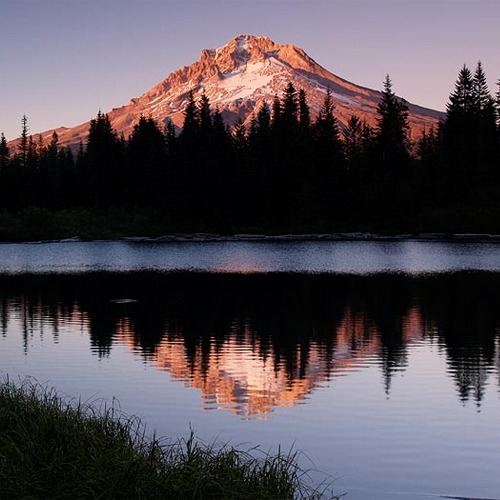
Hidden lakes often excel for reflection photography for several reasons:
- Stillness: Away from motorboats, busy marinas, or heavy foot traffic, the water is more likely to stay calm, which is essential for capturing crisp reflections.
- Unique scenery: Hidden lakes often sit in unusual terrain under overhanging pines, behind ridges, or nestled in valleys, offering greater creative potential.
- Light and mood: Because fewer visitors go early or stay late, you have better chances of catching dawn or dusk light when reflections are most magical.
- Less distraction: No crowds, fewer signs or structures to break up your frame, so the reflection becomes the subject, not the interruption.
When you pursue reflection photography USA lakes, you’re choosing places where the environment itself partners with you. The result becomes not just a landscape photo, but a meditative image of place and calm.
How to Find Hidden Lakes Worth Photographing
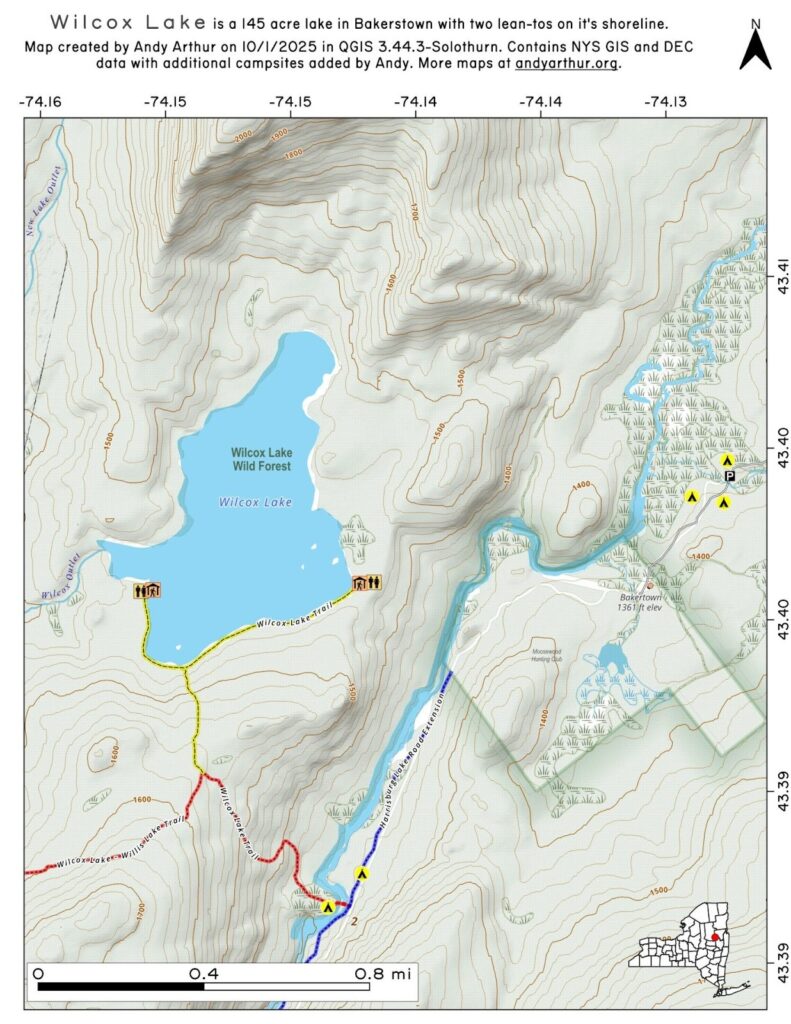
Finding the right lake is half the journey. Here are pointers:
- Study maps and satellite imagery: Look for unnamed lakes in backcountry regions; map layers showing forest, ridges, and water bodies can point you toward remote gems.
- Check trail reviews: Hikers often mention “hidden lake” in backcountry trips, as these reviews give access info and condition notes.
- Choose accessible yet remote: Lakes too far won’t be practical. Aim for places reachable by a moderate hike or a secondary road, not only by a multi‑day expedition.
- Look for framing features: Pines overhanging the water, ridgelines reflecting in the lake, or wildflowers on the bank all elevate the scene.
- Plan for quiet light: Early morning or late afternoon light hitting water at a low angle enhances reflections. Arrive early to stake your spot.
By doing this pre‑work, you set yourself up for success. You’re not just “going to a lake,” you’re selecting one with potential for reflection photography USA lakes.
Planning Your Shoot: Timing, Conditions & Safety
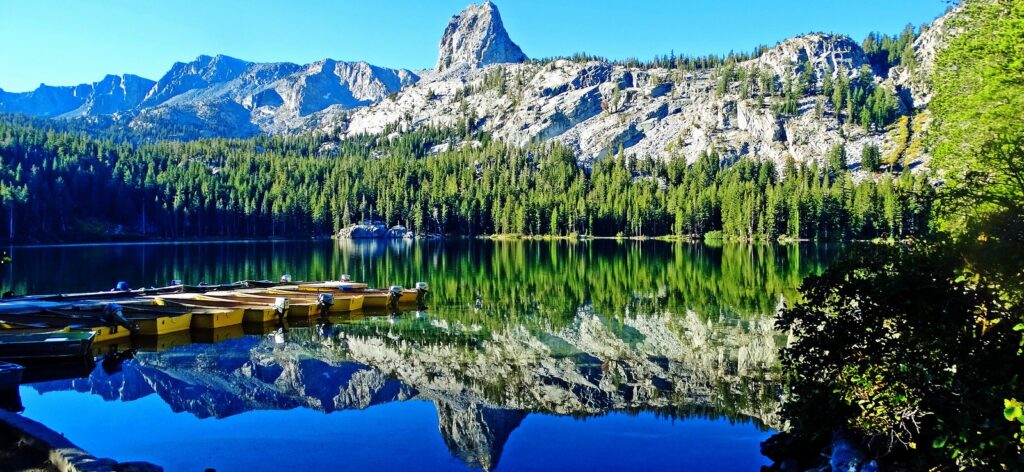
To capture that perfect mirrored image, conditions matter:
- Wind and water texture: Aim for days when the wind is minimal. Early morning windows often have very calm water. Check wind predictions.
- Light direction: Facing the water so that your camera sees the sky and bank reflections gives richer tones. Avoid flat midday light.
- Weather & clarity: Clear skies or soft cloud cover enhance reflections; heavy fog or rain may reduce contrast but can add mood.
- Temperature & elevation: High elevation lakes cool quickly after sunset. Ensure you have proper gear, as cold can affect battery life and your comfort.
- Safety considerations: Remote lakes may lack cell coverage, restrooms or marked trails. Tell someone your plan, check local regulations, and pack emergency gear.
With proper planning, you turn a walk‑in photo trip into a meaningful reflection photography USA lakes session.
Gear & Camera Settings for Mirror Shots
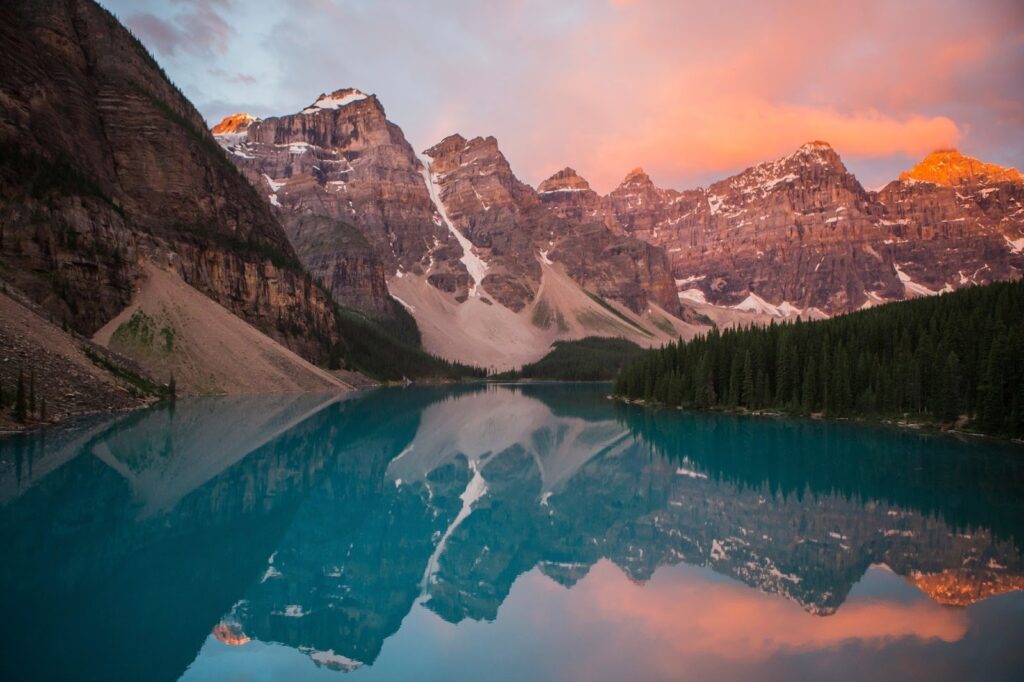
Here’s what helps you execute:
- Tripod: For sharp results, especially in low light, a stable tripod is essential.
- Lens choice: A wide-angle lens (e.g., 16‑35mm on full frame) gives dramatic reflections; a standard zoom works too.
- Filters: Use a polarising filter to reduce glare or enhance the reflection, though sometimes minimal polarisation keeps the mirror effect strong. Neutral density filters help if you want water‑smooth effects.
- Camera settings:
- Shoot in RAW for better editing flexibility.
- Aperture around f/8‑f/11 for sharpness across the scene.
- ISO as low as possible (100‑200) to avoid noise.
- Shutter speed will depend on ambient light; in softer light, use 1/4s‑1s to smooth ripples slightly; earlier morning may require faster speed if you want crisp water.
- Shoot in RAW for better editing flexibility.
- White balance: Set manually (e.g., daylight or cloudy) so you preserve the true tones of the scene.
- Accessories: Extra batteries, memory cards, lens cloth (water mist or condensation may occur), and, if you’re at altitude, warm clothes.
With these in place, you’re equipped to bring into frame that perfect reflection shot.
Compositional Strategies for Reflection Photography
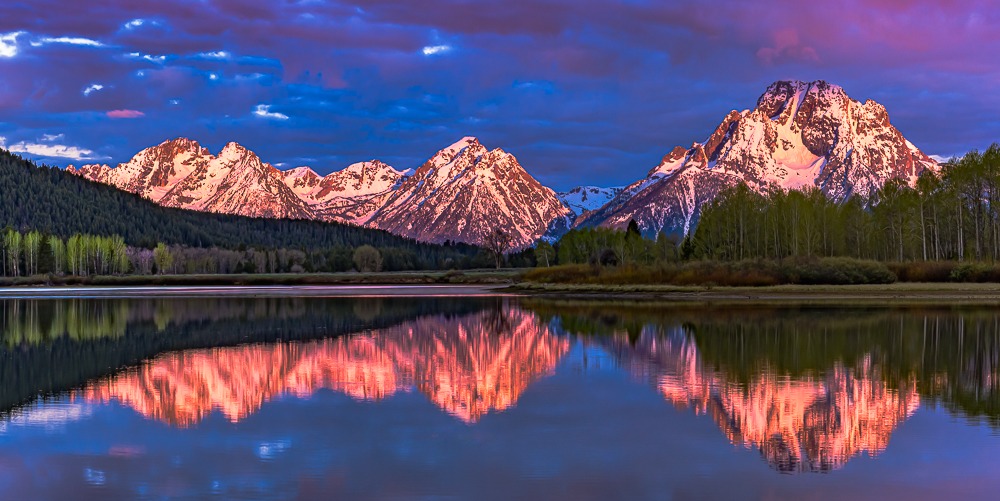
Reflection photography thrives on visual balance and mood. Consider:
- Symmetry: CCentre the horizon or reflection line so top and bottom mirror each other. This reinforces the reflection concept strongly.
- Foreground interest: Place rocks, logs, or shoreline elements in the lower third to anchor your image and draw the viewer in.
- Leading lines: Use bank curves, fallen trees, or the shoreline to guide the eye toward distant ridges or the reflection line.
- Inverted world: Sometimes, flip the camera slightly so the reflection dominates the frame above the land. This creates a disorienting yet compelling effect.
- Texture and contrast: Capture subtle ripples, autumn colours or stone textures. Still water is ideal, but slight movement can add a painterly feel.
- Light and mood: Golden hour light glancing across the water enhances warmth; twilight light increases bluish tones and serenity.
Each frame should be more than “a lake shot.” It should evoke a place, a moment, a mirrored world waiting to be discovered.
Example Lake Locations & Interpretations
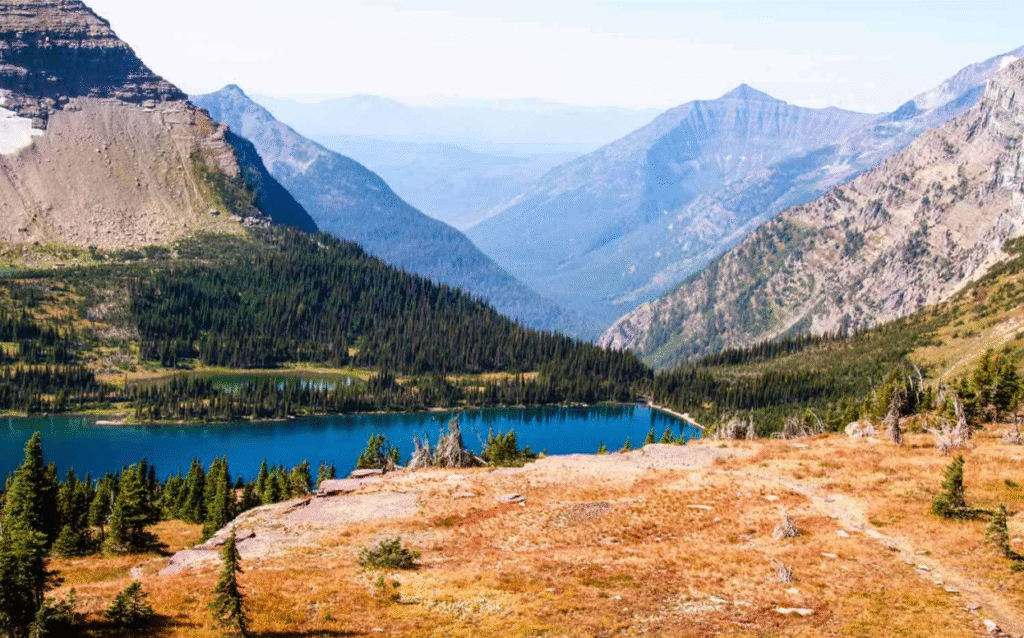
Here are a handful of lakes where reflection photography shines:
- Hidden alpine lake (Montana): High elevation, tree‑lined shores, crystal‑clear water. The calm of dawn gives glass‑like surfaces.
- Desert dune lake (Utah): Unique shoreline textures meet smooth sand; reflections add depth.
- Backcountry forest lake (Washington state): Mist arises in the morning; the reflection of evergreens and sky creates ethereal frames.
- Glacial lake (Colorado): Turquoise water, distant peaks, perfect for colour contrast and mirrored mountain ridges.
Each of these invites you not just to photograph, but to immerse yourself in stillness and reflection. You’re not just documenting landscape but capturing a parallel world.
Editing & Post‑Processing for Reflection Shots
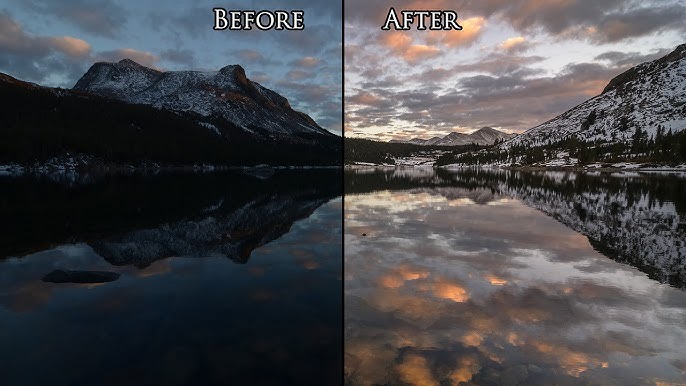
Post‑processing helps you refine the emotion and clarity of your reflection photo.
- Begin in RAW: You get the full dynamic range, especially helpful if skies are bright and water is dark.
- Adjust exposure and contrast: Ensure the detail in both the land and the reflection is visible.
- Correct colour balance: Water may pick up unnatural hues, lean into naturalism unless you want a stylised look.
- Enhance clarity and texture: Bring out subtle ripples or shoreline texture without over‑sharpening.
- Crop for balance: Use 1:1 or 4:5 ratios to emphasise symmetry; don’t cut off key elements at the frame edges.
- Remove distractions: Floating debris or unnatural objects can pull focus—use clone/heal tools to tidy the scene.
- Final export: High resolution for prints; a web‑sized version for sharing.
Editing is your final chance to honour the place and mood you captured.
Respect, Access & Logistics in Remote Lake Environments
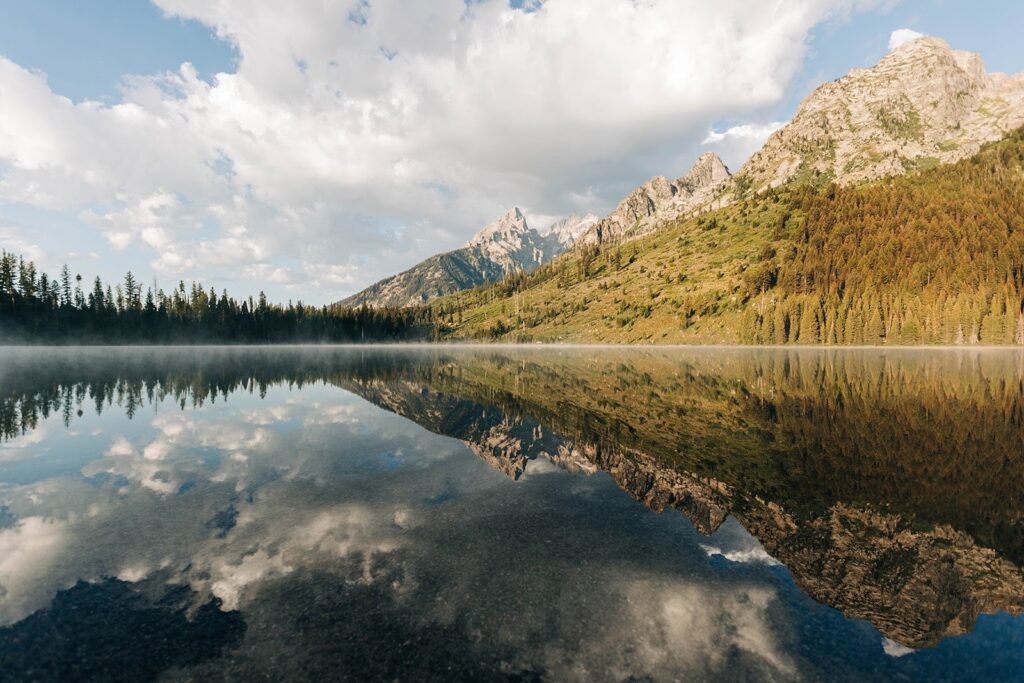
When you work at Hidden Lakes, responsibility matters.
- Respect the environment: Stay on established trails, avoid trampling vegetation, and avoid creating new paths.
- Be mindful of wildlife: Some lakes are habitats for sensitive species—avoid disturbance, especially at dawn.
- Check permissions and access: Some lakes fall under private land, protected areas, or require seasonal closures.
- Pack out what you bring: Litter, gear scraps, or boot prints matter immensely in remote places.
- Safety logistics: Remote lakes may lack cell service, good roads, or emergency access. Let someone know your plan and time in/out.
- Time your visit well: Some roads close after dark; morning mist or wind may delay calm conditions.
Photography in hidden lake settings isn’t just about the image, but preserving the place you come to photograph.
From Walk to Portfolio: Showcasing Your Lake Reflections
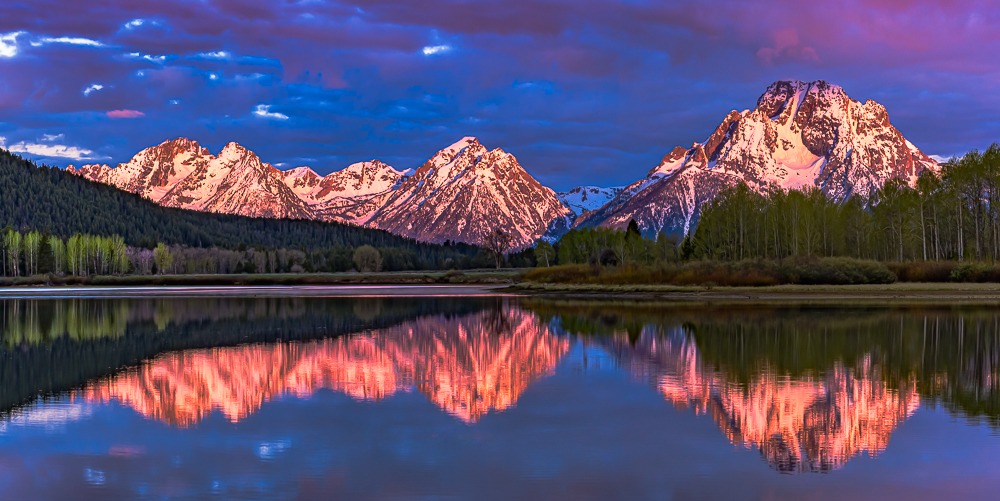
Once you’ve captured your images, consider how to present them:
- Create a mini‑series around the lake: 8‑12 images showing light shifts, details, wide views, reflections close-ups.
- Write captions: Where the lake is, what time you shot, and what conditions made it special. These details make your images immersive.
- Use high‑res prints: Reflection images stand out when printed big and framed; the stillness gets amplified.
- Use social slideshows: Show before–and–after edits or display the mirrored vs. direct view.
- Link your series to the reflection photography USA lakes theme: it helps viewers understand your focus.
Key Takeaways for Successful Reflection Photography
- Identify hidden lakes away from heavy leisure traffic for maximum stillness.
- Plan for light and conditions: early morning or dusk often yield the best mirror surfaces.
- Use the right gear and settings: tripod, wide lens, filters, low ISO, careful exposure.
- Compose thoughtfully: symmetry, foreground elements, textures and patterns matter.
- Edit with intention: balance realism and mood, retain detail in land + reflection.
- Respect nature, follow access rules, and plan safety in remote settings.
- Present your work as a story of place and reflection, show the world you found stillness.
Through the Glass‑like Surface
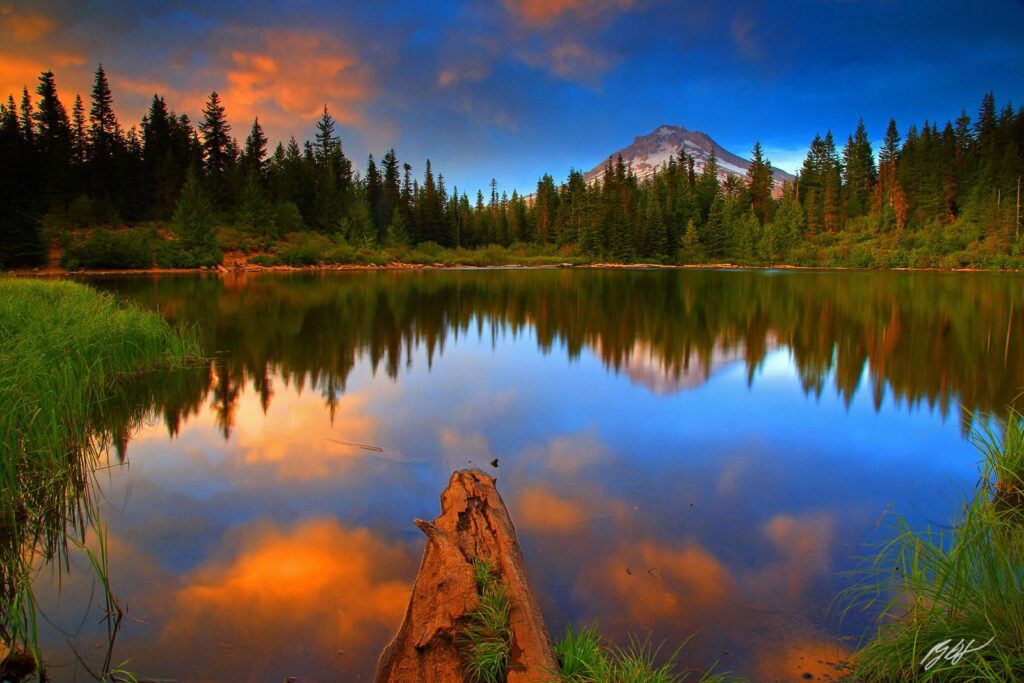
When you stand before a hidden lake and see the world mirrored back at you, something stills inside you. Light touches water, ridge lines merge, trees reflect, clouds reflect, and everything doubles. In that moment, you don’t just take a photo; you capture a moment of calm, of harmony, of silent reflection.
Set out on your hidden‑lake photo walk. Wait for the air to settle. Frame the world top and bottom. Click the shutter. You’ll create more than a picture; you’ll create a memory etched in glass‑like water and soft light.
Happy shooting, and may your reflections be perfect.
✦ Related Articles You May Love
- Living Like A Local In Remote U S Regions
- Hidden Homestay Experiences In Offbeat U S Towns
- Folklore And Legends From The Deep South
- How To Find Hidden Adventure Spots Across The Usa
- Essential Packing Tips For U S Hiking Trips
- Budget Travel Hacks For Exploring U S Trails
- Safety Tips For Hiking Hidden Trails In The Usa
- Best Seasons To Visit Hidden U S Parks
- Eco Friendly Ways To Explore Remote U S Destinations
- How To Reach Hard To Access U S Adventure Spots
- Navigating Road Trips To Lesser Known U S Parks
- Apps That Reveal Hidden Trails And Campsites
- How To Stay Connected In Remote U S Areas
- Capturing Hidden Landscapes Of The American West
- Capturing Hidden Motion Long Exposure Photography In U S National Parks
- Night Sky Photography In Americas Dark Sky Parks
- Photo Walks Through Hidden U S Small Towns
- Rock Climbing In Lesser Known U S Spots
- Trail Running Through Hidden Forest Paths
- Mountain Biking Adventures In The Pacific Northwest
- Paragliding Above Secret U S Peaks
- Scuba Diving Hidden Reefs In The Florida Keys
- Abandoned Ghost Towns In The American West
- Hidden Architectural Gems Across The Usa
- Discovering Truly Local Favourite Hiking Trail Usa
- Travel Mistakes To Avoid On U S Hidden Trails
- Solo Adventures In Remote U S Locations
- How Tourism Is Changing Hidden American Spots
- Hidden U S Destinations That Inspired Great Art
- Americas Forgotten Ghost Stories And Legends
- Short Hidden Hikes Under 5 Miles In The Usa
- Abiqua Falls Oregons Most Hidden Waterfall In The Pacific Northwest
- Exploring Hidden Islands In The Florida Keys
- Hidden Trails Secret Canyons Offbeat Hiking Escapes In The American Southwest
- Lesser Known National Parks Usa Hidden Gems To Explore In 2025
- Secret Caves To Explore In The Appalachian Mountains
- A Bloomseekers Paradise The Wildflower Trails In The Rocky Mountains
- Scenic Mountain Passes Few Know In Colorado Hidden And Adventurous Places You Must Explore
- Kayaking Through Hidden Rivers Of The South
- Underrated Desert Oases In The Southwest Usa
- Seasonal Hidden Wonders In U S National Parks
- Hidden Hot Springs In The Western United States Your Guide To Real Relaxation
- Snow Covered Winter Trails No One Talks About
- Secret Coastal Cliffs To Explore In California
- Underground Crystal Caves In The United States
- Untouched Forest Sanctuaries In The Northeast
- Stories From Rural Americas Forgotten Communities
- Hidden Artisan Markets In The Midwest Your Ultimate Guide
- Local Foods Found Only In Small Town America
- Native American Heritage Trails You Didnt Know About Best Ones 2
🌿 Sources & References
- Nature Photography Tips – National Geographic
- Landscape Photography Guide – Nature TTL
- Ethical Wildlife Photography – Audubon Society
- Travel Photography Tips – Lonely Planet
- Travel & Adventure – National Geographic
- Outdoor Recreation – REI Expert Advice
- Leave No Trace Principles
- Nature Conservation – WWF
- U.S. National Parks – NPS
- Sustainable Tourism – UNWTO