Long-Exposure Photography in U.S. National Parks: A Step-by-Step Field Guide
If you’ve photographed vistas before, sunset over granite cliffs, golden light on red rock, then you already know why the U.S. national parks are irresistible. But if you’re craving something beyond the bold snap of a scene, long‑exposure photography offers an entirely new way to see those landscapes. This blog will walk you through how to use slow shutter techniques inside America’s national parks to capture surreal motion, mood, and texture, transforming familiar places into unforgettable expressions of light and time.
Why Long Exposure Works in National Parks?
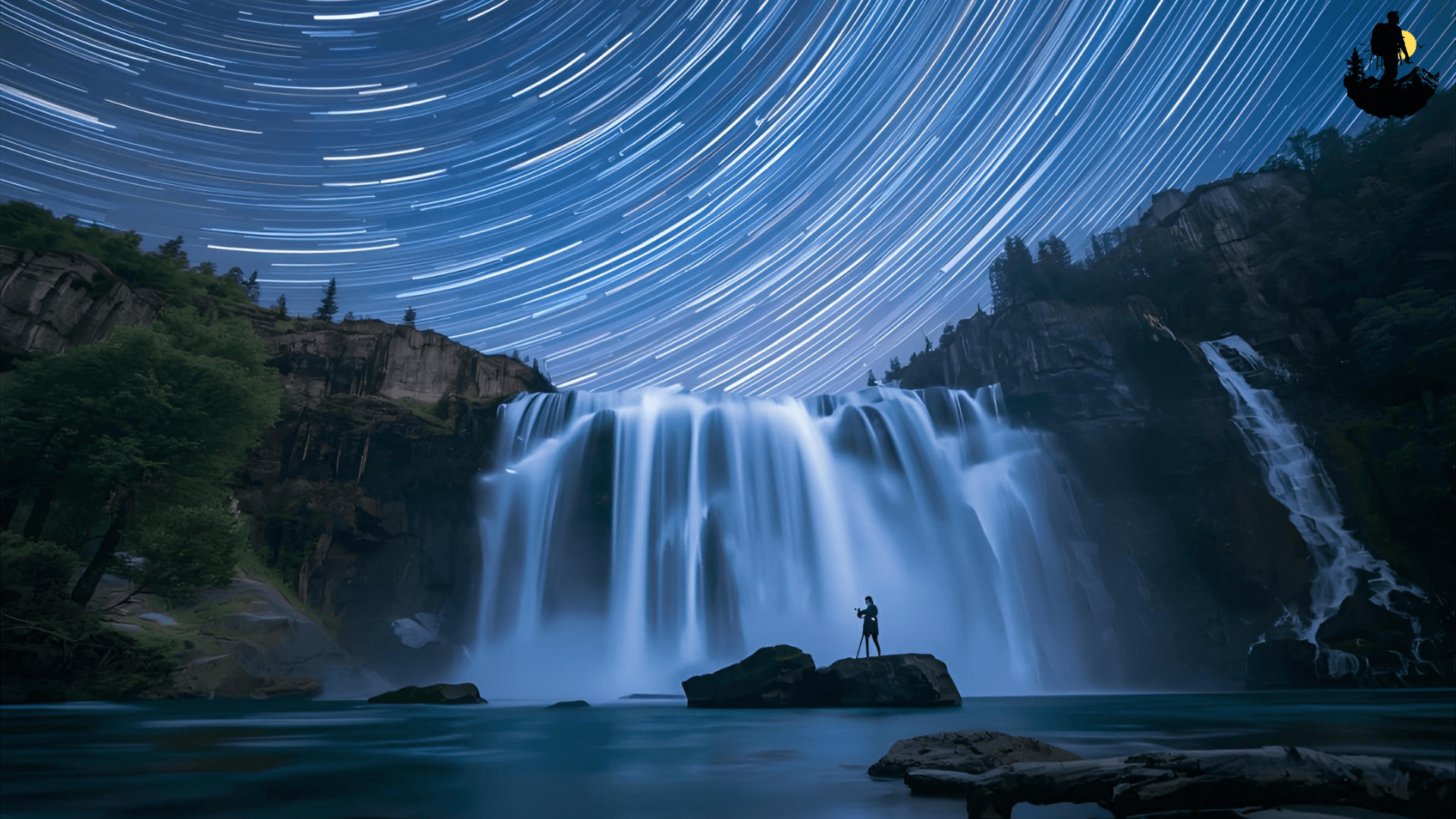
Long‑exposure photography is powerful because it lets time stretch out in a still image. Clouds streak, water flows like silk, and star trails draw circles across the sky. As one expert puts it:
“By keeping the shutter open for a longer duration, moving elements blur naturally while stationary parts remain sharp. This juxtaposition creates a sense of balance and drama in the composition.”
In the setting of the U.S. national parks, where nature already offers dramatic shapes, light and weather, long exposure becomes a tool not just for ‘nice picture’ but for transformation. You’re not just capturing a place but recording the story of movement in the landscape: water eroding rock, stars rotating overhead, wind pushing clouds across a ridge.
Best Parks & Scenarios for Long Exposure
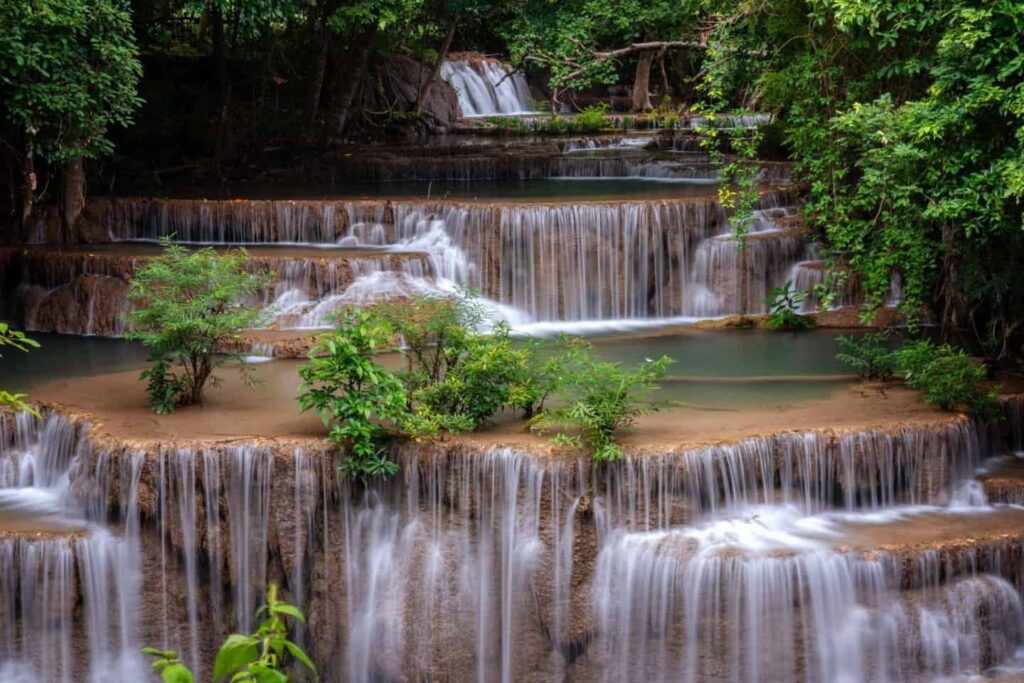
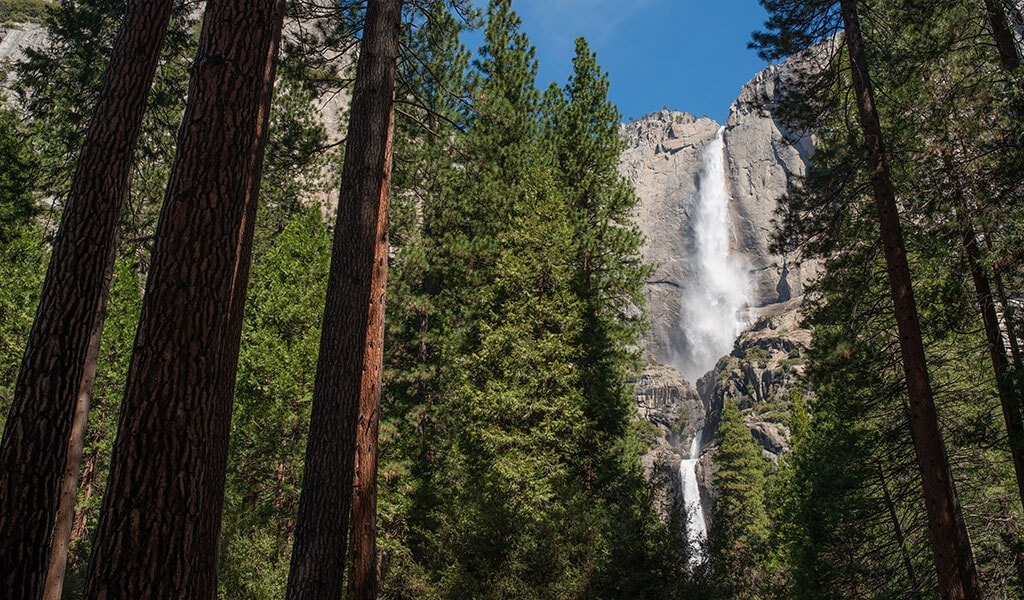
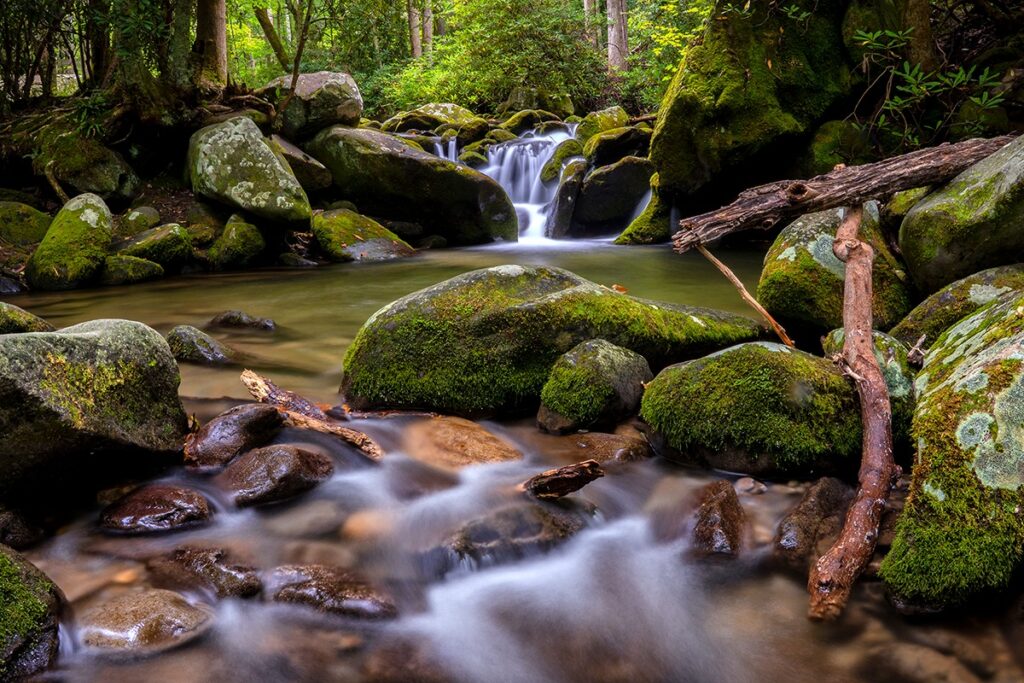
Water & waterfalls: Parks like Yosemite National Park (California) and Great Smoky Mountains National Park (Tennessee/North Carolina), or lesser‑visited gems with falls, are ideal for soft, overcast light and water motion = silky, dreamlike images.
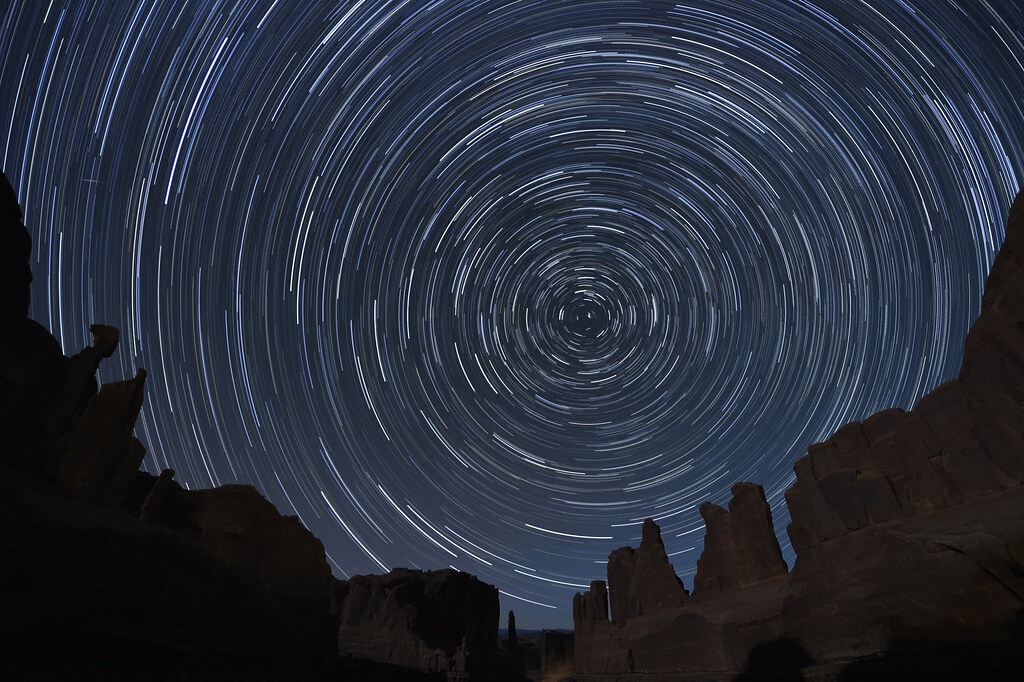
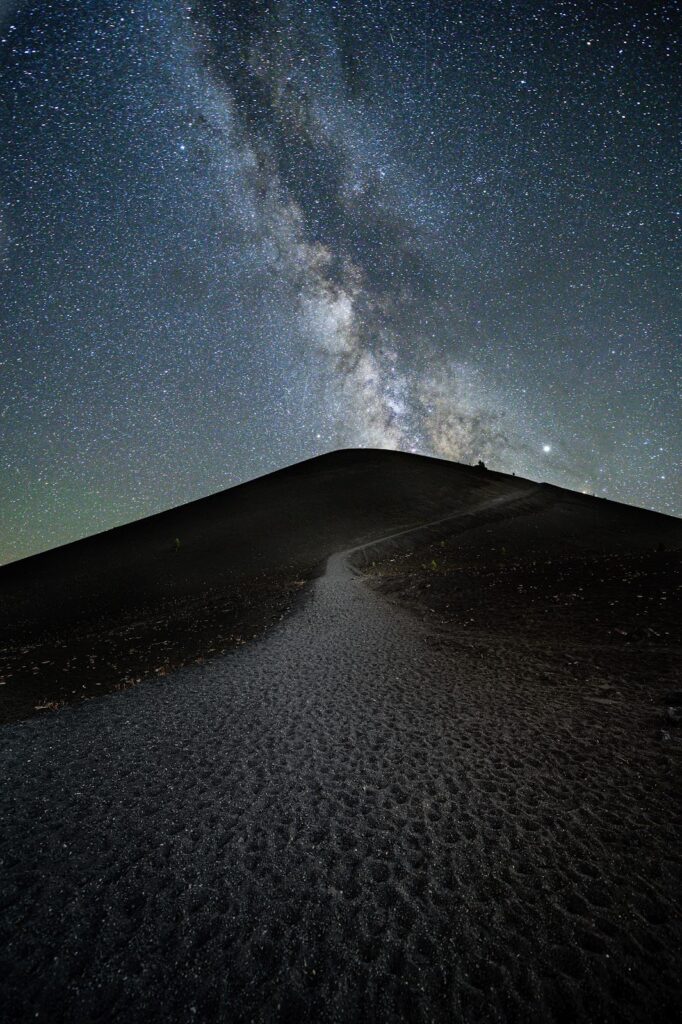
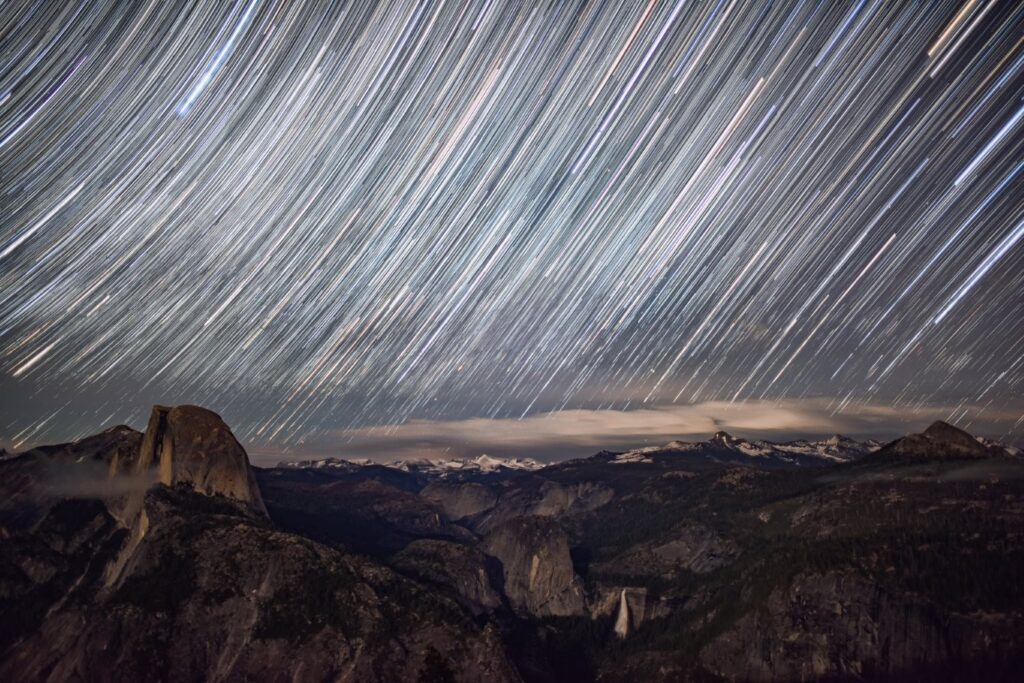
Star trails & night skies: Remote parks with minimal light pollution, such as Bryce Canyon National Park (Utah), Grand Teton National Park (Wyoming), let you leave the shutter open for minutes or stack multiple exposures.
Desert skies & cloud motion: Wide‑open terrain like Arches National Park or Canyonlands National Park gives dramatic cloud movement and contrast when photographed over long intervals.
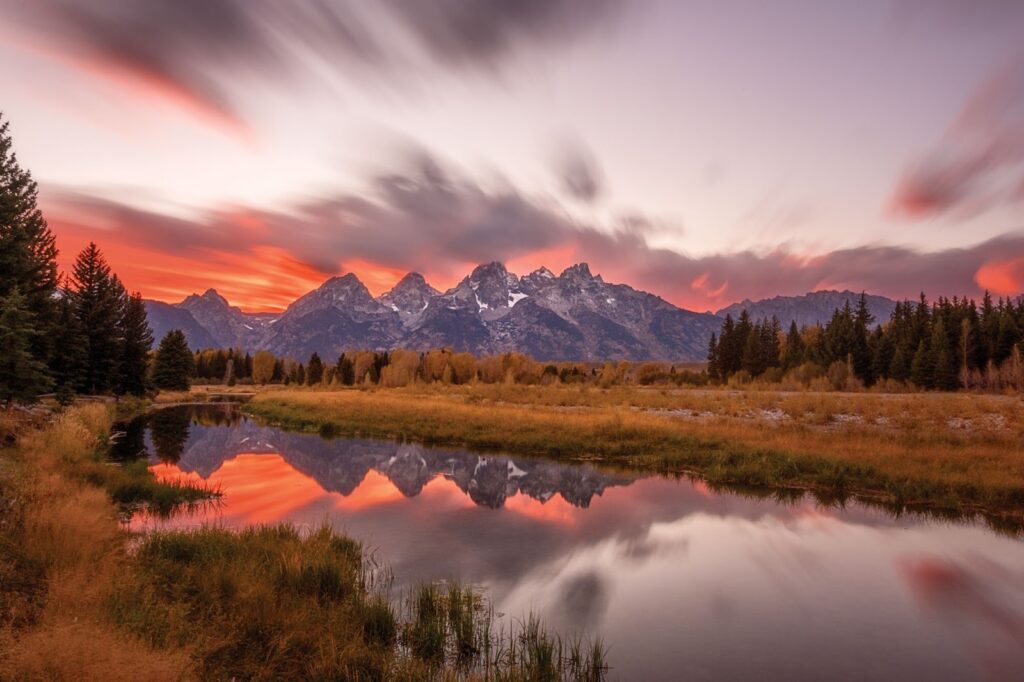
Lakes & reflections: Smooth water reflections at dawn or dusk benefit from a 10–30 second exposure (or more) to mirror light and soften ripples.
Gear & Setup for Long Exposure in the Field
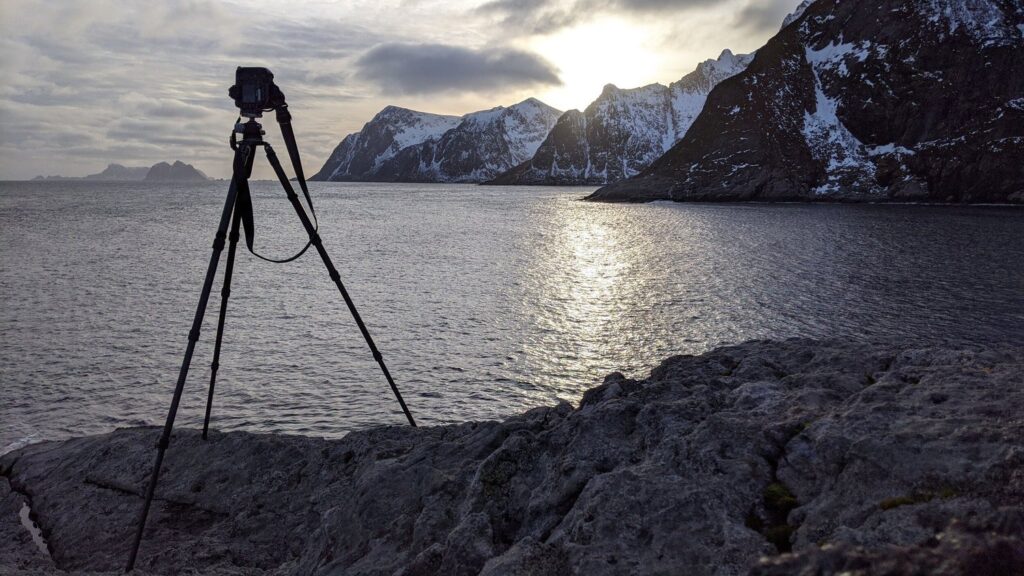
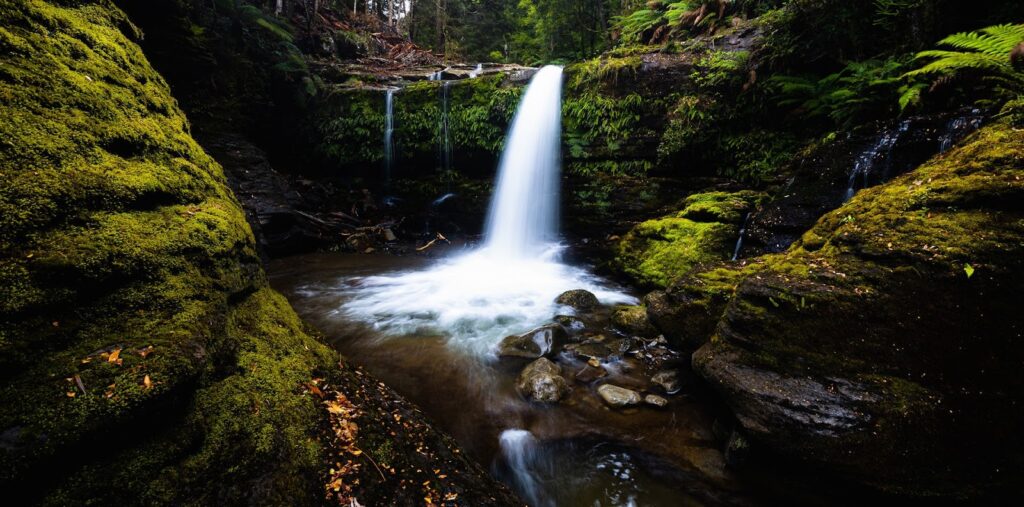
Your kit must match your ambition. Here’s the checklist:
- Sturdy tripod: Without stability, slow shutter = blur. As one guide says, “A good, heavy tripod for long exposures” is non‑negotiable.
- Neutral Density (ND) filters: In daylight, to slow down shutter speed, you’ll need a 6‑stop, 10‑stop (or even 15‑stop) ND filter.
- Remote shutter release or timer: Minimises camera shake when you start the exposure.
- Low ISO (e.g., ISO 100) and smaller aperture (e.g., f/11‑f/16): Helps reduce noise and give sufficient depth.
- Planning tools: Weather apps, moon‑phase charts, and park conditions to time your shot.
In national parks, pack for terrain: dust, wind, temperature shifts. Your gear needs to cope.
Composition & Movement
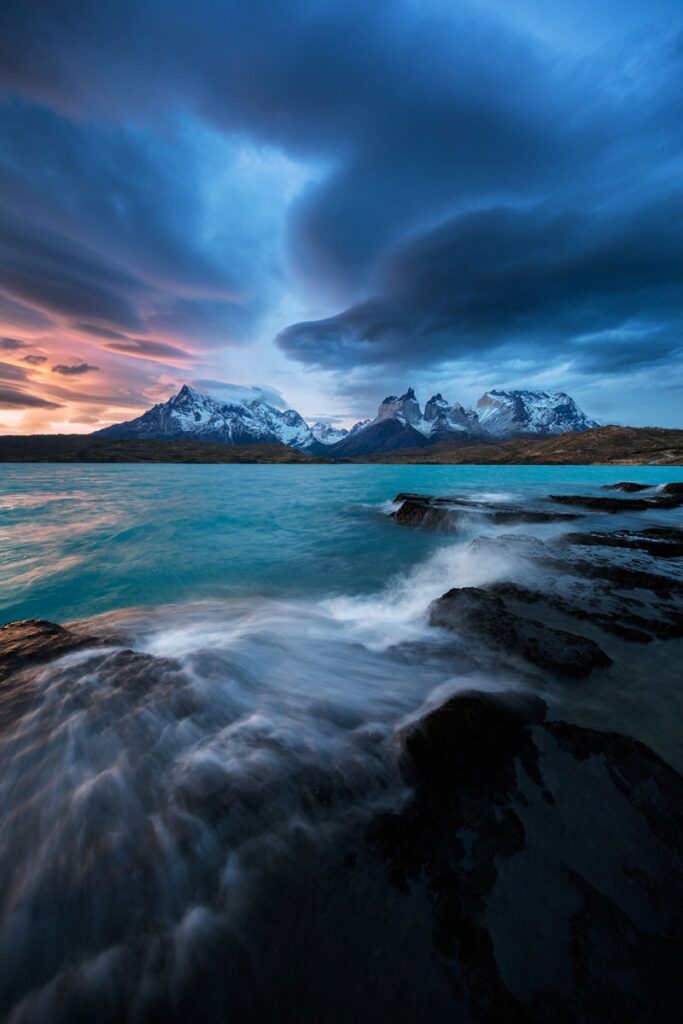
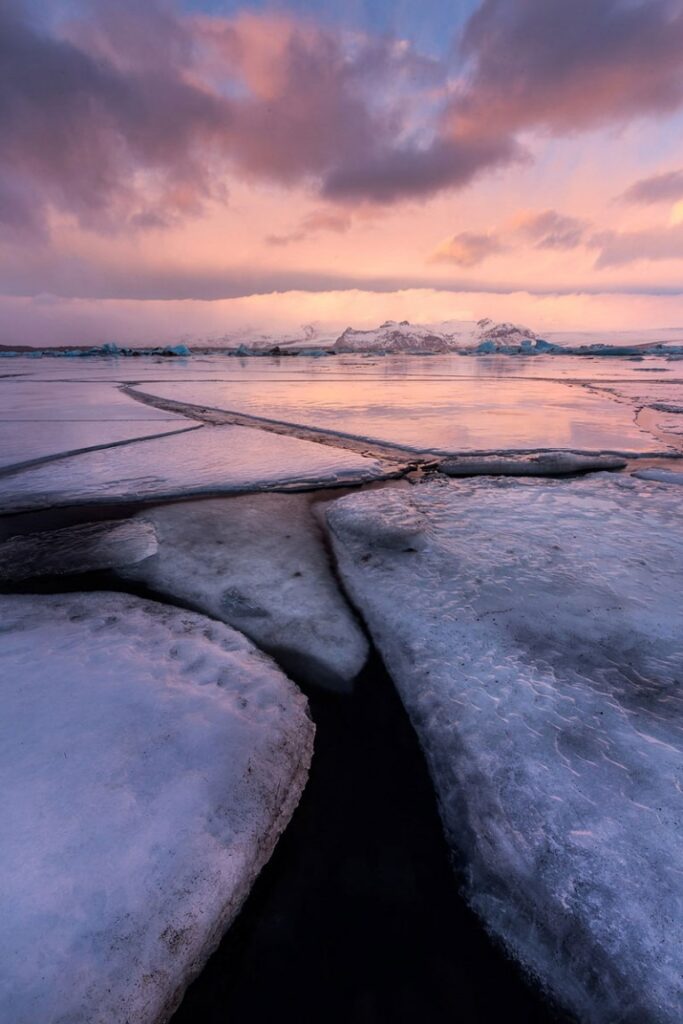
- Foreground interest + layers: Use a rock, log, or plant to anchor the scene. This helps give the image scale and leads the viewer into it.
- Motion in one axis: Water flowing downward, clouds moving sideways, stars rotating overhead. The flow should complement the composition.
- Horizon & dynamic balance: In desert skies or water scenes, balance the stillness (rock, mountain) with the motion (water, clouds).
- Timing matters: Golden hour, blue hour, or full night-light direction and colour changes make or break long exposures.
- Keep static subjects sharp: If trees move in the wind during your long exposure, they blur, and may distract rather than enhance. As noted: “Be mindful of trees… that may sway. A long exposure will blur them unintentionally.”
Field Workflow in a National Park
- Arrive early: Scout your spot before golden hour.
- Compose and lock focus: Without an ND filter initially, if light permits.
- Attach ND filter if needed: Then adjust shutter speed for effect.
- Start with test exposures: For example, test at 1/10s, 1s, and 5s to see the effect.
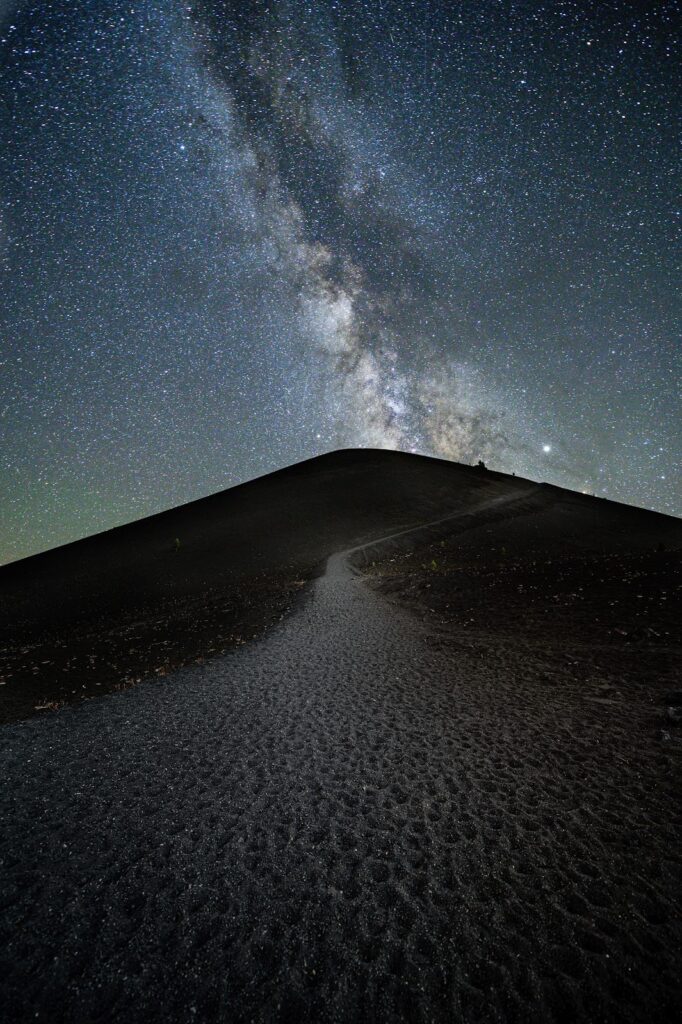
- Go long: Depending on movement, try 10‑30 seconds or for star trails, stacking many 30s exposures.
- Use remote or timer: Avoid touching the camera during exposure.
- Review and adjust: Check blur, highlights, and subject movement.
- Pack backup: Extra batteries, cards, filters. After all, you’re in a remote nature.
Example Setups & Park‑specific Scenarios
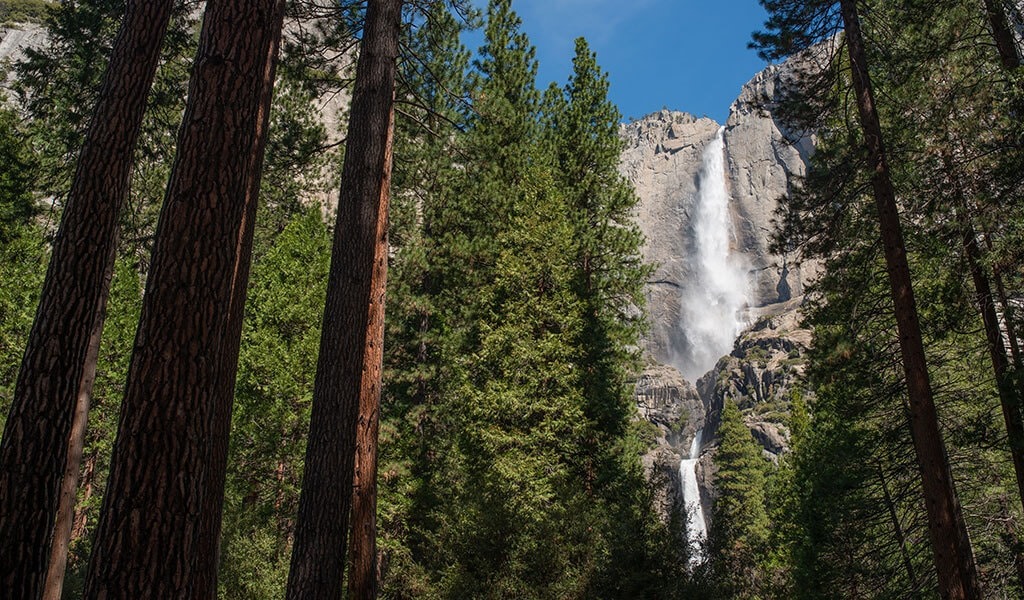
- Yosemite Waterfall (CA): Use 10‑20 second exposures at dusk inside the valley, softened water, clear granite.
- Arches Night Sky (UT): Place tripod under iconic arch, take 30s exposures at ISO 1600, f/2.8, then stack for star trails.
- Canyonlands Clouds (UT): During high wind, use 2‑5 minute exposures to streak clouds over mesas for surreal desert motion.
- Great Smoky Mountains Fog (TN/NC): Early morning, use ND filters to blur mist weaving between trees, giving an ethereal forest feel.
Post‑Processing Advice
- Shoot in RAW to retain maximum dynamic range.
- Use tools like Lightroom/Photoshop or StarStax (for star trails).
- Adjust highlights/shadows gently and keep motion natural.
- For waterfall/river shots: bring out texture in stationary objects, maintain smoothness in moving water.
- For night shots: careful with noise, use stacking or noise‑reduction tools.
- Crop carefully: sometimes a vertical orientation emphasises flow or height in a composition.
Ethics, Logistics & Park Respect
- Leave no trace: Stay on trails, pack out gear, don’t disturb sensitive terrain.
- Permit check: Some parks require time or location restrictions for night photography.
- Wildlife & safety: In remote spots at dusk/dawn, be aware of animals and conditions.
- Tripod etiquette: If popular spot, allow other photographers access.
- Local rules: Roads may close after dark, or there may be extra regulations for night shoots.
Your long‑exposure shot should honour the place, not just use it as a backdrop.
Pulling It All Together
To master long‑exposure photography in the national parks of the USA:
- Plan the location and time for motion and light flow.
- Gear up with a tripod, filters, remote release.
- Arrive early, compose with foreground interest, then lock in the slow shutter.
- Review, experiment, and adapt.
- Process with intention; respect the environment.
Final Insights
After all the settings, filters, and scouting, what you end up capturing is more than just a long exposure, but a story of time meeting space. One crystal‑clean drop of river becomes a flowing ribbon; one static rock anchors a sea of motion. The serenity of a night sky takes shape in circular arcs. When you apply long exposure techniques in U.S. national parks, you’re not just documenting scenery; you’re rendering what the eye can’t perceive but the camera can unveil.
So pack your gear, set your shutter to “Bulb” or “30 seconds,” step out into the wild, and let the landscape show you motion, softness, and mystery. Because in the vastness of our national parks, stillness and motion coexist, and your long‑exposure photograph becomes the space between the two.
✦ Related Articles You May Love
- Living Like A Local In Remote U S Regions
- Hidden Homestay Experiences In Offbeat U S Towns
- Folklore And Legends From The Deep South
- How To Find Hidden Adventure Spots Across The Usa
- Essential Packing Tips For U S Hiking Trips
- Budget Travel Hacks For Exploring U S Trails
- Safety Tips For Hiking Hidden Trails In The Usa
- Best Seasons To Visit Hidden U S Parks
- Eco Friendly Ways To Explore Remote U S Destinations
- How To Reach Hard To Access U S Adventure Spots
- Navigating Road Trips To Lesser Known U S Parks
- Apps That Reveal Hidden Trails And Campsites
- How To Stay Connected In Remote U S Areas
- Capturing Hidden Landscapes Of The American West
- Night Sky Photography In Americas Dark Sky Parks
- Photo Walks Through Hidden U S Small Towns
- Reflections Photography On Hidden U S Lakes
- Rock Climbing In Lesser Known U S Spots
- Trail Running Through Hidden Forest Paths
- Mountain Biking Adventures In The Pacific Northwest
- Paragliding Above Secret U S Peaks
- Scuba Diving Hidden Reefs In The Florida Keys
- Abandoned Ghost Towns In The American West
- Hidden Architectural Gems Across The Usa
- Discovering Truly Local Favourite Hiking Trail Usa
- Travel Mistakes To Avoid On U S Hidden Trails
- Solo Adventures In Remote U S Locations
- How Tourism Is Changing Hidden American Spots
- Hidden U S Destinations That Inspired Great Art
- Americas Forgotten Ghost Stories And Legends
- Short Hidden Hikes Under 5 Miles In The Usa
- Abiqua Falls Oregons Most Hidden Waterfall In The Pacific Northwest
- Exploring Hidden Islands In The Florida Keys
- Hidden Trails Secret Canyons Offbeat Hiking Escapes In The American Southwest
- Lesser Known National Parks Usa Hidden Gems To Explore In 2025
- Secret Caves To Explore In The Appalachian Mountains
- A Bloomseekers Paradise The Wildflower Trails In The Rocky Mountains
- Scenic Mountain Passes Few Know In Colorado Hidden And Adventurous Places You Must Explore
- Kayaking Through Hidden Rivers Of The South
- Underrated Desert Oases In The Southwest Usa
- Seasonal Hidden Wonders In U S National Parks
- Hidden Hot Springs In The Western United States Your Guide To Real Relaxation
- Snow Covered Winter Trails No One Talks About
- Secret Coastal Cliffs To Explore In California
- Underground Crystal Caves In The United States
- Untouched Forest Sanctuaries In The Northeast
- Stories From Rural Americas Forgotten Communities
- Hidden Artisan Markets In The Midwest Your Ultimate Guide
- Local Foods Found Only In Small Town America
- Native American Heritage Trails You Didnt Know About Best Ones 2
🌿 Sources & References
- U.S. National Parks – NPS
- National Park Tips – REI
- World Heritage Sites – UNESCO
- National Park Conservation – NPCA
- Nature Photography Tips – National Geographic
- Landscape Photography Guide – Nature TTL
- Ethical Wildlife Photography – Audubon Society
- Travel Photography Tips – Lonely Planet
- Travel & Adventure – National Geographic
- Outdoor Recreation – REI Expert Advice