The Complete Guide to Off-Grid Living & Micro-Communities
Off-grid living and micro-communities are no longer fringe ideas. Around the world, people are stepping away from traditional city systems to create independent, sustainable lifestyles rooted in nature, shared values, and intentional design.
From solar-powered homes to cooperative villages built around food production and mutual support, these communities offer an alternative vision of modern living. This guide explores what off grid communities usa truly look like on the ground, how they function, and why more people are seeking freedom, resilience, and deeper connection through these evolving ways of life.
Micro Communities That Redefine Modern Living
Earth Haven Collective, Colorado
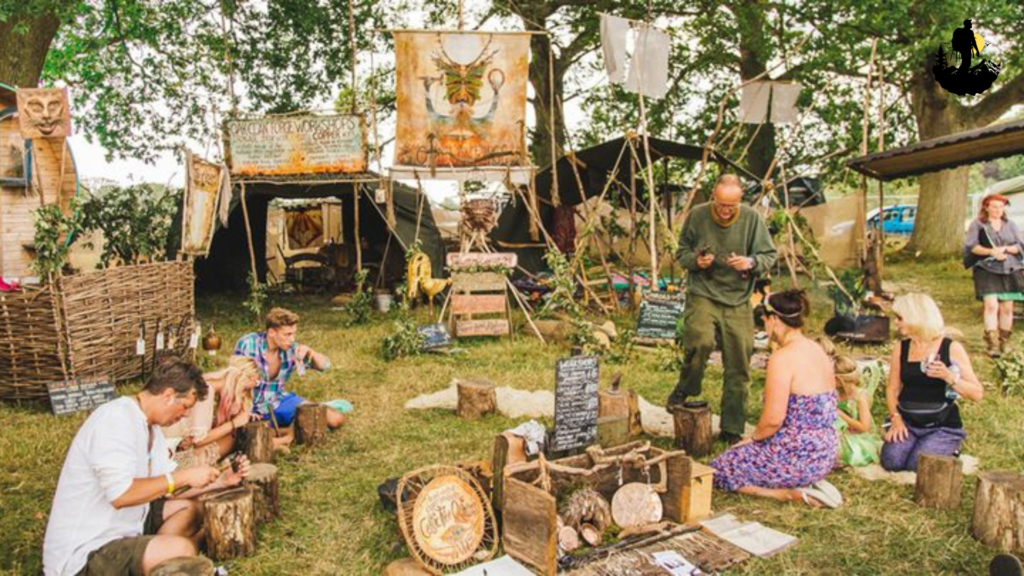
Earth Haven Collective sits quietly in a high desert valley where open skies stretch endlessly above rolling hills. Small cabins, earthbag homes, and solar-powered structures are scattered thoughtfully across the land, blending into the natural terrain rather than dominating it. Walking through the community feels different from entering a typical neighborhood. Instead of paved streets and fences, you find shared gardens, compost stations, and communal gathering spaces where residents meet to plan projects or share meals.
Early mornings begin with soft sunlight reflecting off solar panels and the distant hum of wind moving through dry grass. Residents often start their day tending vegetable beds, checking water systems, or preparing food grown directly from the surrounding land. The rhythm here is slower but intentional. Every task, from collecting rainwater to maintaining energy storage systems, becomes part of a larger cycle that supports independence from external utilities.
Coordinates: Approximate location 38.8330° N, 105.2000° W, central Colorado highlands
Best Exploration Spots:
- Community greenhouse: A hub of activity where residents grow year-round produce and experiment with regenerative agriculture.
- Shared workshop area: Tools, recycled materials, and creative projects show how sustainability merges with craftsmanship.
- Solar ridge overlook: A gentle hill that reveals the full layout of the settlement and the surrounding mountains.
- Sunset gathering circle: Often used for music, storytelling, and community decision-making under the open sky.
Visitors quickly notice how design choices focus on efficiency. Homes are positioned to capture natural sunlight and reduce heating needs during cold winters. Insulated earth walls stabilize indoor temperatures, while composting toilets and greywater systems minimize environmental impact. Rather than viewing these features as sacrifices, residents see them as tools for freedom. Lower expenses, reduced reliance on centralized infrastructure, and closer ties to nature redefine what comfort means.
Why It Is So Special
Earth Haven Collective demonstrates that off-grid living does not have to mean isolation. Many people imagine independence as a solitary cabin deep in the woods, but this community shows another path. Shared labor and knowledge make complex systems manageable. One resident may specialize in renewable energy maintenance, while another focuses on food preservation or herbal medicine. Together, they create a resilient network where skills replace consumer dependence.
The culture emphasizes cooperation rather than competition. Weekly meetings help residents make decisions collectively, balancing personal autonomy with group responsibility. Challenges still exist. Harsh winters test energy reserves, and water conservation requires constant awareness. Yet these challenges strengthen the community’s identity. Members learn adaptability and develop a deep appreciation for resources that urban life often hides behind convenience.
For many who visit, the most memorable aspect is the sense of purpose woven into daily routines. Instead of rushing between obligations, life unfolds around meaningful work and shared experiences. Evenings often end around a firepit where conversations drift from practical planning to philosophical discussions about sustainability and the future of human settlements. The result is a living example of how intentional design and community spirit can transform off-grid life into something vibrant and deeply connected.
Weather: Dry climate with cold winters and sunny summers
Best Season to Visit: Late spring through early autumn
Budget: $70 to $160 per night for nearby eco-lodges
Best Food Nearby: Farm-to-table meals, locally sourced vegetables, artisan bread from regional bakeries
Best Places to Stay: Off-grid cabins, eco-retreat centers, rustic mountain lodges
Green River Micro Village, Oregon
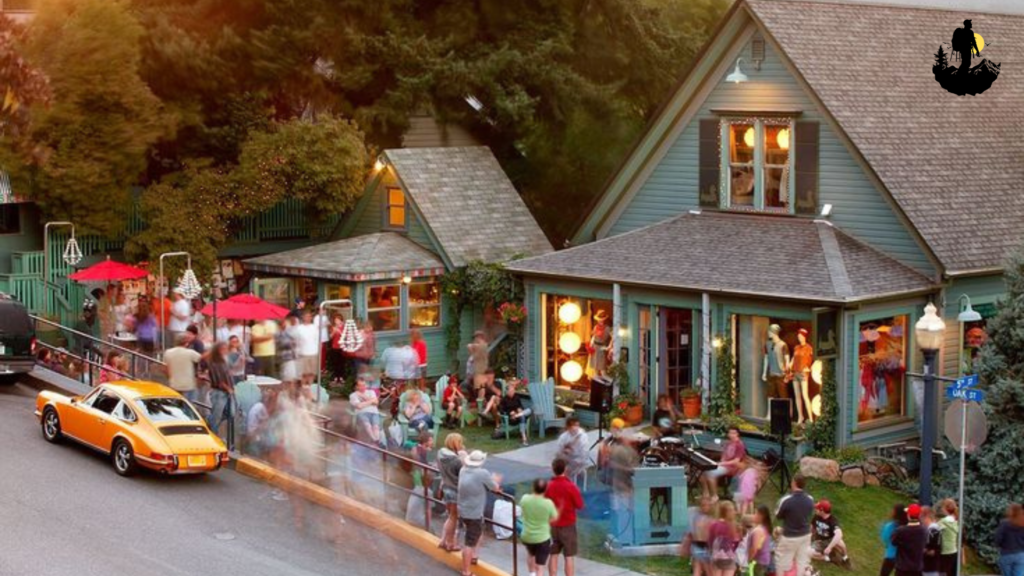
Green River Micro Village rests along a quiet stretch of forested land where tall evergreens frame small, thoughtfully built homes. Unlike traditional neighborhoods built around cars and wide roads, this village is designed for walking paths and shared spaces. Tiny houses line curved trails, each powered by renewable energy systems and surrounded by edible landscapes filled with berries, herbs, and fruit trees.
The first impression is one of calm simplicity. Solar lanterns hang between trees, and wooden decks overlook communal gardens where residents gather throughout the day. Children play near a natural creek while adults collaborate on projects ranging from seed saving to woodworking. There is a feeling of experimentation here, as if every corner of the village is testing new ideas about how people can live more lightly on the planet without sacrificing comfort or creativity.
Coordinates: Approximate location 44.0000° N, 123.1000° W, western Oregon valley
Best Exploration Spots:
- Tiny home lane: A winding path that showcases diverse architectural styles, from modern minimalist structures to rustic cabins.
- Food forest terrace: Layers of edible plants arranged to mimic natural ecosystems, offering both beauty and sustainability.
- Community kitchen pavilion: The heart of social life, where shared meals strengthen bonds between residents.
- Forest meditation trail: A quiet loop through dense trees that highlights the village’s commitment to mindfulness and nature connection.
Living in a micro-community like Green River requires intentional participation. Residents share resources such as tools, transportation, and storage spaces. This reduces costs while encouraging cooperation. Decisions about land use, building guidelines, and sustainability practices are often made through group discussions. While this collaborative approach can be challenging, it fosters a deep sense of ownership and belonging.
Why It Is So Special
Green River Micro Village shows how sustainable communities can blend with modern lifestyles. High-speed internet allows many residents to work remotely, proving that independence from traditional infrastructure does not mean disconnecting from the world. Instead, technology becomes a supportive tool rather than a dominant force. People balance digital work with physical activities such as gardening, building, and outdoor recreation.
Another unique aspect is the emphasis on emotional and social sustainability. Weekly skill-sharing sessions allow residents to teach everything from natural dyeing techniques to energy system maintenance. Seasonal festivals celebrate harvests and milestones, reinforcing a culture that values connection as much as efficiency. Visitors often describe the atmosphere as welcoming and inspiring, a place where creativity thrives alongside practical living.
Challenges remain part of the journey. Coordinating shared responsibilities requires patience, and adapting to smaller living spaces can take time. However, many residents find that downsizing brings clarity. Without excess possessions or constant consumption, daily life becomes more intentional. The forest surroundings encourage reflection, while the collaborative environment helps people rediscover a sense of community often lost in modern cities.
Green River Micro Village represents a growing movement toward small-scale, decentralized living. It highlights how sustainable communities can provide resilience in uncertain times while nurturing meaningful relationships. By combining sustainable design, shared values, and a willingness to experiment, this village offers a vision of the future that feels both grounded and hopeful.
Weather: Cool wet winters, mild summers with lush greenery
Best Season to Visit: Late spring and early fall
Budget: $80 to $170 per night for eco-friendly guest cabins nearby
Best Food Nearby: Organic farm produce, fresh berries, artisan coffee from local roasters
Best Places to Stay: Tiny home rentals, forest retreats, sustainable farm stays
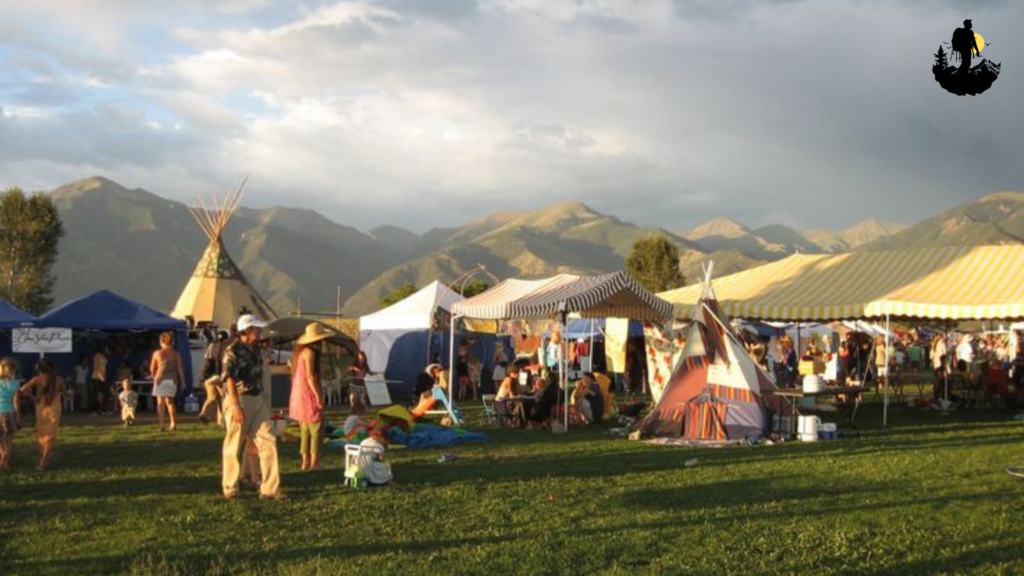
Solstice Valley Cooperative, New Mexico
Solstice Valley Cooperative lies across a vast stretch of desert landscape where red earth meets an endless horizon. From a distance, the settlement appears almost invisible, with low-profile adobe homes blending into the terrain. Solar arrays shimmer under the strong sun, while carefully designed wind barriers made from native plants protect the village from seasonal storms. The air here feels open and expansive, carrying the quiet hum of sustainable systems working in harmony with nature.
Mornings begin early in Solstice Valley. As the sun rises, residents gather near the central courtyard to check water storage levels and share updates about daily tasks. Rainwater harvesting tanks and underground cisterns form the backbone of survival in this arid environment. Every drop of water is respected. Gardens grow through drip irrigation systems that deliver moisture directly to plant roots, minimizing waste while maximizing productivity.
Coordinates: Approximate location 35.4000° N, 106.3000° W, northern New Mexico desert region
Best Exploration Spots:
- Central adobe plaza: A shaded gathering space used for meals, discussions, and celebrations.
- Solar observation hill: Offers a panoramic view of the valley and demonstrates how panels are angled for maximum efficiency.
- Permaculture garden rings: Circular planting zones designed to conserve water and encourage biodiversity.
- Night sky viewing point: A quiet ridge where residents watch stars under one of the darkest skies in the region.
Life here is built around adaptation. Homes feature thick earth walls that regulate temperature naturally, keeping interiors cool during scorching afternoons and warm on chilly desert nights. Instead of relying heavily on external fuel sources, residents design systems that respond to local conditions. Outdoor kitchens and shaded workspaces allow people to remain active even during extreme heat, while communal storage ensures food security during unpredictable seasons.
Why It Is So Special
Solstice Valley Cooperative represents a powerful example of resilience in challenging environments. The desert forces creativity. Residents experiment with drought-resistant crops, solar cooking methods, and passive cooling techniques that reduce energy consumption. These innovations attract visitors interested in sustainable architecture and regenerative agriculture practices.
Social dynamics play a central role in the cooperative’s success. Decisions about land stewardship are made collectively, encouraging transparency and shared responsibility. Workshops on water conservation, desert agriculture, and renewable energy draw people from nearby towns, turning the settlement into a learning hub rather than a closed community. The emphasis is not only on survival but also on education and outreach.
Evenings in Solstice Valley feel almost ceremonial. As temperatures drop, residents gather around outdoor fire circles to share music, stories, and plans for future projects. Without the distractions of city life, conversations often dive deeper into philosophy, environmental ethics, and personal growth. Many people describe the cooperative as a place where simplicity becomes a form of freedom.
Challenges remain present. Sandstorms occasionally disrupt solar systems, and maintaining consistent water supplies requires constant vigilance. Yet these obstacles strengthen the collective spirit. Instead of viewing hardships as setbacks, residents treat them as opportunities to refine systems and deepen cooperation.
Weather: Hot dry summers, cool desert nights, mild winters
Best Season to Visit: Late fall through early spring
Budget: $65 to $140 per night at nearby eco-retreats
Best Food Nearby: Southwest-inspired vegetarian dishes, roasted corn, locally grown chilies
Best Places to Stay: Adobe guesthouses, desert eco-lodges, small off-grid casitas
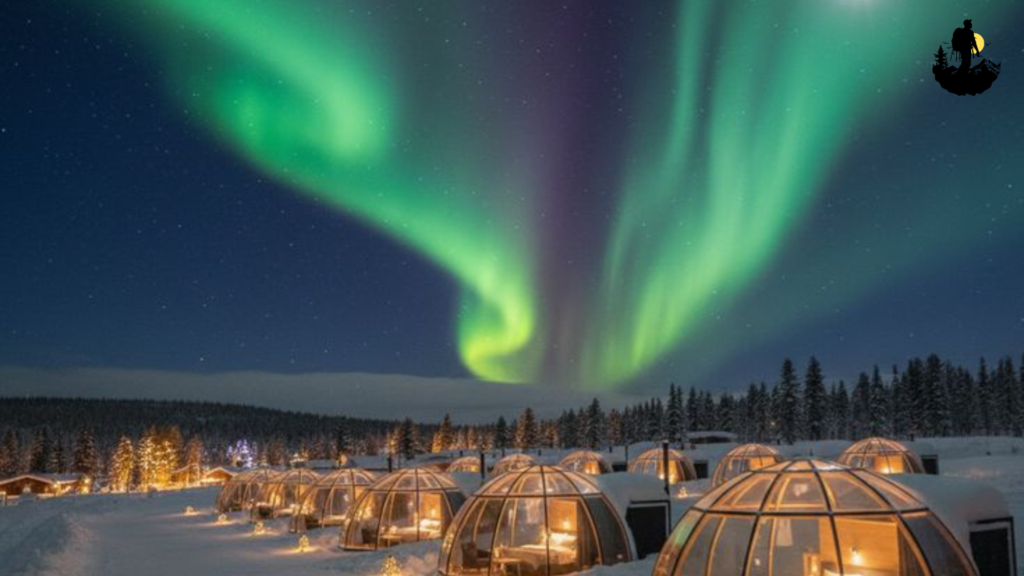
Northern Light Eco Hamlet, British Columbia
Northern Light Eco Hamlet sits at the edge of a dense evergreen forest where mist drifts slowly between towering cedar trees. Wooden cabins with green roofs blend seamlessly into the landscape, surrounded by moss-covered paths and small streams that wind through the settlement. The atmosphere feels quiet and reflective, shaped by long winters and the rhythmic cycle of seasonal light.
In the early morning, soft fog wraps around the village, creating a sense of calm that encourages slow movement. Residents often begin their day in the communal greenhouse, tending to vegetables that thrive under carefully balanced artificial lighting during darker months. Renewable energy systems combine solar panels with micro-hydropower from a nearby creek, ensuring a stable source of electricity despite changing weather conditions.
Coordinates: Approximate location 50.7000° N, 122.5000° W, interior British Columbia
Best Exploration Spots:
- Forest boardwalk trail: A raised path that protects delicate ecosystems while offering peaceful walks.
- Community woodshop: A creative hub where residents build furniture, repair tools, and experiment with sustainable design.
- Glasshouse dome: Maintains fresh produce year-round and serves as a warm social space during winter.
- Creekside meditation area: A quiet place where the sound of flowing water blends with birdsong.
The design of Northern Light Eco Hamlet reflects a deep respect for the surrounding environment. Rainwater collection systems feed into natural filtration gardens, and composting programs transform organic waste into nutrient-rich soil. Even the layout of cabins encourages minimal disturbance to wildlife corridors, allowing animals to pass freely through the forest.
Why It Is So Special
This eco hamlet thrives on the balance between independent living and interdependence. Residents live off-grid yet rely on each other’s skills to maintain complex systems during harsh winters. When heavy snowfall blankets the landscape, neighbors help clear pathways and ensure energy systems remain functional. This shared effort builds strong bonds and a sense of collective resilience.
The community also emphasizes creativity. Artists, writers, and remote workers often find inspiration in the quiet forest setting. Workshops on sustainable living, forest stewardship, and eco-building techniques attract visitors interested in learning practical skills. Unlike traditional neighborhoods, Northern Light Eco Hamlet values time as a resource. Slower days allow residents to focus on craftsmanship, personal reflection, and meaningful connection.
Winter nights bring a unique magic. With minimal light pollution, the sky reveals brilliant stars and occasional northern lights that dance above the trees. These moments reinforce the community’s commitment to living in harmony with nature rather than controlling it. Residents describe a deep emotional connection to the land, shaped by seasons that demand patience and respect.
Weather: Long snowy winters, cool rainy springs, mild summers
Best Season to Visit: Late summer for easier access or early winter for atmospheric beauty
Budget: $90 to $180 per night at nearby eco-cabins
Best Food Nearby: Wild mushroom dishes, fresh salmon, locally foraged berries
Best Places to Stay: Forest lodges, eco-friendly cabins, lakeside retreats
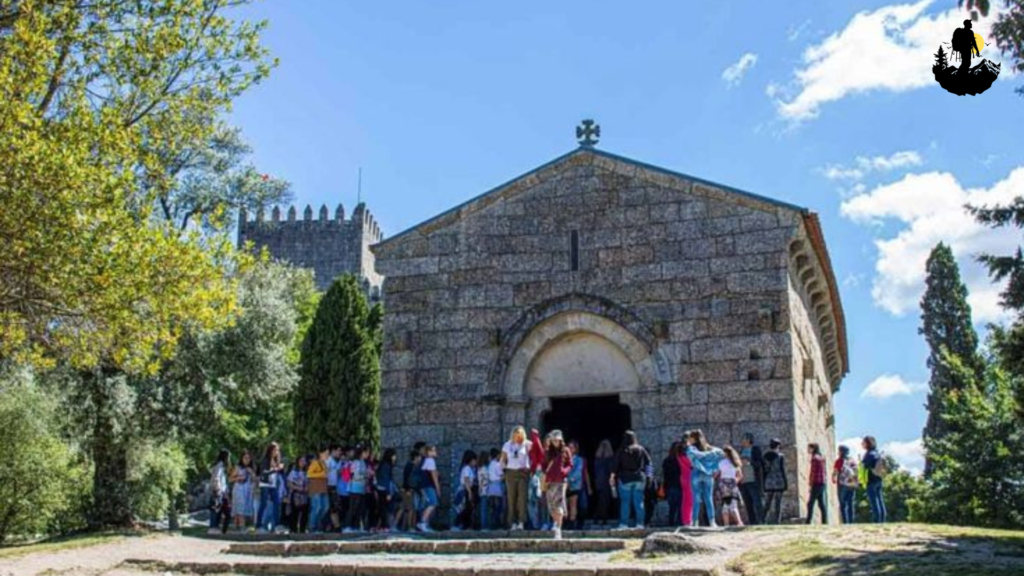
Sunrise Ridge Micro Settlement, Portugal
Sunrise Ridge Micro Settlement rests on rolling hills overlooking vineyards and distant ocean views. Whitewashed tiny homes with terracotta roofs line a narrow path that curves gently along the hillside. Olive trees and lavender bushes fill the air with a soft fragrance, while solar panels reflect the golden Mediterranean sun. The settlement combines ancient agricultural traditions with modern sustainability practices, creating a lifestyle that feels both timeless and innovative.
As dawn breaks, the landscape glows with warm light that stretches across terraces planted with herbs, vegetables, and fruit trees. Residents gather near a shared outdoor kitchen to prepare breakfast using ingredients harvested just steps away. The pace of life here feels relaxed, shaped by the Mediterranean climate and a culture that values community meals and outdoor living.
Coordinates: Approximate location 39.5000° N, 8.9000° W, coastal Portugal countryside
Best Exploration Spots:
- Vineyard terrace viewpoint: Offers sweeping views of rolling hills and nearby farmland.
- Stone amphitheater circle: Used for music nights, yoga sessions, and open discussions.
- Olive grove pathways: Quiet walking trails lined with centuries-old trees.
- Ocean horizon lookout: A peaceful spot where sunsets paint the sky in vivid colors.
Homes in Sunrise Ridge emphasize simplicity without sacrificing comfort. Natural ventilation reduces the need for air conditioning, while rooftop gardens help regulate temperature and provide fresh produce. Shared tools and cooperative maintenance keep costs low, allowing residents to focus on creative work, remote jobs, or local crafts.
Why It Is So Special
Sunrise Ridge Micro Settlement blends cultural heritage with forward-thinking design. Many residents moved here seeking a slower pace of life, drawn by the idea of combining sustainability with Mediterranean warmth and hospitality. Community dinners play a central role in daily life, strengthening bonds and encouraging collaboration on projects ranging from renewable energy upgrades to cultural events.
The settlement also acts as a bridge between local traditions and global ideas. Workshops on natural building techniques, organic farming, and mindful living attract visitors from across Europe. Instead of isolating itself, the community welcomes exchange, believing that innovation grows through shared experiences.
Challenges still exist. Balancing tourism interest with privacy requires careful planning, and maintaining collective decision-making processes can take time. Yet these challenges encourage open communication and adaptability. Residents often describe the settlement as a living experiment, evolving as new ideas and people arrive.
Evenings bring a peaceful rhythm. As the sun dips toward the ocean, golden light washes over the hillside, and neighbors gather with music, fresh bread, and conversation. The sense of belonging created through shared purpose defines Sunrise Ridge more than any physical structure. It is a reminder that off-grid lifestyle can be both sustainable and joyful, grounded in simplicity yet enriched by human connection.
Weather: Warm dry summers, mild winters, abundant sunshine
Best Season to Visit: Spring and early autumn
Budget: $85 to $160 per night at nearby rural guesthouses
Best Food Nearby: Olive oil dishes, fresh seafood, handmade pastries from local bakeries
Best Places to Stay: Vineyard cottages, eco-farm stays, coastal countryside villas
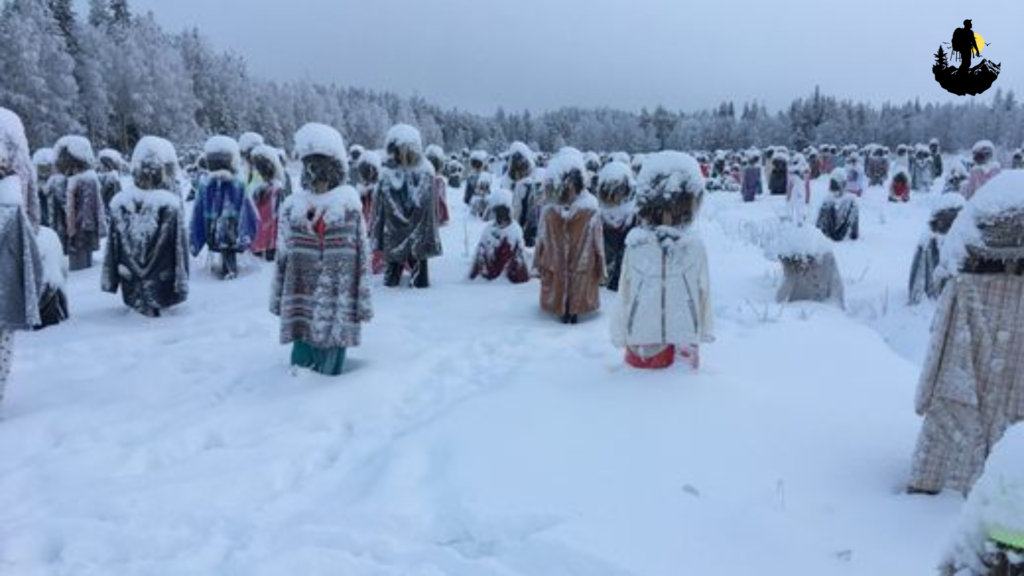
Silver Birch Commons, Finland
Silver Birch Commons rests along the edge of a quiet Nordic forest where tall white-barked trees sway gently in the wind. Wooden cabins painted in muted earth tones are spaced carefully between patches of moss and wildflowers. The air feels crisp and clean, carrying the scent of pine and distant lakes. This micro-community was designed with deep respect for seasonal cycles, embracing long winters and bright summer nights as essential parts of daily life.
Early mornings begin with soft light reflecting across nearby water, illuminating solar panels and small wind turbines positioned among the trees. Residents often gather in a shared sauna building before starting their day, using the ritual as both relaxation and social connection. Paths made from natural gravel connect homes to communal gardens and workshops, encouraging walking rather than driving.
Coordinates: Approximate location 62.2000° N, 25.7000° E, central Finland forest region
Best Exploration Spots:
- Lakeside dock: A peaceful place for reflection and cold-water swimming during summer months.
- Forest craft studio: Residents create handmade furniture, textiles, and eco-friendly tools.
- Seasonal greenhouse: Maintains vegetables and herbs through colder months.
- Birch circle firepit: A gathering area used for storytelling and community meetings.
Homes here rely on passive design techniques to handle extreme weather. Triple-glazed windows, thick insulation, and earth-sheltered walls help maintain warmth without excessive energy use. During winter, residents cooperate to manage snow clearing and firewood storage, turning challenging conditions into opportunities for collaboration.
Why It Is So Special
Silver Birch Commons reflects a philosophy of quiet resilience. Instead of fighting the environment, the community adapts to it. Long winter nights become a time for creativity and indoor projects, while summer brings festivals celebrating light and nature. This balance between solitude and togetherness creates a rhythm that many people find deeply grounding.
The culture emphasizes mindfulness and sustainability in everyday choices. Shared meals feature locally foraged ingredients such as berries and mushrooms, and workshops teach skills like natural dyeing or eco-building techniques. Visitors often describe the atmosphere as peaceful yet purposeful, where technology exists in harmony with tradition.
One of the most unique aspects of the commons is its focus on emotional well-being. Residents value personal space as much as community interaction, allowing individuals to retreat into the forest when they need quiet reflection. At the same time, cooperative projects strengthen bonds and ensure that no one feels isolated during harsh winters.
Weather: Cold snowy winters, mild bright summers
Best Season to Visit: Late summer for long daylight hours
Budget: $90 to $170 per night at nearby lakeside cabins
Best Food Nearby: Fresh fish soups, rye bread, berry desserts from local farms
Best Places to Stay: Log cabins, eco-lodges, small countryside guesthouses
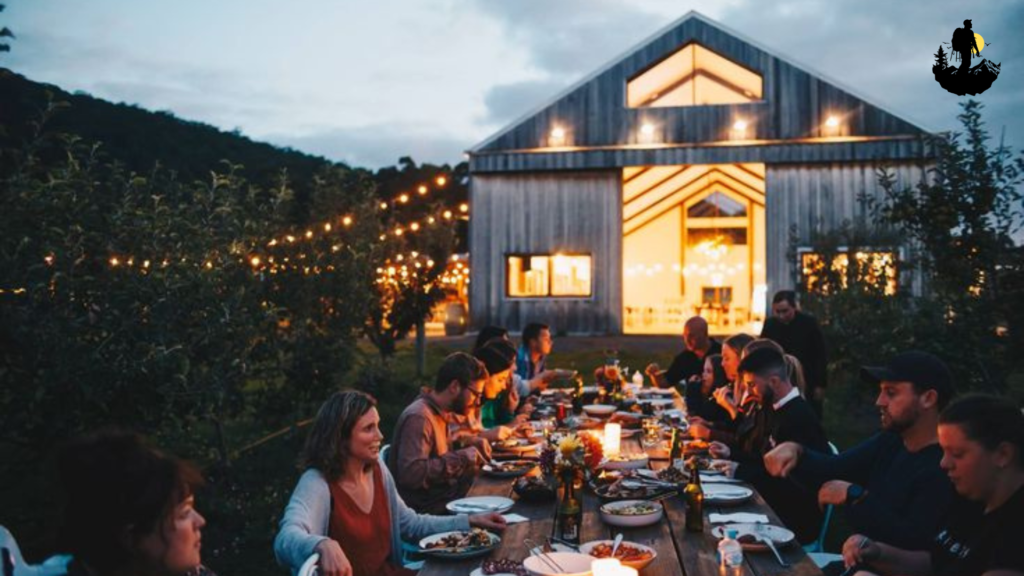
Valley Root Collective, Tasmania
Valley Root Collective sits within a lush green valley surrounded by rolling farmland and distant mountains. Tiny homes built from reclaimed timber are scattered along a winding dirt road, each framed by vegetable gardens and fruit trees. Birds fill the air with constant song, and the scent of eucalyptus drifts through the landscape. The community blends regenerative agriculture principles with a strong emphasis on creativity and shared living.
As the sun rises, golden light spreads across terraced fields where residents grow vegetables, grains, and herbs. Water flows through small channels designed to irrigate crops naturally, reducing dependence on mechanical systems. Communal spaces such as outdoor kitchens and art studios encourage collaboration, turning everyday tasks into social experiences.
Coordinates: Approximate location 42.8000° S, 147.2000° E, southern Tasmania countryside
Best Exploration Spots:
- Permaculture terraces: Demonstrate sustainable farming techniques adapted to local conditions.
- Reclaimed timber hall: A central gathering space for music nights and workshops.
- Wildflower meadow path: Offers sweeping views of the valley and surrounding hills.
- Rainwater reservoir lookout: Highlights how water storage supports off-grid living.
Residents here balance independence with collective responsibility. Each household maintains its own energy system, yet tools and resources are shared to reduce waste. Education plays a major role, with regular classes on organic gardening, natural building, and mindful living practices.
Why It Is So Special
Valley Root Collective stands out for its strong connection between sustainability and artistic expression. Many residents are musicians, painters, or writers who draw inspiration from the natural environment. Seasonal festivals celebrate harvest cycles, blending local traditions with modern eco-conscious values.
The settlement also emphasizes resilience through diversity. Different crops and renewable energy sources reduce vulnerability to unexpected challenges. Instead of relying on a single system, residents experiment with multiple solutions, creating a dynamic and adaptive environment.
Evenings often end with shared meals cooked from freshly harvested ingredients. Lanterns light up pathways, and music drifts through the valley as people gather to celebrate the simple pleasures of community living. The result is a community that feels alive with creativity while remaining grounded in practical sustainability.
Weather: Mild cool climate with frequent rain and lush greenery
Best Season to Visit: Spring through early autumn
Budget: $80 to $150 per night at nearby eco-farm stays
Best Food Nearby: Farm-fresh vegetables, artisan cheeses, local berry pies
Best Places to Stay: Farm cottages, tiny home rentals, countryside lodges
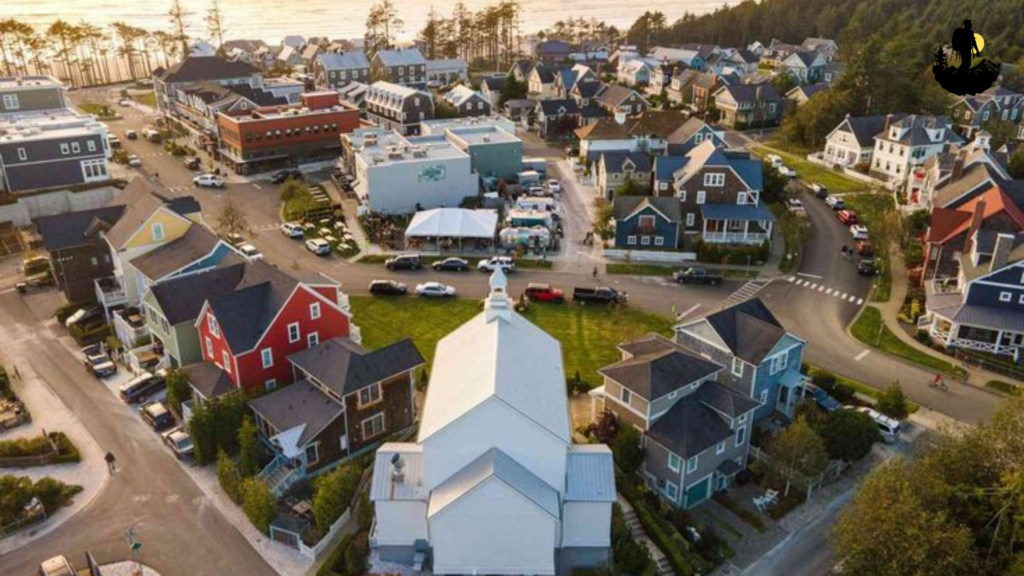
Cedar Coast Micro Haven, Washington State
Cedar Coast Micro Haven lies along a rugged stretch of coastline where evergreen forests meet rocky shores. Compact cabins with large windows face the ocean, capturing dramatic views of waves rolling toward the horizon. The salty breeze carries the sound of seabirds, and driftwood sculptures line pathways that weave between homes and communal spaces.
Morning fog often blankets the settlement, creating a soft, dreamlike atmosphere. Residents gather near a shared lookout deck to watch the tide shift, using tidal charts to plan activities like seaweed harvesting or shoreline restoration projects. Renewable energy comes from a mix of solar panels and small wind turbines positioned along the cliffs, ensuring a steady supply even during cloudy days.
Coordinates: Approximate location 47.9000° N, 124.6000° W, Washington coastal forest region
Best Exploration Spots:
- Ocean cliff deck: Provides sweeping views and a place for meditation at sunrise.
- Seaweed drying racks: Demonstrate how residents use local marine resources sustainably.
- Driftwood art garden: A creative outdoor space filled with sculptures made from found materials.
- Coastal forest trail: Leads through dense cedar trees toward hidden viewpoints along the shoreline.
Homes in Cedar Coast Micro Haven are designed to withstand strong coastal weather. Elevated foundations protect against heavy rain, while natural wood finishes blend into the surrounding environment. Shared workshops allow residents to repair equipment and build furniture from reclaimed materials.
Why It Is So Special
Cedar Coast Micro Haven showcases how eco-communities can thrive in dynamic coastal environments. The ocean influences everything from daily routines to community culture. Residents collaborate on conservation efforts, protecting marine ecosystems while learning to live in balance with powerful natural forces.
The sense of connection here extends beyond human relationships. Watching whales pass offshore or storms roll across the horizon reminds residents of nature’s scale and beauty. Technology supports comfort but never overshadows the environment. Many people who visit describe feeling both humbled and inspired by the raw coastal energy.
Challenges such as heavy storms and fluctuating weather patterns require constant adaptability. Yet these conditions also strengthen the community’s identity. Shared problem-solving builds trust, and the ever-changing landscape keeps life feeling fresh and alive.
Weather: Cool misty climate with strong ocean winds and frequent rain
Best Season to Visit: Late spring through early fall
Budget: $95 to $180 per night at nearby coastal cabins
Best Food Nearby: Fresh seafood chowder, smoked salmon, artisan sourdough bread
Best Places to Stay: Oceanfront cabins, eco-coastal retreats, small forest lodges
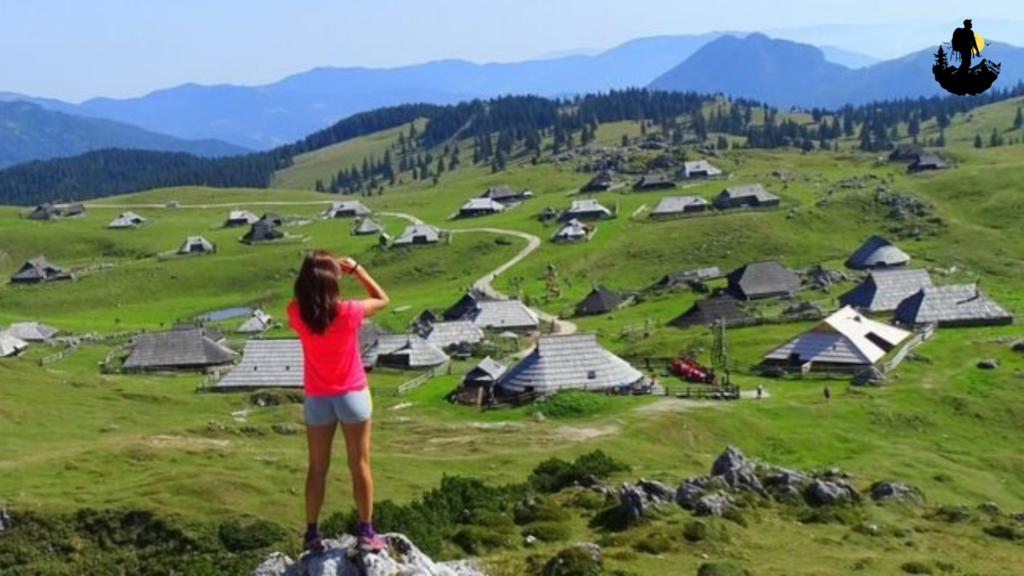
Horizon Meadow Cooperative, Slovenia
Horizon Meadow Cooperative stretches across a gentle hillside overlooking rolling green fields and distant alpine peaks. From afar, the settlement looks like a cluster of small wooden cottages tucked into nature, their green roofs blending seamlessly with wild grasses and flowering plants. Stone paths wind between homes, leading to shared gardens, workshops, and a central gathering barn that acts as the heart of the community. The air feels calm and grounded, shaped by a culture that values simplicity, sustainability, and slow living.
At sunrise, golden light washes across the meadow, illuminating rows of vegetables and herbs growing in carefully designed permaculture beds. Residents begin their day with quiet routines. Some walk through the orchard checking fruit trees, while others prepare bread in the communal outdoor oven. The rhythm of life here moves gently, guided by natural cycles rather than strict schedules. Birds drift overhead, and the distant sound of cowbells from nearby farms adds a soft, pastoral soundtrack.
Coordinates: Approximate location 46.2000° N, 14.7000° E, rural Slovenia countryside
Best Exploration Spots:
- Terrace viewpoint: A grassy overlook where visitors can see the entire cooperative and surrounding mountains.
- Stone barn workshop: A renovated historic structure used for woodworking, crafting, and community gatherings.
- Herbal spiral garden: A beautifully arranged space filled with medicinal plants and fragrant flowers.
- Alpine meadow trail: A quiet walking path that winds through fields toward a forest edge.
Homes within Horizon Meadow are designed to use local materials and traditional building techniques adapted for modern efficiency. Thick timber walls provide insulation, while wide windows allow natural light to fill interior spaces. Rainwater systems feed into garden irrigation channels, and solar panels provide most of the settlement’s electricity. Instead of creating separation from nature, the architecture encourages residents to feel immersed in the landscape.
Daily life revolves around cooperation. Tools, seeds, and even cooking duties are often shared. Weekly markets allow residents to exchange produce and handmade goods, creating a small internal economy that reduces reliance on external supply chains. Visitors quickly notice how the absence of constant noise or traffic changes the atmosphere. Conversations feel unhurried, and people seem more present with one another.
Why It Is So Special
Horizon Meadow Cooperative represents a bridge between old-world rural traditions and modern alternative living innovation. Many residents were drawn here by the idea of reconnecting with land-based living while still maintaining access to creative and digital work. High-speed internet allows remote professionals to live sustainably without sacrificing their careers, proving that off-grid lifestyle can exist alongside contemporary lifestyles.
Education plays a central role in the cooperative’s identity. Seasonal workshops teach skills such as natural fermentation, eco-building, and soil regeneration. Local farmers often collaborate with the community, sharing knowledge passed down through generations. This blending of heritage and innovation gives Horizon Meadow a unique character, rooted in history yet open to new ideas.
Social life feels warm and welcoming. Shared meals held in the open-air courtyard bring people together at the end of each day. Long wooden tables fill with fresh bread, garden vegetables, and homemade cheese. Music sometimes drifts through the evening air as residents gather to celebrate small milestones or seasonal changes. These moments strengthen the sense of belonging that defines the cooperative.
Challenges still exist. Maintaining collective decision-making requires patience and strong communication, and adapting to seasonal farming cycles demands dedication. Yet many residents find that these challenges bring meaning rather than stress. The slower pace allows people to reconnect with skills often forgotten in modern urban environments, such as growing food, repairing tools, or building with their hands.
One of the most memorable experiences in Horizon Meadow happens at sunset. As the sky turns shades of orange and violet, the meadow glows softly, and distant mountains become silhouettes against the fading light. Residents often pause their work to watch the horizon together, a quiet reminder of why they chose this lifestyle. It is not just about living off-grid but about creating a life that feels intentional, connected, and deeply rooted in place.
Weather: Mild summers, cool winters with occasional snow, lush green springs
Best Season to Visit: Late spring and early autumn for vibrant landscapes
Budget: $75 to $150 per night at nearby countryside guesthouses
Best Food Nearby: Fresh cheeses, handmade pasta, seasonal vegetables from local farms
Best Places to Stay: Rustic farm stays, alpine cottages, eco-friendly rural retreats
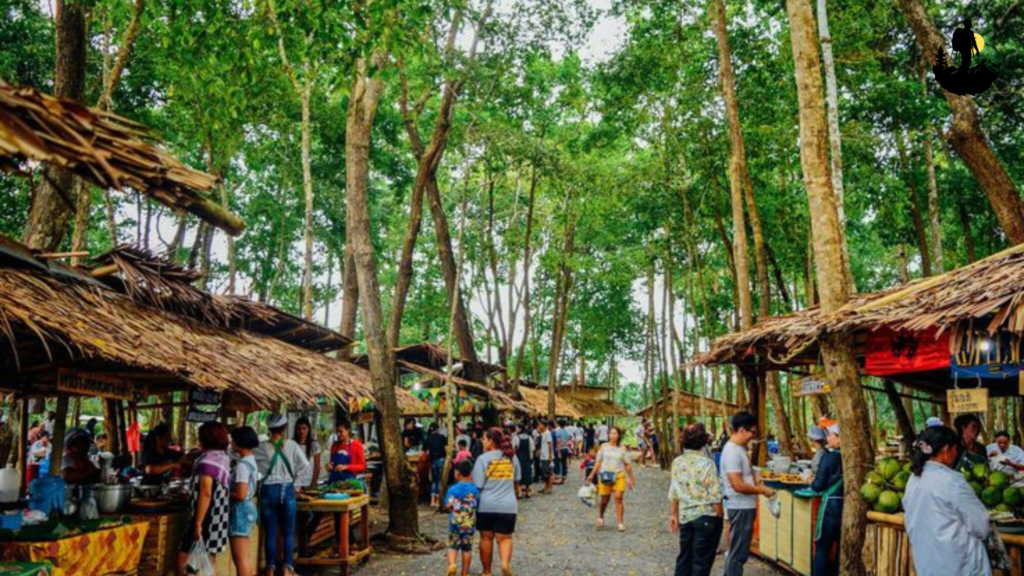
Tips for Starting an Off Grid Lifestyle or Joining a Micro Community
Transitioning into independent living or becoming part of a micro community requires thoughtful preparation, realistic expectations, and a willingness to adapt. One of the most important tips is to start small before making major life changes. Many people romanticize independence from traditional systems, but daily responsibilities such as water management, food production, and energy maintenance take time to learn. Visiting communities, volunteering on eco projects, or renting an off grid cabin for short stays can help you understand the lifestyle without long term pressure.
Financial planning also plays a crucial role. While off grid living can reduce monthly expenses, initial setup costs for solar systems, water storage, or sustainable building materials can be significant. Creating a realistic budget and prioritizing essential systems first helps avoid stress later. Instead of aiming for total independence immediately, consider a gradual transition where you combine modern conveniences with sustainable practices.
Another key tip is to focus on skills rather than possessions. Learning gardening, basic carpentry, food preservation, and renewable energy maintenance increases confidence and resilience. In cooperative villages, collaboration matters just as much as individual ability. Strong communication skills, patience, and respect for shared decision making help maintain harmony within a group setting.
Location choice is equally important. Climate, water availability, and local regulations can influence how successful an off grid project becomes. Researching zoning laws and environmental conditions ensures that your vision aligns with practical realities. Many thriving communities succeed because they design systems that work with local ecosystems instead of against them.
Finally, remember that emotional readiness matters as much as technical preparation. Off grid life often brings moments of quiet and solitude that can feel unfamiliar at first. Building routines, staying connected with supportive people, and embracing a slower pace can make the transition more fulfilling and sustainable over time.
Conclusion
Off grid living and intentional communities represent more than an alternative housing trend. They reflect a growing desire for independence, environmental awareness, and deeper human connection. Across different landscapes and cultures, these communities show that modern life does not have to rely entirely on centralized systems. Instead, people are discovering ways to blend technology, creativity, and cooperation to create meaningful lifestyles rooted in purpose.
One of the most powerful aspects of these spaces is their diversity. Some communities focus on ecological design and regenerative agriculture, while others emphasize artistic collaboration or digital freedom through remote work. Despite their differences, they share a common vision of living intentionally and reducing dependence on fast paced consumer culture. This flexibility allows individuals to shape their own version of off grid life rather than following a single rigid model.
Challenges will always exist, from managing resources to balancing personal independence with community responsibilities. Yet many people find that these challenges bring clarity and growth. By learning to adapt, share knowledge, and appreciate natural cycles, residents often develop a stronger sense of resilience and fulfillment than they experienced in traditional urban environments.
As interest in sustainable living continues to rise, self-sufficient communities and micro communities may play an important role in shaping the future of housing and social connection. They offer a glimpse into how people can live more lightly on the planet while building supportive networks that value cooperation over competition. Whether someone chooses a fully independent homestead or a collaborative village, the journey toward intentional living begins with curiosity, preparation, and a willingness to reimagine what home can truly mean.

🌿 Sources & References
- Travel & Adventure – National Geographic
- Outdoor Recreation – REI Expert Advice
- Leave No Trace Principles
- Nature Conservation – WWF
- U.S. National Parks – NPS
- Sustainable Tourism – UNWTO
- Wilderness Safety – American Red Cross
- Outdoor Health Benefits – NIH
- Travel Health – CDC
- Ecotourism – The International Ecotourism Society