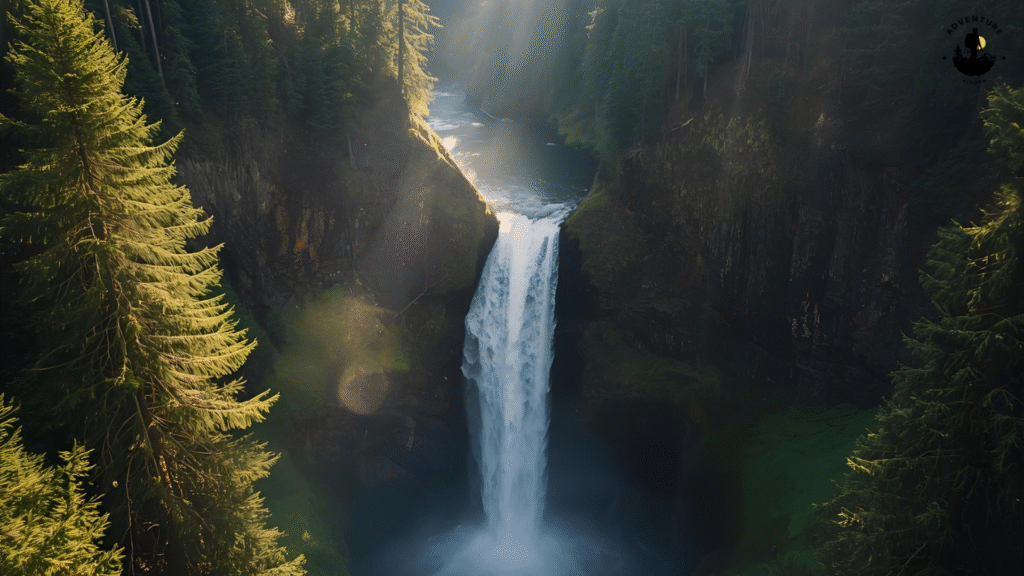
If you’re searching for a hidden island in the USA that feels untouched, raw, and unforgettable, Cumberland Island should be at the top of your list.
This is not your typical beach destination. No cars. No crowds. No commercial noise. Just wild horses, maritime forests, and miles of untouched coastline.
This Cumberland Island travel guide covers everything you need: things to do, photography spots, history, packing tips, and local food.
Why Visit Cumberland Island, Georgia?
Cumberland Island is the largest barrier island in Georgia, protected as part of the National Seashore. It’s known for its wild beauty and peaceful isolation.
What Makes It Special:
- Wild horses roaming freely
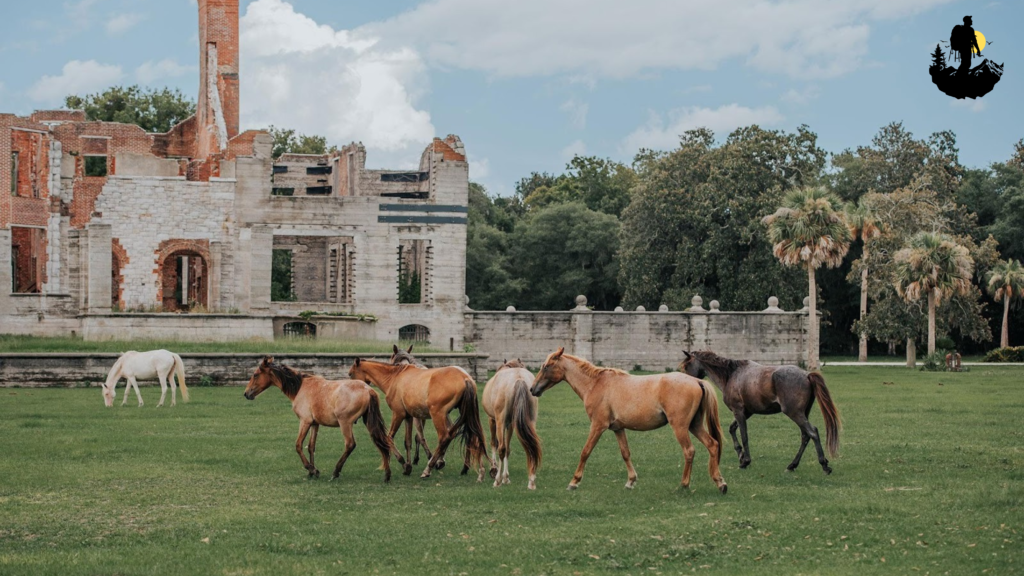
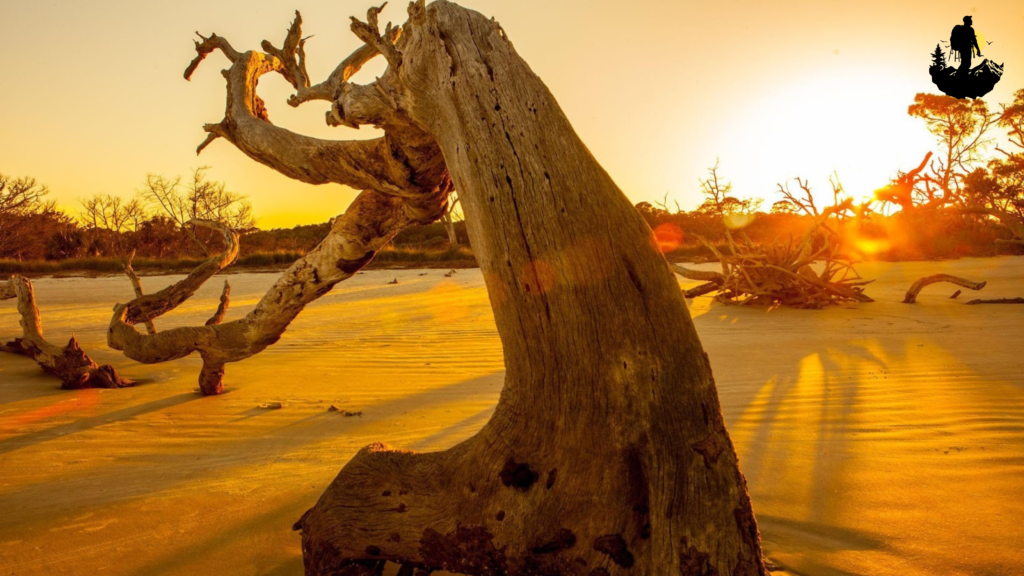
- Driftwood Beach, one of the most unique beaches in the USA
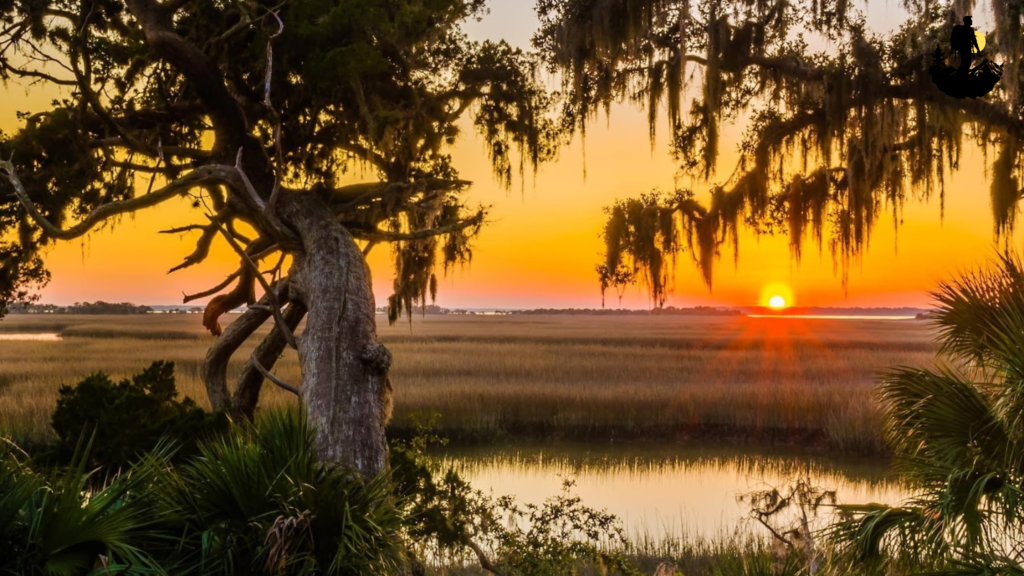
- Maritime forests with Spanish moss
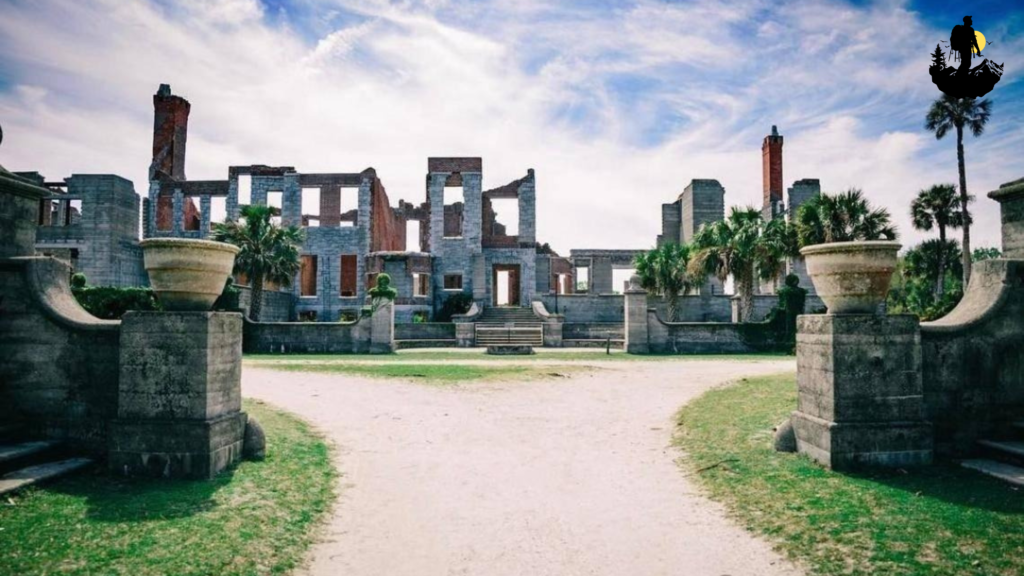
- Historic ruins like Dungeness Mansion
- More than 50 miles of hiking trails
If you enjoy offbeat travel, nature, and photography, this place stands out.
Cumberland Island History (Quick Overview)
Cumberland Island is not just scenic, it is deeply rooted in history.
- Originally home to Native American tribes for thousands of years
- Explored by the Spanish in the 1500s
- Later developed into plantations, reflecting a complex past
- In the late 1800s, the Carnegie family built grand mansions on the island
Today, the island is preserved as a protected natural area where history and wilderness coexist.
Best Photography Spots on Cumberland Island
If you are looking for the best photography spots in Cumberland Island, these locations stand out:
Driftwood Beach– Ideal for sunrise photography, with unique driftwood formations and soft natural light.
Dungeness Ruins– Historic mansion ruins that often feature wild horses, creating dramatic compositions.
Maritime Forest Trails– Spanish moss and dense greenery offer depth and natural framing.
Wildlife Photography– Opportunities to capture horses, deer, birds, and armadillos.
Sand Dunes and Empty Beaches– Perfect for minimal and landscape photography.
Cumberland Island Lighthouse– Best photographed during sunset for softer tones.
Things to Do in Cumberland Island
- Hike or bike through scenic trails
- Camp under clear night skies
- Watch dolphins along the shore
- Kayak through salt marshes
- Explore historic ruins
This is a slow travel destination, best experienced without rushing.
Best Time to Visit Cumberland Island
- Spring (March to May): Ideal weather and blooming landscapes
- Fall (September to November): Fewer visitors and comfortable temperatures
- Summer: Scenic but hot and humid
- Winter: Quiet and less crowded
What to Pack for Cumberland Island
Packing properly is essential since there are no shops on the island.
Clothing:
- Lightweight and breathable clothing
- Long sleeves for sun and insect protection
- Comfortable walking or hiking shoes
- Sandals
- Hat and sunglasses
Essentials:
- Sufficient drinking water
- Snacks or packed meals
- Insect repellent
- Sunscreen
- Backpack
- Power bank
- Offline maps
Photography Gear:
- Camera or smartphone
- Zoom lens
- Tripod
- Extra batteries and storage
Camping (if staying overnight):
- Tent and sleeping gear
- Flashlight or headlamp
- First aid kit
Best Local Food Near Cumberland Island (St. Marys, Georgia)
There are no restaurants on Cumberland Island, so planning ahead is important.
Before or after your trip, visit nearby St. Marys for:
- Shrimp and grits, a classic Southern dish
- Low Country boil with shrimp, corn, sausage, and potatoes
- Fried green tomatoes, crispy and tangy
- Crab stew with rich coastal flavor
- Pecan pie, a traditional Southern dessert
Important Travel Tips
- Ferry access only from St. Marys, Georgia
- No cars allowed on the island
- Limited mobile network coverage
- Carry all essentials with you
This is a place designed for disconnecting and experiencing nature.
Is Cumberland Island Worth Visiting?
Yes.
If you are looking for hidden places in the USA, unique photography locations, and a peaceful environment without crowds, Cumberland Island offers a rare experience.
Final Thoughts
Cumberland Island is not about convenience or luxury. It is about space, quiet, and a deeper connection with nature.
It offers a travel experience that feels authentic, slow, and memorable.