Eco-Friendly & Sustainable Travel Guide for the USA
Traveling across the United States can be an incredible adventure, but doing it responsibly makes the experience even more meaningful. Sustainable travel focuses on protecting natural landscapes, supporting local communities, and reducing environmental impact while exploring iconic destinations. From waterfalls hidden in lush forests to desert viewpoints carved by time, eco-conscious journeys allow travelers to enjoy beauty without harming it.

This guide highlights destinations where nature thrives and eco friendly travel usa practices enhance the experience. Whether you prefer mountains, canyons, or coastal landscapes, choosing slower travel, local stays, and low-impact activities helps preserve these places for generations to come.
Why Responsible Tourism in USA Matters More Than Ever
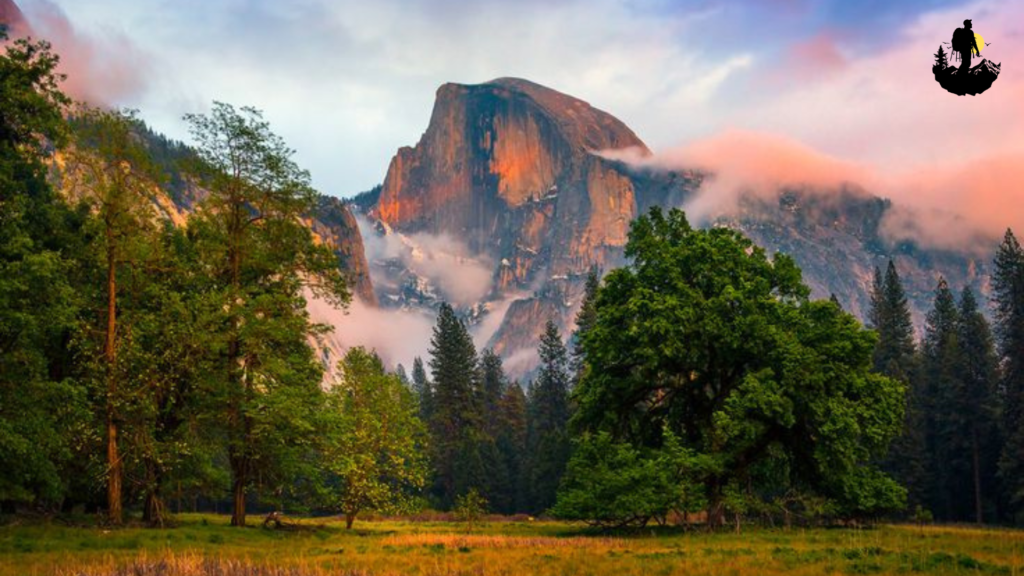
Yosemite Valley, California
Yosemite Valley is one of those places that instantly makes you feel small in the best possible way. Granite cliffs rise dramatically toward the sky, waterfalls cascade from impossible heights, and ancient sequoias stand quietly as witnesses to centuries of natural change. The valley floor stretches wide and green, crossed by the Merced River, where sunlight reflects off gentle ripples and creates a peaceful atmosphere that encourages slow exploration.
In the early morning, mist floats above the river while golden light touches the peaks of El Capitan and Half Dome. Birds echo through the forest, and the scent of pine fills the air. Unlike fast paced city travel, Yosemite invites you to pause, walk gently, and listen to the rhythm of nature. Cycling paths, shuttle buses, and well maintained hiking trails make it easy to explore while reducing carbon impact.
Coordinates: Approximate location 37.7456° N, 119.5936° W, located within Yosemite National Park, California
Best Photography Spots:
- Valley View turnout: Captures reflections of El Capitan and Bridalveil Fall framed by trees.
- Tunnel View overlook: A panoramic perspective that showcases the entire valley in one sweeping composition.
- Sentinel Bridge: Perfect for sunset shots of Half Dome glowing in warm light.
- Lower Yosemite Fall trail: Close up angles of cascading water surrounded by mossy rocks.
Using reusable gear such as refillable water bottles and solar chargers supports eco friendly travel while spending long hours photographing the landscape. Early mornings reduce crowd impact and allow for quieter exploration.
Why It Is So Special
- Yosemite Valley stands as a symbol of conservation in the United States. Protected land allows wildlife to thrive and ecosystems to remain balanced. Sustainable visitors respect marked trails, carry out all waste, and choose eco certified lodging. The scale of the valley creates a sense of humility, reminding travelers that nature is not a backdrop but a living system that deserves care. The peaceful stillness found at sunrise or during a quiet hike transforms the experience into something deeply personal.
- Weather: Warm summers with cool evenings, snowy winters
- Best Season to Visit: Late spring for waterfalls or early autumn for fewer crowds
- Budget: $120 to $220 per night nearby
- Best Food Nearby: Farm to table cafes in nearby towns, plant based options, fresh local produce
- Best Places to Stay: Eco lodges, small cabins outside the park, sustainable campgrounds
Sustainable Travel Tips for Yosemite
- Choose shuttle buses instead of driving through the valley to reduce emissions. Pack biodegradable toiletries and avoid single use plastics. Support local artisans and farmers markets in surrounding communities rather than large chain stores. Stay on marked trails to protect fragile plant life and prevent erosion. Consider visiting during shoulder seasons when the ecosystem experiences less pressure from heavy tourism.
Yosemite also encourages educational experiences. Ranger led walks teach visitors about wildlife protection and responsible travel habits. Learning about the land creates a deeper connection that goes beyond sightseeing. When travelers approach the valley with respect and awareness, the experience becomes both inspiring and restorative.
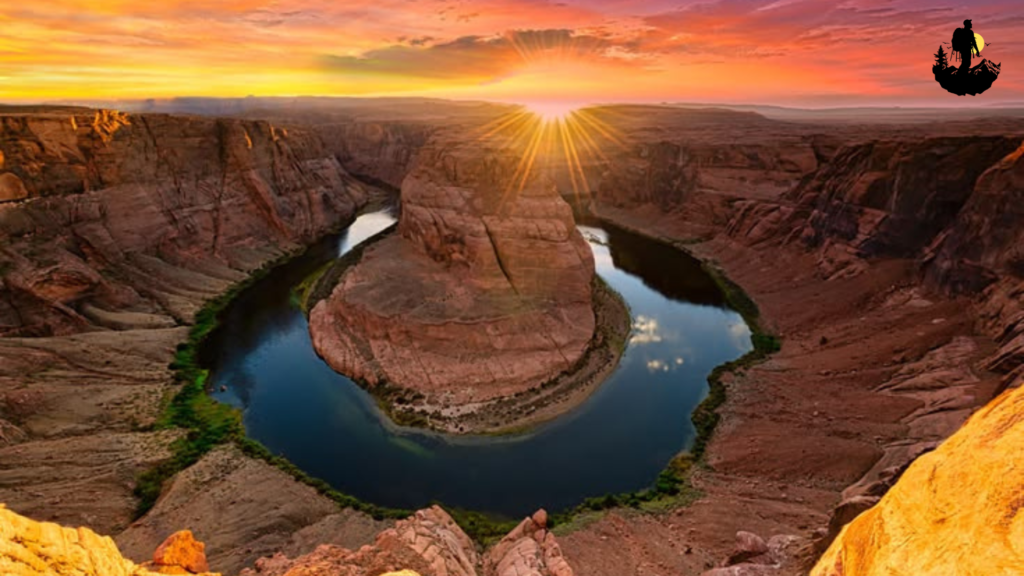
Horseshoe Bend, Arizona
Horseshoe Bend is one of those places that instantly feels surreal, where the Colorado River curves gracefully through towering red sandstone cliffs carved over millions of years. The desert landscape stretches endlessly under open skies, creating a quiet atmosphere that feels timeless. As the sun rises or sets, the canyon walls glow in shades of copper, orange, and gold, transforming the overlook into a natural amphitheater of light.
The walk to the viewpoint crosses soft desert terrain dotted with hardy shrubs and wind shaped rocks. Silence defines the journey, broken only by distant birds and the whisper of warm desert air. Unlike crowded urban attractions, this location invites mindful observation. Standing at the edge, watching the river loop below, reminds travelers of the slow power of nature and the importance of protecting fragile desert ecosystems.
Coordinates: Approximate location 36.8790° N, 111.5100° W, near Page, Arizona
Best Photography Spots:
- Main overlook center point: Captures the full horseshoe curve of the river framed by towering cliffs.
- Left side ridge: Offers dramatic angles that highlight depth and shadow across the canyon.
- Sunset viewpoint area: Warm light enhances the textures of sandstone and creates glowing reflections on the water.
- Wide angle ground level shots: Include desert plants in the foreground for a balanced eco landscape composition.
Using a tripod helps achieve crisp long exposure shots during sunrise or sunset. Because the desert environment is delicate, staying on designated paths protects soil crusts that prevent erosion.
Why It Is So Special
- Horseshoe Bend represents the beauty of minimalism in nature. There are no dense forests or waterfalls here, only sky, rock, and river working together in quiet harmony. The simplicity of the landscape encourages reflection and appreciation for geological time. Sustainable travel practices such as packing reusable containers, avoiding litter, and supporting Indigenous guided tours help preserve the area’s cultural and environmental heritage.
- The sense of space at Horseshoe Bend makes every visit feel personal. Even when other travelers are present, the vastness of the canyon creates moments of solitude. Watching shadows stretch across the cliffs at sunset often becomes the highlight of an eco conscious journey through the American Southwest.
- Weather: Hot summers, cool winters with clear skies
- Best Season to Visit: Spring and late autumn for comfortable temperatures
- Budget: $80 to $160 per night in nearby Page
- Best Food Nearby: Southwestern cuisine, Navajo tacos, locally sourced desert inspired dishes
- Best Places to Stay: Small eco motels, desert lodges, solar powered cabins
Sustainable Travel Tips for Horseshoe Bend
- Visit during early morning or late evening to avoid extreme heat and reduce environmental strain. Carry reusable water bottles and avoid leaving footprints off trail where desert soil takes years to recover. Respect wildlife and keep a safe distance from nesting birds along canyon walls. Supporting local Native American businesses and cultural experiences contributes to community based tourism that preserves traditions.
Travelers who approach Horseshoe Bend with patience and awareness often discover that the greatest beauty lies not just in the view but in the quiet moments before and after the crowd arrives. Watching the sky change color over the canyon becomes a reminder that sustainable travel is about slowing down and connecting deeply with the environment rather than rushing from one attraction to another.
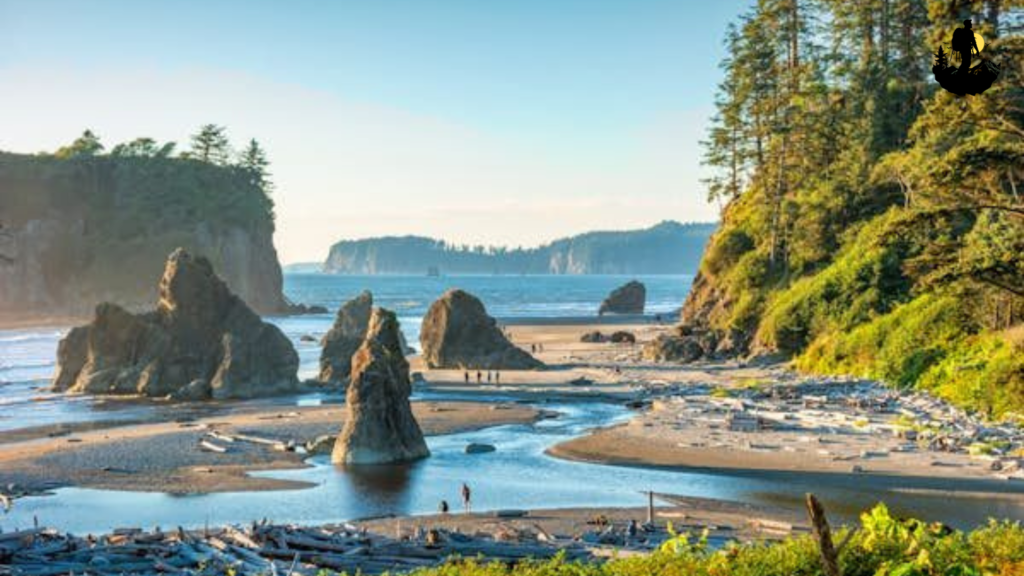
Olympic National Park, Washington
Olympic National Park is one of those places that instantly feels untouched, where dense evergreen forests meet rugged coastline and snow capped mountains rise in the distance. The landscape shifts dramatically within short distances, creating a living mosaic of ecosystems that highlight the beauty of responsible travel. Towering spruce and cedar trees line moss covered trails, while cool ocean air drifts inland and carries the scent of salt and rain. Walking here feels like stepping into a quiet world shaped by water, time, and patience.
In the early hours, fog rolls gently through the Hoh Rain Forest, softening the edges of everything it touches. Droplets hang from fern leaves, and fallen logs become miniature gardens filled with vibrant green life. The forest floor feels ancient and alive, inviting visitors to slow their pace and observe small details rather than rushing toward a single viewpoint. Eco friendly boardwalk trails help protect fragile soil while allowing travelers to explore responsibly.
Coordinates: Approximate location 47.8021° N, 123.6044° W, located within Olympic National Park, Washington
Best Photography Spots:
- Hall of Mosses Trail: Curving pathways framed by hanging moss create dreamy compositions.
- Ruby Beach shoreline: Sea stacks rising from the ocean provide dramatic contrast against misty skies.
- Hurricane Ridge viewpoint: Expansive mountain views with changing cloud patterns.
- Driftwood lined coast: Natural textures add depth to sunrise and sunset photography.
Using weather resistant gear is recommended since rainfall is common. Tripods work beautifully in low light forest environments where long exposures capture flowing streams and soft mist.
Why It Is So Special
- Olympic National Park represents biodiversity at its finest. Within a single day, travelers can walk through rainforest, explore alpine meadows, and stand beside the Pacific Ocean. Sustainable visitors respect wildlife corridors and minimize noise to protect sensitive habitats. Choosing eco certified lodging and participating in guided nature walks helps preserve the region’s ecological balance. The park encourages reflection, making each hike feel like a quiet conversation with nature rather than a typical tourist activity.
- Weather: Cool, wet climate with frequent mist
- Best Season to Visit: Late spring through early autumn
- Budget: $100 to $200 per night nearby
- Best Food Nearby: Fresh seafood, farm sourced vegetables, cozy cafes in small coastal towns
- Best Places to Stay: Forest cabins, eco lodges, small coastal inns
Sustainable Travel Tips for Olympic National Park
- Stick to marked trails to prevent damage to moss and root systems. Carry reusable containers and avoid leaving food scraps that could disrupt wildlife behavior. Support local conservation programs through guided eco tours. Traveling during shoulder seasons reduces environmental pressure and allows a more peaceful experience. The park rewards those who slow down, listen to the rain, and appreciate nature in its purest form.
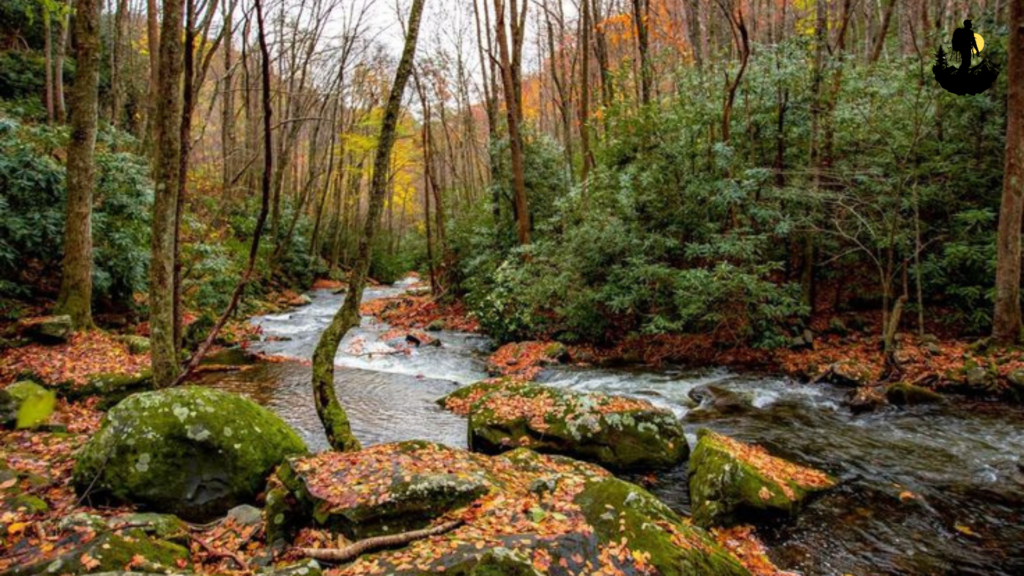
Great Smoky Mountains National Park, Tennessee and North Carolina
The Great Smoky Mountains are one of those places that instantly surround you with layers of blue mist stretching across rolling ridgelines. Ancient hardwood forests blanket the mountains, and winding roads reveal scenic overlooks that feel both peaceful and expansive. Streams weave through valleys filled with wildflowers, while historic cabins quietly tell stories of generations who once called these hills home.
Morning light filters through tall trees, creating golden patterns across forest trails. The sound of water rushing over rocks blends with birdsong, forming a natural soundtrack that encourages mindful exploration. Wooden footbridges cross clear streams, allowing travelers to move gently through the landscape without disturbing delicate ecosystems. Every turn reveals something new, from hidden waterfalls to open meadows glowing in soft light.
Coordinates: Approximate location 35.6118° N, 83.4895° W, located within Great Smoky Mountains National Park
Best Photography Spots:
- Clingmans Dome observation area: Sweeping views above layers of fog filled valleys.
- Cades Cove loop: Historic barns framed by mountains create timeless scenes.
- Laurel Falls trail: Cascading water surrounded by lush greenery.
- Newfound Gap overlook: Sunrise views where clouds roll beneath the peaks.
Soft morning light works best for capturing the misty atmosphere that gives the mountains their name. Bringing reusable gear and minimizing noise helps preserve the tranquil environment.
Why It Is So Special
- The Smokies are known for incredible biodiversity and a deep sense of history. Old growth forests provide habitat for countless species, making responsible travel essential. Visitors who choose eco friendly transportation options and stay in locally owned cabins help reduce environmental impact while supporting regional communities. The slow rhythm of the mountains invites travelers to disconnect from busy schedules and reconnect with nature’s pace.
- Weather: Humid summers, cool colorful autumns
- Best Season to Visit: Spring wildflower season or autumn foliage
- Budget: $70 to $140 per night nearby
- Best Food Nearby: Southern comfort meals, fresh trout, homemade biscuits in small mountain towns
- Best Places to Stay: Rustic cabins, eco cottages, locally run lodges
Sustainable Travel Tips for the Smokies
- Carpooling or using park shuttles reduces traffic congestion and protects air quality. Stay on established paths to prevent erosion on steep slopes. Support local artisans and farmers markets to strengthen community based tourism. The Smokies remind travelers that sustainability often begins with slowing down, breathing deeply, and respecting the quiet rhythms of the forest.
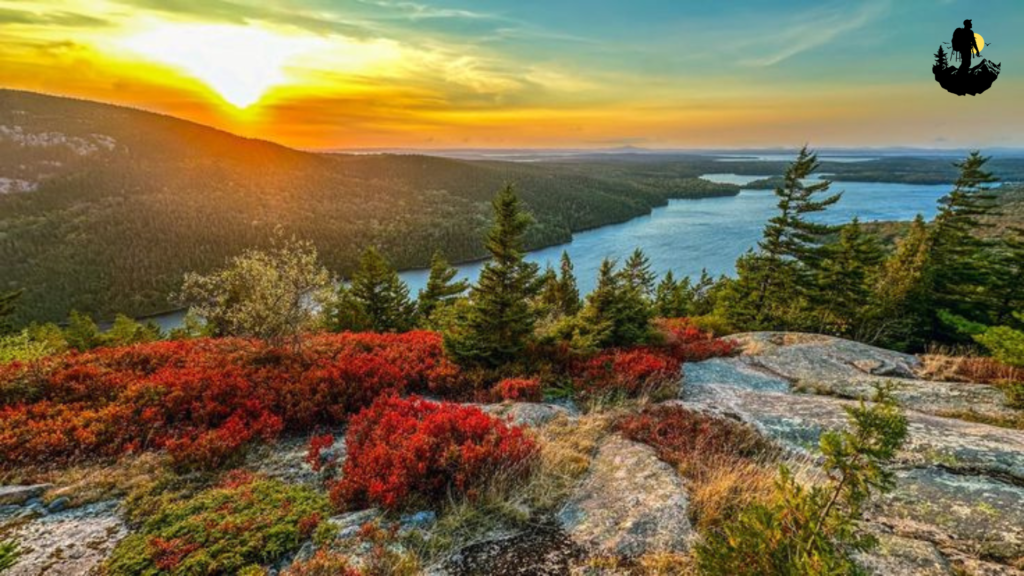
Acadia National Park, Maine
Acadia National Park is one of those places that instantly blends rugged coastal beauty with peaceful forest landscapes. Granite cliffs meet the Atlantic Ocean, where waves crash gently against rocky shores and seabirds glide overhead. Pine scented trails lead toward panoramic viewpoints, and winding carriage roads invite cyclists to explore without relying on cars. The balance between ocean and mountain creates a refreshing atmosphere that feels both wild and welcoming.
At sunrise, Cadillac Mountain becomes one of the first places in the United States to catch the morning light. Pink and orange hues reflect across the water while mist rises from quiet bays below. The air feels crisp and energizing, encouraging travelers to walk slowly and appreciate every detail. Wooden bridges and stone paths help protect fragile vegetation while guiding visitors toward scenic viewpoints.
Coordinates: Approximate location 44.3386° N, 68.2733° W, located within Acadia National Park, Maine
Best Photography Spots:
- Cadillac Mountain summit: Sunrise views with sweeping ocean horizons.
- Jordan Pond shoreline: Calm reflections of surrounding peaks and forests.
- Thunder Hole area: Waves crashing dramatically against coastal rocks.
- Carriage Road bridges: Elegant stone arches framed by autumn foliage.
Golden hour offers the best lighting conditions along the coastline. Tripods help capture smooth ocean motion during long exposures, especially on calm mornings.
Why It Is So Special
- Acadia stands as a model for sustainable tourism. Extensive biking paths and free seasonal shuttle systems encourage low emission travel. Local communities emphasize conservation, making it easy for visitors to enjoy eco conscious experiences. The mix of sea air, quiet forests, and scenic overlooks creates a calming atmosphere that feels restorative. Travelers often find themselves slowing down naturally, choosing walks along the shore instead of crowded attractions.
- Weather: Cool coastal climate with refreshing breezes
- Best Season to Visit: Late summer through early autumn
- Budget: $110 to $210 per night nearby
- Best Food Nearby: Fresh lobster rolls, blueberry desserts, locally sourced seafood
- Best Places to Stay: Coastal cottages, eco friendly inns, small bed and breakfast lodges
Sustainable Travel Tips for Acadia
- Use the Island Explorer shuttle to reduce vehicle emissions within the park. Respect tide pools and avoid stepping on marine life along rocky shores. Choose locally owned restaurants that focus on seasonal ingredients. Pack reusable bags and containers to minimize waste during picnics. Acadia teaches that sustainability is not only about protecting nature but also about supporting the communities that help preserve it.
Travelers who visit Acadia with intention often discover that the greatest reward comes from quiet moments, watching waves roll in, feeling the cool ocean breeze, and realizing that eco friendly travel creates deeper connections with the places we explore.
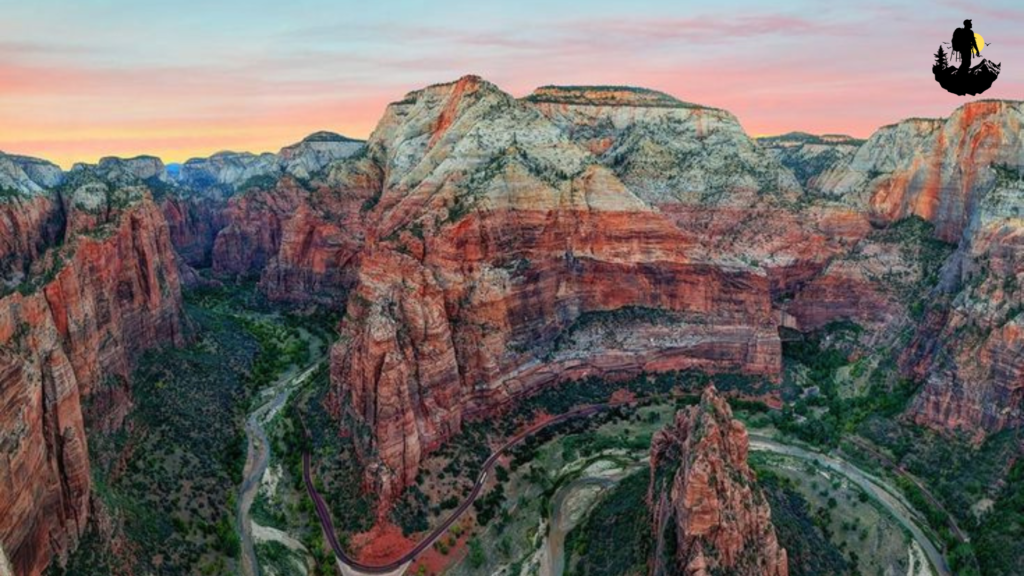
Zion National Park, Utah
Zion National Park is one of those places that instantly fills you with awe, where towering sandstone cliffs rise like natural cathedrals and narrow canyons glow in shades of red, gold, and amber. The Virgin River winds quietly through the valley, shaping the landscape over thousands of years and creating a sanctuary for desert plants and wildlife. Walking along the canyon floor feels grounding, as sunlight filters between massive rock walls and paints shifting patterns across the earth.
Early mornings in Zion carry a peaceful stillness. The air is cool, birds echo softly through the canyon, and the light gradually climbs down the cliffs, illuminating hidden textures in the stone. Cottonwood trees line the riverbanks, offering shade and a sense of balance between rugged terrain and gentle greenery. Sustainable travel plays a major role here, as the park encourages visitors to use shuttle buses rather than private vehicles, helping preserve air quality and reduce congestion.
Coordinates: Approximate location 37.2982° N, 113.0263° W, located within Zion National Park, Utah
Best Photography Spots:
- Canyon Overlook Trail: Elevated views capturing winding canyon roads and layered rock formations.
- The Watchman viewpoint: Sunset light reflecting off towering cliffs near the park entrance.
- Riverside Walk: Soft reflections of canyon walls in the calm water create peaceful compositions.
- Angels Landing base trail: Dramatic perspectives highlighting Zion’s immense scale.
Tripods are useful during sunrise or sunset when light moves slowly across the canyon walls. Neutral toned clothing and reusable gear help maintain a low impact presence while exploring sensitive desert terrain.
Why It Is So Special
- Zion offers a unique balance between adventure and mindfulness. The towering cliffs create a sense of protection and quiet reflection, while eco conscious infrastructure allows visitors to experience the landscape without overwhelming it. Choosing guided hikes led by local experts helps travelers understand the fragile desert ecosystem and the importance of water conservation. The shifting colors of the canyon throughout the day make every moment feel dynamic, encouraging travelers to slow down and stay present.
- Weather: Hot summers, mild winters with cool mornings
- Best Season to Visit: Spring and autumn for comfortable hiking conditions
- Budget: $110 to $190 per night nearby
- Best Food Nearby: Southwestern inspired dishes, fresh salads, locally sourced café meals
- Best Places to Stay: Desert eco lodges, small inns in Springdale, solar powered cabins
Sustainable Travel Tips for Zion
- Use the park shuttle to reduce emissions and traffic. Stay on designated trails to protect desert soil that takes years to recover from damage. Carry refillable water bottles and avoid single use plastics. Supporting local businesses instead of large chains helps maintain community based tourism. Zion reminds visitors that sustainability begins with respect for both the land and the people who protect it.
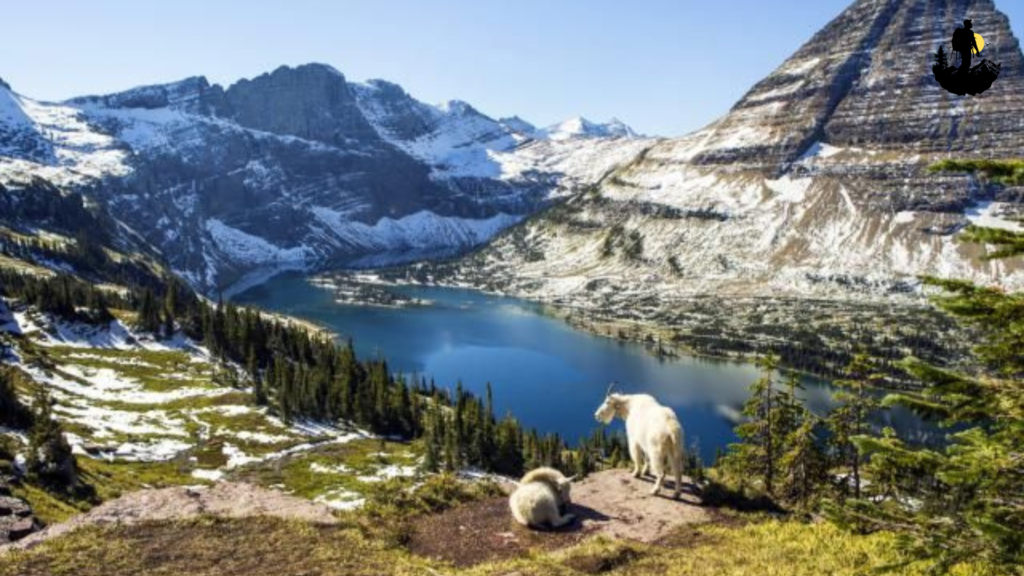
Glacier National Park, Montana
Glacier National Park is one of those places that instantly feels vast and untouched, where alpine lakes mirror snow covered peaks and wildflower meadows stretch beneath endless blue skies. The crisp mountain air carries the scent of pine and fresh water, creating a refreshing atmosphere that invites deep breaths and slow exploration. Scenic drives reveal towering glaciers, cascading waterfalls, and quiet valleys shaped by ancient ice.
In the early morning, soft mist drifts above Lake McDonald while the surrounding mountains glow with the first light of day. Trails weave through forests filled with wildlife, from deer grazing peacefully to eagles circling high above. The Going to the Sun Road offers sweeping views that make travelers pause at every turn, reminding them of the importance of preserving fragile alpine ecosystems.
Coordinates: Approximate location 48.7596° N, 113.7870° W, located within Glacier National Park, Montana
Best Photography Spots:
- Lake McDonald shoreline: Colorful stones beneath clear water create stunning foregrounds.
- Logan Pass viewpoint: Alpine landscapes filled with wildflowers during summer months.
- St. Mary Lake sunrise spot: Reflections of distant peaks glowing in soft morning light.
- Hidden Lake Overlook: Panoramic views capturing the park’s dramatic scale.
Cold mountain air often means changing weather, so carrying layered clothing and eco friendly gear is essential. Early visits reduce crowd impact and allow for quieter wildlife observation.
Why It Is So Special
- Glacier National Park highlights the importance of environmental awareness, as its glaciers continue to change due to shifting climate conditions. Visitors who travel responsibly help protect these delicate landscapes for future generations. Eco friendly lodging, guided educational hikes, and local conservation programs allow travelers to connect deeply with the park’s mission. The silence found beside alpine lakes creates a sense of calm that feels rare in modern travel.
- Weather: Cool summers, snowy winters
- Best Season to Visit: Mid summer for accessible trails or early autumn for peaceful scenery
- Budget: $130 to $230 per night nearby
- Best Food Nearby: Rustic mountain cuisine, locally sourced meats, fresh berry desserts
- Best Places to Stay: Mountain chalets, eco cabins, lakeside lodges
Sustainable Travel Tips for Glacier
- Follow Leave No Trace principles and pack out everything you bring. Keep a safe distance from wildlife to protect natural behaviors. Support park conservation efforts by joining ranger led programs that educate visitors about glacier preservation. Choosing slower travel methods such as hiking or cycling allows deeper appreciation of the environment while minimizing ecological impact.
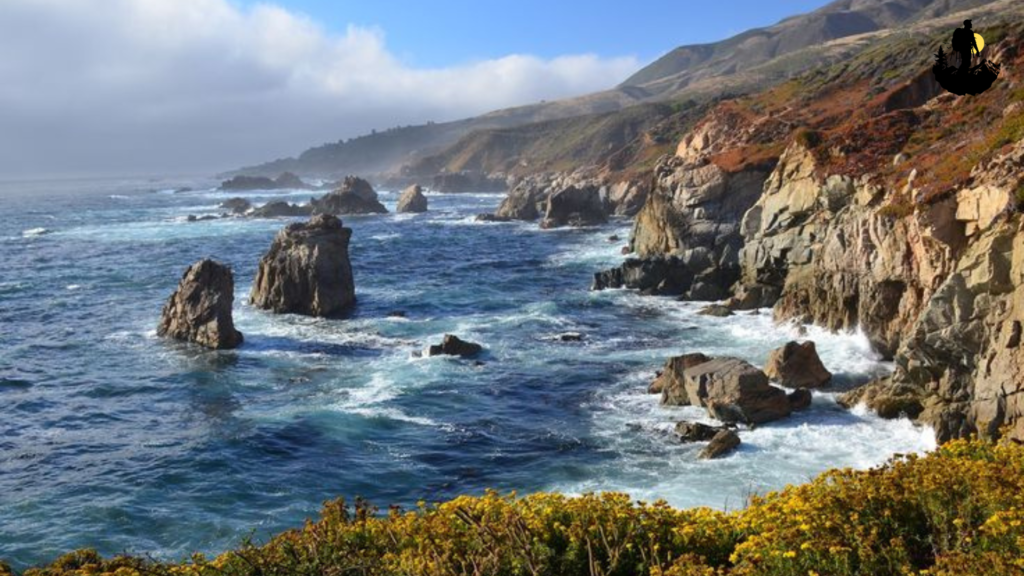
Big Sur Coastline, California
Big Sur is one of those places that instantly blends ocean, forest, and cliffside views into a breathtaking coastal experience. The Pacific Ocean stretches endlessly below winding highways, while rugged cliffs drop dramatically toward crashing waves. Redwood groves stand quietly along hidden trails, creating shaded sanctuaries where sunlight filters through tall branches and dances across the ground.
Morning fog often rolls in from the ocean, softening the horizon and giving the coastline a dreamy atmosphere. As the sun rises, golden light breaks through the mist and illuminates rocky coves and turquoise water below. Driving slowly along the Pacific Coast Highway becomes an eco conscious journey when travelers choose scenic stops, local cafés, and small family owned lodges that prioritize sustainability.
Coordinates: Approximate location 36.2704° N, 121.8081° W, along the Big Sur coastline, California
Best Photography Spots:
- Bixby Creek Bridge viewpoint: Iconic coastal curves framed by rugged cliffs.
- McWay Falls overlook: A delicate waterfall meeting the ocean in a secluded cove.
- Garrapata State Park trails: Wildflower filled bluffs overlooking deep blue water.
- Pfeiffer Beach: Unique purple sand and dramatic sea stacks during sunset.
Tripods help capture long exposure shots of waves crashing against rocks, especially during golden hour when colors deepen across the coastline.
Why It Is So Special
- Big Sur represents a balance between human creativity and natural beauty. Artists, writers, and travelers have long been drawn to its peaceful energy and dramatic landscapes. Sustainable tourism here focuses on preserving the fragile coastal ecosystem by limiting development and encouraging mindful travel habits. Supporting local organic farms, eco lodges, and conservation groups helps maintain the region’s natural charm.
- Weather: Mild coastal climate with cool foggy mornings
- Best Season to Visit: Spring for wildflowers or autumn for clear skies
- Budget: $140 to $260 per night nearby
- Best Food Nearby: Farm to table restaurants, fresh seafood, organic cafés overlooking the ocean
- Best Places to Stay: Cliffside eco resorts, rustic cabins, small coastal inns
Sustainable Travel Tips for Big Sur
- Drive slowly and combine multiple stops into one trip to reduce fuel consumption. Respect protected areas and avoid stepping on fragile coastal plants. Choose refillable containers and pack reusable picnic gear to minimize waste. Supporting local conservation initiatives helps preserve the coastline’s beauty for future travelers. Big Sur teaches that eco friendly travel is not about rushing from viewpoint to viewpoint but about immersing yourself fully in the rhythm of waves, wind, and open sky.
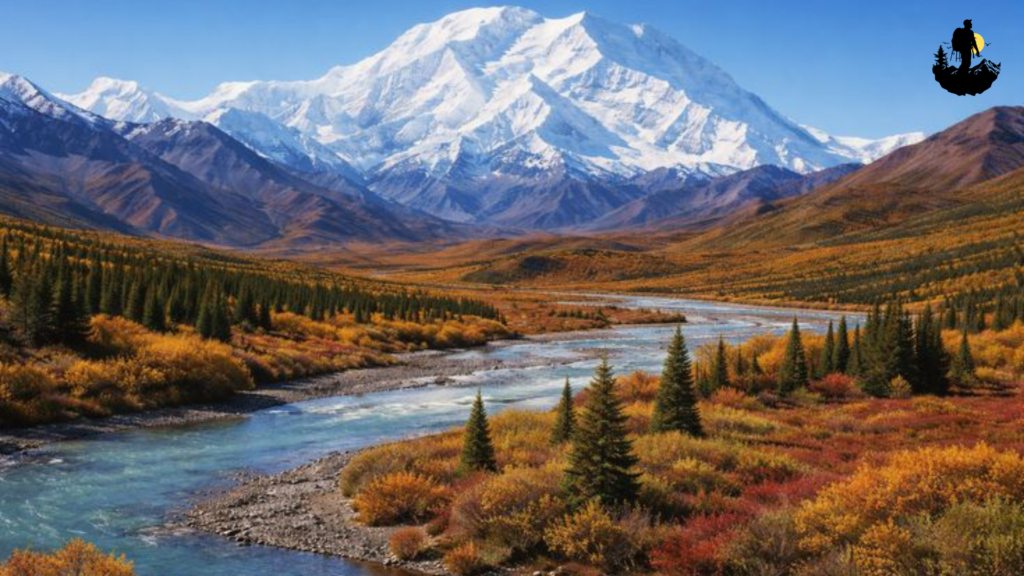
Denali National Park, Alaska
Denali National Park is one of those places that instantly makes you feel connected to the raw power of wilderness. Vast tundra stretches toward distant snow covered peaks, and the towering presence of Denali rises above everything like a silent guardian of the north. Rivers braid through wide valleys, reflecting changing skies that shift from soft pastel hues to dramatic storm clouds. The scale of the landscape encourages travelers to slow down and embrace a deeper sense of awareness.
In the early morning, mist rolls across the tundra while wildlife begins to move quietly through the grasslands. Caribou wander across open terrain, and distant wolves sometimes appear along ridgelines. The park limits private vehicle access, encouraging visitors to use eco friendly shuttle buses that reduce environmental impact and protect fragile habitats. The quiet hum of nature replaces the noise of traffic, making every moment feel peaceful and immersive.
Coordinates: Approximate location 63.1148° N, 151.1926° W, located within Denali National Park and Preserve, Alaska
Best Photography Spots:
- Wonder Lake shoreline: Reflections of Denali on calm water during clear mornings.
- Eielson Visitor Center viewpoint: Sweeping alpine views with dramatic cloud formations.
- Savage River area: Wildlife photography opportunities with mountain backdrops.
- Polychrome Pass: Colorful rock layers and expansive tundra landscapes.
Because weather can change quickly, bringing layered clothing and weatherproof gear is essential. Tripods work beautifully for capturing soft light during long northern sunsets.
Why It Is So Special
- Denali represents true wilderness where ecosystems remain largely untouched. Sustainable tourism here focuses on preserving wildlife migration routes and minimizing human disturbance. Guided bus tours provide education about conservation efforts and encourage respectful travel habits. The silence of the tundra creates a powerful sense of solitude, reminding visitors of the importance of protecting wild spaces.
- Weather: Cool summers, long snowy winters
- Best Season to Visit: June through early September
- Budget: $160 to $280 per night nearby
- Best Food Nearby: Alaskan seafood, hearty stews, locally sourced dishes in small lodges
- Best Places to Stay: Remote eco cabins, wilderness lodges, rustic park accommodations
Sustainable Travel Tips for Denali
- Use park shuttles instead of private vehicles to reduce emissions. Maintain a safe distance from wildlife and avoid feeding animals. Pack reusable gear and minimize waste, as remote areas have limited disposal facilities. Supporting local Indigenous owned tours helps preserve cultural heritage and promotes responsible travel. Denali invites travelers to witness nature in its purest form while practicing patience and respect.
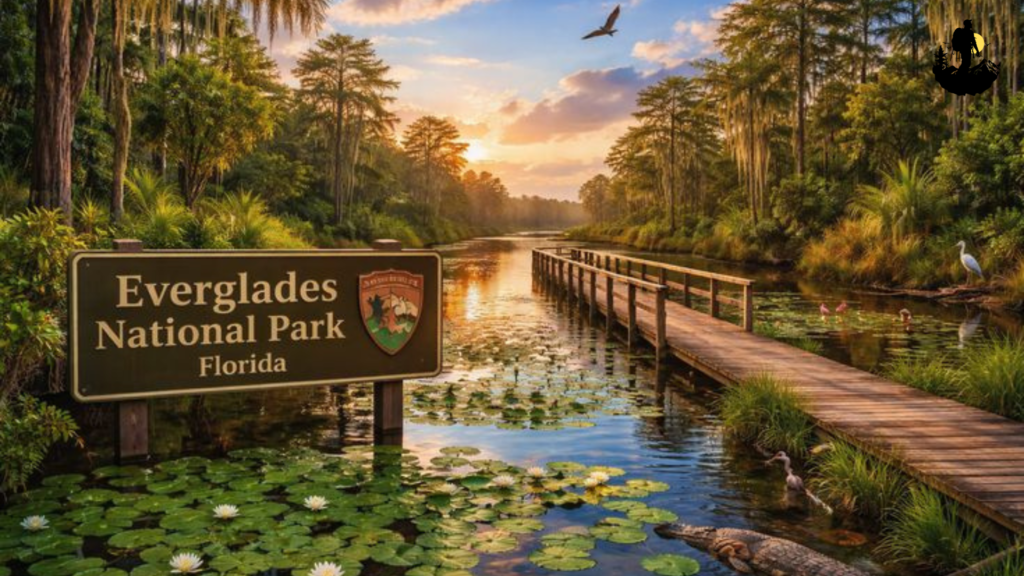
Everglades National Park, Florida
Everglades National Park is one of those places that instantly surrounds you with a unique world of water, grass, and sky. Vast wetlands stretch toward the horizon, where mangroves twist above quiet waterways and birds glide gracefully over shimmering marshes. The slow moving flow of water shapes every part of the ecosystem, creating a delicate balance that supports rare wildlife and vibrant plant life.
At sunrise, golden light spreads across the wetlands, illuminating herons, egrets, and sometimes even alligators resting along the banks. Boardwalk trails guide visitors through the landscape without disturbing sensitive habitats, while kayaking routes allow eco conscious exploration at a gentle pace. The peaceful rhythm of paddling through calm water encourages mindfulness and a deeper appreciation for nature’s quiet beauty.
Coordinates: Approximate location 25.2866° N, 80.8987° W, located within Everglades National Park, Florida
Best Photography Spots:
- Anhinga Trail boardwalk: Close up views of birds and reflective wetlands.
- Shark Valley observation tower: Panoramic perspectives over endless marshland.
- Nine Mile Pond kayaking route: Peaceful scenes of mangroves and wildlife.
- Flamingo area shoreline: Stunning sunsets with silhouettes of coastal trees.
Long lenses help capture wildlife from a respectful distance, while early morning visits provide softer light and calmer conditions.
Why It Is So Special
- The Everglades are unlike any other landscape in the United States. Known as a river of grass, this ecosystem depends on slow moving water and careful conservation efforts. Sustainable visitors support restoration programs by following Leave No Trace principles and choosing guided eco tours led by local experts. The blend of water and sky creates a sense of openness that feels calming and expansive.
- Weather: Warm tropical climate with humid summers
- Best Season to Visit: Winter and early spring for cooler temperatures and active wildlife
- Budget: $90 to $160 per night nearby
- Best Food Nearby: Fresh seafood, Cuban influenced cuisine, tropical fruit dishes
- Best Places to Stay: Eco lodges, waterfront cabins, small nature focused resorts
Sustainable Travel Tips for the Everglades
- Use reusable bottles and avoid plastic waste that could enter waterways. Respect wildlife by observing quietly from a distance. Choose kayaking or cycling instead of motorized tours when possible. Supporting conservation organizations and local community businesses helps protect this fragile ecosystem. The Everglades remind travelers that sustainable exploration is about moving gently through nature and honoring the balance that keeps it alive.
Sustainable Travel Tips for Exploring the USA
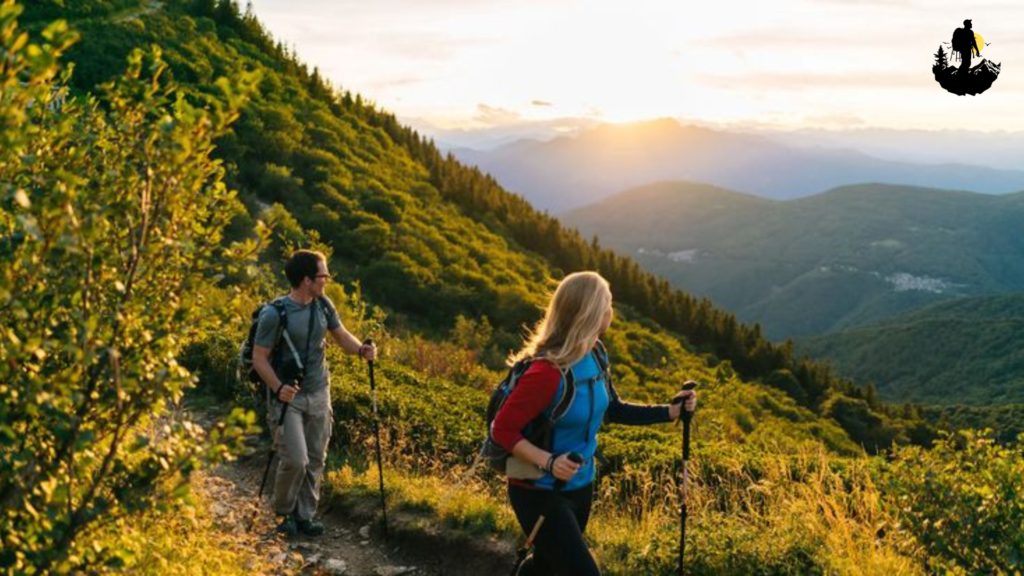
Traveling sustainably does not require extreme changes. Small, thoughtful decisions can make a big difference in protecting natural landscapes while still enjoying unforgettable experiences. Start by choosing eco conscious transportation whenever possible. Walking, cycling, or using park shuttle systems reduces carbon emissions and allows you to experience destinations at a slower, more meaningful pace. When road trips are necessary, combine nearby stops into a single route to minimize fuel consumption.
Support local communities by staying in small lodges, cabins, or eco friendly accommodations rather than large chains. Locally owned businesses often reinvest in conservation efforts and help maintain the character of each destination. Eating at local restaurants, farmers markets, and small cafés also reduces environmental impact while giving you a more authentic taste of regional culture.
Packing responsibly is another essential part of eco travel. Carry reusable water bottles, cloth shopping bags, and refillable toiletries. Avoid single use plastics that can easily end up in fragile ecosystems such as beaches, deserts, or forests. Lightweight solar chargers and sustainable travel gear can also reduce reliance on disposable batteries and energy heavy resources.
Respect wildlife and natural spaces by following Leave No Trace principles. Stay on marked trails, avoid feeding animals, and keep noise levels low to protect sensitive habitats. Even stepping off a path in desert or alpine areas can damage ecosystems that take years to recover. Being mindful of your footprint ensures that future travelers can experience these landscapes just as beautifully.
Timing your travel wisely also supports sustainability. Visiting during shoulder seasons helps reduce overcrowding and spreads tourism benefits more evenly throughout the year. Early morning or late evening exploration not only creates better photography opportunities but also minimizes strain on popular sites.
Conclusion
Sustainable travel across the United States is not about limiting adventure. It is about experiencing destinations with greater awareness and appreciation. From misty forests and towering mountains to desert canyons and coastal cliffs, each landscape offers a chance to slow down and reconnect with nature. Choosing environmental travel practices, supporting local communities, and protecting wildlife allows every journey to contribute positively rather than leaving a lasting impact on the environment.
When travelers shift their focus from rushing between attractions to truly immersing themselves in each place, travel becomes more meaningful. The quiet moments at sunrise, the sound of water moving through a valley, or the feeling of standing on a windswept overlook create memories that last far longer than crowded sightseeing. By embracing mindful travel habits, you help preserve the beauty of these destinations for future generations while also deepening your own connection to the world around you.

✦ Related Articles You May Love
- Living Like A Local In Remote U S Regions
- Hidden Homestay Experiences In Offbeat U S Towns
- Folklore And Legends From The Deep South
- How To Find Hidden Adventure Spots Across The Usa
- Essential Packing Tips For U S Hiking Trips
- Budget Travel Hacks For Exploring U S Trails
- Safety Tips For Hiking Hidden Trails In The Usa
- Best Seasons To Visit Hidden U S Parks
- Eco Friendly Ways To Explore Remote U S Destinations
- How To Reach Hard To Access U S Adventure Spots
- Navigating Road Trips To Lesser Known U S Parks
- Apps That Reveal Hidden Trails And Campsites
- How To Stay Connected In Remote U S Areas
- Capturing Hidden Landscapes Of The American West
- Capturing Hidden Motion Long Exposure Photography In U S National Parks
- Night Sky Photography In Americas Dark Sky Parks
- Photo Walks Through Hidden U S Small Towns
- Reflections Photography On Hidden U S Lakes
- Rock Climbing In Lesser Known U S Spots
- Trail Running Through Hidden Forest Paths
- Mountain Biking Adventures In The Pacific Northwest
- Paragliding Above Secret U S Peaks
- Scuba Diving Hidden Reefs In The Florida Keys
- Abandoned Ghost Towns In The American West
- Hidden Architectural Gems Across The Usa
- Discovering Truly Local Favourite Hiking Trail Usa
- Travel Mistakes To Avoid On U S Hidden Trails
- Solo Adventures In Remote U S Locations
- How Tourism Is Changing Hidden American Spots
- Hidden U S Destinations That Inspired Great Art
- Americas Forgotten Ghost Stories And Legends
- Short Hidden Hikes Under 5 Miles In The Usa
- Abiqua Falls Oregons Most Hidden Waterfall In The Pacific Northwest
- Exploring Hidden Islands In The Florida Keys
- Hidden Trails Secret Canyons Offbeat Hiking Escapes In The American Southwest
- Lesser Known National Parks Usa Hidden Gems To Explore In 2025
- Secret Caves To Explore In The Appalachian Mountains
- A Bloomseekers Paradise The Wildflower Trails In The Rocky Mountains
- Scenic Mountain Passes Few Know In Colorado Hidden And Adventurous Places You Must Explore
- Kayaking Through Hidden Rivers Of The South
- Underrated Desert Oases In The Southwest Usa
- Seasonal Hidden Wonders In U S National Parks
- Hidden Hot Springs In The Western United States Your Guide To Real Relaxation
- Snow Covered Winter Trails No One Talks About
- Secret Coastal Cliffs To Explore In California
- Underground Crystal Caves In The United States
- Untouched Forest Sanctuaries In The Northeast
- Stories From Rural Americas Forgotten Communities
- Hidden Artisan Markets In The Midwest Your Ultimate Guide
- Local Foods Found Only In Small Town America
🌿 Sources & References
- Travel Health – CDC
- Responsible Travel – National Geographic
- Travel Tips – Lonely Planet
- Sustainable Travel – World Tourism Organization (UNWTO)
- Responsible Travel – Leave No Trace
- Eco-Tourism Guidelines – The International Ecotourism Society
- Green Travel – National Geographic
- Outdoor Recreation – REI Expert Advice
- Leave No Trace Principles
- Nature Conservation – WWF