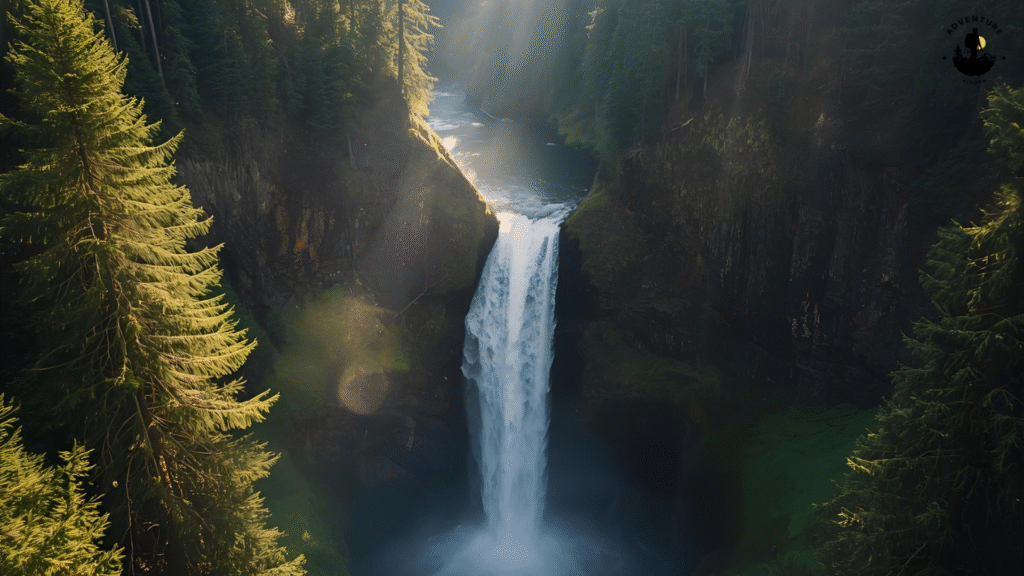
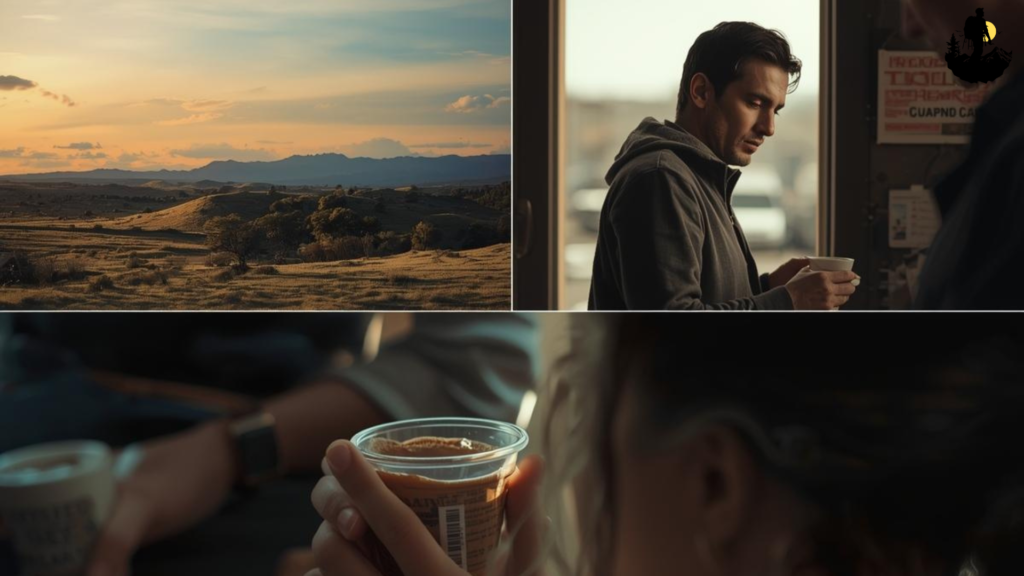
A storytelling photo journal turns a trip into a living narrative. Every image becomes a chapter. Every moment becomes a memory. Many travellers across the United States embrace this style because it blends creativity, emotion and personal expression. A well-built travel photo journal USA captures not only places but experiences that linger long after the trip ends.

A strong storytelling journal feels immersive. Readers feel they walked the same paths and witnessed the same scenes. Your goal involves showing the journey as you lived it, not simply documenting locations.
Understanding What Storytelling Means in Travel Photography
Storytelling in travel photography requires intention. A photographer must understand why a moment matters and how it fits within the larger journey.
Core elements of storytelling:
- Emotion that anchors the scene
- Clear perspective that reflects your personality
- The purpose behind each frame
- Moments that reveal culture, movement or stillness
- Symbolic details that connect images together
A viewer feels the story when the images communicate atmosphere instead of just scenery. Storytelling turns a normal journal into a journey worth revisiting.
Choosing a Theme for Your Travel Photo Journal
A theme provides structure. It guides your decisions before, during and after the trip. Your journal becomes cohesive when the images revolve around one central idea.
Popular theme directions:
- Coastal life across small American beach towns
- National park adventures across the western states
- Road trips exploring open highways
- Food stories across regional kitchens
- Urban culture through city streets and architecture
- Wildlife encounters across remote landscapes
Benefits of having a theme:
- Creates consistency
- Simplifies editing choices
- Shapes narrative flow
- Helps you decide which images belong
A strong theme gives your travel photo journal USA personality and clarity.
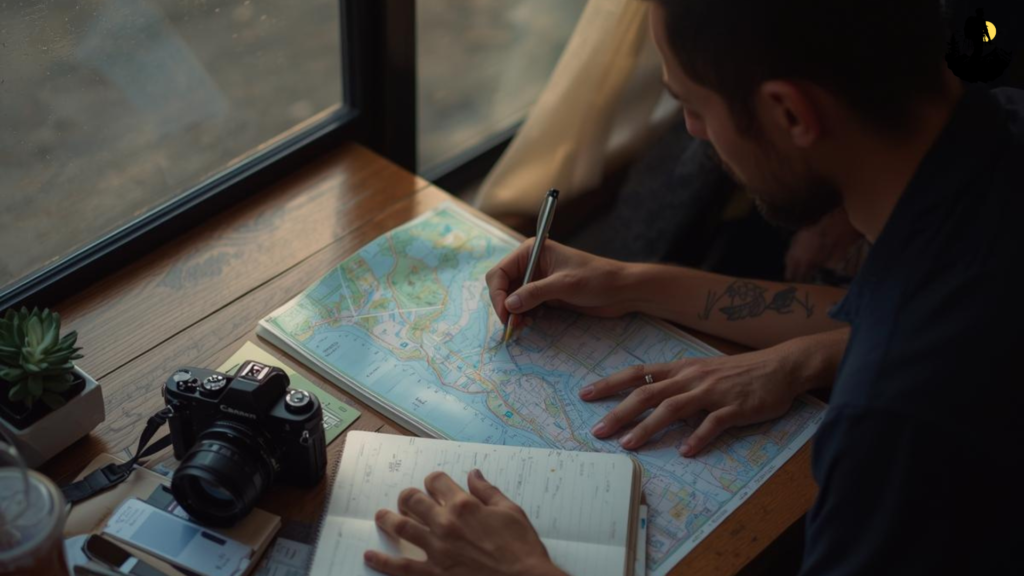
Planning for Strong Story Opportunities
A compelling story often begins before the first photograph.
Useful planning steps:
- Research cultural events or festivals
- Study the historical background of destinations
- Identify local habits, markets or traditions
- Note sunrise and sunset times for lighting
- Prepare a rough shooting list
- Allow flexibility because real stories unfold naturally
Why planning matters:
- Helps you anticipate meaningful scenes
- Prepares you for timing and light
- Gives awareness of cultural behaviour
- Ensures you don’t miss key narrative moments
A solid plan gives direction while still leaving room for spontaneity.
Capturing Genuine and Emotional Moments
Authenticity defines a strong storytelling journal. Forced poses rarely express real emotion.
Ways to capture authentic moments:
- Observe people quietly before raising the camera
- Allow scenes to unfold naturally
- Respond to small interactions, not just big events
- Notice gestures, laughter, silence or movement
- Look for expressions that reflect the mood of the place
Emotional triggers to look for:
- A vendor preparing food with care
- A traveller staring thoughtfully at a landscape
- Locals chatting during their daily routines
- Children playing freely in open spaces
- Moments of stillness after long travel hours
Honest moments form the emotional core of your story.
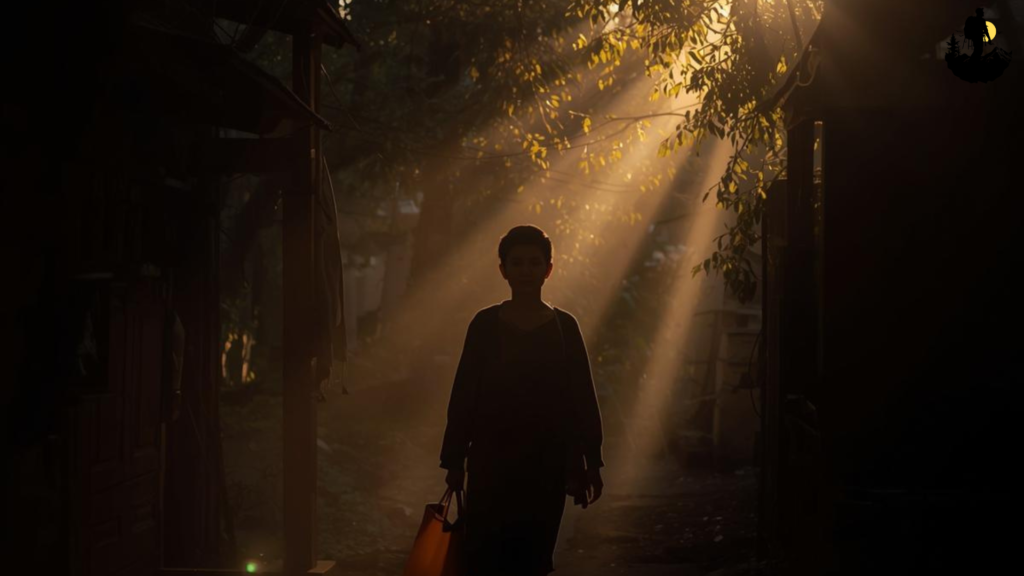
Using Light as a Story Element
Light controls the atmosphere. It shapes the emotional tone of your photo journal.
Lighting moods to use:
- Morning light for freshness and optimism
- Midday brightness for lively street scenes
- Golden hour glow for warmth and romance
- Blue hour tones for calmness
- Artificial lights in cities for energy and motion
How light supports storytelling:
- Highlights gestures or expressions
- Creates shadows that add drama
- Guides the viewer toward key subjects
- Builds consistency throughout the journal
Light becomes one of your strongest narrative tools.
Composing Frames That Guide the Story
Composition determines how the viewer reads your frame.
Useful composition techniques:
- Leading lines that guide attention
- Framing through windows, arches or trees
- Symmetry for calm stories
- Asymmetry for dynamic movement
- Foreground layers for depth
- Wide shots for context, tight shots for emotion
Why composition matters:
- Creates visual flow
- Strengthens narrative direction
- Helps balance your page layouts
- Ensures each image contributes to the bigger story
A well-composed image can serve as the anchor for an entire journal chapter.
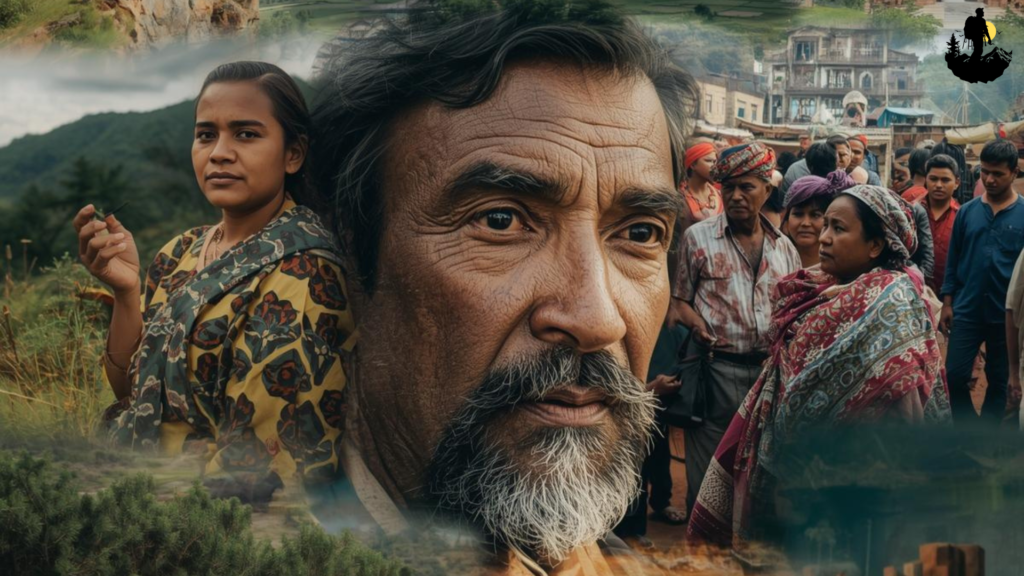
Blending Landscapes, Portraits and Small Details
A meaningful journal uses a mix of visual categories.
Essential types of images:
- Wide landscapes that reveal the environment
- Portraits of people who represent the culture
- Mid-range shots capturing interactions
- Close-up details that show texture or symbolism
- Transitional scenes that connect chapters
How blending strengthens stories:
- Adds variety
- Captures both large and intimate moments
- Builds emotional texture
- Reflects every layer of the journey
The mix of scales helps readers travel alongside you.
Writing Captions That Deepen the Story
Captions turn images into memories. A viewer understands the meaning behind a shot because your voice accompanies it.
Caption ideas:
- Short personal reflections
- Single-sentence thoughts
- Honest emotional notes
- Cultural context
- Observations about a specific moment
Goals of good captions:
- Add depth
- Support the visual story
- Share your internal experience
- Guide interpretation gently
Powerful captions help your travel photo journal feel alive.
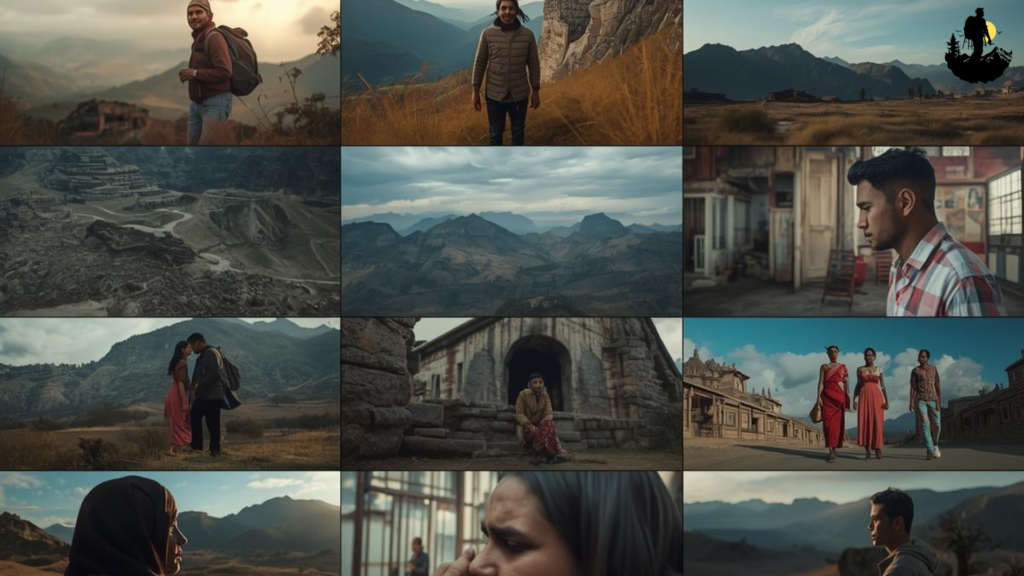
Building Narrative Flow Through Sequences
A strong journal flows like a film. Sequences carry the reader from one moment to another.
Examples of sequences:
- Morning hike → panoramic view → quiet rest
- Rainstorm → shelter → steaming cup of coffee
- City chaos → street musician → peaceful alley
- Road trip → gas station stop → desert horizon
Sequence benefits:
- Adds rhythm
- Builds emotional pacing
- Creates anticipation
- Helps images communicate as a group
Sequence-based storytelling feels natural because it mirrors real travel.
Highlighting Local Culture for Narrative Depth
Culture is the heart of travel storytelling.
Cultural elements to capture:
- Regional food traditions
- Festivals or parades
- Conversations with residents
- Street art or local crafts
- Everyday rituals and routines
Why culture strengthens your journal:
- Humanises the story
- Shows diversity across the USA
- Makes your experience relatable
- Adds layers of meaning beyond landmarks
Cultural storytelling reveals the soul of a place.
Balancing Wanderlust Scenes With Introspective Frames
Travel journaling becomes more meaningful when you combine exploration with personal emotion.
Introspective content includes:
- Silent moments
- Travel fatigue
- Feelings of awe
- Self-reflection during long drives
- Thoughts inspired by nature
Reasons to include reflection:
- Creates emotional honesty
- Helps viewers connect to your mindset
- Adds depth to adventurous images
- Turns the journal into a personal story, not just a visual tour
This balance brings maturity to your storytelling style.
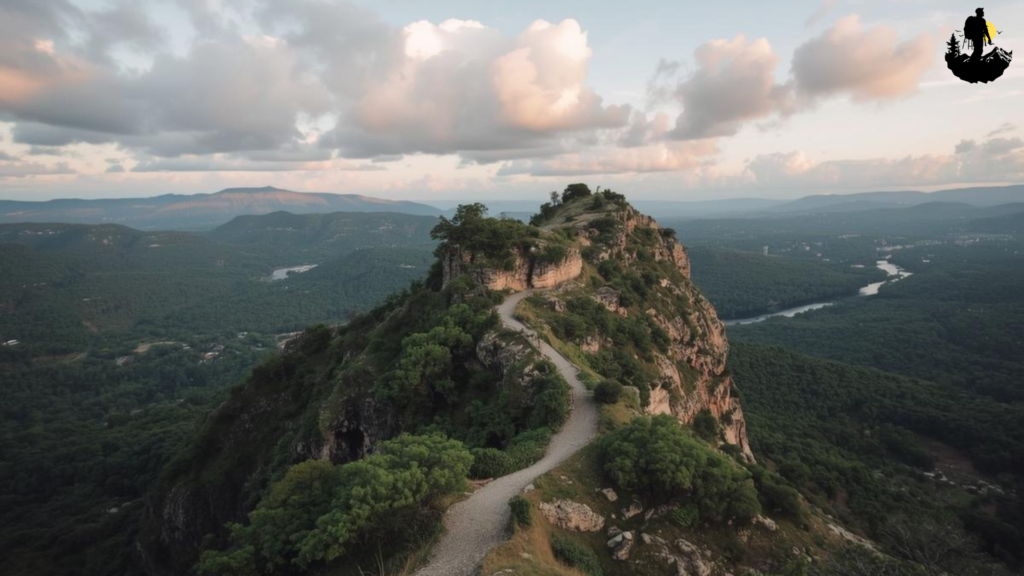
Editing for Mood, Consistency and Narrative Tone
Editing shapes the soul of your journal. A strong edit helps unify the journey.
Editing tasks to focus on:
- Colour consistency
- Tone control
- Soft shadows
- Natural highlights
- Light sharpening
- Minimal noise reduction
Editing goals:
- Keep authenticity
- Support your theme’s mood
- Build harmony across pages
- Maintain a clean visual identity
A consistent edit strengthens the final storytelling experience.
Organising Your Travel Photo Journal for Final Presentation
A storytelling journal must feel organised and intentional.
Effective structure:
- Opening: introduction to the setting
- Development: moments, culture, movement
- Climax: the most impactful scenes
- Conclusion: reflection and emotional closure
Layout options:
- Printed albums
- Digital e-journals
- Travel blogs
- Photo essays
- Scrapbook-style designs
Organisation gives your story clarity and elegance.
Reflecting on the Purpose of a Travel Photo Journal
A storytelling photo journal celebrates memory, culture and emotion. Your lens becomes a storyteller. Your journey becomes a narrative that others can experience. A travel journal transforms fleeting moments into lasting stories. A photographer learns the value of patience, presence and observation. A strong travel photo journal USA becomes both an artistic creation and a personal treasure.

✦ Related Articles You May Love
- Living Like A Local In Remote U S Regions
- Hidden Homestay Experiences In Offbeat U S Towns
- Folklore And Legends From The Deep South
- How To Find Hidden Adventure Spots Across The Usa
- Essential Packing Tips For U S Hiking Trips
- Budget Travel Hacks For Exploring U S Trails
- Safety Tips For Hiking Hidden Trails In The Usa
- Best Seasons To Visit Hidden U S Parks
- Eco Friendly Ways To Explore Remote U S Destinations
- How To Reach Hard To Access U S Adventure Spots
- Navigating Road Trips To Lesser Known U S Parks
- Apps That Reveal Hidden Trails And Campsites
- How To Stay Connected In Remote U S Areas
- Capturing Hidden Landscapes Of The American West
- Capturing Hidden Motion Long Exposure Photography In U S National Parks
- Night Sky Photography In Americas Dark Sky Parks
- Photo Walks Through Hidden U S Small Towns
- Reflections Photography On Hidden U S Lakes
- Rock Climbing In Lesser Known U S Spots
- Trail Running Through Hidden Forest Paths
- Mountain Biking Adventures In The Pacific Northwest
- Paragliding Above Secret U S Peaks
- Scuba Diving Hidden Reefs In The Florida Keys
- Abandoned Ghost Towns In The American West
- Hidden Architectural Gems Across The Usa
- Discovering Truly Local Favourite Hiking Trail Usa
- Travel Mistakes To Avoid On U S Hidden Trails
- Solo Adventures In Remote U S Locations
- How Tourism Is Changing Hidden American Spots
- Hidden U S Destinations That Inspired Great Art
- Americas Forgotten Ghost Stories And Legends
- Short Hidden Hikes Under 5 Miles In The Usa
- Abiqua Falls Oregons Most Hidden Waterfall In The Pacific Northwest
- Exploring Hidden Islands In The Florida Keys
- Hidden Trails Secret Canyons Offbeat Hiking Escapes In The American Southwest
- Lesser Known National Parks Usa Hidden Gems To Explore In 2025
- Secret Caves To Explore In The Appalachian Mountains
- A Bloomseekers Paradise The Wildflower Trails In The Rocky Mountains
- Scenic Mountain Passes Few Know In Colorado Hidden And Adventurous Places You Must Explore
- Kayaking Through Hidden Rivers Of The South
- Underrated Desert Oases In The Southwest Usa
- Seasonal Hidden Wonders In U S National Parks
- Hidden Hot Springs In The Western United States Your Guide To Real Relaxation
- Snow Covered Winter Trails No One Talks About
- Secret Coastal Cliffs To Explore In California
- Underground Crystal Caves In The United States
- Untouched Forest Sanctuaries In The Northeast
- Stories From Rural Americas Forgotten Communities
- Hidden Artisan Markets In The Midwest Your Ultimate Guide
- Local Foods Found Only In Small Town America
🌿 Sources & References
- Travel Health – CDC
- Responsible Travel – National Geographic
- Travel Tips – Lonely Planet
- Sustainable Travel – World Tourism Organization (UNWTO)
- Outdoor Recreation – REI Expert Advice
- Leave No Trace Principles
- Nature Conservation – WWF
- U.S. National Parks – NPS
- Wilderness Safety – American Red Cross
- Outdoor Health Benefits – NIH