The Ultimate Packing Guide for Extreme U.S. Terrains
Traveling across the United States means moving through wildly different landscapes, from scorching deserts and icy alpine peaks to humid forests and rugged coastal cliffs. Packing for these environments is not just about comfort; it is about safety, adaptability, and smart planning. The right gear can transform a difficult trip into a smooth, unforgettable adventure. This guide explores how to prepare for extreme terrain travel with confidence, helping you choose essentials that balance durability, weight, and versatility so you are ready for whatever nature throws your way.

Packing Smart for Extreme Terrains Across the USA
Packing extreme terrain USA is less about bringing more items and more about bringing the right ones. Imagine standing at the edge of a desert canyon at sunrise, the air already warming against your skin while wind sweeps across the rocks. Later in the same trip, you might find yourself climbing through misty mountain trails where temperatures drop quickly and every layer matters. Extreme environments demand preparation that goes beyond normal travel checklists, blending practicality with foresight.
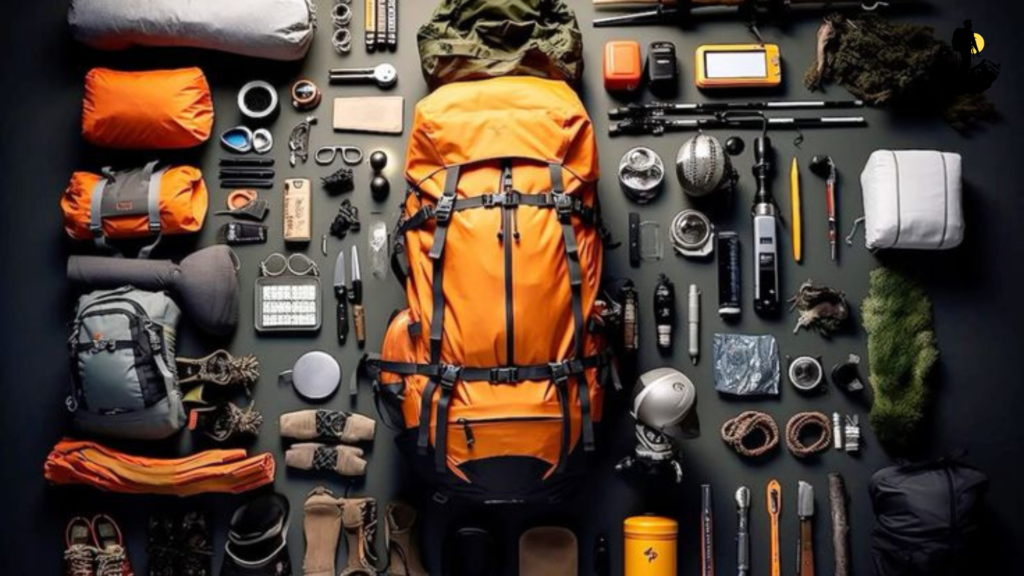
The first principle of packing is layering. Conditions in places like high-altitude national parks or remote wilderness areas can change within minutes. A lightweight moisture-wicking base layer keeps sweat away from your body, preventing chills during cooler evenings. Over that, an insulating mid-layer such as fleece or lightweight down provides warmth without unnecessary bulk. A weather-resistant outer shell protects against sudden rain, desert wind, or unexpected snowfall. Rather than relying on one heavy jacket, layering for extreme weather allows you to adjust instantly as the environment shifts.
Footwear is equally critical. Trails in rugged U.S. terrains vary from dusty canyon paths to slippery forest roots. Durable hiking boots with ankle support help prevent injuries, especially when carrying a backpack. Breathable socks made from wool blends reduce blisters and regulate temperature, keeping feet comfortable during long treks. Many experienced travelers carry a lightweight pair of camp shoes as well, giving their feet a chance to recover after a day of hiking.
Hydration and nutrition play a major role in extreme environments. In desert landscapes, dehydration can happen faster than expected, even when temperatures feel manageable. Reusable water bottles or hydration bladders make it easier to drink regularly while moving. Electrolyte packets add essential minerals that help maintain energy levels. Compact, high-calorie snacks such as nuts, protein bars, and dried fruit provide reliable fuel without adding much weight to your pack.
Navigation tools are another essential component of smart packing. While smartphones are helpful, remote regions often lack reliable signal. A physical map and compass provide dependable backup, and portable battery packs ensure that digital devices remain usable for longer journeys. Many travelers also carry a headlamp rather than a handheld flashlight, allowing them to keep their hands free when navigating uneven terrain after sunset.
Clothing choices should reflect both comfort and protection. Wide-brim hats shield against intense sun exposure in open landscapes, while lightweight gloves and beanies become invaluable in colder elevations. Sunglasses with UV protection help reduce eye strain and improve visibility in bright conditions, especially near snowfields or reflective desert surfaces. Quick-dry fabrics are ideal because they allow you to wash and reuse items without long drying times.
Safety gear is often overlooked by first-time adventurers, yet it can make a significant difference. A compact first aid kit with blister care supplies, antiseptic wipes, and bandages prepares you for minor injuries. Emergency blankets and whistles take up minimal space but offer peace of mind in unexpected situations. Trekking poles provide extra balance on uneven ground, reducing strain on knees during steep descents.
Another aspect of packing for extreme terrains is weight distribution. Heavier items should sit close to your back and centered within your backpack to maintain stability. Frequently used items like snacks, maps, or rain jackets should remain easily accessible in outer pockets. This thoughtful organization prevents constant unpacking and keeps your movement efficient throughout the journey.
Weather awareness influences nearly every packing decision. Desert regions require breathable fabrics and sun protection, while mountainous areas demand insulation and rain resistance. Forested environments may call for insect repellent and lightweight long sleeves to guard against bites. By understanding the climate before departure, you can pack strategically instead of relying on unnecessary extras.
Photography enthusiasts often bring gear to capture the dramatic beauty of extreme landscapes. Lightweight tripods, protective camera covers, and microfiber cloths help maintain equipment in dusty or damp conditions. However, balancing photography tools with essential survival items is important to avoid overloading your pack.
Why This Packing Approach Matters
Extreme terrains are unpredictable, and thoughtful preparation transforms uncertainty into confidence. Packing smartly allows you to focus on the experience rather than worrying about discomfort or missing essentials. Travelers who plan carefully often move more freely, explore deeper into nature, and feel more connected to their surroundings. Instead of carrying unnecessary weight, they rely on versatile gear that adapts to multiple environments.
- Weather: Conditions vary widely depending on terrain, ranging from hot and dry deserts to cold alpine climates
- Best Season to Visit: Spring and fall offer balanced temperatures for many U.S. extreme landscapes
- Budget: $70 to $200 per night depending on proximity to national parks or wilderness areas
- Best Food Nearby: Trail-friendly meals, local diners near national parks, and regional specialties reflecting the surrounding environment
- Best Places to Stay: Rustic cabins, eco-lodges, national park campgrounds, and small adventure hostels designed for outdoor travelers
Desert Survival Packing for Harsh Heat and Endless Landscapes
Standing in the middle of a vast American desert feels like stepping onto another planet. The horizon stretches endlessly, painted in warm shades of gold and rust, while heat shimmers above the sand like a mirage. There is a quiet intensity to these landscapes that demands respect and preparation. Packing for desert terrain is not about bringing heavy gear but about choosing items that protect you from the sun, conserve water, and help your body regulate temperature during long days outdoors. You can even use this Travel Packing Checklist tool to help yourself sort out the things which are important for you to carry along.
The most important factor in desert packing is sun protection. Unlike forested trails where shade is plentiful, desert environments expose you to direct sunlight for hours. Lightweight long-sleeve shirts made from breathable materials shield your skin without trapping heat. Many experienced travelers choose neutral colors that reflect sunlight while blending naturally into the landscape. A wide-brim hat becomes more than an accessory; it acts as a moving shade, protecting your face and neck from intense UV exposure.
Hydration planning is the core of desert survival. Standard water bottles may not be enough for extended treks across dry terrain. Hydration bladders allow you to drink small amounts frequently, preventing dehydration before you feel thirsty. Electrolyte mixes help replace salts lost through sweat, especially during midday heat. Smart packers often carry more water than they expect to use, as desert conditions can change rapidly with rising temperatures or unexpected route delays.
Footwear choices make a significant difference when walking across sand, rocky plateaus, or dusty trails. Lightweight hiking boots with breathable panels prevent overheating while still providing stability. Gaiters are a useful addition, keeping sand and small debris from slipping into your shoes during long walks. Moisture-wicking socks reduce friction, helping prevent blisters that could turn a simple hike into a challenging experience.
Clothing layers remain important even in hot climates because desert temperatures drop quickly after sunset. A compact insulated jacket or fleece becomes essential once the sun disappears behind canyon walls. Many travelers underestimate nighttime cold in desert environments, but the dry air can create surprisingly chilly conditions. Packing a lightweight scarf or buff provides extra warmth while doubling as sun protection during the day.
Navigation tools are especially valuable in wide open landscapes where trails may be faint or unmarked. A physical map offers reassurance when electronic devices lose signal. Sunglasses with strong UV protection reduce glare from reflective sand and rock surfaces, allowing you to move comfortably during bright afternoons. Sunscreen with high SPF should be applied regularly, and lip balm with sun protection helps prevent cracking caused by dry air.
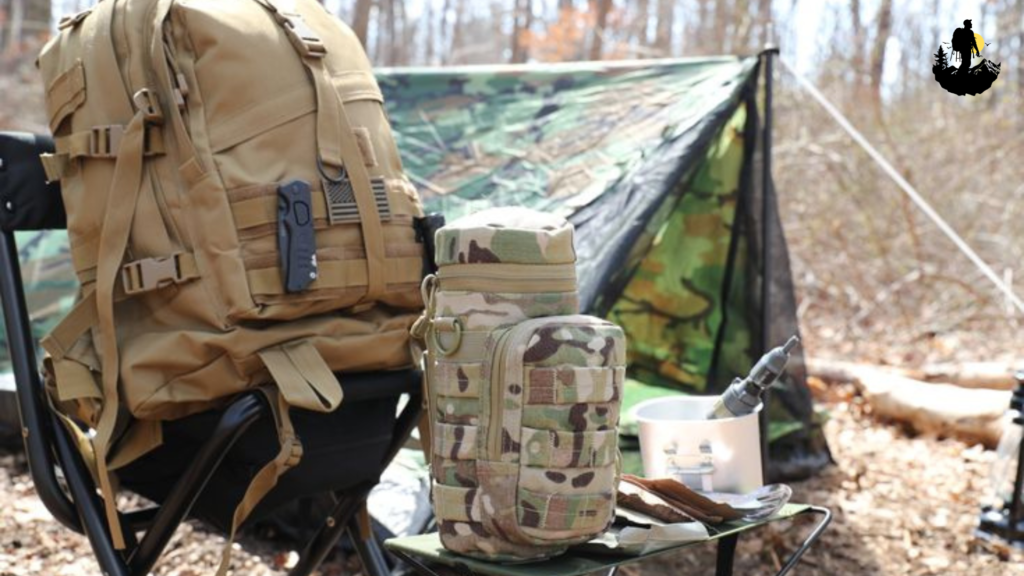
Shelter and rest considerations also influence desert packing. Compact ground mats provide insulation from hot surfaces during rest breaks, while lightweight tarps or emergency shades create a cool space during peak heat hours. Travelers who plan their journeys carefully often schedule movement during early morning or late afternoon, resting in shaded areas during the hottest part of the day.
Why Desert Packing Feels Unique
Deserts test endurance and patience, rewarding those who prepare thoughtfully. The simplicity of the landscape encourages minimalism, yet every item in your pack carries purpose. Travelers often discover that desert journeys are less about speed and more about rhythm, moving slowly, conserving energy, and appreciating the silence that stretches across miles of open terrain.
- Weather: Hot daytime temperatures with cooler nights and dry winds
- Best Season to Visit: Late fall, winter, and early spring for manageable heat levels
- Budget: $50 to $140 per night near desert parks or small roadside towns
- Best Food Nearby: Southwestern cuisine, grilled vegetables, tacos, and roadside diner classics
- Best Places to Stay: Desert campgrounds, eco cabins, small motels near national parks, and scenic RV sites
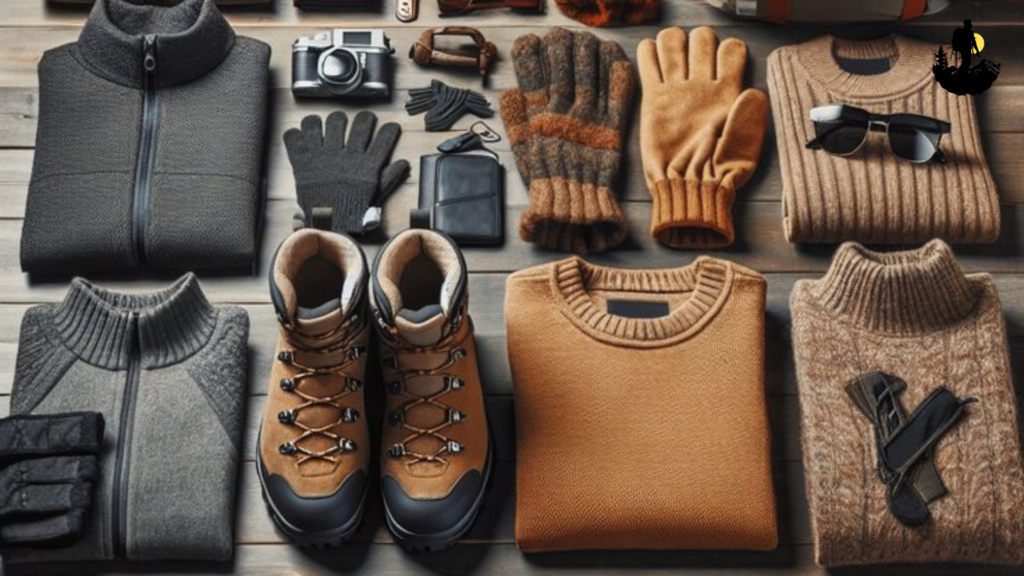
Mountain and Alpine Terrain Packing for Cold, Wind, and Rapid Weather Changes
High in the American mountains, the air feels thinner and sharper, carrying the scent of pine and snow even during warmer months. Trails wind through rocky ridges and alpine meadows, revealing sweeping views that seem to stretch forever. Packing for mountainous terrain requires careful planning because conditions can shift dramatically within a single day. A sunny morning can transform into a windy, cold afternoon, making adaptability the most valuable skill a traveler can carry.
Layering becomes the foundation of alpine packing. A thermal base layer helps retain warmth while allowing moisture to escape, keeping you dry during climbs. Over that, an insulating layer such as fleece or lightweight down traps body heat without adding excessive weight. A waterproof outer shell protects against sudden rain, snow flurries, or strong mountain winds that sweep across exposed ridges. These layers work together like a system, allowing you to adjust quickly as elevation changes.
Backpack organization matters more in mountainous terrain because steep trails demand balance and stability. Heavier items should sit close to your spine to prevent strain, while frequently used essentials like gloves, hats, and snacks remain easily accessible. Trekking poles provide extra support during ascents and descents, reducing fatigue and helping maintain steady footing on loose gravel or rocky paths.
Footwear must handle uneven terrain and changing weather. Waterproof hiking boots protect against wet ground, melting snow, and muddy trails. Many alpine travelers also pack microspikes during colder seasons, adding traction on icy surfaces without requiring heavy equipment. Wool socks remain a favorite choice because they regulate temperature effectively and stay comfortable even when slightly damp.
Cold-weather accessories play a larger role than many first-time mountain visitors expect. Lightweight gloves prevent numb fingers during windy conditions, while a beanie or insulated cap retains heat at higher elevations. Neck gaiters or buffs offer versatility, protecting against both cold air and strong sunlight reflecting off snowfields. Sunglasses designed for high-altitude use reduce eye strain caused by intense brightness.
Nutrition and hydration strategies shift in mountain environments because physical exertion increases rapidly with elevation gain. High-energy snacks such as trail mix, energy bars, and nut butter packets provide sustained fuel during long climbs. Insulated water bottles prevent freezing during colder months and help maintain drinkable temperatures. Portable stoves are often included in longer alpine journeys, allowing travelers to prepare warm drinks or meals that restore energy and morale.
Safety considerations become especially important in mountainous terrain. Sudden storms can reduce visibility, making navigation tools essential. Emergency blankets, whistles, and compact first aid kits add security without significantly increasing pack weight. Headlamps with spare batteries allow safe movement during early morning starts or unexpected delays that extend beyond daylight hours.
Why Alpine Packing Feels Transformational
Mountains challenge both body and mind, encouraging travelers to slow down and appreciate each step. Thoughtful packing builds confidence, allowing you to focus on breathtaking views instead of worrying about unpredictable weather. Many adventurers describe alpine journeys as deeply rewarding because preparation and awareness create a stronger connection with the environment, turning each climb into a meaningful personal achievement.
- Weather: Cool to cold temperatures with strong winds and rapid changes
- Best Season to Visit: Late spring through early fall depending on elevation
- Budget: $80 to $200 per night in mountain towns or national park lodges
- Best Food Nearby: Hearty comfort meals, soups, mountain café pastries, and locally sourced dishes
- Best Places to Stay: Alpine lodges, cozy cabins, backpacker hostels, and scenic high-elevation campgrounds
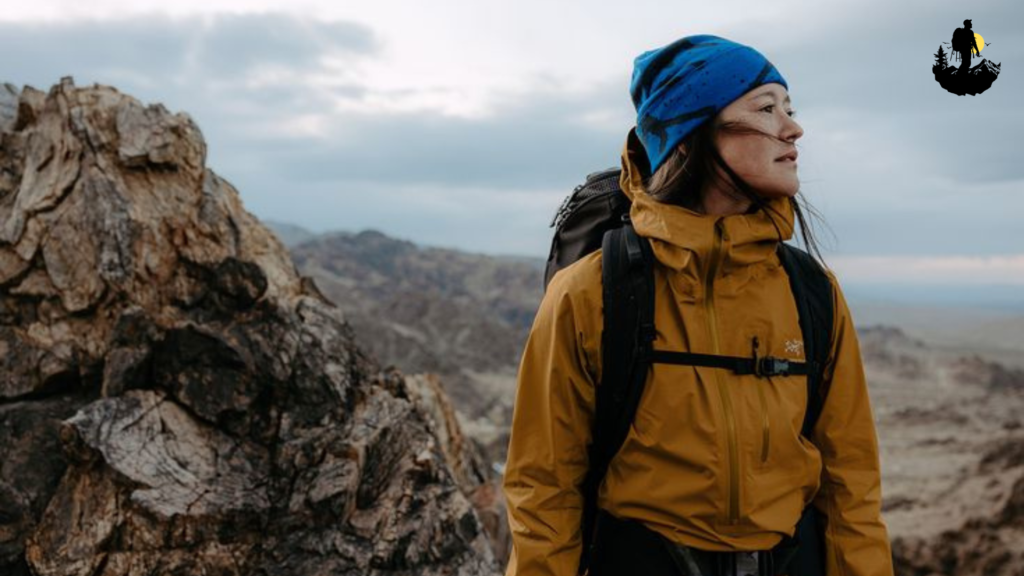
Coastal Cliff and Rugged Shoreline Packing for Wind, Salt Air, and Unpredictable Weather
Along the wild coastlines of the United States, dramatic cliffs drop into restless waves while sea spray drifts through the air like a fine mist. Walking these rugged shorelines feels both peaceful and powerful at the same time. The constant sound of crashing surf and the scent of salt create an atmosphere unlike any other terrain. Packing for coastal cliffs requires preparing for strong winds, slippery surfaces, and rapidly shifting weather conditions that can change the mood of the ocean within minutes.
Wind protection becomes one of the most important packing priorities. Even on sunny days, coastal winds can feel surprisingly cold, especially when standing near open cliffs. A lightweight windbreaker or waterproof shell helps block gusts without adding unnecessary weight. Layering remains useful here as well, since temperatures often fluctuate between sunny warmth and cool ocean breezes. Quick-dry fabrics work well because sea spray and light rain are common companions along the shoreline.
Footwear should provide excellent grip and stability. Coastal trails often include wet rocks, muddy paths, and uneven terrain shaped by erosion. Hiking shoes with strong traction reduce the risk of slipping, while waterproof materials keep feet comfortable when waves splash across the trail. Many travelers also pack extra socks in sealed bags to ensure they stay dry after unexpected encounters with water.
Protecting gear from moisture is another essential part of coastal packing. Dry bags or waterproof pouches help keep electronics, maps, and clothing safe from salt air and sudden rain showers. Salt can be surprisingly harsh on equipment, so microfiber cloths are useful for wiping down cameras or binoculars after a day of exploring. Sunglasses remain important as well, reducing glare from reflective water surfaces and improving visibility along bright shorelines.
Comfort during rest stops matters more than people expect. A compact blanket or lightweight sitting pad makes it easier to pause and enjoy the view without sitting directly on damp rocks. Snacks that hold up well in humid environments, such as nuts or granola bars, provide reliable energy without becoming soggy. Hydration is still essential even in cooler coastal climates, as constant wind can cause dehydration without obvious signs.
Why Coastal Packing Feels Refreshing
Packing for the coast encourages simplicity. The rhythm of waves and the openness of the horizon create a calming atmosphere that invites slow exploration. Travelers who prepare for wind and moisture often find coastal adventures deeply rejuvenating, offering a balance between rugged adventure and peaceful reflection.
- Weather: Cool ocean breezes, foggy mornings, and sudden rain showers
- Best Season to Visit: Late spring through early fall for clearer skies and milder temperatures
- Budget: $90 to $220 per night near scenic coastal towns or cliffside lodges
- Best Food Nearby: Fresh seafood, clam chowder, grilled fish tacos, and coastal café meals
- Best Places to Stay: Oceanfront cabins, lighthouse inns, boutique coastal hotels, and cliffside campgrounds
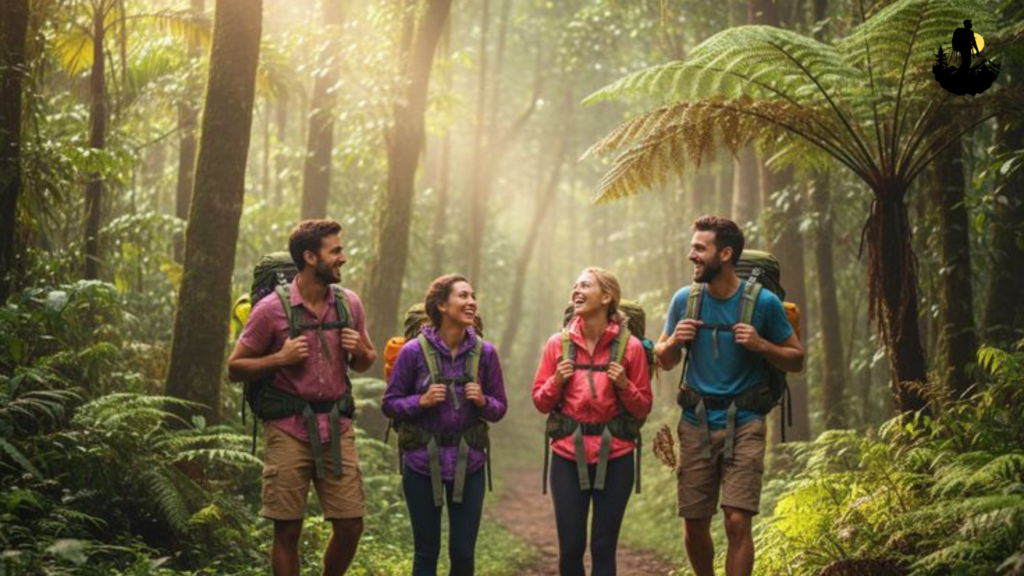
Dense Forest and Rainforest Terrain Packing for Humidity, Mud, and Long Trails
Walking into a dense American forest feels like entering a living, breathing world. Tall trees stretch overhead, filtering sunlight into soft green patterns while the ground beneath your feet stays cool and damp. The air carries the scent of earth and leaves, and every step reveals hidden streams, moss-covered rocks, and winding trails that disappear into the distance. Packing for forest and rainforest environments requires preparation for humidity, sudden rain, and constantly changing trail conditions.
Moisture management becomes the foundation of forest packing. Lightweight rain jackets and waterproof backpack covers protect essential gear during sudden downpours. Quick-dry clothing allows you to stay comfortable even when humidity rises, while breathable fabrics prevent overheating during long hikes. Many travelers prefer long sleeves and lightweight pants, which offer protection against insects and brush without feeling heavy.
Footwear should handle mud and uneven terrain. Waterproof hiking boots provide stability when trails become slippery, while gaiters help keep debris and water from entering your shoes. Trekking poles are especially useful in forest environments, offering balance when crossing streams or navigating steep, root-covered paths. Extra socks packed in dry bags ensure you always have a fresh pair available.
Insect protection is another important consideration. Repellent sprays or lotions help guard against mosquitoes and other insects common in humid environments. Hats with subtle brims or lightweight nets can provide additional comfort in heavily wooded areas. Sunscreen remains useful even under a canopy, as filtered sunlight can still lead to unexpected sun exposure.
Organization within your backpack helps maintain efficiency during long forest treks. Items that need to stay dry should be packed inside waterproof liners, while snacks and navigation tools remain easy to reach. Headlamps become valuable companions because dense forests can grow dark quickly, even before sunset. Portable water filters allow you to refill from natural sources, reducing the need to carry heavy water supplies for extended journeys.
Why Forest Packing Feels Immersive
Dense forests encourage a slower pace, allowing travelers to connect deeply with nature’s quieter side. Packing thoughtfully ensures that humidity and rain become part of the adventure rather than obstacles. Many visitors describe forest journeys as grounding experiences, filled with calming sounds and a sense of timeless beauty.
- Weather: Humid conditions with frequent rain and cool shaded temperatures
- Best Season to Visit: Late spring through early fall when trails are most accessible
- Budget: $70 to $160 per night near national forests or scenic trail towns
- Best Food Nearby: Hearty soups, local farm-to-table meals, and rustic trail café options
- Best Places to Stay: Forest cabins, eco-lodges, small inns, and backcountry campsites
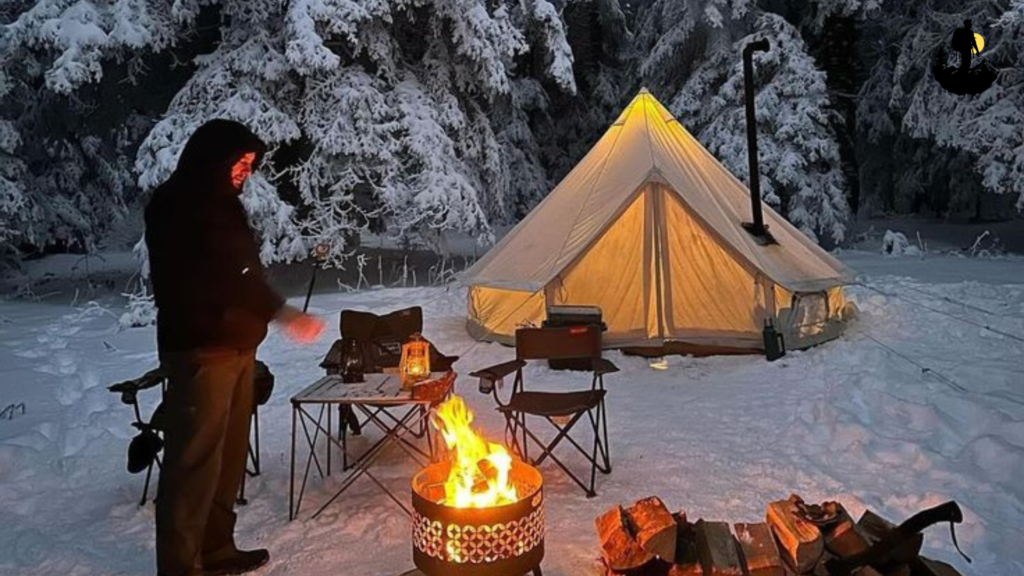
Snow and Winter Wilderness Packing for Icy Trails and Subzero Temperatures
Winter landscapes across the United States transform familiar trails into silent, snow-covered worlds. Mountains glow under soft white blankets, frozen lakes reflect pale sunlight, and the air feels crisp and clear with every breath. Packing for snowy terrain demands a strong focus on warmth, insulation, and safety, ensuring that cold temperatures enhance the adventure rather than become a risk.
Layering for winter conditions begins with thermal base layers that retain heat while wicking moisture away from the skin. An insulating mid-layer, often made from fleece or down, traps warmth effectively without restricting movement. A waterproof insulated jacket forms the final barrier against snow, wind, and freezing temperatures. Gloves, insulated hats, and neck gaiters become essential companions, protecting exposed skin from biting cold.
Footwear designed for snow provides stability and warmth during winter exploration. Insulated waterproof boots keep feet dry while walking through powder or slush, and traction devices like microspikes add grip on icy trails. Wool socks remain a reliable choice, offering both insulation and comfort during long outdoor days. Many winter travelers also pack spare socks and gloves to change into dry layers when needed.
Hydration and nutrition require extra attention in cold environments because the body burns energy more quickly to maintain warmth. Insulated bottles help prevent water from freezing, while warm beverages like tea or soup restore comfort during breaks. High-calorie snacks such as nuts, chocolate, and energy bars provide quick fuel without taking up much space in your pack.
Safety gear becomes even more important during winter travel. Emergency blankets, whistles, and headlamps ensure visibility during shorter daylight hours. Sunglasses or snow goggles protect eyes from bright reflections off snowfields. A compact shovel or multi-tool can assist in unexpected situations, especially in remote areas where conditions shift quickly.
Why Winter Packing Feels Powerful
Snow-covered landscapes create a peaceful atmosphere that feels almost otherworldly. Proper packing transforms winter from a challenge into a magical experience, allowing travelers to move confidently through silent forests and frozen valleys. Many adventurers find winter journeys deeply memorable, combining physical challenge with breathtaking beauty.
- Weather: Cold temperatures, snowfall, and icy winds
- Best Season to Visit: Mid-winter for snow adventures or early spring for milder conditions
- Budget: $100 to $250 per night near ski towns or winter lodges
- Best Food Nearby: Warm comfort foods, hot chocolate, mountain stews, and cozy café meals
- Best Places to Stay: Ski lodges, alpine cabins, winter resorts, and heated backcountry huts
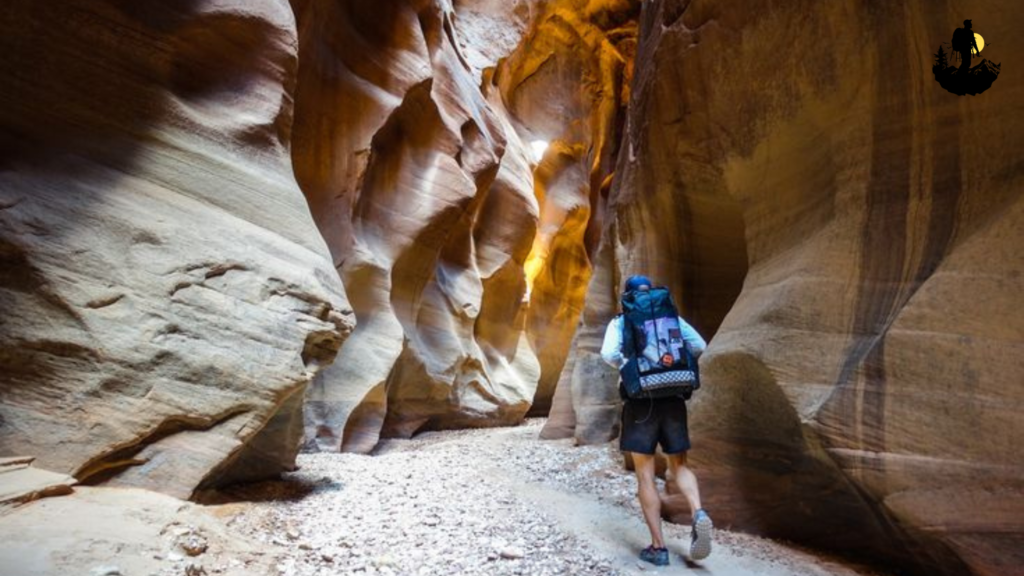
Canyon and Slot Valley Terrain Packing for Narrow Trails and Extreme Temperature Swings
Deep within America’s canyon landscapes, towering rock walls rise like natural cathedrals, glowing in shades of red, orange, and gold as sunlight shifts throughout the day. Walking through narrow slot valleys feels immersive and quiet, where echoes bounce softly between stone walls and the air carries a dry, earthy warmth. Packing for canyon terrain requires balance. The same environment can feel intensely hot under direct sun yet cool and shaded once you descend deeper into the rock formations.
Temperature management becomes one of the most important elements of canyon packing. Lightweight, breathable clothing helps regulate heat during exposed sections, while a compact insulating layer provides comfort when stepping into shaded areas or exploring early in the morning. Many travelers underestimate how quickly canyon temperatures can fluctuate, so versatile clothing that adapts to both warm and cool conditions is essential.
Hydration planning is critical in canyon environments because dry air and physical exertion can lead to dehydration faster than expected. Hydration bladders allow for steady sipping while moving through narrow passages where stopping frequently may not be convenient. Electrolyte mixes help maintain energy during long hikes, especially when climbing steep switchbacks or navigating uneven terrain. Some experienced adventurers carry lightweight water filtration systems when exploring routes that include seasonal streams.
Footwear needs to provide both grip and flexibility. Canyon trails often combine sandy paths, rocky ledges, and occasional shallow water crossings. Hiking shoes with strong traction help maintain stability on slickrock surfaces, while quick-drying materials ensure comfort after wet sections. Gaiters can help keep sand from entering your shoes during long descents, reducing irritation and fatigue.
Navigation tools become especially valuable in slot canyons where GPS signals may weaken due to high rock walls. A physical map and compass provide reliable backup, while a headlamp ensures visibility if the canyon grows darker than expected. Narrow passages can reduce natural light significantly, even during midday, making hands-free lighting a practical addition to your packing list.
Safety preparation should also account for changing weather patterns. Sudden storms can create flash flood risks in certain canyon areas, so packing a compact emergency blanket and whistle adds a layer of preparedness without increasing weight. Checking weather conditions before departure and carrying minimal but effective safety gear allows you to focus on the experience rather than worry about unexpected challenges.
Photography enthusiasts often find canyon terrain incredibly rewarding. The shifting light patterns and layered rock textures create dramatic scenes throughout the day. A lightweight tripod or stabilized camera strap helps capture these moments while keeping your hands free for balance. Protective lens covers or microfiber cloths prevent dust buildup, which is common in dry environments.
Why Canyon Packing Feels Adventurous
Canyon journeys combine exploration and mindfulness. Every turn reveals new colors and shapes carved by time, encouraging travelers to slow down and appreciate the details of the landscape. Thoughtful packing allows you to move confidently through narrow trails, turning each step into a moment of discovery rather than a logistical challenge.
- Weather: Hot sunny sections mixed with cooler shaded areas and dry winds
- Best Season to Visit: Spring and fall for comfortable hiking temperatures
- Budget: $60 to $170 per night near canyon towns or national park entrances
- Best Food Nearby: Southwestern grills, local taco stands, and hearty roadside café meals
- Best Places to Stay: Desert lodges, canyon-view cabins, small adventure inns, and scenic campgrounds
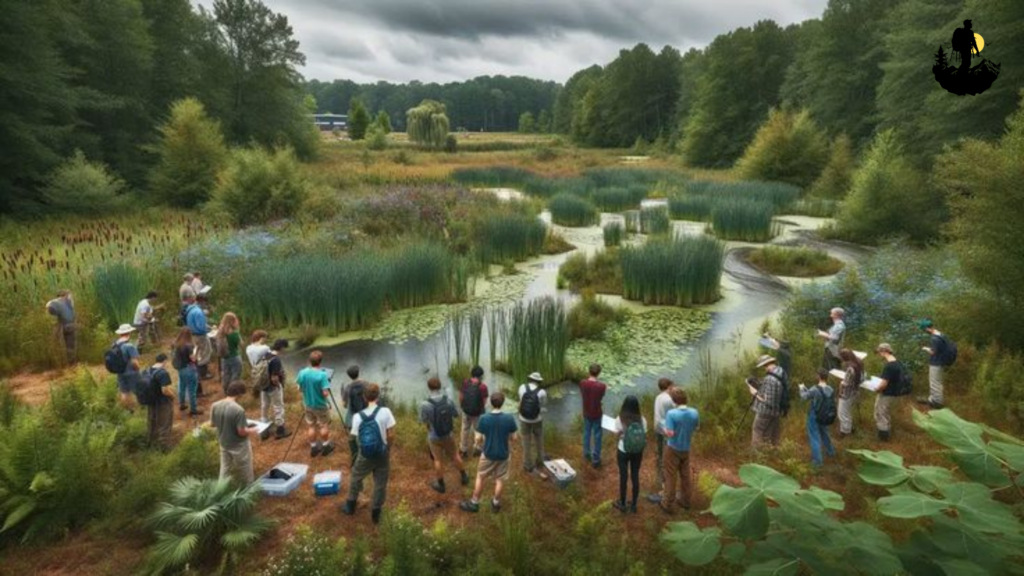
Swamp and Wetland Terrain Packing for Waterlogged Trails and Humid Conditions
In the wetlands and swamps of the United States, nature feels vibrant and alive in a completely different way. Tall grasses sway gently above shallow water, cypress trees rise from misty landscapes, and wildlife moves quietly through hidden channels. The air feels warm and heavy with humidity, carrying the sounds of birds and rustling leaves. Packing for swamp terrain requires preparation for moisture, insects, and constantly changing ground conditions that shift between solid earth and soft, waterlogged paths.
Moisture protection becomes the foundation of wetland packing. Waterproof bags or pack liners keep essential gear dry even when the environment feels damp from every direction. Lightweight rain jackets provide comfort during sudden showers while remaining breathable enough to prevent overheating. Quick-dry clothing becomes invaluable here because humidity slows natural drying, making heavy fabrics uncomfortable during long walks.
Footwear choices play a major role in comfort and safety. Waterproof hiking boots or trail shoes designed for wet conditions help maintain grip on muddy paths. Some travelers choose neoprene socks or water-resistant liners to keep feet dry during shallow water crossings. Gaiters can also help prevent mud and debris from entering your footwear, reducing discomfort during extended exploration.
Insect protection is one of the most important considerations in swamp environments. Lightweight long sleeves and breathable pants offer natural defense against bites while allowing airflow. Insect repellent, hats with subtle brims, and even lightweight neck coverings help reduce exposure without feeling restrictive. Many travelers also pack small cooling towels, which provide relief from humidity when soaked in water and placed around the neck.
Hydration remains essential despite the presence of water everywhere. Humid conditions cause sweating even during slow walks, making electrolyte balance important for maintaining energy. Reusable water bottles or hydration systems help ensure you stay refreshed throughout the day. Snacks that hold up well in warm environments, such as trail mix or dried fruit, provide reliable fuel without spoiling quickly.
Navigation tools can enhance safety in wetlands where trails may appear less defined. A map and compass remain reliable companions, while a headlamp becomes useful when dense vegetation reduces natural light. Sunglasses help reduce glare from reflective water surfaces, making it easier to spot obstacles along the path.
Comfort during rest breaks often depends on having a dry place to sit. Compact foam pads or lightweight mats allow you to pause without sitting directly on damp ground. Many travelers also carry a small towel or microfiber cloth to wipe away moisture from gear or hands. These small details make a big difference when spending extended time in humid environments.
Why Wetland Packing Feels Unique
Swamp landscapes invite curiosity and patience. The slow rhythm of water and wildlife creates a calming atmosphere that feels far removed from busy urban life. Packing thoughtfully helps you embrace the environment’s challenges while fully appreciating its beauty, turning each journey into an immersive experience filled with quiet discovery.
- Weather: Warm, humid air with frequent rain and high moisture levels
- Best Season to Visit: Late fall through early spring when temperatures are slightly cooler
- Budget: $70 to $160 per night near nature reserves or coastal wetland towns
- Best Food Nearby: Southern comfort dishes, seafood specialties, and rustic riverside cafés
- Best Places to Stay: Eco-lodges, riverside cabins, nature retreats, and small waterfront inns
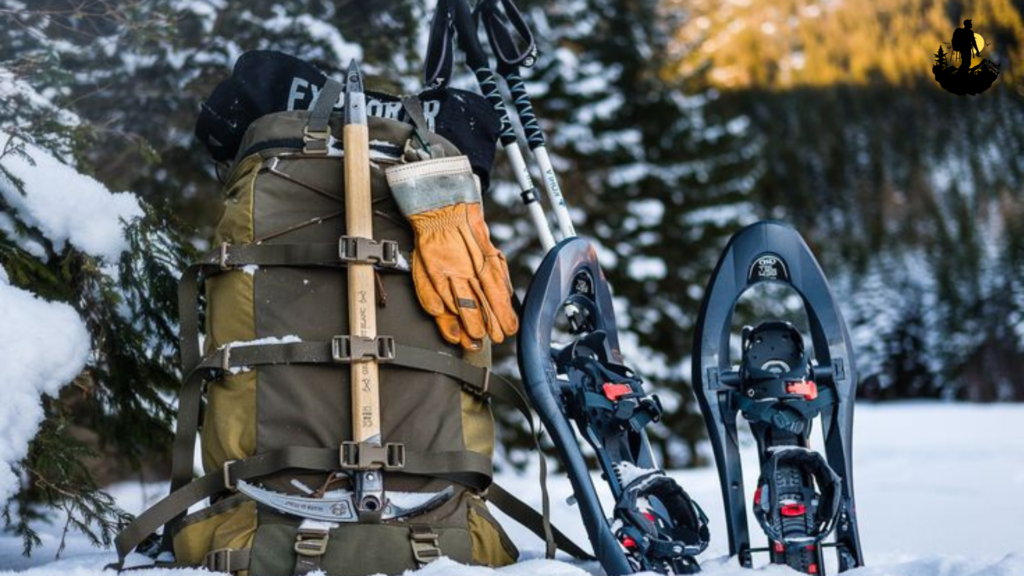
Essential Tips for Packing Smart Across Extreme U.S. Terrains
Packing for extreme environments is not about filling your bag with more gear; it is about choosing items that serve multiple purposes while keeping you safe and comfortable. One of the most effective strategies is to test your pack at home before leaving. Wear it for a short walk, adjust the straps, and notice how the weight feels on your shoulders and hips. Small adjustments early can prevent major discomfort during long hikes through deserts, forests, or mountain trails.
Always research the terrain before finalizing your packing list. Weather patterns, elevation changes, and local trail conditions influence what you truly need. For example, desert environments require sun protection and extra hydration, while alpine regions demand insulation and windproof layers. Understanding the environment allows you to remove unnecessary items and focus on essentials that support your journey.
Keeping your backpack organized makes travel smoother. Place heavier items close to your back to maintain balance, and store frequently used gear like snacks, maps, or rain jackets in outer pockets. Many experienced travelers use packing cubes or waterproof bags to separate clothing from electronics and food. This system not only protects your belongings but also saves time when you need something quickly.
Another helpful tip is to prioritize versatile clothing. Neutral-colored layers that dry quickly and resist wrinkles reduce the need for multiple outfit changes. A lightweight scarf or buff can function as sun protection, warmth, or even a small towel. Choosing multi-use gear keeps your pack lighter while still preparing you for different climates.
Nutrition and hydration planning should never be overlooked. High-energy snacks that require no preparation are ideal for long travel days. Carrying a refillable water system and understanding where you can safely refill along your route prevents unnecessary stress. Even in cooler climates, consistent hydration helps maintain energy and focus.
Safety preparation is equally important. A small first aid kit, emergency blanket, and headlamp add security without taking much space. Always let someone know your travel plans, especially when heading into remote regions. This simple habit adds an extra layer of reassurance for both you and your loved ones.
Finally, remember to leave room for flexibility. Extreme terrains often surprise travelers with unexpected weather, hidden viewpoints, or spontaneous detours. Packing with adaptability in mind allows you to embrace these moments rather than feel restricted by your gear.
Conclusion
Exploring extreme terrains across the United States is more than just an adventure; it is an opportunity to experience the incredible diversity of nature, from rugged mountains and silent deserts to misty forests and dramatic coastlines. Thoughtful packing transforms these journeys into comfortable and rewarding experiences, allowing you to focus on the beauty around you instead of worrying about what you forgot.
The most successful travelers approach packing with intention. They choose gear that adapts to changing conditions, organize their backpacks for efficiency, and prepare for both comfort and safety. Each environment presents its own challenges, but with the right preparation, those challenges become part of the excitement rather than obstacles.
Ultimately, packing is not just about items; it is about mindset. When you prepare carefully, you gain the confidence to explore deeper, stay longer, and fully appreciate the landscapes that make extreme U.S. travel so unforgettable. Whether you are walking along windswept cliffs, hiking through dense forests, or standing beneath towering canyon walls, the right packing strategy ensures that every moment feels purposeful, balanced, and deeply connected to the adventure ahead.

✦ Related Articles You May Love
- Living Like A Local In Remote U S Regions
- Hidden Homestay Experiences In Offbeat U S Towns
- Folklore And Legends From The Deep South
- How To Find Hidden Adventure Spots Across The Usa
- Essential Packing Tips For U S Hiking Trips
- Budget Travel Hacks For Exploring U S Trails
- Safety Tips For Hiking Hidden Trails In The Usa
- Best Seasons To Visit Hidden U S Parks
- Eco Friendly Ways To Explore Remote U S Destinations
- How To Reach Hard To Access U S Adventure Spots
- Navigating Road Trips To Lesser Known U S Parks
- Apps That Reveal Hidden Trails And Campsites
- How To Stay Connected In Remote U S Areas
- Capturing Hidden Landscapes Of The American West
- Capturing Hidden Motion Long Exposure Photography In U S National Parks
- Night Sky Photography In Americas Dark Sky Parks
- Photo Walks Through Hidden U S Small Towns
- Reflections Photography On Hidden U S Lakes
- Rock Climbing In Lesser Known U S Spots
- Trail Running Through Hidden Forest Paths
- Mountain Biking Adventures In The Pacific Northwest
- Paragliding Above Secret U S Peaks
- Scuba Diving Hidden Reefs In The Florida Keys
- Abandoned Ghost Towns In The American West
- Hidden Architectural Gems Across The Usa
- Discovering Truly Local Favourite Hiking Trail Usa
- Travel Mistakes To Avoid On U S Hidden Trails
- Solo Adventures In Remote U S Locations
- How Tourism Is Changing Hidden American Spots
- Hidden U S Destinations That Inspired Great Art
- Americas Forgotten Ghost Stories And Legends
- Short Hidden Hikes Under 5 Miles In The Usa
- Abiqua Falls Oregons Most Hidden Waterfall In The Pacific Northwest
- Exploring Hidden Islands In The Florida Keys
- Hidden Trails Secret Canyons Offbeat Hiking Escapes In The American Southwest
- Lesser Known National Parks Usa Hidden Gems To Explore In 2025
- Secret Caves To Explore In The Appalachian Mountains
- A Bloomseekers Paradise The Wildflower Trails In The Rocky Mountains
- Scenic Mountain Passes Few Know In Colorado Hidden And Adventurous Places You Must Explore
- Kayaking Through Hidden Rivers Of The South
- Underrated Desert Oases In The Southwest Usa
- Seasonal Hidden Wonders In U S National Parks
- Hidden Hot Springs In The Western United States Your Guide To Real Relaxation
- Snow Covered Winter Trails No One Talks About
- Secret Coastal Cliffs To Explore In California
- Underground Crystal Caves In The United States
- Untouched Forest Sanctuaries In The Northeast
- Stories From Rural Americas Forgotten Communities
- Hidden Artisan Markets In The Midwest Your Ultimate Guide
- Local Foods Found Only In Small Town America
🌿 Sources & References
- Travel & Adventure – National Geographic
- Outdoor Recreation – REI Expert Advice
- Leave No Trace Principles
- Nature Conservation – WWF
- U.S. National Parks – NPS
- Sustainable Tourism – UNWTO
- Wilderness Safety – American Red Cross
- Outdoor Health Benefits – NIH
- Travel Health – CDC
- Ecotourism – The International Ecotourism Society