Hidden Water Bodies of the United States
Across the United States, countless waterfalls, springs, and secluded pools remain quietly tucked away from busy highways and crowded viewpoints. These hidden water bodies are not always marked by large signs or social media fame. Instead, they reveal themselves to travelers willing to wander off the well-trodden path, follow a forest trail, or listen closely for the sound of moving water.

Hidden lakes rivers USA offer more than scenic beauty; they provide stillness, reflection, and a sense of discovery. From misty mountain cascades to crystal-clear desert pools, these secret places remind us that nature still holds surprises, waiting patiently for those who seek them with curiosity and respect.
Hidden Water Bodies in USA
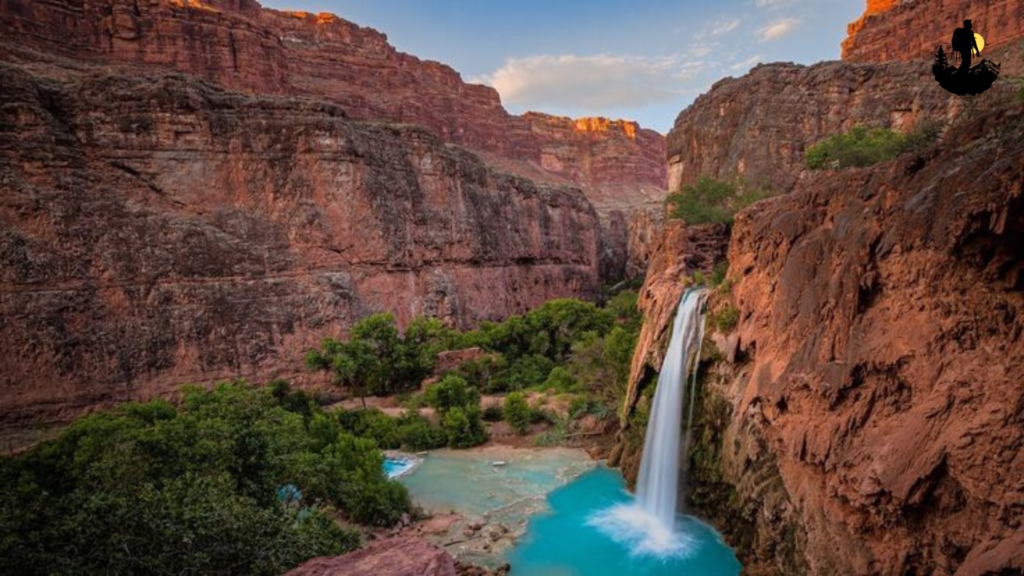
Havasu Falls, Arizona
Havasu Falls feels like a mirage rising from the desert, a startling contrast of electric-blue water against deep red canyon walls. Hidden within the Havasupai Indian Reservation, this breathtaking waterfall drops nearly 100 feet into a series of turquoise pools that seem almost unreal in color. The surrounding canyon landscape is rugged and dramatic, carved by centuries of water flowing through limestone and sandstone. Cottonwood trees line the creek, offering patches of shade, while smooth travertine terraces create natural steps and shallow basins where visitors can sit and let the cool water wash over their feet.
Reaching Havasu Falls is part of the adventure. Most visitors hike roughly ten miles from the trailhead at Hualapai Hilltop, descending into the heart of the Grand Canyon region. Along the way, the terrain shifts from open desert plateaus to narrow canyon corridors. As you approach Supai Village, the sound of water grows louder, building anticipation with every step. When Havasu Falls finally comes into view, it feels like stepping into a hidden oasis, a reward earned through effort and patience.
Early morning is the most peaceful time to experience the falls. Soft light reflects off the canyon walls, and mist rises gently from the base of the cascade. The pools shimmer in shades of blue and green, changing color as the sun climbs higher. Swimming beneath the falls is a humbling experience, with the roar of water surrounding you and the cool temperature offering instant relief from the desert heat. Nearby Mooney Falls and Beaver Falls provide additional opportunities to explore, each with its own character and sense of seclusion.
Coordinates: Approximate location 36.2550° N, 112.6970° W, within Havasupai Indian Reservation, Arizona
Best Photography Spots:
- Lower pool shoreline: Captures the full height of the falls with the turquoise water in the foreground.
- Slightly elevated trail viewpoint: Frames the waterfall against the canyon walls for depth and scale.
- Behind-the-falls angle: Creates a dramatic perspective with water curtains and mist.
- Golden hour timing: Late afternoon light brings warm tones to the red rock, contrasting beautifully with blue water.
- A tripod is helpful for long exposures, especially in shaded areas near the base.
Why It Is So Special
Havasu Falls is special because it feels impossible, a lush, water-rich sanctuary hidden inside one of the driest regions of the country. The striking colors, remote location, and cultural significance to the Havasupai people combine to create an experience that feels sacred and deeply personal. It is not a quick stop or roadside attraction; it requires commitment and respect. That effort fosters a deeper connection to the place, making every moment spent there feel earned and meaningful.
- Weather: Hot summers, mild winters, cool canyon mornings
- Best Season to Visit: Spring and fall
- Budget: $100 to $200 per night nearby or campground permits
- Best Food Nearby: Simple café meals in Supai Village, trail snacks, packed lunches
- Best Places to Stay: Havasupai Lodge, designated campground near the falls
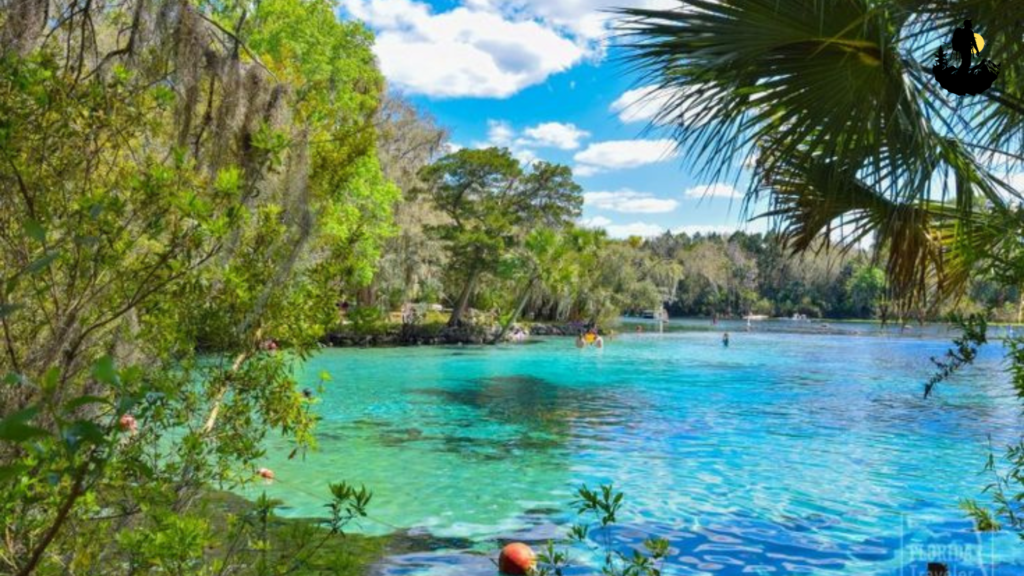
Silver Glen Springs, Florida
Silver Glen Springs is a serene freshwater spring hidden within the Ocala National Forest, where crystal-clear water bubbles up from deep underground into a wide, sandy basin. Surrounded by pine trees, palmettos, and cypress, this spring feels like a peaceful pocket of old Florida, far removed from the bustle of theme parks and coastal resorts. The water maintains a steady temperature year-round, hovering around 72 degrees Fahrenheit, making it refreshing in summer and surprisingly warm in winter.
The spring’s clarity is remarkable. From the wooden boardwalk, you can see straight down to the limestone bottom, where fish glide effortlessly and aquatic plants sway with the gentle current. A roped-off boil area protects the main vent, where water surges upward with visible force. Around the edges, shallow areas invite swimmers to wade in slowly, adjusting to the cool embrace. The surrounding forest muffles sound, creating an atmosphere of calm where the loudest noise is often the splash of someone entering the water or the rustle of leaves overhead.
Silver Glen Springs also holds historical significance. Native American artifacts have been discovered in the area, and the spring has long been a gathering place for people seeking water, shade, and connection. Today, visitors come to swim, snorkel, kayak, or simply relax along the shore. Wildlife sightings are common, from turtles sunning on logs to otters slipping quietly through the water. Occasionally, manatees visit during cooler months, adding a magical element to an already special place.
Coordinates: Approximate location 29.2380° N, 81.5710° W, Ocala National Forest, Florida
Best Photography Spots:
- Boardwalk overlook: Offers a top-down view of the spring’s vivid clarity.
- Shallow shoreline angle: Captures reflections of trees on the water’s surface.
- Underwater with snorkel camera: Reveals fish, sand ripples, and light beams.
- Late morning light: Provides bright, even illumination without harsh glare.
- A polarizing filter helps reduce surface reflections and enhance water color.
Why It Is So Special
Silver Glen Springs is special because of its simplicity and purity. There are no towering waterfalls or dramatic cliffs, yet the spring’s calm beauty leaves a lasting impression. It represents Florida’s hidden natural soul, a place where water flows as it has for thousands of years, quietly sustaining life. The gentle pace encourages visitors to slow down, float, and appreciate the subtle details that often go unnoticed in busier destinations.
- Weather: Warm summers, mild winters
- Best Season to Visit: Fall through spring
- Budget: $70 to $150 per night nearby
- Best Food Nearby: Barbecue, seafood, classic diner fare in nearby towns
- Best Places to Stay: Campgrounds in Ocala National Forest, small motels, lakeside cabins
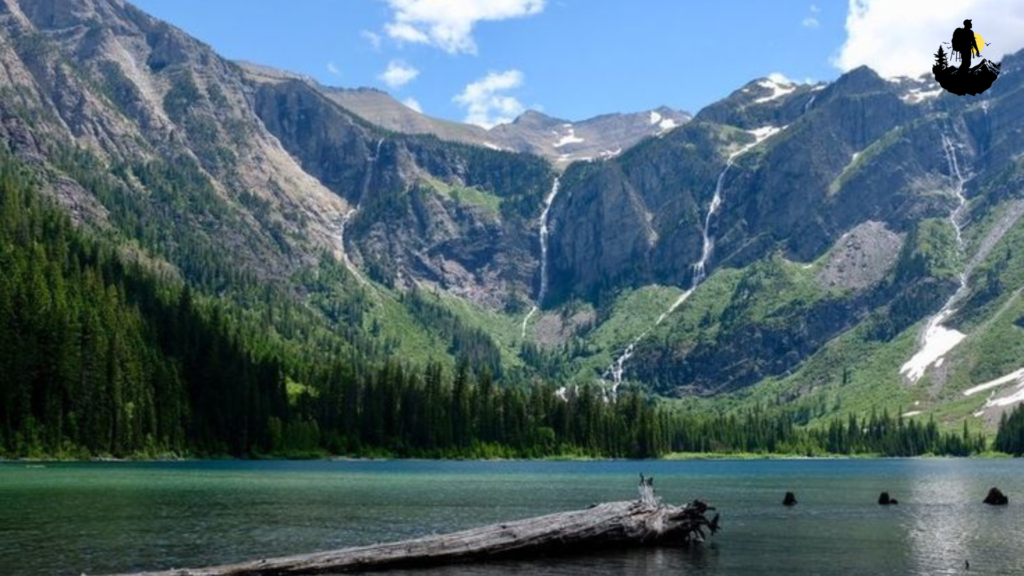
Avalanche Lake, Montana
Avalanche Lake feels like a hidden jewel tucked deep within the rugged heart of Glacier National Park. Reached by a scenic forest trail that follows Avalanche Creek, this alpine lake reveals itself suddenly, opening into a wide basin surrounded by towering peaks and cascading waterfalls. The water is a striking shade of blue-green, reflecting the surrounding mountains so clearly that it often feels as though you are standing inside a living painting. Dense cedar and hemlock forests frame the shoreline, and fallen logs rest naturally along the edges, offering quiet places to sit and take in the view.
The hike to Avalanche Lake is about six miles round trip and is considered moderately easy, making it accessible to many visitors. Along the trail, you pass moss-covered rocks, wooden footbridges, and crystal-clear pools where the creek rushes over smooth stones. The sound of moving water accompanies you the entire way, building a gentle sense of anticipation. As you approach the lake, the air becomes noticeably cooler, carrying the crisp scent of pine and mountain mist.
Once at the lake, the atmosphere is calm and awe-inspiring. Waterfalls pour down from hanging valleys high above, especially powerful during late spring and early summer when snowmelt is at its peak. The stillness of the lake’s surface contrasts beautifully with the motion of falling water, creating a balanced and peaceful scene. Many visitors choose to simply sit along the rocky shore, watching clouds drift across the peaks and listening to the distant thunder of cascading streams.
Coordinates: Approximate location 48.6940° N, 113.8170° W, Glacier National Park, Montana
Best Photography Spots:
- Rocky shoreline near trail end: Captures the full lake with mountain reflections.
- Left-side boulder cluster: Frames waterfalls descending from the cliffs.
- Wide-angle from center shoreline: Emphasizes scale and symmetry.
- Early morning light: Produces glassy reflections and soft tones.
- A tripod is useful for waterfall long exposures and low-light morning shots.
Why It Is So Special
Avalanche Lake is special because it feels wild yet welcoming. The trail is approachable, but the destination feels remote and untouched. The combination of alpine lake, waterfalls, and towering peaks creates a sense of grandeur without overwhelming the senses. It is a place where visitors often feel small in the best possible way, reminded of nature’s quiet power and enduring beauty.
- Weather: Cool summers, cold winters
- Best Season to Visit: Late June to September
- Budget: $100 to $200 per night nearby
- Best Food Nearby: Hearty mountain breakfasts, burgers, huckleberry desserts
- Best Places to Stay: Lodges near West Glacier, cabins, park campgrounds
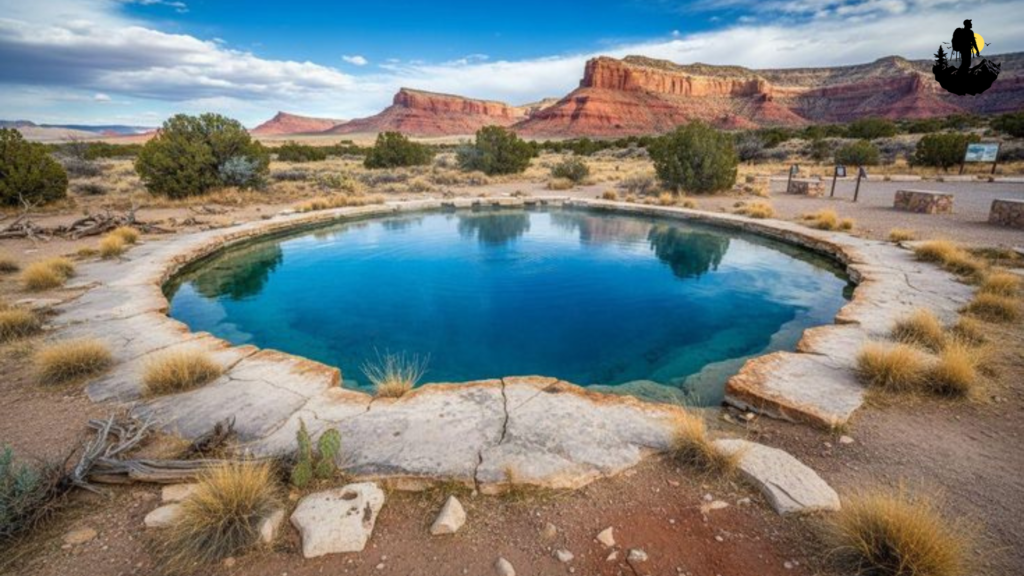
The Blue Hole, New Mexico
The Blue Hole in Santa Rosa, New Mexico, is an unexpected oasis rising from the high desert plains. From above, it appears as a perfectly round pool of deep sapphire water, surrounded by tan rock and sparse vegetation. This natural artesian spring is famous for its incredible clarity and constant temperature, making it a beloved spot for swimmers, snorkelers, and scuba divers. The water remains around 61 degrees Fahrenheit year-round, refreshing even on the hottest summer days.
Stone steps lead down into the pool, where the depth quickly increases toward the center. Sunlight penetrates the clear water, illuminating submerged rock formations and schools of fish that glide effortlessly through the blue depths. Despite its popularity, the Blue Hole retains a peaceful quality, especially in the early morning or late afternoon when crowds thin. The surrounding area is open and simple, allowing the vivid color of the water to take center stage.
Beyond recreation, the Blue Hole carries a sense of mystery. The spring is part of an underground cave system, with depths extending far below what is visible from the surface. This hidden complexity adds to its allure, reminding visitors that what they see is only a small portion of a much larger natural system. Sitting on the edge of the pool, watching ripples dance across the surface, it is easy to forget the desert landscape just beyond the rocks.
Coordinates: Approximate location 34.9440° N, 104.6820° W, Santa Rosa, New Mexico
Best Photography Spots:
- Top-down rim angle: Highlights the circular shape and deep blue color.
- Water-level perspective: Captures reflections and surface ripples.
- Underwater shots: Reveal rock textures and fish.
- Midday sun: Enhances the intense blue hue.
- A polarizing filter helps reduce glare and deepen color saturation.
Why It Is So Special
The Blue Hole is special because it feels like a secret portal in the desert. Surrounded by dry plains, this vibrant pool defies expectations and offers instant refreshment. Its clarity, color, and constant temperature make it both visually stunning and physically rejuvenating. It is a reminder that extraordinary natural wonders can appear in the most unlikely places.
- Weather: Hot summers, mild winters
- Best Season to Visit: Spring and fall
- Budget: $70 to $140 per night nearby
- Best Food Nearby: Southwestern cuisine, green chile dishes, classic diners
- Best Places to Stay: Motels in Santa Rosa, small inns, RV parks
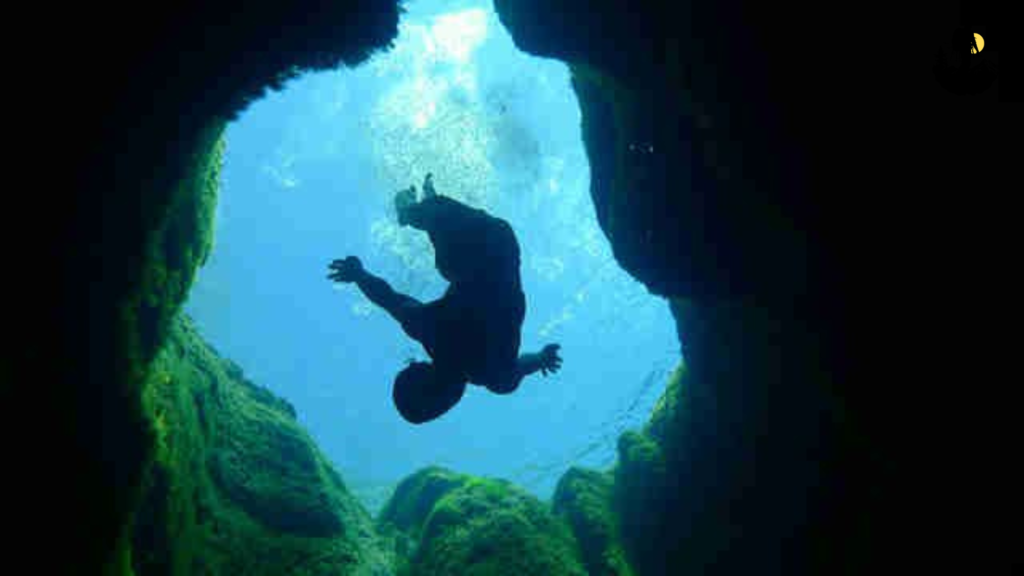
Jacob’s Well, Texas
Jacob’s Well is a mesmerizing artesian spring hidden within the limestone hills of Texas Hill Country. At first glance, it appears as a simple round opening in a rocky creek bed, but a closer look reveals an endless-looking shaft of deep blue water descending into darkness. The spring feeds Cypress Creek and has flowed continuously for thousands of years, making it one of the longest-running artesian springs in the state. Surrounding the well are rugged cliffs, juniper trees, and clear, shallow pools that shimmer under the Texas sun.
Stone steps and natural rock ledges provide access to swimming areas near the well, while the main shaft remains protected due to its depth and underwater cave system. The water temperature stays around 68 degrees Fahrenheit year-round, offering cool relief during scorching summers. When sunlight hits the opening just right, the surface glows in rich shades of turquoise and sapphire, creating a hypnotic effect that draws visitors in.
Beyond its beauty, Jacob’s Well carries a sense of mystery and reverence. The deep caverns beneath the surface have fascinated explorers for decades, and the spring is often described as a sacred place by locals. The surrounding natural area includes hiking trails, shaded picnic spots, and limestone ledges perfect for sitting quietly and listening to the gentle flow of water.
Coordinates: Approximate location 30.0280° N, 98.1260° W, Wimberley, Texas
Best Photography Spots:
- Top-down view from limestone ledge: Captures the circular opening and blue depths.
- Water-level angle near the edge: Shows reflections and subtle color variations.
- Early morning light: Produces soft glow and minimal shadows.
- A tripod helps in shaded conditions for crisp detail.
Why It Is So Special
Jacob’s Well is special because it feels like a doorway into the hidden world beneath our feet. Its depth, clarity, and constant flow inspire awe and respect. It is not just a swimming spot, but a living geological wonder that reminds visitors of the power and patience of water over time.
- Weather: Hot summers, mild winters
- Best Season to Visit: Spring and early fall
- Budget: $80 to $160 per night nearby
- Best Food Nearby: Texas barbecue, farm-to-table cafés, bakeries
- Best Places to Stay: Cabins in Wimberley, small inns, hill country lodges
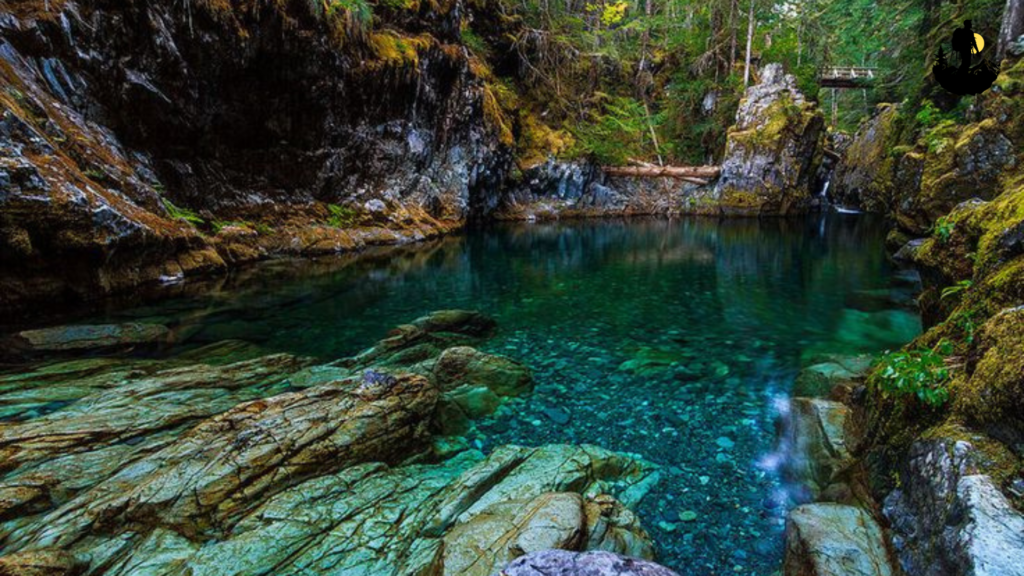
Opal Pool, Oregon
Opal Pool is a stunning emerald-colored pool hidden within the lush forests of Oregon’s Willamette National Forest. Fed by a series of small waterfalls and mountain streams, this pool sits along the Little North Santiam River and feels like a secluded forest sanctuary. Moss-covered rocks, towering Douglas firs, and thick ferns surround the water, creating a setting that feels both intimate and magical.
A moderate hike through old-growth forest leads to the pool, with the trail winding past rushing creeks and shaded groves. As you approach, the sound of falling water grows louder, until the trail opens to reveal Opal Pool glowing in shades of green and blue. Sunlight filtering through the canopy creates dancing patterns across the surface, giving the pool an almost luminous quality.
Swimming is popular during warm months, though the water remains cold year-round. Many visitors choose to simply sit on the rocky edges, letting their feet dangle in the clear water while enjoying the peaceful forest atmosphere. The area feels untouched and serene, especially on weekdays or early mornings.
Coordinates: Approximate location 44.8070° N, 122.2220° W, Willamette National Forest, Oregon
Best Photography Spots:
- Rock ledge overlooking the pool: Captures full scene with waterfalls.
- Shoreline near inflow: Highlights water movement and color.
- Wide-angle from trail opening: Frames pool with forest.
- Mid-morning light: Best balance of brightness and shadow.
- A tripod is useful for long exposures of cascading water.
Why It Is So Special
Opal Pool is special because of its enchanting color and forest solitude. It feels like a hidden gem meant to be discovered slowly and appreciated quietly. The combination of vibrant water, gentle waterfalls, and ancient trees creates a sense of calm that lingers long after you leave.
- Weather: Mild summers, wet winters
- Best Season to Visit: Late spring through early fall
- Budget: $90 to $170 per night nearby
- Best Food Nearby: Local cafés, wood-fired pizza, comfort food
- Best Places to Stay: Forest cabins, campgrounds, small mountain lodges
Secret Cove (Lake Tahoe), Nevada
Secret Cove is a quiet, hidden shoreline along the eastern edge of Lake Tahoe where turquoise water meets smooth granite boulders and soft sandy pockets. Tucked away from the main beaches, this secluded cove feels like a private escape, offering uninterrupted views of the lake’s legendary clarity and the surrounding Sierra Nevada mountains. The water here shifts in color throughout the day, moving from pale aqua in the morning to deep sapphire by afternoon, depending on light and wind conditions.
Reaching Secret Cove requires a short but slightly rocky hike, which naturally limits crowds and preserves its peaceful atmosphere. As you descend toward the shore, the vast expanse of Lake Tahoe opens before you, stretching endlessly toward the horizon. Gentle waves lap against sun-warmed stones, and the air carries the crisp, pine-scented freshness unique to high-elevation lakes. The simplicity of the setting encourages slow moments, whether you are swimming, sunbathing, or simply sitting quietly by the water’s edge.
The cove is especially magical at sunrise and sunset. Early mornings bring glassy water and soft pastel skies, while evenings paint the granite rocks in warm gold and pink hues. Because of its relative seclusion, wildlife sightings are not uncommon, and it is easy to feel a sense of solitude even on busier summer days.
Coordinates: Approximate location 39.0400° N, 119.9430° W, east shore of Lake Tahoe, Nevada
Best Photography Spots:
- Granite boulder perch: Captures shoreline curves and open lake.
- Low shoreline angle: Highlights crystal-clear shallows.
- Wide-angle from trail viewpoint: Shows cove nestled against rocky slopes.
- Golden hour light: Best for warm tones and reflections.
- A tripod helps with sunrise and sunset compositions.
Why It Is So Special
Secret Cove is special because it offers Lake Tahoe’s iconic beauty without the crowds. Its quiet atmosphere allows visitors to connect deeply with the lake’s purity and vastness. It feels personal and unspoiled, a reminder that even famous destinations still hold secret corners for those willing to explore.
- Weather: Warm summers, cold snowy winters
- Best Season to Visit: Late June to September
- Budget: $120 to $220 per night nearby
- Best Food Nearby: Lakeside cafés, fresh sandwiches, local bakeries
- Best Places to Stay: Cabins near Incline Village, small lodges, mountain inns
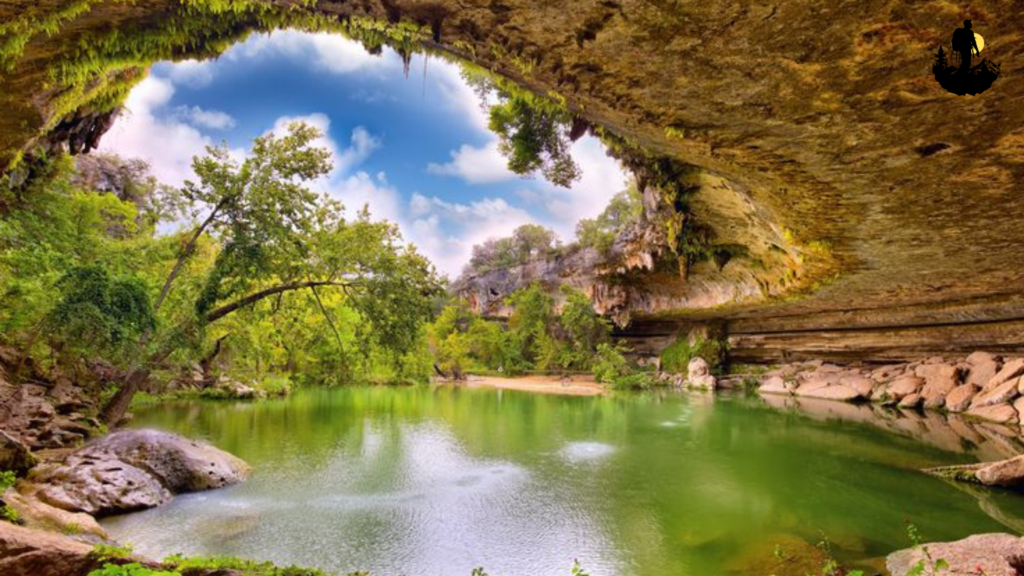
The Hamilton Pool Preserve, Texas
Hamilton Pool Preserve is a breathtaking natural grotto formed thousands of years ago when the dome of an underground river collapsed, leaving behind a semi-circular cavern and a jade-green pool. Located just outside Austin, this hidden water body feels worlds away from city life. A 50-foot waterfall spills over the limestone overhang into the pool below, creating a constant mist that cools the surrounding air.
A short hike leads down to the preserve, winding through rocky terrain and shaded woodland. As you approach, the sound of falling water echoes softly, growing louder with each step. The pool itself is calm and inviting, with clear water that reflects the textured limestone walls above. Stalactites cling to the overhang, adding to the cave-like atmosphere and enhancing the sense of wonder.
Swimming is allowed when water quality conditions are safe, and even when swimming is restricted, the preserve remains a stunning place to explore and photograph. The blend of geology, water, and light creates an ever-changing scene that feels both powerful and peaceful.
Coordinates: Approximate location 30.3420° N, 98.1260° W, Dripping Springs, Texas
Best Photography Spots:
- Trail overlook above pool: Captures full grotto and waterfall.
- Shoreline near waterfall: Highlights cascading water and mist.
- Wide-angle under overhang: Frames pool with limestone ceiling.
- Late morning light: Best balance of brightness and shadow.
- A tripod is useful in shaded areas.
Why It Is So Special
Hamilton Pool Preserve is special because it feels like stepping into a hidden cave sanctuary. The combination of waterfall, grotto, and emerald water creates a rare and unforgettable scene. It offers both adventure and tranquility, making it one of Texas’s most cherished natural treasures.
- Weather: Hot summers, mild winters
- Best Season to Visit: Spring and fall
- Budget: $90 to $180 per night nearby
- Best Food Nearby: Texas barbecue, farm-to-table restaurants, cafés
- Best Places to Stay: Cabins near Dripping Springs, small inns, hill country lodges
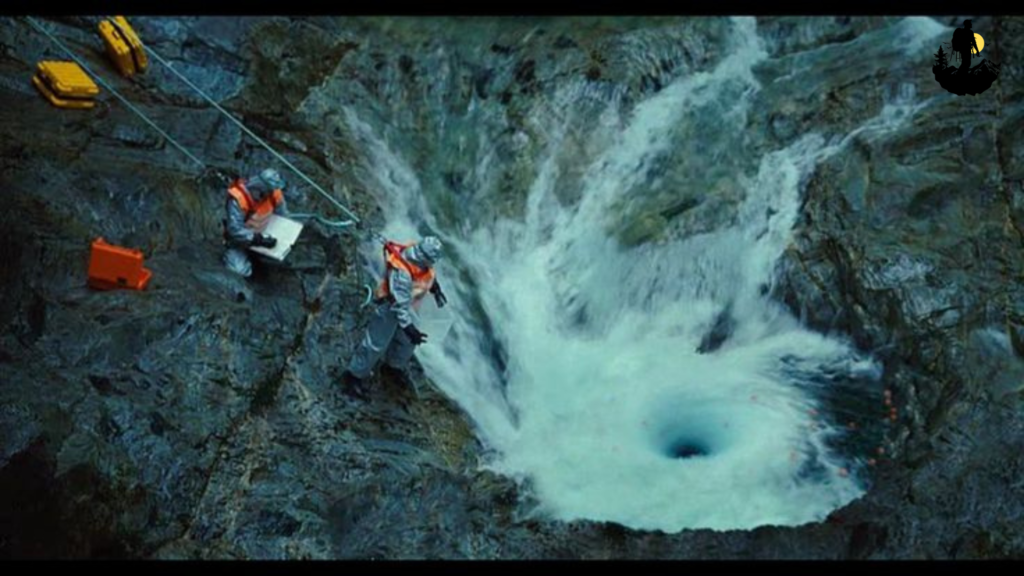
Devil’s Kettle, Minnesota
Devil’s Kettle is one of the most mysterious waterfalls in the United States, hidden deep within Judge C. R. Magney State Park along Minnesota’s rugged North Shore of Lake Superior. What makes this waterfall unique is its split personality. The Brule River divides into two streams, one flowing over a traditional cascade, and the other plunging into a deep, circular hole known as the “kettle.” For years, scientists and visitors alike have been fascinated by the question of where the water in the kettle actually goes.
The hike to Devil’s Kettle winds through dense boreal forest, crossing wooden bridges and rocky staircases along the way. The air smells of pine and damp earth, and the sound of rushing water grows louder as you approach. When you finally reach the viewing platform, the sight is both beautiful and slightly eerie. Water churns violently as it disappears into the dark opening, creating swirling mist and a constant low roar.
Surrounding the falls are moss-covered rocks, twisted tree roots, and steep riverbanks that give the area a wild, untouched feel. In autumn, the forest explodes with color, adding fiery reds and golds to the already dramatic scene. Even in summer, the shaded gorge remains cool and refreshing, making it a rewarding destination during warmer months.
Coordinates: Approximate location 47.9550° N, 90.6580° W, Judge C. R. Magney State Park, Minnesota
Best Photography Spots:
- Viewing platform: Captures both the traditional falls and the kettle.
- Lower trail angle: Shows water plunging into the hole.
- Autumn foliage framing: Adds seasonal color and contrast.
- Overcast days: Enhance moody atmosphere and reduce harsh shadows.
- A tripod is useful for long exposures.
Why It Is So Special
Devil’s Kettle is special because it combines natural beauty with mystery. The unanswered questions surrounding the kettle spark curiosity and imagination, making each visit feel like stepping into a living riddle. It is a reminder that nature still holds secrets beyond our full understanding.
- Weather: Mild summers, very cold winters
- Best Season to Visit: Late spring through early fall
- Budget: $90 to $170 per night nearby
- Best Food Nearby: Hearty stews, smoked fish, local diners
- Best Places to Stay: Cabins, small lodges, North Shore inns
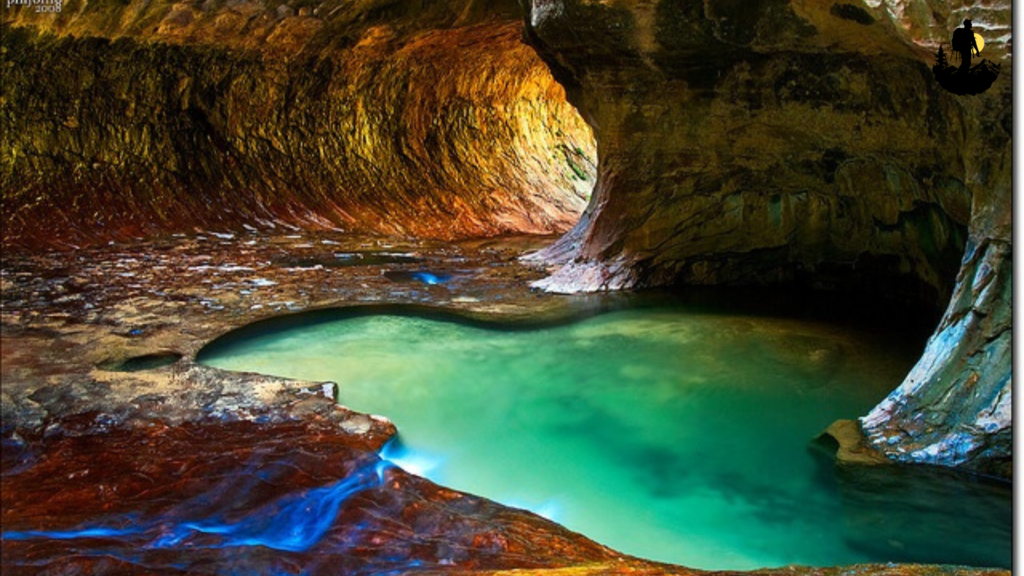
Emerald Pool, Zion National Park, Utah
Emerald Pool is a tranquil oasis tucked within the towering red-rock canyons of Zion National Park. Fed by a seasonal waterfall that spills over a sandstone cliff, the pool glows in shades of green that contrast beautifully with the warm tones of the surrounding canyon walls. Hanging gardens of moss and ferns cling to the rock face, nourished by the constant mist drifting down from above.
The hike to Emerald Pool is relatively short and scenic, winding past sandstone ledges, shaded alcoves, and desert vegetation. As you approach, the sound of dripping water replaces the usual desert silence, creating a calming, almost meditative atmosphere. The pool itself is calm and reflective, often mirroring the cliffs and sky like a natural mirror.
Light plays an important role in the pool’s appearance. In softer morning or late afternoon light, the water takes on deeper emerald hues, while midday sun brings brighter reflections. Even when water levels are low, the setting remains enchanting, offering a cool and shaded retreat from Zion’s hotter trails.
Coordinates: Approximate location 37.2590° N, 112.9510° W, Zion National Park, Utah
Best Photography Spots:
- Trail-side overlook: Captures pool and waterfall together.
- Low-angle near shoreline: Shows reflections and canyon walls.
- Wide-angle under overhang: Frames hanging gardens and pool.
- Early morning or late afternoon: Best light for color and contrast.
- A tripod helps in shaded conditions.
Why It Is So Special
Emerald Pool is special because it feels like a hidden sanctuary within a dramatic desert landscape. The presence of lush greenery and flowing water in such an arid environment makes it feel precious and rare. It offers a quiet moment of calm amid Zion’s towering grandeur.
- Weather: Hot summers, cool winters
- Best Season to Visit: Spring and fall
- Budget: $120 to $220 per night nearby
- Best Food Nearby: Southwestern cuisine, casual cafés, bakeries
- Best Places to Stay: Lodges in Springdale, desert inns, park campgrounds
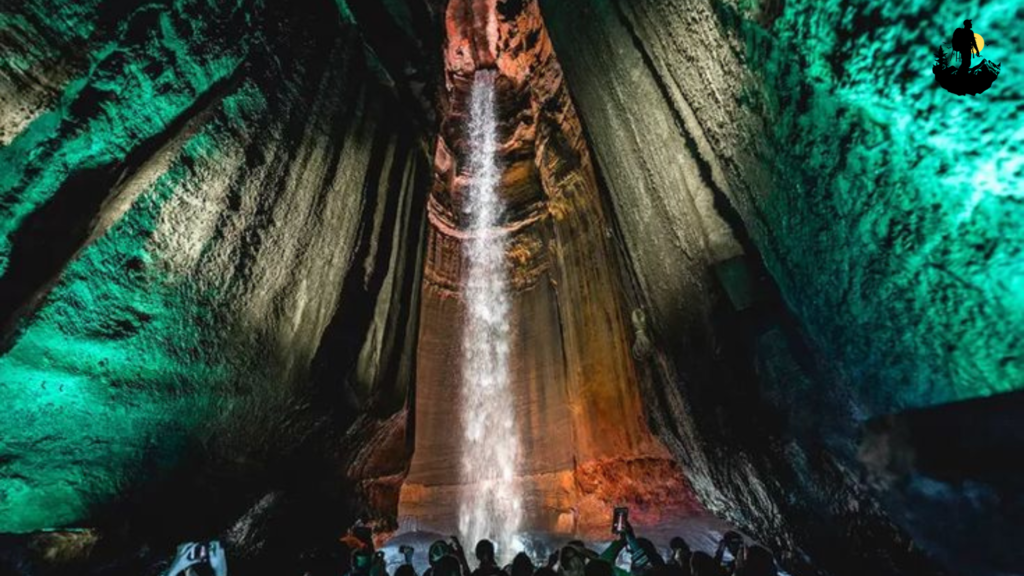
Ruby Falls, Tennessee
Ruby Falls is a hidden underground waterfall tucked deep within Lookout Mountain near Chattanooga, Tennessee. Unlike most waterfalls that reveal themselves in open forests or canyons, Ruby Falls exists inside a vast limestone cave system, creating an experience that feels mysterious and otherworldly. Visitors descend hundreds of feet below the surface through winding passages, where stalactites, stalagmites, and rippling stone formations surround you at every turn. The air is cool and damp, carrying the earthy scent of ancient rock.
As you move deeper into the cave, the sound of rushing water slowly emerges, growing louder with each step. Suddenly, the cavern opens into a massive chamber where Ruby Falls cascades from the ceiling into a dark pool below. Colored lights softly illuminate the waterfall, highlighting the textures of the rock walls and the graceful movement of the falling water. The contrast between darkness and shimmering light gives the scene a dreamlike quality.
The waterfall itself drops about 145 feet, making it the tallest underground waterfall in the United States open to the public. Despite its popularity, the setting retains a sense of wonder and awe. Standing in the dimly lit cavern, listening to the echoing rush of water, you cannot help but feel small in the presence of such hidden power.
Coordinates: Approximate location 35.0000° N, 85.3500° W, Lookout Mountain, Tennessee
Best Photography Spots:
- Main cavern viewing platform: Captures full height of the falls.
- Low-angle near pool edge: Emphasizes scale and depth.
- Side wall perspective: Frames waterfall with cave formations.
- Low-light photography settings recommended; tripods typically not allowed on tours.
Why It Is So Special
Ruby Falls is special because it reveals a spectacular world beneath the surface. It reminds visitors that some of the most breathtaking natural wonders are hidden underground, waiting to be discovered. The combination of geology, darkness, and cascading water creates an unforgettable sensory experience.
- Weather: Constant cool cave temperature year-round
- Best Season to Visit: Year-round
- Budget: $100 to $180 per night nearby
- Best Food Nearby: Southern comfort food, barbecue, local cafés
- Best Places to Stay: Hotels in Chattanooga, mountain cabins, inns
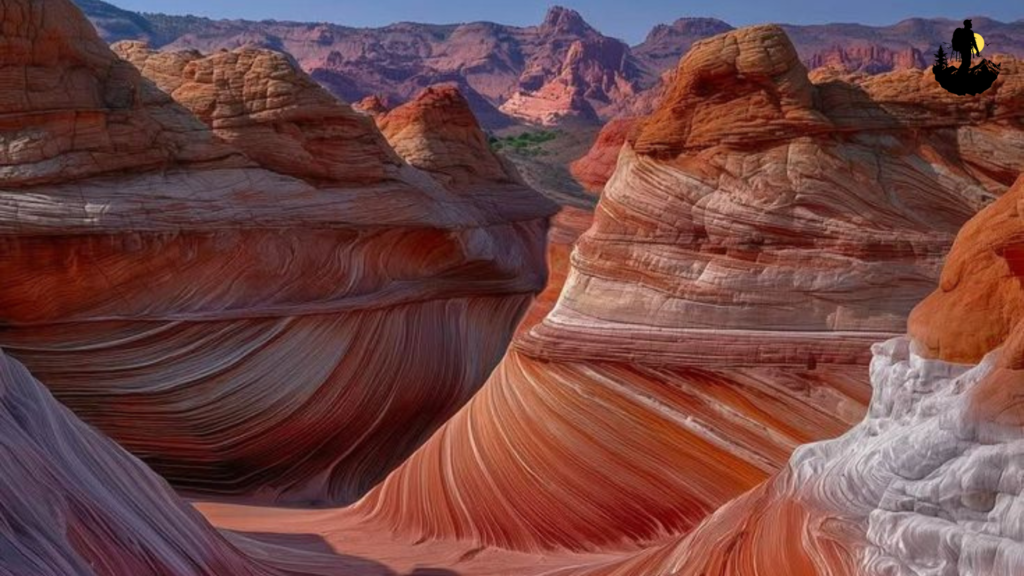
The Wave’s Hidden Pools, Arizona
Scattered across the sandstone landscape near the famous Wave formation in northern Arizona are a series of small, hidden pools that collect rainwater and glow in shades of blue, green, and gold. These ephemeral pools appear after storms, forming delicate mirrors within sculpted rock bowls. Surrounded by flowing lines of red and orange sandstone, the pools feel like secret jewels in an ancient stone tapestry.
Reaching the area requires a permitted hike through remote desert terrain, adding to the sense of exclusivity and adventure. The landscape is vast and quiet, with rolling sandstone ridges, narrow washes, and endless sky. When the pools are present, they create a striking contrast against the dry environment, emphasizing the preciousness of water in the desert.
Photographers are drawn to these hidden natural springs for their reflections and abstract compositions. Depending on the angle of light, the water can appear almost metallic or glass-like. Even when the pools are shallow, they transform the landscape, adding softness and life to the rugged surroundings.
Coordinates: Approximate location 36.9950° N, 112.0050° W, Coyote Buttes North, Arizona
Best Photography Spots:
- Rock bowl close-ups: Capture reflections and color variations.
- Wide-angle of pools within sandstone patterns.
- Low-angle shots at sunrise: Best for warm tones and long shadows.
- A tripod is useful for precise compositions.
Why It Is So Special
The Wave’s hidden pools are special because they are temporary and rare. They exist only when conditions are right, making each encounter unique. They symbolize the quiet resilience of life in the desert and the fleeting beauty that rewards those who explore with patience.
- Weather: Hot summers, cold winters
- Best Season to Visit: Spring and fall
- Budget: $120 to $220 per night nearby
- Best Food Nearby: Southwestern cuisine, small-town diners
- Best Places to Stay: Motels in Kanab, desert lodges, campgrounds
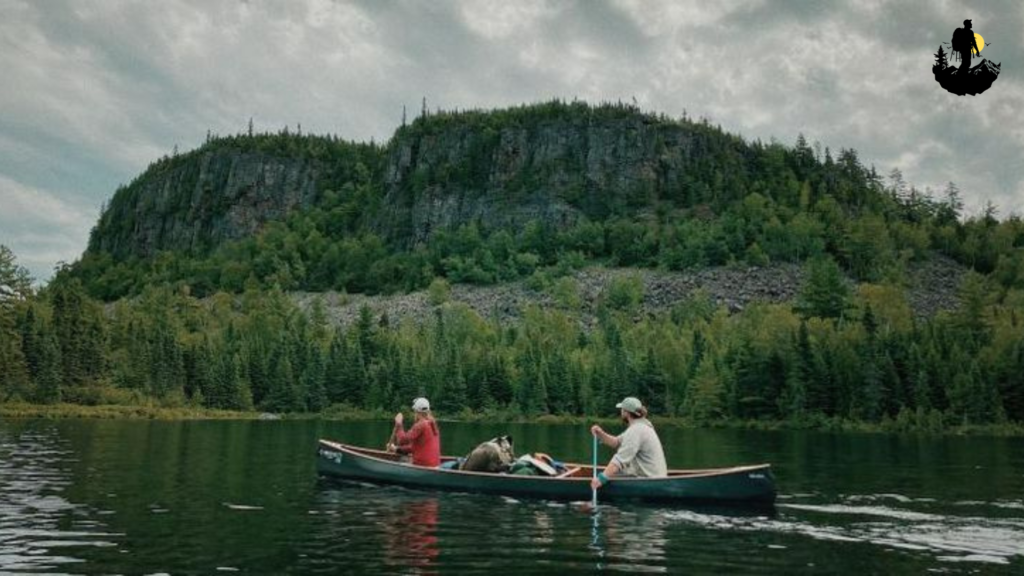
Tips for Visiting Hidden Water Bodies
Research Before You Go
Look up trail conditions, access rules, permit requirements, and seasonal closures. Some hidden spots are located on protected or private land, and knowing the regulations in advance prevents issues and supports conservation.
Check Weather and Water Conditions
Sudden storms, snowmelt, or heavy rain can change water levels quickly. Always review weather forecasts and be cautious of flash-flood-prone areas.
Pack the Essentials
Carry enough water, snacks, sunscreen, insect repellent, and a small first-aid kit. Even short hikes can become challenging without proper supplies.
Wear Proper Footwear
Choose sturdy, non-slip hiking shoes or trail sandals. Rocks near water bodies are often slick and uneven.
Start Early
Early mornings usually mean fewer crowds, cooler temperatures, and better lighting for photography.
Follow Leave No Trace Principles
Stay on marked trails, pack out all trash, and avoid disturbing plants, rocks, or wildlife.
Use Eco-Friendly Products
If swimming is allowed, use biodegradable or reef-safe sunscreen to protect water quality.
Respect Wildlife
Observe animals from a distance and never feed them.
Tell Someone Your Plan
Share your location and expected return time with a friend or family member, especially when visiting remote areas.
Move Slowly and Stay Present
Take time to sit, listen, and enjoy the surroundings instead of rushing from place to place.
These simple tips help ensure your adventure is safe, meaningful, and respectful to the natural world.
Final Words
Hidden water bodies of the United States remind us that some of the most extraordinary places are not always the easiest to find. They exist beyond highways and crowded viewpoints, tucked into forests, deserts, mountains, and underground chambers, quietly waiting for those willing to seek them out. Each hidden waterfalls, pool, and waterfall tells its own story, shaped by time, geology, and the gentle persistence of flowing water.
These places offer more than visual beauty. They provide moments of reflection, connection, and humility. Standing beside a secluded waterfall or gazing into a crystal-clear spring often brings a sense of calm that is difficult to find in everyday life. In a world that moves quickly, hidden water bodies invite us to slow down, to notice, and to remember our place within the natural world.
Protecting these special places is just as important as discovering them. Responsible travel, respect for local rules, and mindful behavior ensure that future generations will have the opportunity to experience the same sense of wonder. When we treat these landscapes with care, we become part of their story, not just visitors passing through.
Ultimately, exploring hidden water bodies is not about chasing perfection or collecting photos. It is about curiosity, patience, and the joy of stumbling upon something beautiful and unexpected. Whether you journey to a remote canyon oasis or a quiet forest pool, these hidden waters have a way of leaving a lasting impression, reminding us that nature’s most meaningful gifts are often found off the beaten path.

✦ Related Articles You May Love
- Living Like A Local In Remote U S Regions
- Hidden Homestay Experiences In Offbeat U S Towns
- Folklore And Legends From The Deep South
- How To Find Hidden Adventure Spots Across The Usa
- Essential Packing Tips For U S Hiking Trips
- Budget Travel Hacks For Exploring U S Trails
- Safety Tips For Hiking Hidden Trails In The Usa
- Best Seasons To Visit Hidden U S Parks
- Eco Friendly Ways To Explore Remote U S Destinations
- How To Reach Hard To Access U S Adventure Spots
- Navigating Road Trips To Lesser Known U S Parks
- Apps That Reveal Hidden Trails And Campsites
- How To Stay Connected In Remote U S Areas
- Capturing Hidden Landscapes Of The American West
- Capturing Hidden Motion Long Exposure Photography In U S National Parks
- Night Sky Photography In Americas Dark Sky Parks
- Photo Walks Through Hidden U S Small Towns
- Reflections Photography On Hidden U S Lakes
- Rock Climbing In Lesser Known U S Spots
- Trail Running Through Hidden Forest Paths
- Mountain Biking Adventures In The Pacific Northwest
- Paragliding Above Secret U S Peaks
- Scuba Diving Hidden Reefs In The Florida Keys
- Abandoned Ghost Towns In The American West
- Hidden Architectural Gems Across The Usa
- Discovering Truly Local Favourite Hiking Trail Usa
- Travel Mistakes To Avoid On U S Hidden Trails
- Solo Adventures In Remote U S Locations
- How Tourism Is Changing Hidden American Spots
- Hidden U S Destinations That Inspired Great Art
- Americas Forgotten Ghost Stories And Legends
- Short Hidden Hikes Under 5 Miles In The Usa
- Abiqua Falls Oregons Most Hidden Waterfall In The Pacific Northwest
- Exploring Hidden Islands In The Florida Keys
- Hidden Trails Secret Canyons Offbeat Hiking Escapes In The American Southwest
- Lesser Known National Parks Usa Hidden Gems To Explore In 2025
- Secret Caves To Explore In The Appalachian Mountains
- A Bloomseekers Paradise The Wildflower Trails In The Rocky Mountains
- Scenic Mountain Passes Few Know In Colorado Hidden And Adventurous Places You Must Explore
- Kayaking Through Hidden Rivers Of The South
- Underrated Desert Oases In The Southwest Usa
- Seasonal Hidden Wonders In U S National Parks
- Hidden Hot Springs In The Western United States Your Guide To Real Relaxation
- Snow Covered Winter Trails No One Talks About
- Secret Coastal Cliffs To Explore In California
- Underground Crystal Caves In The United States
- Untouched Forest Sanctuaries In The Northeast
- Stories From Rural Americas Forgotten Communities
- Hidden Artisan Markets In The Midwest Your Ultimate Guide
- Local Foods Found Only In Small Town America