Road Trip Master Guide for Hidden U.S. Destinations
The United States is filled with iconic landmarks and road trips, but some of its most unforgettable experiences lie far from crowded tourist hubs. Hidden beaches, remote mountain valleys, desert canyons, and quiet forest towns offer travelers something rare: space, silence, and authenticity.
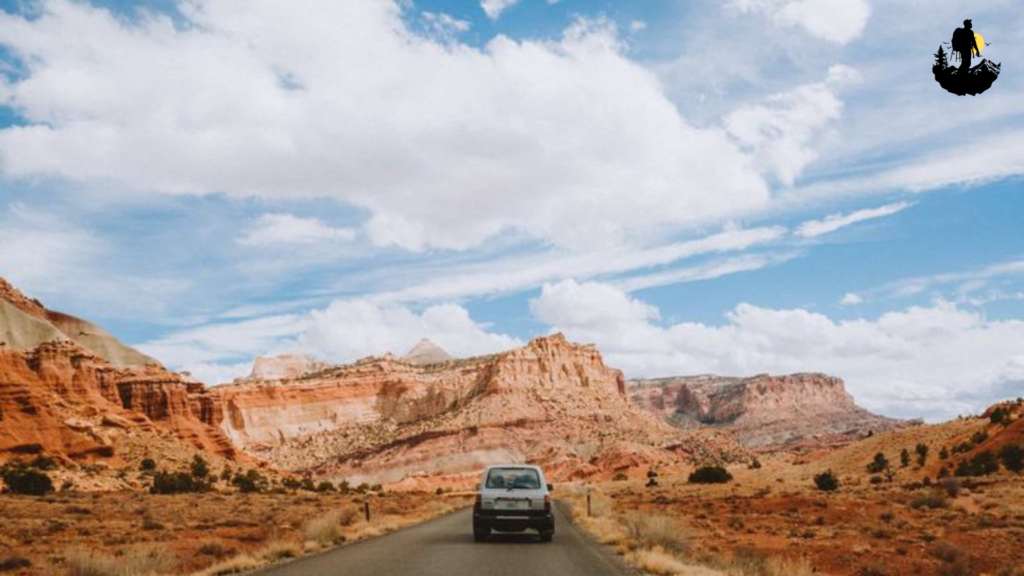
A road trip is the perfect way to uncover these lesser known gems at your own pace. Instead of rushing between famous cities, you can explore scenic backroads, local diners, and natural wonders few people ever see. This master guide will help you plan the ultimate hidden road trip usa destination across America.
The Freedom of Exploring America’s Lesser Known Roads
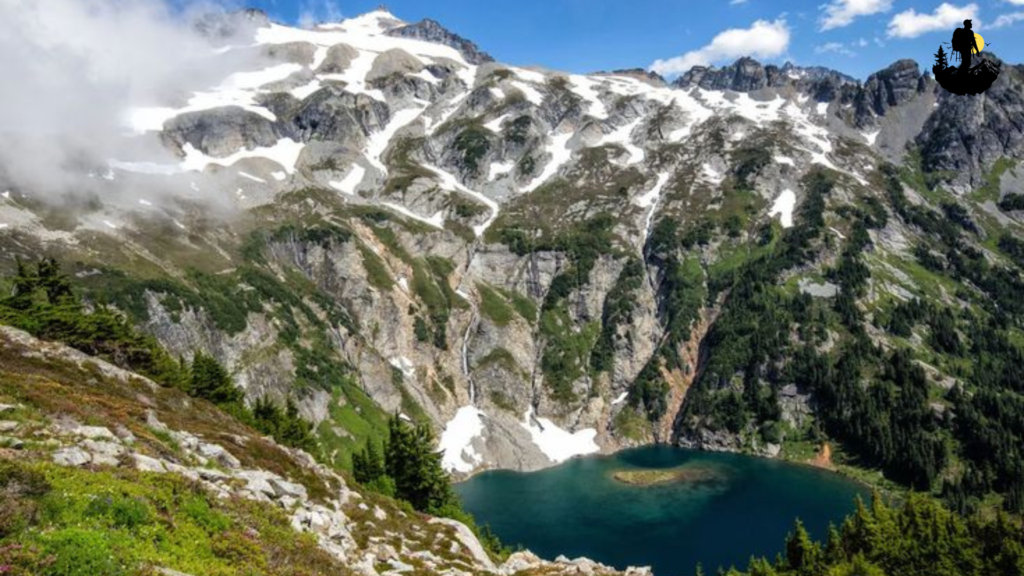
North Cascades National Park, Washington
Tucked away in northern Washington State near the Canadian border, North Cascades National Park is often called the American Alps. Despite its dramatic peaks, alpine lakes, and glaciers, it remains one of the least visited national parks in the country. That makes it a dream destination for road trippers seeking raw wilderness without heavy crowds.
Why It’s Perfect for a Hidden Road Trip
Unlike major parks packed with tour buses, North Cascades feels untouched. The drive along the North Cascades Highway is one of the most scenic in America. Twisting roads reveal snowcapped peaks, emerald forests, and bright turquoise lakes formed by glacial melt.
Here’s what makes it special:
- Jagged mountain peaks rising dramatically from forested valleys
- Brilliant blue waters of Diablo Lake
- Dozens of uncrowded hiking trails
- Quiet campgrounds with star filled skies
- Wildlife including black bears and mountain goats
The experience is peaceful and immersive. You can pull over at scenic overlooks without fighting for parking and hike miles without seeing another group.
Best Stops on the Road
Diablo Lake Overlook
This viewpoint offers a panoramic look at electric blue water surrounded by forest and mountains. Early morning and sunset provide incredible lighting.
Cascade Pass Trail
One of the most rewarding hikes in the region. Wildflowers bloom in summer, and the mountain views feel endless.
Ross Lake
A long, quiet reservoir perfect for kayaking or simply relaxing by the water.
Road Trip Planning Tips
The best time to visit is late summer when snow has cleared high elevation trails. Winters are harsh and many roads close due to snow.
Pack:
- Layers for changing mountain weather
- Bear safe food storage
- A full tank of gas before entering remote sections
- Offline maps since service is limited
Camp inside the park for a full wilderness experience or stay in nearby small towns like Winthrop for rustic charm.
North Cascades rewards slow travel. Instead of rushing through, plan multiple days to explore trails, scenic drives, and hidden viewpoints. It’s a place where nature dominates and crowds disappear.
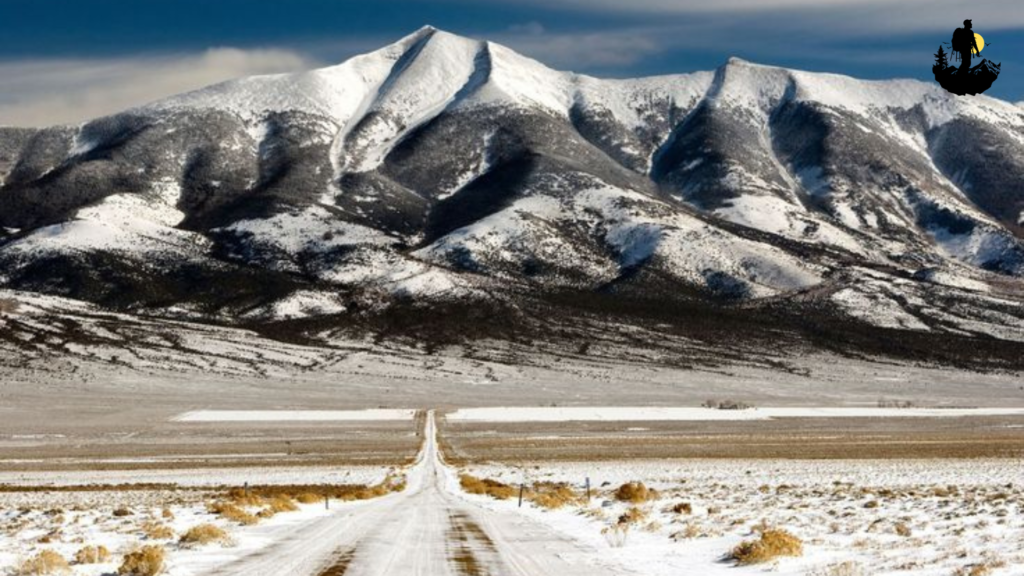
Great Basin National Park, Nevada
Far from the bright lights of Las Vegas lies one of America’s most underrated treasures: Great Basin National Park. Located in eastern Nevada near the Utah border, this park feels like stepping into another world. Desert valleys meet alpine peaks, ancient trees stand twisted by time, and the night skies are among the darkest in the country.
A Landscape Few Travelers Discover
Great Basin surprises visitors with its diversity. Many expect flat desert terrain, but instead they find towering mountains and lush alpine forests.
Highlights include:
- Wheeler Peak rising above 13,000 feet
- Ancient bristlecone pine trees over 4,000 years old
- Lehman Caves filled with marble formations
- Stargazing under incredibly dark skies
- Scenic mountain drives with minimal traffic
This is a true hidden gem. Even during peak travel seasons, you may find yourself alone on major trails.
Must See Experiences
Lehman Caves
A guided tour takes you underground to see intricate limestone formations and rare cave shields.
Bristlecone Pine Grove
These ancient trees are among the oldest living organisms on Earth. Walking among them feels surreal.
Wheeler Peak Scenic Drive
A high elevation road leading to breathtaking alpine views and trailheads.
Stargazing
Because of minimal light pollution, Great Basin offers world class night sky viewing. On clear nights, the Milky Way is vivid and expansive.
Planning the Perfect Visit
Spring and fall provide cooler temperatures. Summer is pleasant at higher elevations but hot in the lower valleys.
Bring:
- Plenty of water for desert conditions
- Warm layers even in summer
- Flashlights for nighttime exploration
- Snacks and fuel since services are limited
Camping inside the park enhances the remote atmosphere. If you prefer comfort, small motels in nearby Baker, Nevada provide simple accommodations.
Why It’s Ideal for a Road Trip
The journey to Great Basin is part of the adventure. Long stretches of open highway create a sense of freedom and solitude. You can drive for miles without seeing another vehicle. It’s the perfect destination for travelers who value quiet landscapes over busy attractions.
Unlike major destinations filled with gift shops and crowds, Great Basin offers authenticity. You experience nature without distractions. You wake up to crisp mountain air, hike through ancient forests, and fall asleep under a sky filled with stars.
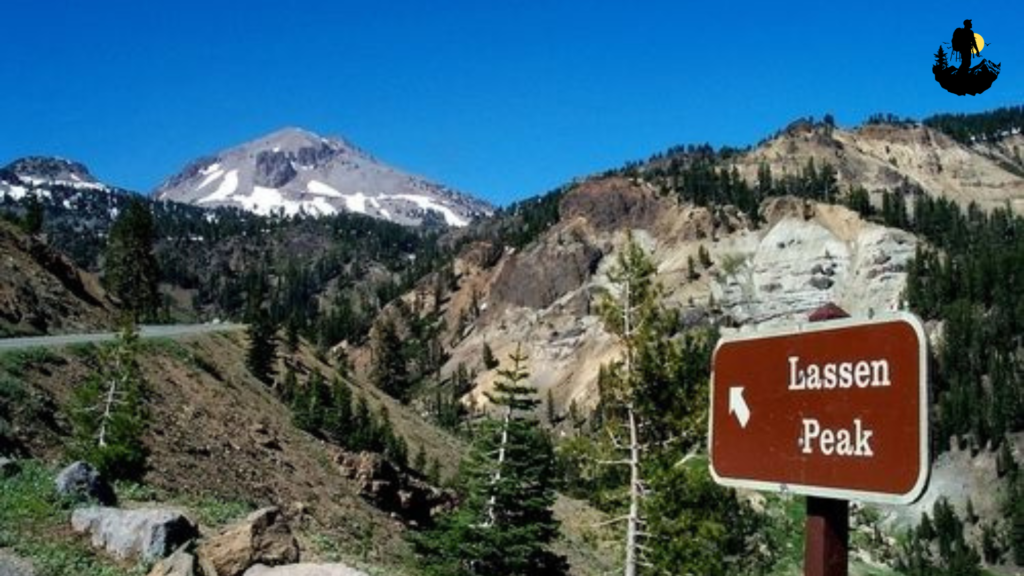
Lassen Volcanic National Park, California
Located in northern California far from the heavy crowds of Yosemite, Lassen Volcanic National Park is one of the most unique and underrated parks in the country. This hidden gem is where all four types of volcanoes found in the world exist in one place. Bubbling mud pots, steaming fumaroles, crystal clear alpine lakes, and forested mountains create a dramatic and surreal landscape.
For road trippers seeking adventure without packed parking lots, Lassen delivers solitude and geological wonder.
Why It’s a Hidden Road Trip Treasure
Many travelers heading through California focus on coastal highways or famous parks. Lassen sits quietly in the northeast corner of the state, often overlooked. That means more space, more silence, and more personal connection to the landscape.
What makes it special:
- Active geothermal areas you can walk through
- Snow capped peaks even in late spring
- Bright blue lakes ideal for kayaking
- Wildflower meadows in early summer
- Minimal crowds compared to major California parks
Driving the Lassen Volcanic Scenic Byway feels like traveling through multiple ecosystems in a single afternoon.
Must Visit Spots
Bumpass Hell
This geothermal basin features bubbling pools, steam vents, and sulfur scents that feel almost otherworldly. Boardwalk trails allow safe exploration.
Lassen Peak Trail
A challenging but rewarding hike to the summit of one of the largest plug dome volcanoes in the world. On clear days, views stretch for miles.
Manzanita Lake
Perfect for canoeing, photography, and sunset reflections of Lassen Peak.
Kings Creek Falls
A scenic waterfall hike that feels secluded and peaceful.
Planning Tips for Your Road Trip
Summer is the best time to visit. Heavy snowfall closes roads through late spring, so check conditions before arrival.
Pack:
- Layered clothing for elevation changes
- Hiking boots for rocky terrain
- Plenty of water
- Sun protection at higher elevations
Stay inside the park campgrounds for immersive wilderness nights, or book a cabin in nearby small towns like Chester.
Lassen is ideal for travelers who love raw nature without distractions. It is quiet, wild, and deeply refreshing.
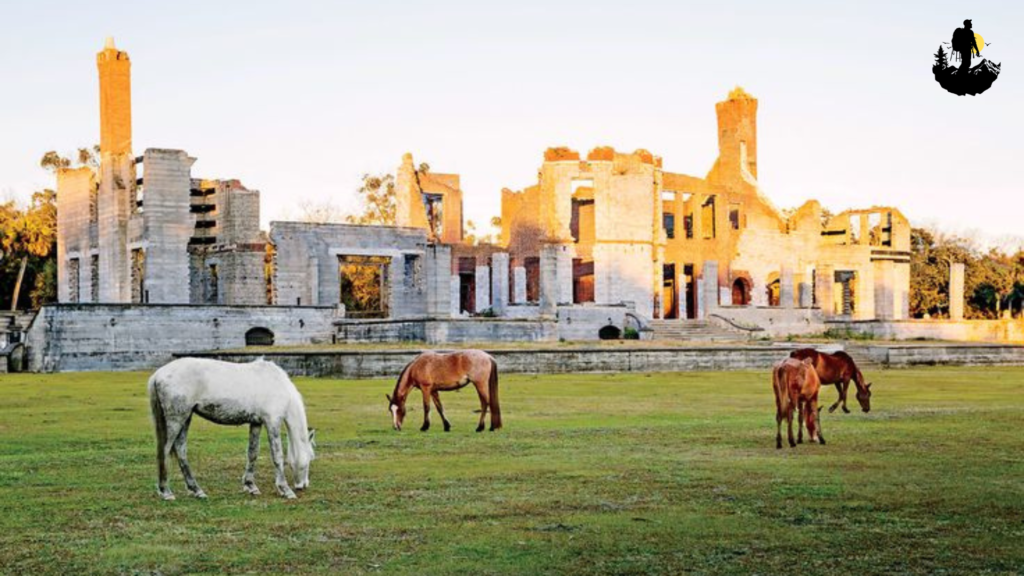
Cumberland Island, Georgia
Off the coast of Georgia lies one of the most enchanting hidden destinations in America: Cumberland Island National Seashore. Accessible only by ferry, this barrier island feels untouched by modern life. Wild horses roam freely, driftwood covered beaches stretch for miles, and historic ruins sit quietly among moss draped trees.
For road trippers exploring the southeastern United States, adding Cumberland Island creates a memorable and unique detour.
What Makes It Special
Unlike crowded Florida beaches, Cumberland offers solitude. There are no large hotels, no boardwalks, and no commercial development beyond basic facilities.
Highlights include:
- Wild horses wandering near dunes
- Secluded beaches with dramatic driftwood formations
- The hauntingly beautiful Dungeness Ruins
- Dense maritime forests
- Peaceful bike friendly trails
The atmosphere feels timeless. You step off the ferry and immediately notice the absence of noise.
Key Experiences
Dungeness Ruins
Remnants of a grand mansion built by the Carnegie family now sit covered in vines. It’s one of the most photogenic historic sites in the region.
Driftwood Beach
Bleached tree trunks scattered across the sand create a surreal landscape, especially at sunrise.
Wild Horse Sightings
Descendants of horses brought centuries ago roam freely across the island.
Camping by the Shore
Pitch a tent and fall asleep to ocean waves without crowds.
Road Trip Planning Tips
Because access is limited, planning is essential. Ferries depart from St. Marys, Georgia, and reservations are required.
Bring:
- Food and water since supplies are limited
- Bug spray during warmer months
- Comfortable walking shoes
- A camera for wildlife photography
Pair Cumberland Island with a scenic coastal road trip guide through Georgia and northern Florida for a balanced adventure.
This destination is perfect for travelers seeking quiet beaches and historic mystery rather than party atmospheres.
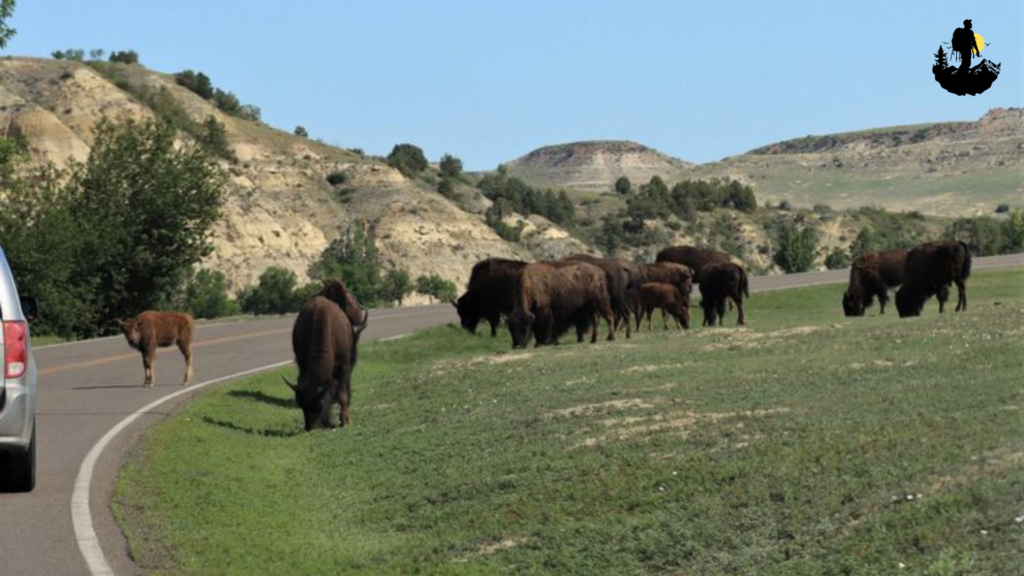
Theodore Roosevelt National Park, North Dakota
In western North Dakota lies one of the most overlooked landscapes in America: Theodore Roosevelt National Park. Vast badlands stretch across the horizon in layers of red, gold, and brown. Wild bison graze peacefully, wild horses roam freely, and scenic drives reveal dramatic rock formations.
For road trippers crossing the northern plains, this park offers cinematic scenery without heavy visitation.
A Landscape of Solitude and History
Named after President Theodore Roosevelt, who credited this region with shaping his conservation values, the park combines natural beauty with historical significance.
Why it stands out:
- Colorful layered badlands
- Large bison herds
- Quiet scenic loops
- Stunning sunsets over open plains
- Minimal traffic compared to western parks
Driving through the park feels expansive and peaceful.
Highlights Along the Road
Scenic Loop Drive
A winding route offering multiple pullouts with sweeping views of badlands formations.
Painted Canyon Overlook
A dramatic introduction to the park’s layered landscape.
Wildlife Viewing
Bison, prairie dogs, wild horses, and deer are commonly spotted.
Hiking Trails
Short and long trails wind through colorful terrain with panoramic views.
Planning Your Visit
Late spring through early fall offers the most comfortable weather. Summers are warm but manageable, and autumn brings fewer visitors.
Pack:
- Binoculars for wildlife viewing
- Sun protection
- Plenty of water
- A flexible schedule to enjoy scenic stops
Camping inside the park allows deeper immersion into the landscape. Small nearby towns like Medora provide lodging and dining options.
Why It Belongs on Your Hidden Road Trip List
Theodore Roosevelt National Park provides wide open spaces that feel authentically American. It is not flashy, not commercial, and not overcrowded. Instead, it offers raw beauty and quiet reflection.
If your road trip crosses the northern United States, this park deserves a stop. It delivers wildlife, dramatic scenery, and peaceful driving routes that define the freedom of the open road.
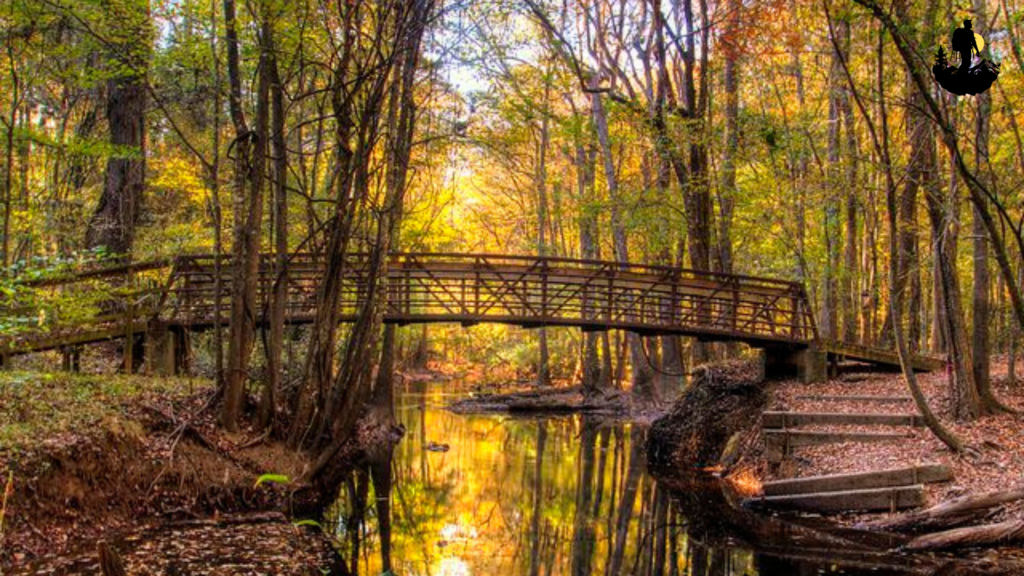
Congaree National Park, South Carolina
Tucked away in central South Carolina, Congaree National Park protects one of the largest intact expanses of old growth bottomland hardwood forest in the United States. While many travelers flock to coastal beaches or the Smoky Mountains, Congaree remains remarkably uncrowded. It is a place of towering trees, quiet boardwalks, and peaceful river paddling.
For road trippers exploring the Southeast, Congaree offers a completely different experience from mountain or desert landscapes. It is lush, humid, and alive with biodiversity.
Why It’s a Hidden Gem
Congaree is often overlooked because it lacks dramatic peaks or iconic landmarks. Instead, its beauty lies in subtle details and immersive nature.
What makes it special:
- Some of the tallest trees in eastern North America
- Elevated boardwalk trails through swampy forest
- Canoeing and kayaking along the Congaree River
- Exceptional bird watching
- Fireflies that synchronize in late spring
The park feels almost prehistoric. Massive bald cypress and tupelo trees rise from floodplains, their roots spreading wide like natural sculptures.
Must Experience Activities
Boardwalk Loop Trail
This easy, accessible trail winds through the forest canopy and floodplain. It is ideal for a peaceful walk while observing wildlife.
Cedar Creek Canoe Trail
Paddling through calm waters beneath towering trees creates a magical atmosphere. Reflections of the forest shimmer in the water.
Synchronous Fireflies
In late May and early June, the forest lights up at night with synchronized flashes. It is a rare natural phenomenon.
Road Trip Planning Tips
Spring and fall offer the most comfortable weather. Summers can be hot and humid, and mosquitoes are common.
Bring:
- Bug spray
- Lightweight breathable clothing
- Waterproof shoes if hiking lower trails
- Plenty of water
Camping inside the park provides a quiet escape from city life. Congaree is perfect for travelers who appreciate slow exploration and peaceful environments.
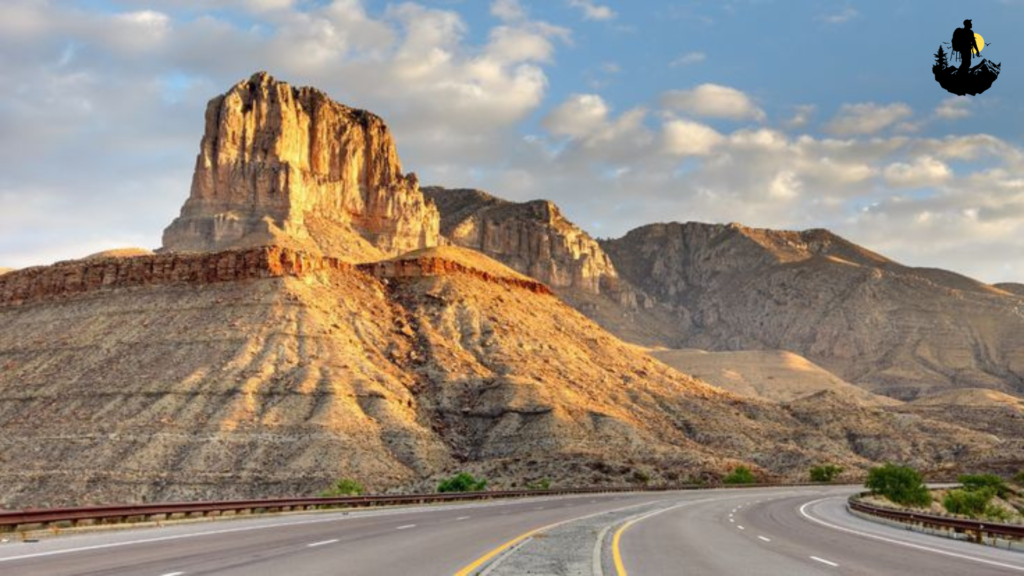
Guadalupe Mountains National Park, Texas
Located in far western Texas near the New Mexico border, Guadalupe Mountains National Park is one of the most underrated mountain destinations in America. While many road trippers head toward Big Bend, Guadalupe Mountains offers equally dramatic scenery with fewer visitors.
Home to the highest peak in Texas, this park features rugged limestone cliffs, desert landscapes, and surprising alpine forests at higher elevations.
What Makes It Special
Guadalupe Mountains is raw and dramatic. The towering El Capitan formation rises sharply from the desert floor, visible from miles away.
Highlights include:
- Guadalupe Peak, the highest point in Texas
- McKittrick Canyon with vibrant fall colors
- Vast desert views stretching to the horizon
- Fossilized reef formations millions of years old
- Quiet hiking trails with minimal traffic
This is a place for adventurous road trippers who enjoy challenging hikes and expansive views.
Key Experiences
Guadalupe Peak Hike
A strenuous climb rewarded with panoramic views across Texas and New Mexico.
McKittrick Canyon
Known as a hidden oasis, especially beautiful in autumn when leaves change color.
Devil’s Hall Trail
A rocky hike through a natural stone corridor leading to a dramatic staircase formation.
Planning Your Visit
Fall and spring provide the best temperatures. Summers can be extremely hot at lower elevations.
Pack:
- Plenty of water
- Sun protection
- Sturdy hiking boots
- Snacks, as services are limited
This park is ideal for those who crave solitude and physical challenge during their road trip.
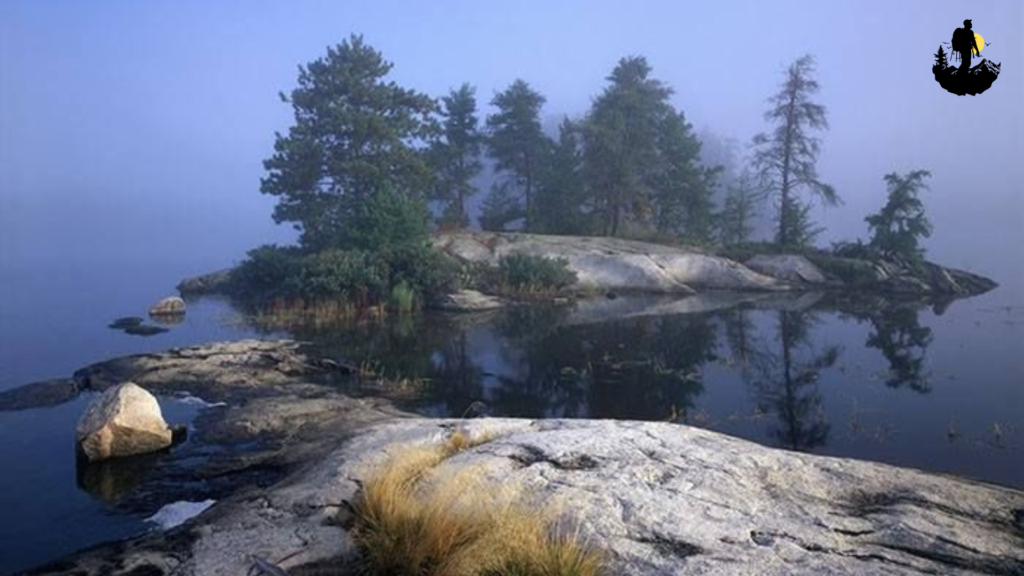
Voyageurs National Park, Minnesota
In northern Minnesota near the Canadian border lies Voyageurs National Park, a water based wilderness rarely included in typical travel itineraries. Unlike most national parks, Voyageurs is primarily explored by boat.
For road trippers traveling through the Midwest, this destination offers lakes, forests, and remote island camping far from crowded attractions.
Why It’s Unique
Voyageurs is defined by interconnected waterways. Dense forests surround sparkling lakes, and loons call across the water at dusk.
Key features:
- Four large lakes connected by channels
- Island campsites accessible only by boat
- Exceptional fishing
- Northern lights visible on clear nights
- Quiet paddling routes
This park offers tranquility and an authentic Northwoods atmosphere.
Best Experiences
Boat Exploration
Renting a boat or kayak is the best way to experience the park.
Island Camping
Stay overnight on a remote island campsite surrounded by water.
Stargazing and Northern Lights
Dark skies make it possible to see vivid stars and occasionally the aurora borealis.
Planning Tips
Summer is the best season for comfortable boating. Fall brings colorful foliage and fewer visitors.
Bring:
- Navigation maps for waterways
- Life jackets
- Insect repellent
- Warm clothing for cool evenings
Voyageurs is perfect for travelers who enjoy water adventures and peaceful forest settings.
Craters of the Moon National Monument, Idaho
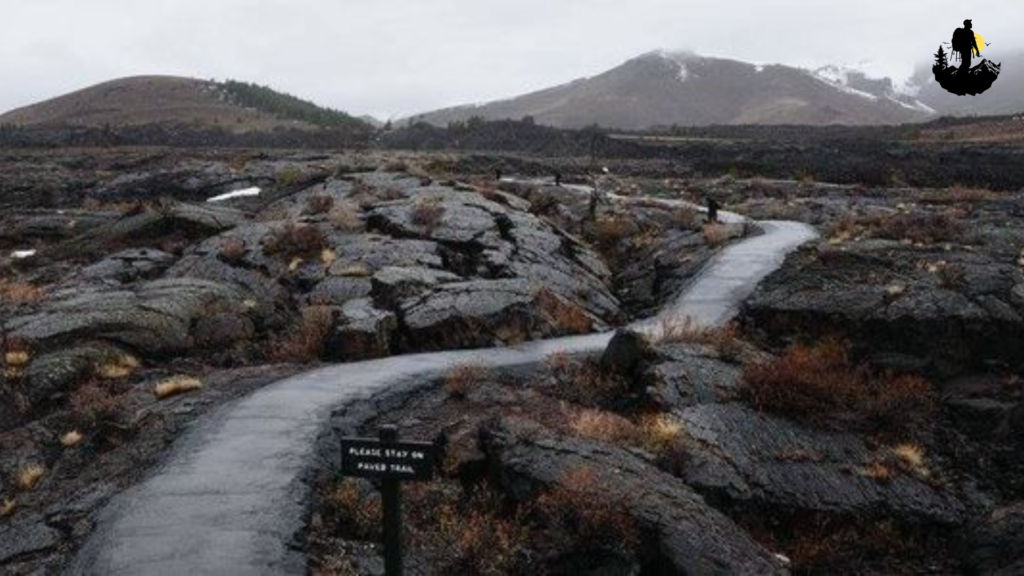
In central Idaho, Craters of the Moon National Monument and Preserve offers a landscape that feels like another planet. Vast lava fields stretch across the horizon, dotted with volcanic cones and caves.
Often bypassed by travelers heading to Yellowstone, this destination provides a surreal and uncrowded stop along an Idaho road trip.
What Makes It Stand Out
The terrain is stark and dramatic. Black lava rock contrasts sharply with bright blue skies.
Highlights include:
- Lava tube caves
- Volcanic cinder cones
- Scenic loop drive
- Unique plant life adapted to harsh conditions
- Incredible night skies
It is both educational and visually striking.
Must See Areas
Inferno Cone
A short but steep hike with panoramic views over lava fields.
Lava Tube Caves
Explore underground tunnels formed by flowing lava.
Scenic Loop Drive
A paved route offering multiple viewpoints and trail access.
Road Trip Advice
Late spring through early fall is ideal. Summer days can be hot, but evenings cool quickly.
Bring:
- Flashlights for cave exploration
- Sturdy shoes for rough lava rock
- Sun protection
- Water, as shade is limited
Craters of the Moon adds a dramatic and unexpected chapter to any western U.S. road trip.
Here are three more hidden U.S. road trip Destinations
Dry Tortugas National Park, Florida
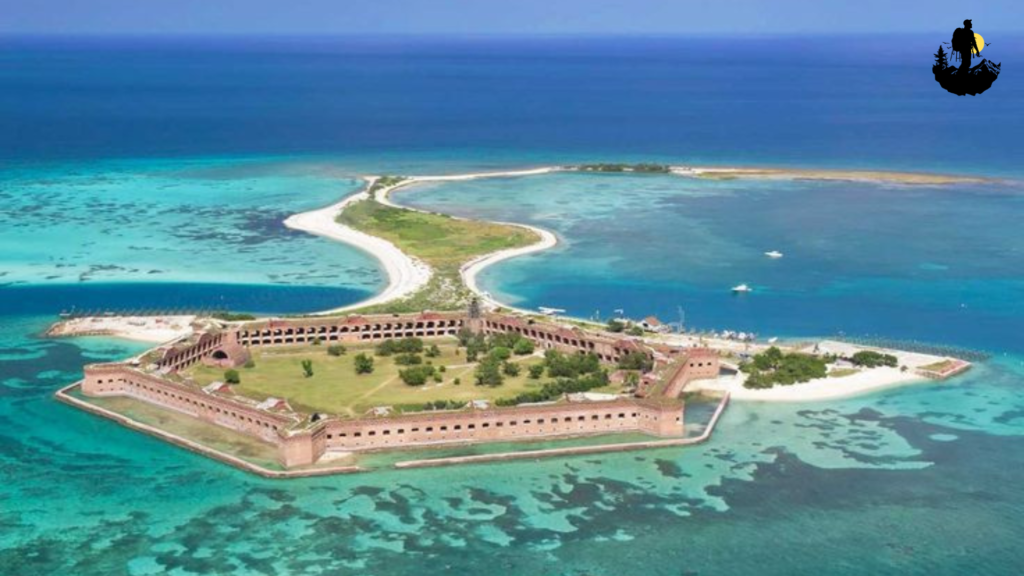
Located nearly 70 miles west of Key West in the Gulf of Mexico, Dry Tortugas National Park is one of the most remote and least visited national parks in the United States. Accessible only by boat or seaplane, this hidden paradise feels like a secret reserved for adventurous road trippers willing to go the extra mile.
While Florida is famous for theme parks and crowded beaches, Dry Tortugas offers turquoise waters, coral reefs, and a massive historic fort surrounded by open ocean.
Why It’s a True Hidden Gem
Reaching Dry Tortugas requires effort, which naturally limits crowds. Most visitors begin their road trip in Key West, then continue by ferry or charter boat to the park. The journey itself adds to the sense of adventure.
What makes it special:
- Crystal clear water ideal for snorkeling
- Historic Fort Jefferson rising from the sea
- Secluded beaches with powdery white sand
- Vibrant marine life and coral reefs
- Spectacular sunsets over open water
Because development is nonexistent, the experience feels raw and untouched.
Must Experience Highlights
Fort Jefferson
This massive 19th century coastal fortress dominates the island. You can walk along its brick walls and imagine life in a remote military outpost.
Snorkeling Around the Fort
Calm waters around the fort reveal tropical fish, coral formations, and sometimes sea turtles.
Bush Key
During certain seasons, visitors can walk across a sandbar to this quiet stretch of beach filled with nesting seabirds.
Stargazing
With minimal light pollution, the night sky here is extraordinary.
Road Trip Planning Tips
Summer brings warmer waters but also the possibility of storms. Winter offers calmer conditions and pleasant temperatures.
Bring:
- Snorkeling gear
- Reef safe sunscreen
- Plenty of water and food
- Motion sickness remedies if needed
Since camping is available on the island, staying overnight provides an unforgettable experience once day visitors depart. Dry Tortugas is perfect for road trippers seeking tropical isolation and history combined.
Black Canyon of the Gunnison National Park, Colorado
In western Colorado, Black Canyon of the Gunnison National Park remains one of the most overlooked canyon destinations in America. While the Grand Canyon receives millions of visitors annually, Black Canyon offers dramatic cliffs and dizzying depths with a fraction of the traffic.
This narrow, steep canyon carved by the Gunnison River creates some of the most intense vertical scenery in the country.
What Makes It Unique
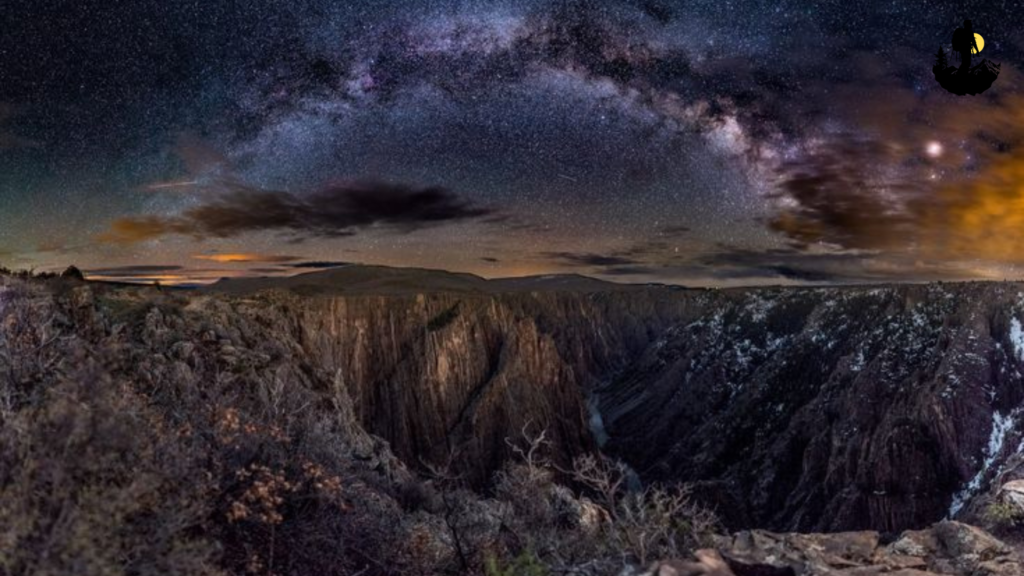
The canyon walls plunge nearly 2,000 feet straight down in certain sections. The dark rock and narrow openings limit sunlight, giving the canyon its name.
Key features include:
- Sheer vertical cliffs
- Powerful river far below
- Scenic rim drives
- Challenging inner canyon hikes
- Designated dark sky park status
The scale feels immense, yet the quiet atmosphere makes it deeply personal.
Top Experiences
South Rim Drive
An easy and scenic route with multiple overlooks offering breathtaking canyon views.
Painted Wall Viewpoint
The tallest cliff in Colorado displays dramatic streaks of lighter rock against dark stone.
Inner Canyon Routes
For experienced hikers, steep descents into the canyon provide an intense adventure.
Stargazing
Clear skies and limited light pollution create incredible nighttime viewing opportunities.
Planning Advice
Late spring through early fall is ideal. Winters bring snow and limited access to certain roads.
Pack:
- Plenty of water
- Hiking poles for steep terrain
- Layered clothing
- A camera with wide angle capability
Black Canyon is perfect for road trippers who crave dramatic scenery without massive crowds.
Channel Islands National Park, California
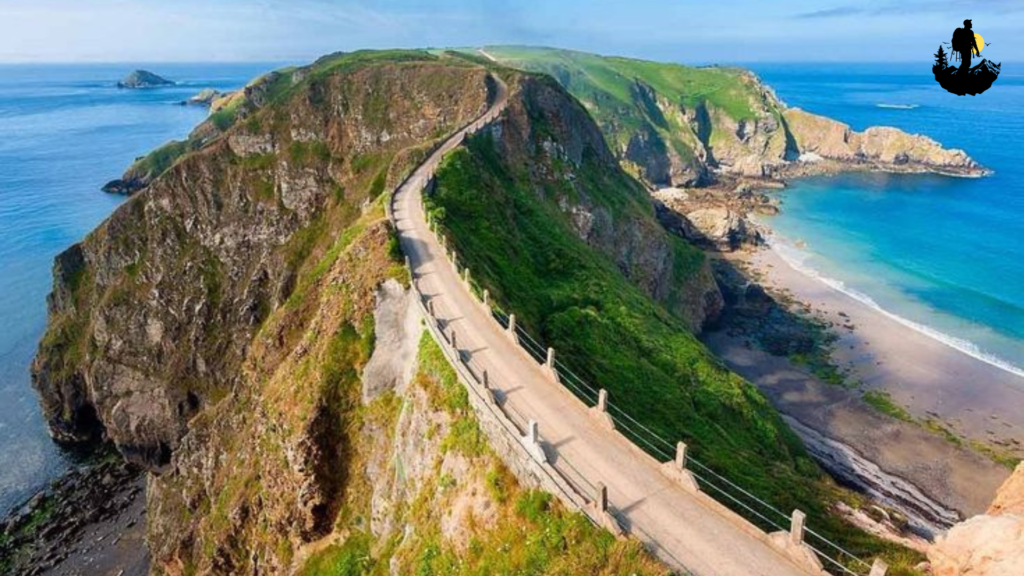
Off the coast of Southern California lies Channel Islands National Park, often called the Galapagos of North America. Though located near major cities like Los Angeles, the islands feel incredibly remote.
Accessible only by boat or small plane, this national park consists of five rugged islands with cliffs, sea caves, and unique wildlife found nowhere else.
Why It’s a Hidden Treasure
Despite its proximity to populated areas, visitation remains low compared to mainland parks. Once you step onto the islands, there are no hotels, no shops, and minimal infrastructure.
Highlights include:
- Dramatic coastal cliffs
- Sea caves perfect for kayaking
- Unique island fox species
- Crystal clear waters
- Remote camping experiences
The sense of isolation is immediate and refreshing.
Best Activities
Kayaking Through Sea Caves
Exploring coastal caves reveals vibrant marine life and stunning rock formations.
Hiking Coastal Trails
Trails along island cliffs offer panoramic views of the Pacific Ocean.
Wildlife Watching
Spotting island foxes, seabirds, and migrating whales adds excitement to the journey.
Camping by the Ocean
Spending the night allows you to experience peaceful sunsets and star filled skies.
Road Trip Planning Tips
Summer and early fall provide calmer seas for boat travel. Always book transportation in advance.
Bring:
- Windproof clothing
- Sufficient food and water
- Snorkeling gear
- Motion sickness remedies
Channel Islands is ideal for road trippers who want coastal adventure without tourist crowds. Pairing it with a scenic Pacific Coast drive creates a balanced and unforgettable journey.
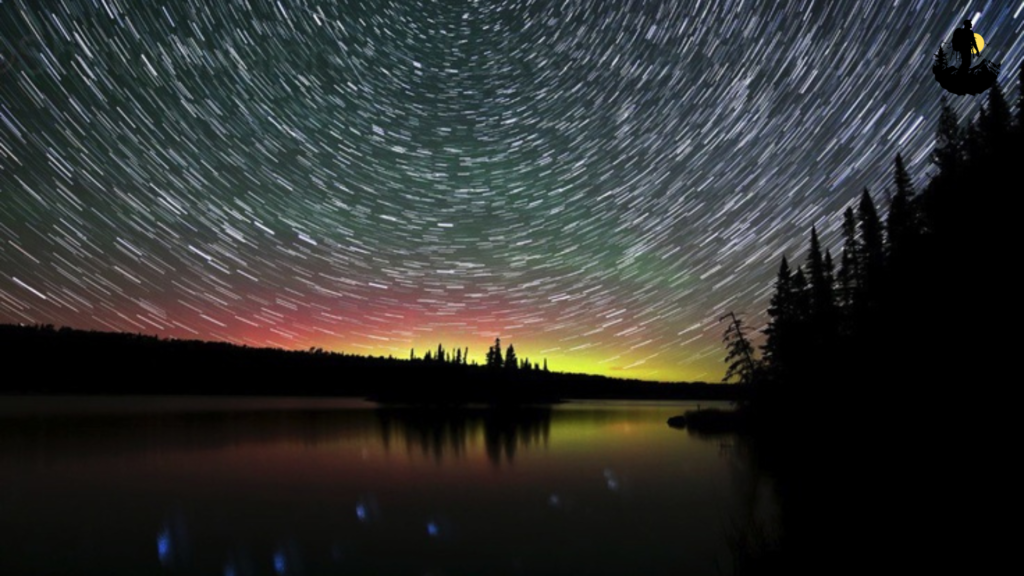
Isle Royale National Park, Michigan
Far out in the cold blue waters of Lake Superior sits one of America’s most isolated national parks: Isle Royale National Park. Located near the Canadian border and accessible only by ferry or seaplane, Isle Royale feels like stepping into a remote northern wilderness few travelers ever experience.
Unlike most national parks that you can simply drive into, reaching Isle Royale requires commitment. That alone keeps visitation low and preserves its raw, untamed character. For road trippers exploring the Upper Midwest, especially Michigan’s Upper Peninsula, adding Isle Royale transforms a typical drive into a true expedition.
Why It’s a Hidden Road Trip Treasure
Isle Royale is not about convenience. It is about immersion. The island stretches over 45 miles long and is surrounded by hundreds of smaller islands. There are no cars on the island, no major resorts, and no commercial development beyond basic lodging and campsites.
What makes it extraordinary:
- Remote wilderness surrounded by Lake Superior
- Dense boreal forests and rocky shorelines
- A famous wolf and moose ecosystem
- Quiet backcountry hiking trails
- Incredible solitude even during summer
Because it is so isolated, you often hike for hours without encountering another group. The silence is powerful. The only sounds are wind through pine trees and waves hitting rocky shores.
Signature Experiences
Backcountry Hiking
The Greenstone Ridge Trail runs the length of the island and offers sweeping views of Lake Superior. It is rugged, scenic, and peaceful.
Wildlife Watching
Isle Royale is known for its long running predator prey study involving wolves and moose. While sightings are never guaranteed, spotting either animal is unforgettable.
Kayaking the Shoreline
Paddling along rocky coasts reveals hidden coves and crystal clear water.
Stargazing by the Lake
With virtually no light pollution, night skies are spectacular, especially on clear summer evenings.
Planning Your Visit
The park is open seasonally from late spring through early fall. Winters are harsh and access becomes extremely limited.
Important planning considerations:
- Book ferry or seaplane tickets well in advance
- Prepare for limited cell service
- Pack sufficient food and supplies
- Bring waterproof gear as weather can change quickly
Because Isle Royale requires careful preparation, it rewards travelers with one of the most authentic wilderness experiences in the country. It is ideal for road trippers who are willing to go beyond highways and embrace remote adventure.
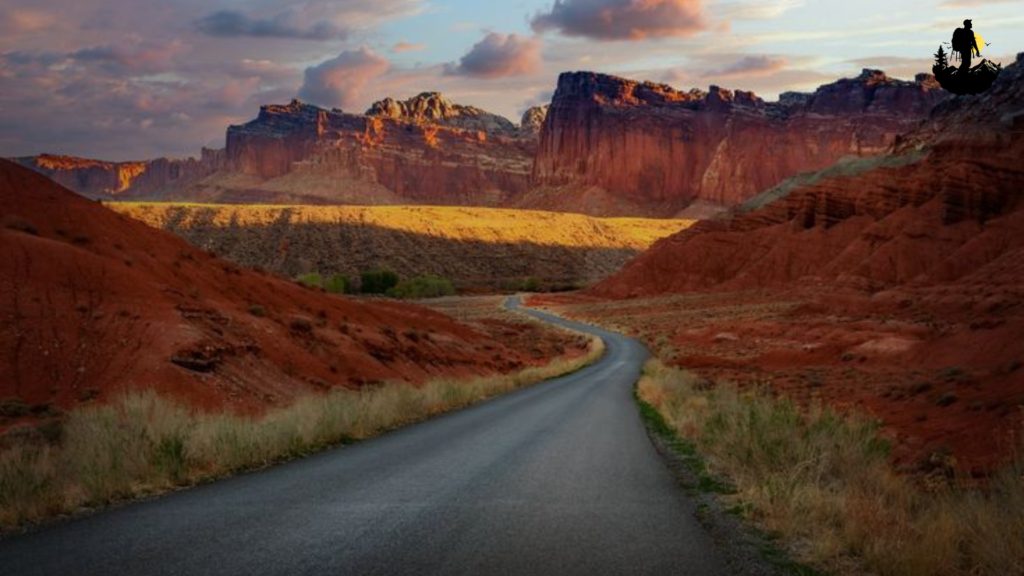
Capitol Reef National Park, Utah
While Utah’s Mighty Five national parks attract millions of visitors each year, Capitol Reef National Park remains the quietest and most underrated of them all. Situated between more famous parks like Zion and Arches, Capitol Reef offers dramatic red rock cliffs, hidden canyons, and historic orchards without overwhelming crowds.
For road trippers driving scenic highways through southern Utah, Capitol Reef feels like a peaceful pause between busier destinations.
What Makes It Special
Capitol Reef protects a unique geological feature known as the Waterpocket Fold, a nearly 100 mile long wrinkle in the Earth’s crust. The landscape is filled with sandstone domes, towering cliffs, and narrow slot canyons.
Why it stands out:
- Dramatic red and white rock formations
- Scenic drives with minimal traffic
- Historic pioneer orchards
- Petroglyph panels left by ancient cultures
- Remote backcountry roads
Unlike some of Utah’s more crowded parks, you can find quiet trails and empty viewpoints even during peak seasons.
Must Experience Stops
Scenic Drive
The main park road winds through colorful cliffs and offers access to trailheads and picnic areas.
Hickman Bridge Trail
A moderate hike leading to a natural sandstone arch.
Capitol Gorge
A narrow canyon with historic pioneer inscriptions and towering walls.
Fruita Historic District
This preserved settlement includes orchards where visitors can pick fruit in season.
Planning Advice
Spring and fall offer the most comfortable temperatures. Summers can be very hot, especially on exposed trails.
Pack:
- Ample water
- Sun protection
- Hiking boots suitable for sand and rock
- High clearance vehicle if exploring backcountry roads
Capitol Reef is ideal for travelers who love desert scenery but prefer a slower pace and fewer crowds. It provides the same iconic red rock beauty as Utah’s more famous parks, but with greater serenity.
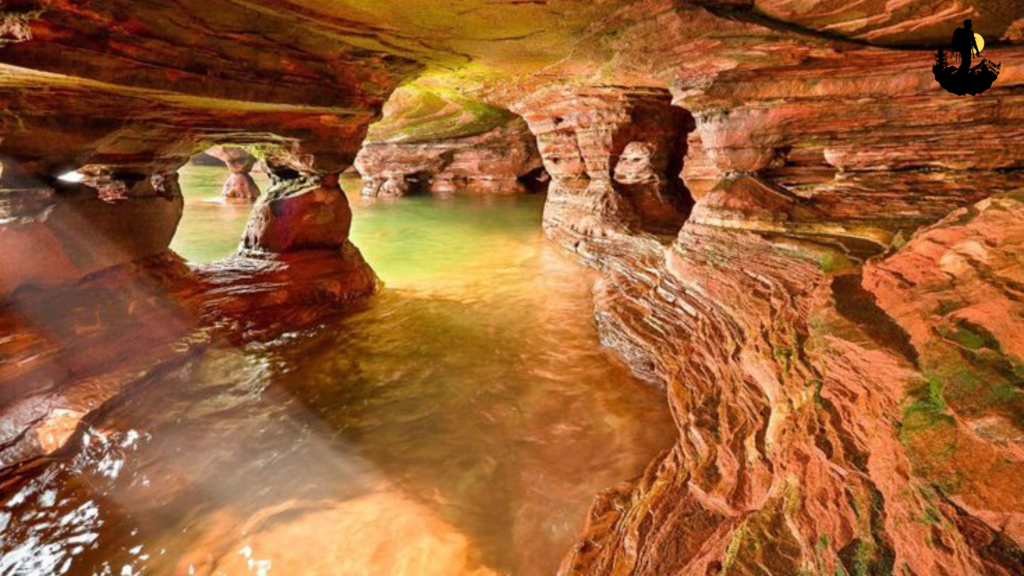
Apostle Islands National Lakeshore, Wisconsin
Along the northern shore of Lake Superior lies one of the Midwest’s most spectacular hidden destinations: Apostle Islands National Lakeshore. Comprising 21 islands and miles of rugged shoreline, this area offers sea caves, historic lighthouses, and pristine forests.
Many road trippers overlook northern Wisconsin, focusing instead on coastal or mountain destinations. But Apostle Islands delivers dramatic landscapes and outdoor adventure equal to more famous locations.
Why It’s Worth the Drive
The beauty of Apostle Islands lies in its combination of freshwater coastline and wilderness. The cliffs along the mainland and islands have been carved into intricate sea caves by centuries of waves and ice.
Highlights include:
- Sandstone sea caves
- Kayaking routes along cliff walls
- Historic lighthouses
- Island camping
- Crystal clear water
The area feels remote and peaceful, especially outside peak summer weekends.
Signature Experiences
Sea Cave Kayaking
Paddling along the mainland caves allows you to glide into arches and caverns sculpted by water.
Island Camping
Many islands offer primitive campsites accessible by boat.
Lighthouse Tours
Several historic lighthouses dot the islands, each with its own story.
Winter Ice Caves
In extremely cold winters, frozen formations create walkable ice caves, though conditions must be safe and verified.
Planning Your Road Trip
Summer is the best time for kayaking and boating. Fall brings beautiful foliage along the shoreline.
Bring:
- Waterproof gear
- Life jackets
- Warm layers as Lake Superior stays cool
- Advance reservations for boat tours
Apostle Islands offers a refreshing alternative to ocean coasts. The freshwater horizon stretches endlessly, and the combination of forest and lake creates a calming yet adventurous atmosphere.
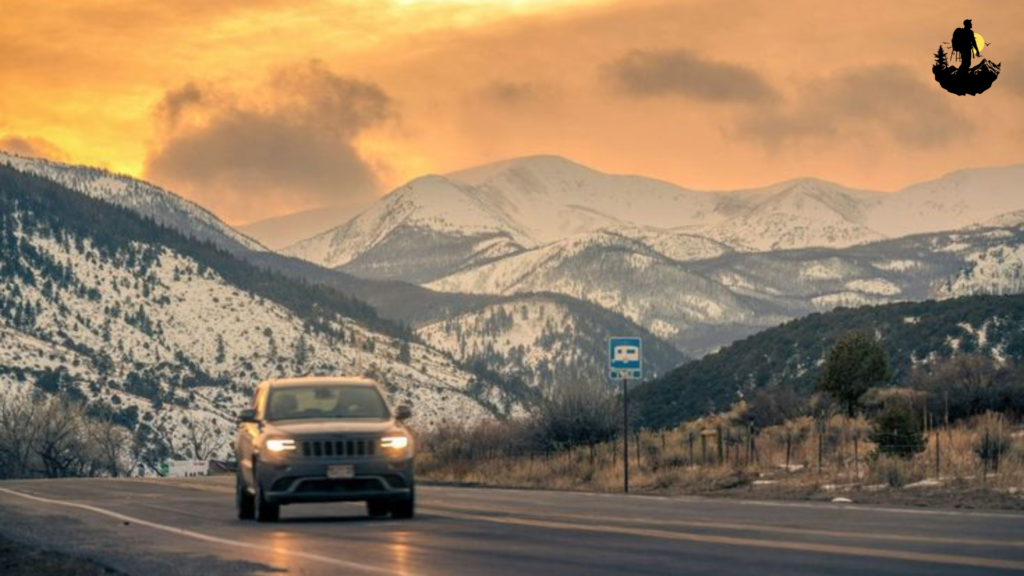
Road Trip Tips for Exploring Hidden U.S. Destinations
Hidden destinations require a slightly different approach than mainstream travel spots. Because these places are remote, less commercialized, and often lightly staffed, preparation becomes your greatest asset.
First, always research seasonal access. Many lesser known parks and coastal areas have limited operating months due to snow, storms, or ferry schedules. Check road conditions, weather forecasts, and park alerts before departure. A beautiful hidden destination can quickly become inaccessible if you arrive unprepared.
Second, fuel up whenever possible. Remote highways in states like Nevada, North Dakota, and parts of Utah may stretch for miles without gas stations. Never let your tank drop too low. The same rule applies to food and water. Small towns may close early, and services inside parks are often limited or nonexistent.
Navigation is another important factor. Cell service frequently disappears in wilderness areas. Download offline maps, carry a physical road atlas, or print essential directions. Technology is helpful, but it should never be your only backup.
Pack smart but keep flexibility. Bring:
- Extra water and nonperishable snacks
- First aid kit
- Flashlights or headlamps
- Layered clothing for sudden weather changes
- Emergency blanket or roadside kit
Respect the environment. Hidden destinations remain special because they are preserved. Follow Leave No Trace principles. Stay on marked trails, pack out trash, and respect wildlife from a safe distance.
Finally, allow extra time in your itinerary. Hidden gems are best enjoyed slowly. Leave space in your schedule for scenic pullovers, unexpected conversations with locals, or spontaneous hikes. The magic of road trips lies in freedom and discovery, not rigid timelines.
When you approach your journey with preparation and patience, hidden destinations reward you with authenticity, solitude, and unforgettable landscapes.
Conclusion: The True Spirit of the Open Road
The United States is vast, diverse, and layered with landscapes that extend far beyond its most famous landmarks. While iconic attractions have their appeal, hidden destinations offer something deeper. They provide quiet moments, uncrowded trails, and genuine connections with nature.
Road trips are not just about reaching a destination. They are about the rhythm of the drive, the changing scenery outside your window, and the anticipation of discovering something new. When you venture toward lesser known parks, remote islands, quiet lakeshores, and dramatic canyons, you experience a more personal side of travel.
Hidden destinations invite reflection. They remove distractions and replace them with open skies, wildlife encounters, and landscapes that feel untouched. Whether you are hiking through desert folds, paddling along freshwater cliffs, or camping beneath endless stars, these places remind you why travel matters.
They also teach patience and appreciation. Without large crowds or commercial distractions, you begin to notice details. The way light hits canyon walls at sunset. The echo of waves in a sea cave. The silence of a forest at dawn. These moments become the true highlights of your journey.
As you plan future adventures, consider choosing roads less traveled. Look beyond guidebook covers and trending social media spots. Seek out the parks, lakes, islands, and mountains that remain quietly magnificent.
The open road is still one of America’s greatest invitations. With curiosity, preparation, and respect for the land, you can turn a simple drive into a life long memory. Hidden destinations are waiting.

✦ Related Articles You May Love
- Living Like A Local In Remote U S Regions
- Hidden Homestay Experiences In Offbeat U S Towns
- Folklore And Legends From The Deep South
- How To Find Hidden Adventure Spots Across The Usa
- Essential Packing Tips For U S Hiking Trips
- Budget Travel Hacks For Exploring U S Trails
- Safety Tips For Hiking Hidden Trails In The Usa
- Best Seasons To Visit Hidden U S Parks
- Eco Friendly Ways To Explore Remote U S Destinations
- How To Reach Hard To Access U S Adventure Spots
- Navigating Road Trips To Lesser Known U S Parks
- Apps That Reveal Hidden Trails And Campsites
- How To Stay Connected In Remote U S Areas
- Capturing Hidden Landscapes Of The American West
- Capturing Hidden Motion Long Exposure Photography In U S National Parks
- Night Sky Photography In Americas Dark Sky Parks
- Photo Walks Through Hidden U S Small Towns
- Reflections Photography On Hidden U S Lakes
- Rock Climbing In Lesser Known U S Spots
- Trail Running Through Hidden Forest Paths
- Mountain Biking Adventures In The Pacific Northwest
- Paragliding Above Secret U S Peaks
- Scuba Diving Hidden Reefs In The Florida Keys
- Abandoned Ghost Towns In The American West
- Hidden Architectural Gems Across The Usa
- Discovering Truly Local Favourite Hiking Trail Usa
- Travel Mistakes To Avoid On U S Hidden Trails
- Solo Adventures In Remote U S Locations
- How Tourism Is Changing Hidden American Spots
- Hidden U S Destinations That Inspired Great Art
- Americas Forgotten Ghost Stories And Legends
- Short Hidden Hikes Under 5 Miles In The Usa
- Abiqua Falls Oregons Most Hidden Waterfall In The Pacific Northwest
- Exploring Hidden Islands In The Florida Keys
- Hidden Trails Secret Canyons Offbeat Hiking Escapes In The American Southwest
- Lesser Known National Parks Usa Hidden Gems To Explore In 2025
- Secret Caves To Explore In The Appalachian Mountains
- A Bloomseekers Paradise The Wildflower Trails In The Rocky Mountains
- Scenic Mountain Passes Few Know In Colorado Hidden And Adventurous Places You Must Explore
- Kayaking Through Hidden Rivers Of The South
- Underrated Desert Oases In The Southwest Usa
- Seasonal Hidden Wonders In U S National Parks
- Hidden Hot Springs In The Western United States Your Guide To Real Relaxation
- Snow Covered Winter Trails No One Talks About
- Secret Coastal Cliffs To Explore In California
- Underground Crystal Caves In The United States
- Untouched Forest Sanctuaries In The Northeast
- Stories From Rural Americas Forgotten Communities
- Hidden Artisan Markets In The Midwest Your Ultimate Guide
- Local Foods Found Only In Small Town America
🌿 Sources & References
- Travel & Adventure – National Geographic
- Outdoor Recreation – REI Expert Advice
- Leave No Trace Principles
- Nature Conservation – WWF
- U.S. National Parks – NPS
- Sustainable Tourism – UNWTO
- Wilderness Safety – American Red Cross
- Outdoor Health Benefits – NIH
- Travel Health – CDC
- Ecotourism – The International Ecotourism Society