Ultimate Guide to Exploring Hidden National & State Parks
There is something deeply rewarding about discovering places that feel untouched by crowds and untouched by time. Hidden national and state parks offer a different kind of adventure, one rooted in stillness, subtle beauty, and personal connection. These are landscapes where trails feel like invitations rather than highways, where wildlife moves freely, and where silence becomes part of the experience.

Instead of long lines and busy overlooks, you find winding paths, quiet meadows, and viewpoints that feel as if they were waiting just for you. This hidden parks usa guide is designed for travelers who crave authenticity and solitude, photographers who chase soft light and natural compositions, and explorers who prefer depth over checklists. Below, you will find remarkable hidden parks that capture the spirit of quiet discovery, each offering unique scenery, unforgettable moments, and the kind of beauty that stays with you long after you leave.
1. Great Basin National Park
Great Basin National Park feels like a secret written across mountains, caves, and ancient forests. Tucked away in eastern Nevada, far from major highways and large cities, this park surprises visitors with its diversity. Snow-capped peaks rise above sagebrush valleys, alpine lakes shimmer in hidden basins, and some of the oldest living trees on Earth quietly cling to high ridgelines.
The heart of the park is Wheeler Peak, a towering presence that dominates the skyline and anchors the landscape. Hiking its trails takes you through changing ecosystems, beginning in dry desert foothills and gradually transitioning into lush alpine environments where wildflowers bloom in summer. Along the way, crisp mountain air replaces desert heat, and expansive views stretch across miles of open land.
Below the surface lies another world entirely. Lehman Caves, carved by water over thousands of years, reveal intricate limestone formations, delicate stalactites, and winding passageways that feel almost otherworldly. Guided tours offer a chance to explore this hidden underground realm, adding a sense of mystery and wonder to the park experience.
One of Great Basin’s most magical qualities is its darkness. Designated as an International Dark Sky Park, it offers some of the clearest night skies in the United States. On moonless nights, the Milky Way arcs brightly overhead, and countless stars fill the sky from horizon to horizon. Sitting quietly beneath this vast canopy of light feels humbling and deeply peaceful.
Despite its extraordinary features, Great Basin remains lightly visited. Trails are rarely crowded, campsites feel secluded, and many viewpoints offer complete solitude. This sense of quiet allows you to move at your own pace, whether that means lingering beside an alpine lake, watching clouds drift across peaks, or simply listening to the wind move through the trees.
Coordinates: Approximate location 38.9830° N, 114.3000° W, eastern Nevada
Best Photography Spots:
- Stella Lake shoreline remind the peaks reflecting in still water create mirror-like compositions
- Bristlecone pine grove capture twisted, ancient trees against open sky
- Wheeler Peak summit ridge wide-angle shots of endless mountain layers
- Lehman Caves interior abstract patterns and textures with guided lighting
- Night sky pullout areas for long-exposure astrophotography
Tripods are essential for cave interiors and night photography. A wide-angle lens works well for landscapes and sky shots.
Why It Is So Special
Great Basin National Park is special because it feels like a crossroads of worlds. Desert meets alpine, surface meets subterranean, and ancient trees stand beside youthful wildflowers. The park’s remoteness preserves its quiet character, making every experience feel personal. It is a place where you can hike all day without seeing another soul and then spend the evening watching stars fill the sky. Great Basin invites slow exploration and thoughtful presence, rewarding those who choose to wander rather than rush.
- Weather: Warm summers at lower elevations, cool alpine temperatures, cold snowy winters
- Best Season to Visit: Late spring through early fall
- Budget: $70 to $150 per night nearby
- Best Food Nearby: Hearty American comfort food, burgers, stews, homemade pies
- Best Places to Stay: Small motels in Baker, campgrounds inside the park, rustic cabins
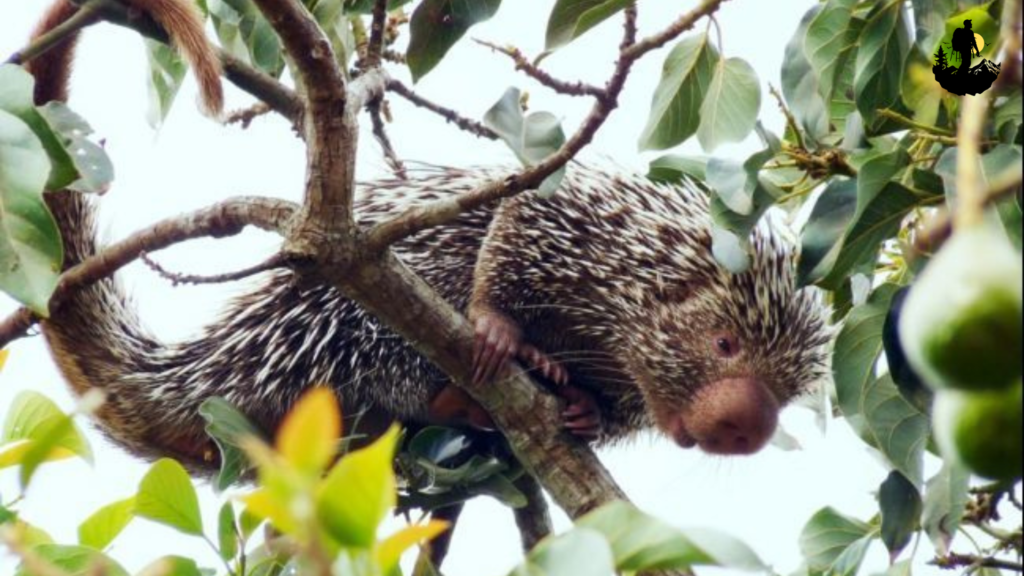
2. Porcupine Mountains Wilderness State Park
Porcupine Mountains Wilderness State Park, often called the Porkies, is a vast and rugged wilderness along Michigan’s Upper Peninsula. Stretching across nearly sixty thousand acres, it is one of the largest state park exploration destinations in the Midwest and yet remains surprisingly quiet. Dense forests, deep river gorges, rocky ridges, and sweeping views of Lake Superior create a landscape that feels both powerful and soothing.
The park’s most iconic viewpoint is Lake of the Clouds, where a broad valley opens up to reveal a shimmering lake surrounded by forested hills. The overlook is especially stunning at sunrise and sunset, when warm light paints the treetops in shades of gold and amber. In autumn, the entire valley ignites with color, creating one of the most breathtaking fall displays in the region.
Hiking through the Porkies feels like stepping into a living tapestry. Trails wind past cascading waterfalls, moss-covered rocks, and towering hardwoods. The Presque Isle River area features a series of waterfalls and rapids that add energy and movement to the otherwise tranquil forest. Wooden boardwalks and footbridges provide access while preserving the natural environment.
Along the northern edge of the park, Lake Superior stretches endlessly, its vastness contrasting beautifully with the intimate forest interior. Rocky shorelines, hidden coves, and quiet beaches invite visitors to sit, explore tide pools, or simply watch waves roll in.
Despite its size, the park retains a deep sense of solitude. Backcountry campsites are spaced far apart, and many trails see light traffic. Nights are filled with the sound of wind through trees, distant owls, and occasionally waves crashing along the shore.
Coordinates: Approximate location 46.8200° N, 89.7600° W, Upper Peninsula, Michigan
Best Photography Spots:
- Lake of the Clouds overlook wide panoramic compositions
- Presque Isle River waterfalls long-exposure river shots
- Summit Peak observation tower layered forest vistas
- Lake Superior shoreline moody water and rock formations
- Autumn forest trails rich color and depth
Bring a tripod for waterfalls and low-light forest scenes. Polarizing filters help enhance foliage and reduce glare on water.
Why It Is So Special
Porcupine Mountains Wilderness State Park stands out because it offers true wilderness on a grand scale while remaining accessible. It balances dramatic scenery with quiet intimacy, allowing visitors to experience both awe and peace. The park’s mix of forests, rivers, and lakes creates endless variety, and its relative isolation preserves a feeling of authenticity. It is a place where time slows down, where long walks become meditative, and where nature feels vast yet welcoming.
- Weather: Cool summers, cold snowy winters, crisp autumns
- Best Season to Visit: Late spring through fall, peak color in September and October
- Budget: $60 to $140 per night nearby
- Best Food Nearby: Pasties, smoked fish, hearty soups, homemade breads
- Best Places to Stay: Rustic cabins, small lodges, campgrounds, lakeside cottages
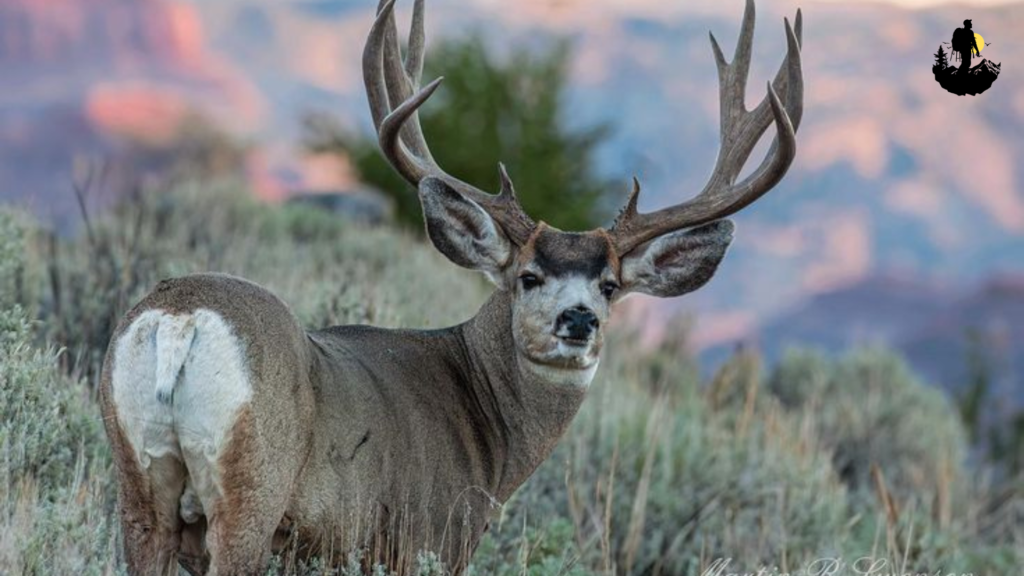
3. Capitol Reef National Park
Capitol Reef National Park feels like a quiet masterpiece hidden among Utah’s more famous red rock destinations. Long cliffs ripple across the landscape in sweeping waves of sandstone, creating a massive natural formation known as the Waterpocket Fold. Unlike many well-known parks in the region, Capitol Reef remains relatively uncrowded, allowing visitors to explore its canyons, domes, and desert valleys in near solitude.
Driving through the park reveals layers of color that shift with the light. Soft creams, deep rusts, and pale pinks blend together across towering rock walls. The silence here feels expansive rather than empty. Wind whispers through narrow canyons, ravens glide overhead, and lizards dart across warm stone.
Hiking trails range from gentle walks to more adventurous canyon routes. Some paths lead to hidden arches and natural bridges, while others wind through slot canyons that glow softly as sunlight filters down from above. One of the park’s quiet charms is its orchards, remnants of early settlers who once farmed in this rugged land. In season, visitors can pick apples, peaches, and cherries directly from the trees.
Capitol Reef’s remoteness enhances its magic. Nights are dark and star-filled, and evenings often end with complete stillness broken only by the distant call of wildlife. The park invites slow exploration, encouraging travelers to wander without rushing.
Coordinates: Approximate location 38.2928° N, 111.2610° W, south-central Utah
Best Photography Spots:
- Hickman Bridge Trail natural bridge framed by canyon walls
- Capitol Gorge towering cliffs and narrow passages
- Fruita orchards spring blossoms or autumn fruit colors
- Sunset Point warm light washing over layered rock
- Night sky areas for Milky Way photography
A tripod is helpful for low-light canyon scenes and night shots. Wide-angle lenses capture the scale of rock formations beautifully.
Why It Is So Special
Capitol Reef National Park feels like a secret shared only with those willing to seek it out. It blends desert drama with gentle beauty, offering both striking geology and quiet moments. The park’s balance of color, texture, and space creates a calming atmosphere that stays with you long after you leave. It is not just a place to see, but a place to feel.
- Weather: Hot summers, mild springs and falls, cold winters
- Best Season to Visit: Spring and fall
- Budget: $70 to $150 per night nearby
- Best Food Nearby: Southwestern dishes, homemade pies, comfort-style American meals
- Best Places to Stay: Small inns in Torrey, desert lodges, campgrounds
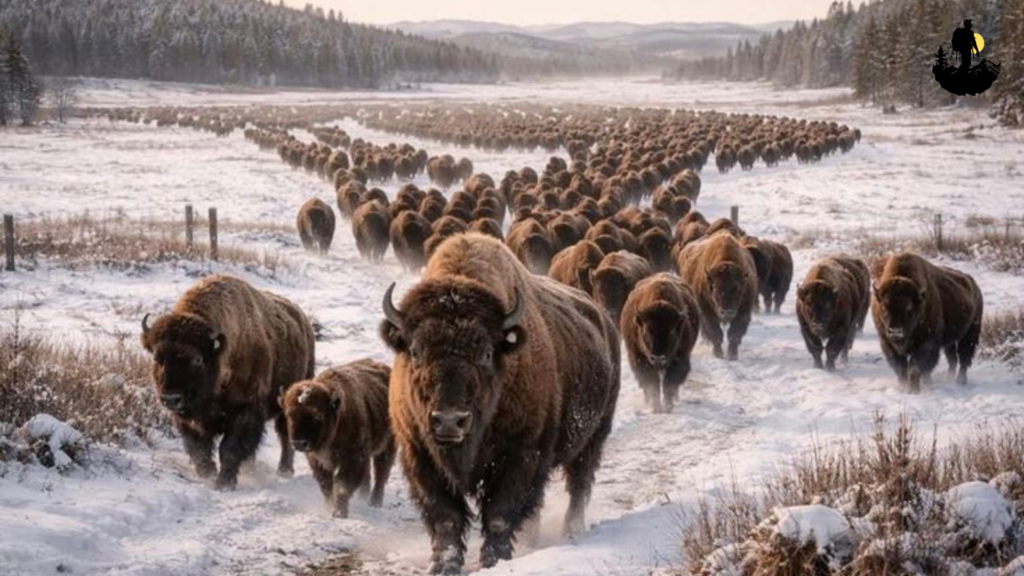
4. Custer State Park
Custer State Park is a vast sanctuary of rolling prairies, granite peaks, and open skies tucked into South Dakota’s Black Hills. Spanning more than seventy thousand acres, it feels wild, spacious, and wonderfully unhurried. Wildlife roams freely across the landscape, giving visitors the chance to witness nature in its most authentic form.
Bison herds often move slowly across grassy plains, while pronghorn, deer, and prairie dogs dot the open fields. Scenic drives wind through granite spires, narrow tunnels, and wide valleys, offering breathtaking views around nearly every bend. The Needles Highway, in particular, feels like a journey through a stone cathedral, with slender rock formations rising dramatically from the earth.
Hiking trails lead into pine forests, along quiet lakes, and up to rocky overlooks where the world seems to stretch endlessly. Sylvan Lake, nestled among towering granite walls, offers a peaceful setting for walking, kayaking, or simply sitting by the water’s edge.
Despite its beauty and size, Custer State Park often feels calm and uncrowded compared to larger national parks. Early mornings are especially serene, when mist lingers over meadows and animals begin their daily routines.
Coordinates: Approximate location 43.7310° N, 103.4500° W, Black Hills, South Dakota
Best Photography Spots:
- Sylvan Lake reflections of rock and forest
- Needles Highway granite spires and winding road
- Wildlife Loop Road bison and prairie landscapes
- Cathedral Spires dramatic vertical rock formations
- Sunrise viewpoints over rolling hills
Telephoto lenses are ideal for wildlife, while wide-angle lenses capture expansive scenery. A tripod helps with sunrise and sunset light.
Why It Is So Special
Custer State Park feels alive in a way few places do. The combination of free-roaming wildlife, dramatic rock formations, and open landscapes creates a powerful sense of connection to the natural world. It offers both adventure and tranquility, allowing visitors to choose their own rhythm. Whether watching a bison herd cross the road or sitting quietly beside a lake, every moment feels genuine and grounding.
- Weather: Warm summers, cold snowy winters, mild spring and fall
- Best Season to Visit: Late spring through early fall
- Budget: $60 to $140 per night nearby
- Best Food Nearby: Steakhouse fare, hearty breakfasts, local comfort food
- Best Places to Stay: Park lodges, rustic cabins, campgrounds, nearby small-town motels
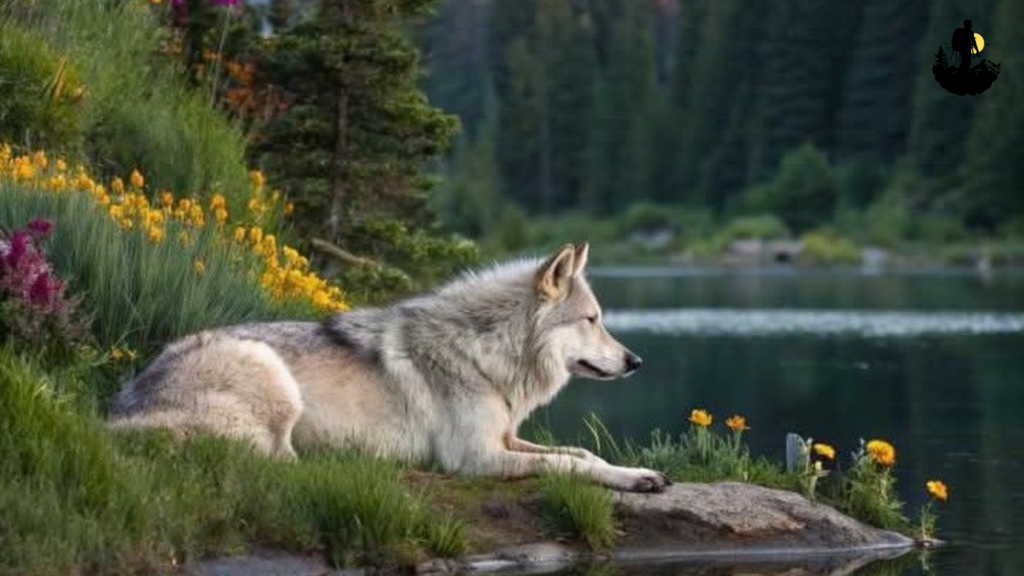
5. North Cascades National Park
North Cascades National Park feels like a vast wilderness cathedral carved from rock, ice, and forest. Tucked away in northern Washington near the Canadian border, this park is one of the least visited national park guide destinations in the country, yet it holds some of the most dramatic alpine scenery in North America. Jagged peaks rise sharply from deep valleys, glaciers cling to rugged slopes, and turquoise lakes shimmer beneath towering cliffs.
Driving through the park offers constant visual rewards. Dense evergreen forests gradually give way to open alpine terrain, where wildflowers bloom in summer and snowfields linger well into the warmer months. The landscape feels raw and untamed, shaped by powerful geological forces and preserved in near-pristine condition.
Hiking here is both challenging and deeply rewarding. Trails range from gentle riverside walks to strenuous climbs that lead to sweeping mountain vistas. Many routes pass hidden waterfalls, high meadows, and quiet backcountry campsites that feel completely removed from the modern world.
What truly sets North Cascades apart is its sense of isolation. Even during peak season, it is easy to find solitude. The silence is profound, broken only by wind moving through trees, distant water rushing over rocks, or the occasional call of a bird.
Coordinates: Approximate location 48.7718° N, 121.2985° W, northern Washington
Best Photography Spots:
- Diablo Lake overlook vibrant turquoise water and mountain backdrop
- Maple Pass Loop panoramic alpine views
- Washington Pass viewpoint dramatic peaks and valleys
- Hidden waterfalls along Cascade River Road
- Sunrise and sunset pullouts along Highway 20
Tripods are useful for low-light mountain scenes and waterfalls. Wide-angle lenses capture sweeping vistas.
Why It Is So Special
North Cascades National Park feels like a place untouched by time. Its rugged terrain and low visitation preserve a sense of true wilderness that is increasingly rare. The park rewards patience and curiosity, offering moments of awe around nearly every corner. It is a destination for those who seek depth, challenge, and quiet beauty.
- Weather: Cool summers, heavy snowfall in winter
- Best Season to Visit: Late June through September
- Budget: $80 to $160 per night nearby
- Best Food Nearby: Hearty mountain fare, fresh seafood, comfort-style meals
- Best Places to Stay: Small lodges in nearby towns, forest cabins, campgrounds
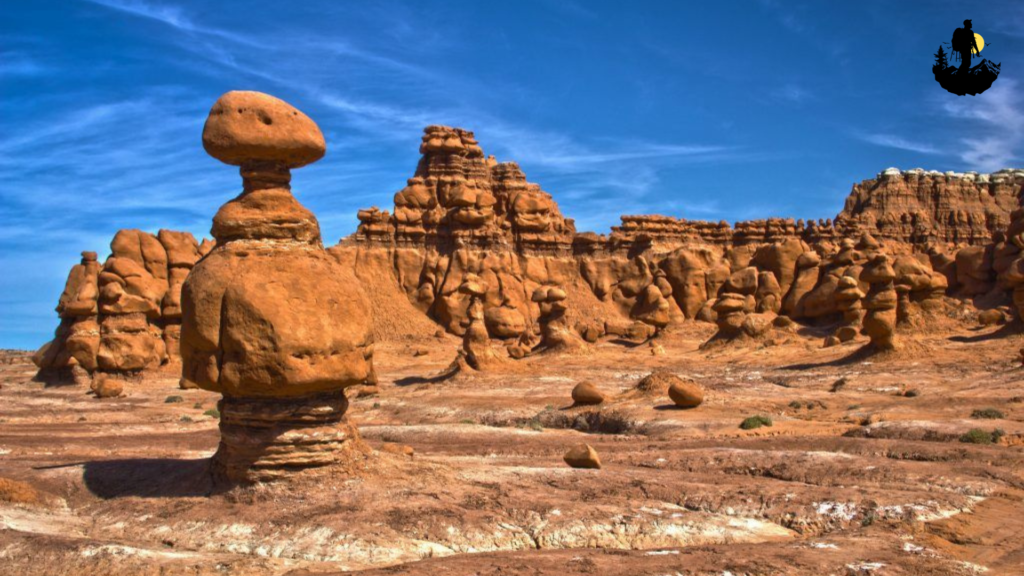
6. Goblin Valley State Park
Goblin Valley State Park feels like stepping onto another planet. Thousands of strange, mushroom-shaped rock formations known as hoodoos spread across a wide desert valley, creating a landscape that feels playful, mysterious, and surreal. Unlike many parks where trails dictate movement, Goblin Valley encourages free exploration, allowing visitors to wander among the formations at their own pace.
The soft sandstone hoodoos glow warm orange and tan in the sunlight, casting long shadows that shift throughout the day. Each formation seems to have its own personality, sparking imagination and curiosity. Children and adults alike find themselves weaving through narrow passages and open plazas of stone.
Hiking is mostly informal, but nearby trails lead to slot canyons and elevated viewpoints that offer broader perspectives of the valley. The park’s open layout makes it easy to find quiet corners, even when others are present.
At night, the desert sky becomes a major attraction. With minimal light pollution, stars shine brightly, and the Milky Way often stretches clearly overhead. Sitting among the hoodoos beneath a sky full of stars feels both peaceful and otherworldly.
Coordinates: Approximate location 38.5733° N, 110.7077° W, central Utah
Best Photography Spots:
- Valley floor hoodoos close-up textures and shapes
- Overlook point wide shots of the entire valley
- Slot canyon nearby dramatic light and shadow
- Sunset areas warm glowing rock tones
- Night sky among hoodoos for astrophotography
A tripod is recommended for sunset and night shots. Wide-angle lenses work well for capturing the scale and patterns.
Why It Is So Special
Goblin Valley State Park stands out for its freedom and creativity. It invites play, wandering, and imagination in a way few parks do. The combination of unusual geology, open exploration, and quiet desert atmosphere creates a uniquely joyful experience that feels both lighthearted and profound.
- Weather: Hot summers, cool nights, mild spring and fall
- Best Season to Visit: Spring and fall
- Budget: $60 to $130 per night nearby
- Best Food Nearby: Southwestern dishes, simple diner meals
- Best Places to Stay: Park campground, small motels, desert cabins
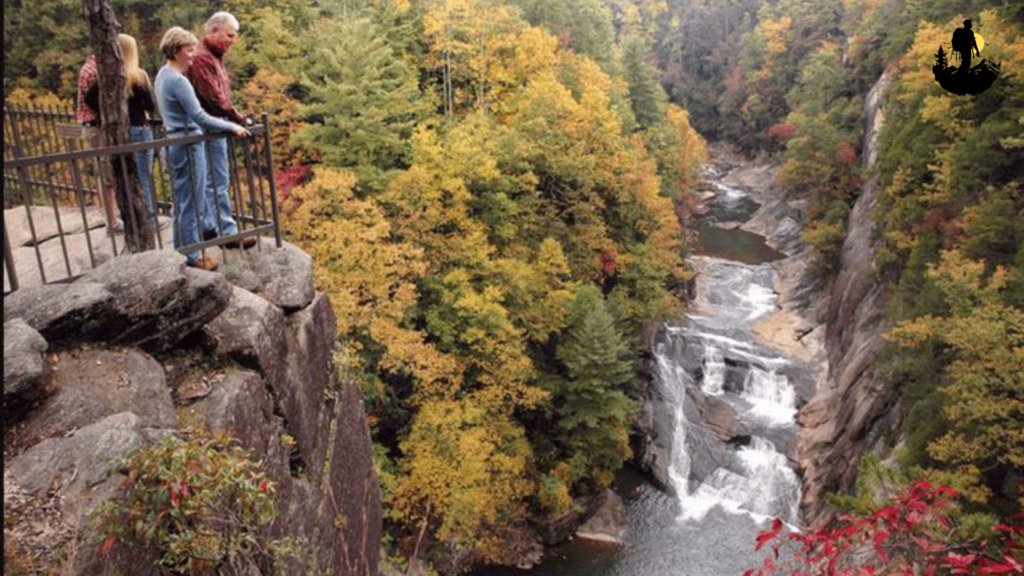
7. Tallulah Gorge State Park
Tallulah Gorge State Park showcases one of the most spectacular canyons in the southeastern United States. The Tallulah River has carved a deep, narrow gorge nearly one thousand feet deep, creating a dramatic landscape of steep cliffs, waterfalls, and rushing water.
Multiple overlooks provide breathtaking views into the gorge, where layers of rock plunge toward the river far below. Trails descend into the canyon, offering adventurous hikers the chance to experience the power and scale of the landscape up close. Suspension bridges and staircases add excitement and unique vantage points.
The surrounding forest is lush and vibrant, filled with hardwoods, rhododendron, and fern-covered slopes. In spring and summer, greenery dominates, while autumn brings brilliant shades of red, orange, and gold.
Despite its striking beauty, Tallulah Gorge often feels calmer than more famous canyon destinations. Early mornings and weekdays are especially peaceful, allowing visitors to enjoy the scenery without distraction.
Coordinates: Approximate location 34.7393° N, 83.3946° W, northeastern Georgia
Best Photography Spots:
- Main overlook for sweeping gorge views
- Suspension bridge perspectives
- Hurricane Falls along the gorge floor
- North Rim Trail overlooks
- Autumn forest viewpoints
Tripods help with waterfall shots and shaded gorge scenes. A wide-angle lens captures depth and scale.
Why It Is So Special
Tallulah Gorge State Park blends raw power with natural elegance. The depth of the canyon, the movement of water, and the lush forest surroundings create a sensory-rich experience. It feels dramatic yet accessible, making it perfect for travelers seeking both adventure and quiet reflection.
- Weather: Warm humid summers, mild spring and fall, cool winters
- Best Season to Visit: Spring and fall
- Budget: $60 to $140 per night nearby
- Best Food Nearby: Southern comfort food, barbecue, homestyle cooking
- Best Places to Stay: Mountain cabins, small inns, campgrounds
8. Guadalupe Mountains National Park
Guadalupe Mountains National Park rises dramatically from the desert floor of West Texas, revealing a rugged landscape of towering peaks, fossil-rich canyons, and wide-open skies. Home to the highest point in Texas, this park feels bold and expansive, yet surprisingly quiet. Its remote location keeps visitor numbers low, creating an atmosphere of solitude that perfectly complements its stark beauty.
The park’s landscape is shaped by an ancient reef that once lay beneath a prehistoric sea. Today, this geological history is visible in the layered limestone cliffs and sharply defined ridges that dominate the horizon. Hiking here often begins in dry desert terrain dotted with yucca and agave before transitioning into pine and oak forests at higher elevations.
Trails range from peaceful nature walks to demanding mountain climbs. The ascent to Guadalupe Peak rewards hikers with sweeping views that stretch across Texas and into New Mexico. Canyon routes, such as those winding through McKittrick Canyon, showcase colorful rock walls, seasonal streams, and striking fall foliage.
Despite its dramatic scenery, the park maintains a calm, unhurried feel. Long stretches of trail may pass without encountering another person, allowing visitors to fully immerse themselves in the landscape.
Coordinates: Approximate location 31.9230° N, 104.8850° W, West Texas
Best Photography Spots:
- Guadalupe Peak summit panoramic desert and mountain views
- McKittrick Canyon colorful rock walls and fall foliage
- El Capitan viewpoint massive limestone face
- Desert flats at sunrise soft light and long shadows
- Night sky areas for astrophotography
Tripods are helpful for sunrise, sunset, and night shots. Wide-angle lenses capture scale and depth.
Why It Is So Special
Guadalupe Mountains National Park offers a rare blend of desert toughness and mountain serenity. Its isolation preserves a sense of raw wilderness, while its diverse ecosystems provide constant visual interest. The park feels powerful yet peaceful, making it ideal for travelers seeking challenge, beauty, and quiet reflection.
- Weather: Hot summers at lower elevations, cooler in mountains, mild spring and fall
- Best Season to Visit: Spring and fall
- Budget: $70 to $150 per night nearby
- Best Food Nearby: Tex-Mex, barbecue, hearty American meals
- Best Places to Stay: Small motels in nearby towns, desert lodges, campgrounds
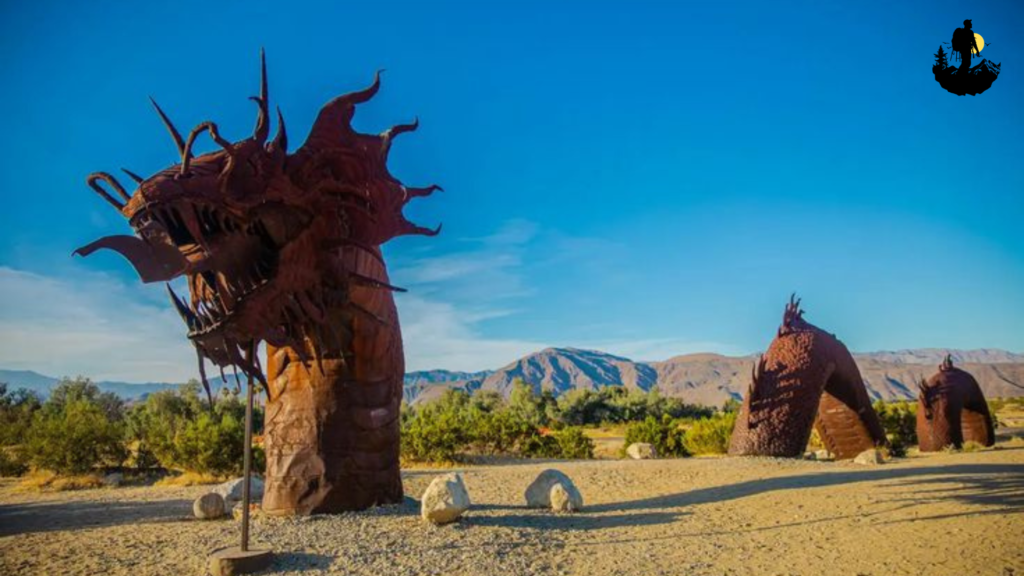
9. Anza-Borrego Desert State Park
Anza-Borrego Desert State Park is California’s largest state park and one of its most underrated treasures. Spanning vast desert valleys, rugged badlands, and palm-filled oases, it offers an extraordinary range of scenery within a single destination. The park feels open, spacious, and wonderfully quiet, especially compared to California’s more famous parks.
Springtime can transform the desert into a sea of wildflowers, with bursts of color carpeting the normally muted landscape. At other times of year, the beauty lies in subtle textures, sculpted rock formations, and shifting light across sandy hills.
Hiking opportunities vary from gentle canyon walks to challenging desert treks. Slot canyons reveal narrow passages carved by flash floods, while palm oases provide shady refuges where water trickles through otherwise arid terrain. Scenic drives lead to overlooks where sweeping desert vistas stretch to distant mountains.
At night, Anza-Borrego becomes a stargazer’s paradise. Minimal light pollution allows the Milky Way to shine brightly, and the desert silence enhances the sense of wonder.
Coordinates: Approximate location 33.2550° N, 116.3750° W, Southern California
Best Photography Spots:
- Borrego Palm Canyon oasis and palms
- Slot canyons dramatic light and shadow
- Badlands viewpoints layered desert textures
- Wildflower fields in spring
- Night sky pullouts for astrophotography
A tripod is useful for canyon shade and night shots. Wide-angle lenses capture expansive desert scenes.
Why It Is So Special
Anza-Borrego Desert State Park celebrates the quiet beauty of the desert. Its vastness encourages slow exploration and deep appreciation for subtle details. The contrast between harsh terrain and hidden oases creates a sense of discovery that feels endlessly rewarding.
- Weather: Very hot summers, mild winters, pleasant spring and fall
- Best Season to Visit: Winter through spring
- Budget: $60 to $140 per night nearby
- Best Food Nearby: Mexican cuisine, casual diners, Southwestern flavors
- Best Places to Stay: Desert resorts, small motels, campgrounds
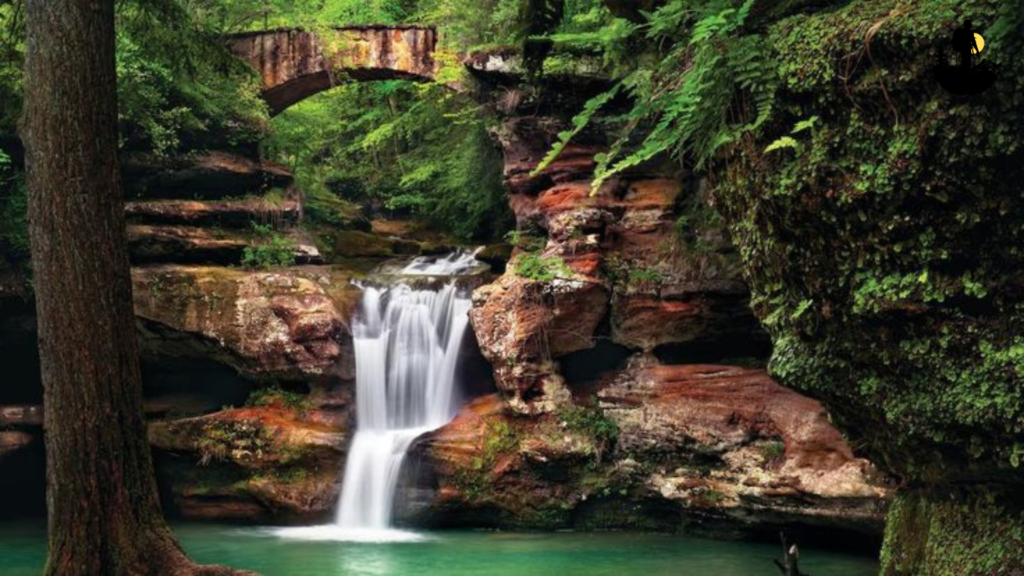
10. Hocking Hills State Park
Hocking Hills State Park is a lush, storybook-like landscape of waterfalls, cliffs, caves, and deep forested gorges tucked into southeastern Ohio. The park feels intimate and enchanting, offering a refreshing contrast to wide-open western landscapes.
Trails wind through narrow rock corridors, past cascading waterfalls, and beneath towering hemlock trees. Natural features such as recess caves, overhangs, and sandstone arches create a sense of mystery, as if each turn in the trail reveals a new secret.
Water plays a central role in the park’s charm. Streams tumble over ledges, forming delicate falls that glisten in soft forest light. Morning fog often lingers in the gorges, adding a dreamy quality to the scenery.
While Hocking Hills is well-loved locally, many areas remain peaceful, especially on weekdays and early mornings. The park’s layout allows visitors to explore multiple small regions, each with its own unique atmosphere.
Coordinates: Approximate location 39.4360° N, 82.5450° W, southeastern Ohio
Best Photography Spots:
- Old Man’s Cave gorge and waterfalls
- Ash Cave massive recess cave
- Cedar Falls flowing cascades
- Rock House tunnel-like corridor
- Autumn forest trails
Tripods help with waterfall shots and low-light forest scenes. A polarizing filter reduces glare on wet rock.
Why It Is So Special
Hocking Hills State Park feels magical in a quiet, understated way. Its blend of water, stone, and forest creates an immersive environment that feels both soothing and inspiring. It is a place where simple walks become memorable journeys and where nature’s smaller details shine.
- Weather: Warm summers, cold winters, mild spring and fall
- Best Season to Visit: Spring, summer, and fall
- Budget: $60 to $140 per night nearby
- Best Food Nearby: Homestyle cooking, bakeries, casual American fare
- Best Places to Stay: Cabins, lodges, campgrounds, nearby inns
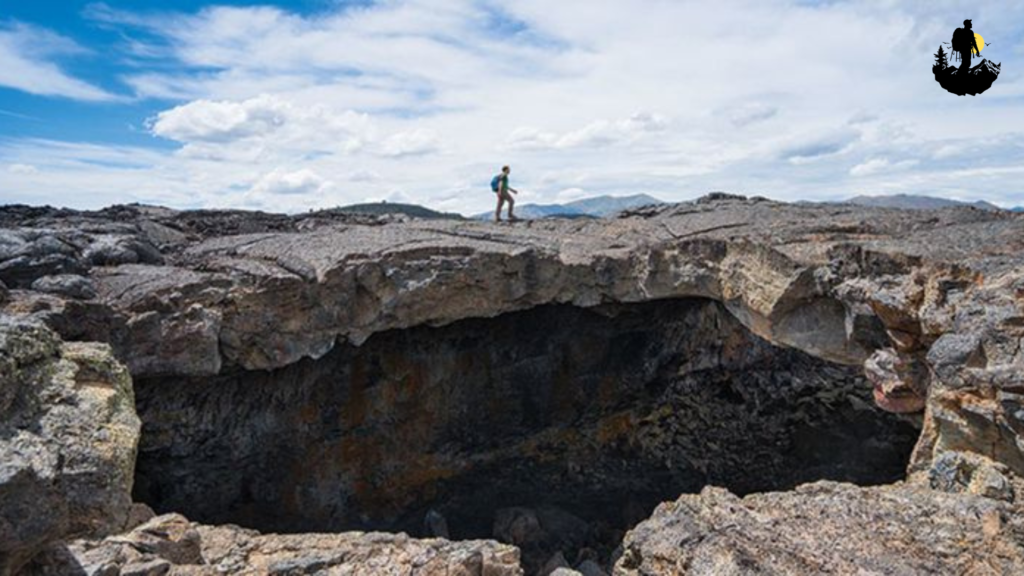
11. Craters of the Moon National Monument and Preserve
Craters of the Moon National Monument and Preserve feels like a journey across another world. Vast lava fields stretch toward the horizon, dotted with cinder cones, spatter cones, lava tubes, and twisted rock formations formed by volcanic eruptions thousands of years ago. Located in southern Idaho, this stark and otherworldly landscape surprises many visitors who expect little more than flat desert. Instead, they discover a dramatic environment shaped by fire and time.
Walking across the hardened lava flows, you can see waves frozen in stone, bubbles locked into black rock, and jagged ridges that look as if they were sculpted yesterday. Despite the harsh appearance, life persists here. Wildflowers bloom in sheltered pockets during spring and early summer, and hardy shrubs take root in cracks between lava slabs. The contrast between delicate plant life and rugged stone adds depth to the park’s beauty.
Hiking trails wind through lava fields and around volcanic features, offering both short interpretive walks and longer exploratory routes. Lava tube caves provide a fascinating underground experience, where temperatures remain cool even on hot days. Entering these caves feels like stepping into a hidden world beneath the surface, with smooth walls, arched ceilings, and quiet darkness.
The open terrain and big skies create a strong sense of space and solitude. Even when other visitors are present, it is easy to find quiet corners where you can sit, observe, and absorb the landscape. The park’s remoteness and unusual scenery encourage slow exploration and thoughtful wandering.
At night, Craters of the Moon becomes a haven for stargazers. With little light pollution, the sky fills with countless stars, and the Milky Way often appears in vivid detail. The combination of dark lava fields and bright stars creates a striking visual contrast that feels almost surreal.
Coordinates: Approximate location 43.4160° N, 113.5170° W, southern Idaho
Best Photography Spots:
- Inferno Cone summit panoramic views of lava fields
- Devil’s Orchard twisted lava formations
- Spatter Cones textured volcanic rock close-ups
- Lava tube cave entrances dramatic light and shadow
- Night sky areas for Milky Way photography
A tripod is essential for low-light and night shots. Wide-angle lenses capture the vastness of the terrain, while macro lenses work well for textures.
Why It Is So Special
Craters of the Moon offers a rare chance to walk across a landscape shaped almost entirely by volcanic forces. It feels raw, ancient, and powerful, yet surprisingly peaceful. The park’s unique geology sets it apart from forests, mountains, and coastlines, offering a completely different kind of beauty. It is a place that expands your sense of what nature can look like and reminds you of Earth’s incredible creative power.
- Weather: Hot summers, cold winters, cool spring and fall
- Best Season to Visit: Late spring through early fall
- Budget: $60 to $140 per night nearby
- Best Food Nearby: Casual diners, burgers, comfort-style meals
- Best Places to Stay: Small motels, campgrounds, nearby cabins
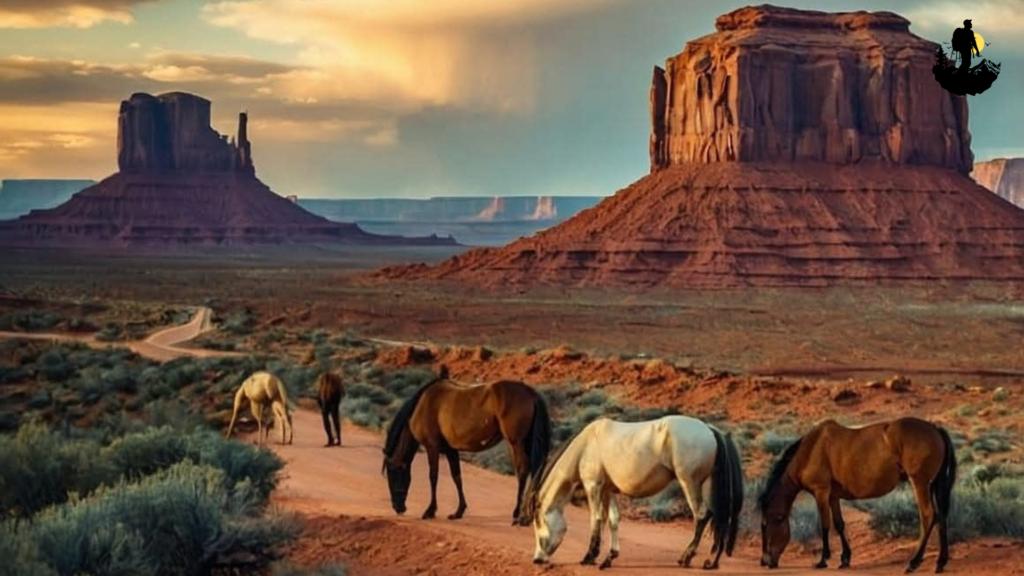
12. Big Bend Ranch State Park
Big Bend Ranch State Park is one of Texas’s largest and most remote parks, offering a rugged desert wilderness along the Rio Grande. Often overshadowed by the nearby national park, this vast landscape remains a hidden gem for travelers seeking solitude, adventure, and raw natural beauty.
The park is defined by wide-open desert plains, dramatic mountain ranges, deep canyons, and winding river corridors. Colors shift throughout the day, from soft pinks and golds at sunrise to deep reds and purples at sunset. The terrain feels expansive and untamed, giving visitors a strong sense of freedom and discovery.
Hiking and exploring here require a spirit of adventure. Trails lead through canyons, across rocky ridges, and into remote valleys where silence feels almost complete. Many routes are primitive and lightly marked, enhancing the feeling of true wilderness. For those who enjoy off-road exploration, rugged backcountry roads open access to some of the park’s most secluded areas.
The Rio Grande forms a natural boundary along the park’s southern edge, adding a ribbon of life through the desert. Riverbanks support cottonwoods, willows, and wildlife, creating a striking contrast with the surrounding arid landscape.
Big Bend Ranch State Park is also known for its exceptional night skies. Designated as a dark-sky area, it offers spectacular stargazing. On clear nights, the sky seems endless, filled with stars from horizon to horizon.
Coordinates: Approximate location 29.4200° N, 103.9500° W, West Texas
Best Photography Spots:
- Closed Canyon narrow walls and textures
- Solitario Dome sweeping desert views
- Rio Grande river corridor
- Sunset viewpoints along park roads
- Night sky pullouts for astrophotography
A tripod is highly recommended for sunset and night shots. Wide-angle lenses capture desert scale, while telephoto lenses isolate distant peaks.
Why It Is So Special
Big Bend Ranch State Park feels truly wild. Its size, remoteness, and rugged character create an experience that is both humbling and empowering. The park invites self-reliance, patience, and curiosity. It is not about checking off famous sights but about immersing yourself in a vast, living landscape. For those who crave space, silence, and adventure, this park offers something deeply fulfilling.
- Weather: Extremely hot summers, mild winters, pleasant spring and fall
- Best Season to Visit: Fall through spring
- Budget: $60 to $130 per night nearby
- Best Food Nearby: Tex-Mex, barbecue, simple diner meals
- Best Places to Stay: Campgrounds, small motels in nearby towns, desert lodges
Practical Tips for Exploring Hidden National & State Parks
Plan Ahead, But Stay Flexible
Hidden parks often have limited services, fewer visitor centers, and spotty cell coverage. Download offline maps, research trail conditions, and check weather forecasts before you go. At the same time, leave room in your schedule for spontaneous stops and unplanned discoveries, as some of the most memorable moments happen when you slow down.
Start Early or Visit Late in the Day
Early mornings and late afternoons offer softer light, cooler temperatures, and greater solitude. Wildlife is also more active during these times, increasing your chances of meaningful encounters and better photography.
Pack More Water Than You Think You Need
Many hidden parks usa destinations are located in remote or arid regions. Carry extra water, even on short hikes, and bring electrolyte packets to stay hydrated. Dehydration can happen quickly, especially in desert environments.
Dress in Layers
Weather can change rapidly, particularly in mountain and desert parks. Lightweight layers allow you to adapt to warm afternoons, cool mornings, and sudden temperature drops.
Use a Paper Map as Backup
GPS and cell service may fail in remote areas. A printed map and basic navigation skills can be invaluable if technology stops working.
Practice Leave No Trace Principles
Pack out all trash, stay on established trails where possible, and avoid disturbing wildlife or vegetation. These lesser known parks stay beautiful because visitors treat them with respect.
Let Someone Know Your Plans
Share your itinerary and expected return time with a trusted person. This simple step adds an important layer of safety.
Carry Basic Safety Gear
A small first-aid kit, flashlight or headlamp, whistle, sunscreen, and multi-tool can make a big difference if something unexpected happens.
Respect Wildlife
Observe animals from a distance, never feed them, and store food properly. Wildlife encounters are special because they are wild.
Embrace Slower Travel
Hidden parks are best experienced without rushing. Spend time sitting, listening, and observing. The quieter you move, the more the landscape reveals itself.
In Short about the whole article.
Exploring hidden national and state parks is about more than visiting new places. It is about rediscovering a sense of wonder that often gets lost in busy destinations. These quieter landscapes invite you to slow down, breathe deeply, and reconnect with nature in a more personal way. Without crowds and noise, you begin to notice smaller details, the pattern of light through leaves, the sound of water moving over stone, the rhythm of wind across open land.
Hidden parks offer a different kind of richness. Instead of iconic landmarks and long lines, they provide space, stillness, and authenticity. Each trail feels like a private invitation. Each viewpoint feels earned. These places remind us that adventure does not always have to be loud or extreme. Sometimes, the most powerful experiences come from simply being present.
As you venture into these lesser-known parks, you become part of a quiet community of travelers who value depth over speed and experience over spectacle. You help preserve the spirit of these places by treating them with care and respect. In return, they offer something priceless, a sense of peace, perspective, and connection that stays with you long after the journey ends.
Whether you are chasing waterfalls, wandering desert valleys, or standing beneath a sky full of stars, hidden parks have a way of leaving a lasting imprint on the heart. They remind us that the world is vast, beautiful, and full of wonders waiting just beyond the obvious path

✦ Related Articles You May Love
- Living Like A Local In Remote U S Regions
- Hidden Homestay Experiences In Offbeat U S Towns
- Folklore And Legends From The Deep South
- How To Find Hidden Adventure Spots Across The Usa
- Essential Packing Tips For U S Hiking Trips
- Budget Travel Hacks For Exploring U S Trails
- Safety Tips For Hiking Hidden Trails In The Usa
- Best Seasons To Visit Hidden U S Parks
- Eco Friendly Ways To Explore Remote U S Destinations
- How To Reach Hard To Access U S Adventure Spots
- Navigating Road Trips To Lesser Known U S Parks
- Apps That Reveal Hidden Trails And Campsites
- How To Stay Connected In Remote U S Areas
- Capturing Hidden Landscapes Of The American West
- Capturing Hidden Motion Long Exposure Photography In U S National Parks
- Night Sky Photography In Americas Dark Sky Parks
- Photo Walks Through Hidden U S Small Towns
- Reflections Photography On Hidden U S Lakes
- Rock Climbing In Lesser Known U S Spots
- Trail Running Through Hidden Forest Paths
- Mountain Biking Adventures In The Pacific Northwest
- Paragliding Above Secret U S Peaks
- Scuba Diving Hidden Reefs In The Florida Keys
- Abandoned Ghost Towns In The American West
- Hidden Architectural Gems Across The Usa
- Discovering Truly Local Favourite Hiking Trail Usa
- Travel Mistakes To Avoid On U S Hidden Trails
- Solo Adventures In Remote U S Locations
- How Tourism Is Changing Hidden American Spots
- Hidden U S Destinations That Inspired Great Art
- Americas Forgotten Ghost Stories And Legends
- Short Hidden Hikes Under 5 Miles In The Usa
- Abiqua Falls Oregons Most Hidden Waterfall In The Pacific Northwest
- Exploring Hidden Islands In The Florida Keys
- Hidden Trails Secret Canyons Offbeat Hiking Escapes In The American Southwest
- Lesser Known National Parks Usa Hidden Gems To Explore In 2025
- Secret Caves To Explore In The Appalachian Mountains
- A Bloomseekers Paradise The Wildflower Trails In The Rocky Mountains
- Scenic Mountain Passes Few Know In Colorado Hidden And Adventurous Places You Must Explore
- Kayaking Through Hidden Rivers Of The South
- Underrated Desert Oases In The Southwest Usa
- Seasonal Hidden Wonders In U S National Parks
- Hidden Hot Springs In The Western United States Your Guide To Real Relaxation
- Snow Covered Winter Trails No One Talks About
- Secret Coastal Cliffs To Explore In California
- Underground Crystal Caves In The United States
- Untouched Forest Sanctuaries In The Northeast
- Stories From Rural Americas Forgotten Communities
- Hidden Artisan Markets In The Midwest Your Ultimate Guide
- Local Foods Found Only In Small Town America
🌿 Sources & References
- Travel & Adventure – National Geographic
- Outdoor Recreation – REI Expert Advice
- Leave No Trace Principles
- Nature Conservation – WWF
- U.S. National Parks – NPS
- Sustainable Tourism – UNWTO
- Wilderness Safety – American Red Cross
- Outdoor Health Benefits – NIH
- Travel Health – CDC
- Ecotourism – The International Ecotourism Society