Mountain Adventures Beyond Popular Peaks
The world’s most famous mountains often steal the spotlight, drawing crowds eager to chase iconic views and summit selfies. Yet beyond these celebrated peaks lies another side of mountain travel, one that is quieter, wilder, and deeply rewarding. These are the places where trails feel personal, landscapes unfold slowly, and nature reveals itself without fanfare. Here, adventure is not about ticking off a famous name but about immersing yourself in atmosphere, texture, and silence.

From misty waterfalls hidden deep in ancient forests to remote alpine basins where wildlife outnumbers humans, these destinations offer something rare. They invite you to slow down, wander without pressure, and rediscover the simple joy of being outdoors. The following hidden mountain destinations usa showcase extraordinary landscapes that remain largely overlooked, yet unforgettable once experienced.
Echoes of the Wild: Untouched Mountain Escapes
Rainbow Falls, North Carolina
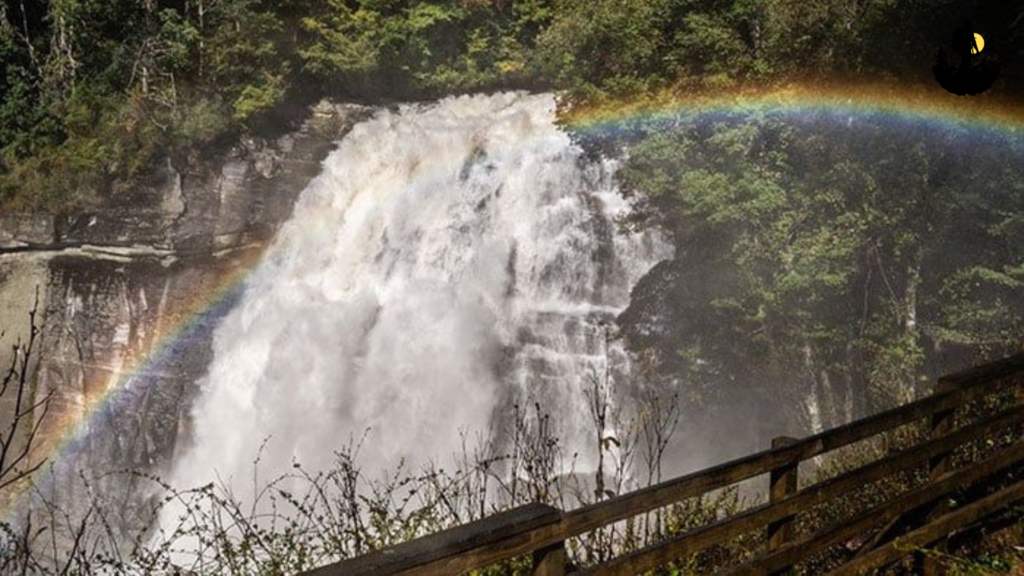
Rainbow Falls is one of those places that instantly makes you stop and take a deep breath. Water plunges dramatically over a wide rock face, spreading out before it lands in a crystal-clear pool below. The surrounding Appalachian forest feels ancient and alive. Moss clings to the trees, ferns carpet the ground, and towering hardwoods form a canopy that filters the morning light into soft, dappled patterns.
In the early hours, the only sounds are the rushing water, birds singing, and the whisper of wind moving through the leaves. When sunlight filters through the mist, a delicate rainbow often forms at the base of the falls, giving it its name and creating a scene so magical it almost feels unreal.
Coordinates: Approximate location 35.1890° N, 82.8030° W, located within Gorges State Park, western North Carolina
Best Photography Spots
- Lower pool edge: Step back slightly to capture the full width of the falls and the rainbow forming in the mist.
- Left-side trail opening: Framing both sides of the waterfall with forest creates a naturally balanced composition.
- Upstream angle: Highlights the water as it curves toward the drop, especially stunning with long-exposure shots.
- Morning light position: Visit between mid-morning and late morning on sunny days for the most vivid rainbow.
Using a tripod is highly recommended. The shaded forest light pairs beautifully with slower shutter speeds, giving your photos a soft, ethereal quality.
What Makes It Truly Unforgettable
Rainbow Falls feels like a secret shared between you and the forest. The hike in naturally limits crowds, and once you arrive, the space feels calm and deeply personal. The rainbow does not appear on command, which makes every sighting feel special, almost like nature offering a quiet reward. It is a place where you linger longer than planned, watching water move, listening to birds, and letting time slow down.
The trail itself adds to the experience. You pass through dense woods, over small footbridges, and along gentle slopes that build anticipation with every step. Even before you reach the falls, the scent of damp earth and the sound of distant water hint at what lies ahead.
For many travelers, Rainbow Falls is less about checking off a destination and more about absorbing a feeling. It is the feeling of standing in cool mist, of light bending through droplets, of being completely present. You leave refreshed, grounded, and quietly grateful.
Weather: Mild summers, cool and misty mornings
Best Season to Visit: Spring and early fall
Budget: $60 to $150 per night nearby
Best Food Nearby: Southern comfort food, fresh trout dishes, cornbread at local mountain diners
Best Places to Stay: Cozy cabins near Brevard, small lodges, forest cottages
Coyote Gulch, Utah
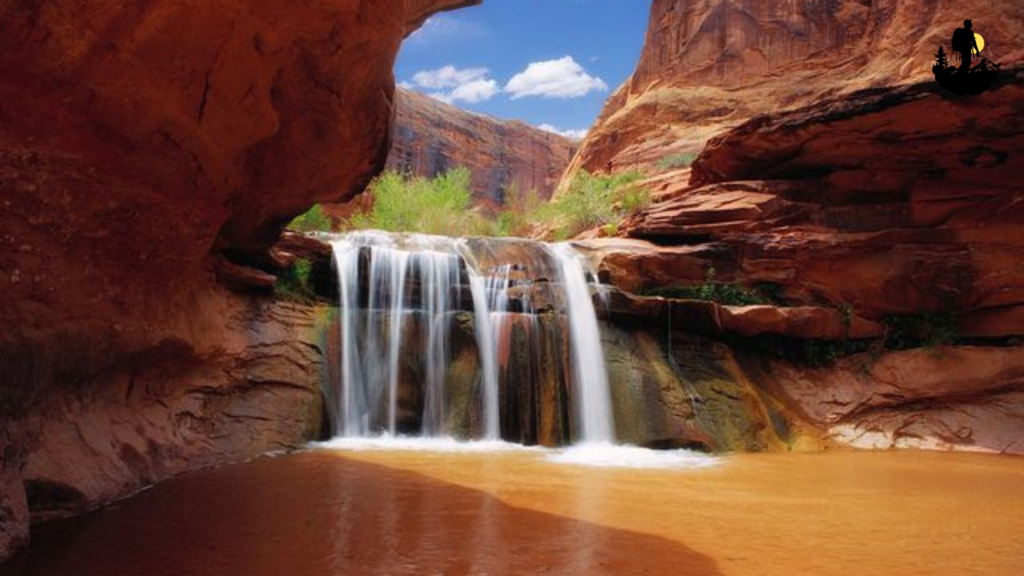
Coyote Gulch is a dreamlike canyon carved into the heart of southern Utah’s red-rock wilderness. Sheer sandstone walls rise above a winding stream, glowing in shades of orange, gold, and deep rust. Cottonwood trees line the water’s edge, their bright green leaves creating a striking contrast against the desert stone. The canyon feels both vast and intimate, open yet protective, as if you have stepped into a hidden world.
The soundscape here is gentle. Flowing water, distant birds, and the occasional rustle of wind through leaves replace the typical silence of desert landscapes. Sunlight shifts dramatically throughout the day, painting the canyon walls with constantly changing colors.
Coordinates: Approximate location 37.4260° N, 111.2470° W, within the Grand Staircase Escalante region of southern Utah
Best Photography Spots
- Cliffside overlooks: Capture sweeping views of the canyon’s curves and layered rock formations.
- Waterfall alcoves: Frame small cascades against towering sandstone walls for a sense of scale.
- Natural arches: Use low angles to emphasize their size while including hikers or trees for perspective.
- Early morning light: Soft light enhances textures and reduces harsh shadows.
- Late afternoon glow: Warm tones deepen, creating dramatic contrasts and rich colors.
A wide-angle lens works beautifully here, but a zoom lens allows you to isolate details like rippling water, textured rock, and desert plants.
What Makes It Truly Unforgettable
Coyote Gulch feels like a journey rather than a single destination. Every bend in the canyon reveals something new. A hidden waterfall, a quiet sandy beach, or a natural arch tucked into the cliffs. The sense of discovery never fades.
Unlike busier national park trails, this canyon rewards patience and curiosity. You might spend hours exploring side passages, wading through shallow water, or simply sitting beneath an overhang watching light shift across stone. The absence of crowds enhances the feeling that you are part of the landscape rather than just passing through it.
There is also a powerful contrast at play. The desert environment suggests harshness, yet Coyote Gulch feels surprisingly gentle. Clear water flows steadily, vegetation thrives, and shade from canyon walls provides relief from the sun. This balance between ruggedness and comfort makes the experience uniquely satisfying.
Many hikers describe a deep sense of calm here. The slow rhythm of walking through sand, stepping across water, and navigating smooth rock encourages mindfulness. Time stretches in a pleasant way. You stop checking your watch. You move at the pace of the canyon.
For photographers, artists, and nature lovers alike, Coyote Gulch offers endless inspiration. For adventurers, it provides a true wilderness experience without requiring technical climbing or extreme skills. And for anyone seeking solitude, it delivers in abundance.
Weather: Hot summers, cool evenings, mild spring and fall
Best Season to Visit: Spring and fall
Budget: $80 to $180 per night in nearby towns or camping areas
Best Food Nearby: Southwestern cuisine, hearty burgers, local cafes in small desert towns
Best Places to Stay: Campgrounds, desert lodges, rustic cabins
Havasu Canyon, Arizona
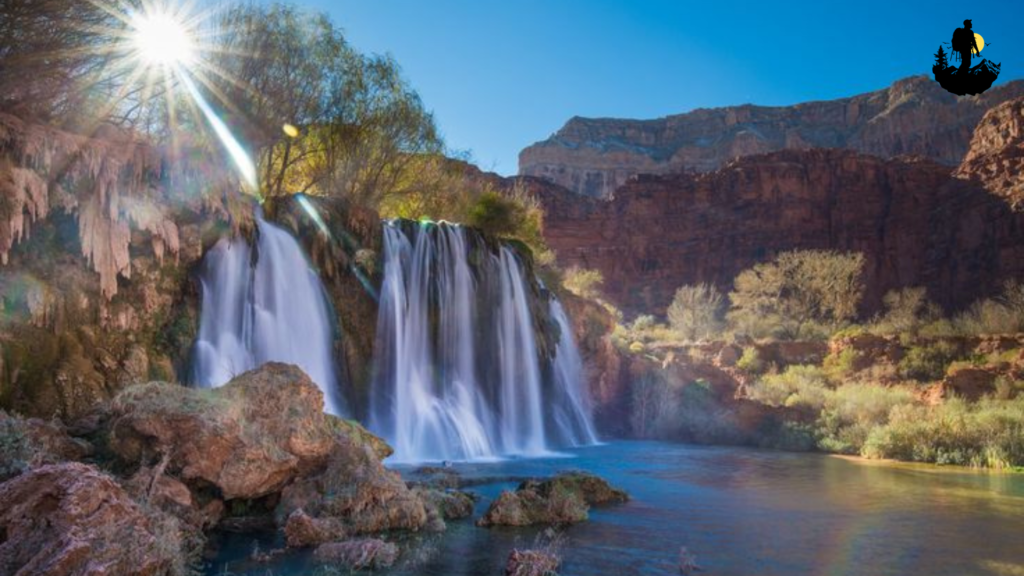
Hidden deep within the rugged desert landscape of northwestern Arizona, Havasu Canyon feels like a place borrowed from another world. While much of the surrounding region is dominated by dry earth, rocky plateaus, and sunbaked cliffs, this canyon shelters an oasis of turquoise water, lush vegetation, and cascading waterfalls. The contrast is so dramatic that the first glimpse of the blue-green stream often leaves travelers stunned into silence.
Reaching Havasu Canyon is part of what makes the experience so powerful. The journey requires commitment, whether by hiking, horseback, or helicopter, and that effort creates a sense of anticipation that builds with every mile. As you descend into the canyon, the air grows cooler, and the sound of running water gradually replaces the hush of the desert. By the time you reach the canyon floor, it feels as though you have crossed into a hidden sanctuary.
The canyon’s most famous feature is its vibrant water. Minerals in the limestone give the streams and pools their striking turquoise color, a shade so intense it almost looks artificial. Yet everything here is completely natural. Cottonwood trees provide shade along the banks, reeds sway gently in the breeze, and smooth red rock walls rise high above, glowing warmly in the sunlight.
Exploring Havasu Canyon is best done slowly. Rather than rushing from one waterfall to the next, many visitors choose to base themselves near the village area and spend days wandering along the creek. Short hikes lead to multiple cascades, each with its own personality. Some spill gently over broad ledges, creating wide, shallow pools perfect for soaking. Others plunge dramatically into deep basins, sending mist into the air and echoing through the canyon.
One of the most rewarding aspects of Havasu Canyon is the rhythm of life that unfolds there. Mornings often begin quietly, with soft light filtering into the canyon and illuminating the water’s blue hues. As the day warms, hikers spread out along the trail, swimmers gather at pools, and laughter echoes between the walls. Evenings bring a return to calm, as shadows stretch across the canyon floor and the sky shifts into pastel tones.
The sense of remoteness adds to the magic. There are no busy roads, no constant traffic noise, and no towering hotels. Nights are dark and star-filled, and the Milky Way often shines brightly overhead. Sitting beside the water after sunset, listening to its steady flow, can feel deeply grounding.
Havasu Canyon is also a place that encourages respect and mindfulness. The land is cared for by the Havasupai people, and visitors are guests in a living cultural landscape. Many travelers find that learning about the history and traditions of the area deepens their appreciation for what they are experiencing.
This adventure is not about luxury or convenience. It is about simplicity, immersion, and connection. You carry what you need, move at your own pace, and let nature set the tone. The reward is a rare blend of desert grandeur and lush beauty that feels both improbable and unforgettable.
Weather: Hot summers, mild winters, cooler temperatures within the canyon
Best Season to Visit: Spring and fall
Budget: $100 to $250 per night including permits and camping or lodge stays
Best Food Nearby: Simple meals at local cafes, camp cooking
Best Places to Stay: Campground or small lodge within the canyon
Sawtooth Mountains Backcountry, Idaho
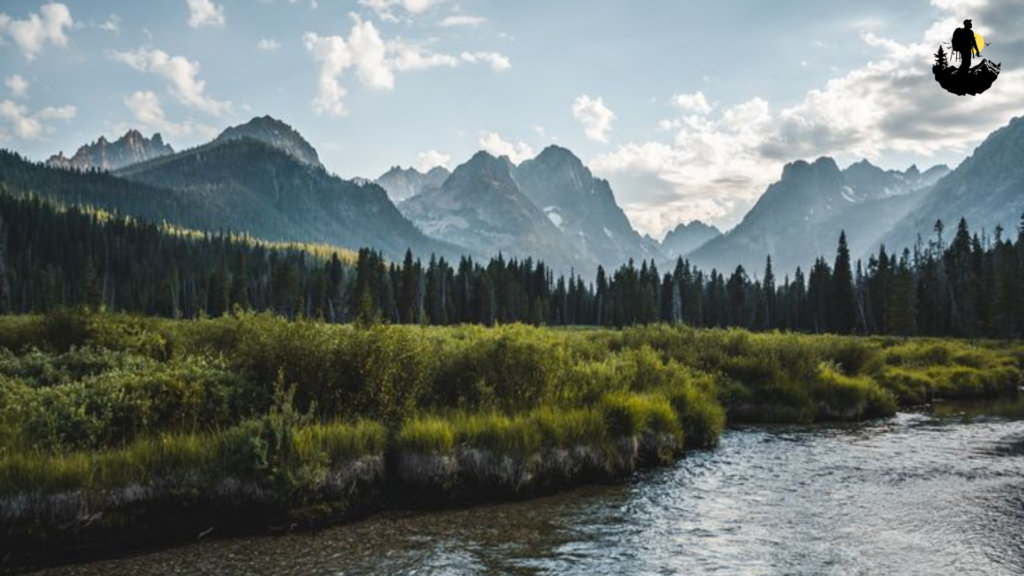
The Sawtooth Mountains rise sharply from central Idaho’s wilderness, their jagged peaks forming one of the most dramatic skylines in the American West. Yet despite their beauty, large portions of this range remain quiet and lightly traveled, especially beyond the main trailheads. For those willing to venture deeper, the Sawtooth backcountry offers an experience defined by alpine lakes, granite spires, wildflower-filled meadows, and profound solitude.
Entering the backcountry feels like stepping into a vast, open canvas. Trails weave through pine forests, climb over rocky passes, and descend into broad valleys where rivers meander lazily. Every turn seems to reveal another postcard-worthy scene. A mirror-like lake reflecting snowy peaks. A meadow glowing with purple and yellow blossoms. A ridge that opens to miles of uninterrupted mountain views.
One of the most striking qualities of the Sawtooths is their sense of space. Even in summer, it is possible to hike for hours without encountering another person. This solitude allows you to truly absorb your surroundings. You notice small details. The crunch of gravel under your boots. The scent of sun-warmed pine. The distant whistle of a marmot.
Backpacking here can be tailored to many experience levels. Some routes follow established trails and link together a series of lakes, making navigation straightforward. Others involve cross-country travel, where map reading and route-finding become part of the adventure. Both options provide a strong sense of exploration.
Camping in the Sawtooths is a highlight in itself. Campsites are often set beside clear streams or tucked near the shores of alpine lakes. Evenings are quiet and serene. As the sun dips behind the peaks, the granite walls glow pink and gold before fading into twilight. Cooking a simple meal, wrapped in a jacket, with mountains silhouetted against the sky is a moment that lingers long after the trip ends.
Wildlife encounters are another memorable aspect. Deer and elk are commonly seen, and with luck, you might spot mountain goats high on rocky ledges or hear wolves howling in the distance. These moments reinforce the feeling that you are in a truly wild place.
What makes the Sawtooth backcountry especially appealing is its balance. The terrain is rugged and dramatic, yet many areas are accessible without technical climbing. You can challenge yourself with long mileage days or take a slower approach, spending afternoons swimming in cold lakes or reading beside camp.
This region invites introspection. Without cell service or modern distractions, your world shrinks to simple priorities. Walk. Eat. Rest. Observe. Many hikers find that this simplicity is deeply restorative.
Weather: Cool nights even in summer, cold winters, occasional afternoon storms
Best Season to Visit: Late June through September
Budget: $40 to $120 per night (camping or nearby lodging before and after trips)
Best Food Nearby: Hearty mountain fare, local diners, camp cooking
Best Places to Stay: Backcountry campsites, small lodges in nearby towns
Mount Hood Wilderness, Oregon
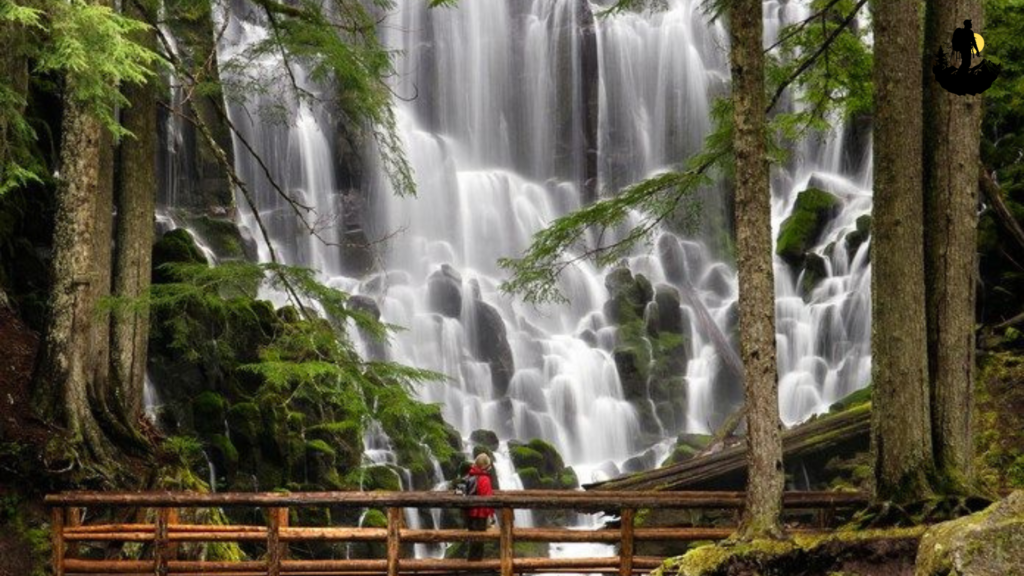
Mount Hood’s snow-capped summit is well known, but the surrounding wilderness holds countless quieter adventures that often go unnoticed. Away from busy ski areas and popular viewpoints, the Mount Hood Wilderness unfolds as a diverse landscape of dense forests, lava flows, wildflower meadows, and hidden alpine lakes.
Hiking into this wilderness feels like entering layers of ecosystems. Lower elevations are dominated by towering fir and hemlock trees, their trunks wrapped in moss and their branches forming a high canopy. Higher up, the forest thins, giving way to open slopes dotted with subalpine flowers and low shrubs. Streams cut through the terrain, fed by snowmelt from above.
One of the most rewarding aspects of exploring this area is variety. In a single day, you might walk through cool, shaded forest, cross a rocky ridge with sweeping views, and end beside a tranquil lake reflecting the sky. This constant change keeps the journey engaging.
Many trails here lead to small, lesser-known lakes tucked into natural basins. These spots are perfect for long breaks. Some hikers swim in the cold, clear water. Others simply sit on a rock, snack in hand, watching ripples spread across the surface.
The wilderness also showcases fascinating geology. Lava flows from past eruptions have hardened into rugged fields of dark rock, creating stark contrasts with surrounding greenery. In some areas, you can see how forests have slowly reclaimed these barren surfaces over centuries.
Camping is peaceful and often surprisingly secluded, especially if you venture a few miles from main trails. Nights are quiet, broken only by wind in the trees or the distant call of an owl. On clear evenings, stars shine brightly, and the silhouette of Mount Hood looms against the sky.
This region is well suited for both day hikers and backpackers. Short trips offer beautiful scenery with minimal effort, while longer routes allow for multi-day exploration. The network of trails makes it possible to design loops or point-to-point adventures.
What makes the Mount Hood Wilderness special is its accessibility combined with depth. It is close enough to major cities to be convenient, yet vast enough to feel remote. You can step into the wilderness in the morning and feel worlds away by afternoon.
Many visitors describe a sense of comfort here. The forests feel welcoming. The trails are well maintained but not overly developed. It is a place where you can challenge yourself or simply wander and relax.
Weather: Mild summers, snowy winters, unpredictable shoulder seasons
Best Season to Visit: July through September
Budget: $70 to $160 per night nearby
Best Food Nearby: Northwest comfort food, bakeries, local cafes
Best Places to Stay: Forest cabins, small inns, campgrounds
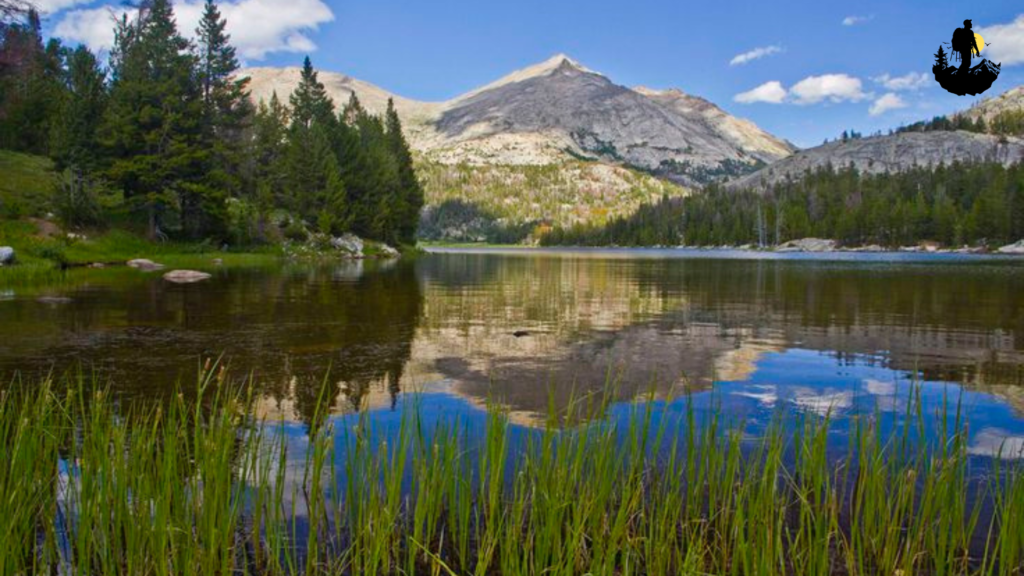
Wind River Range Backcountry, Wyoming
The Wind River Range stretches across western Wyoming like a vast spine of granite, ice, and sky. While climbers are often drawn to its famous summits, much of the range remains wonderfully quiet, especially in the deeper backcountry. Here, towering peaks rise above hundreds of alpine lakes, wide meadows shimmer with wildflowers, and glaciers cling to high cirques, creating one of the most spectacular yet underappreciated mountain landscapes in the United States.
Entering the Wind River backcountry feels like stepping into a high-altitude dream. Trails wind through dense pine forests before opening into expansive basins where jagged spires dominate the skyline. The air is crisp and thin, carrying the scent of stone, water, and sun-warmed grass. Every mile seems to reveal another scene that feels almost too perfect to be real.
One of the defining features of this range is its abundance of lakes. Clear, cold, and often mirror-like, they reflect surrounding peaks with astonishing clarity. Some are large and dramatic, while others are small and tucked into hidden corners, reachable only by faint paths or cross-country travel. Many hikers plan routes that link several lakes together, creating multi-day journeys that feel endlessly varied.
The Wind Rivers offer a strong sense of freedom. You can follow established trails or venture off into open terrain, navigating with map and compass across tundra and talus. This flexibility allows travelers to design trips that match their comfort level and sense of adventure. Whether you prefer long mileage days or slow exploration, the range accommodates both.
Wildlife encounters add another layer of wonder. Moose wade through marshy meadows. Pikas dart between rocks. Golden eagles soar overhead. In quieter moments, you may even hear wolves howling far in the distance. These experiences reinforce the feeling that you are sharing space with a thriving ecosystem rather than merely visiting a scenic area.
Evenings in the Wind Rivers are unforgettable. As the sun sinks low, granite walls glow in shades of pink and orange. The light fades slowly, giving way to a deep, star-filled sky. With little light pollution, constellations appear vivid, and the Milky Way often stretches clearly across the heavens. Sitting beside a small stove, sipping something warm, and watching darkness settle over the peaks is a simple yet powerful pleasure.
The range also challenges you in quiet ways. Stream crossings, changing weather, and rocky passes require awareness and patience. But these challenges feel honest and rewarding rather than overwhelming. Each obstacle overcome deepens your connection to the landscape.
What makes the Wind River Range truly special is its balance of grandeur and intimacy. The scenery is undeniably epic, yet moments of stillness and solitude define the experience. You may spend an entire afternoon alone beside a lake, listening only to wind and water.
For many hikers, the Wind Rivers become a place they return to again and again. There is always another basin to explore, another ridge to climb, another sunrise to watch. It is a landscape that never feels fully known, and that sense of endless possibility is part of its magic.
Weather: Cool summers, cold nights, sudden mountain storms
Best Season to Visit: July through September
Budget: $50 to $130 per night nearby or camping
Best Food Nearby: Hearty mountain meals, local diners, camp cooking
Best Places to Stay: Backcountry campsites, rustic lodges, small town motels
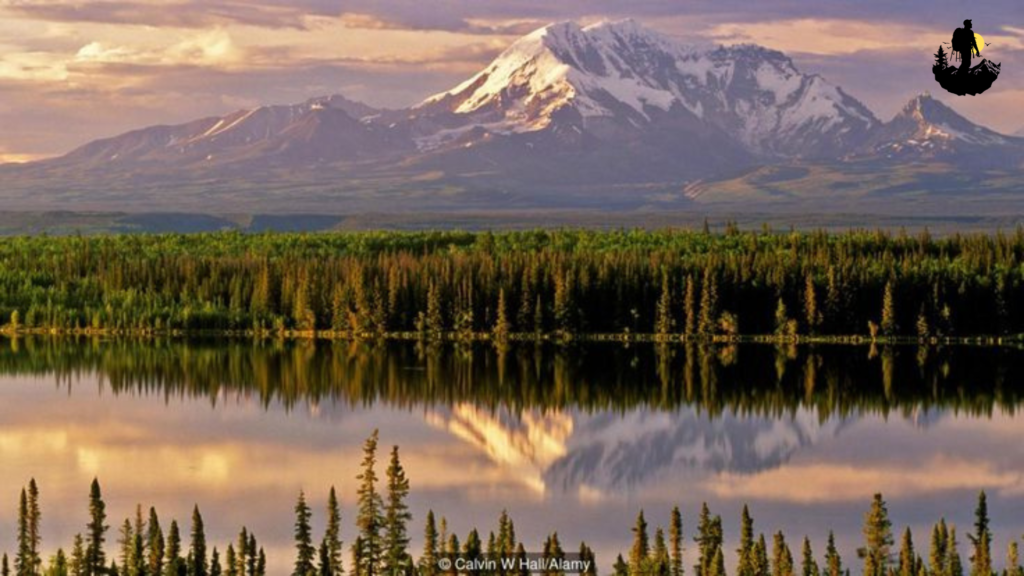
Wrangell–St. Elias National Park, Alaska
Wrangell–St. Elias National Park is the largest national park in the United States, yet it remains one of the least visited. Its sheer size is difficult to comprehend. Vast glaciers spill out of mountain valleys. Volcanic peaks rise dramatically from broad plains. Rivers braid across open tundra. It is a land of immense scale, where distances feel bigger and solitude feels deeper than almost anywhere else.
Adventure here begins with the understanding that this is true wilderness. Roads are few. Trails are limited. Much of the exploration involves route-finding, river crossings, and backcountry camping. For those willing to embrace this level of self-reliance, the rewards are extraordinary.
The landscape is incredibly diverse. In a single trip, you might walk across tundra dotted with wildflowers, climb moraines beside massive glaciers, and camp in valleys surrounded by towering mountains. The sense of space is overwhelming in the best possible way. You can look in every direction and see nothing but wild land.
Glaciers are a defining presence. Some stretch for miles, their surfaces etched with blue crevasses and streaked with dark rock. The low groan of moving ice and the distant crack of shifting seracs remind you that this landscape is alive and constantly changing.
Wildlife encounters are common and memorable. Caribou migrate across open plains. Dall sheep cling to steep slopes. Bears roam valleys in search of food. Seeing these animals in such a vast, undeveloped setting feels profoundly different from spotting them along roadside viewpoints.
Days in Wrangell–St. Elias tend to be long and immersive. Travel is slower than in more developed areas, and that slowness becomes part of the experience. You move carefully, choose campsites thoughtfully, and spend time simply observing your surroundings.
Evenings often bring a deep sense of peace. The sun lingers late in summer, casting golden light across mountains and ice. When darkness finally arrives, it does so gently. The silence feels vast, almost tangible.
This is not a destination for casual sightseeing. It demands preparation, respect, and a willingness to step far outside comfort zones. But for those who answer that call, Wrangell–St. Elias offers one of the purest forms of mountain adventure available.
Weather: Cool summers, cold and unpredictable conditions
Best Season to Visit: June through August
Budget: $80 to $200 per night including transport and lodging
Best Food Nearby: Simple meals in small towns, camp cooking
Best Places to Stay: Backcountry camps, rustic lodges, small inns
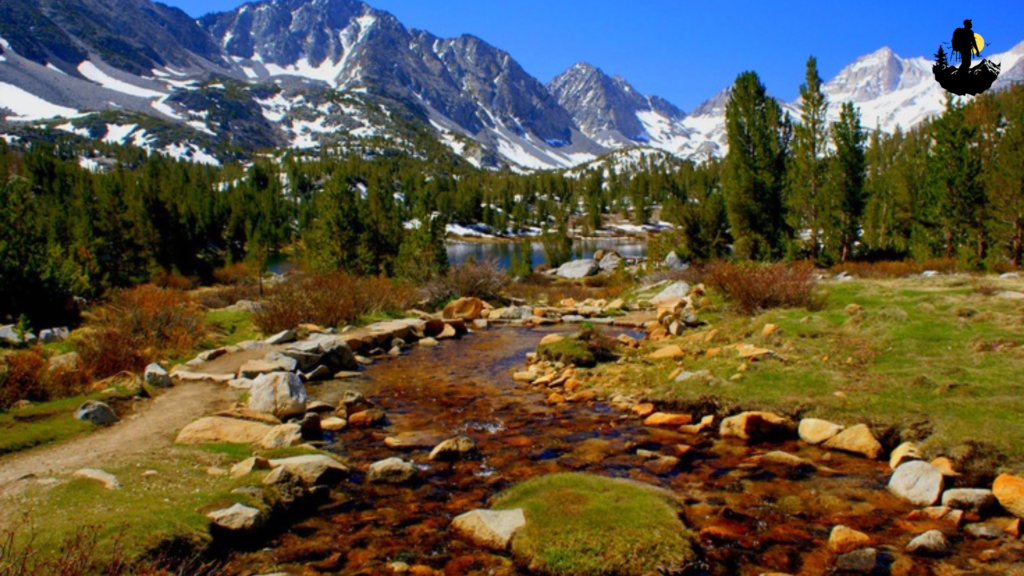
White Mountains Wilderness, California
Rising east of the Sierra Nevada, the White Mountains present a stark and beautiful contrast to their more famous neighbors. This high-elevation range is defined by wide-open basins, ancient bristlecone pine forests, and sweeping views that stretch across valleys and distant peaks. Despite their dramatic scenery, the White Mountains remain relatively quiet, making them ideal for travelers seeking quiet mountain destinations.
One of the most striking features of this range is its age. Bristlecone pines, some of the oldest living trees on Earth, twist and curl across rocky slopes. Their weathered forms tell silent stories of endurance, having survived thousands of years of wind, cold, and sun.
Hiking here feels expansive. Trails often traverse open terrain, offering uninterrupted views in nearly every direction. The sense of exposure is balanced by the beauty of vast skies and distant horizons. On clear days, you can see for miles, sometimes spotting peaks far beyond the range itself.
The landscape is subtle yet powerful. Instead of dense forests and dramatic waterfalls, you encounter high desert meadows, rocky ridges, and quiet valleys. Colors are muted but rich. Soft grays, pale greens, and warm browns blend into a calming palette.
One of the joys of exploring the White Mountains is the freedom to wander. Many areas allow for easy cross-country travel, letting you choose your own path across gentle slopes and open basins. This flexibility fosters a strong sense of personal discovery.
Camping is peaceful and often completely solitary. You may go days without seeing another person. Evenings are marked by incredible sunsets, as the sky shifts through layers of pink, purple, and gold. At night, stars dominate the sky, unobstructed by city lights.
The altitude adds a unique character to the experience. Many areas sit well above 10,000 feet, which means cooler temperatures and thinner air. Movement feels slower, more deliberate. This naturally encourages a relaxed pace.
What makes the White Mountains special is their quiet strength. They do not overwhelm with spectacle in the way some ranges do. Instead, they draw you in gently, revealing their beauty over time. You begin to notice textures, subtle changes in light, and the resilience of life in a harsh environment.
For hikers, photographers, and contemplative travelers, this range offers a deeply rewarding experience. It is a place to breathe, think, and feel small in a good way.
Weather: Cool summers, cold nights, windy conditions
Best Season to Visit: June through September
Budget: $50 to $140 per night nearby or camping
Best Food Nearby: Simple cafes, local diners, camp cooking
Best Places to Stay: Primitive campsites, small mountain motels, cabins
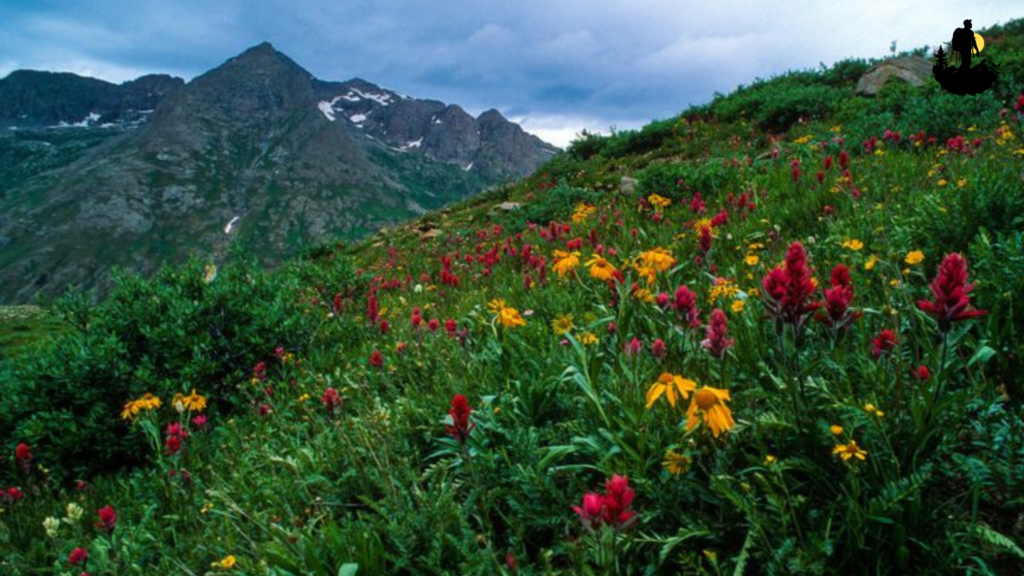
San Juan Mountains Backcountry, Colorado
The San Juan Mountains in southwestern Colorado are often associated with dramatic alpine scenery, historic mining towns, and famous mountain passes. Yet beyond the well-known scenic drives and popular fourteeners lies an immense backcountry filled with quiet valleys, high tundra basins, hidden lakes, and long, wandering trails that see only a fraction of the visitors. This is where the true soul of the San Juans reveals itself.
Venturing into the deeper reaches of the range feels like stepping into a living painting. Jagged peaks rise sharply from broad meadows. Streams weave silver ribbons through green valleys. Wildflowers blanket hillsides in summer, creating waves of color that stretch toward the horizon. The scale is immense, yet the atmosphere feels surprisingly gentle.
One of the most captivating qualities of the San Juan backcountry is its diversity. In a single journey, you may walk through dense spruce and fir forests, climb above treeline onto open tundra, and descend into quiet basins cradling clear alpine lakes. Each zone feels distinct, offering new textures, scents, and moods.
Trails here often follow historic routes once used by miners, traders, and early settlers. Traces of this past still linger. Weathered cabins, rusted equipment, and faint wagon tracks occasionally appear, quietly reminding you that humans have passed through these mountains for generations. Yet nature has largely reclaimed these spaces, restoring a sense of timelessness.
Backpacking in the San Juans allows for endless customization. Some travelers design loops linking high passes and lakes. Others choose out-and-back routes that lead deep into a single valley. Both approaches provide a strong sense of immersion. You are not simply visiting scenery. You are living within it, if only for a few days.
Campsites are often set beside streams or perched on gentle benches with expansive views. Evenings bring a soft hush to the landscape. As the sun lowers, peaks glow with alpenglow, shifting from gold to rose to deep purple. The sky gradually fills with stars, and the Milky Way often shines with startling clarity.
Wildlife encounters are common. Marmots whistle from rocky outcrops. Elk move quietly through meadows at dawn and dusk. Ptarmigan blend into tundra landscapes. These moments add to the feeling that you are a guest in a thriving ecosystem.
What makes the San Juan backcountry especially rewarding is the balance between challenge and comfort. The terrain can be rugged, with steep climbs and rocky passes, but it rarely feels overwhelming. Many routes are accessible to hikers with moderate experience, yet still provide a strong sense of adventure.
Weather plays a major role in shaping each day. Mornings are often clear and calm. By afternoon, clouds may build, and brief storms can sweep through, adding drama to the sky and scenting the air with rain. This rhythm encourages early starts and thoughtful pacing.
The emotional impact of spending time here is profound. Without constant noise or digital distractions, your senses sharpen. You notice subtle shifts in light. You become attuned to wind direction, cloud movement, and the sound of water. Time slows in a way that feels both unfamiliar and deeply satisfying.
The San Juan Mountains do not demand attention with a single iconic landmark. Instead, they reward curiosity. Every valley has its own character. Every ridge offers a new perspective. The experience is cumulative, building slowly and leaving a lasting impression.
Weather: Mild summers, cool nights, afternoon storms
Best Season to Visit: July through September
Budget: $60 to $140 per night nearby or camping
Best Food Nearby: Mountain comfort food, local diners, camp cooking
Best Places to Stay: Backcountry campsites, small lodges, rustic cabins
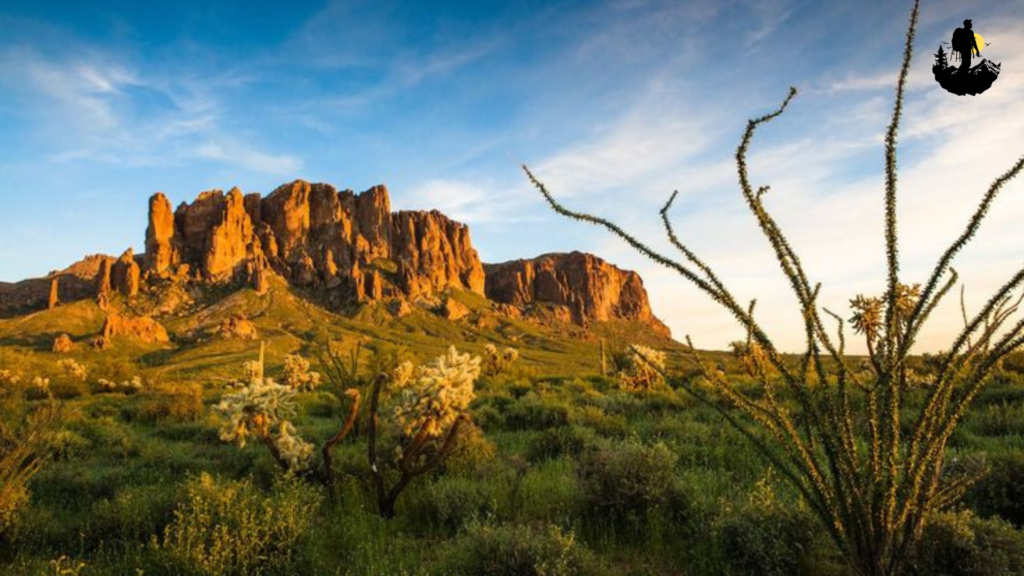
Superstition Wilderness, Arizona
Rising east of Phoenix, the Superstition Wilderness is a rugged expanse of desert mountains, deep canyons, and hidden springs that feels far removed from the city’s sprawl. Steeped in legend and mystery, this wilderness offers a powerful blend of dramatic scenery and quiet isolation. While some areas near trailheads see regular visitors, vast portions of the Superstitions remain wonderfully empty.
The landscape is bold and striking. Volcanic peaks tower above wide valleys. Sheer cliffs catch the sun and glow with warm, earthy tones. Saguaro cacti stand like silent guardians, while palo verde and mesquite trees dot lower slopes. In spring, wildflowers transform the desert into a tapestry of color.
Hiking here is an exercise in exploration. Trails wind through rocky washes, climb over rugged ridges, and descend into shaded canyons where water sometimes flows year-round. These rare water sources create pockets of lush vegetation that feel almost miraculous in the desert environment.
One of the most rewarding aspects of the Superstition Wilderness is its sense of mystery. Legends of lost gold mines and hidden treasures have circulated for generations, adding an element of intrigue to every journey. Even if you never find a legendary cache, you will uncover something far more valuable. Solitude, beauty, and a deep connection to place.
Backpacking trips often revolve around linking canyons and springs. Days are spent moving through sunlit landscapes, navigating rocky terrain, and seeking shade during the hottest hours. Evenings are for resting in quiet camps, watching the sky turn orange and pink as the sun sets behind jagged silhouettes.
The desert has its own rhythm. Early mornings are cool and calm. Midday heat encourages slower movement and frequent breaks. Late afternoon brings long shadows and softer light. Adapting to this rhythm becomes part of the experience.
Wildlife is surprisingly abundant. You may see javelina trotting through brush, coyotes crossing open flats, or hawks circling overhead. At night, the desert comes alive with subtle sounds. Crickets chirp. Owls call. The stillness feels vast and intimate at the same time.
Camping in the Superstitions is deeply peaceful. Without dense tree cover, the night sky feels enormous. Stars appear bright and numerous, and the Milky Way often arches overhead. Lying on your back, watching constellations drift across the sky, is a simple pleasure that never grows old.
What sets this wilderness apart is its rawness. There are no alpine lakes or snowcapped peaks. Instead, you find beauty in textures, light, and space. The sculpted shapes of rock. The resilience of desert plants. The endless horizons.
The Superstition Wilderness challenges common ideas about mountain adventure. It proves that high elevation is not required for a powerful experience. Depth, character, and solitude matter far more.
For those willing to embrace heat, rough trails, and a slower pace, this landscape offers a deeply rewarding form of adventure. It strips travel down to its essentials. Walk. Drink water. Find shade. Watch the light. Listen.
Weather: Hot summers, mild winters, cool desert nights
Best Season to Visit: October through April
Budget: $50 to $130 per night nearby or camping
Best Food Nearby: Southwestern cuisine, local cafes, camp cooking
Best Places to Stay: Primitive campsites, small desert lodges, budget motels
Tips for Exploring Lesser-Known Mountain Adventures
- Start early to take advantage of calm weather and softer light.
- Research trail conditions and seasonal access before you go.
- Carry reliable navigation tools, even on established routes.
- Pack layers and rain protection for sudden weather changes.
- Bring enough food and water for longer-than-expected days.
- Practice Leave No Trace principles at all times.
- Tell someone your itinerary and expected return time.
- Move at a steady, sustainable pace to avoid exhaustion.
- Take time to rest, observe, and enjoy your surroundings.
Conclusion
Mountain adventures beyond popular peaks offer something increasingly rare in modern travel: space, silence, and genuine connection. Away from crowded trails and famous viewpoints, these landscapes invite you to slow down and experience nature immersion hiking on its own terms. You are not competing for photos or rushing toward a checklist. You are walking through living ecosystems, listening to wind in the trees, watching light shift across stone, and feeling the quiet presence of the wild.
These journeys remind us that adventure is not defined by altitude or fame. It is defined by curiosity, effort, and openness to discovery. Whether you are standing beside a hidden waterfall, camping near an alpine lake, or wandering through a silent desert canyon, each moment becomes personal and meaningful. By choosing the road less traveled, you gain more than scenery. You gain perspective, clarity, and a deeper appreciation for the natural world.
✦ Related Articles You May Love
- Living Like A Local In Remote U S Regions
- Hidden Homestay Experiences In Offbeat U S Towns
- Folklore And Legends From The Deep South
- How To Find Hidden Adventure Spots Across The Usa
- Essential Packing Tips For U S Hiking Trips
- Budget Travel Hacks For Exploring U S Trails
- Safety Tips For Hiking Hidden Trails In The Usa
- Best Seasons To Visit Hidden U S Parks
- Eco Friendly Ways To Explore Remote U S Destinations
- How To Reach Hard To Access U S Adventure Spots
- Navigating Road Trips To Lesser Known U S Parks
- Apps That Reveal Hidden Trails And Campsites
- How To Stay Connected In Remote U S Areas
- Capturing Hidden Landscapes Of The American West
- Capturing Hidden Motion Long Exposure Photography In U S National Parks
- Night Sky Photography In Americas Dark Sky Parks
- Photo Walks Through Hidden U S Small Towns
- Reflections Photography On Hidden U S Lakes
- Rock Climbing In Lesser Known U S Spots
- Trail Running Through Hidden Forest Paths
- Mountain Biking Adventures In The Pacific Northwest
- Paragliding Above Secret U S Peaks
- Scuba Diving Hidden Reefs In The Florida Keys
- Abandoned Ghost Towns In The American West
- Hidden Architectural Gems Across The Usa
- Discovering Truly Local Favourite Hiking Trail Usa
- Travel Mistakes To Avoid On U S Hidden Trails
- Solo Adventures In Remote U S Locations
- How Tourism Is Changing Hidden American Spots
- Hidden U S Destinations That Inspired Great Art
- Americas Forgotten Ghost Stories And Legends
- Short Hidden Hikes Under 5 Miles In The Usa
- Abiqua Falls Oregons Most Hidden Waterfall In The Pacific Northwest
- Exploring Hidden Islands In The Florida Keys
- Hidden Trails Secret Canyons Offbeat Hiking Escapes In The American Southwest
- Lesser Known National Parks Usa Hidden Gems To Explore In 2025
- Secret Caves To Explore In The Appalachian Mountains
- A Bloomseekers Paradise The Wildflower Trails In The Rocky Mountains
- Scenic Mountain Passes Few Know In Colorado Hidden And Adventurous Places You Must Explore
- Kayaking Through Hidden Rivers Of The South
- Underrated Desert Oases In The Southwest Usa
- Seasonal Hidden Wonders In U S National Parks
- Hidden Hot Springs In The Western United States Your Guide To Real Relaxation
- Snow Covered Winter Trails No One Talks About
- Secret Coastal Cliffs To Explore In California
- Underground Crystal Caves In The United States
- Untouched Forest Sanctuaries In The Northeast
- Stories From Rural Americas Forgotten Communities
- Hidden Artisan Markets In The Midwest Your Ultimate Guide
- Local Foods Found Only In Small Town America
🌿 Sources & References
- Mountain Safety – American Alpine Club
- Altitude Sickness – Mayo Clinic
- Mountain Ecosystems – WWF
- Mountaineering Basics – REI
- Travel & Adventure – National Geographic
- Outdoor Recreation – REI Expert Advice
- Leave No Trace Principles
- Nature Conservation – WWF
- U.S. National Parks – NPS
- Sustainable Tourism – UNWTO