Forest Escapes in America No One Talks About
America’s forest hold stories far older than our cities and highways. Beyond the famous national parks and crowded scenic viewpoints exist quiet woodlands where time slows and nature feels deeply personal. These lesser-known forest escapes offer something increasingly rare: true stillness. The air feels heavier with the scent of pine, damp earth, and decaying leaves. Sunlight filters softly through towering canopies, creating a cathedral-like atmosphere that invites reflection and calm.

These places are not about ticking landmarks off a list. They are about wandering without hurry, listening to wind in the branches, and feeling small in the best possible way. Whether you are a photographer, hiker, writer, or simply someone craving peace, these forests provide an experience that goes far beyond sightseeing. Here are some hidden forests usa that remain largely under the radar yet deliver unforgettable immersion in wild, ancient landscapes.
Moss-Draped Rainforest Sanctuary
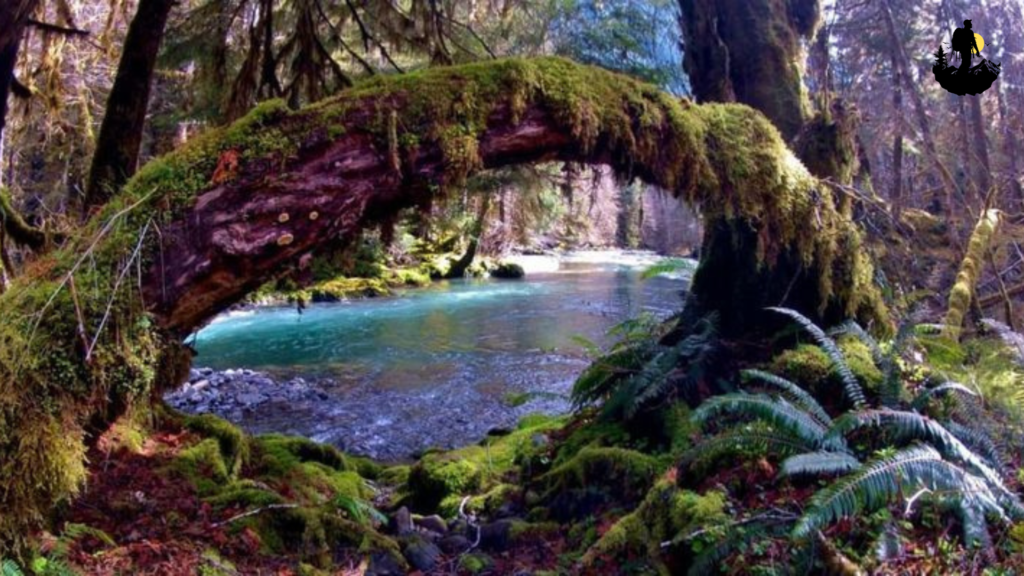
Hoh Rainforest, Olympic National Park
The Hoh Rainforest feels like a living fairytale. Thick blankets of emerald moss drape over towering spruce and maple trees, creating arches and curtains of green that seem almost sculpted. Ferns grow in layers upon layers, carpeting the forest floor in soft textures. Every surface appears alive, from fallen logs to rocks tucked beside slow-moving streams.
Walking through the forest, you notice how sound changes. Footsteps soften on damp earth. Wind moves gently through leaves instead of roaring. Even conversation feels out of place, as though the forest itself prefers silence. Mist often hangs low, especially in the mornings, giving the entire landscape a dreamlike quality.
This temperate rainforest receives massive annual rainfall, which explains its lush density and deep green hues. Unlike tropical rainforests, the Hoh feels cooler, darker, and more introspective. It is a place that encourages slow wandering rather than rushed exploration.
Coordinates: Approximate location 47.8600° N, 123.9340° W, within Olympic National Park, Washington
Best Photography Spots
- Hall of Mosses Loop: Captures iconic moss-covered trees and layered forest depth.
- River trail opening: Combines forest textures with flowing water reflections.
- Fallen log crossings: Create leading lines through dense greenery.
- Early morning mist zones: Adds atmosphere and depth to wide shots.
A tripod is helpful here. Low light under the canopy pairs beautifully with longer exposures, producing rich color saturation and soft highlights.
Why It Feels So Special
The Hoh Rainforest is not about dramatic peaks or sweeping vistas. Its magic lies in subtle details. A single fern unfurling. Droplets clinging to spiderwebs. A moss-covered branch arching like a natural bridge. It feels intimate rather than overwhelming.
Unlike busier national park areas, the deeper trails here remain relatively quiet. The further you walk, the more isolated it becomes. This sense of gentle isolation allows visitors to truly connect with their surroundings without distraction.
There is also a timelessness to the forest. Many of these trees have stood for hundreds of years. Standing among them brings perspective and a quiet sense of humility.
Weather: Cool, damp, and misty most of the year
Best Season to Visit: Late spring through early fall
Budget: $90 to $180 per night nearby
Best Food Nearby: Fresh salmon, clam chowder, artisan bread at small coastal cafes
Best Places to Stay: Rustic lodges, riverside cabins, forest chalets
Ancient Giant Redwood Refuge
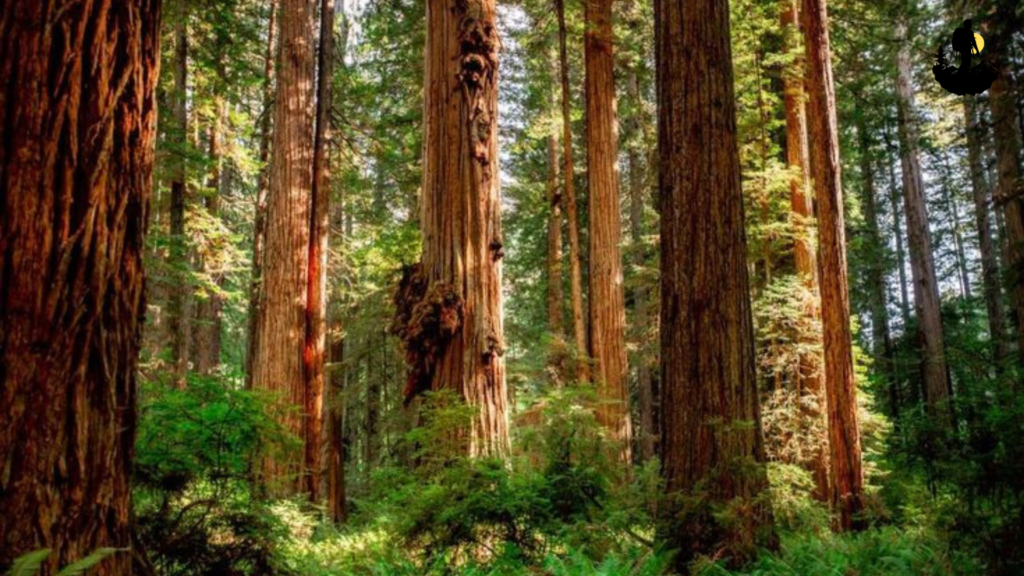
Jedediah Smith Redwoods State Park
Jedediah Smith Redwoods State Park is home to some of the tallest and oldest trees on Earth. Walking among these giants feels like stepping into another era. Massive trunks rise straight into the sky, disappearing into layers of canopy far above. Sunlight struggles to reach the forest floor, creating a soft, dim glow that enhances the feeling of sacredness.
The air here is cool and heavy with the scent of bark, soil, and river mist. The Smith River winds gently through the park, adding shimmering reflections and soothing background sound. Unlike more famous redwood destinations, this park retains a sense of solitude, especially on its deeper trails.
Trails wind through dense groves where silence feels profound. Every footstep echoes slightly, reminding you of the immense scale around you.
Coordinates: Approximate location 41.7950° N, 124.1230° W, near Crescent City, California
Best Photography Spots
- Boy Scout Tree Trail: Captures towering redwoods and layered forest depth.
- Smith River bends: Combines water reflections with vertical tree lines.
- Cathedral groves: Perfect for wide-angle shots emphasizing scale.
- Late afternoon light pockets: Adds warm highlights against cool shadows.
Wide-angle lenses work beautifully here to emphasize height. Including a person in the frame can help show just how massive these trees truly are.
Why It Feels So Special
This forest feels like a living monument. The sheer size of the redwoods inspires awe, but the atmosphere remains peaceful rather than intimidating. It is a place where silence feels comforting.
Unlike heavily trafficked redwood parks, Jedediah Smith retains a wild quality. Many trails feel lightly touched, allowing visitors to experience the forest without crowds or noise.
There is also a deep emotional component. Standing beneath trees that have witnessed centuries of history creates a sense of continuity and grounding. It reminds you how small individual worries really are.
Weather: Cool summers, mild winters, frequent morning fog
Best Season to Visit: Late spring through early fall
Budget: $80 to $160 per night nearby
Best Food Nearby: Fresh seafood, chowders, local bakery pastries
Best Places to Stay: Woodland cabins, riverside lodges, small coastal inns
Whispering Aspen Wilderness
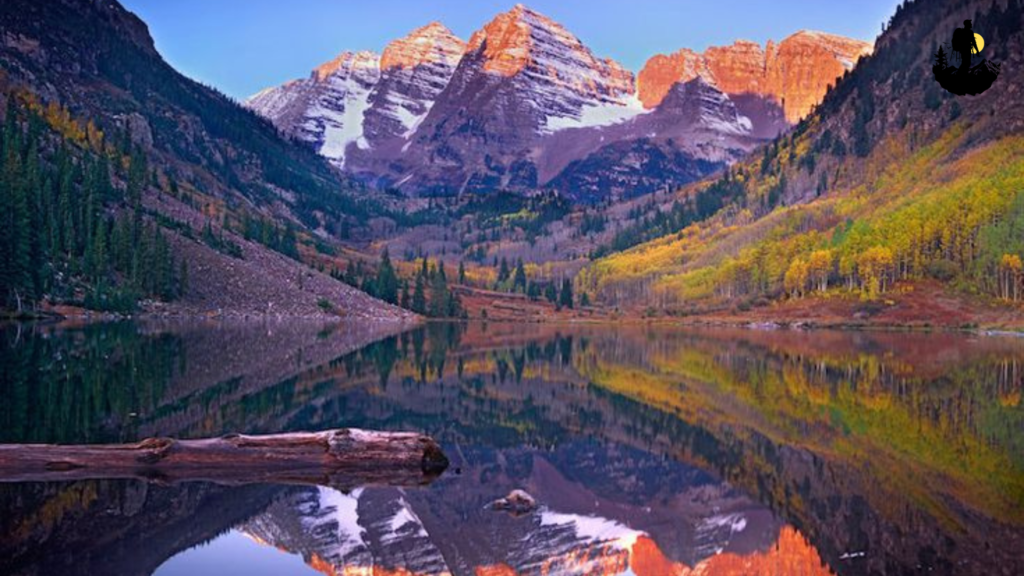
Maroon Bells-Snowmass Wilderness
The Maroon Bells-Snowmass Wilderness holds some of the largest and most pristine aspen groves in North America. Here, entire mountainsides shimmer with pale trunks and fluttering leaves that seem to glow in soft light. When the breeze moves through the forest, the aspens produce a gentle rustling sound, almost like whispered conversation.
Walking into this wilderness feels light and airy compared to darker evergreen forests. Sunlight filters easily through the slender trunks, creating bright patterns across the trail. Wildflowers bloom in open meadows during summer, adding splashes of color among the white bark and green leaves. Small streams wind through the forest, reflecting sky and branches in rippling mirrors.
The terrain varies between rolling meadows, forested slopes, and alpine valleys. Trails here encourage wandering rather than rushing. You might pause often, simply to listen or to watch sunlight shift across the trunks.
Coordinates: Approximate location 39.0980° N, 106.9410° W, near Aspen, Colorado
Best Photography Spots
- Aspen grove clearings: Capture repeating patterns of white trunks.
- Creek crossings: Combine reflections with vertical tree lines.
- Meadow edges: Frame aspens against open sky and distant peaks.
- Early morning light: Produces soft glow on bark and leaves.
Why It Feels So Special
This forest feels gentle and welcoming. Instead of overwhelming scale, it offers quiet beauty and rhythm. The soft light, delicate colors, and constant motion of leaves create a soothing atmosphere that naturally slows your breathing.
Aspen forests also change dramatically with the seasons. In fall, the leaves turn brilliant gold, transforming the landscape into a glowing tapestry. Each visit feels unique, even if you walk the same trail.
Weather: Mild summers, cold winters
Best Season to Visit: Summer and early fall
Budget: $90 to $180 per night nearby
Best Food Nearby: Mountain-style comfort food, fresh soups, artisan pizza
Best Places to Stay: Mountain lodges, rustic cabins, forest chalets
Shadowed Cypress Wetland Forest
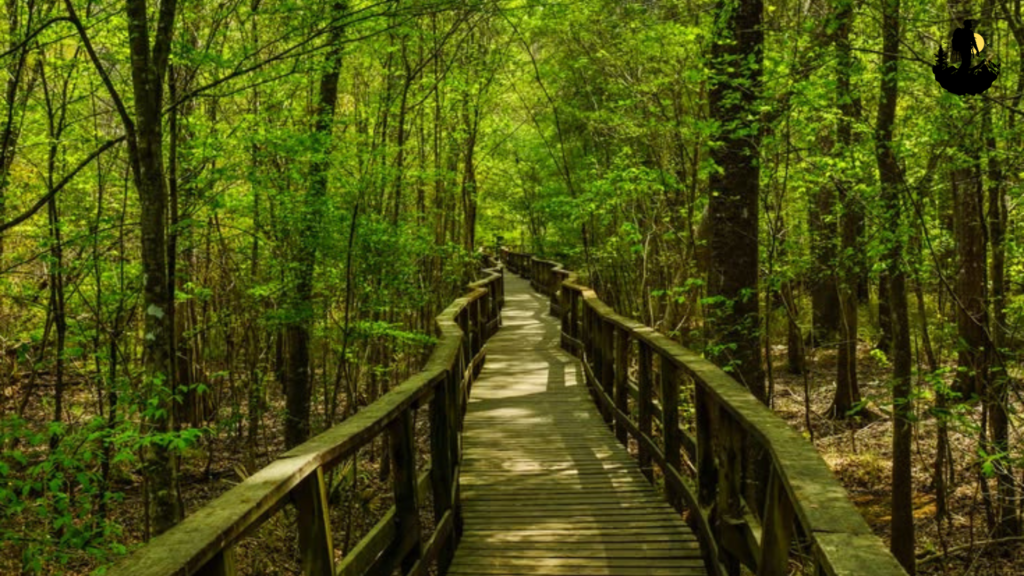
Congaree National Park
Congaree National Park protects one of the largest remaining old-growth bottomland hardwood forests in the United States. Towering bald cypress and tupelo trees rise from dark, slow-moving waters, their roots twisting and flaring like natural sculptures.
Boardwalks and dirt trails wind through sections of swampy forest, offering close views of massive trunks and tangled roots. The air feels thick and humid, carrying earthy scents of mud, bark, and decaying leaves. Light filters through in narrow beams, giving the forest a mysterious, almost cinematic mood.
Bird calls echo across the wetlands, and you may spot turtles basking on logs or deer moving quietly between trees. The environment feels alive but unhurried.
Coordinates: Approximate location 33.7910° N, 80.7820° W, central South Carolina
Best Photography Spots
- Boardwalk curves: Create leading lines through towering trees.
- Cypress knees close-ups: Highlight unique root structures.
- Shallow water reflections: Mirror trunks and foliage.
- Late afternoon light: Adds warm contrast to cool shadows.
Why It Feels So Special
This forest feels ancient and slightly mysterious. It is not polished or picturesque in a traditional sense. Instead, it feels raw and honest. The combination of water, towering trees, and filtered light creates an atmosphere that is both calming and humbling.
Unlike mountain forests, this landscape feels grounded and heavy, as if carrying centuries of stories in its soil. Walking here feels like stepping into a different rhythm of nature.
Weather: Hot, humid summers, mild winters
Best Season to Visit: Late fall through early spring
Budget: $70 to $140 per night nearby
Best Food Nearby: Southern comfort dishes, fried catfish, cornbread
Best Places to Stay: Country inns, woodland cabins, small lodges
Misty Appalachian Hollow Forest
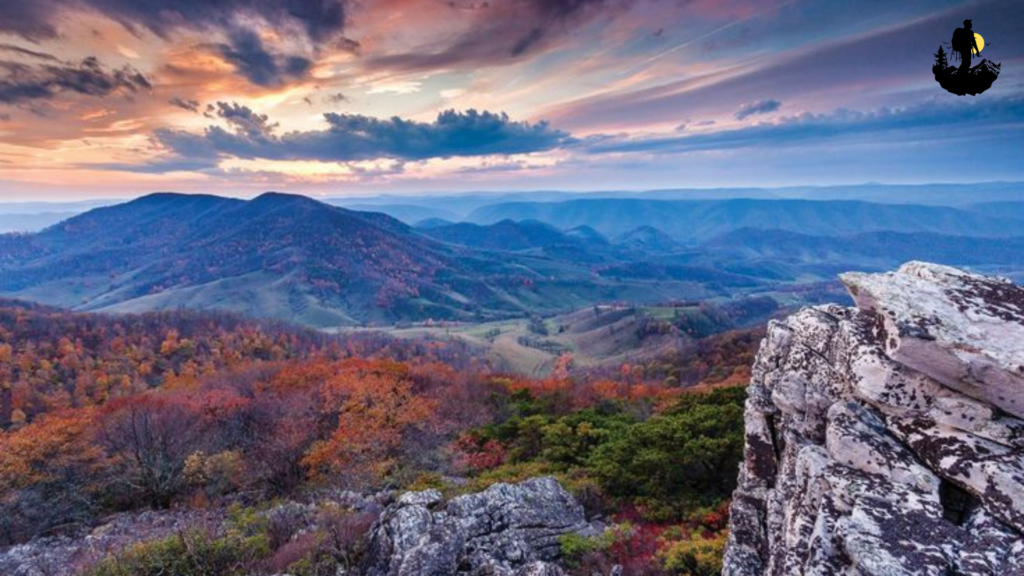
Monongahela National Forest
Monongahela National Forest stretches across rugged mountains and deep hollows of West Virginia, offering dense hardwood forests, quiet valleys, and mist-covered ridges. The forest feels layered and textured, with mossy rocks, rhododendron thickets, and tall oaks forming natural corridors along the trails.
Morning fog often drifts between trees, softening the landscape and muting colors. Streams tumble over rocks, providing constant background sound. The terrain rises and falls gently in many areas, making it accessible while still feeling wild.
Trails here are less crowded than in more famous Appalachian destinations, giving you space to wander and explore without interruption.
Coordinates: Approximate location 38.7000° N, 79.5000° W, eastern West Virginia
Best Photography Spots
- Foggy ridgelines: Capture layered depth and atmosphere.
- Creekside paths: Combine flowing water with forest textures.
- Rocky outcrops: Add foreground interest to forest scenes.
- Overcast days: Enhance rich greens and browns.
Why It Feels So Special
This forest feels intimate and soulful. It does not rely on dramatic landmarks. Its beauty lies in subtle shifts of light, sound, and texture.
There is a strong sense of solitude here. Long stretches of trail may pass without seeing another person. That quiet creates space for reflection and creative thought. It is a place where you can walk for hours and feel completely disconnected from modern life.
Weather: Mild summers, cold winters
Best Season to Visit: Spring and early fall
Budget: $60 to $130 per night nearby
Best Food Nearby: Hearty stews, local trout, homemade pies
Best Places to Stay: Mountain cabins, rustic lodges, forest cottages
Pine-Scented Granite Highlands
Desolation Wilderness
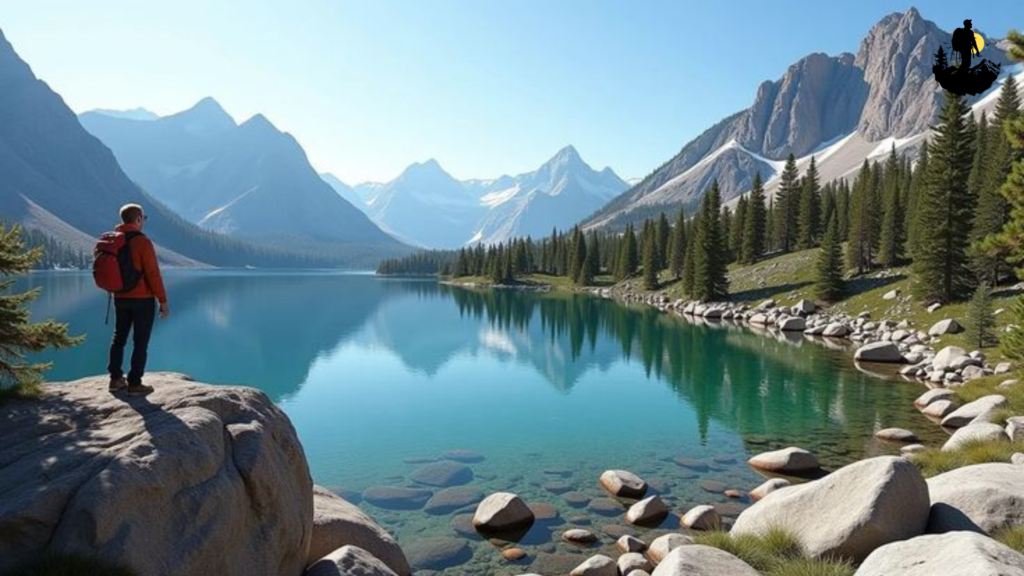
Desolation Wilderness feels raw, open, and quietly powerful. Granite slabs stretch across rolling terrain, dotted with sturdy pine trees and alpine lakes that reflect wide skies. The forest here is not dense in the traditional sense, yet it carries a strong sense of solitude. Pine needles blanket the ground, softening footsteps and releasing a clean, resinous scent with every step.
The landscape alternates between open granite clearings and clusters of lodgepole and Jeffrey pines. This creates a rhythm of exposure and shelter that makes walking feel dynamic. You move from sunlit rock expanses into cool, shaded forest pockets, then back into open light again.
Small lakes appear unexpectedly, tucked between trees and boulders. Their still surfaces mirror surrounding peaks and clouds, offering perfect moments for pause and reflection. Even in summer, the air feels crisp, and nights can be surprisingly cool.
Coordinates: Approximate location 38.9000° N, 120.1000° W, near Lake Tahoe, California
Best Photography Spots
- Granite slab clearings: Capture contrast between stone and forest.
- Lake shorelines: Reflect trees and sky for balanced compositions.
- Pine clusters on ridges: Frame distant mountain backdrops.
- Golden hour light: Warms cool granite tones beautifully.
Why It Feels So Special
This forest escape feels spacious and uncluttered. Instead of dense vegetation, it offers breathing room. The simplicity of granite, pine, and water creates a calming visual palette.
The wilderness also feels quietly resilient. Trees grow where they can, clinging to cracks in rock, shaped by wind and snow. That persistence adds emotional depth to the landscape.
Unlike more developed mountain destinations, Desolation Wilderness retains a rugged feel. Trails are well-marked but not polished. The experience feels authentic and grounding.
Weather: Cool summers, cold snowy winters
Best Season to Visit: Late June through September
Budget: $90 to $170 per night nearby
Best Food Nearby: Hearty breakfasts, wood-fired pizza, mountain café fare
Best Places to Stay: Lake-area cabins, rustic lodges, forest chalets
Quiet Ozark Hardwood Sanctuary
Buffalo National River
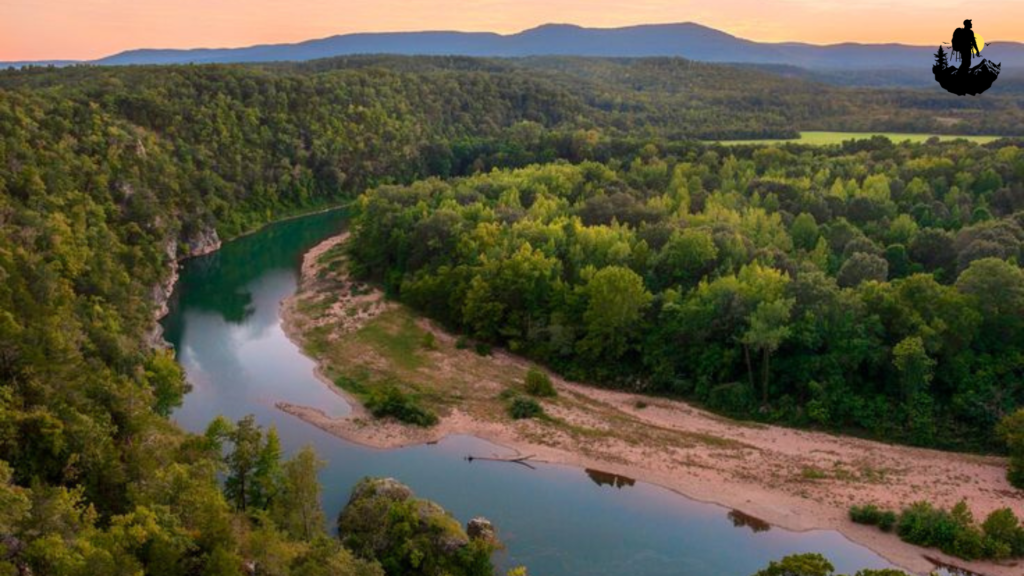
The forests surrounding Buffalo National River feel warm, earthy, and deeply peaceful. Hardwood trees dominate the landscape, including oak, hickory, and maple. Their broad leaves create a thick canopy in summer, casting gentle shade across winding trails.
The forest floor is textured with fallen leaves, exposed roots, and patches of moss. Limestone bluffs rise in places, adding subtle drama to an otherwise soft and rolling landscape. The nearby river moves slowly and steadily, its sound blending seamlessly with birdsong and rustling leaves.
This area feels less dramatic than mountain wilderness, yet incredibly comforting. It invites slow exploration. You wander without urgency, following trails that curve gently through forest and meadow.
Coordinates: Approximate location 36.0500° N, 93.0500° W, northern Arkansas
Best Photography Spots
- River bends: Capture water framed by forest.
- Bluff base clearings: Combine rock textures with trees.
- Leaf-covered trails: Create leading lines into the woods.
- Soft overcast light: Enhances natural earth tones.
Why It Feels So Special
This forest feels approachable and friendly. It does not intimidate. Instead, it feels like a place meant for long walks and quiet thought.
There is a strong sense of balance here. Water, forest, and rock coexist gently without overwhelming one another. The absence of crowds allows you to experience that balance fully.
For many visitors, the magic lies in the simplicity. No grand spectacle. Just consistent beauty and calm.
Weather: Warm summers, mild winters
Best Season to Visit: Spring and fall
Budget: $60 to $130 per night nearby
Best Food Nearby: Barbecue, home-style Southern cooking, pies
Best Places to Stay: Riverside cabins, country inns, rustic cottages
Wind-Whispered Ponderosa Forest
Coconino National Forest
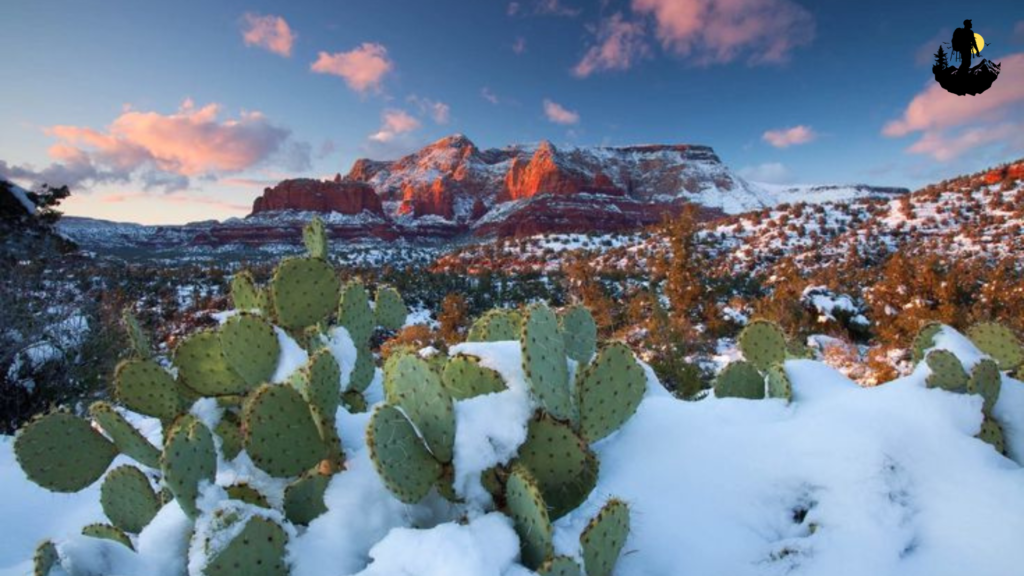
Coconino National Forest showcases vast stands of ponderosa pine, spaced wide enough to let sunlight pour through. The forest feels open and airy, with reddish soil, tall straight trunks, and grassy undergrowth.
Walking here feels different from darker forests. Light plays a bigger role. Shadows stretch long across the ground, and the scent of warm pine bark fills the air. Gentle breezes move through high branches, producing a soft, steady whisper.
The terrain shifts between forested plateaus, shallow canyons, and volcanic rock outcrops. Trails often feel expansive rather than enclosed, offering a sense of quiet freedom.
Coordinates: Approximate location 35.2000° N, 111.6500° W, northern Arizona
Best Photography Spots
- Ponderosa groves: Emphasize repeating vertical lines.
- Volcanic rock edges: Add contrast to forest scenes.
- Wide forest clearings: Capture scale and openness.
- Late afternoon light: Creates warm highlights and long shadows.
Why It Feels So Special
This forest escape feels spacious and uplifting. Instead of enclosing you, it seems to open outward.
The combination of warm earth tones, bright light, and fresh pine scent creates a sense of quiet energy. It is a wonderful place for thoughtful walking, journaling, or simply sitting beneath a tree and watching light shift across the ground.
Despite being close to popular destinations, many sections remain uncrowded, preserving a sense of solitude.
Weather: Mild summers, cold winters with snow
Best Season to Visit: Late spring through early fall
Budget: $70 to $150 per night nearby
Best Food Nearby: Southwestern cuisine, green chile dishes, hearty stews
Best Places to Stay: Forest cabins, mountain lodges, small inns
Primeval Subtropical Forest Refuge
Big Thicket National Preserve
Big Thicket National Preserve feels like a quiet convergence of worlds. It is a place where eastern hardwood forests blend with southern swamps, pine savannas, and lush bottomlands, creating one of the most biologically diverse forest landscapes in North America. Walking here feels like traveling through multiple ecosystems in a single day, each with its own character, mood, and rhythm.
Tall longleaf pines rise from sandy soils in some areas, their straight trunks spaced wide apart, allowing sunlight to pour through. In other sections, dense hardwood canopies close overhead, creating shaded corridors that feel cool even on warm days. Palmettos, magnolias, and sweetgum trees add to the layered texture, while vines weave between trunks like natural ropes.
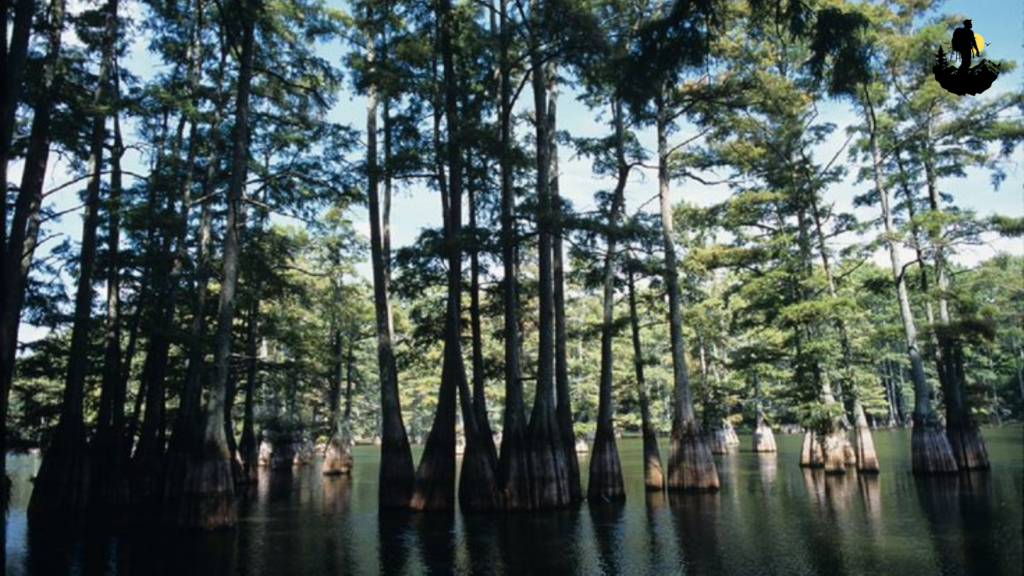
The forest floor is rich with life. Mushrooms push through decaying leaves. Ferns unfurl in damp pockets. You might notice armadillo tracks pressed into soft soil or hear frogs calling from hidden pools. The sounds here are constant yet gentle. Cicadas hum. Birds call from above. Wind rustles leaves in slow waves.
Water plays a central role in shaping this landscape. Creeks, bayous, and sloughs snake quietly through the preserve. Their dark, tea-colored waters reflect branches and sky, creating mirror-like surfaces that feel endlessly calming. The presence of water gives the forest a slightly mystical quality, as though it is always half-awake, half-dreaming.
Trails in Big Thicket are not about dramatic viewpoints. Instead, they offer immersion. You walk into the forest and become part of it. Paths wind gently, often disappearing into dense vegetation before re-emerging somewhere unexpected. This encourages a slower pace and a deeper awareness of your surroundings.
Coordinates: Approximate location 30.6000° N, 94.7000° W, southeast Texas
Best Photography Spots
- Cypress-lined sloughs: Capture reflections and root structures.
- Pine savanna clearings: Show contrast between open light and shadowed woods.
- Creek crossings: Add water movement and depth to compositions.
- Overcast days: Enhance rich greens and earthy browns.
Why It Feels So Special
Big Thicket does not overwhelm with grandeur. Instead, it quietly reveals itself through layers. You notice small details first. The curve of a leaf. The texture of bark. The ripple of water around submerged branches. Over time, those small details build into a profound sense of connection.
There is also a feeling of deep age here. Some areas feel almost prehistoric, as if unchanged for thousands of years. This sense of continuity creates emotional grounding. You realize that nature does not hurry. It simply persists.
Unlike more famous parks, Big Thicket remains relatively uncrowded. Many trails feel empty even during peak seasons. That solitude allows you to move without distraction, to hear your own breath, to feel fully present.
The diversity of ecosystems also means each visit feels different. You might explore pine forest one day and swampy bottomland the next. This variety keeps the experience fresh and endlessly fascinating.
Weather: Hot, humid summers, mild winters
Best Season to Visit: Late fall through early spring
Budget: $60 to $130 per night nearby
Best Food Nearby: Cajun dishes, smoked meats, hearty Southern plates
Best Places to Stay: Country cabins, small inns, woodland lodges
Big Thicket is not a destination you rush through. It is a place you slowly absorb. A place where patience is rewarded with quiet wonder.
Endless Coastal Rainforest Realm
Tongass National Forest
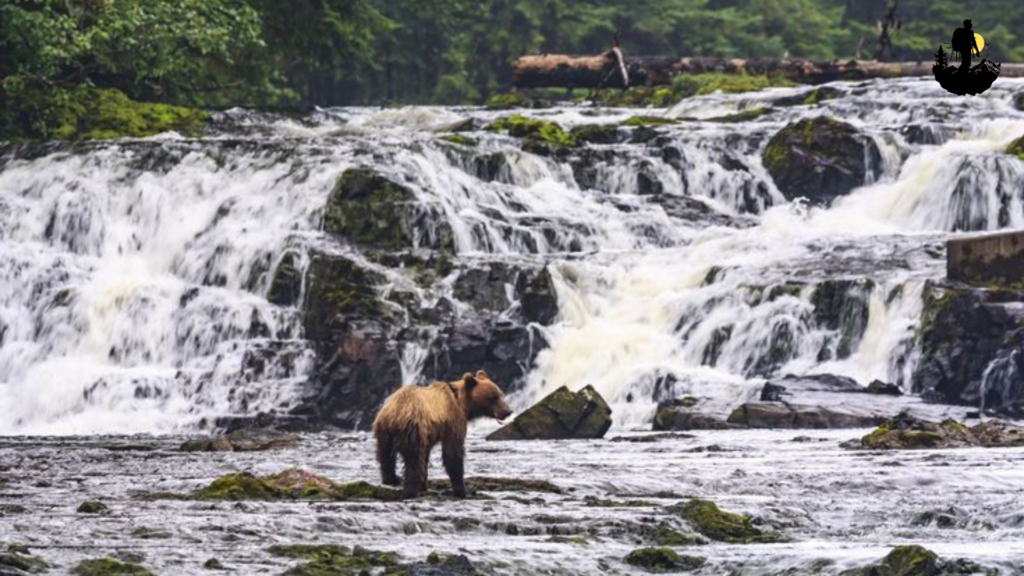
Tongass National Forest feels vast beyond comprehension. Stretching across southeastern Alaska, it is the largest national forest in the United States and one of the most intact temperate rainforest on Earth. Here, mountains, fjords, islands, and dense forests merge into a landscape that feels truly wild.
The forest is dominated by towering spruce, hemlock, and cedar trees. Many grow straight and tall, their trunks wrapped in moss and lichen. The canopy overhead is thick, filtering light into soft, muted tones. Even on bright days, the forest feels dim and introspective.
Walking through Tongass feels like stepping into a living cathedral. The air is cool, damp, and heavy with the scent of wet bark and salt carried from nearby ocean waters. Everything feels saturated. Greens are deeper. Browns are richer. The entire environment seems infused with moisture and life.
Trails wind through dense vegetation, often following coastlines, rivers, or valleys. You may hear the distant crash of waves, the call of ravens, or the splash of salmon in shallow streams. Wildlife sightings are common. Deer move quietly through undergrowth. Eagles perch high in treetops. Bears roam in search of berries and fish.
One of the most striking aspects of Tongass is its sense of scale. Trees stretch endlessly in every direction. Valleys feel bottomless. Mountains rise abruptly from forested slopes. Yet despite this immensity, the forest feels surprisingly intimate when you are inside it. The thick vegetation closes in gently, creating a feeling of enclosure and safety.
Coordinates: Approximate location 57.0000° N, 135.0000° W, southeast Alaska
Best Photography Spots
- Mossy old-growth groves: Emphasize age and texture.
- Creek-side trails: Combine water, roots, and reflections.
- Coastal forest edges: Capture trees meeting ocean.
- Foggy mornings: Add depth and mystery.
Why It Feels So Special
Tongass carries a sense of primal power. It feels less shaped by humans than many other forests. You sense that nature is fully in control here.
There is also a deep stillness beneath the constant background sounds. Even when rain falls or waves crash, the forest itself feels steady and calm. That stability creates a powerful emotional effect. It slows your thoughts. It quiets inner noise.
Because of its remote location, most visitors only experience small portions of Tongass. Large areas remain rarely visited. This gives the forest an untouched quality that is increasingly rare in the modern world.
Spending time here fosters humility. You realize how small you are in the grand scheme of things. Yet instead of feeling insignificant, you feel supported by something ancient and enduring.
Weather: Cool, wet summers, cold wet winters
Best Season to Visit: Late May through September
Budget: $100 to $200 per night nearby
Best Food Nearby: Fresh seafood, salmon chowder, local berries
Best Places to Stay: Remote lodges, coastal cabins, small inns
Tongass National Forest is not just a forest. It is a vast living system that invites respect, patience, and awe. It is a place where silence speaks, and the wild feels endless.
Practical Tips for Visiting Hidden Forest Escapes
Hidden forests reward curiosity, but they also demand respect and preparation. Before heading out, research the area thoroughly. Understand trail conditions, seasonal closures, and weather patterns so you are not caught off guard. Many lesser-known forests have limited signage, so carrying an offline map or GPS device can be extremely helpful.
Pack light but smart. Bring plenty of water, high-energy snacks, a basic first-aid kit, and layered clothing. Even in warmer regions, temperatures can drop quickly under dense canopy or near water. Comfortable, waterproof footwear is essential, as forest trails often remain damp and uneven.
Move slowly and quietly. Hidden forest escapes reveal their magic in subtle ways. You will notice more wildlife, shifting light, and delicate details if you resist the urge to rush. Take time to pause, sit, and simply observe.
Practice Leave No Trace principles. Stay on established trails, pack out everything you bring in, and avoid disturbing plants or animals. These quiet places remain special because they are protected by mindful visitors.
Let someone know your plans before you go. Share your route and estimated return time with a trusted person, especially when exploring remote areas. Cell service is often unreliable in forest regions.
Finally, embrace flexibility. Weather, trail conditions, or personal energy levels may change your plans. Accepting this allows the experience to feel natural rather than forced. Hidden forest experiences are not about conquering distance. They are about connecting with place.
Conclusion
In a world filled with constant noise, endless notifications, and crowded destinations, hidden forest escapes offer something deeply rare. They offer space. Not just physical space, but mental and emotional space as well. These quiet woodlands remind us that we do not always need grand spectacles to feel wonder. Sometimes, wonder lives in the hush of leaves, the scent of damp earth, and the slow rhythm of our own footsteps.
Each forest tells its story differently. Some speak through towering ancient forests. Others whisper through moss-covered rocks, drifting mist, or gently moving water. What they all share is an invitation to slow down. To breathe more deeply. To notice small details we often overlook in everyday life.
Exploring these hidden forest escapes America is not about escaping reality. It is about reconnecting with it. Nature strips away excess. It simplifies. It brings us back to what is essential. Standing among trees that have existed for centuries puts our worries into perspective and reminds us of our place within a much larger story.
These places also teach responsibility. Their beauty depends on care, respect, and restraint. When we tread lightly, we help ensure that future travelers can experience the same quiet magic.
Hidden forests may never trend on social media or appear on glossy postcards. That is part of their power. They remain personal. Intimate. Unfiltered.
If you are willing to wander beyond the familiar, you will discover that America’s greatest forest destinations are often the ones few people talk about. And once you find one, it will stay with you long after you leave, not as a memory of a destination, but as a feeling of calm you can return to whenever life becomes too loud.

✦ Related Articles You May Love
- Living Like A Local In Remote U S Regions
- Hidden Homestay Experiences In Offbeat U S Towns
- Folklore And Legends From The Deep South
- How To Find Hidden Adventure Spots Across The Usa
- Essential Packing Tips For U S Hiking Trips
- Budget Travel Hacks For Exploring U S Trails
- Safety Tips For Hiking Hidden Trails In The Usa
- Best Seasons To Visit Hidden U S Parks
- Eco Friendly Ways To Explore Remote U S Destinations
- How To Reach Hard To Access U S Adventure Spots
- Navigating Road Trips To Lesser Known U S Parks
- Apps That Reveal Hidden Trails And Campsites
- How To Stay Connected In Remote U S Areas
- Capturing Hidden Landscapes Of The American West
- Capturing Hidden Motion Long Exposure Photography In U S National Parks
- Night Sky Photography In Americas Dark Sky Parks
- Photo Walks Through Hidden U S Small Towns
- Reflections Photography On Hidden U S Lakes
- Rock Climbing In Lesser Known U S Spots
- Trail Running Through Hidden Forest Paths
- Mountain Biking Adventures In The Pacific Northwest
- Paragliding Above Secret U S Peaks
- Scuba Diving Hidden Reefs In The Florida Keys
- Abandoned Ghost Towns In The American West
- Hidden Architectural Gems Across The Usa
- Discovering Truly Local Favourite Hiking Trail Usa
- Travel Mistakes To Avoid On U S Hidden Trails
- Solo Adventures In Remote U S Locations
- How Tourism Is Changing Hidden American Spots
- Hidden U S Destinations That Inspired Great Art
- Americas Forgotten Ghost Stories And Legends
- Short Hidden Hikes Under 5 Miles In The Usa
- Abiqua Falls Oregons Most Hidden Waterfall In The Pacific Northwest
- Exploring Hidden Islands In The Florida Keys
- Hidden Trails Secret Canyons Offbeat Hiking Escapes In The American Southwest
- Lesser Known National Parks Usa Hidden Gems To Explore In 2025
- Secret Caves To Explore In The Appalachian Mountains
- A Bloomseekers Paradise The Wildflower Trails In The Rocky Mountains
- Scenic Mountain Passes Few Know In Colorado Hidden And Adventurous Places You Must Explore
- Kayaking Through Hidden Rivers Of The South
- Underrated Desert Oases In The Southwest Usa
- Seasonal Hidden Wonders In U S National Parks
- Hidden Hot Springs In The Western United States Your Guide To Real Relaxation
- Snow Covered Winter Trails No One Talks About
- Secret Coastal Cliffs To Explore In California
- Underground Crystal Caves In The United States
- Untouched Forest Sanctuaries In The Northeast
- Stories From Rural Americas Forgotten Communities
- Hidden Artisan Markets In The Midwest Your Ultimate Guide
- Local Foods Found Only In Small Town America
🌿 Sources & References
- Forest Bathing and Health – NIH
- Forest Conservation – U.S. Forest Service
- Rainforest Facts – National Geographic
- Forest Ecosystems – WWF
- Travel & Adventure – National Geographic
- Outdoor Recreation – REI Expert Advice
- Leave No Trace Principles
- Nature Conservation – WWF
- U.S. National Parks – NPS
- Sustainable Tourism – UNWTO