Desert Wonders of the USA: Beyond the Famous Parks
The desert of the United States are often imagined as empty, harsh, and unforgiving. Yet those who venture beyond the well-known parks quickly discover a different reality. These landscapes are alive with color, texture, movement, and stories written across stone, sand, and sky. Hidden canyons glow with shifting light. Vast dune fields roll like frozen waves.

Red rock valleys burn with color at sunrise and fade into deep purples at dusk. These quieter desert wonders invite travelers to slow down and truly observe, to feel the rhythm of wind and the weight of silence. They are places where solitude becomes a gift and beauty reveals itself gradually. The following desert hidden gems usa showcase the extraordinary diversity of America’s arid regions, offering immersive experiences that feel personal, powerful, and unforgettable.
Hidden Slot Canyons: Sculpted Corridors of Light
Antelope Canyon
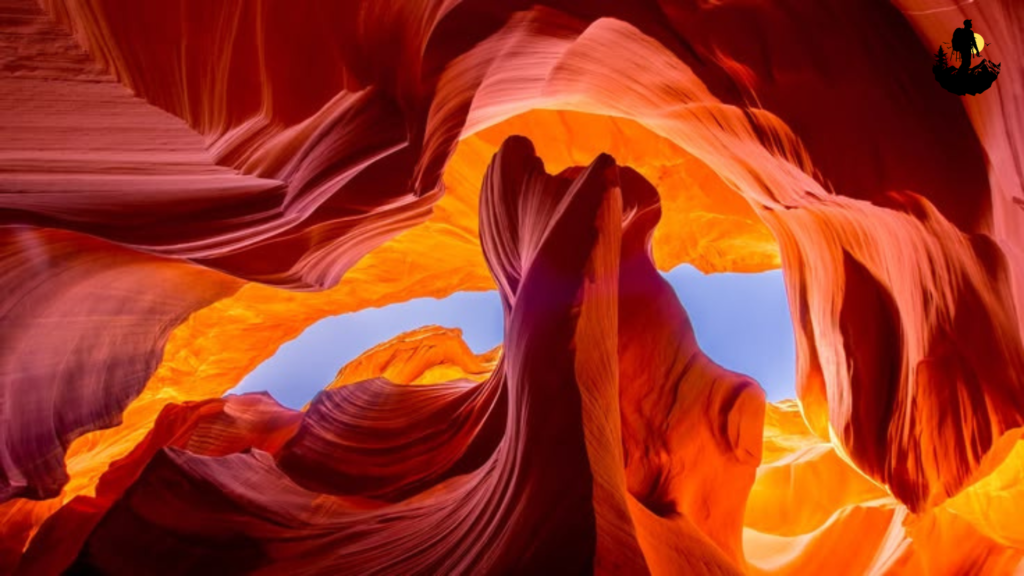
Antelope Canyon is one of the most mesmerizing slot canyon systems in the American Southwest, formed by millions of years of water erosion cutting narrow passages through Navajo sandstone. From above, the canyon appears modest and unassuming. But once you step inside, the world transforms. Towering walls rise close together, twisting and flowing like ribbons of stone. The surfaces are smooth and polished, shaped by flash floods that surge through during monsoon seasons. Every curve feels intentional, as though sculpted by an artist rather than nature.
Light is the defining element of the experience. Sunlight filters through thin openings high above, striking the canyon walls at different angles throughout the day. These beams shift slowly, illuminating patches of rock in warm shades of amber, copper, rose, and gold. As the light moves, the canyon seems to breathe and change, offering new visual compositions every few minutes. No two visits ever feel the same.
The atmosphere inside the canyon is quiet and reverent. Sound behaves differently here. Voices soften, footsteps echo gently, and even the wind seems hushed. The air is cooler than the surrounding desert, creating a refreshing contrast to the intense heat outside. Visitors often find themselves instinctively slowing their pace, drawn into a state of quiet observation.
Photographers are especially drawn to Antelope Canyon, but the experience goes far beyond capturing images. Even without a camera, the visual richness is overwhelming. The swirling patterns resemble flowing water frozen in stone. Subtle color gradients reveal layers of geological history. Narrow corridors suddenly open into small chambers where light pools dramatically, creating scenes that feel almost otherworldly.
Coordinates: Approximate location 36.8619° N, 111.3743° W, near Page, Arizona
Best Photography Spots:
- Central curves where the walls fold inward, creating classic flowing shapes
- Light beam chambers during late morning to early afternoon
- Upward-facing angles emphasizing the narrow sky openings
- Close-up textures that highlight fine ripples and soft color transitions
Using a tripod is highly recommended due to low light levels inside the canyon.
Why It Is So Special
Antelope Canyon offers an intimate desert experience unlike vast open landscapes. Its beauty is subtle and immersive rather than grand and distant. The canyon invites visitors to engage closely with the environment, noticing small details and quiet changes. It feels alive with motion, even though the rock itself is ancient and still. The combination of light, texture, and silence creates a sense of awe that lingers long after leaving.
For many, Antelope Canyon becomes a reminder of nature’s patience and power. Water, over time, accomplished what no machine could replicate. Standing inside these sculpted corridors feels humbling, a quiet lesson in the slow artistry of the Earth.
Weather: Extremely hot summers, cool winters
Best Season to Visit: Spring and fall
Budget: $80 to $180 per night nearby
Best Food Nearby: Southwestern cuisine, Navajo tacos, grilled meats, local diners
Best Places to Stay: Page hotels, desert lodges, cozy motels
White Sands National Park
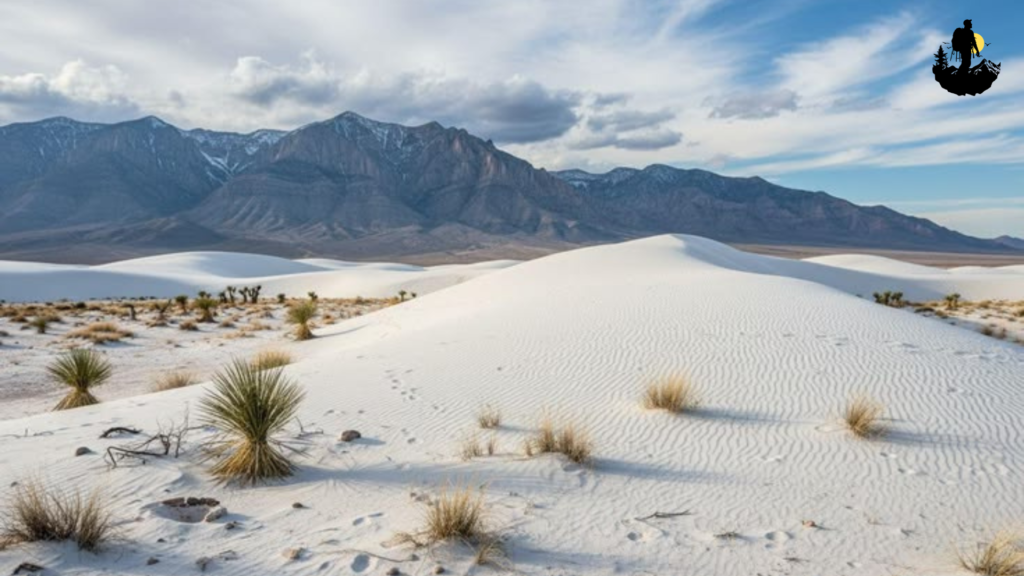
White Sands National Park feels like stepping into another world. Instead of the typical golden or rust-colored desert, this landscape is composed of pure white gypsum sand that stretches for miles in every direction. The dunes rise and fall like ocean waves frozen in time, creating a vast, undulating sea of brightness under an endless sky.
Walking across the gypsum sand is a unique sensory experience. The surface is soft and cool compared to typical desert sand, and it squeaks faintly beneath your feet. The dunes shift constantly with the wind, reshaping themselves overnight. Tracks from the previous day disappear, and new ridges emerge, giving the park a sense of perpetual renewal.
The openness of White Sands is both calming and slightly surreal. With few landmarks breaking the horizon, distance becomes difficult to judge. The vastness encourages slow exploration, whether hiking along dune ridges or wandering off-trail to find solitude. Even when other visitors are present, the park rarely feels crowded due to its immense size.
Sunrise and sunset are especially magical. As the sun dips low, the dunes take on soft pastel hues. Whites fade into pinks, lavenders, and pale blues. Shadows stretch long across the sand, emphasizing ripples and curves. At night, the absence of light pollution reveals an expansive star-filled sky, turning the desert into a peaceful observatory.
Despite its seemingly barren appearance, White Sands supports a surprising amount of life. Plants and animals have adapted to blend into the pale environment. White-coated rodents, lizards, and insects camouflage themselves against the sand. Hardy vegetation anchors dune edges, helping stabilize the shifting terrain.
Coordinates: Approximate location 32.7791° N, 106.1710° W, southern New Mexico
Best Photography Spots:
- High dune crests for panoramic views
- Rippled sand patterns at sunrise
- Sunset-facing slopes
- Minimalist compositions with footprints or lone plants
A polarizing filter helps manage glare and enhance sky contrast.
Why It Is So Special
White Sands feels pure and elemental. Its simplicity is its strength. There are no towering peaks or dramatic cliffs, yet the beauty is undeniable. The park offers a sense of weightlessness and calm, a place where thoughts slow and attention turns inward. It is a desert that feels gentle rather than harsh, inviting quiet reflection.
Visitors often leave with a deep appreciation for subtle beauty. White Sands proves that grandeur does not always come from complexity. Sometimes, a vast field of white dunes beneath a blue sky is more than enough.
Weather: Hot summers, mild winters
Best Season to Visit: Fall through spring
Budget: $70 to $160 per night nearby
Best Food Nearby: Mexican cuisine, green chile dishes, casual cafes
Best Places to Stay: Alamogordo hotels, desert inns, simple lodges
Valley of Fire State Park
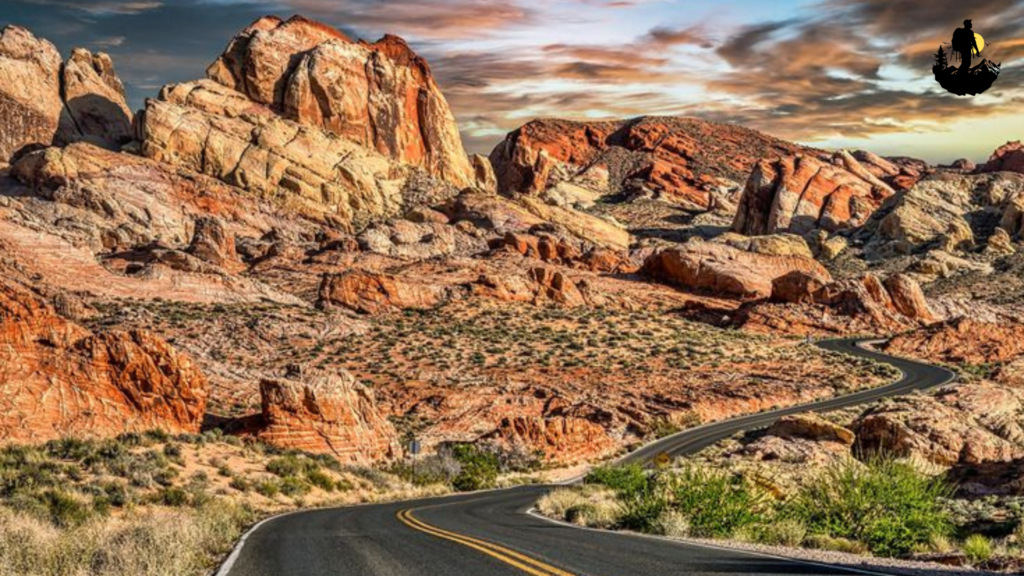
Valley of Fire State Park in Nevada is a place of bold color and dramatic form. The landscape is dominated by red sandstone formations that appear to glow from within, especially under direct sunlight. These rocks were formed from ancient sand dunes over 150 million years ago and later lifted, tilted, and eroded into the shapes seen today.
The park’s terrain is varied and visually striking. Jagged spires, rounded domes, natural arches, and sweeping ridges create endless visual interest. Some formations resemble animals or abstract sculptures, inviting imaginative interpretation. The intense reds are often layered with streaks of white, pink, and gray, revealing the complex geological history embedded in each cliff face.
Exploring Valley of Fire feels like walking through a living museum. Ancient petroglyphs etched into rock surfaces provide glimpses into the lives of early inhabitants who once traveled through this harsh environment. These carvings add cultural depth to the already powerful natural scenery.
Hiking trails range from short, easy walks to longer routes that weave between towering formations. Even casual strolls reveal hidden alcoves, narrow passages, and elevated viewpoints. At sunrise, the rocks glow softly. At sunset, the entire valley ignites with fiery color, earning its name.
Despite its rugged appearance, the park offers moments of surprising tranquility. Away from main roads, silence settles quickly. The vast sky and open desert create a sense of spaciousness that feels both freeing and grounding.
Coordinates: Approximate location 36.4280° N, 114.5150° W, northeastern Nevada
Best Photography Spots:
- Elephant Rock viewpoint
- Fire Wave sandstone patterns
- Sunset-facing ridges
- Wide desert panoramas
Golden-hour light reveals the richest colors and deepest textures.
Why It Is So Special
Valley of Fire delivers raw desert beauty without overwhelming crowds. Its intense colors and sculpted formations create a visual impact that feels immediate and powerful. The park embodies the dramatic side of desert landscapes, where heat, wind, and time have shaped stone into fiery works of art.
Visitors often describe Valley of Fire as energizing. The boldness of the scenery stirs something primal, reminding us of Earth’s dynamic nature. It is a place that leaves a lasting impression, not just through photographs, but through the feeling of standing among burning-red rocks beneath an endless sky.
Weather: Extremely hot summers, mild winters
Best Season to Visit: October through April
Budget: $80 to $180 per night nearby
Best Food Nearby: American comfort food, steakhouses, casual cafes
Best Places to Stay: Mesquite hotels, desert resorts, roadside inns
Petrified Forest National Park
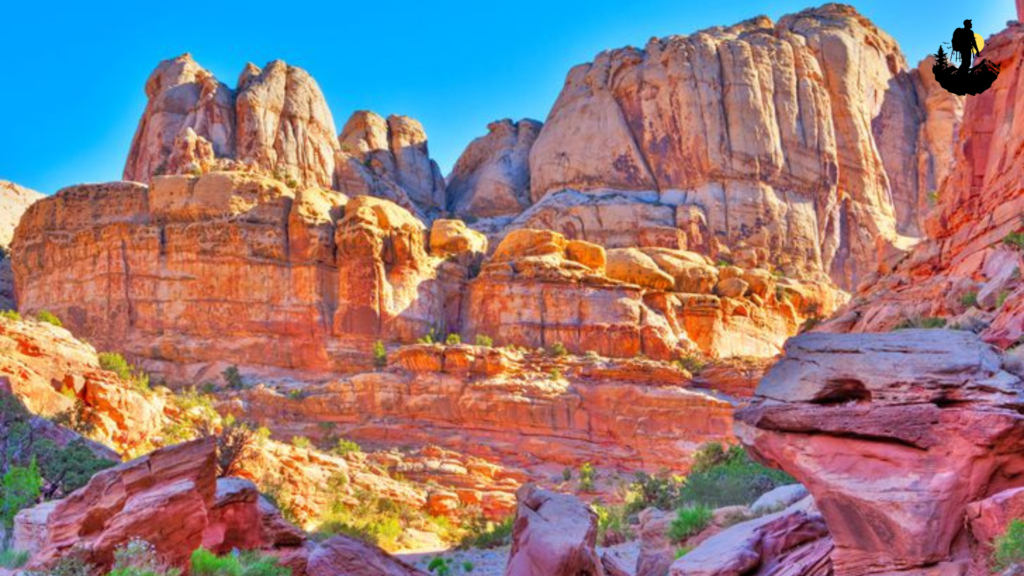
Petrified Forest National Park in northeastern Arizona feels like stepping into a world where time has slowed to a near standstill. The land here tells a story that began over 200 million years ago, when massive trees fell and were gradually buried by sediment. Over countless centuries, mineral-rich water seeped through the wood, replacing organic material with silica and other minerals. The result is a surreal landscape where fallen trees have transformed into brilliant stone, preserving their rings, bark textures, and internal structures in extraordinary detail.
Walking through the park is a humbling experience. Huge logs lie scattered across open desert plains, their surfaces gleaming with shades of red, purple, yellow, blue, and black. Some appear almost polished, as if sculpted by human hands, yet every color and pattern is entirely natural. Each piece of petrified wood feels like a frozen moment from Earth’s deep past, a reminder of how long our planet has been evolving.
Beyond the fossilized trees, the park offers diverse scenery that enhances its sense of wonder. Painted desert badlands stretch to the horizon, layered with soft pinks, grays, and lavenders. Low mesas rise from the plains, their edges carved by wind and rain. Ancient volcanic ash beds hint at dramatic geological events that once reshaped the region.
Silence plays a powerful role here. The openness of the landscape creates a feeling of vastness, yet the stillness feels intimate. Even on busier days, it is easy to find quiet corners where you can stand alone among stone trees and feel completely disconnected from the modern world.
The park also holds important cultural history. Ancient petroglyphs carved into rock faces provide evidence that humans have lived and traveled through this region for thousands of years. These markings add another layer of depth, connecting geological time with human time in a single place.
Coordinates: Approximate location 35.0740° N, 109.8060° W, northeastern Arizona
Best Photography Spots:
- Giant Logs Trail for colorful close-ups
- Blue Mesa for pastel badlands
- Painted Desert Rim viewpoints
- Crystal Forest for sparkling stone textures
A tripod and macro lens help capture fine mineral details.
Why It Is So Special
Petrified Forest National Park offers a rare opportunity to witness deep time made visible. Unlike dramatic canyons or towering peaks, its beauty is quiet and contemplative. The stone trees invite reflection on Earth’s immense history and humanity’s small place within it.
Visitors often leave with a renewed sense of awe, not just at the beauty of the park, but at the processes that created it. This is a desert wonder that speaks softly yet profoundly.
Weather: Hot summers, cold winters
Best Season to Visit: Spring and fall
Budget: $70 to $160 per night nearby
Best Food Nearby: Southwestern cuisine, roadside diners, local cafes
Best Places to Stay: Holbrook motels, small desert inns, budget hotels
Great Basin National Park
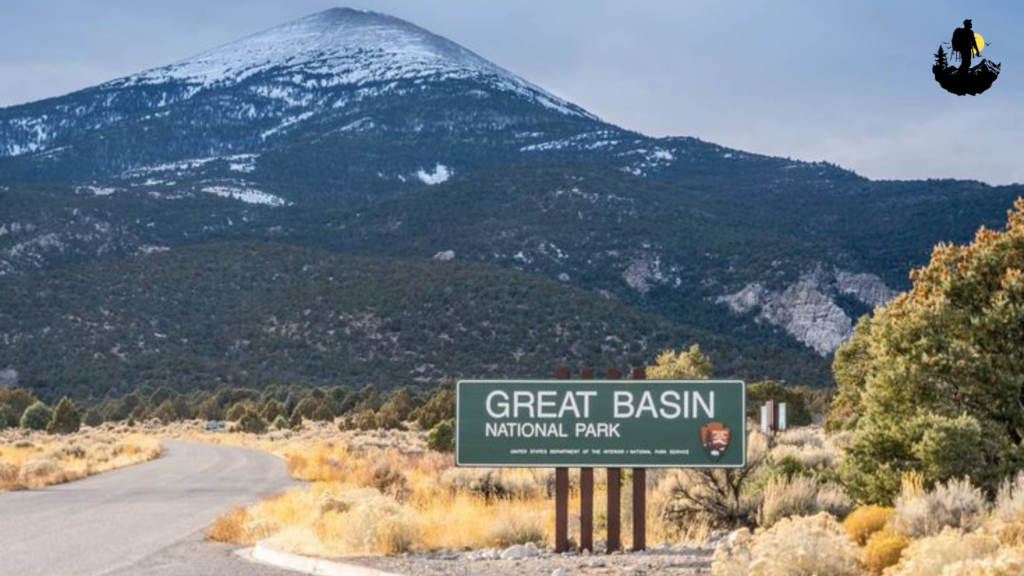
Great Basin National Park in eastern Nevada showcases a side of desert landscapes that many travelers do not expect. Here, arid valleys meet alpine peaks, creating a striking contrast between dry desert floors and forested mountain slopes. The park is defined by its remoteness and sense of solitude. Vast open spaces stretch beneath expansive skies, and silence feels like a constant companion.
The desert floor is dotted with sagebrush, hardy grasses, and scattered wildflowers during spring. Rising above it all is Wheeler Peak, whose snow-capped summit can remain visible well into summer. This combination of desert and mountain environments creates remarkable biodiversity and visual variety.
One of the park’s most fascinating features is its ancient bristlecone pine trees. Some of these gnarled, twisted trees are nearly 5,000 years old, making them among the oldest living organisms on Earth. Their weathered forms stand like silent guardians on rocky slopes, shaped by wind, cold, and time.
Great Basin is also renowned for its dark night skies. Far from major cities, the park offers exceptional stargazing. On clear nights, the Milky Way stretches vividly across the sky, and countless stars shimmer above the quiet desert. Many visitors describe this as one of the most memorable aspects of their trip.
Exploring the park feels adventurous yet peaceful. Trails wind through desert basins, up forested hillsides, and into alpine environments. Whether hiking to a high viewpoint or wandering a short nature trail, the experience is deeply immersive.
Coordinates: Approximate location 38.9833° N, 114.3000° W, eastern Nevada
Best Photography Spots:
- Wheeler Peak viewpoints
- Bristlecone Pine Grove
- Sunset over desert valleys
- Night sky panoramas
Wide-angle lenses are ideal for capturing sweeping landscapes.
Why It Is So Special
Great Basin National Park embodies desert solitude. It offers space to breathe, think, and reconnect with nature. The blending of ecosystems creates a richness that surprises many first-time visitors.
This is a desert that feels alive in quiet ways. Its beauty reveals itself gradually, rewarding patience and curiosity.
Weather: Warm summers, cold winters
Best Season to Visit: Late spring through early fall
Budget: $70 to $150 per night nearby
Best Food Nearby: Home-style cooking, diners, small-town cafes
Best Places to Stay: Baker motels, simple lodges, campgrounds
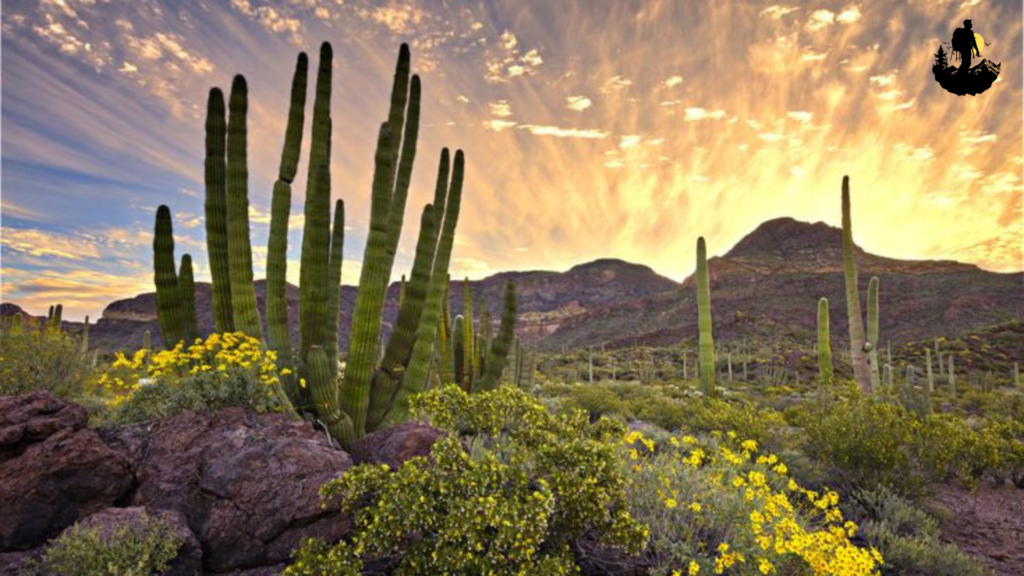
Organ Pipe Cactus National Monument
Organ Pipe Cactus National Monument in southern Arizona protects one of the most biologically rich desert environments in the United States. This landscape is dominated by the towering organ pipe cactus, a rare species found almost exclusively in this region. These multi-armed giants rise like living sculptures, giving the desert the appearance of a natural forest.
The monument lies within the Sonoran Desert, known for its incredible diversity of plant life. Alongside organ pipe cacti, you will find saguaros, cholla, ocotillo, and creosote bushes. During spring, wildflowers bloom across the desert floor, adding splashes of yellow, purple, and red to the sandy terrain.
Walking among the cacti feels both humbling and serene. Each plant has adapted to survive extreme heat and limited water, storing moisture and protecting itself with spines. The desert hums quietly with life. Birds perch atop cactus arms. Lizards dart between shadows. At dawn and dusk, the landscape feels especially alive.
The monument’s remoteness enhances its appeal. Far from major cities, it offers expansive views and deep silence. Sunsets paint the sky in brilliant oranges and pinks, silhouetting cactus forests against glowing horizons.
Coordinates: Approximate location 31.9500° N, 112.8000° W, southern Arizona
Best Photography Spots:
- Desert View Trail
- Ajo Mountain Drive overlooks
- Sunset cactus silhouettes
- Wildflower fields in spring
A telephoto lens can isolate cactus shapes beautifully.
Why It Is So Special
Organ Pipe Cactus National Monument showcases the desert as a living ecosystem rather than an empty wasteland. Its rich biodiversity and striking plant life create a sense of abundance and resilience.
Visitors often leave with a deeper respect for desert environments. This is a place where life thrives against the odds, offering powerful lessons in adaptation and endurance.
Weather: Extremely hot summers, mild winters
Best Season to Visit: November through March
Budget: $70 to $150 per night nearby
Best Food Nearby: Mexican cuisine, roadside cafes, small-town diners
Best Places to Stay: Ajo motels, desert lodges, campgrounds
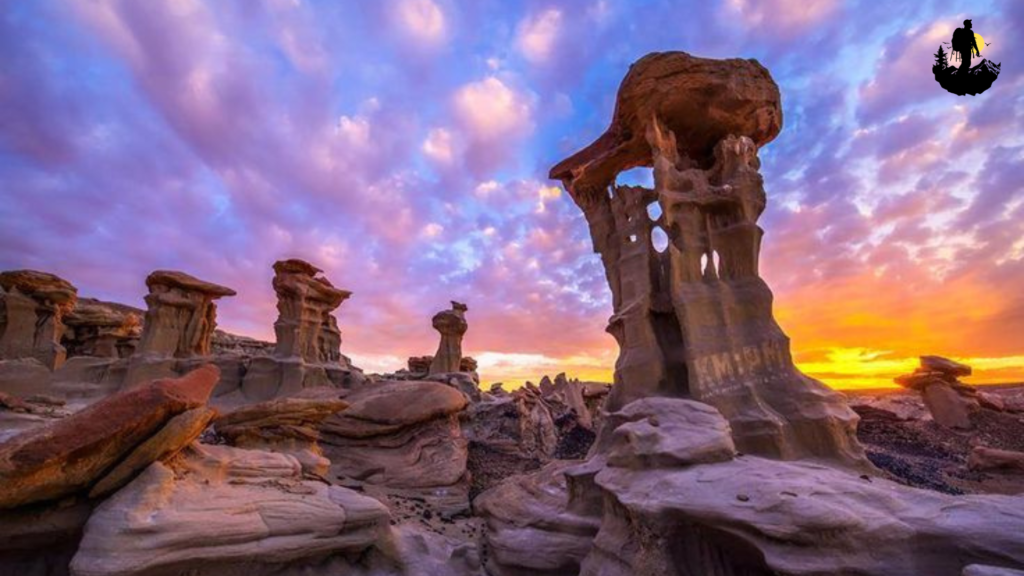
Bisti De-Na-Zin Wilderness
The Bisti Badlands, officially known as the Bisti De-Na-Zin Wilderness in northwestern New Mexico, feel less like a place on Earth and more like a landscape pulled from the imagination of a science-fiction artist. This vast, remote wilderness is a labyrinth of eroded sandstone, mudstone, and shale, sculpted by millions of years of wind and water into strange shapes that defy easy description. Hoodoos rise like frozen flames, rock fins slice through the ground like jagged knives, and rounded hills appear as if they are slowly melting into the desert floor.
There are no formal trails in Bisti, which immediately sets it apart from many other desert destinations. Exploration here is based on intuition rather than signage. You wander freely, guided by curiosity and distant landmarks. This sense of discovery is a major part of Bisti’s appeal. Each turn reveals something unexpected: a cluster of mushroom-shaped rocks, a narrow passage between towering formations, or a solitary spire standing against the sky.
The colors of the badlands shift subtly throughout the day. Soft grays, tans, and pale yellows dominate the landscape, but closer inspection reveals streaks of lavender, rust, and dusty pink. After rainfall, these hues become even richer, and the ground takes on a smooth, clay-like texture. At sunrise and sunset, long shadows stretch across the terrain, adding depth and drama to the already surreal scenery.
Silence is one of Bisti’s most striking qualities. The remoteness of the area means human sounds are rare. Wind brushing across rock surfaces, the crunch of boots on gravel, and the distant call of a bird are often the only noises. This quiet creates a powerful sense of immersion. You feel not like a visitor, but like a temporary part of an ancient landscape that has existed long before humans arrived.
Bisti is also a place of deep geological significance. The rock layers exposed here were formed during the Late Cretaceous period, when this region was part of a vast coastal plain near an inland sea. Fossils of ancient plants and dinosaurs have been found in the area, adding another dimension to the experience. Standing among these formations, it is impossible not to imagine a completely different world that once thrived here.
Coordinates: Approximate location 36.2660° N, 108.2480° W, northwestern New Mexico
Best Photography Spots:
- Cracked mud flats for textured foregrounds
- Hoodoo clusters in central Bisti
- Rock fins and narrow corridors
- Wide open basins at sunset
A tripod is useful for low-light conditions and long exposures during golden hour.
Why It Is So Special
Bisti Badlands offer a sense of freedom that is increasingly rare. Without marked trails or crowds, visitors experience a true wilderness atmosphere. The landscape feels raw, untouched, and deeply mysterious. Every formation looks like it has a story to tell, even if we will never fully understand it.
This is a place that rewards patience and imagination. The longer you wander, the more details reveal themselves. Bisti does not overwhelm with size or grandeur, but with strangeness and subtlety. It leaves visitors with the feeling that they have briefly stepped into another realm, one shaped by time, erosion, and endless curiosity.
Weather: Hot summers, cold winters, strong winds possible
Best Season to Visit: Spring and fall
Budget: $60 to $140 per night nearby
Best Food Nearby: Southwestern cuisine, small-town diners
Best Places to Stay: Farmington hotels, simple motels, desert campgrounds
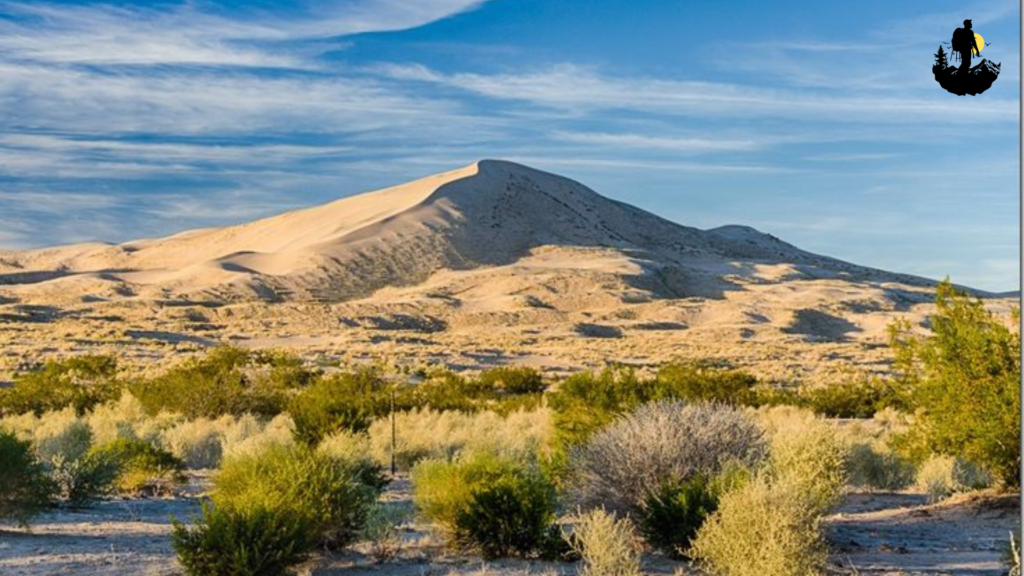
Mojave National Preserve
Mojave National Preserve in southeastern California is one of the largest protected desert landscapes in the United States, yet it remains surprisingly under-visited. Spanning over 1.6 million acres, the preserve showcases an extraordinary range of desert environments, from vast sand dunes and volcanic fields to Joshua tree forests and rugged mountain ranges. Rather than presenting a single dominant feature, Mojave’s beauty lies in its diversity.
Driving through the preserve feels like traveling through multiple deserts in one journey. One moment, you are surrounded by rolling dunes that shimmer under the sun. The next, you pass through dense stands of Joshua trees, their twisted limbs reaching skyward like abstract sculptures. Farther along, dark volcanic rock fields spread across the landscape, hinting at ancient eruptions that once reshaped the region.
Kelso Dunes are among Mojave’s most iconic features. These towering sand mountains rise hundreds of feet above the surrounding desert. Climbing to the top is physically demanding, but the reward is immense. From the summit, you can see waves of sand stretching toward distant mountains, creating a sense of scale that is both humbling and exhilarating. On quiet days, the dunes sometimes produce a low, booming sound when sand slides down their slopes, a rare natural phenomenon known as “singing sand.”
Mojave also holds a surprising amount of history. Old mining structures, abandoned homesteads, and remnants of railroads tell stories of people who once tried to carve out a living in this harsh environment. These weathered ruins blend seamlessly into the landscape, adding a layer of human narrative without diminishing the sense of wilderness.
The preserve’s vastness creates an atmosphere of solitude. Even popular areas often feel empty compared to national parks closer to major cities. This openness allows visitors to experience the desert on their own terms, whether that means hiking remote trails, camping under star-filled skies, or simply pulling over at a scenic viewpoint and absorbing the silence.
Nighttime in Mojave is especially memorable. With minimal light pollution, the stars appear shockingly bright. The Milky Way arches across the sky, and countless constellations become visible to the naked eye. For many visitors, these nights alone are reason enough to return.
Coordinates: Approximate location 35.1410° N, 115.5100° W, southeastern California
Best Photography Spots:
- Kelso Dunes summit
- Joshua tree forests near Cima Dome
- Volcanic cinder cones
- Sunset over distant mountain ranges
Wide-angle lenses capture the preserve’s immense scale.
Why It Is So Special
Mojave National Preserve represents the desert in its many forms. Rather than focusing on a single landmark, it offers an entire world of interconnected landscapes. This variety keeps exploration endlessly interesting and deeply rewarding.
The preserve also embodies the idea of quiet adventure. There is no pressure to see everything. You choose your own pace, your own route, and your own experience. Mojave feels like a place where you can truly wander, both physically and mentally.
Weather: Extremely hot summers, cool winters
Best Season to Visit: October through April
Budget: $70 to $160 per night nearby
Best Food Nearby: Roadside diners, casual cafes, simple grills
Best Places to Stay: Baker motels, Needles hotels, campgrounds
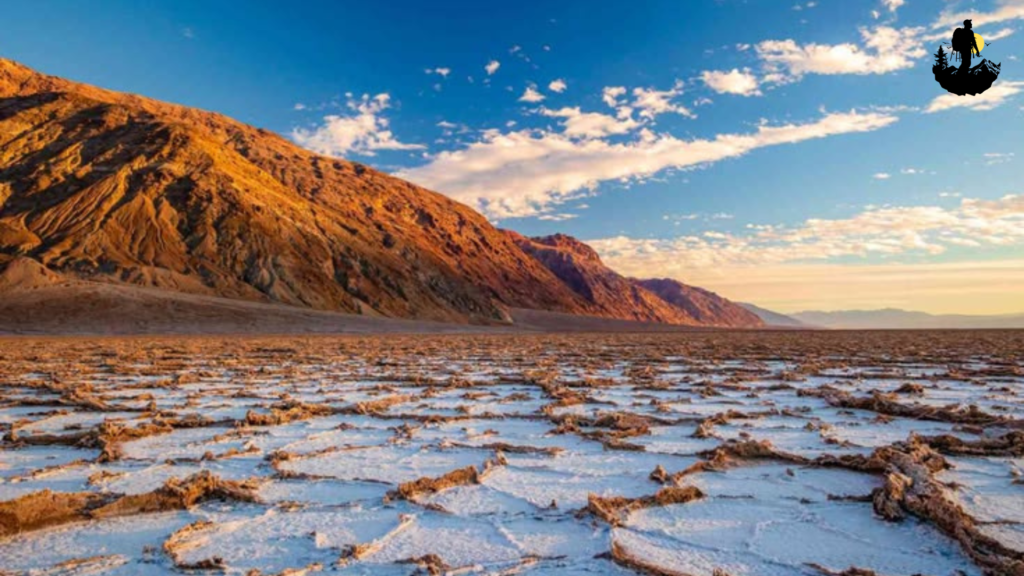
Death Valley National Park
The Mesquite Flat Sand Dunes, located near the heart of Death Valley National Park, are among the most iconic dune fields in North America. These rolling hills of golden sand stretch outward in all directions, forming a landscape that feels both minimalist and endlessly expressive. Unlike rocky deserts filled with visual complexity, the dunes offer simplicity, where light, shadow, and form become the main storytellers.
Walking onto the dunes feels like entering a vast natural sculpture garden. Each ridge is shaped by wind, constantly shifting and rearranging itself. Footprints disappear within hours or days, erased by the next gust. This impermanence gives the dunes a living quality. They are never quite the same from one visit to the next.
The sensory experience here is powerful. The sand is fine and soft, slipping through your fingers like warm powder. With each step, your foot sinks slightly, making movement slower and more deliberate. The surrounding silence is profound, especially once you venture farther from the parking area. Distant traffic noise fades, replaced by the faint whisper of wind across sand grains.
Sunrise and sunset transform Mesquite Flat into a photographer’s dream. Low-angle light casts long shadows across rippled surfaces, creating dramatic patterns. Colors shift from pale gold to deep amber, then to soft gray-blue as twilight settles. At these times, the dunes seem almost fluid, as if waves are frozen in motion.
Despite the harsh environment, life exists here. Small desert animals, such as kangaroo rats and beetles, leave delicate tracks across the sand during the night. In the morning, these patterns crisscross the dunes, revealing hidden activity that occurred while humans slept. Occasional hardy plants anchor themselves in sheltered hollows, demonstrating remarkable resilience.
Mesquite Flat is also a place that invites introspection. The openness and repetition of the landscape encourage a meditative state. Many visitors find themselves walking without a specific destination, simply moving from ridge to ridge and letting thoughts drift.
Coordinates: Approximate location 36.6020° N, 117.1100° W, central Death Valley
Best Photography Spots:
- High ridges for sweeping dune views
- Rippled foreground patterns
- Sunset-facing slopes
- Minimalist compositions with single ridgelines
A tripod helps during low-light conditions.
Why It Is So Special
Mesquite Flat Sand Dunes capture the essence of desert beauty in its purest form. There are no towering cliffs or colorful rock layers, yet the experience is deeply moving. The dunes remind us that simplicity can be powerful.
Standing atop a dune, surrounded by waves of sand and endless sky, many visitors feel a profound sense of smallness and peace. It is a place where the desert speaks softly, but with great depth.
Weather: Extremely hot summers, mild winters
Best Season to Visit: November through March
Budget: $80 to $180 per night nearby
Best Food Nearby: Furnace Creek restaurants, casual cafes
Best Places to Stay: Furnace Creek lodges, desert resorts, campgrounds
Practical Tips for Exploring Desert Wonders Safely and Comfortably
Exploring desert landscapes is deeply rewarding, but it also requires thoughtful preparation and a respectful mindset. Deserts are powerful environments. Their beauty can feel gentle and inviting, yet conditions can shift quickly from comfortable to extreme. Having the right approach allows you to fully enjoy these remarkable places while staying safe and minimizing your impact.
One of the most important considerations is water management. Dehydration is the most common danger in desert environments, even during cooler months. Always carry more water than you think you will need. A good baseline is one gallon per person per day for moderate activity, and more if hiking or exploring in hot conditions. Sip water consistently rather than waiting until you feel thirsty. Electrolyte supplements can also help replace salts lost through sweat.
Timing your activities can make a significant difference. Early morning and late afternoon are the best times to explore, as temperatures are lower and light is softer. Midday heat can be intense, even in winter. Planning hikes and longer walks around these cooler windows reduces risk and enhances the overall experience.
Clothing choices play a major role in comfort. Lightweight, breathable fabrics that cover your arms and legs provide protection from the sun and help regulate body temperature. Wide-brimmed hats, sunglasses, and neck gaiters shield your face and eyes. Sturdy hiking shoes or boots with good traction protect your feet from sharp rocks, cactus spines, and uneven terrain.
Navigation and communication deserve careful attention. Many desert areas have limited cell service. Always download offline maps and carry a physical map or GPS device. Let someone know where you are going and when you plan to return. If possible, travel with a companion, especially in remote locations.
Understanding the terrain helps prevent accidents. Sand dunes can be exhausting to climb. Slot canyons may be vulnerable to flash flooding during storms, even if rain is falling miles away. Rocky badlands and lava fields contain sharp edges and unstable surfaces. Research the specific area you plan to visit and check weather forecasts beforehand.
Sun protection cannot be overstated. Apply sunscreen regularly, even on cloudy days. Lip balm with SPF protects against cracking and burns. Long-term sun exposure is one of the biggest challenges of desert travel, and consistent protection makes a huge difference.
Food planning is another key element. Bring high-energy snacks such as nuts, dried fruit, granola bars, and jerky. These provide sustained fuel without taking up much space. Eating small amounts regularly helps maintain energy levels.
Respecting wildlife and plants ensures both your safety and the health of the ecosystem. Never approach or feed animals. Many desert species are venomous or defensive. Avoid touching plants, especially cacti and spiny shrubs. Stick to durable surfaces whenever possible to prevent damaging fragile desert crusts.
Leave No Trace principles are essential. Pack out all trash, including food scraps. Do not remove rocks, petrified wood, or artifacts. Stay on established paths when they exist, and avoid creating new trails. These simple actions help preserve desert wonders for future visitors.
Vehicle preparedness is crucial if driving through remote areas. Keep your gas tank at least half full. Carry extra water, a spare tire, jumper cables, and basic tools. Desert roads can be rough, and assistance may be hours away.
Mental preparedness matters just as much as physical readiness. Deserts can feel vast and disorienting. Embrace the slower pace. Accept that plans may change due to weather or conditions. Flexibility and patience make the experience far more enjoyable.
Finally, approach desert travel with humility and curiosity. These landscapes have existed for millions of years. They do not exist for our convenience, but they generously share their beauty with those who arrive prepared and respectful. When you slow down, observe closely, and move thoughtfully, deserts reveal layers of wonder that go far beyond what photographs can capture.
Conclusion: Finding Meaning in America’s Quietest Landscapes
The deserts of the United States are often misunderstood. To some, they appear empty, harsh, or monotonous. Yet those who venture beyond the famous parks and crowded viewpoints quickly discover a different truth. These landscapes are rich with character, history, and subtle beauty. They are places where time feels stretched, where silence becomes a presence rather than an absence, and where the smallest details carry profound significance.
From sculpted slot canyons glowing with shifting light to endless dune seas that ripple like frozen waves, from alien badlands shaped into impossible forms to cactus forests standing as living monuments to resilience, each desert wonder tells a unique story. These places remind us that beauty does not always shout. Sometimes it whispers.
Traveling through deserts encourages a different way of seeing. You begin to notice textures in stone, the angle of shadows, the way colors change with the passing hours. You learn to appreciate stillness. You realize that adventure does not always mean constant motion. Often, it means standing quietly and allowing a place to reveal itself.
Desert landscapes also offer perspective. Their immense age and scale put everyday worries into context. Standing among ancient rocks or beneath a sky blazing with stars, it becomes clear how small we are, and how connected we are to something much larger than ourselves. This sense of perspective can be deeply grounding.
Perhaps the greatest gift deserts offer is space. Space to breathe, to think, to wander, and to reconnect with your inner world. In a society that often values speed and constant stimulation, deserts invite slowness. They ask you to move deliberately, to pay attention, and to be present.
Exploring America’s lesser-known desert wonders is not just about checking destinations off a list. It is about cultivating a relationship with landscapes that have shaped our planet for millions of years. It is about learning to travel with respect, curiosity, and humility.
When you step into these quiet places, you become part of an ongoing story, one written by wind, water, stone, and time. And long after you leave, the memory of wide horizons, glowing rock, and deep silence stays with you, calling you back to the desert again and again.

✦ Related Articles You May Love
- Living Like A Local In Remote U S Regions
- Hidden Homestay Experiences In Offbeat U S Towns
- Folklore And Legends From The Deep South
- How To Find Hidden Adventure Spots Across The Usa
- Essential Packing Tips For U S Hiking Trips
- Budget Travel Hacks For Exploring U S Trails
- Safety Tips For Hiking Hidden Trails In The Usa
- Best Seasons To Visit Hidden U S Parks
- Eco Friendly Ways To Explore Remote U S Destinations
- How To Reach Hard To Access U S Adventure Spots
- Navigating Road Trips To Lesser Known U S Parks
- Apps That Reveal Hidden Trails And Campsites
- How To Stay Connected In Remote U S Areas
- Capturing Hidden Landscapes Of The American West
- Capturing Hidden Motion Long Exposure Photography In U S National Parks
- Night Sky Photography In Americas Dark Sky Parks
- Photo Walks Through Hidden U S Small Towns
- Reflections Photography On Hidden U S Lakes
- Rock Climbing In Lesser Known U S Spots
- Trail Running Through Hidden Forest Paths
- Mountain Biking Adventures In The Pacific Northwest
- Paragliding Above Secret U S Peaks
- Scuba Diving Hidden Reefs In The Florida Keys
- Abandoned Ghost Towns In The American West
- Hidden Architectural Gems Across The Usa
- Discovering Truly Local Favourite Hiking Trail Usa
- Travel Mistakes To Avoid On U S Hidden Trails
- Solo Adventures In Remote U S Locations
- How Tourism Is Changing Hidden American Spots
- Hidden U S Destinations That Inspired Great Art
- Americas Forgotten Ghost Stories And Legends
- Short Hidden Hikes Under 5 Miles In The Usa
- Abiqua Falls Oregons Most Hidden Waterfall In The Pacific Northwest
- Exploring Hidden Islands In The Florida Keys
- Hidden Trails Secret Canyons Offbeat Hiking Escapes In The American Southwest
- Lesser Known National Parks Usa Hidden Gems To Explore In 2025
- Secret Caves To Explore In The Appalachian Mountains
- A Bloomseekers Paradise The Wildflower Trails In The Rocky Mountains
- Scenic Mountain Passes Few Know In Colorado Hidden And Adventurous Places You Must Explore
- Kayaking Through Hidden Rivers Of The South
- Underrated Desert Oases In The Southwest Usa
- Seasonal Hidden Wonders In U S National Parks
- Hidden Hot Springs In The Western United States Your Guide To Real Relaxation
- Snow Covered Winter Trails No One Talks About
- Secret Coastal Cliffs To Explore In California
- Underground Crystal Caves In The United States
- Untouched Forest Sanctuaries In The Northeast
- Stories From Rural Americas Forgotten Communities
- Hidden Artisan Markets In The Midwest Your Ultimate Guide
- Local Foods Found Only In Small Town America
🌿 Sources & References
- Travel & Adventure – National Geographic
- Outdoor Recreation – REI Expert Advice
- Leave No Trace Principles
- Nature Conservation – WWF
- U.S. National Parks – NPS
- Sustainable Tourism – UNWTO
- Wilderness Safety – American Red Cross
- Outdoor Health Benefits – NIH
- Travel Health – CDC
- Ecotourism – The International Ecotourism Society