Wilderness portrait photography blends human emotion with untamed landscapes. Photographers who master this style capture images that feel alive, grounded, and connected to the natural world. Stunning portraits come from a balance of technical skill, creative awareness, and thoughtful planning. Subjects often look their best in environments that feel raw and real, not curated or overly controlled.
This guide breaks down the techniques that elevate wilderness portrait USA images. You will learn how to use natural light, choose strong locations, guide your subjects, and build portraits that feel authentic instead of staged.
Understanding the Wilderness as a Portrait Setting
Wilderness scenes add depth and story to portrait photography. Landscapes are never static, so each portrait becomes a collaboration between you, the subject, and the environment. Wind, terrain, temperature, and changing skies shape the final image. Photographers who embrace nature’s unpredictability often walk away with their most memorable photos.
The wilderness also shifts attention toward genuine expression. Subjects relax faster when surrounded by fresh air and quiet scenery. Candid moments become easier to capture, and forced poses become unnecessary. This natural comfort shows in the final portrait.
Choosing Locations that Support the Story
Location begins the storytelling process. Strong wilderness portraits benefit from places that feel spacious and visually distinct. Mountains, deserts, wooded trails, meadows, and riverbanks all create different emotional tones.
Photographers often scout at multiple times of day to understand how light hits the terrain. Cliffs gain drama during late afternoon light. Forests take on a warmer glow as the sun drops lower. Deserts reveal texture when shadows stretch across the sand. A well-chosen location feels like a character in the portrait rather than a backdrop.
Preparing Your Subject for Natural Settings
Subjects perform better when they know what to expect outdoors. Comfortable clothing that allows movement usually works best. Earth tones, layered outfits, and simple accessories keep the focus on expression. Harsh patterns or bright neon tones compete against the scenery.
Clear guidance helps subjects move confidently. Photographers often share simple tips like shifting weight onto one foot, relaxing shoulders, or looking slightly past the camera for a contemplative effect. Subjects gain trust when they receive calm and clear direction.
Using Natural Light to Shape the Mood
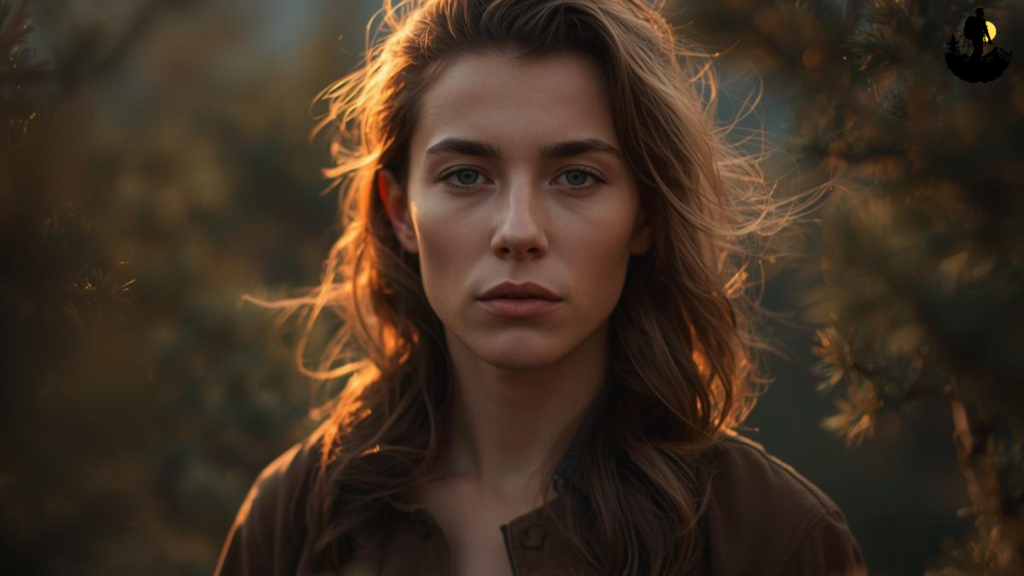
Natural light defines the mood of wilderness portrait USA images. Soft, diffused light from early morning or late afternoon creates gentle shadows and warm tones. Harsh midday light requires strategy, so photographers often use shaded areas, rock formations, or forest cover to soften exposure.
Golden hour remains the favored choice. Subjects develop a natural glow, and backgrounds take on rich contrast. Blue hour brings cooler tones and a quiet atmosphere. Creative photographers often work both periods of the day to deliver multiple moods in one session.
Positioning Your Subject in Vast Landscapes
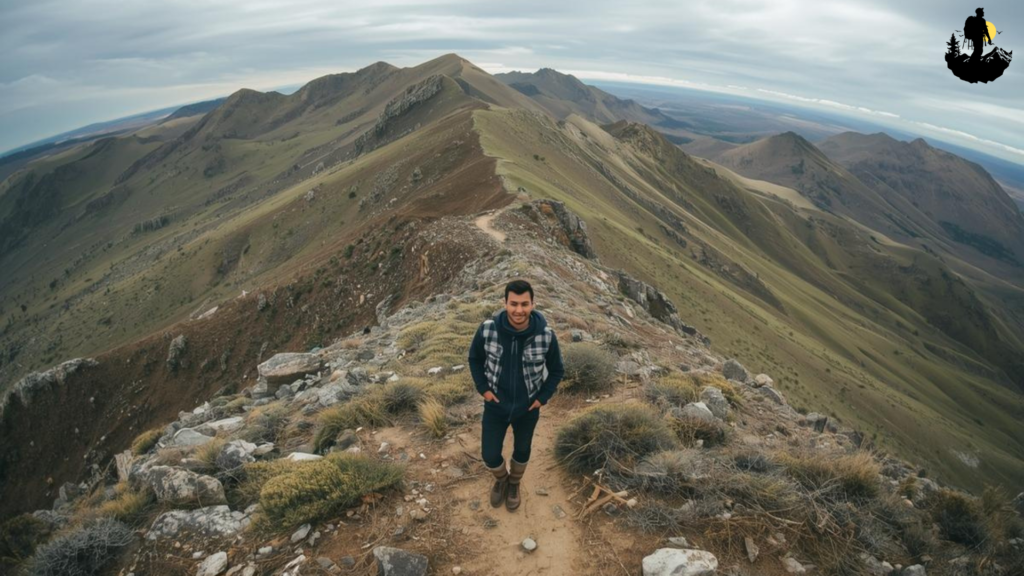
Strong wilderness portraits require thoughtful placement of the subject. Photographers decide whether to feature the person as the main focus or integrate them into the environment. A close-up portrait highlights expression, while a wider composition emphasizes the scale of the wilderness around them.
Foreground and background elements add depth. Subjects framed by trees, shaped rock lines, or gently curving trails naturally draw the viewer’s eye. Every portrait gains clarity when the environment supports the subject rather than competing for attention.
Composing Images that Feel Balanced and Intentional
Composition guides emotion. The rule of thirds, leading lines, and negative space work beautifully in wide natural settings. Negative space adds calmness and gives the viewer room to observe the subject. Leading lines such as rivers, pathways, and cliff edges direct attention into the portrait.
Symmetry can strengthen images in environments like calm lakes or flat deserts. Asymmetry creates more movement and tension. Photographers who experiment with both styles usually find a rhythm that suits the subject and setting.
Capturing Movement that Shows Life and Authenticity
Portraits feel more alive when subjects interact with the environment. A gentle walk across a field, a turn toward the light, or a simple sweep of hair in the wind creates natural storytelling. Wilderness portraits rarely benefit from stiff, rigid poses. Instead, motion brings honesty to the moment.
Shutter speed determines how movement appears. A fast shutter freezes action, while a slower shutter adds a dreamy quality when subjects move slightly. Both choices offer artistic value.
Working Confidently in Challenging Weather
Weather often becomes a creative partner. Cloud cover softens light and adds mystery. Light rain brings reflective surfaces and deeper tones. Snow brightens the environment and creates soft, flattering exposure. Wind produces dynamic energy that no studio can replicate.
Prepared photographers turn the weather into an advantage. Subjects can wear layered clothing, textured fabrics, or meaningful outdoor accessories. Every unpredictable condition becomes part of the portrait’s story.
Using Simple Gear for Strong Wilderness Portraits
Great portraits do not require heavy or complex equipment. Lightweight setups often work best because wilderness travel involves climbing, walking, and improvising.
Essential gear includes:
• A camera body that performs well in natural light
• A prime lens or versatile zoom
• A reflector forthe subtle direction of sunlight
• A lightweight tripod
• Weather protection for the camera
Photographers often leave large lights or bulky gear behind to stay agile in natural environments.
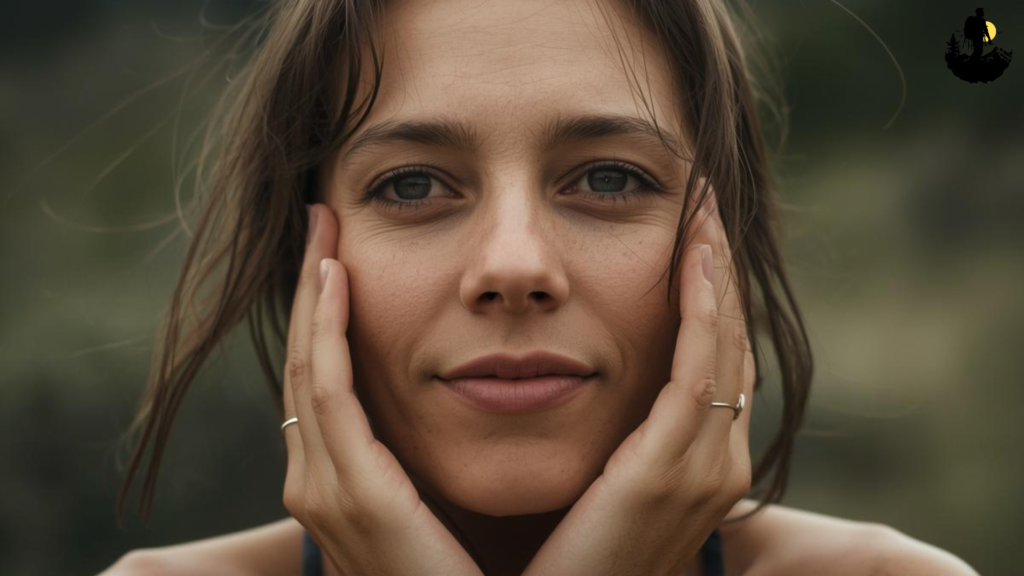
Directing Subjects for Natural Expression
The best wilderness portraits highlight calm, confidence, and genuine emotion. Subjects relax when communication stays simple. Guidance such as “turn your chin slightly,” “soften your hands,” or “look toward that ridge” produces natural results immediately.
Encouragement plays a major role. People respond well to positive reinforcement, especially in unfamiliar outdoor settings. A moment of laughter, a deep breath, or a shared joke can unlock expressions you cannot force.
Editing Techniques that Preserve a Natural Look
Editing shapes the final emotion of wilderness portraits. A gentle hand works best. Strong color saturation or heavy skin smoothing removes authenticity. Photographers who embrace natural tones often produce images that feel timeless.
Brightness and contrast adjustments refine the subject. Color temperature adjustments match the warmth or coolness of the environment. Light sharpening and subtle vignetting help draw attention toward the subject without distracting effects.
Building a Wilderness Portrait Workflow from Start to Finish
A consistent workflow ensures steady results in challenging outdoor environments. Photographers start by scouting locations, then choose timing based on natural light. Subjects need guidance on clothing and expectations. After arrival on site, test shots help evaluate exposure and direction.
Once shooting begins, photographers adapt to the environment as conditions shift. Reviewing images periodically ensures a balanced mix of close, mid, and wide shots. After the session finishes, editing software becomes the final stage where the portrait reaches its full potential.
Overcoming Common Wilderness Shooting Challenges
Outdoor portraits challenge photographers in unique ways. Uneven lighting, harsh backgrounds, and unpredictable weather require flexible strategies. Subjects might grow cold, tired, or distracted.
Clear communication solves most issues. Small breaks revive energy. Simple adjustments in direction or angle soften harsh lighting. Patience always pays off because natural scenes shift quickly and often reveal perfect moments unexpectedly.
Crafting Portraits that Honor the Wild
Wilderness portrait USA photography thrives on authenticity. Stunning images emerge when you blend human expression with the spirit of raw landscapes. Light, weather, emotion, and scenery all play equal roles. The result is a portrait that feels grounded, honest, and deeply connected to the land.
Every wilderness portrait becomes a collaboration between photographer, subject, and nature. The more you understand that partnership, the stronger your images will become. Wilderness portraits do more than capture faces. They reveal stories shaped by wind, light, texture, and the wild itself.