
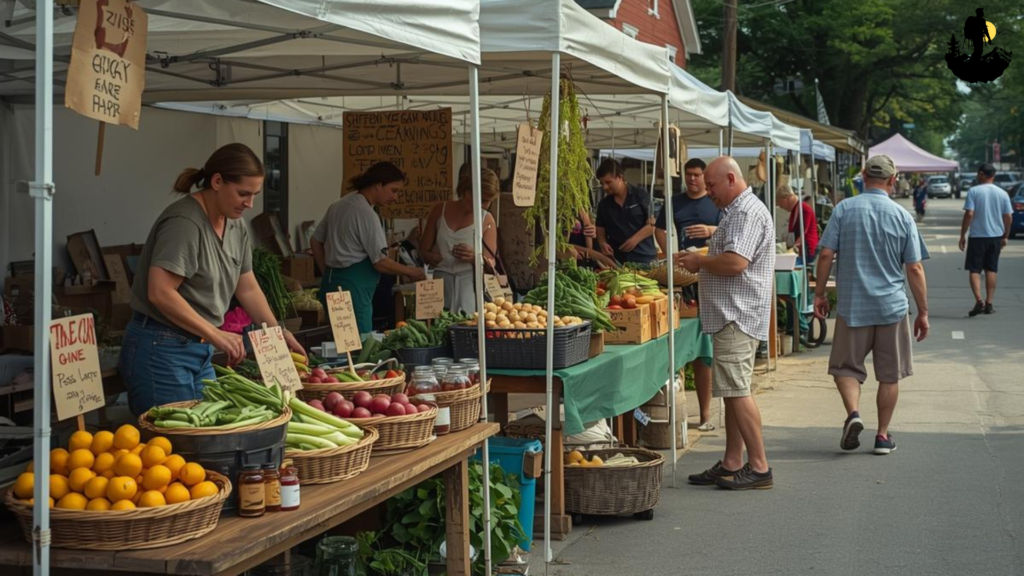
Farmers’ markets carry a kind of warmth that chain stores can’t match. Fresh produce sits beside homemade bread, craft honey jars, handmade soaps, and flowers cut that morning. Regulars greet each other by name. Kids weave between stalls while musicians play acoustic sets near the entrance. Many people know about the big, well-promoted farmers’ markets in major cities, yet the true charm often lives inside smaller ones known only to locals.
Anyone exploring local farmers’ markets can discover weekly gatherings tucked into school parking lots, shaded parks, small-town squares, and quiet rural roads. These markets bring community together, support small growers, and preserve food traditions that never make headlines. This blog puts together all the hidden weekly farmers markets, small-town favorites, lesser-known gems, and helpful tips to make your visits easier and more enjoyable.
Local Weekly Farmers Markets Most Travelers Never Hear About
- Maple Hollow Market, Vermont
This quiet market pops up every Saturday morning near an old churchyard. Locals buy maple candy, early-season greens, fresh cheese, and wildflower bouquets. The small size keeps the atmosphere peaceful. The farmers often stay for conversations that turn into half-hour chats. - Blue Creek Market, Idaho
A handful of tents gather near a rural school, yet the quality surprises first-time visitors. Fresh potatoes, herbs, jams, and baked goods fill the tables. The setting rests near pine-covered hills, giving the market a calm backdrop. - River Bend Market, Missouri
Local farmers bring sweet corn, melons, pasture-raised eggs, and handmade jellies. The market sits beneath large oak trees beside a slow-moving river. Many shoppers arrive by bike. - Fisher Ridge Market, Kentucky
This weekly gathering offers seasonal fruit, locally milled flour, and handwoven baskets. The community supports families who have farmed the region for generations. - Dry Canyon Market, Utah
A small canyon road hosts a hidden market that mixes fresh produce with handmade pottery, wood-carved utensils, and dried herbal blends. Locals consider it their best-kept secret.
Small-Town Markets Locals Hold Close
- Red Blossom Market, North Carolina
A simple gravel lot transforms into a lively Saturday market. Vendors sell strawberries, soaps, pickles, and sunflower stems. The friendly crowd makes newcomers feel welcome. - Sierra Crest Farmers Market, California
Mountain growers bring cherries, apricots, honey, and sourdough. The elevation gives the produce an intense flavor. The market stays small, yet the quality attracts many repeat customers. - Clearwater Grove Market, Minnesota
Fresh berries, local bread, and herbal teas fill the tables. A local musician plays soft guitar while families stroll through the stalls. - Rock Prairie Market, Wisconsin
This weekly event features cheese curds, fresh greens, pastries, and jars of pickled vegetables. The market sits beside a historic barn that adds charm. - Pine Hollow Gathering, Arkansas
Farmers and local bakers bring fresh eggs, squash, pies, and preserves. Kids often sell lemonade nearby.
Hidden Farmers Markets and What Makes Them Special
- Whisper Pines Market, Oregon
The market sits along a forest road where mist settles in the early hours. Foragers bring mushrooms, while gardeners offer heirloom produce grown from seeds passed down through families. - Sunburst Knoll Market, Colorado
Local ranchers sell grass-fed meats while small growers bring carrots, beets, and greens. The mountain backdrop adds quiet beauty to the weekly event. - Copper Meadow Market, New Mexico
The market highlights roasted chilies, handmade tortillas, desert herbs, and pottery. The flavors reflect the region’s cultural mix. - Willow Ridge Market, Tennessee
Farmers offer honeycomb, peaches, beans, and hot biscuits fresh off a camp stove. The market sits beside rolling hills and farmland. - Saddle River Market, Montana
Seasonal produce, wool goods, jams, and fresh pies define this rural market. The relaxed feeling and small crowd make it easy to slow down.
How To Find Hidden Farmers’ Markets
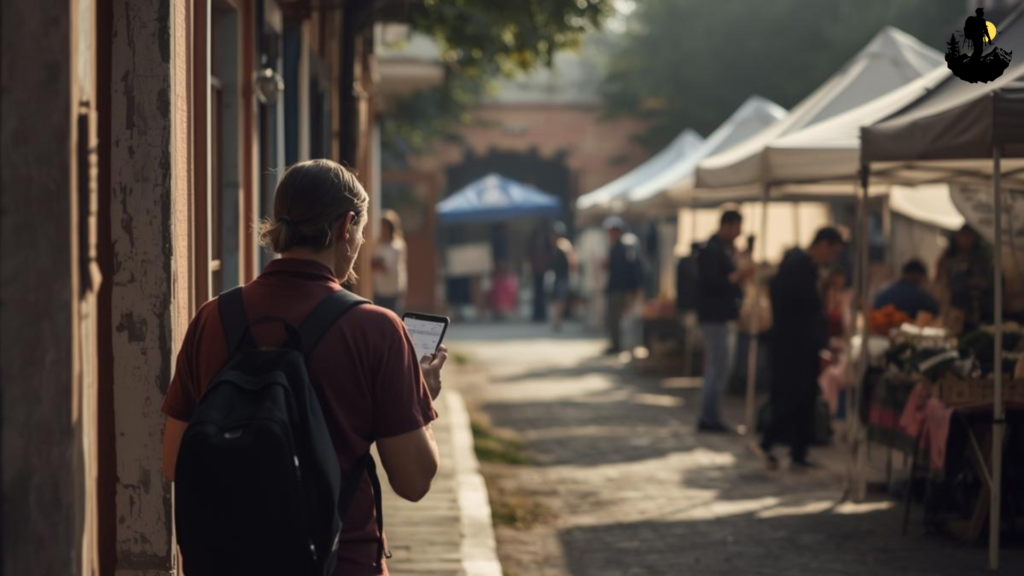
Local tip networks help more than anything. Small-town newspapers, diner bulletin boards, and post office flyers often list weekly markets that never appear online. Asking locals at cafés or gas stations often leads to the best discoveries.
Driving slower through small towns sometimes reveals signs pointing toward markets tucked behind community centers or rural schools. Many markets stay quiet in advertising, trusting word of mouth instead.
Social media groups run by local families or community boards often mention weekly events. These groups highlight fresh arrivals, seasonal produce, and special vendors who join for a week or two.
Weather influences schedules. Storms, heat, and frost affect both production and turnout. Checking local forecasts helps you plan the best mornings for visiting.
Safety and Courtesy at Small Markets
Courtesy sets the tone. Greeting vendors with a friendly hello helps build a connection. Many farmers appreciate visitors who show interest in their crops, growing techniques, and seasonal offerings.
Clean behavior matters. Keeping pathways clear and returning reusable baskets or crates shows respect. Supporting vendors by buying even one small item makes a difference.
Food safety remains important. Washing produce at home and storing perishables quickly keeps everything fresh.
Respect for pace helps. These markets move more slowly than busy city events. Conversations form naturally, and vendors often take time to explain their craft. Enjoying that slow rhythm adds to the experience.
Farmers Market Comparison Table
| Market | State | Difficulty | Special Feature |
| Maple Hollow Market | Vermont | Easy | Maple candy and fresh cheese |
| Blue Creek Market | Idaho | Easy | Quiet forest setting |
| River Bend Market | Missouri | Easy | Shaded riverbank location |
| Sierra Crest Market | California | Easy | High-elevation fruit |
| Copper Meadow Market | New Mexico | Easy | Roasted chilies and local pottery |
| Willow Ridge Market | Tennessee | Easy | Hot biscuits and fresh peaches |
| Saddle River Market | Montana | Easy | Wool goods and pies |

Best Markets for First-Time Visitors
- Maple Hollow Market, Vermont
The layout remains small and simple. Vendors welcome newcomers and enjoy explaining their products and growing methods. - Clearwater Grove Market, Minnesota
The relaxed feel and mix of goods make it a great introduction to hidden farmers’ markets. - River Bend Market, Missouri
The natural setting gives first-time visitors a comfortable place to explore. - Sierra Crest Farmers Market, California
High-elevation fruit and friendly vendors create a warm environment.
Hidden Markets for Serious Local-Food Explorers
- Whisper Pines Market, Oregon
Foraged mushrooms and heirloom produce attract visitors who appreciate rare goods. - Copper Meadow Market, New Mexico
The roasted chilies and handmade tortillas give food lovers a strong sense of local flavor. - Sunburst Knoll Market, Colorado
The quality of ranch products and garden vegetables appeals to serious home cooks. - Saddle River Market, Montana
The wool goods and baked pies make it perfect for people seeking old-style craftsmanship. - Willow Ridge Market, Tennessee
Fresh biscuits and orchard fruit create a simple but meaningful experience.
What Makes Hidden Farmers’ Markets So Memorable
Connection defines every moment. Vendors know their customers by name, and customers return to buy from the same families year after year. These markets reward loyalty and genuine conversation.
Freshness stands out. Produce often comes from a family garden less than a mile away. Many vegetables hit the table only hours after harvest, which makes the taste noticeably stronger.
History runs deep. Some farms have operated for generations. Recipes, pickling methods, and seed varieties carry family stories that appear in every jar and basket.
Landscape shapes each market. Mountain towns, river valleys, rolling farmland, and forest roads all create distinct atmospheres. Many people remember where they stood as much as what they bought.
Slower pace gives the experience depth. These markets encourage you to linger, sample, talk, listen, and enjoy the surroundings.
Photography Tips at Small Farmers’ Markets
Early morning light adds warm tones to produce and crafts. Photographers often arrive during the opening hour to capture fresh displays.
Close shots highlight color, texture, and detail. Fresh berries, baked bread, and handmade goods look rich in natural light.
Wide shots include tents, trees, and local scenery, helping you tell the story of each market.
Respect for privacy helps. Asking vendors before photographing them or their full displays keeps interactions positive.
Packing Tips for Market Visits
A reusable bag makes carrying produce easy. Some shoppers bring small coolers for dairy, meat, or items that need to stay chilled.
Cash speeds up purchases at small markets where vendors may not use card readers. Many stalls rely on simple transactions to keep things moving smoothly.
Comfortable shoes help with walking on uneven ground. Some markets sit on gravel, grass, or dirt paths.
Sunscreen and a hat protect you during summer mornings. A light jacket works well in early spring or fall visits.
A notebook helps you keep track of recipes, tips, and vendor names you want to remember.
Explore the Hidden Markets
Weekly farmers’ markets offer more than fresh produce. They bring the community together in simple, meaningful ways. Anyone exploring local farmers’ markets can step into places where tradition and connection still matter. These markets hold stories, flavors, and craftsmanship that stay rooted in the land and shared by people who care deeply about their work. Each visit becomes a small moment worth remembering. Your morning trip supports families, preserves local food culture, and adds something warm to your week.