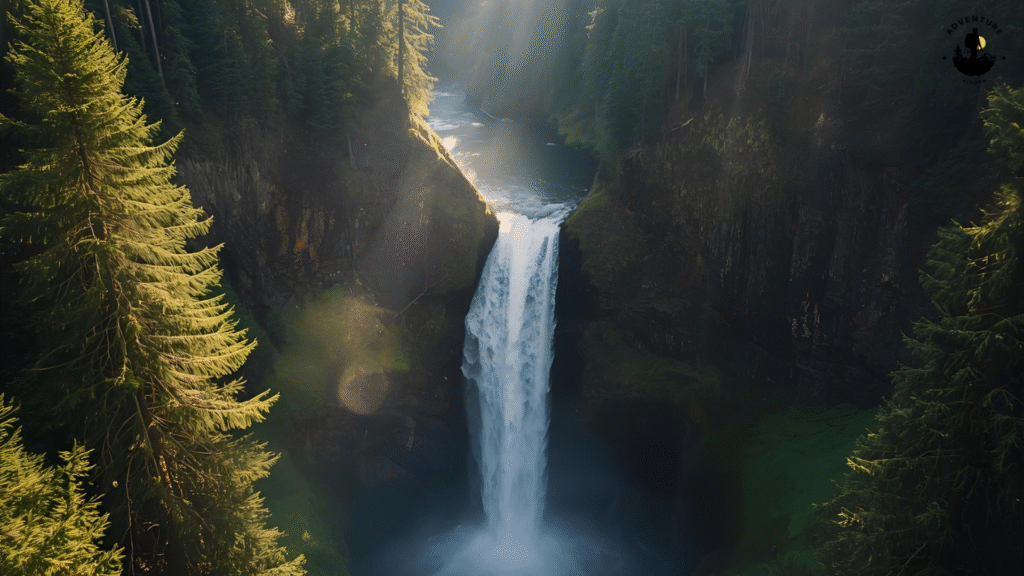
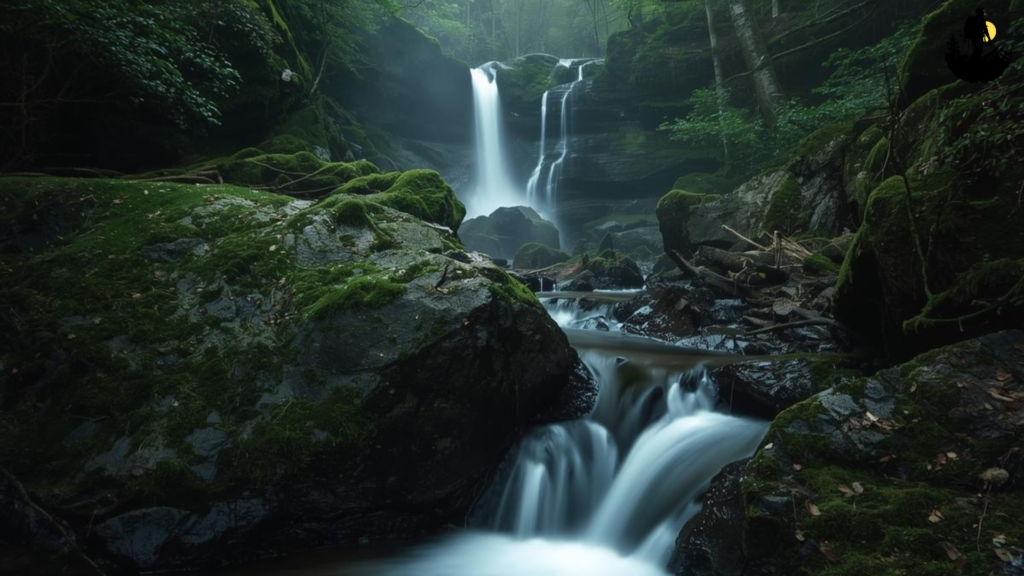
Waterfall long-exposure scenes inside dark forest trails create a visual mood that feels dreamy and mysterious. Photographers often chase these natural settings because slow shutter work softens the water into silky threads while the surrounding shadows add atmosphere. Many people attempt such shots but struggle due to limited light, heavy foliage, mist, and unstable shooting surfaces. This guide breaks down every essential technique to help you master low-light waterfall photography, even when the environment challenges your gear and patience.
Understanding the Low-Light Forest Environment
Forests often block sunlight through layers of leaves, branches, and moss-covered rocks. Soft natural beams rarely hit the water surface directly, resulting in diffused illumination. Mist from waterfalls increases exposure difficulty while humidity fogs lenses. Photographers must recognise that the beauty of these scenes lies in their complexity. Slow shutter speeds enhance this beauty by emphasising the gentle flow of water against still surroundings. Capturing expressive depth requires more control over exposure settings than typical daytime photography.
Preparing the Essentials for Long-Exposure Waterfall Photography
A powerful long-exposure shot demands the right equipment. Many beginners assume that any camera can produce silky-smooth waterfall images, but low-light locations push every component to its limits. A sturdy tripod stabilises the camera during long shutter durations. A remote shutter or timer prevents vibrations. Neutral Density filters help reduce unwanted brightness in specific situations. A microfiber cloth prevents water droplets from ruining frames. Waterproof footwear improves mobility around slippery terrain. These tools lay the foundation for clean, sharp images that accurately reflect your creative vision.
Setting Up the Camera for Slow Shutter Waterfall Shots
Camera setup significantly impacts every detail of waterfall texture, forest ambience, and exposure balance. A slower shutter speed softens water movement, while a higher value freezes droplets. Low-light forests naturally support long-exposure effects because dim conditions lengthen shutter time without overexposing highlights. A narrow aperture, such as f/11, increases depth and keeps rocks, leaves, and flowing water in focus. ISO must stay low to avoid grain that threatens the smooth look of waterfalls. Careful adjustments allow the scene to breathe through your camera.
Choosing the Right Composition Inside Dense Forests
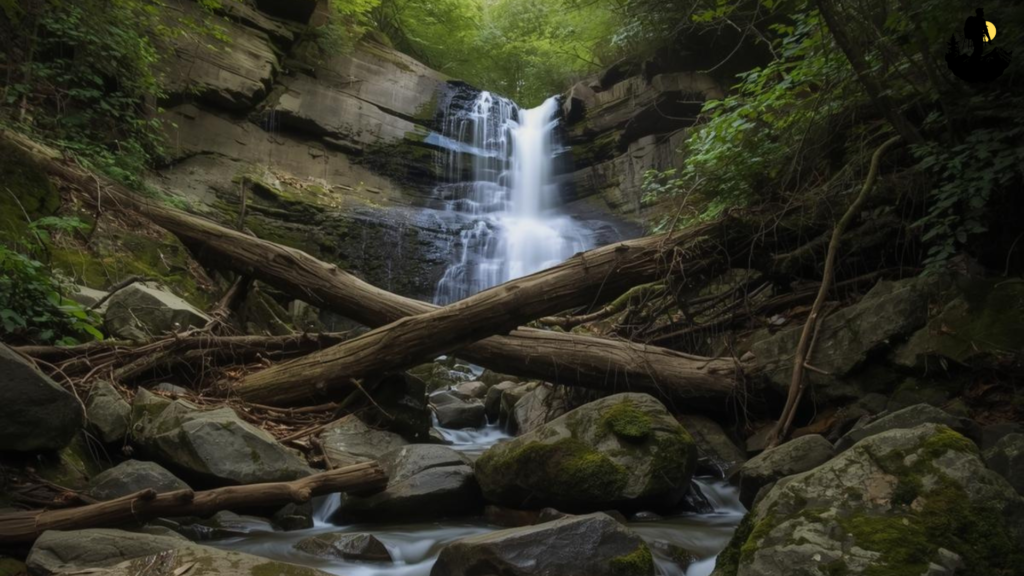
A forest waterfall presents many elements that can distract the viewer if not composed thoughtfully. Rocks often guide the eye toward the flowing water. Fallen logs, vines, or moss-coated stones create natural leading lines. Photographers benefit from stepping back and observing the entire area before setting up the tripod. A low angle introduces drama by emphasising foreground textures. A high viewpoint reveals layered cascades behind the main waterfall. Composition choices influence storytelling more than technical settings ever could.
Balancing Light for Smooth Water and Sharp Surroundings
Balancing exposure in dark forests becomes a test of patience. Slow shutter speeds brighten moving water while surrounding rocks remain darker. Uneven lighting often occurs when beams of sunlight touch small parts of the waterfall. Smart photographers check histograms to detect overexposure in white water. Slight adjustments compensate for these highlights. Small increases in shutter time add flow softness without washing out details. The goal focuses on establishing harmony between the fluid motion and the still environment.
Using ND Filters Wisely During Low-Light Waterfall Photography
Neutral Density filters reduce light entering the lens. Forests sometimes need no filter due to existing darkness. However, brighter days or reflective surfaces may demand one. ND filters help extend shutter speed to several seconds without losing detail. A gentle 3-stop filter suits early mornings. A strong 6-stop filter suits brighter patches near openings in the canopy. Photographers must test combinations because each waterfall behaves differently based on light direction, flow speed, and background tone.
Managing Colour, Clarity, and Mood in Low-Light Forest Scenes
Low-light forests reveal cooler tones across rocks and running water. Shadows add a natural greenish cast due to dense foliage. Cameras sometimes interpret these tones inaccurately. Adjusting white balance helps create a more natural look. A cooler white balance emphasises calmness. A warmer balance enhances earthy tones. Saturation must stay controlled because forest scenes become chaotic when greens turn too bright. Subtle clarity adjustments strengthen texture in bark and stone without disturbing the softness of the water.
Handling Mist, Fog, and Moisture During Long Exposure
Mist becomes a frequent companion near waterfalls. Droplets settle on lenses during long exposures and create blur spots that ruin the image. A lens hood blocks some moisture. Constant wiping keeps the surface clear. Photographers must check frames regularly because many mistakes remain unnoticed until reviewing the images at home. Fog also adds atmosphere. Proper exposure turns fog into a natural diffuser that softens contrast. Careful focus ensures clarity amidst environmental challenges.
Improving Stability for Razor-Sharp Backgrounds
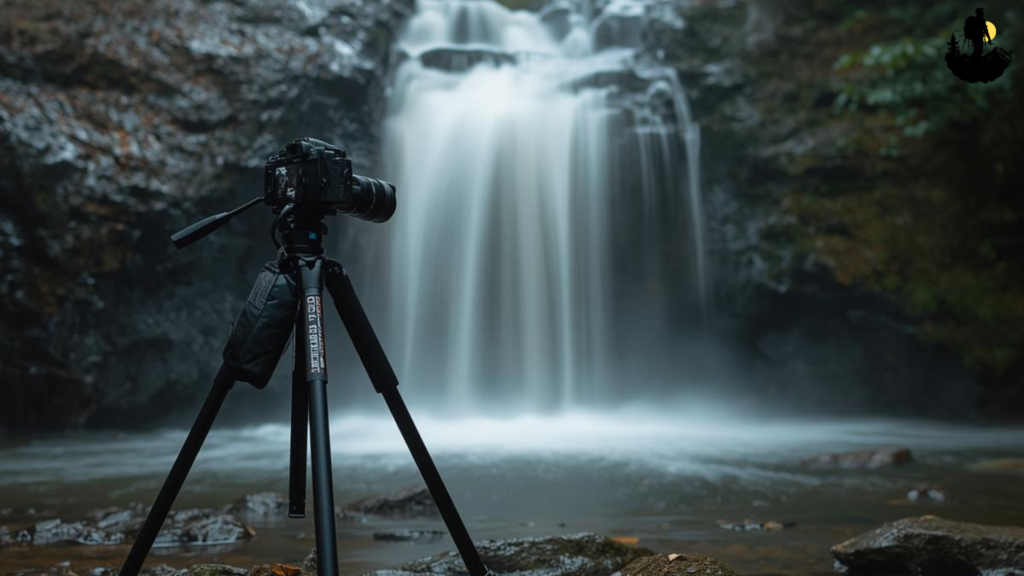
Long-exposure setups require more stability than almost any other genre. Forest floors often feel uneven, soft, or muddy. A tripod may sink slowly while the shutter stays open. Photographers push tripod legs deeper into stable ground before starting the shot. Weighting the tripod with a bag stabilises it further. A remote shutter avoids vibrations. Stability affects the clarity of rocks, leaves, and branches. Clean backgrounds help the silky water become the star of the image.
Post-Processing Workflow for Magical Waterfall Images
Post-processing brings out the finest qualities in a long-exposure shot. Editing software enhances tones without losing authenticity. Exposure adjustments fix dark corners. Contrast corrections separate the waterfall from the forest. Sharpening highlights textures in moss and bark. Noise reduction removes grain caused by higher ISO values when the light becomes extremely low. Careful colour grading maintains the natural feel of the forest. A well-edited image reveals every thoughtful choice made during shooting.
Practical Safety Tips for Low-Light Waterfall Photography
Safety must remain a priority during any forest shoot. Slippery rocks near waterfalls cause frequent accidents. Photographers must choose routes carefully. Waterproof shoes improve grip and prevent injuries. Cameras need protection from unexpected sprays of water. Avoiding deep edges and rapid currents protects both the photographer and the gear. Good planning ensures a smooth creative session without unnecessary risk.
Mastering Low-Light Waterfall Photography
Waterfall long-exposure photography inside low-light forests delivers a tranquil blend of motion and stillness. Slow shutters soften the flow while shadows deepen the mood. Photographers who understand composition, exposure, stability, and light behaviour create images that feel poetic. Patience matters more than fast gear.
Careful observation transforms every scene into an opportunity for expressive storytelling. Natural elements like mist, foliage, and rocks influence both technique and imagination. Every visit to a forest waterfall becomes a chance to practice, learn, and evolve as a photographer. Your dedication shapes the outcome more than ambient light ever will.