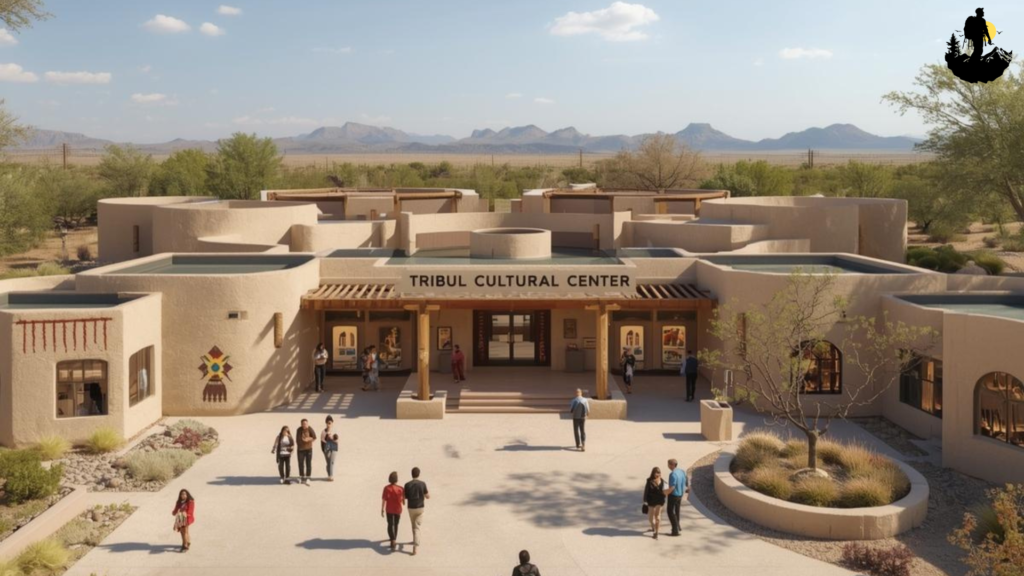
Travelling through the United States offers countless stories, yet few places tell those stories with the depth and honesty found inside tribal cultural centres. These spaces hold memories, languages, art forms, and lived experiences that shaped this land long before highways, airports, and city grids existed.
Visitors often arrive expecting museum-style exhibits, then walk out, realising they experienced something much richer. Tribal cultural centres feel alive. Elders’ voices echo through recorded stories. Drums and songs rise from open rooms. People searching for tribal culture USA travel destinations often want more than sightseeing.
They want a connection. They want context. Tribal cultural centres offer that connection without forcing anything. They invite you in. They let you walk at a comfortable pace. They let the stories speak for themselves.
Why These Centers Matter More Than Most Travelers Realize
A cultural centre is not just a building filled with artefacts. It’s a space where memory stays alive in real time. Clothing styles show how people adapted to the land and the weather. Pottery patterns highlight connections to seasons, water, and stories. Languages appear on plaques and recordings, reminding visitors that many tribes still speak the words of their ancestors. These spaces also protect what might otherwise be forgotten.
Many travellers see tribal culture through snapshots: a piece of jewellery, a carving in a gift shop, or a quick festival performance. A cultural centre pulls back the curtain and shares the full story. That single piece of jewellery comes from an entire tradition of metalwork. That carving comes from a lineage of artists who learned from elders. That dance comes from spiritual practices that go far deeper than a public performance can show.
These centres preserve history, but they also highlight the present. They show the creativity of young artists, the strength of language renewal efforts, and the ways communities hold onto identity in a fast-changing world.
Centres That Leave A Lasting Impression
Some centres stand out because they manage to capture the spirit of a tribe with impressive clarity.
- The Heard Museum, Phoenix, Arizona
The Heard brings together powerful artwork, historical collections, and contemporary pieces that challenge assumptions. Visitors hear stories of resilience, survival, and joy. Many guests stay longer than planned because each room reveals something new, something honest. - The Suquamish Museum, Washington
A quiet building among trees holds generations of Suquamish history. The displays feel thoughtful rather than overwhelming. The woven baskets, stone tools, and carved art pieces speak for themselves. Visitors often mention how grounded they feel inside the space. - The Red Lake Nation Museum, Minnesota
This centre highlights the deep connection between the Red Lake Nation and its surrounding waters. Fishing traditions, treaties, and community triumphs appear side by side. The atmosphere stays calm and straightforward, which makes the stories easy to absorb. - The Cherokee Heritage Centre, Oklahoma
This space blends living history with cultural exhibits. Visitors often step outside into the recreated village and see traditional Cherokee life in ways that make history feel immediate. - The Mille Lacs Indian Museum, Minnesota
Known for its interactive displays, the centre encourages curiosity. Visitors learn beadwork, hear stories, and understand Ojibwe traditions through hands-on experiences.
Small Centres With Tremendous Cultural Strength
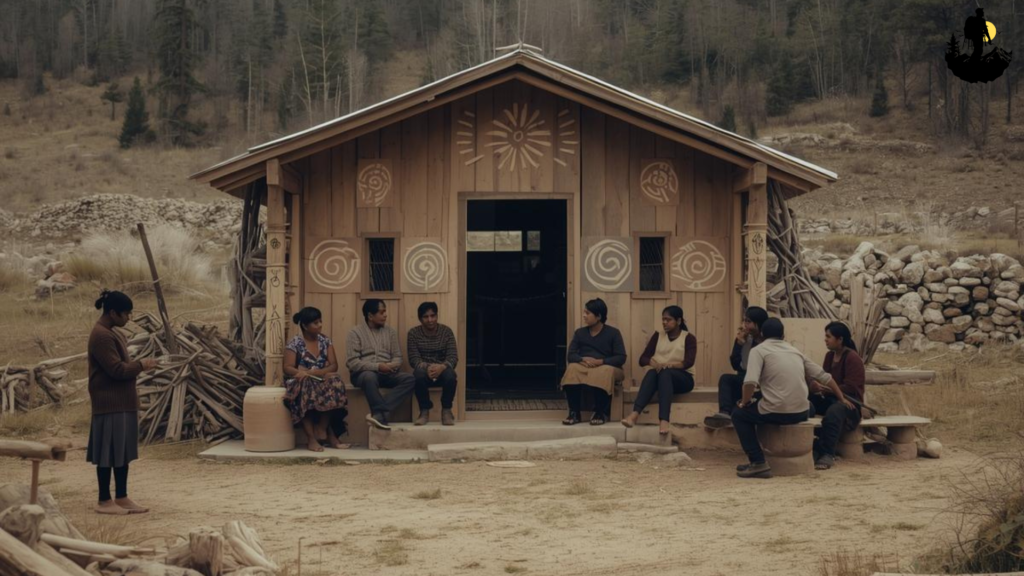
Large institutions receive plenty of attention, yet small tribal centres hold some of the most heartfelt experiences in tribal culture, USA travel.
- Standing Rock Cultural Arts Centre, North Dakota
A welcoming staff shares the local community’s story with honesty and warmth. The space feels personal, almost like visiting someone’s home rather than walking through a museum. - Hopi Cultural Centre, Arizona
Travellers speak highly of the centre’s quiet strength. It focuses on history, but the stories connected to artworks create a deeper sense of place. - Makah Cultural and Research Centre, Washington
This centre houses thousands of items recovered from an ancient village, preserved through time after a mudslide. Visitors walk through the past with surprising clarity. - Ysleta del Sur Pueblo Cultural Center, Texas
The centre highlights the living culture of one of the oldest communities in the region. Visitors often leave with a strong respect for heritage that continues today. - Jemez Pueblo Welcome Centre, New Mexico
Friendly staff explain traditions, dances, and daily life in a way that feels genuine. Travellers often stay longer because the atmosphere invites conversation.
What Makes Tribal Cultural Centers Different From Museums
Many cultural centres have a strong sense of presence. Stories come from real people, not distant historians. The land outside the building often connects directly to the stories inside. The tribes that run these centres share their history on their own terms. That alone adds meaning.
Many museums highlight objects. Tribal cultural centres highlight identity. The difference is subtle yet powerful. Instead of simply showing a basket, the centre explains the purpose, the significance of the pattern, the season it was made, and the person who made it. Instead of simply describing a language, the centre plays recordings of elders speaking it.
These centres prioritise relationships between people, between stories, and between land and community. That relationship-based approach creates a deeper experience than a typical museum visit.
How To Visit With Respect
Expectations remain simple. Listening matters more than anything else. Many centres appreciate visitors who take time to read plaques, watch videos, or ask thoughtful questions. These spaces honour elders and ancestors, so respectful behaviour sets the right tone.
Photography rules vary. Some items hold spiritual significance, and photos may not be allowed. Staff members gladly explain the guidelines. Asking first always avoids misunderstanding.
Buying local art supports the communities directly. Many centres feature pieces made by tribal artists who rely on sales to sustain their work. Visitors appreciate the chance to take home something meaningful rather than mass-produced.
A respectful visit means moving slowly, letting the stories unfold, and giving each exhibit room to breathe. Tribal communities carry long histories of resilience, loss, renewal, and pride. Those themes deserve attention.
Tribal Cultural Centre Comparison Table
| Cultural Center | State | Difficulty | Special Feature |
| Heard Museum | Arizona | Easy | Renowned Native art collections |
| Suquamish Museum | Washington | Easy | Quiet, reflective storytelling |
| Makah Cultural Centre | Washington | Easy | Ancient village artefacts |
| Cherokee Heritage Centre | Oklahoma | Easy | Living history exhibits |
| Mille Lacs Indian Museum | Minnesota | Easy | Interactive cultural displays |
| Red Lake Nation Museum | Minnesota | Easy | Water-based heritage |
| Hopi Cultural Centre | Arizona | Easy | Strong traditional focus |
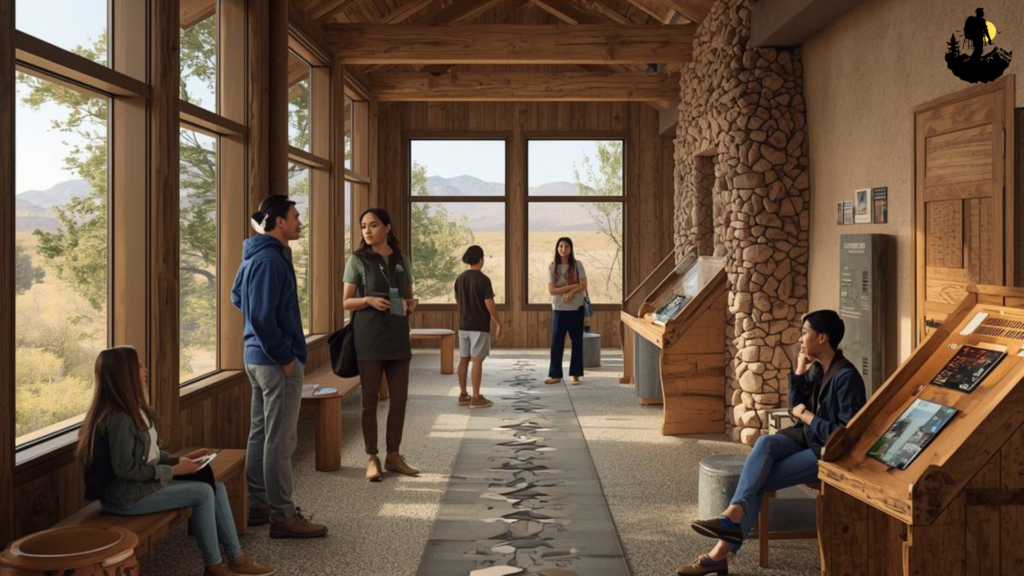
Great Options for First-Time Visitors
The Heard Museum offers a comfortable introduction because the space blends contemporary and traditional culture without overwhelming guests. Many visitors appreciate the clear layout and the emotional depth of the exhibitions.
The Cherokee Heritage Centre gives newcomers a chance to understand history through lived experience. Seeing traditional homes and listening to stories outdoors creates a gentle learning environment.
The Mille Lacs Indian Museum attracts first-time visitors who enjoy hands-on learning. Guests pick up details easily through beadwork activities and demonstrations.
Remote Centers for Travelers Seeking Quiet Experiences
The Makah Cultural and Research Centre sits far from busy cities, which gives visitors a sense of connection to the land and sea. The quiet setting enhances the experience.
The Hopi Cultural Centre offers a peaceful atmosphere. The desert landscape surrounding the building adds depth to the stories inside.
The Red Lake Nation Museum holds history with a strong sense of place. Travellers often mention the peaceful drive in and the steady, calming environment.
How Cultural Centres Strengthen Understanding
Cultural centres help visitors rethink what they know about American history. Many of us grew up with a limited understanding of tribal nations. These centres fill that space with clarity. They remind visitors that Indigenous communities carry deep knowledge about land, climate, food, art, and human relationships.
Stories shared inside these spaces highlight strength and adaptability. They reveal truths often missing from textbooks. They also celebrate everyday life, family traditions, seasonal gatherings, childhood memories, and community victories. These stories help visitors understand modern Indigenous identity rather than viewing it only through the past.
What To Bring When Visiting Tribal Cultural Centres
Comfortable shoes help with long walks through galleries and outdoor exhibits. A notebook makes it easier to write down the names of artists or elements you want to learn more about. A small snack and a water bottle come in handy when centres sit far from town.
Respect for the space matters more than anything else. A patient mindset helps you absorb the stories fully. These places reward calm attention far more than rushed movement.
Plan Your Trip
Tribal cultural centres offer experiences that stay with you long after the visit ends. Stories, art, and voices echo through these spaces in ways that feel personal. Anyone exploring tribal culture in the USA travel destinations will discover moments that change how they see the country. These centres do not simply present history; they honour living cultures that continue to grow, adapt, and thrive.
Taking time to visit shows respect for the communities that shaped the earliest chapters of this land. Each centre you visit becomes a reminder that culture lives not only in the past, but in the people carrying it forward today.