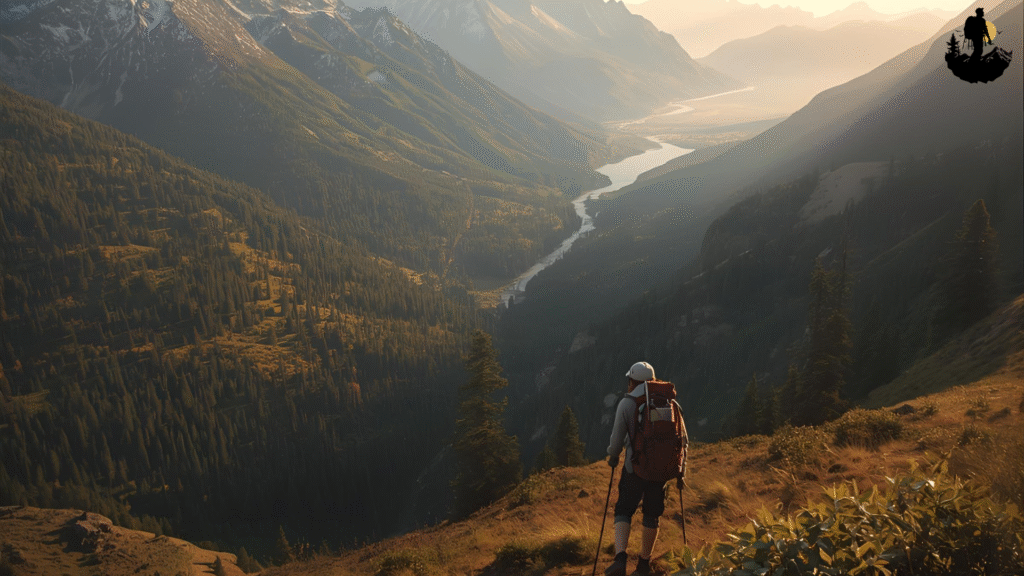
Embarking on a solo journey across the U.S. wilderness offers a rare kind of freedom. It is a blend of self‑reliance, open terrain and introspective exploration. If you’re planning for Solo Adventures Remote USA, you’ll find landscapes that are vast, silent and deeply yours for the moment. Venturing alone into remote locations means trading the familiar for the unknown; it’s about checking your gear, tracking your route and trusting your instincts while you navigate terrain where assistance may be far away.
You carry responsibility for every detail, from access, safety, gear, and exit plan, and in that responsibility lives the richness of the journey. Embrace the solitude, prepare for the elements and get ready to discover just how vivid a solo adventure in the remote U.S. can be.
Planning the Journey
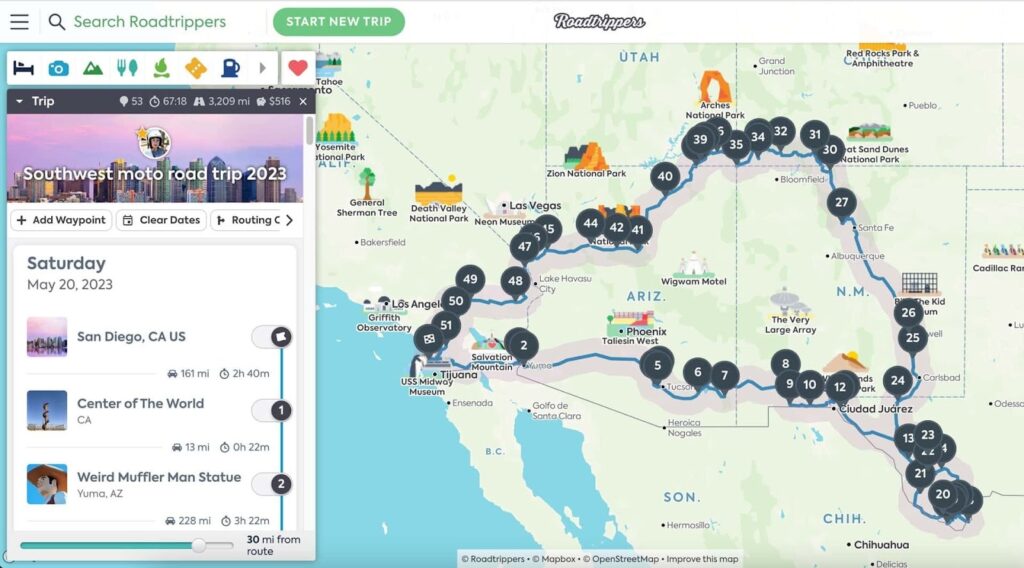
Thorough preparation is at the heart of any strong solo adventure. For remote U.S. locations, you’ll want to focus on:
- Route clarity: Choose a destination you can realistically reach, understand the access roads, trailhead or shoreline.
- Communication plan: Share your itinerary with a trusted contact, set check‑in times, and be clear about when you return.
- Weather & terrain: Remote spots change fast. Download offline maps, check long‑range forecasts and consider the impact of elevation or isolation.
- Emergency readiness: Carry a first‑aid kit, navigation tool (or GPS), plenty of water/food and a backup plan if you must turn around.
- Mental readiness: Solo trips ask for decision‑making, resilience when things don’t go as planned, and the comfort of your own company.
Your solo adventure gains clarity, with those gears locked in, your solo adventure remote USA become less about risk and more about possibility.
Equipment & Safety Essentials
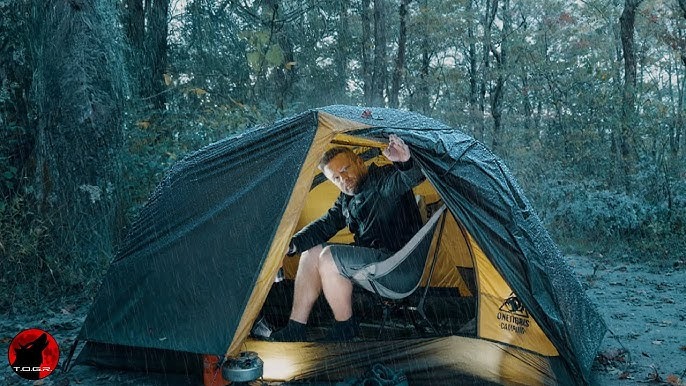
Gear and safety go hand in hand when you’re exploring remote terrain solo:
- Reliable shelter and sleeping gear: Tent or hammock rated for the conditions; warm bag for nights.
- Water & purification: Even short trips might lack fresh sources—carry more than you think, plus a purification method.
- Navigation toolkit: Map, compass, GPS offline layers; never assume cell signal will save you.
- Communication backup: Satellite messenger or personal locator beacon if you’ll travel into backcountry zones.
- Layered clothing: Expect changes in temperature, bugs, and terrain variations; pack accordingly.
- Food & fuel: Extra day of food, lightweight stove if needed; remote means supply points may not exist.
Managing all this builds the foundation of solo adventures remote USA, you’re setting yourself up to thrive, not just cope.
Choosing a Location
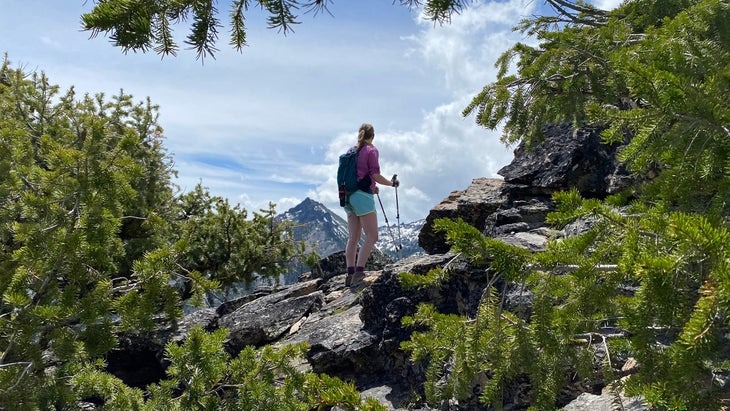
Selecting your destination requires balancing remoteness with accessibility and safety:
- Look for regions with fewer visitors but established access. Avoid places where no one goes at all, this can increase danger if something goes wrong.
- Aim for wilderness zones managed by trusted agencies that monitor conditions, allow solo access and provide some support framework.
- Choose terrain you can handle: desert basins, alpine ridges or coastal wilds each bring different challenges.
- Consider exit options: Even if you go deep, ensure there’s a feasible return path or human assistance potential.
By aligning these factors, you help make your chosen site a genuine match for solo adventures remote USA, challenging yet achievable.
Mindset & Solo Travel Benefits
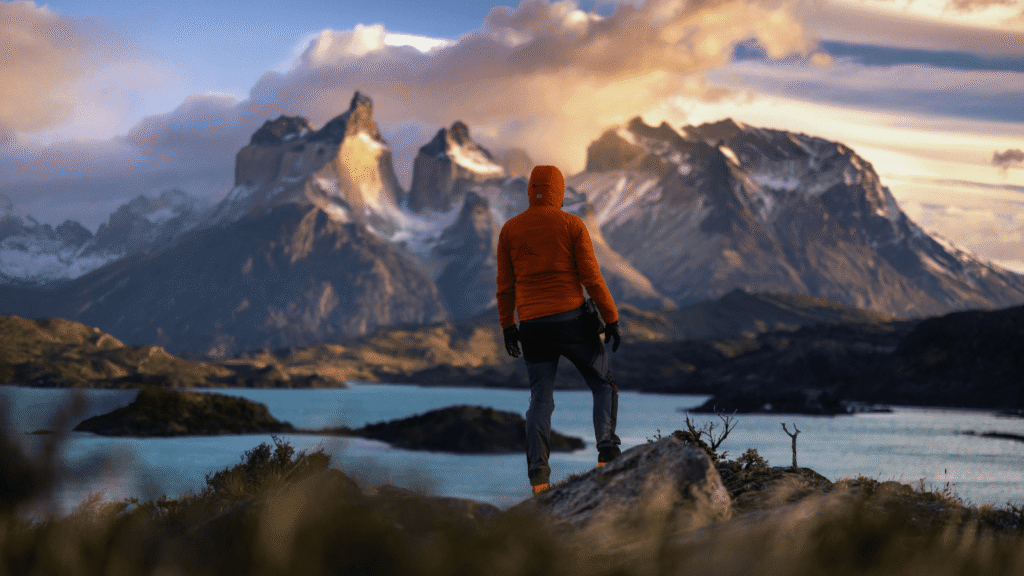
Travelling alone in remote settings isn’t just logistical but deeply personal and transformational:
- Solitude becomes your companion: Without group dynamics, you notice details, rhythms and landscapes more clearly.
- Decisions lie with you: Setting pace, changing plans, embracing silence. Your voice leads.
- Growth happens: Self‑reliance strengthens, fears shrink, confidence grows.
- Authentic connection: Remote places often yield quiet epiphanies, sunrise above ridges, stars overhead, the hush of early morning.
- Story value: Your journey becomes the narrative, not just a photo tweet. Solo adventures in remote USA carry weight because it asks you to step outside comfort and into discovery.
Embrace this mindset and your trip becomes more meaningful.
Challenges Specific to Going It Alone

Even the best‑planned solo trips face hurdles. Recognising them ahead helps you respond instead of react:
- Limited backup: If you’re alone and something goes wrong, you don’t have immediate peer support.
- Navigation errors carry more weight. A wrong turn can isolate you from help or exit options.
- Physical strain: Carrying all gear alone, weather shifts, fatigue, these add up.
- Psychological factors: Loneliness, decision fatigue, and unexpected terrain.
- Rescue delay: Remote means slower help, delayed cell service, and longer response times.
In planning for these realities, you transform potential pitfalls into manageable challenges. That’s the essence of solo adventures in remote USA: preparedness empowers.
Photo Ops & Experience Highlights
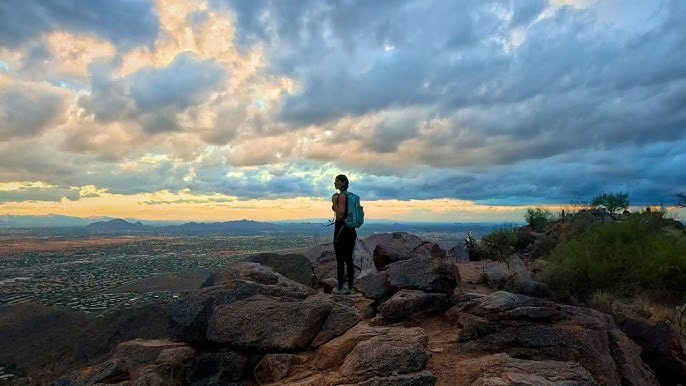
Part of why you choose remote solo travel is the richness of experience and visuals:
- Pre‑dawn moments: Arrive or hike early to feel the shift from darkness to light when the land wakes.
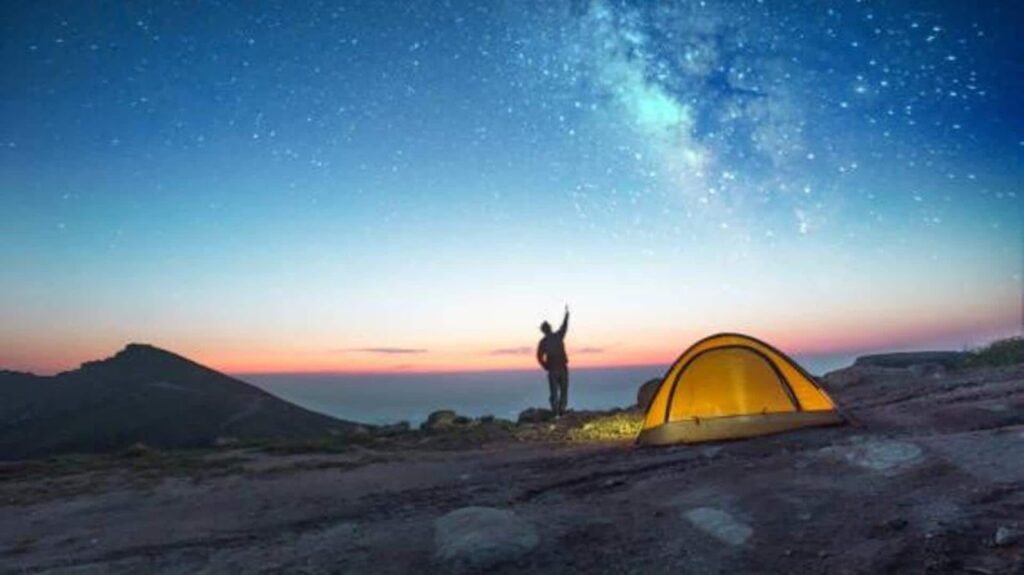
- Night skies: Away from city lights, star fields, Milky Way arches and silent nights become profound.
- Animal encounters: Less human presence often means more undisturbed wildlife sightings or tracks.
- Solitude in nature: Trees, ridgelines, waves or wind become your soundtrack.
These moments don’t just make great photos but root your journey in place, pace and self. Solo adventures in remote USA give you memories, not just travel.
Return with Purpose

Completing your solo adventure opens another phase, which is reflection, story‑shaping, and integrating what you found:
- Journal or log your experience: Insight emerges as time passes.
- Share with others: Your journey might inspire someone else or deepen local appreciation.
- Plan the next step: Often, one remote trip leads to another. Scale your ambition, refine your process.
- Respect nature: Leave the land as you found it, share knowledge responsibly and travel without creating a burden.
Your solo adventure becomes both a personal milestone and a story worth telling.
Stepping Out, Standing Strong
Stepping out for a solo adventure remote USA isn’t just about being alone but about choosing the wild, managing the essentials, trusting your judgment and returning changed. You’ll discover what quiet looks like, how big the sky really is, and how capable you are when the path is yours. So pack with purpose, plan with respect, move with humility and return with stories only you can tell. The remote terrain is ready; your solo adventure awaits.