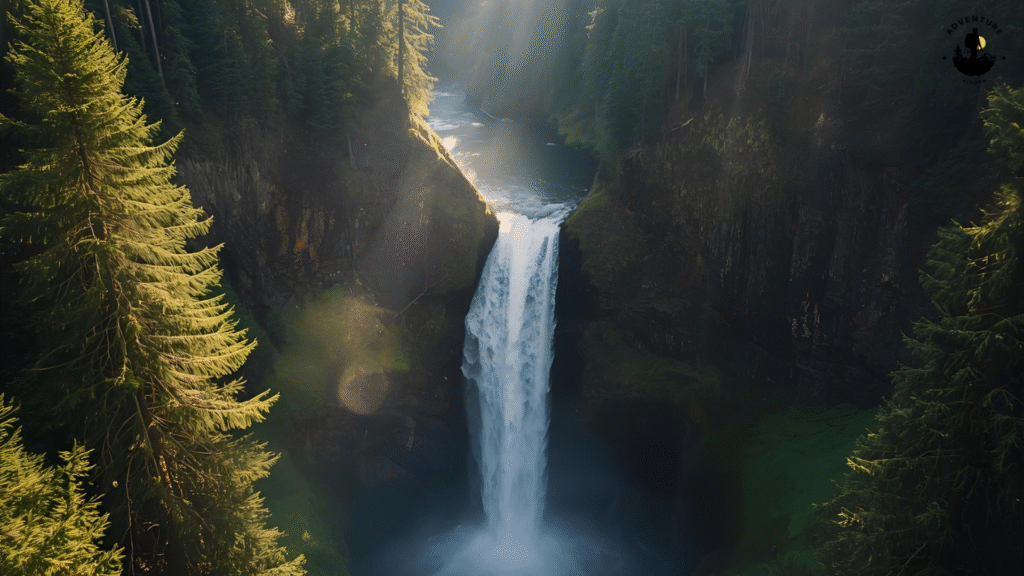
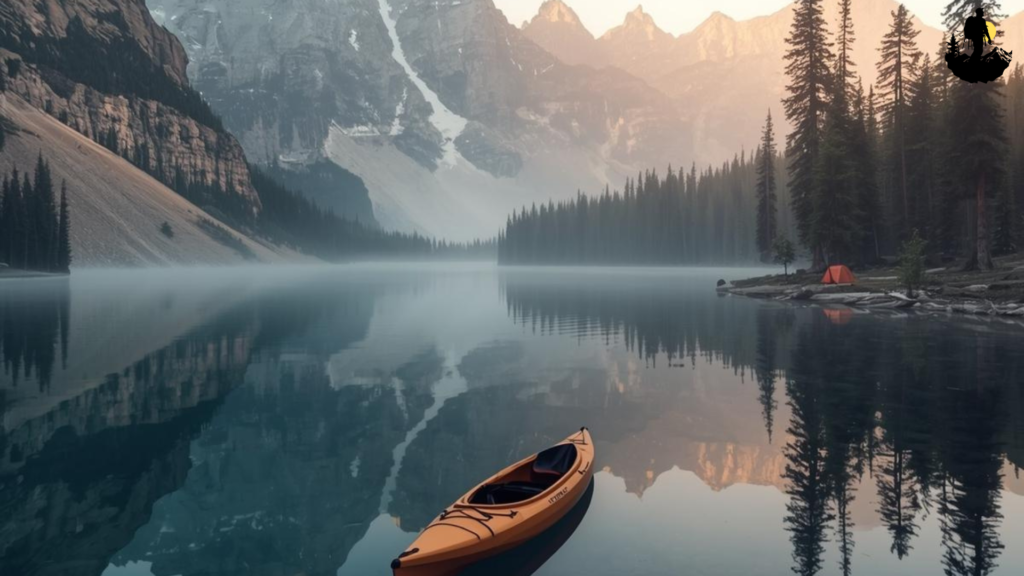
Kayak camping delivers a kind of calm that regular road trips can’t match. Water creates its own pace. Long strokes move you across quiet lakes where mountains rise in the distance and forests trace the shore. Anyone searching for remote kayak lakes can find hidden waters where campfires glow, stars shine bright, and mornings bring mist that settles over the surface like a soft blanket. These lakes sit far from busy towns and boat ramps, which keeps the noise low and the experience real. This guide highlights the best remote lakes, small-town gems, safety tips, packing advice, and everything else you need for a peaceful paddle-and-camp adventure.
Hidden Remote Lakes Across the United States
Bowron Lake Circuit, Washington
Kayakers enjoy a long chain of lakes connected by calm channels and short portages. The landscape surrounds you with rugged peaks and dense forest. Nights feel cool and quiet, and the mornings offer perfect paddling conditions.
Green River Lakes, Wyoming
These glacier-fed waters stay clear and cold. The lakes sit below the Wind River Range, which creates a dramatic backdrop. Campsites along the shoreline feel spread out and peaceful.
Apostle Islands Backcountry Lakes, Wisconsin
Many travelers know the shoreline caves, yet the inland lakes remain far quieter. Kayakers can explore small pockets of water that sit inside thick forest.
Two Medicine Lake, Montana
This lake sits near towering cliffs and open valleys. Wind patterns shift often, so early morning paddlers enjoy the smoothest conditions.
Lake Umbagog, Maine–New Hampshire Border
Wildlife often appears at dawn. Loons call across the water, and the lake holds a natural stillness that makes camping feel timeless.
Small-Town Lakes Worth the Journey
Lake Willoughby, Vermont
Steep cliffs frame this long, narrow lake. Kayakers enjoy clear water and easy shoreline campsites. The lake feels tucked away, and the town stays quiet through most seasons.
Trout Lake, Colorado
High elevation air and bright mountain peaks shape the mood. Evenings grow cool, and the lake stays calm once the sun dips behind the ridges.
Crescent Lake, Oregon
This lake sits inside a peaceful forest. Kayakers like the smooth water and the natural shelter the trees provide on windy afternoons.
Lake Jocassee, South Carolina
Hidden coves, waterfalls, and deep water give kayak campers plenty to explore. The lake carries a peaceful tone in the early morning light.
Lily Bay Area, Maine
Moose sightings often happen along the shore. The campsites sit far apart, which helps you enjoy a sense of privacy.

Underrated Remote Lakes and What Makes Them Special
Ross Lake, Washington
Long, narrow channels create a maze-like feel. Kayakers enjoy the open water and the dramatic mountain views that rise from the shoreline.
Clear Lake, Montana
The water stays cold and bright blue. Campsites rest on rocky points that give long views across the lake.
Island Lake, Minnesota
The scattered shoreline delivers plenty of camp spots. Paddlers can explore sheltered bays and quiet forest pockets.
Shadow Mountain Lake, Colorado
The calm channels along the edges offer a good balance between open paddling and sheltered water.
Lake Ouachita, Arkansas
Small islands dot the lake and create perfect sites for kayak camping. Clear water adds a refreshing tone to early morning paddles.
How To Check Conditions Before You Paddle
Local ranger stations often post updates on wind patterns, water levels, and campsite availability. A quick call helps you decide which areas offer the safest paddling. Lakes in higher elevations shift with the weather, and afternoon winds often pick up with little warning.
Checking fire restrictions helps you plan meals. Some remote lakes allow campfires in designated rings, while others require portable stoves. Water quality varies by season, so many paddlers bring filters or tablets to stay prepared.
Road access also matters. Remote lakes often sit at the end of rough dirt roads. Rain or snow changes travel conditions quickly. Early planning helps you avoid long detours.
Safety Tips For Kayak Camping Trips
A steady approach makes your trip smooth. Wearing a life jacket during the paddle keeps you safe if the wind shifts. Staying close to the shoreline gives you quick access to land if conditions change.
Packing dry bags helps protect gear from accidental splashes or rain. Many paddlers double-bag critical items like sleeping bags, clothes, and electronics.
Choosing a campsite early in the afternoon prevents rushed setups. Remote lakes grow quiet as the sun drops, and temperatures shift fast. A warm fire or dry shelter helps you settle in comfortably.
Wildlife often walks near the shoreline. Keeping food sealed and secured helps protect both you and the animals. Quiet evenings make it easier to hear the wind, the water, and the forest around you.
Remote Lake Comparison Table
| Lake Name | State(s) | Difficulty | Special Feature |
| Bowron Lake Circuit | Washington | Moderate | Chain of lakes connected by portages |
| Green River Lakes | Wyoming | Moderate | Glacier-fed water with big mountain views |
| Lake Willoughby | Vermont | Easy | Cliffs rising straight from the shore |
| Lake Jocassee | South Carolina | Easy | Hidden coves and shoreline waterfalls |
| Ross Lake | Washington | Moderate | Long, narrow channels and rugged scenery |
| Lake Ouachita | Arkansas | Easy | Small islands perfect for camping |
| Crescent Lake | Oregon | Easy | Forest shelter and smooth water |
Best Lakes for First-Time Kayak Campers
Lake Jocassee, South Carolina
The calm water and soft shoreline make it perfect for beginners. Hidden waterfalls add charm to the trip.
Lake Willoughby, Vermont
Cliffs and steady water give a scenic but simple experience.
Crescent Lake, Oregon
This lake stays peaceful and offers easy access to camping areas.
Lake Ouachita, Arkansas
The small islands feel remote without adding difficulty.
Remote Lakes for Adventure Seekers
Bowron Lake Circuit, Washington
The circuit covers miles of wilderness. The portages add challenge, but the scenic reward stays unmatched.
Ross Lake, Washington
Wind shifts, steep ridges, and long distances give adventurous paddlers plenty to enjoy.
Green River Lakes, Wyoming
Cold, clear water and dramatic peaks create a rugged and rewarding trip.
Shadow Mountain Lake, Colorado
Remote stretches and long paddles give you a genuine backcountry feel.
Photography Tips for Kayak Campers
Soft morning light creates clear reflections on calm water. Photographers often paddle early to catch these mirror-like moments. Wide shots highlight mountain backdrops, while close shots capture the details of wet rocks, driftwood, or ripples around the boat.
Turning slightly toward the sun adds glow to the shoreline trees. A simple waterproof bag protects your camera during rough patches. Evening shots offer warm colors over the water.
Packing Essentials for Kayak Camping
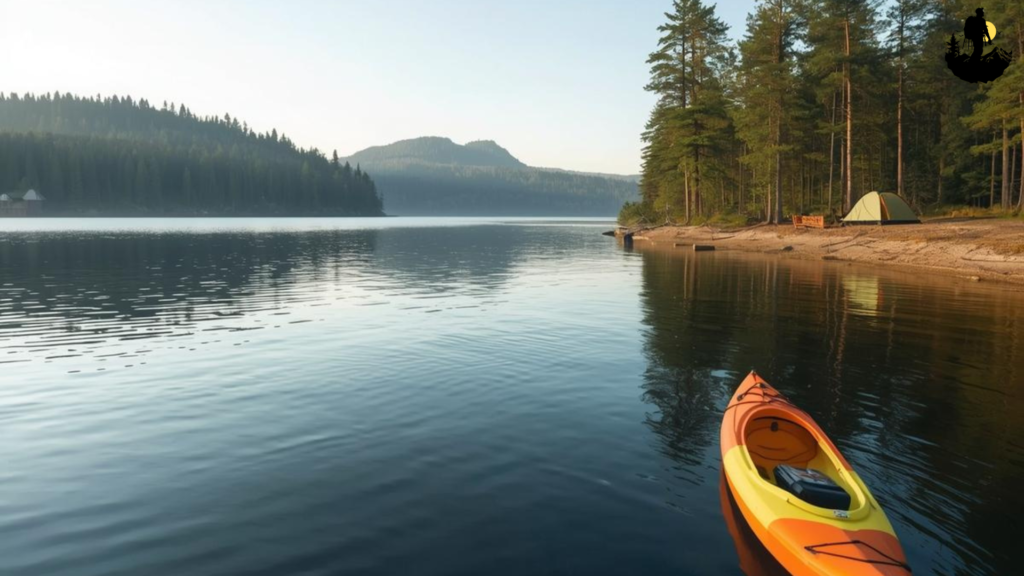
A lightweight tent fits well inside the kayak. Sleeping pads, compact stoves, and dehydrated meals make packing easier. Water filters keep your load light since lake water becomes your supply.
Dry bags keep clothes and gear safe. A warm fleece, rain jacket, and comfortable shoes round out your clothing setup. Maps or offline navigation apps help in places with weak signal. A small repair kit and extra rope come in handy.
A first aid kit rounds out your essentials. Headlamps, lighters, and simple cooking tools help with evening tasks.
A Last Note Before You Paddle Out
Remote lakes carry a quiet magic that stays with you. Water smooths out the noise of daily life, and camping along the shore gives you a front-row seat to nature’s rhythm. Anyone searching for remote kayak lakes usa can explore waters that feel untouched, peaceful, and full of small surprises. A soft breeze, a glowing sunrise, or the sound of water tapping against your kayak can turn an ordinary trip into something you remember for years. These lakes invite you to slow down and enjoy the space around you.