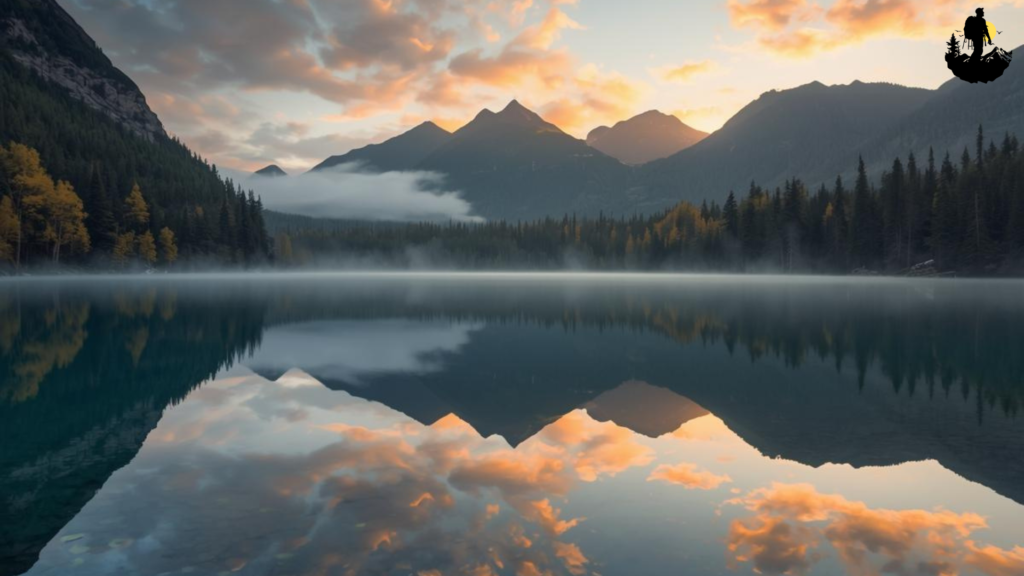
Hidden lakes across America offer some of the most breathtaking sunrise photography opportunities. Calm water becomes a natural mirror. Colors shift from violet to gold. Mountains, trees, and clouds turn into perfect reflections. Photographers who understand how to work in this window of light can create images that feel surreal and deeply peaceful. Sunrise changes fast. Light only stays soft for a short time. Lakes also respond to weather, temperature, and wind in subtle ways.
This guide explains how to find hidden lakes, plan for sunrise, control exposure, build strong compositions, and capture reflections that look natural and immersive. The keyword sunrise reflection lake usa represents a style built on patience, timing, and attention to detail.
Understanding Why Sunrise Works Best for Reflection Photography
Sunrise creates a unique combination of soft light, cool air, and still water. Air temperatures often drop overnight. Cool mornings reduce wind and minimize ripples. Light at sunrise is gentle and directional. Colors stay muted at first, then warm as the sun rises above the horizon.
Hidden lakes amplify these changes. Smaller bodies of water settle faster than large ones. Surrounding mountains or forests block early breezes. That environmental stability makes sunrise the ideal time for crisp reflections.
Finding Hidden Lakes that Produce Strong Reflections
Finding the right lake matters as much as timing. Hidden lakes offer quiet water, fewer crowds, and fresh angles. They often sit above popular viewpoints or behind lesser-traveled trails. Successful reflection locations share common traits.
Look for lakes that are:
• Sheltered by mountain walls or forest
• Positioned east to catch early light
• Surrounded by distinct shapes like cliffs or ridges
• Small enough to remain calm in morning weather
Local topographic maps help identify lakes tucked in basins, cirques, or forest corridors. Satellite imagery offers hints about shape, approach trails, and sun direction.
Scouting the Area Before Sunrise Arrives
Scouting improves the chances of capturing the strongest reflection. Arriving early reveals how the lake sits in relation to the terrain. Photographers get time to explore angles without rushing. Walking around the shore helps identify the smoothest water, the cleanest lines, and the best foreground elements.
Shorelines often have natural framing shapes. Rocks, logs, and grasses add depth. Higher ground may offer a vantage point where both the lake and the rising sun align perfectly. Planning removes stress when the light begins to change.
Preparing Gear for Early Morning Conditions
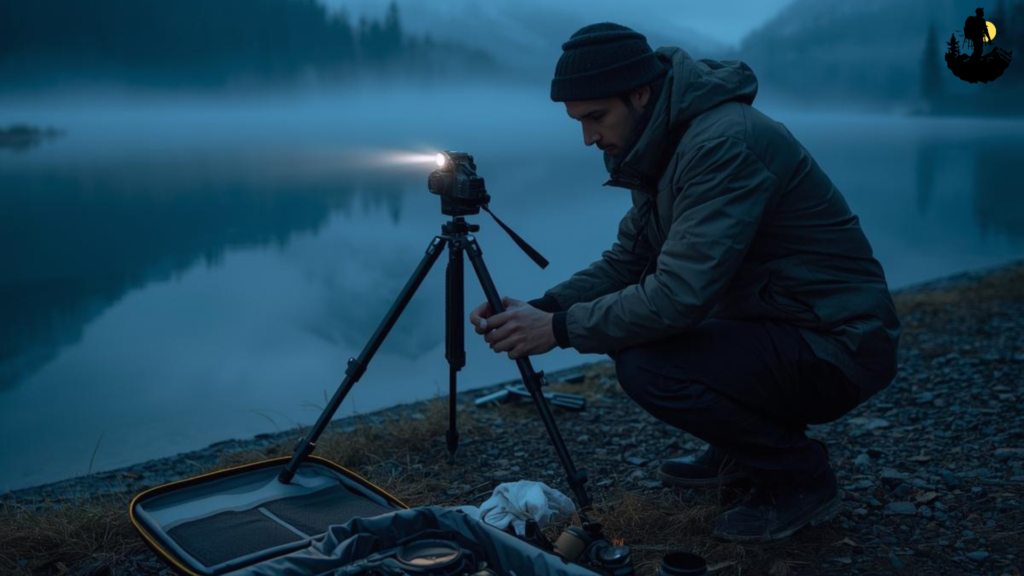
Early mornings at hidden lakes bring cold air, low light, and moisture. Gear must be ready for delicate conditions. A tripod stabilizes long exposures. A clean microfiber cloth keeps condensation off lenses. Batteries drain faster in cold temperatures, so carrying extras is essential.
A remote shutter or a camera timer reduces shake. Polarizing filters can help reduce glare, but must be used carefully because they can destroy reflections when angled too strongly. Lightweight gear pairs well with predawn hikes.
Timing the Arrival to Take Advantage of Changing Light
Timing influences the entire experience. Arriving at least an hour before sunrise gives photographers room to set up without chaos. Blue hour delivers soft, cool tones. The moment the sun approaches the horizon changes everything.
Light shifts quickly during sunrise. Colors move from blue to purple to orange to gold. Shadows appear, fade, then stretch again. The best reflections often occur when the sun has not cleared the ridge fully. Once the sun rises too high, glare begins to wash out details.
Framing Reflections for Balanced Compositions
Reflections add natural symmetry to a scene. Strong compositions use that symmetry in a thoughtful way. Many photographers use the waterline to split the frame in half. Balanced symmetry creates calm and order. Slight asymmetry adds movement and tension.
Foreground elements strengthen depth. Rocks that lightly break the water surface or patches of grass near the shoreline can guide the viewer’s eye. Framing the scene with trees or distant ridges helps anchor the composition. Every element contributes to the final mood.
Controlling Exposure During Dynamic Sunrise Light
Exposure becomes challenging because the sunrise creates a strong contrast between sky and land. Reflections often appear darker than the real sky. Cameras can struggle to capture both evenly.
Solutions include:
• Slight underexposure to protect sky detail
• Graduated filters to balance brightness
• Exposure bracketing for blending later
• Manual adjustments during quick light shifts
Checking the histogram offers the fastest feedback. Adjustments made during the first few minutes of sunrise protect highlights and preserve subtle color.
Using Color Temperature to Set the Mood
Color temperature affects how sunrise feels. Cool temperatures create a quiet, dreamy mood. Warmer temperatures heighten emotion and bring life to the scene. Lakes reflect these changes perfectly. The slightest shift in white balance transforms the overall tone.
Photographers often begin cool during blue hour, then move warmer as the sun rises. Custom white balance or manual Kelvin adjustments provide precision that auto modes cannot match. Careful color control adds emotional depth without heavy editing.
Reading Weather Patterns that Affect Lake Reflections
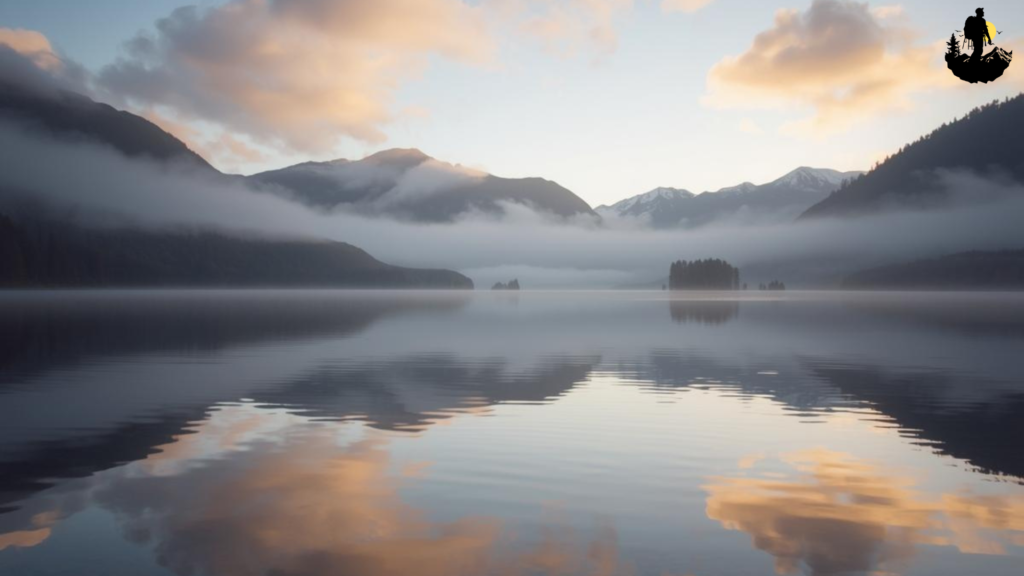
Weather shapes reflection photography more than any other factor. Calm air produces a glass-like surface. Light winds create ripples that distort shapes. Clouds alter color intensity and distribute light across the water.
Cold nights followed by clear mornings offer the highest chance of calm reflections. Temperature inversions often trap still air in mountain basins. Storms that pass overnight frequently leave behind peaceful sunrise conditions. Observing the weather leads to better planning and fewer missed opportunities.
Working Safely Around Lakes During Predawn Hours
Safety matters during predawn approaches. Trails can be dark, wet, or uneven. Cold temperatures can surprise hikers. Photographers should use reliable headlamps, stay aware of wildlife activity, and take care around slick rocks near the shoreline.
Carrying layers, water, and a small first-aid kit keeps the experience safe. Letting someone know the planned location adds extra security for remote areas. Safety allows full focus on photography once sunrise begins.
Capturing Minimalist and Abstract Reflection Shots
Hidden lakes naturally lend themselves to minimalist compositions. Calm water and soft light strip scenes down to essentials. Photographers can isolate a single tree, a ridge line, or a fragment of sky reflected in the lake. Abstract images also become possible when reflections appear without their source.
A shallow depth of field can blur the boundary between water and sky. Longer lenses isolate distant shapes. Minimalism invites viewers to slow down and interpret the scene in their own way.
Using Foreground Elements to Add Depth to Reflections
Foreground elements help anchor reflections and add physical context to the image. Lakes often provide natural foreground subjects such as rocks, driftwood, or overhanging branches. These elements break monotony and create a sense of place.
A rock partially submerged in water creates a transition between land and reflection. A log on the shore adds texture. Soft grasses help soften photographs and guide the eye toward the horizon. Foreground choices should support the reflection, not overpower it.
Editing Sunrise Reflections for Natural Results
Editing should enhance natural beauty, not replace it. Sunrise already provides dramatic color and gentle light. Photographers benefit from subtle adjustments rather than heavy processing.
Effective adjustments include:
• Gentle contrast control
• Slight clarity in non-reflective areas
• Soft color grading based on mood
• Minor dodge and burn for depth
• Careful sharpening to preserve reflection detail
Editing should protect symmetry and atmosphere. Over-editing can remove the peaceful feeling that makes the sunrise reflection at Lake USA so captivating.
Embracing the Stillness of Sunrise
Sunrise at a hidden lake invites photographers to slow down, breathe, and wait for nature to reveal its quiet moments. Reflections offer a connection between sky and water that feels almost meditative. Scenes shift second by second as light rises, colors soften, and the world wakes up.
Every hidden lake holds a unique character. Some glow gold. Others remain cool and blue. Some reflect mountains perfectly. Others reflect clouds drifting across the sky. Photographers who embrace the calm of early morning often create their most memorable work.
Sunrise reflections reward those who arrive early, pay attention to detail, and stand ready for the brief moments where everything aligns.