Canoeing through forgotten river trails creates an unforgettable connection between the paddler and nature. Many waterways across the United States remain untouched by heavy tourism, offering calm currents, old forests, and wildlife that thrive away from crowds. A journey along these routes becomes more than a paddling adventure. It becomes a quiet retreat, a chance to rediscover landscapes shaped by time rather than people. Explorers searching for peaceful spots often find inspiration in hidden canoe trails, where silence and stillness define the experience.

These trails hold stories of old communities, native ecosystems, and seasonal rhythms. Canoeing through them encourages patience, awareness, and respect for the natural world.
Understanding the Appeal of Forgotten River Trails
Forgotten river trails provide a sense of solitude rarely found in busy waterways.
Reasons these trails feel special:
- Calm waters that create relaxing paddling sessions
- Minimal human interference
- Wildlife encounters that feel natural rather than staged
- Dense vegetation that forms natural tunnels
- Clear reflections during sunrise or sunset
- Unmapped bends that add adventure
Experiences paddlers often cherish:
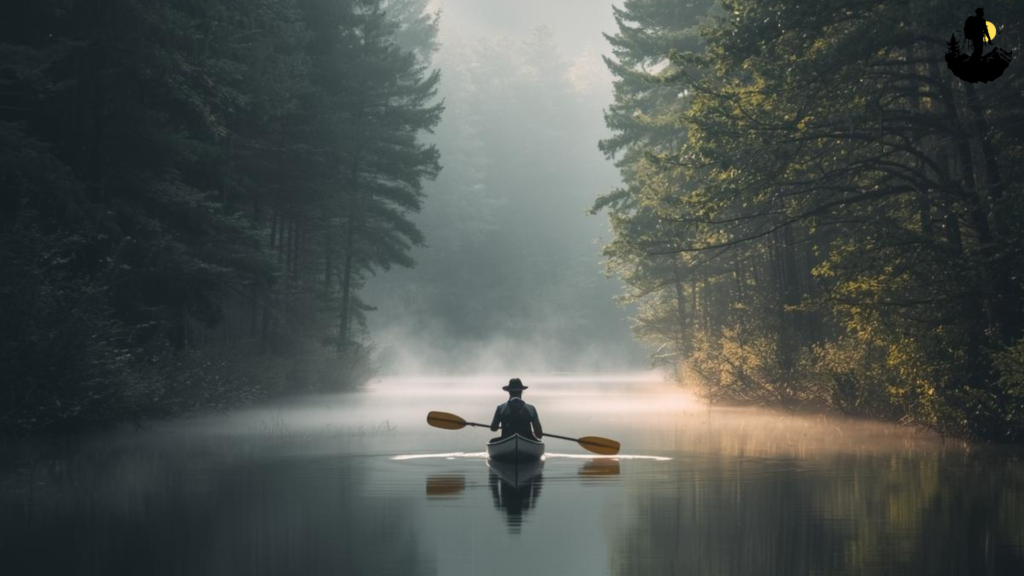
- Quiet mornings surrounded by mist
- Birdsong echoing across the water
- Soft ripples caused by gentle strokes
- Hidden coves are perfect for sketching or photography.
These trails offer moments of pure connection to nature.
Researching Trail History Before Canoeing
Historical research gives the adventure a deeper meaning.
Useful research steps:
- Read local river histories
- Check conservation records
- Speak to nearby communities.
- Study old maps documenting forgotten paths.s
- Look into the indigenous origins of River nam.es
- Explore stories of early travelers who used these waters.
Why research enriches your experience:
- Adds context to landscapes
- Helps you understand ecological changes
- Reveals cultural significance
- Illuminates old trade or migration routes
- Prevents paddling through restricted zones
History turns a simple trip into a meaningful narrative.
Choosing Canoes and Gear for Exploring Hidden Trails
Equipment influences comfort, safety, and mobility in narrow or remote paths.
Ideal gear for forgotten trails:
- Lightweight canoe suitable for shallow riverbeds
- Durable paddle with a strong grip
- Waterproof bag for maps and supplies
- Personal flotation device
- Compact emergency kit
- Portable water filter for long routes
- GPS tracker or trail app
- Dry bags for cameras and phones
Benefits of proper gear:
- Helps navigate tight spaces
- Prevents water damage to belongings
- Supports quick maneuvering in unexpected currents
- Ensures safety in secluded regions
A well-prepared paddler enjoys smooth, stress-free exploration.
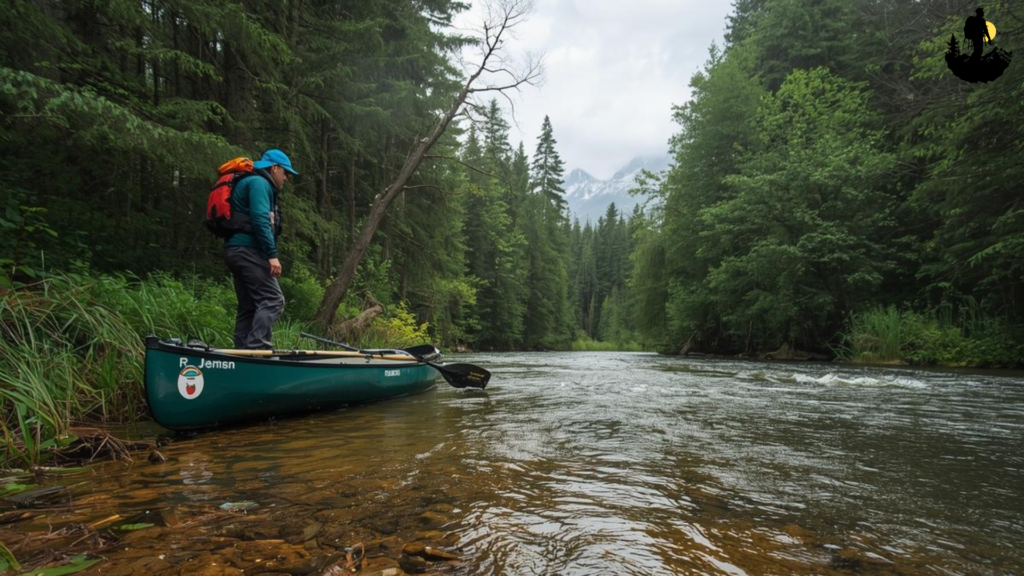
Studying Water Conditions Before Entering Remote Trails
Understanding water behavior protects you from dangerous surprises.
Conditions to assess:
- Water depth during different seasons
- Weather forecasts
- Current speed
- Water clarity
- Presence of fallen trees or submerged rocks
- Sudden drops near old dams
Why water assessment matters:
- Prevents canoe damage
- Reduces risk of capsizing
- Helps determine the best paddling route
- Keeps you from entering unstable sections
Water awareness supports safe and confident paddling.
Reading the Landscape Like a River Navigator
River navigation requires more than physical strength.
Key landscape-reading skills:
- Spotting shallow areas based on water colour
- Understanding currents from ripple patterns
- Identifying safe exits along riverbanks
- Recognizing animal trails that may signal clear passages
- Locating bends that hide fallen logs
Why navigation matters:
- Improves efficiency
- Reduces unnecessary detours
- Keeps you aware of wildlife zones
- Helps avoid dangerous sections
A careful eye ensures smooth canoeing through hidden river paths.
Capturing the Beauty of Hidden Canoe Trails
Many paddlers bring cameras to document these rare landscapes.
Photography tips for scenic river trails:
- Shoot during golden hours for warm reflections
- Capture top-down shots from riverbanks.
- Focus on ripples that reflect the surrounding trees.
- Highlight wildlife interactions
- Frame shots through overhanging branches
- Use waterproof gear to protect your camera.
Common visual elements to include:
- Sun rays passing through forest canopies
- Moss-covered rocks
- Sudden openings to hidden lakes
- Old bridges reclaimed by vegetation
A photo journal immortalizes your connection to these trails.
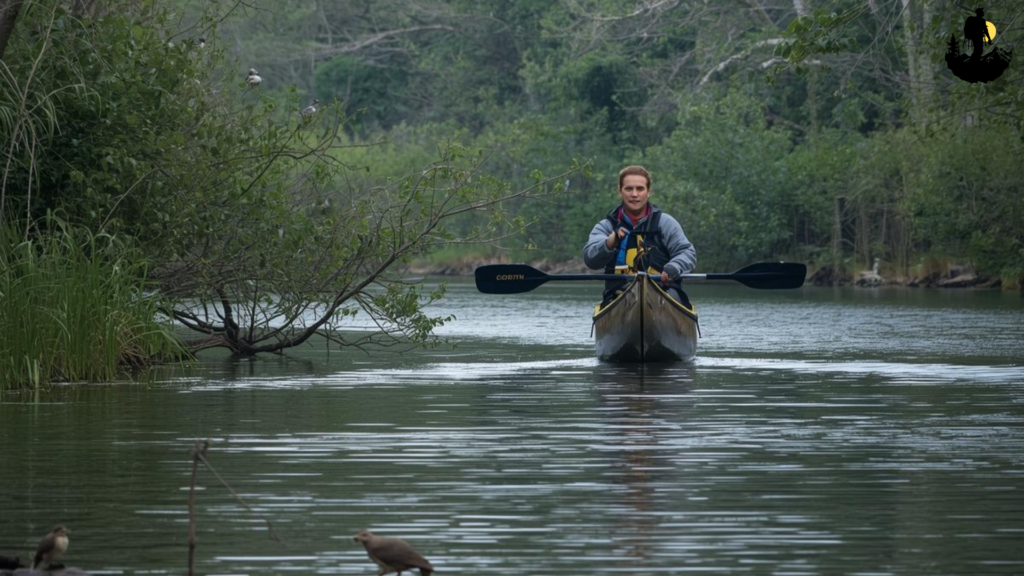
Respecting Wildlife Along Remote Waterways
Wildlife thrives along secluded river trails. Respect remains essential.
Wildlife guidelines:
- Maintain quiet paddling to avoid disruption
- Keep a distance from nesting birds.
- Slow down when passing beaver dams.s
- Avoid approaching drinking anima.ls
- Leave feeding areas undisturbed.
- Watch for turtles sunning on logs
Reasons for caution:
- Protects animal behavior
- Prevents territorial reactions
- Ensures long-term survival of habitats
- Supports eco-friendly canoeing traditions
Coexisting respectfully builds harmony between the paddler and the ecosystem.
Navigating Narrow Passages and Overgrown Banks
Hidden trails often include tight, overgrown areas that test patience and control.
Techniques for navigating narrow sections:
- Use small, controlled paddle strokes
- Shift body weight gently to turn.
- Keep eyes ahead for fallen branches
- Duck under low tree limbs
- Reverse slightly to reposition when stuck.
Benefits of slow, mindful movement:
- Reduces noise
- Prevents tipping
- Protects fragile vegetation
- Increases chances of wildlife sightings
Skillful maneuvering turns challenging routes into rewarding ones.
Understanding Seasonal Changes Along Hidden Water Trails
Seasons dramatically reshape forgotten river environments.
Spring features:
- Higher water levels
- Fast currents
- Blooming vegetation
Summer features:
- Warm water
- Thick plant growth
- Abundant insects
Autumn features:
- Vibrant foliage
- Cooler temperatures
- Clearer water
Winter features (in milder states):
- Quiet rivers
- Minimal traffic
- Beautiful fog layers
Seasonal understanding helps you choose the best time for exploration based on comfort and scenery.
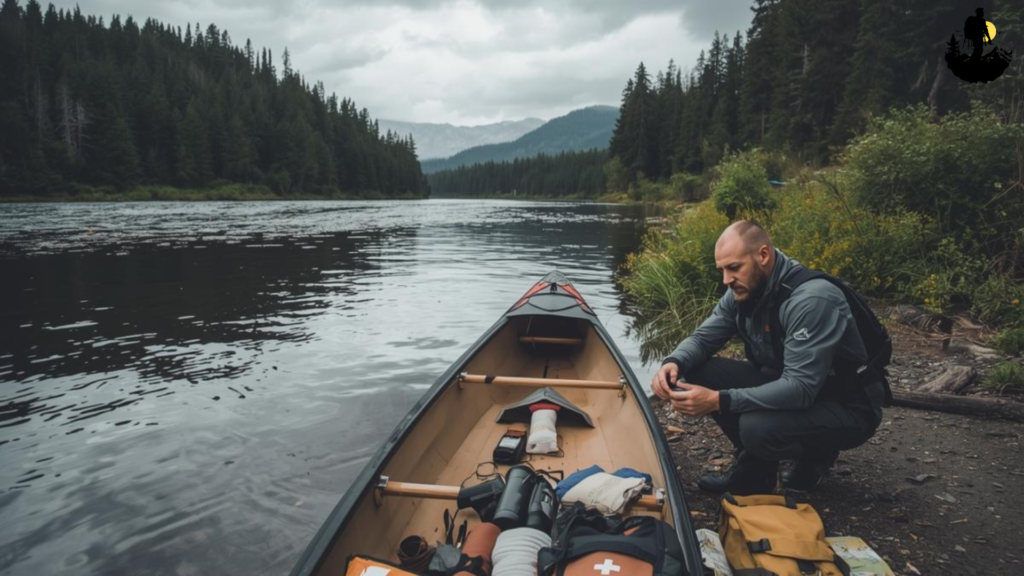
Preparing for Emergencies in Isolated Areas
Remote trails require preparedness because help might be far away.
Important emergency items:
- First-aid kit
- Whistle
- Emergency blanket
- Small repair kit for canoes
- GPS communicator
- Extra snacks
- Water purification tablets
Why preparation protects you:
- Ensures survival during sudden weather shifts
- Supports recovery from minor injuries
- Helps you navigate back if you get lost
- Reduces stress during long routes
Preparation brings safety to every paddle stroke.
Respecting Cultural and Indigenous Heritage Along Rivers
Many forgotten trails pass through areas with cultural significance.
Ways to respect heritage:
- Avoid disturbing marked sites
- Learn local stories before visiting.
- Follow tribal rules when applicable.e
- Appreciate sacred spaces from a distance
Why heritage matters:
- Honors the history of original river stewards
- Deepens your understanding of the trail
- Strengthens connection to the land
- Encourages respectful exploration
Cultural awareness enriches your journey.
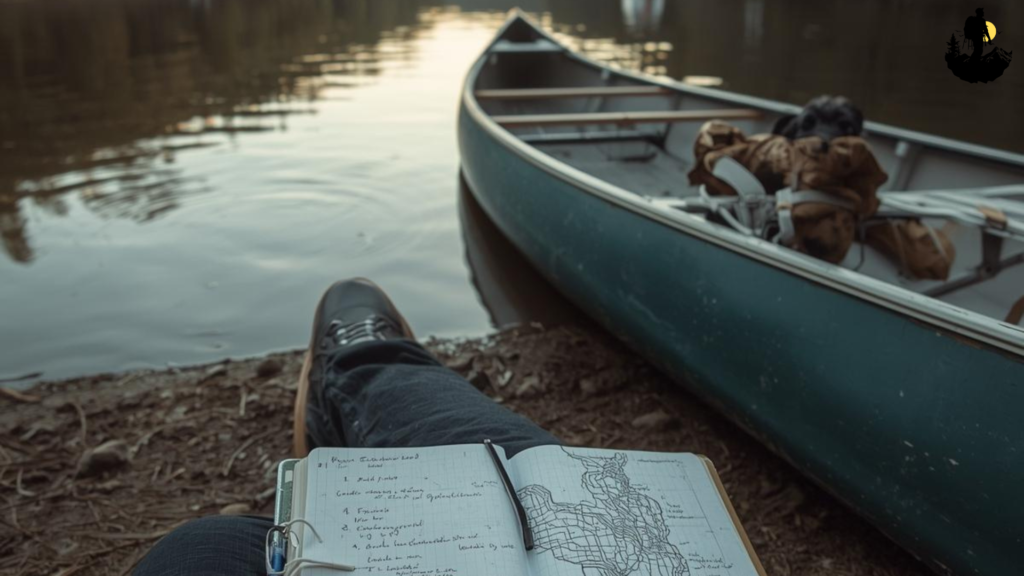
Documenting Your Experience Through Journals and Maps
Documenting your experience keeps the trail alive in memory.
Ways to record your journey:
- Sketch river bends
- Note wildlife sightings
- Write reflections during rest stops.
- Mark interesting spots on a map
- Record sunrise and sunset moods
- Capture significant sounds or smells in a word.
Benefits of documentation:
- Helps others learn about the trail
- Preserves your emotional experience
- Supports future navigators
- Creates a personal legacy
A written or visual journal transforms your trip into a lasting story.
Reflecting on the Experience of Canoeing Hidden Trails
Canoeing forgotten river trails reveals peace that modern life rarely offers. A paddler discovers landscapes untouched by noise, time, or development. Every moment on the water becomes a reminder of how quiet the world can feel.
A meaningful exploration of hidden canoe trails in the USA teaches appreciation for slow travel, natural rhythm, and gentle adventure. A river becomes not only a route, but a companion guiding you through forests, meadows, and memories. Your connection to nature deepens, creating an experience that stays alive long after you leave the water.

✦ Related Articles You May Love
- Living Like A Local In Remote U S Regions
- Hidden Homestay Experiences In Offbeat U S Towns
- Folklore And Legends From The Deep South
- How To Find Hidden Adventure Spots Across The Usa
- Essential Packing Tips For U S Hiking Trips
- Budget Travel Hacks For Exploring U S Trails
- Safety Tips For Hiking Hidden Trails In The Usa
- Best Seasons To Visit Hidden U S Parks
- Eco Friendly Ways To Explore Remote U S Destinations
- How To Reach Hard To Access U S Adventure Spots
- Navigating Road Trips To Lesser Known U S Parks
- Apps That Reveal Hidden Trails And Campsites
- How To Stay Connected In Remote U S Areas
- Capturing Hidden Landscapes Of The American West
- Capturing Hidden Motion Long Exposure Photography In U S National Parks
- Night Sky Photography In Americas Dark Sky Parks
- Photo Walks Through Hidden U S Small Towns
- Reflections Photography On Hidden U S Lakes
- Rock Climbing In Lesser Known U S Spots
- Trail Running Through Hidden Forest Paths
- Mountain Biking Adventures In The Pacific Northwest
- Paragliding Above Secret U S Peaks
- Scuba Diving Hidden Reefs In The Florida Keys
- Abandoned Ghost Towns In The American West
- Hidden Architectural Gems Across The Usa
- Discovering Truly Local Favourite Hiking Trail Usa
- Travel Mistakes To Avoid On U S Hidden Trails
- Solo Adventures In Remote U S Locations
- How Tourism Is Changing Hidden American Spots
- Hidden U S Destinations That Inspired Great Art
- Americas Forgotten Ghost Stories And Legends
- Short Hidden Hikes Under 5 Miles In The Usa
- Abiqua Falls Oregons Most Hidden Waterfall In The Pacific Northwest
- Exploring Hidden Islands In The Florida Keys
- Hidden Trails Secret Canyons Offbeat Hiking Escapes In The American Southwest
- Lesser Known National Parks Usa Hidden Gems To Explore In 2025
- Secret Caves To Explore In The Appalachian Mountains
- A Bloomseekers Paradise The Wildflower Trails In The Rocky Mountains
- Scenic Mountain Passes Few Know In Colorado Hidden And Adventurous Places You Must Explore
- Kayaking Through Hidden Rivers Of The South
- Underrated Desert Oases In The Southwest Usa
- Seasonal Hidden Wonders In U S National Parks
- Hidden Hot Springs In The Western United States Your Guide To Real Relaxation
- Snow Covered Winter Trails No One Talks About
- Secret Coastal Cliffs To Explore In California
- Underground Crystal Caves In The United States
- Untouched Forest Sanctuaries In The Northeast
- Stories From Rural Americas Forgotten Communities
- Hidden Artisan Markets In The Midwest Your Ultimate Guide
- Local Foods Found Only In Small Town America
🌿 Sources & References
- Travel & Adventure – National Geographic
- Outdoor Recreation – REI Expert Advice
- Leave No Trace Principles
- Nature Conservation – WWF
- U.S. National Parks – NPS
- Sustainable Tourism – UNWTO
- Wilderness Safety – American Red Cross
- Outdoor Health Benefits – NIH
- Travel Health – CDC
- Ecotourism – The International Ecotourism Society