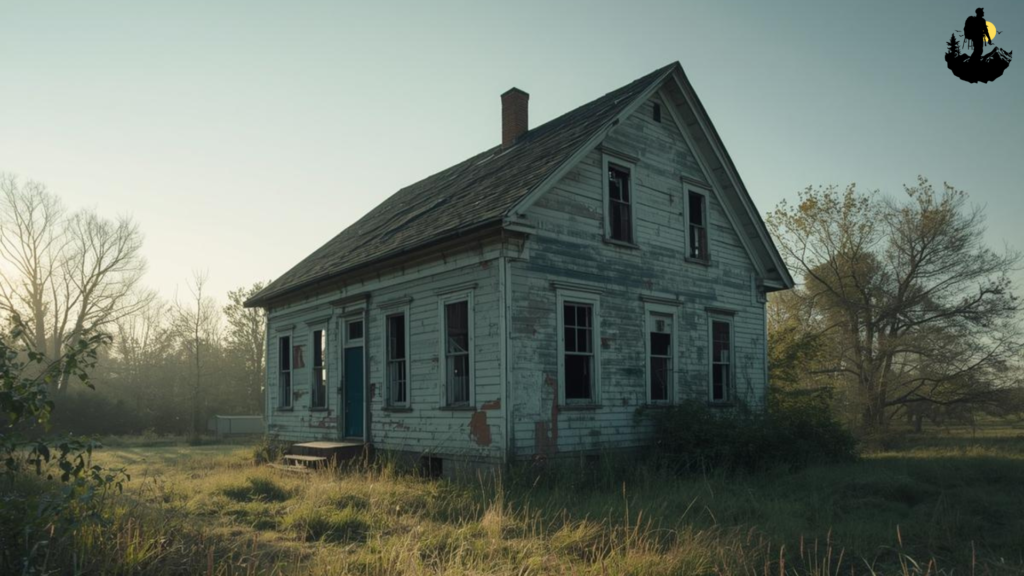
Abandoned rural structures across the United States carry powerful stories of forgotten lives, lost industries and fading landscapes. Many photographers seek these places because they offer character, textures and emotions that modern settings rarely provide. A strong approach to abandoned buildings photography USA brings mystery, history and creative depth together. Every old barn, collapsed farmhouse, or weathered shed becomes a stage for visual storytelling.
These structures stand frozen in time. Silence surrounds them. Nature slowly reclaims its walls. Photographers who explore them with care often discover scenes filled with beauty, nostalgia and quiet drama.
Understanding the Appeal of Abandoned Rural Locations
Abandoned structures attract photographers because they represent history in its rawest form.
Key reasons these locations feel compelling:
- Strong atmosphere that creates emotional tension
- Visible textures such as peeling paint, rust and broken wood
- Architectural styles from earlier decades
- Contrast between decay and natural growth
- Opportunities for dramatic compositions
What these spaces offer creatively:
- Mystery that fuels storytelling
- Space to work without crowds
- Visual mood is impossible to stage artificially
- Freedom to experiment with light and shadows
A powerful abandoned site gives photographers a narrative foundation before the first frame is taken.
Researching Rural Areas Before the Trip
Preparation plays an important role when exploring old structures safely and respectfully.
Research strategies:
- Study topographic maps to identify old settlements
- Look through historical records of farming towns
- Search for local legends or forgotten industries
- Check community forums where explorers share information
- Read land ownership details to avoid trespassing
- Contact small-town historical societies
Benefits of research:
- Helps you locate hidden structures
- Prevents unsafe or restricted entry
- Gives historical context that enriches storytelling
- Saves time during field exploration
Knowledge empowers you to photograph locations responsibly and effectively.
Choosing the Right Gear for Rural Abandonment Photography
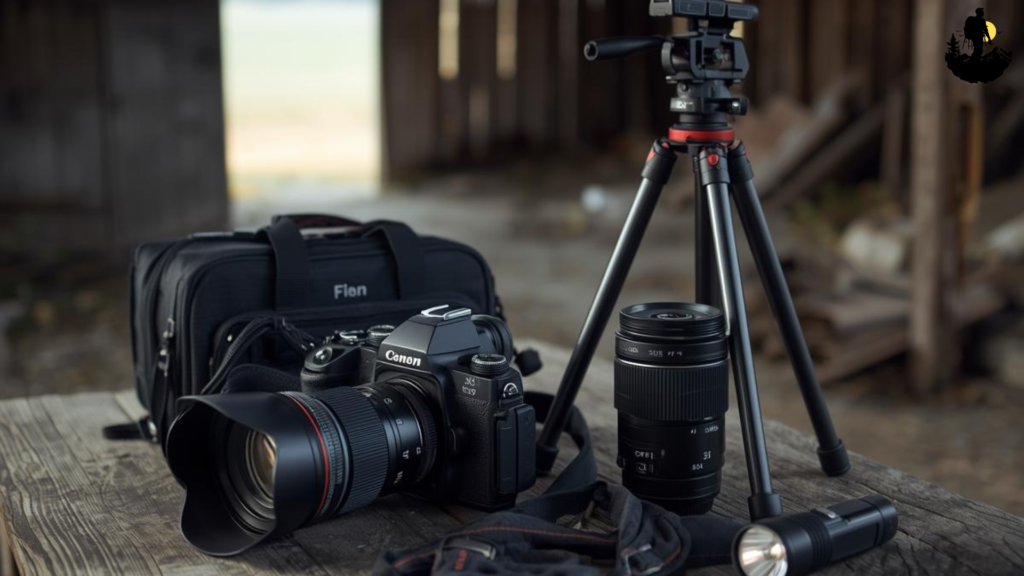
Rural abandonment photography requires equipment that supports low light, rough terrain and unpredictable spaces.
Recommended gear:
- A sturdy camera body capable of handling a wide dynamic range
- Wide-angle lens for cramped interiors
- Fast prime lens for low-light rooms
- Tripod for long exposures and stability
- Flashlight or headlamp for safe navigation
- Gloves to handle rough surfaces
- Dust covers for the camera
Why the gear matters:
- Old structures often have dark corners
- Floors may be unstable
- Natural light changes quickly
- Scenes demand both detail and atmosphere
Smart gear choices protect you and elevate your results.
Evaluating the Safety of an Abandoned Structure
Safety must remain a priority when entering abandoned spaces.
Safety checks to perform:
- Look for sagging roofs
- Check for loose floorboards
- Observe cracks in the foundation
- Confirm the stability of the stairs
- Watch for animals nesting inside
- Avoid touching rusted metal or broken glass
Why caution matters:
- Rural buildings deteriorate faster due to harsh weather
- Hidden hazards often remain unnoticed
- Structural risk increases every season
- Safe observation allows you to photograph without fear
Careful examination prevents accidents and keeps your experience positive.
Reading the History Embedded in Rural Structures
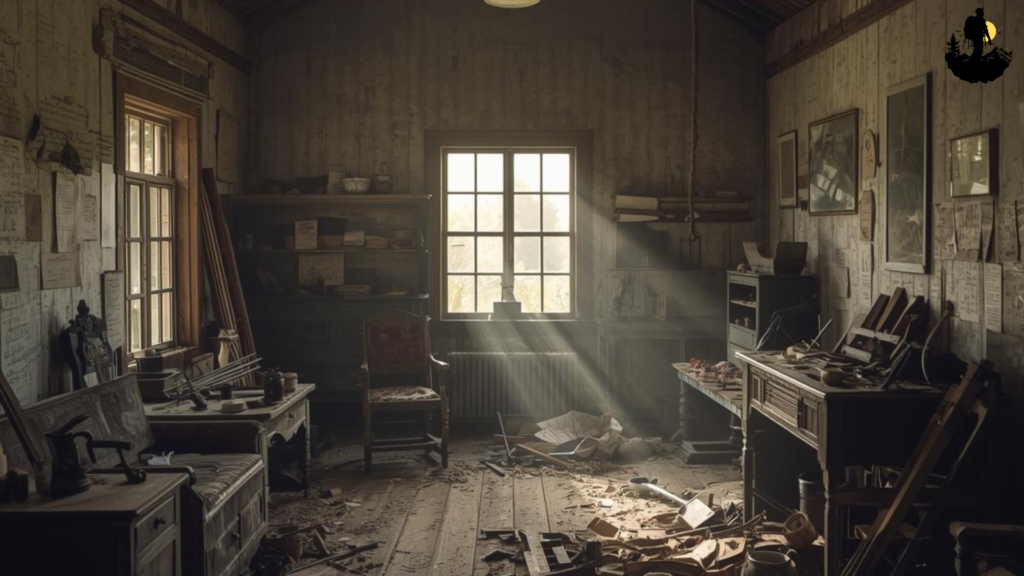
Every abandoned structure holds fragments of its past.
Clues found inside buildings:
- Old furniture
- Weathered tools
- Sun-faded wallpaper
- Handwritten notes
- Broken fences
- Machinery from forgotten eras
What these clues reveal:
- The life of the previous occupants
- The purpose of the structure
- The era of construction
- The cultural atmosphere of the region
Understanding context helps you build a richer narrative through your photographs.
Composing Images That Highlight Decay and Beauty
Composition shapes emotional impact. Abandonment photography thrives on contrast and texture.
Composition ideas:
- Use doorways as natural frames
- Capture leading lines created by collapsed beams
- Shoot through broken windows for layered depth
- Find symmetry in the remaining structures
- Highlight nature creeping through the walls
- Incorporate foreground debris for dimensionality
Goals of strong composition:
- Emphasise emotional tone
- Guide viewer attention
- Reveal details without overwhelming the frame
- Present decay as both tragic and beautiful
A thoughtful composition transforms ruins into visual poetry.
Working With Natural Light in Abandoned Rural Spaces
Light becomes one of your greatest storytelling tools in abandonment photography.
Lighting opportunities:
- Soft morning rays through broken roofs
- Dust-filled beams inside barns
- Harsh sunlight creates dramatic shadows
- Moody interiors lit by cracks in walls
- Sunset tones reflecting off rusted surfaces
How light supports storytelling:
- Enhances texture
- Creates contrast that defines shapes
- Adds emotion to otherwise silent spaces
- Helps reveal history hidden in shadows
Natural light gives life to forgotten architecture.
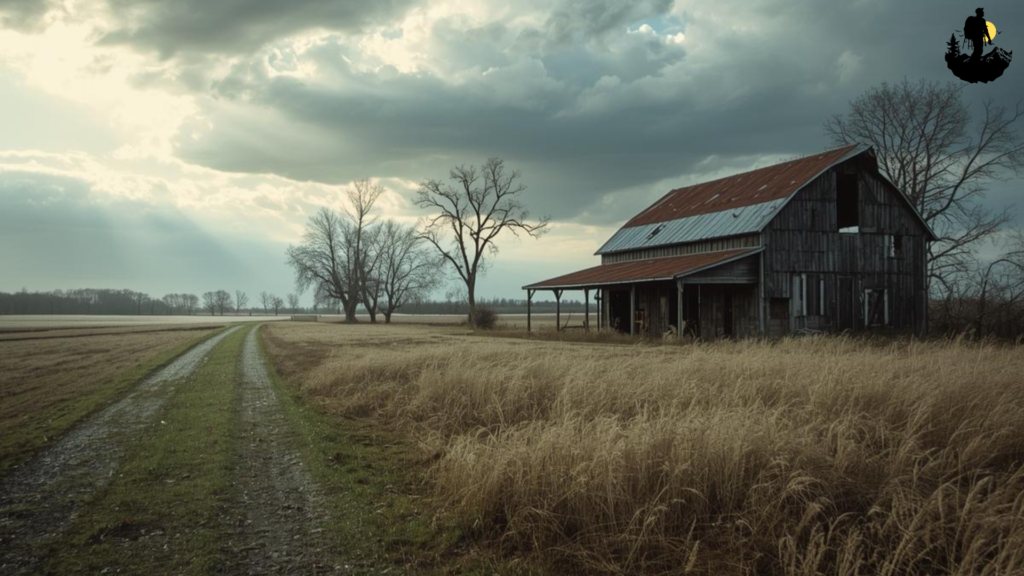
Capturing Exterior Scenes That Show Isolation
Exterior shots reflect loneliness and abandonment in ways interior shots cannot.
Key exterior subjects:
- Empty farmhouses surrounded by tall grass
- Rusted barns next to wide open fields
- Collapsed sheds lying under vast skies
- Overgrown pathways leading to forgotten doors
- Trees reclaiming rooftops
Purpose of exterior photography:
- Connects the structure to its environment
- Highlights rural isolation
- Shows how time alters landscapes
- Sets mood before entering the building
Exterior frames often become the opening chapter of your visual story.
Focusing on Details That Tell Silent Stories
Small details carry emotional weight.
Details worth capturing:
- Rust patterns on metal
- Faded paint layers
- Broken glass reflecting sunlight
- Forgotten handwritten notes
- Weathered wood grains
- Remnants of personal belongings
Why details matter:
- Add depth to the narrative
- Reveal the passage of time
- Invite viewers to imagine past lives
- Balance wide shots by providing intimacy
Details create emotional anchors throughout your photo journal.
Using Colour, Texture and Contrast for Mood
Abandoned structures hold rich visual elements that elevate the mood.
Ways to use colour effectively:
- Embrace muted tones of aged wood
- Highlight rusted reds and oranges
- Capture mossy greens that show nature reclaiming space
- Use desaturated palettes for a nostalgic feel
Texture opportunities:
- Cracked walls
- Rough wood
- Rust flakes
- Peeling paint
Why mood matters:
- Helps create emotional cohesion
- Supports your larger visual theme
- Adds depth to storytelling
Colour and texture make your abandoned buildings photography in the USA feel atmospheric and immersive.
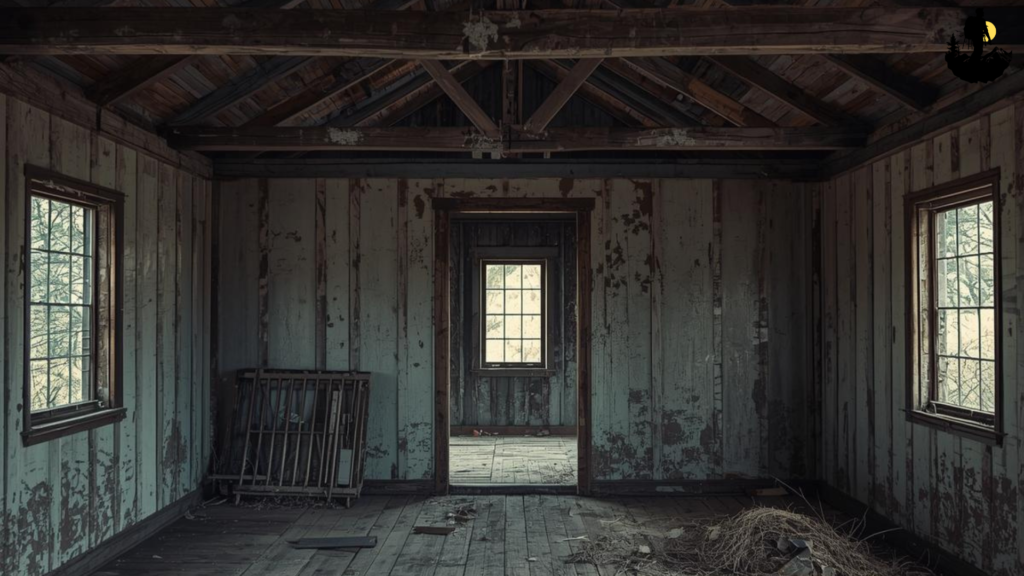
Editing to Enhance the Mood Without Overprocessing
Editing choices should respect the natural character of the space.
Editing tasks to consider:
- Adjust shadows to reveal or hide details
- Increase clarity to emphasise textures
- Apply gentle colour toning for atmosphere
- Preserve contrast without losing authenticity
- Reduce highlights if sunlight spills through openings
Editing goals:
- Keep the structure honest
- Maintain emotional tone
- Create consistency across the journal
The right edit supports the story rather than overwhelms it.
Organising Your Photos Into a Story-Driven Journal
A visual journal transforms your trip into a narrative.
Effective journal structure:
- Introduction: wide landscape establishing rural isolation
- Progression: exterior views of the structure
- Exploration: interior shots that reveal decay
- Discovery: details that carry emotional clues
- Reflection: final scenes showing nature reclaiming the building
Why organisation matters:
- Provides clarity
- Enhances storytelling impact
- Helps viewers follow your emotional journey
A well-organised journal makes your work memorable.
Reflecting on the Purpose of Photographing Abandoned Structures
Abandoned rural structures remind us of stories left behind. Many stand as monuments to forgotten communities and changing landscapes. A photographer gains the chance to preserve these echoes of history before they disappear entirely.
A photo journal built around abandoned spaces becomes more than a creative project. It becomes a tribute to the people who once lived, worked and dreamed inside those walls. A meaningful abandoned buildings photography USA project captures silence, resilience and the beauty of time itself.