Wildlife photography across remote parks offers a rare chance to witness animals in untouched habitats. Many photographers travel long distances to explore places where modern noise rarely reaches. Unique park environments across rugged mountains, wide plains and dense woodlands create scenes that carry an emotional pull. Photographers who prepare well gain opportunities to capture remarkable behaviour that may never repeat. This guide focuses on powerful approaches that elevate wildlife photography experiences across wildlife remote parks in the USA.
The Nature of Remote Park Ecosystems
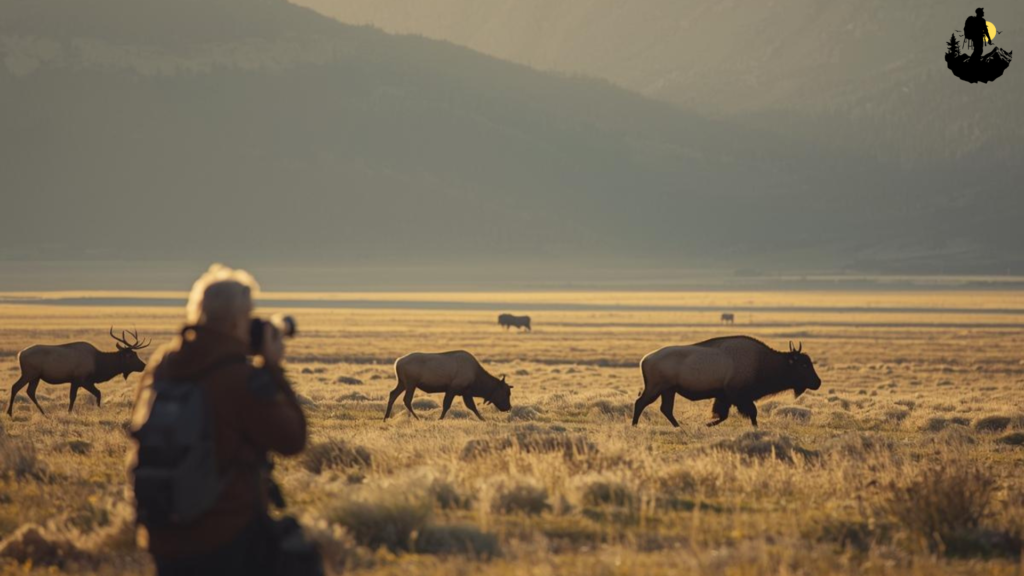
Remote parks in the United States protect landscapes shaped by centuries of natural evolution. These regions often remain isolated from heavy tourism, allowing animals to thrive without disturbance. Diverse ecosystems across Alaska, Wyoming, Montana and New Mexico present rich habitats for bears, wolves, elk, bison, eagles and many more species. Photographers who study terrain, food chains and migration patterns gain an edge. Wildlife rarely follows predictable routes, and only deep ecological awareness reveals the best vantage points.
Researching Animal Behaviour Before the Journey
Successful wildlife photography depends heavily on understanding how animals behave. A bear’s movement differs greatly from a mountain goat’s or a desert fox’s. Photographers often benefit from reading ranger reports, scientific articles and migration updates. Early insights reveal behavioural triggers such as feeding times, trail usage and seasonal habits. Knowledge reduces unnecessary wandering and increases chances of authentic sightings. A well-researched trip allows the photographer to reach promising locations before the animals arrive.
Choosing the Right Gear for Remote Wildlife Expeditions
Gear plays an essential role in wildlife photography because subjects often stay far from human paths. A telephoto lens captures detail without disturbing the animal. A fast lens improves clarity during sunrise or sunset when light fades quickly. Rugged backpacks protect equipment from rain and dust. Lightweight tripods support long lenses during extended waits. Extra batteries, memory cards and waterproof coverings guarantee smooth operation deep inside remote terrain. Prepared photographers avoid the frustration of missing shots due to gear failure.
Mastering Camera Settings for Fast and Unpredictable Wildlife
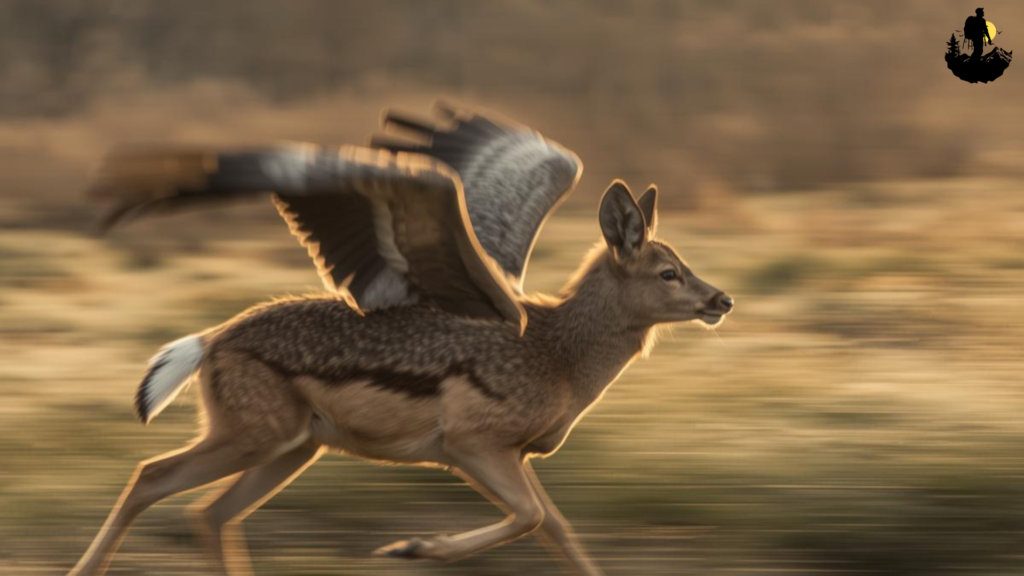
Animals rarely pose. Movement happens without warning. Photographers must control shutter speed to freeze action, such as a deer’s leap or an eagle’s flight. Fast shutter values around 1/1000 capture crisp frames. Continuous autofocus helps track animals while they run or fly. Slight adjustments to ISO respond to changing light across forests, cliffs or grasslands. Aperture choices determine depth of field and background separation. Balanced settings bring life to scenes that unfold within seconds.
Planning Routes Inside Vast Remote Parks
Remote parks cover huge areas where trails stretch far from civilisation. Smart route planning saves countless hours. Rangers often recommend paths with frequent wildlife movement. Photographers benefit from marking water sources, meadows and sheltered areas because animals often gather there. Sunrise and sunset create high-activity windows, so timing matters. Planning avoids wandering in risky sections where large predators roam. A strong awareness of routes ensures better positioning for clean compositions.
Approaching Wildlife Safely and Respectfully
Respect stands at the core of wildlife photography. Remote parks protect wild animals that must never feel threatened by human presence. A safe distance creates space for animals to behave naturally. Sudden movements or loud noises disrupt scenes and may provoke danger. Telephoto lenses help maintain distance while still capturing fine detail. Safety guidelines set by park authorities protect both the photographer and the ecosystem. A respectful approach allows wildlife to remain undisturbed.
Creating Strong Compositions in Natural Habitats
Wildlife photos become memorable when composition guides the viewer’s eye naturally. Leading lines, such as river bends or fallen logs, direct attention toward the subject. Foreground elements create depth while background mountains or trees add context. A low angle transforms small animals into powerful subjects. A high angle reveals patterns in grazing herds. Composition shapes storytelling in a scene where lighting, colour and emotion blend harmoniously.
Working with Light Inside Remote Wildlife Zones
Light determines mood in wildlife photography. Golden hours produce soft illumination that enhances fur texture or feather detail. Harsh midday light creates sharp shadows that may reduce quality. Cloudy weather diffuses brightness across landscapes and softens contrasts. Photographers often study how light shifts across valleys, canyons or forests. Light direction reveals the most compelling silhouettes or rim-lighting effects. Attentive observation leads to scenes filled with natural drama.
Staying Patient While Waiting for Rare Animal Behaviour
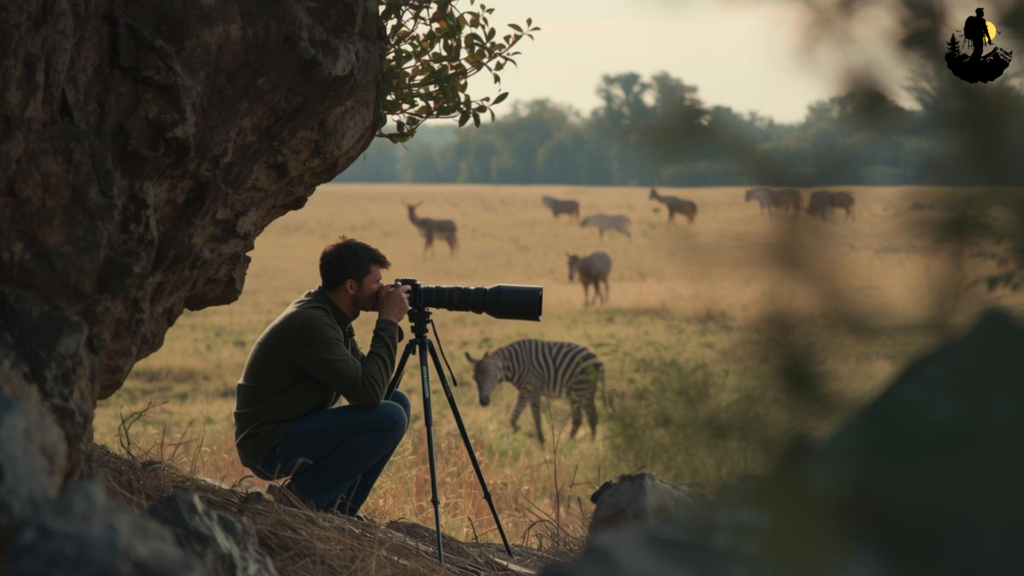
Patience stands among the most valuable traits in wildlife photography. Remote parks require long hours of quiet waiting. Hidden shelters or natural blinds help reduce visibility and keep movement minimal. Animals reveal their routines slowly. Sudden encounters happen without warning, yet rarely last long. Photographers who remain patient often capture unique gestures such as grooming, hunting or social interaction. Patience turns rare moments into unforgettable images.
Using Silent Techniques That Reduce Disturbance
Quiet behaviour increases the chances of approaching wildlife safely. Silent shutters prevent sudden clicks that may startle sensitive species like deer or birds of prey. Smooth movements avoid rustling bushes. Clothing made from soft fabrics reduces noise. Silent techniques help create an atmosphere where animals continue behaving naturally. These small decisions often determine whether a scene becomes a finished shot or a missed opportunity.
Adapting to Harsh Weather Across Remote Landscapes
Remote parks experience extreme weather that shifts quickly. Rain, snow, fog or strong winds test both the photographer and the equipment. Water-resistant gear protects lenses and cameras. Extra clothing layers maintain body temperature during long waits. Sudden storms reveal dramatic scenes filled with mood and energy. Quick adjustments to exposure help maintain clarity despite atmospheric changes. Adaptation turns difficult weather into a creative advantage.
Editing Wildlife Photos for Natural Realism
Editing must preserve the authenticity of wildlife scenes. Slight adjustments to exposure fix shadows cast by trees or cliffs. Contrast improvements emphasise fur, feathers and reflections. Colour balance corrections restore natural tones affected by sunrise or dusk. Sharpening increases detail without creating unnatural textures. Noise reduction cleans the grain created by higher ISO values. A balanced edit respects the integrity of the animal and the environment.
Prioritising Safety and Survival Skills During Remote Park Expeditions
Remote photography trips require strong safety awareness. Vast distances sometimes lack cell coverage. Maps, compasses and satellite devices guide navigation. Enough water and food must be packed for long hikes. Bears, wolves and cougars inhabit many regions. Understanding their behaviour prevents dangerous encounters. First aid kits, emergency blankets and communication tools protect the photographer in unpredictable situations. A cautious mindset ensures safe exploration.
Reflecting on the Beauty of Wildlife Photography in Remote Parks
Wildlife photography in remote parks captures the essence of pure nature. Animals move freely across landscapes shaped only by time. Photographers who explore these spaces gain a deeper appreciation for fragile ecosystems. Every outing teaches something new about light, behaviour and patience. Every successful frame carries a sense of respect for untamed nature.
The pursuit becomes more than an image. It becomes a connection with a world that survives far from human noise. Remote parks across the United States provide endless opportunities for powerful storytelling, especially for photographers passionate about wildlife remote parks usa.