Desert landscapes create ideal conditions for silhouette photography. Open horizons, bold shapes, dramatic sky colors, and minimal distractions allow subjects to stand out cleanly against powerful backgrounds.
Dunes, rock formations, cactus forests, and wide plateaus offer endless opportunities to capture striking silhouettes. Photographers who understand timing, placement, and exposure can transform simple moments into bold, graphic images.
This guide explores creative and technical techniques that elevate desert silhouette photography in the USA. You will learn how to use natural light, shape composition, guide subjects, and handle desert conditions that change quickly.
Understanding Why Deserts Enhance Silhouettes
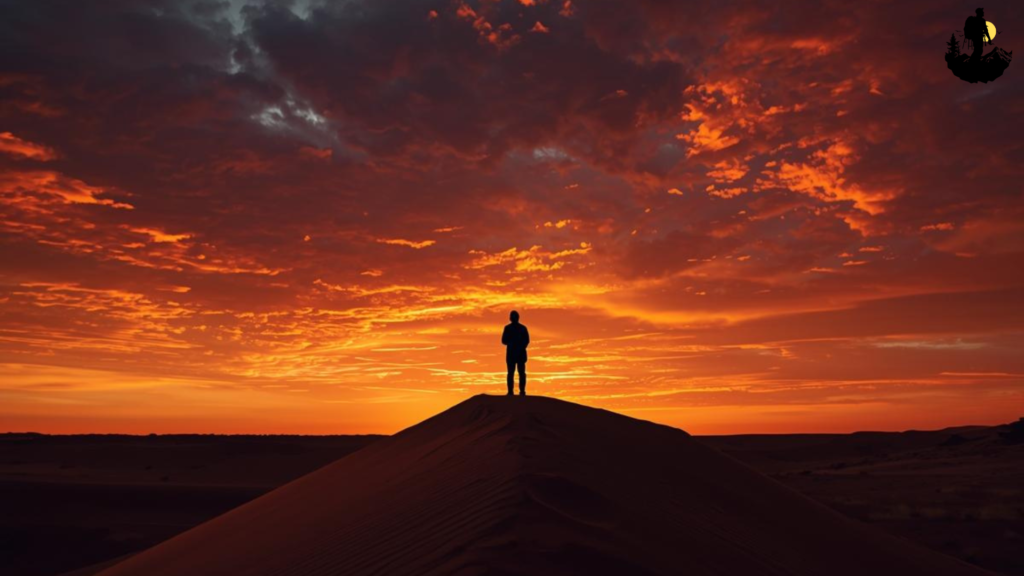
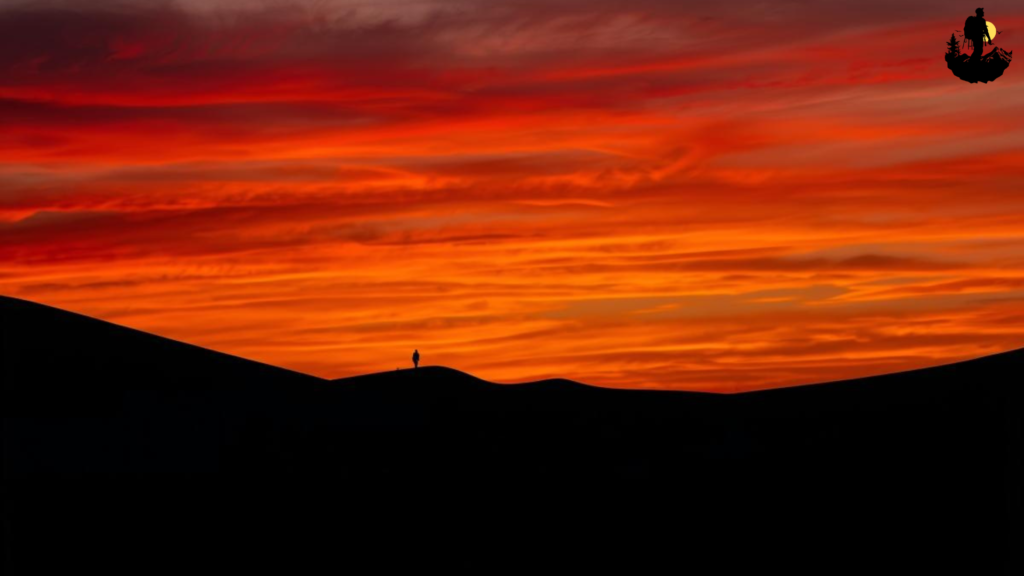
Deserts offer some of the cleanest horizons in the country. Sparse vegetation and wide skies create perfect backgrounds for silhouettes. Sunrises and sunsets move fast in desert environments. Color transitions shift rapidly from deep reds to yellow tones as the sun approaches or leaves the horizon. The combination of open space and bold sky color produces silhouettes that appear sharp and dramatic.
The clarity of desert air enhances contrast. Dry conditions reduce haze, so subjects appear crisp against the glowing sky. Strong shapes like Joshua trees, saguaros, red rock towers, and dune ridges all enhance the visual impact.
Choosing the Best Locations for Desert Silhouettes
Location plays a major role in building impactful silhouettes. Areas with unique shapes or clear elevation changes help create clean outlines. Photographers often look for sharp ridges, unusual rock formations, or open areas where subjects can stand without clutter behind them.
Ideal silhouette locations include:
• Desert valleys with unobstructed horizons
• Dune fields with natural curves
• Rock formations that rise above flat ground
• Cactus forests with distinctive outlines
• Viewpoints where the sun aligns with a subject
These locations give photographers space to position subjects in a way that creates clear and readable shapes.
Timing Your Shoot Around Sunrise or Sunset
Sunrise and sunset create the strongest silhouette conditions because the sun sits low and light moves horizontally across the landscape. Early morning provides cool tones and peaceful skies. Evenings offer fiery colors that shift rapidly as the sun dips below the horizon. Both moments create a powerful contrast between sky and subject.
Arriving early offers time to scout the best angles. Staying slightly after sunset can reveal soft pastel tones known as the blue hour. These colors often produce softer silhouettes that feel quiet and atmospheric.
Preparing Gear for Harsh Desert Conditions
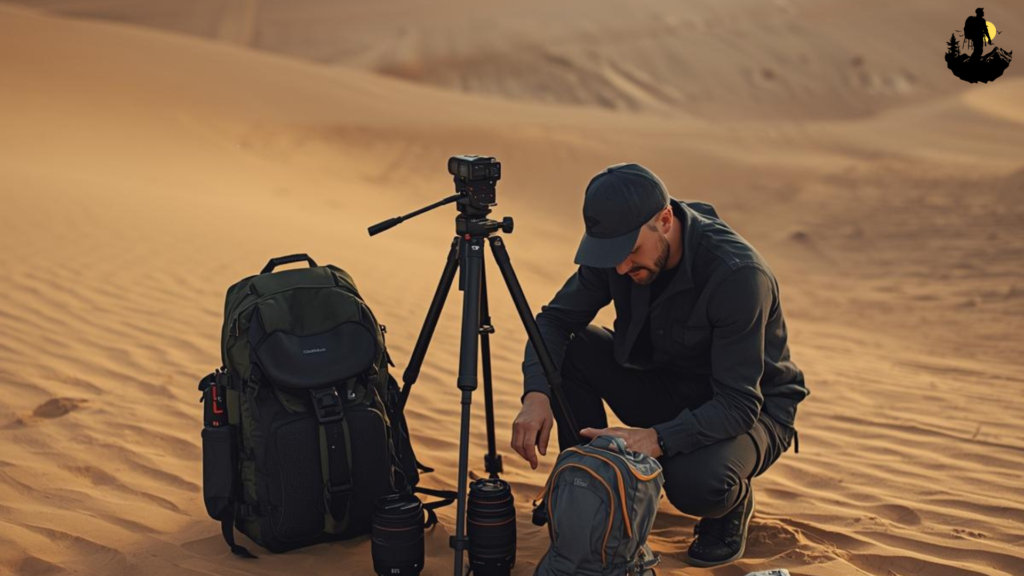
Desert conditions challenge photographers in unique ways. Dry heat, shifting sand, and strong winds can affect equipment quickly. A simple gear setup performs best. A sturdy tripod helps secure long exposures. Lightweight lenses reduce strain during long walks across sand.
Useful items include:
• Lens cloths to remove sand particles
• Sealed camera bags
• Extra batteries that stay cool in shade
• Comfortable footwear for dune climbs
• Protective filters to guard lens surfaces
Prepared gear allows photographers to focus fully on creative decisions.
Positioning Subjects to Create Distinct Shapes
Silhouette photography depends on recognizable shapes. Subjects must be placed in front of the brightest part of the sky. A few steps to the left or right often make the difference between a strong silhouette and a confusing one. Elevation also matters. Standing on a dune crest or small rock formation keeps subjects clean against the sky.
Clear outlines are essential. Subjects should avoid overlapping limbs or gear. Slight angles, widened stances, and visible separation between body parts help create readable shapes. Strong silhouettes always rely on clear visual language.
Mastering Exposure for Clean Silhouettes
Exposure determines how dark the silhouette appears and how vibrant the sky becomes. Photographers often expose for the sky, not the subject. Subjects naturally fall into deep shadow and create that high contrast look. Underexposing slightly protects highlight detail in bright skies.
Techniques include:
• Spot metering on the sky
• Using manual mode to lock exposure
• Bracketing to capture a range of brightness levels
• Checking histograms for blown highlights
Clean silhouettes rely on precise exposure control, especially in fast-changing desert light.
Composing Bold Shapes Against Expansive Skies
Composition becomes powerful when working with silhouettes. Deserts offer minimal elements, so each detail carries more visual weight. Leading lines help guide the viewer’s eye toward the subject. Dune ridges create natural curves that add elegance. Rocks and cactus arms create anchors in the frame.
Wide compositions allow more space for sky color. Tight compositions highlight shape and emotion. Both approaches work, depending on the message of the image. Clear separation between subject and background keeps compositions strong and uncluttered.
Using Natural Elements to Frame the Silhouette
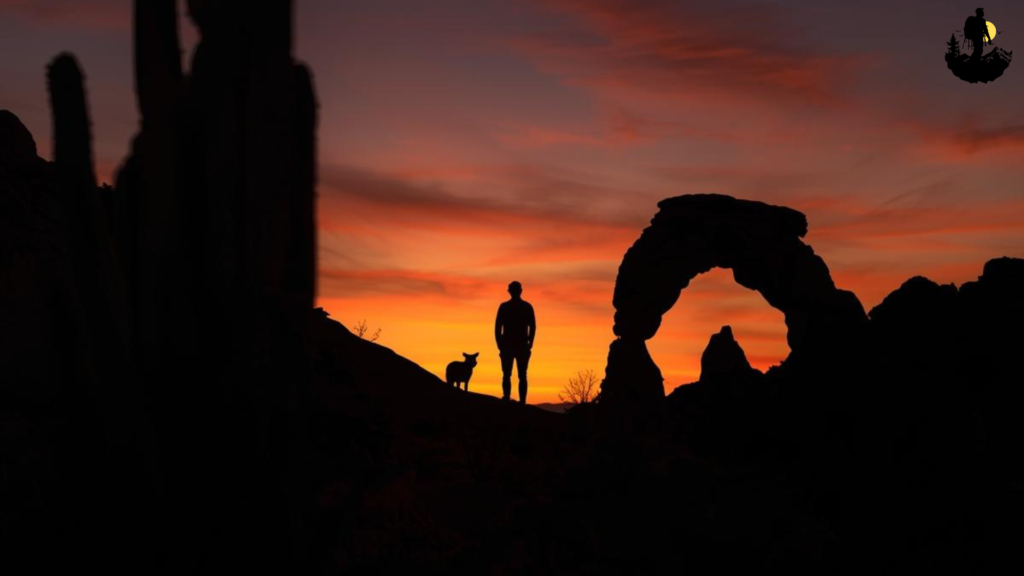
Natural frames add depth and structure to a silhouette. Desert landscapes contain many framing elements such as archways, eroded rock windows, cactus branches, and dune curves. These natural shapes guide the viewer’s eye toward the subject.
Frames also create context. A person framed by a canyon opening feels grounded in the environment. A silhouette framed by cactus arms adds regional identity. Frames should stay subtle and supportive instead of dominating the subject.
Capturing Movement for Dynamic Desert Silhouettes
Movement brings life to silhouette photography. Desert environments offer natural opportunities for dynamic poses. Walking across a dune ridge, raising an arm, or turning toward the light all create expressive shapes. Clothing adds motion as well. Loose fabrics catch wind and form elegant lines.
Fast shutter speeds freeze movement for crisp shapes. Slightly slower speeds add blur for artistic effect. Photographers often experiment with both to find the ideal balance between clarity and energy.
Using Foreground and Background Layers for Depth
Deserts might appear flat at first glance, yet subtle layers make them visually rich. Dunes form rolling lines. Rock formations divide space. Sparse vegetation creates micro foregrounds that frame silhouettes. Layers help separate elements and add depth.
Foreground shapes create entry points into the image. Mid-ground elements guide the eye. Background skies hold the mood. Layering these elements thoughtfully strengthens the overall composition.
Color Theory for Desert Sunrises and Sunsets
Color influences emotion in silhouette photography. Desert skies shift rapidly between warm oranges, magentas, and deep blues. These transitions help create silhouettes that feel bold and cinematic.
Warm colors create energy and passion. Cooler tones create quiet and reflective moods. Photographers who understand the emotional effect of color can craft stronger storytelling through their silhouettes. Adjusting white balance allows fine control over temperature and mood.
Overcoming Harsh Light and Strong Shadows
Desert light grows harsh as soon as the sun rises above the horizon. Shadows become long and unforgiving. Early timing solves most light issues, yet photographers still face challenges from glare, haze, or reflective sand.
Solutions include:
• Shooting before the sun becomes too high
• Positioning subjects directly in front of the brightest sky section
• Avoiding scenes with distracting background textures
• Simplifying compositions when contrast increases
Harsh light challenges creativity but also encourages clean, graphic silhouettes.
Editing Silhouettes for Clean and Natural Results
Editing silhouettes requires careful restraint. Strong contrast already exists. Edits should enhance clarity without making silhouettes appear unnatural.
Effective adjustments include:
• Slight contrast increase
• Saturation adjustments to bring out sky color
• Cleaning edges for visible shape accuracy
• Brightness adjustments to preserve detail in clouds
• Gradient tools for sky smoothness
Natural editing preserves the artistic simplicity of silhouette photography.
Creating Desert Silhouettes that Tell a Story
Desert landscapes offer a rare blend of space, shape, color, and silence. Silhouette photography thrives in these conditions because subjects stand out boldly against vast, glowing skies. Strong silhouettes require timing, thoughtful placement, and awareness of how light transforms the environment.
Every desert has its own character. Some create sharp ridgelines. Others produce soft dunes. Sky colors shift differently across regions. Photographers who approach desert silhouettes with patience and intention capture images that feel timeless and expressive. Silhouette photography in desert environments rewards those who watch the sky closely, explore angles, and embrace the natural beauty of open land.