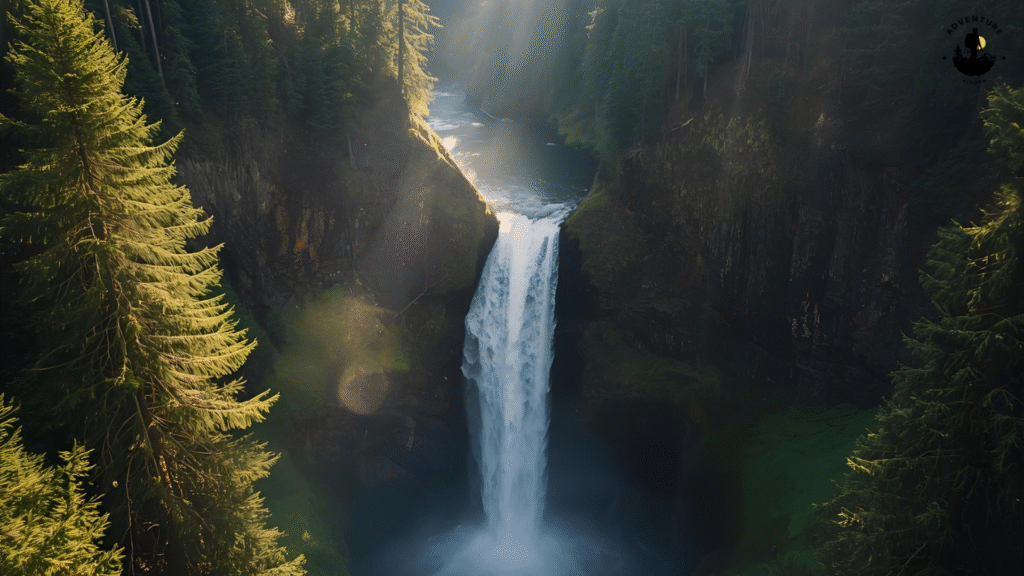
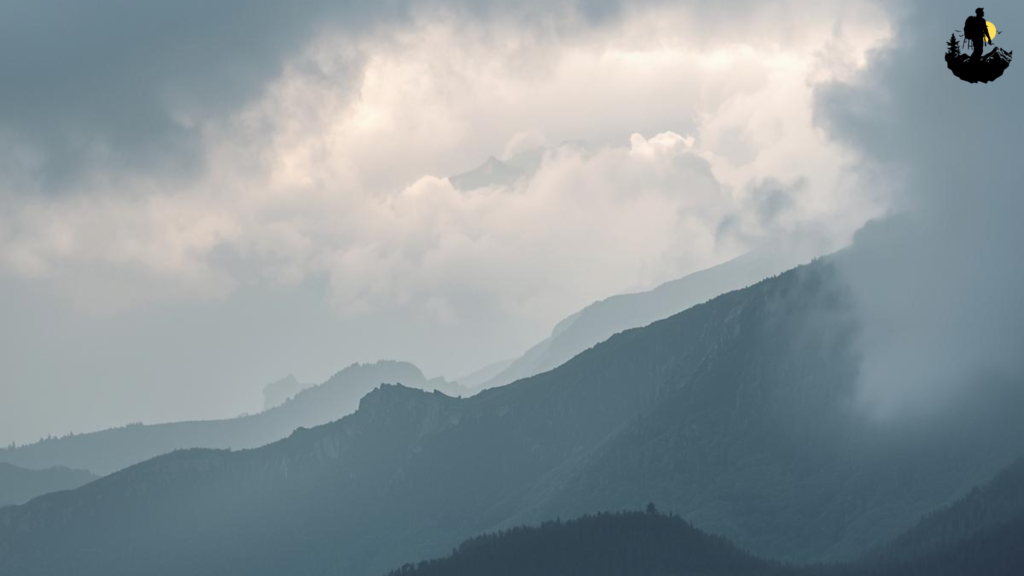
Fog and mist transform mountain ranges into dramatic, dreamlike scenes that challenge photographers and reward patience. Layers of drifting clouds, soft muted tones, and partially hidden peaks create an atmosphere that feels otherworldly. Photographers who embrace these conditions often capture some of their most memorable images. Fog reveals and hides landscapes in seconds, turning every moment into a unique composition.
This guide explains how to approach fog mountain photography USA settings with skill and confidence. You will learn how to read conditions, use light creatively, compose scenes with depth, and work safely in unpredictable environments.
Understanding Fog and Mist in Mountain Environments
Fog forms when warm air meets cool surfaces, and mountains provide ideal conditions for that contrast. Mist behaves similarly but remains lighter and more transparent. Both create a natural filter that softens color, reduces contrast, and adds a mysterious quality to any scene.
Few weather patterns change as quickly as fog. Ridge lines can disappear entirely and reappear moments later. Valleys often trap fog at sunrise before releasing it into higher elevations as the sun warms the landscape. Knowledge of these patterns helps photographers predict the best timing for their shots.
Choosing the Right Time for Fog Photography
Timing plays a major role in capturing fog. Early mornings deliver cool air, soft light, and stable atmospheric conditions. Late evenings offer a similar mood, especially in fall and spring when temperatures shift rapidly.
Dense fog often forms in valleys before climbing into higher elevations. Photographers who reach the mountains before sunrise can capture fog lifting as golden light breaks through the haze. Late-afternoon fog can arrive after storms when moisture lingers in the air. Understanding local weather patterns produces more consistent results.
Preparing Gear for Moist, Cold, and Changing Conditions
Fog introduces moisture, cool temperatures, and reduced visibility. Gear must handle conditions that can shift every few minutes. Weather-sealed cameras and lenses provide confidence but simple precautions also protect equipment.
Useful items include:
• Microfiber cloths for quickly clearing moisture
• Lens hoods that reduce fog droplets
• Silica gel packs inside camera bags
• Spare batteries warmed in a pocket
• A sturdy tripod for long exposures
Fog softens light and often requires slower shutter speeds. A stable camera helps maintain sharpness.
Using Light Creatively in Fog and Mist
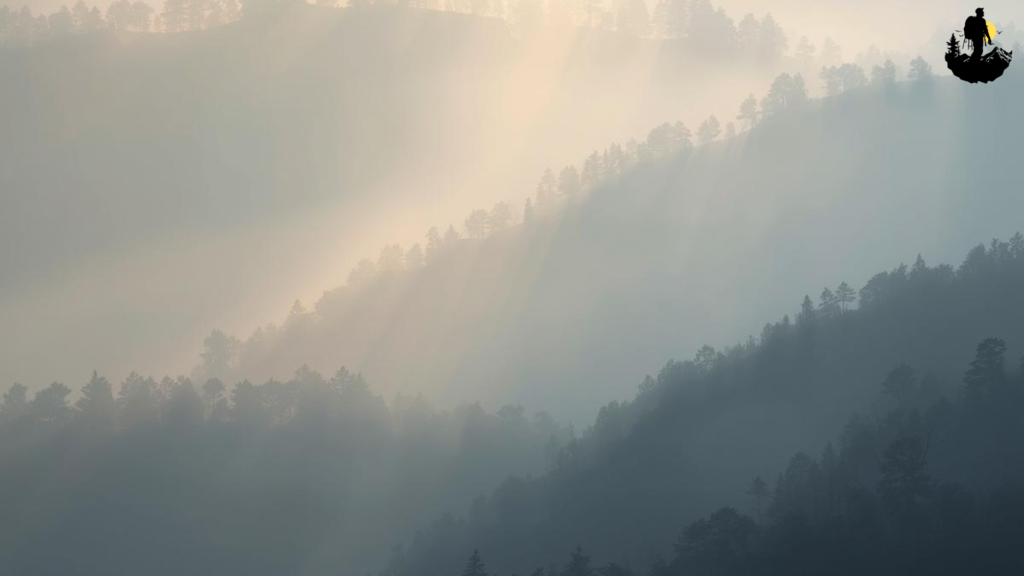
Light changes dramatically in fog. Harsh sunlight becomes soft. Shadows disappear. Colors flatten into gentle pastel tones. Photographers who understand how to use this softness can produce portraits, landscapes, and detail shots that feel ethereal.
Backlighting creates silhouettes and glowing outlines around trees or ridgelines. Side lighting reveals texture and depth in drifting fog. Front lighting yields the classic milky, mysterious appearance that fog is known for. Experimenting with each direction helps you understand how light interacts with moisture in the air.
Mastering Exposure When Contrast Drops
Fog reduces contrast and often makes scenes appear brighter than they really are. Cameras sometimes misread exposure and create washed-out highlights or underexposed shadows.
A few adjustments solve this problem:
• Slight underexposure preserves texture in fog
• Histogram checks reveal hidden clipping
• Exposure bracketing provides options for post-processing
• Spot metering on darker subjects brings balance
Slow, deliberate exposure control protects detail even when the scene feels soft and muted.
Composing Images that Capture Mood and Depth
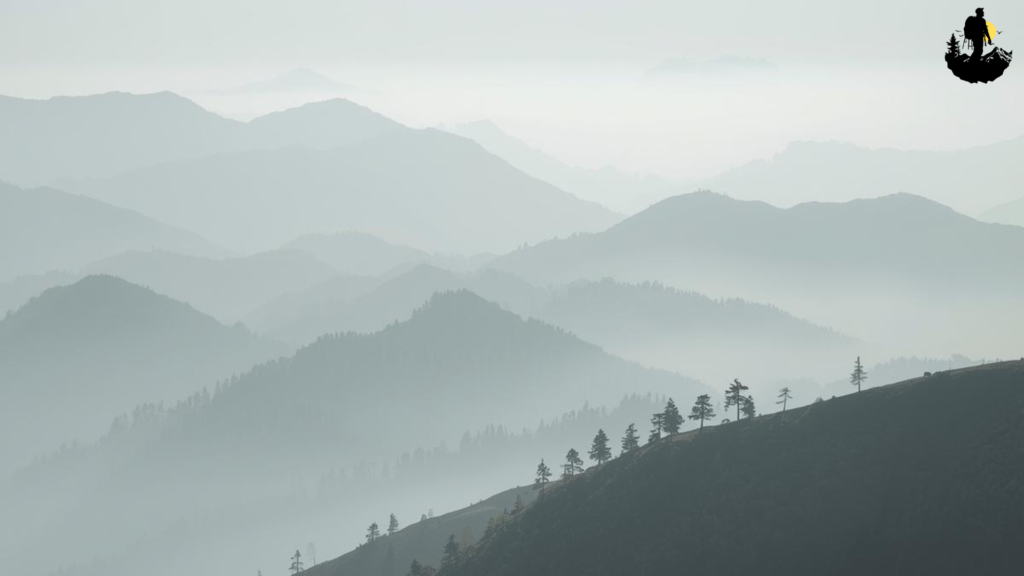
Fog can flatten landscapes, so composition becomes even more important. Foreground, mid-ground, and background elements create the illusion of depth. Trees emerging from mist, layered ridges, or a single silhouetted subject all guide the viewer’s eye through the image.
Leading lines such as trails, rivers, or rock formations help anchor the scene. A strong focal point gives clarity when everything else is softened by fog. Empty space adds quiet emotion and enhances the sense of solitude found in mountain environments.
Using Color and Black-and-White for the Best Impact
Fog softens color and brings natural monotones into the landscape. This makes mountain fog scenes excellent candidates for black-and-white photography. Monochrome processing highlights contrast, shape, and mood without distraction.
Color images benefit from subtle tones. Golds, greens, and blues appear gentle instead of bold. Photographers who embrace these softer palettes build images that feel peaceful and painterly. Both color and monochrome hold potential depending on the scene and desired mood.
Working Safely in Foggy Mountain Terrain
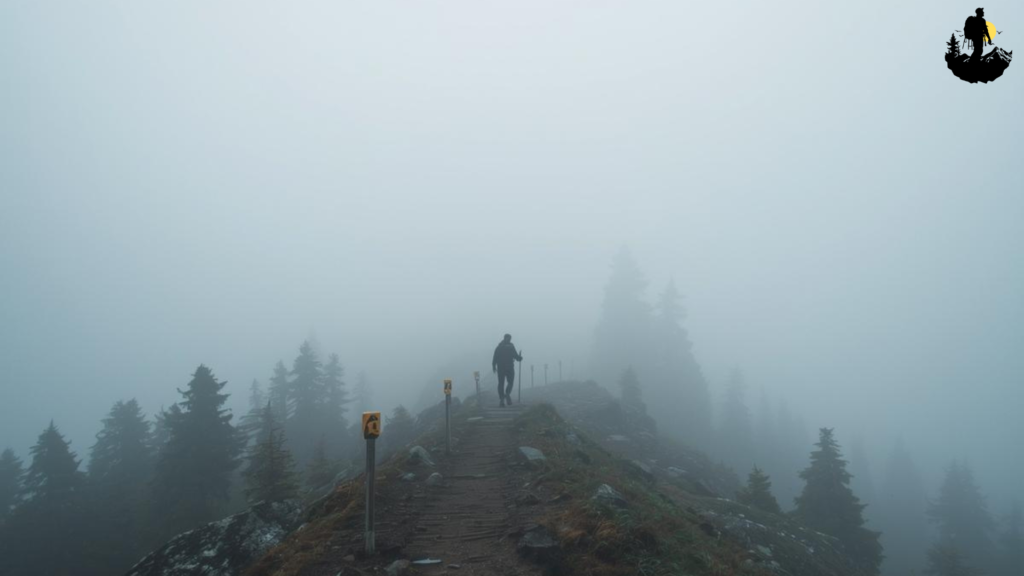
Fog limits visibility and increases risk in mountain environments. Trails become harder to follow, and cliffs become invisible. Safety planning should always remain a priority.
Important steps include:
• Marking turn points on GPS before fog arrives
• Staying on established trails
• Listening for wildlife or other hikers
• Wearing bright clothing to stay visible
• Watching for sudden drops near ridge lines
Fog creates beautiful photos but can also hide hazards. Awareness ensures safe and enjoyable shoots.
Capturing Motion and Stillness in Fog Scenes
Fog moves continuously. Clouds drift in waves, reshape ridges, and reveal silhouettes within seconds. Photographers who wait patiently often capture shifting patterns that add life to their images.
A fast shutter freezes drifting fog. A slower shutter creates soft, blurred movement that feels dreamlike. Subjects such as trees, cliffs, or hikers can appear solid against swirling mist. Timing becomes everything because no scene stays the same for long.
Using Long Lenses to Capture Selective Details
Telephoto lenses help isolate layers of mountains, trees, or floating clouds. Fog compresses distance, so long lenses capture striking scenes that feel minimal yet powerful.
Selective framing allows photographers to focus on a single ridge, a lone tree, or a cluster of peaks. Compositions become abstract and moody. Long lenses also help photograph distant areas where fog forms first, such as low valleys or faraway passes.
Shooting Portraits in Foggy Mountain Locations
Fog surrounds portrait subjects with a soft, gentle atmosphere. Background distractions disappear, and faces stand out naturally. Wilderness portraits grow more emotional and cinematic in fog.
Lighting stays even, so photographers can shoot at almost any angle. Simple poses work best because fog already provides a dramatic mood. Subjects often feel more comfortable when scenery softens around them, which results in natural expressions and relaxed posture.
Editing Fog and Mist Photos for Natural Results
Editing fog photos requires a gentle approach. Heavy contrast ruins the natural softness. Over-sharpening creates unnatural edges.
Effective editing techniques include:
• Light contrast adjustments
• Soft curves for subtle tonal control
• Minimal clarity adjustments
• Slight color grading to match the mood
• Careful noise reduction in darker areas
Preserving the quiet, atmospheric feel of fog strengthens the final image.
Building a Consistent Workflow in Fog Photography
Fog shoots benefit from consistency. A simple workflow produces reliable results in unpredictable conditions. Photographers often begin by scouting multiple vantage points, checking wind direction, and studying weather reports.
Once fog arrives, test shots help determine exposure and composition. Checking focus ensures sharpness because fog can confuse autofocus systems. Reviewing images throughout the session helps adjust angles as fog density shifts.
Embracing the Magic of Fog in Mountains
Fog offers some of the most magical conditions in mountain photography. Scenes appear soft, mysterious, and full of shifting atmosphere. Photographers who embrace these moods often create images that feel timeless and emotional. Nature rewards those who wait for the perfect moment when fog reveals just enough.
Every ridge line, forest, and valley hides unique compositions that appear only for a few seconds. Capturing those moments requires awareness, preparation, and a willingness to embrace unpredictability.