Across the United States, national forests offer millions of acres of wilderness, campsites, scenic drives, backcountry trails, rivers, and remote landscapes. They are far less crowded than national parks and far more flexible for travelers. But flexibility does mean no rules. Many activities in national forests require permits, and the rules can shift based on location, season, wildlife protections, or visitor safety concerns.
This forest permit USA guide breaks everything down so you know exactly what to expect, how to apply, what is required, and how to avoid fines or denied access when traveling through U.S. national forests.
Why National Forest Permits Matter
Permits protect natural areas, control overcrowding, support conservation, improve safety, and ensure forests remain accessible for years to come. Unlike national parks, national forests are managed with a balance of recreation, conservation, and resource use, so the permit system helps regulate different types of activities.
Some permits limit the number of visitors in sensitive areas. Others track who is in the backcountry for safety. Certain forests require permits for parking, camping, cutting firewood, gathering forest products, or using special routes. Understanding the system makes your trip smoother and helps protect the wilderness you came to enjoy.
The Types of Permits You May Need
Permits vary by forest, but the major categories are consistent across the country. These are not headings, just clear lists for you to use:
• Day-use permits for heavily visited locations
• Backcountry permits for overnight wilderness travel
• Dispersed camping permits for free, primitive camping zones
• Wilderness permits for federally designated wilderness areas
• Fire permits for stoves, campfires, and fire-prone regions
• Parking or recreation passes for trailheads and visitor sites
• Special use permits for events, group travel, weddings, filming, or research
• Wood-gathering or forest product permits for firewood, mushrooms, berries, or other natural resources
• Boating or river permits for specific waterways
• Off-highway vehicle permits for ATV and OHV trails
• Commercial permits for guides, tours, or professional photographers
Not all forests require every type of permit, but most forests require at least one of these, depending on your activities.
Where and How to Get National Forest Permits
There are three primary ways to obtain permits:
A. Recreation.gov
Most popular forests and high-use wilderness areas use Recreation.gov for permit applications. This platform handles lotteries, bookings, entry quotas, and digital permit storage.
B. Forest Service Ranger Stations
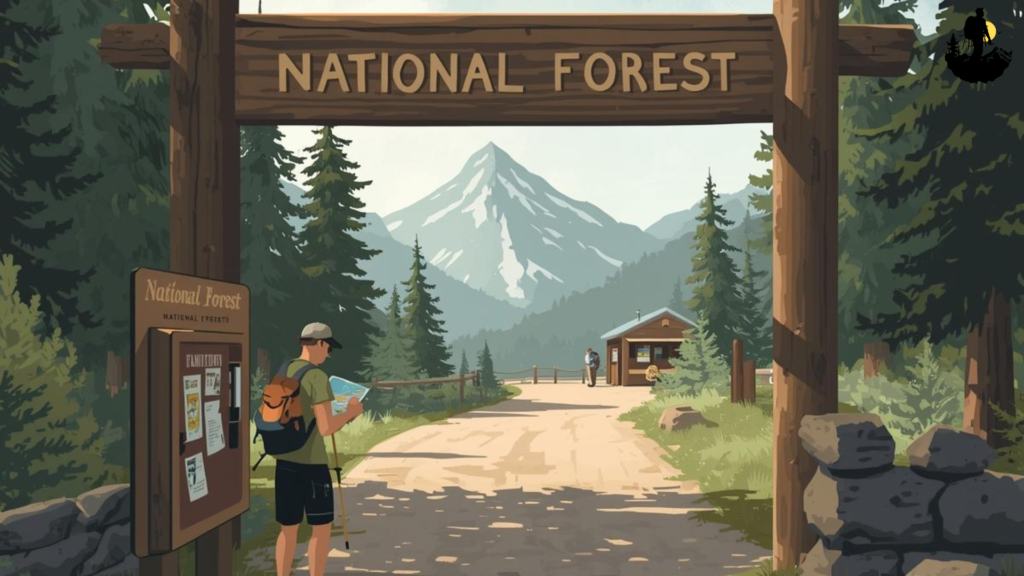
Local ranger stations help with questions, maps, permit purchases, and area-specific rules. For lesser-known forests or remote activity permits, ranger stations are often the easiest source.
C. On-Site Self-Issue Stations
Some trailheads and wilderness entrances have permit boxes where you fill out a form, keep part of it with you, and deposit the other half. These are typically for low-impact backcountry routes.
When planning your visit, always check your specific forest’s website first. Rules vary from one forest to another, even within the same state.
Understanding Day-Use and Parking Permit Rules
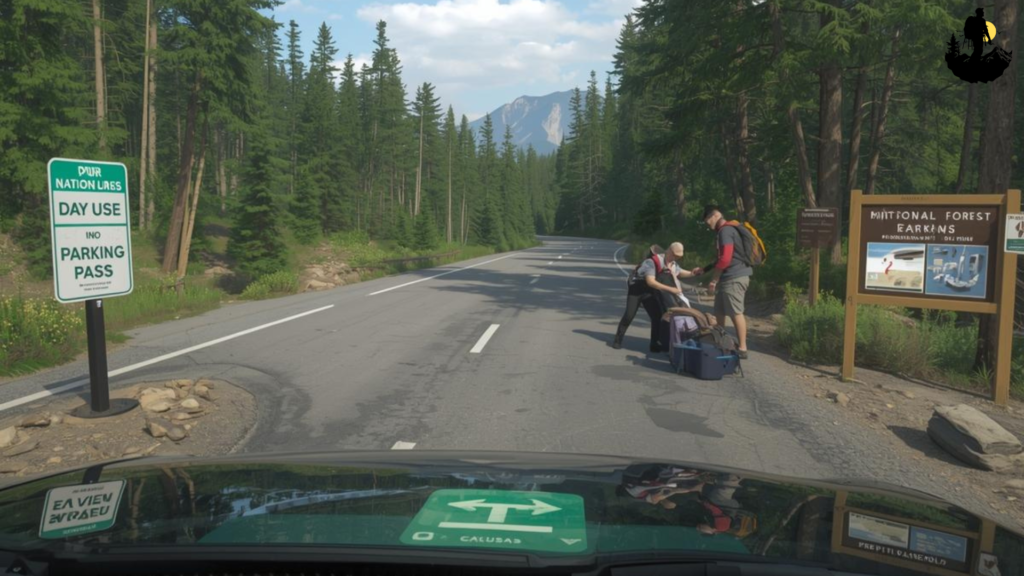
Many visitors assume day-use access is free everywhere in national forests. While this is sometimes true, several forests require a recreation pass for popular areas. These passes help pay for trail maintenance, restrooms, waste services, and parking facilities.
Common day-use or parking permits include:
• America the Beautiful Pass
• Northwest Forest Pass
• Interagency Senior or Military Passes
• Forest-specific day-use passes
• Local fee envelopes at trailheads
If your forest requires parking permits, the signs are normally posted clearly. Always display your pass properly to avoid fines.
Backcountry and Wilderness Permits: What to Expect
Wilderness areas often have special protections. These permits help forest rangers manage trail usage, track backpackers, and protect delicate ecosystems.
Most backcountry and wilderness permits require:
• Group names and emergency contacts
• Planned itinerary
• Campsite locations if relevant
• Leave No Trace agreement
• Bear-hanging or canister compliance in wildlife zones
Some forests operate on quotas to avoid trail overuse. Others allow walk-up permits at ranger stations. Always research in advance, especially in popular wilderness areas like the Alpine Lakes Wilderness, Maroon Bells–Snowmass, or Sierra Nevada regions.
Dispersed Camping Permit Rules and Best Practices
Dispersed camping is one of the biggest perks of U.S. national forests. It allows travelers to camp outside designated campgrounds, usually for free. But many forests now require simple, low-cost permits to help reduce damage and keep track of visitor use.
Typical dispersed camping permit rules include:
• Camp at least 100–200 feet from water sources
• Pack out all waste
• Use established fire rings only when allowed
• Limit stays to a set number of days (often 14 days in one spot)
• Avoid blocking forest roads
• Follow seasonal fire restrictions
Permits are often self-issued, digital, or available through local ranger offices.
Fire Permits and Seasonal Restrictions
Fire rules protect forests from accidental wildfires. These rules change with weather, drought conditions, and seasonal risks.
Several forests require free or low-cost fire permits for:
• Campfires
• Backpacking stoves
• Campfire pans or elevated fire setups
• Coal or wood-burning devices
During high-risk months, many forests move into full fire bans. That means:
• No campfires at all
• No charcoal grills
• Some forests only allow gas stoves with shutoff valves
Before you enter a forest, check the fire danger rating for that day. Violations can bring large fines because the consequences of wildfire spread are severe.
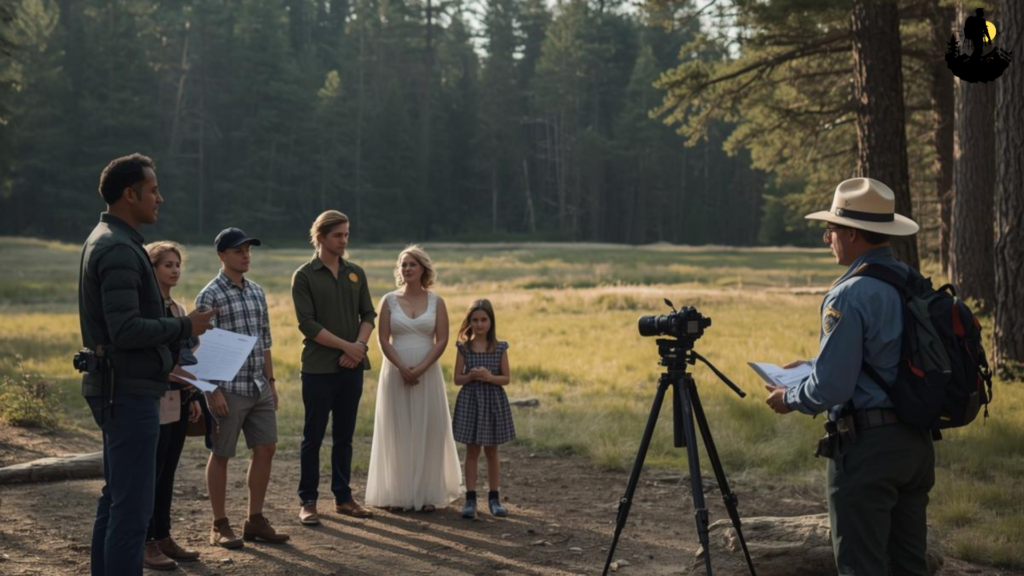
Special Use Permits for Groups, Events, and Filming
If your visit involves groups, organized events, or any activity that uses public land commercially, you may need a special use permit.
Situations that often require these permits:
• Weddings or private ceremonies in scenic areas
• Guided hikes or paid group trips
• Professional photography or film shoots
• Outdoor workshops or classes
• Long-term vehicle camps
• Research projects
Special use permits take longer, often requiring 30–90 days for review. Always contact the forest ranger district directly for these.
Forest Product and Firewood Permits
Many national forests allow visitors to gather natural products, but often with permits that help maintain healthy ecosystems.
Common forest product permits include:
• Firewood cutting permits
• Berry, mushroom, or plant-gathering permits
• Christmas tree cutting permits
• Rock or small mineral collection permits
Limits, seasons, and locations vary widely. Some products are for personal use only, while others may require commercial permits if you intend to resell. Always follow posted collection rules and respect protected species.
OHV, River, and Specialized Activity Permits
Certain recreational activities require separate permits.
Examples include:
• Off-highway vehicle (OHV) trail permits
• ATV or dirt bike route permits
• River float permits for regulated waterways
• Fishing or hunting permits in forest-managed zones
• Boating permits for lakes with restrictions
Each forest has its own rules. Many permits are inexpensive and designed mainly to support resource maintenance.
Tips for Navigating the Permit System Smoothly
The permit system can feel overwhelming, but these tips simplify the process:
• Start by checking your forest’s official USDA Forest Service page
• Use Recreation.gov for high-use permit lotteries
• Call ranger stations when information online seems unclear
• Apply early—some permits sell out months ahead
• Triple-check seasonal closure dates
• Screenshot all digital permits before entering low-signal zones
• Keep physical copies when required by law enforcement
• Follow Leave No Trace practices to avoid permit violations
• Re-check fire restrictions daily during western summers
Most permit issues happen because travelers assume rules are the same everywhere. They are not.
Conclusion
Navigating national forest permits becomes easy once you understand the system. This forest permit USA guide gives you the foundation: know the types of permits, where to get them, why they matter, and how to follow the rules that protect fragile wilderness areas. With smart preparation, your travels through U.S. national forests become smoother, safer, and more rewarding.
Understanding permits is not just about compliance. It is about helping keep forests wild, healthy, and accessible for everyone. When you take the time to secure the right permits and respect the land, you contribute to preserving these landscapes for the next generation of travelers.