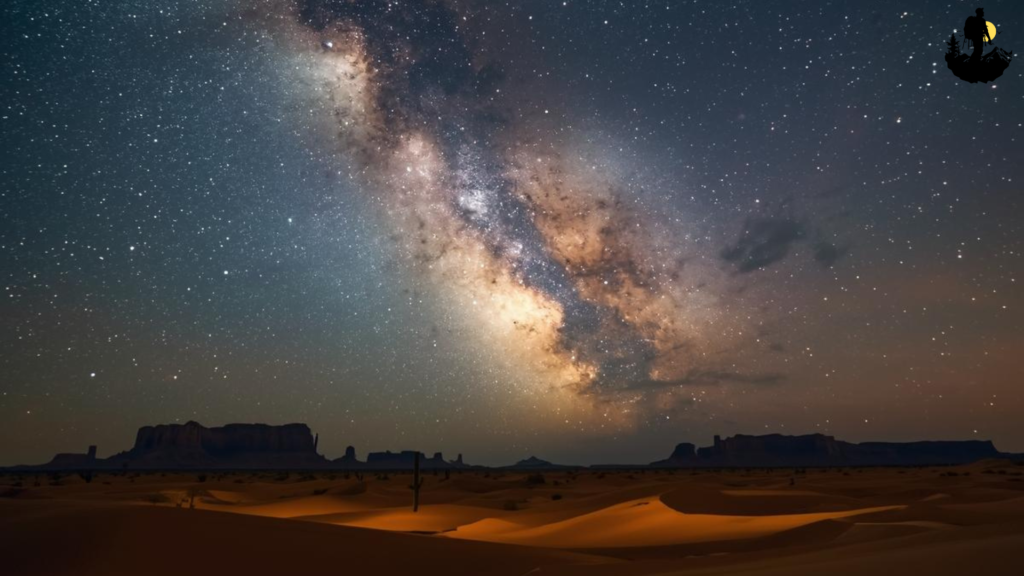
Stargazing in the desert brings a kind of calm that sinks in slowly. Night falls fast, temperatures drop, and the sky turns darker than most people ever see in their daily lives. Stars fill every corner of the horizon. The Milky Way stretches from one end of the sky to the other. Silence settles across sand, stone, and open space.
Anyone searching for desert stargazing usa destinations can find clear skies, wide landscapes, and quiet nights that feel almost untouched. This blog provides you with the most secluded desert stargazing spots, small-town locations, underrated areas, safety tips, and essentials that make your night under the stars smooth and memorable.
Top Desert Stargazing Spots Across the Country
- Death Valley National Park, California
Visitors often call this one of the darkest locations in the country. The dry air, wide valleys, and minimal development create near-perfect stargazing conditions. Nights here reveal bright constellations, clear Milky Way views, and planets that shine with striking clarity. - Anza-Borrego Desert State Park, California
This park remains known for its open skies and low light pollution. Campers enjoy sweeping views across rocky hills, shallow canyons, and desert flats. The quiet atmosphere gives you uninterrupted night skies almost every time you visit. - Big Bend National Park, Texas
Rugged mountains rise above the desert, giving stargazers a sense of scale that makes the sky feel even larger. Big Bend holds one of the darkest skies in North America. Clear nights reveal clusters and galaxies you might miss elsewhere. - Valley of the Gods, Utah
This remote landscape sits between larger parks yet remains far quieter. Dramatic rock formations line the horizon and create silhouettes against the night sky. - Organ Pipe Cactus National Monument, Arizona
Tall cactus stands and long desert stretches make this location perfect for slow, peaceful evenings under the stars. The lack of nearby towns keeps the sky clean and unspoiled.
Small-Town Desert Areas Loved by Stargazers
- Terlingua, Texas
A tiny town near Big Bend offers unmatched night views. Locals enjoy open desert passages where the Milky Way spans the sky with almost no interference. Visitors often set up near the quiet roads and small hills just outside town. - Torrey, Utah
This small community sits near Capitol Reef National Park. Even the town center stays dark enough for great stargazing. A short drive leads into deeper desert sections where the views grow even stronger. - Baker, Nevada
The town borders Great Basin National Park, which holds some of the clearest skies in the country. The dry climate keeps clouds away most nights. - Sonoita, Arizona
Rolling grasslands mix with desert features to create strong stargazing conditions. The gentle terrain gives you open sky in every direction. - Monticello, Utah
This town sits near large stretches of desert with little development. Stargazers enjoy long, quiet nights with excellent clarity.
Underrated Desert Stargazing Spots
- Cabeza Prieta Wildlife Refuge, Arizona
Access takes planning, yet the deep desert silence and low light pollution deliver an unmatched night sky. The wide landscape helps you see more stars than you might think possible. - Gold Butte Backcountry, Nevada
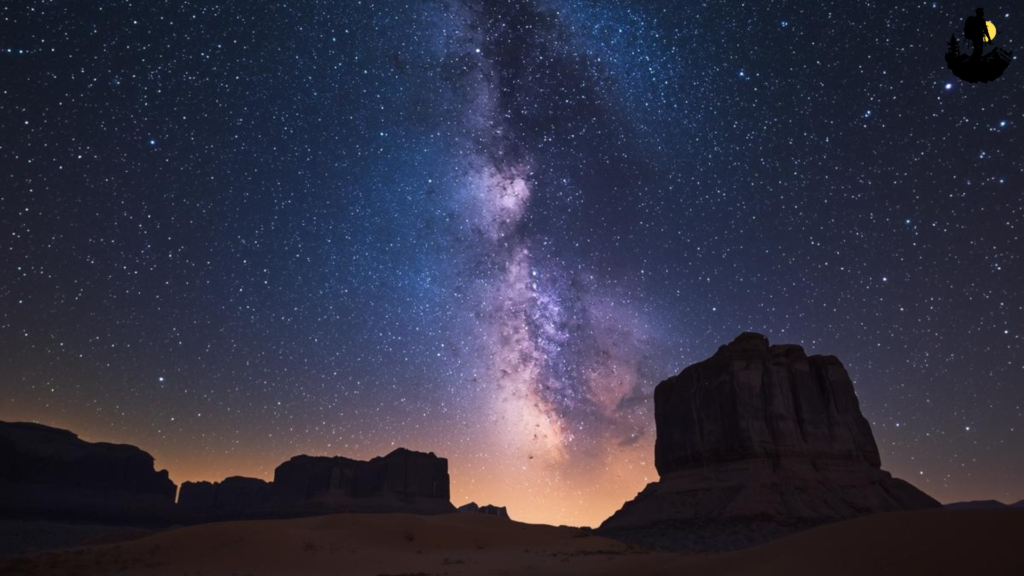
Large rock formations, scattered Joshua trees, and open desert create a dramatic nighttime scene. The isolation keeps the sky crisp and clear. - San Rafael Swell, Utah
Canyons and sandstone mesas form one of the most rugged and beautiful desert regions for stargazing. The sky glows with bright colors during dusk and reveals thousands of stars once darkness settles. - Escalante Canyons Backroads, Utah
The area sits far from major towns. Dirt roads wind through canyons and flatlands lined with sagebrush. Stargazing feels raw and peaceful. - Guadalupe Mountains Foothills, Texas
The foothills give you elevated views without crowding. Stars look sharp from any angle, and the air stays clear most nights of the year.
How To Check Conditions Before Stargazing
Weather shifts quickly in desert environments. Clear afternoons do not always guarantee clear nights. Checking cloud cover predictions a few hours before sunset helps you avoid disappointment. Wind also affects your experience. Strong gusts stir dust that creates a faint haze, and calmer nights bring sharper views.
Moon phases play a huge role in desert stargazing. Full moons wash out dimmer stars, so choosing a new moon or near-new moon night gives you the best results. Many parks list moonrise and moonset times to help you plan your viewing schedule.
Access roads matter too. Some desert locations require high-clearance vehicles. Road conditions change after storms. Ranger stations usually post updates on closures or rough sections. A short call helps you avoid long detours.
Safety Tips for Stargazing in Desert Regions
Staying safe starts with simple planning. Desert temperatures drop sharply after sunset. A warm jacket, hat, and blanket help you stay comfortable. Extra water remains essential even at night because dry air dehydrates you faster than you realize.
Flashlights with red filters protect your night vision. Bright white light makes it harder to see stars for several minutes. Red light helps you move around safely without losing your awareness of the sky.
Wildlife stays active at night. Many desert animals avoid heat during the day and roam after sunset. Giving them space keeps both you and the animals safe. Storing food properly prevents unwanted visits.
Phone signal often disappears in remote areas. Letting someone know your general location adds peace of mind. Carrying a paper map or downloaded offline map helps you navigate safely in the dark.
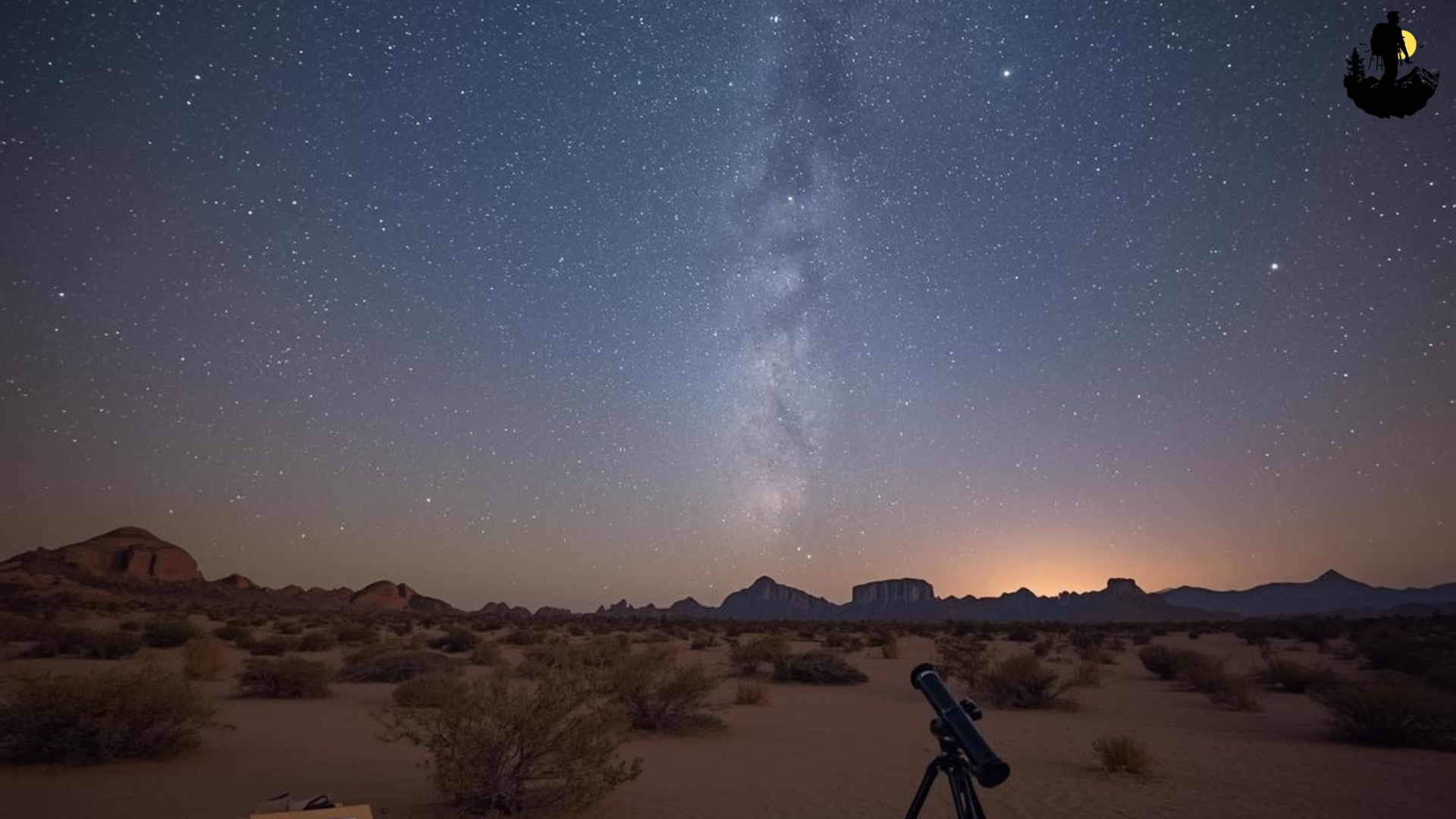
| Location | State | Difficulty | Special Feature |
| Death Valley National Park | California | Easy | Extremely dark skies |
| Big Bend National Park | Texas | Moderate | Rugged desert with clear views |
| Valley of the Gods | Utah | Easy | Rock silhouettes against star-filled sky |
| Organ Pipe Cactus Monument | Arizona | Easy | Desert cacti under bright constellations |
| Cabeza Prieta Refuge | Arizona | Hard | Deep wilderness and total darkness |
| San Rafael Swell | Utah | Moderate | Canyons and mesas under clear skies |
| Great Basin Region | Nevada | Easy | High elevation and crisp night air |
Desert Stargazing Comparison TableBest Desert Stargazing Spots for First-Time Visitors
- Death Valley National Park, California
Simple roadside pullouts make this a perfect introduction to desert stargazing. The views feel massive without requiring a long hike. - Torrey, Utah
Visitors enjoy both convenience and sky quality. The area remains easy to navigate. - Organ Pipe Cactus National Monument, Arizona
The cactus landscape gives beginners distinctive silhouettes and easy viewing areas. - Great Basin Region, Nevada
High elevation and low humidity create a stable environment for newcomers.
Remote Spots for Serious Stargazers
- Cabeza Prieta Wildlife Refuge, Arizona
The long, quiet drive pays off with unmatched darkness. Experienced stargazers can see faint features that remain hidden elsewhere. - San Rafael Swell, Utah
The rugged terrain offers deep quiet and wide-open sky. Serious observers often stay late into the night. - Valley of the Gods, Utah
The rock formations create a dramatic contrast that photographers enjoy. - Guadalupe Mountains Foothills, Texas
Isolation and elevation combine for sharp, clean night skies. - Gold Butte Backcountry, Nevada
The remoteness keeps this area free from the glow of nearby towns.
Photography Tips for Desert Stargazing
Camera stability makes the biggest difference. A tripod protects long exposure shots from even the slightest shake. A wide lens captures more of the horizon and the Milky Way. Lower ISO settings reduce noise and give you cleaner images.
Timing matters. Shooting during astronomical twilight helps you capture deep blues before the sky turns fully black. Once darkness settles, the Milky Way becomes the focus. Long exposures reveal colors and details you can’t see with the naked eye.
Foreground elements help your photos stand out. Rock formations, cacti, or small hills add depth. Subtle lighting from the moon or a distant horizon can soften shadows.
Cold nights drain batteries quickly. Bringing extras helps you stay out longer.
Packing Essentials for Desert Stargazing
Warm layers help you adjust to nighttime temperatures. A thick jacket keeps you comfortable as the night grows colder. Gloves come in handy during long photo sessions.
A red-light flashlight protects your eyes while you set up equipment or find your way. Extra water, snacks, and a first aid kit prepare you for a longer stay. A folding chair or ground blanket helps you settle in and enjoy the sky.
Navigation tools matter in remote areas. A downloaded map ensures you can follow dirt roads safely. A small cooler keeps drinks cold. A notebook works well for jotting down observations or timing meteor showers.
Simple gear choices make the experience smoother. Deserts hold wide, open land, so carrying less often works better.
A Last Note Before You Look Up
Desert stargazing delivers a calm that stays with you long after your visit ends. The stillness, open space, and natural darkness create a rare experience that feels honest and grounding. Anyone exploring desert stargazing usa destinations can expect clear skies, quiet surroundings, and views that stretch farther than the eye can measure. These places remind you how vast the world remains when cities fade from view. Your night under the stars becomes more than a moment. It becomes a memory you carry forward.