America’s national parks attract millions of visitors every year. Most people visit the same overlooks, drive the same scenic routes, and take the same photos. Many do not realise that each season changes the parks in ways that reveal quiet transformations and subtle moments tourists often miss.Seasonal hidden wonders USA travellers rarely witness appear only when conditions shift, temperatures rise or fall, or habitats come alive for a brief window.
Every park grows and sleeps in its own rhythm. Spring shows a different personality than summer. Autumn reshapes colour, wind, and light. Winter pulls everything inward and exposes details usually covered. Anyone who wants to understand national parks more deeply benefits from paying attention to these short seasonal windows. Beauty grows sharper, quieter, and more meaningful when crowds leave and nature expresses itself freely.
The following sections highlight some of the most underrated seasonal wonders found across U.S. national parks. Travellers who time their visits well discover moments that feel personal, rare, and unforgettable.
Spring Bloom Surge in Lassen Volcanic National Park
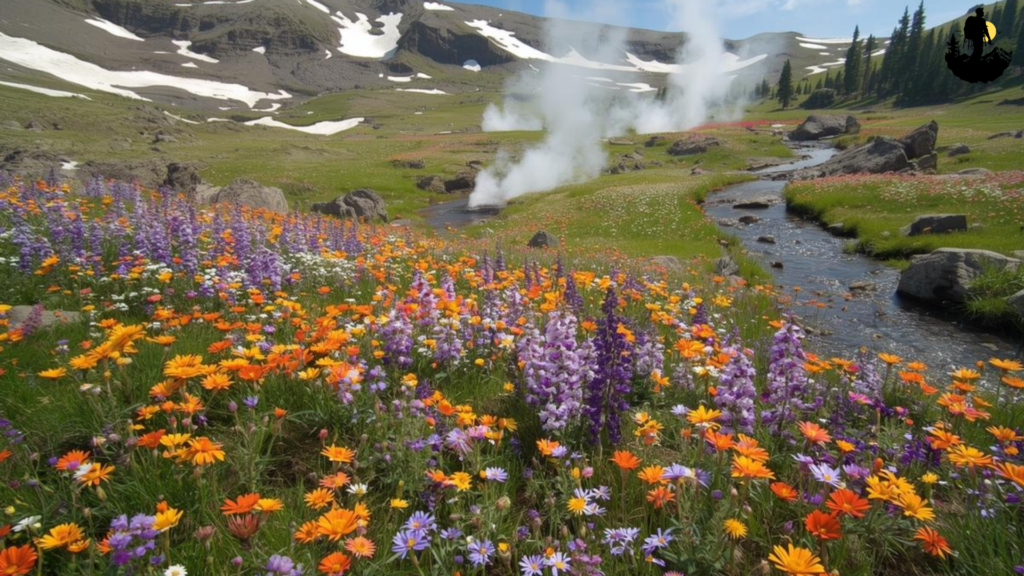
Lassen Volcanic National Park transforms completely during spring. Snow melts from the high slopes and sends cold water rushing into valleys that remained silent all winter. Meadows brighten with lupine, paintbrush, and tiny volcanic daisies that appear in colourful clusters. Few travellers witness this bloom because many assume the park remains inaccessible early in the year.
Rangers monitor conditions closely and open sections of the park as soon as trails become safe. Adventurers who arrive during these weeks find clear air washed clean by melting snow. Wildlife emerges from sheltered areas and moves confidently across open fields. Black-tailed deer, snowshoe hares, and coyotes become more visible because vegetation has not yet reached full height.
Steam vents and boiling mud pots create a bright contrast against the cool spring atmosphere. The combination of wildflowers, geothermal textures, and snow patches gives the landscape a layered, almost surreal appearance. Short hikes near Sulphur Works offer close views of this transformation with very few people around. This season reminds visitors that volcanic landscapes carry soft beauty alongside raw power.
Early Summer Lightning Lake in North Cascades National Park
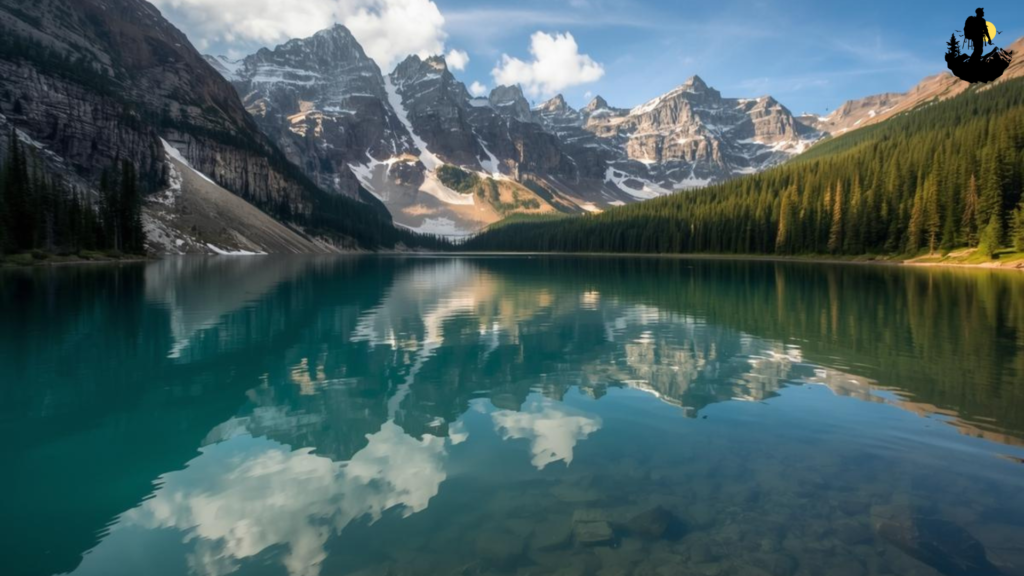
North Cascades National Park holds countless lakes, yet Lightning Lake remains one of the least visited. Early summer changes it into a glasslike mirror lined with deep green forests. Trails leading into the area melt out slowly, which keeps crowds low. Travellers who reach it during this narrow seasonal window often experience complete silence broken only by the sound of small ripples drifting toward the shore.
Mountain snow melting into the basin gives the lake a bright turquoise colour. Afternoon light sharpens the colour even more. Clouds moving across the ridges reflect perfectly on the water’s surface. Cascades wildlife becomes active around the marsh edges. Songbirds gather in surprising numbers, and their calls echo softly across the basin.
Many hikers describe Lightning Lake as one of the most peaceful corners of the entire park system. The setting feels untouched, and the combination of shifting light and clean alpine air makes early summer the best season for this hidden wonder.
Late Summer Bat Flights in Carlsbad Caverns National Park
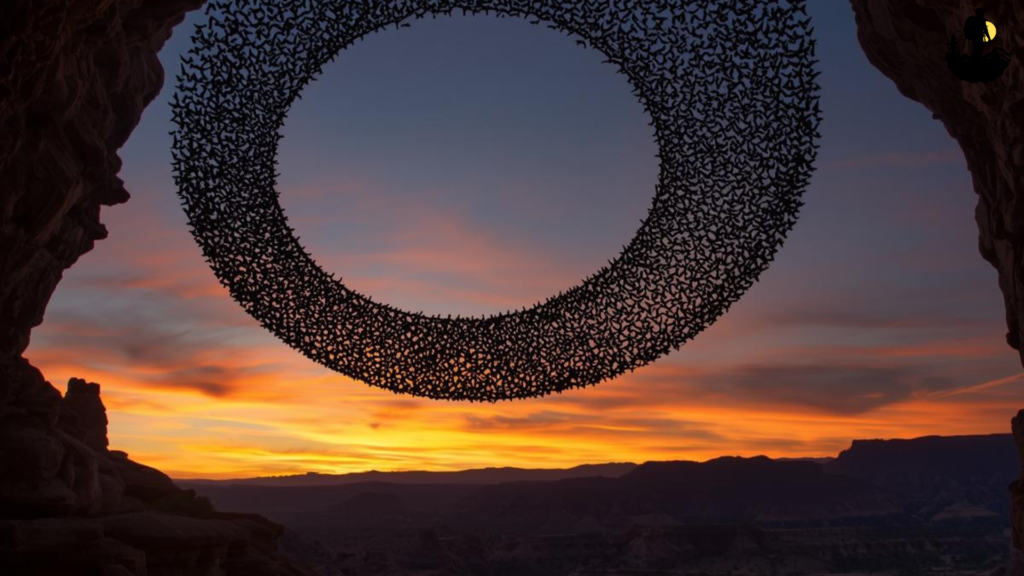
Carlsbad Caverns National Park draws visitors to its massive underground chamber, but a special seasonal spectacle unfolds above ground during late summer. Thousands of Brazilian free-tailed bats emerge from the cave in a swirling cloud each evening. The flight lasts only minutes, yet the scale of movement feels astonishing. Warm weather and healthy insect populations create perfect feeding conditions for the colony.
Visitors sit quietly in the amphitheatre near the cave entrance and listen as subtle whispers grow into a low roar. The bats rise in a spiral, tighten their formation, and stretch across the sky like a long smoke trail. Sunset colours intensify the effect. Raptors occasionally appear near the horizon and circle the region as they hunt for stray bats.
Scientists continue studying the colony because its patterns shift slightly each season. Travellers who choose late summer gain access to the strongest flights of the year. The event feels dramatic while still carrying a sense of natural order and rhythm.
Autumn Lake Light in Acadia National Park
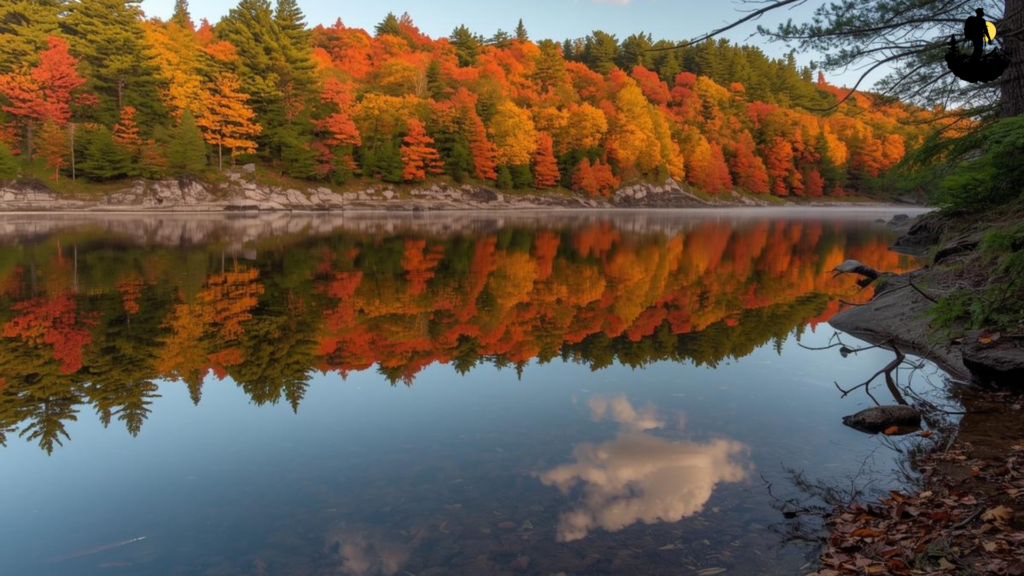
Acadia National Park becomes famous for its autumn colour, yet few travellers explore the smaller lakes during these weeks. Jordan Pond, Bubble Pond, and Lower Hadlock Pond turn into glowing mirrors reflecting red, orange, and gold foliage. Water settles into perfect stillness during early mornings and late afternoons because the wind remains calm as temperatures begin to drop.
Photographers often rush toward coastal viewpoints, leaving these quiet lakes nearly empty. Hikers who wander along the shorelines during autumn find crisp air layered with hints of pine and cool water. Every rock near the waterline carries a reflection so sharp it looks painted.
Loons call from the centre of the lake while migrating birds gather in small groups along branches. Light shifts every ten minutes, giving the landscape a steady, peaceful motion. Acadia offers many famous views, but these small lakes provide some of the most intimate autumn scenes in the country.
Hidden Elk Meadows of Rocky Mountain National Park
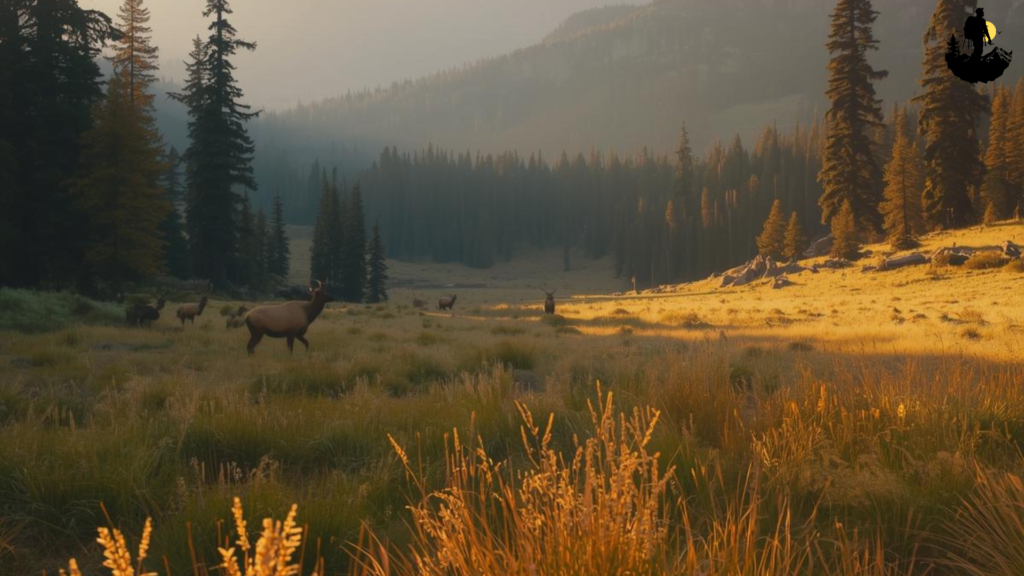
Rocky Mountain National Park fills with visitors each summer, yet early autumn reveals a different side of the park. Elk bugling becomes the main attraction during the rut, but a separate seasonal wonder unfolds in the park’s upper meadows. Small pockets of golden grass burst into warm colour as the first cold nights settle in. Many of these meadows sit far away from road corridors and require short walks across gentle terrain.
Bull elk gather near these hidden meadows and stand almost motionless as they watch over their groups. Light catches their antlers and turns them into bright silhouettes. The surrounding pines create a natural sound chamber that carries every vocalisation clearly. These areas provide a quieter alternative to the crowded valleys where most visitors gather to watch the rut.
Hikers often describe the meadows as dreamlike because sunrise paints everything in copper tones. Mist moves through the grass and rises in slow waves. The combination of wildlife, colour, and stillness creates one of the most underrated autumn experiences in the national park system.
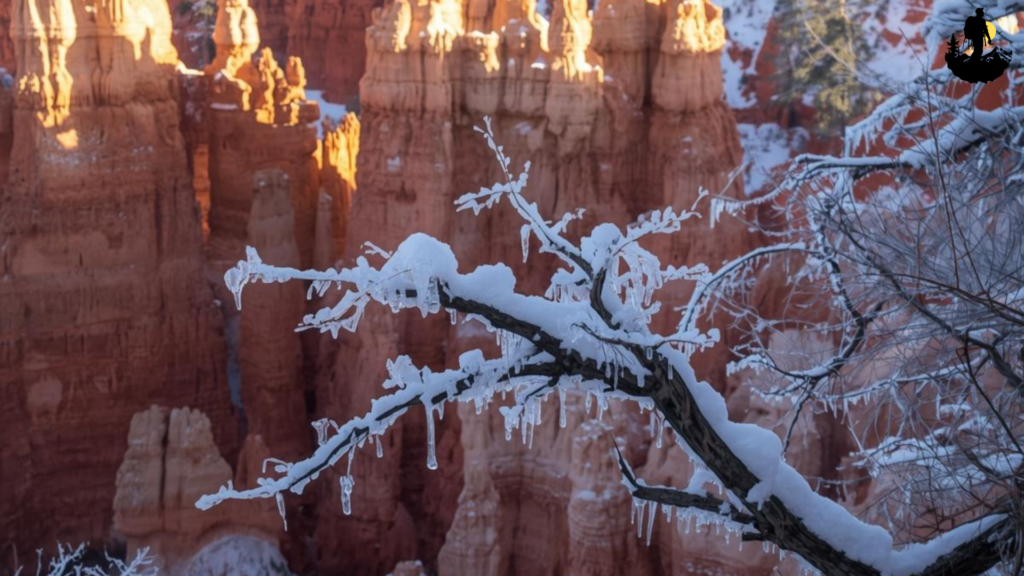
Winter Crystal Formations in Bryce Canyon National Park
Bryce Canyon National Park already feels otherworldly, but winter transforms the entire amphitheatre. Snow settles lightly on the tops of the hoodoos and creates sharp white accents along their orange and red surfaces. Cold air creates tiny layers of ice crystals on branches and fallen logs. Visitors often compare the scene to a delicate sculpture garden.
Snowfall remains light enough to keep hoodoo shapes clearly visible. Trails along the rim stay open during many winter days. Quiet fills the amphitheatre in a way summer visitors never hear. Ravens glide across the canyon while leaving long shadows over the formations.
The morning sun creates pink and gold light that reflects across the canyon walls. Winter also brings clean, crisp visibility that stretches for miles. Many hikers appreciate how winter air sharpens colour and reduces haze. Bryce Canyon becomes a place of stillness instead of summer excitement.
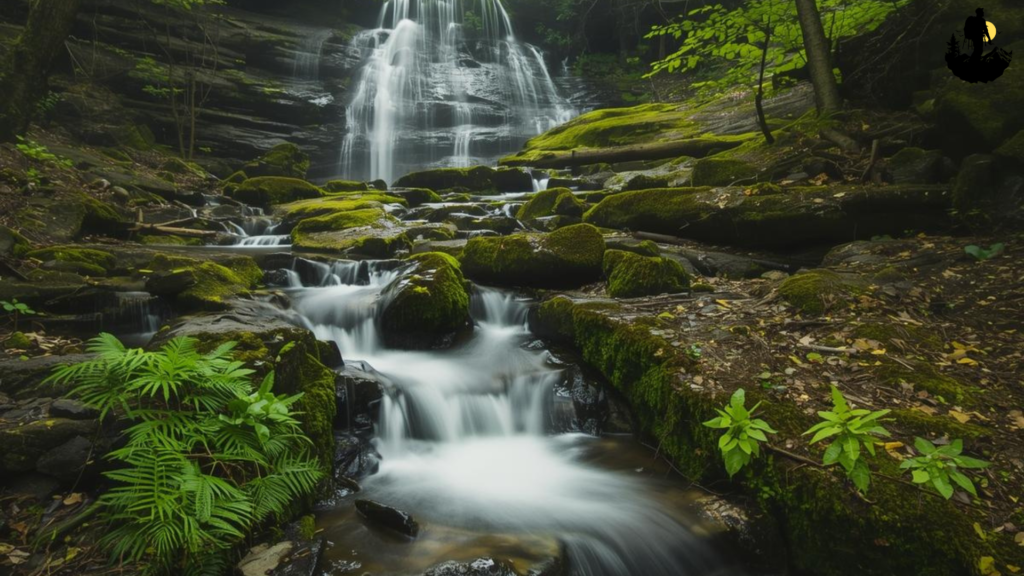
Spring Waterfall Pulse in Great Smoky Mountains National Park
Great Smoky Mountains National Park remains one of America’s most visited parks, yet spring reveals waterfalls many hikers never reach. Rain and snowmelt send streams rushing across rocks and falling through narrow gaps that remain dry later in the year. Smaller waterfalls appear along lesser-known trails near Cosby, Greenbrier, and Deep Creek.
Hikers who explore these regions during spring hear constant movement. Water flows loudly and creates a refreshing mist that covers moss, fern, and early wildflowers. Salamanders become active near the water’s edge. The park carries the highest diversity of salamanders in the world, and spring offers the best chance to see them.
The combination of strong water flow and vibrant plant growth turns these areas into lush, living corridors. Many visitors stick to the main waterfall routes, which leaves the smaller cascades almost silent and untouched.
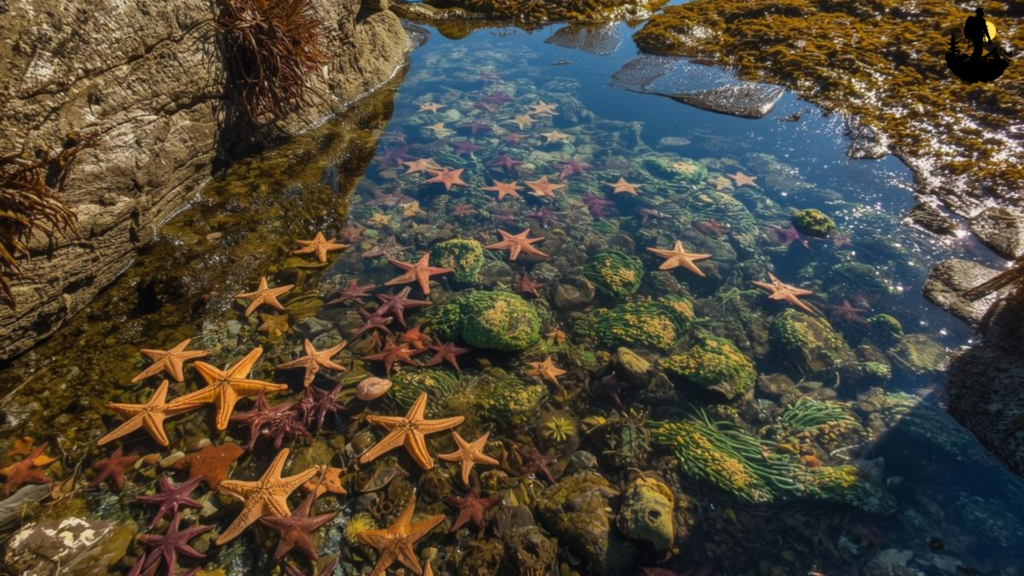
Summer Tide Pool Life at Olympic National Park
Olympic National Park offers rainforest, mountains, and coastline, but its summer tide pool season remains one of the most fascinating hidden wonders. Extreme low tides expose rock shelves lined with sea stars, anemones, crabs, and tiny fish darting between pools. Warm sun and gentle waves create an inviting atmosphere for travellers who want to see marine life up close.
Rangers publish tide schedules that highlight the best days to explore. Visitors who arrive early find large clusters of sea stars in colours ranging from bright purple to deep orange. Some anemones pulse slowly underwater while crabs scuttle across sand and stone.
Shorebirds gather at the edges and search for exposed food. The combination of summer light and glassy water gives the tide pools a glowing quality. Many consider this one of the most intimate wildlife encounters in any national park.
Why Seasonal Wonders Matter?
Seasonal hidden wonders that USA travellers rarely witness reveal how dynamic the parks truly are. Each season recreates familiar places and gives them new textures, new colours, and new rhythms. People who visit during quieter times gain a deeper connection with the landscape because the environment expresses itself more openly.
Seasonal moments encourage visitors to slow down. Small details become meaningful. Light becomes a character. Sound becomes a guide. Nature shows its many tones only when travellers give it time to change.
These seasonal transformations also protect the parks by spreading visitation throughout the year. Overcrowding drops. Wildlife receives more breathing room. Trails recover faster. Travellers gain richer experiences without contributing to seasonal stress on fragile environments.
America’s national parks hold countless stories that shift with every season. Anyone open to exploring these quieter windows will find surprises tucked into every valley, canyon, shore, and ridge. Seasonal wonders turn ordinary landscapes into living scenes that continue to evolve long after each visitor leaves.