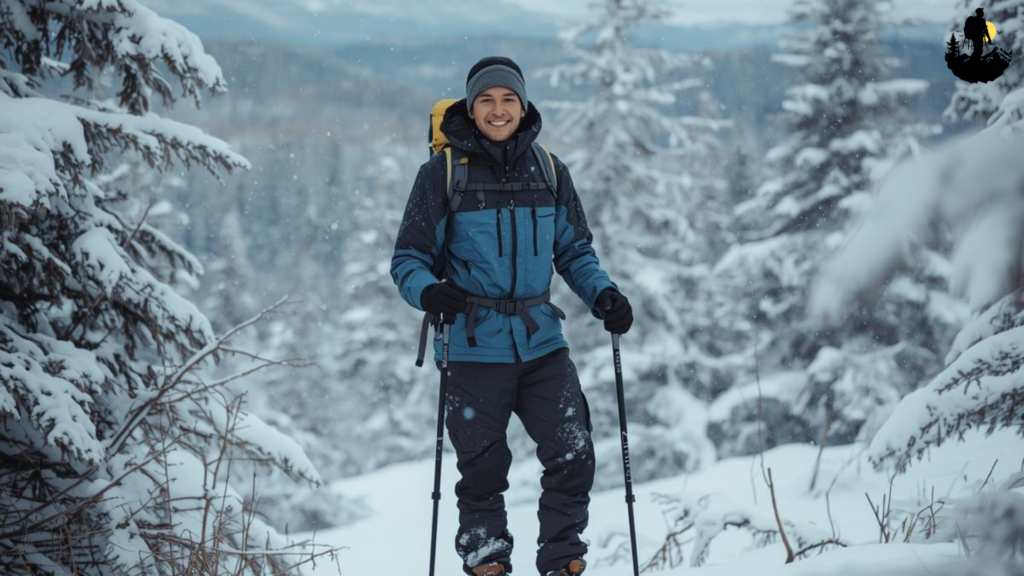
Winter exploration across the United States presents both breathtaking scenery and significant challenges. Snow-covered forests, frozen lakes and icy mountains offer beauty that few seasons can match, yet these environments demand caution. New explorers must understand essential winter survival skills to stay safe and confident. Preparation, awareness and proper technique transform a risky environment into an empowering adventure.

A winter landscape changes quickly. Calm mornings can shift into storms, and clear trails can vanish under fresh snow. Education becomes the strongest tool for any newcomer.
The Realities of Winter Exploration
A clear mindset helps new explorers respect both the beauty and risk of winter.
Key realities:
- Cold temperatures drain energy faster
- Snow hides hazards like holes, rocks or thin ice
- Wind chill intensifies cold exposure
- Storms reduce visibility
- Winter nights fall earlier than expected
- Navigation becomes harder after snowfall
Mental preparation benefits:
- Encourages caution
- Reduces panic during emergencies
- Helps maintain steady decision-making
- Builds confidence for future explorations
Awareness sets the foundation for safe travel.
Learning Proper Layering to Manage Body Heat
Layering remains one of the most important winter survival skills.
Effective layering system:
- Base layer: moisture-wicking fabric
- Mid layer: insulated fleece or wool
- Outer layer: waterproof shell
- Additional accessories: gloves, boots, hat, neck gaiter
Why layering works:
- Traps warm air
- Allows moisture to escape
- Adjusts easily based on activity level
- Protects against wind and snow
Temperature regulation prevents hypothermia and improves comfort.
Choosing Essential Winter Gear for Survival
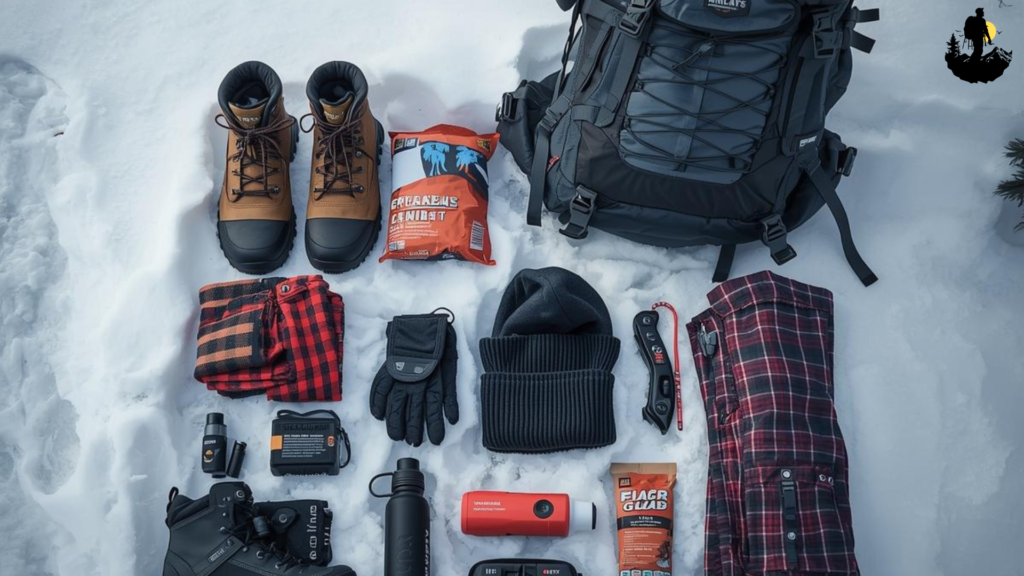
Winter gear can mean the difference between safety and danger.
Essential items:
- Insulated boots
- Thermal socks
- Waterproof gloves
- Emergency blanket
- Fire-starting kit
- Multi-tool
- Headlamp with spare batteries
- High-energy snacks
- Insulated water bottle
- Snowshoes or traction spikes
Purpose of good gear:
- Provides mobility
- Prevents frostbite
- Supports hydration
- Helps in emergencies
Proper gear enhances confidence and resilience.
Building a Winter-Ready Survival Kit
A survival kit must contain tools for warmth, shelter and basic protection.
Survival kit essentials:
- Waterproof matches
- Tinder bundles
- Folding knife
- Portable stove
- Compact first-aid kit
- Paracord
- Chemical heat packs
- Map and compass
- Space blanket
- Foldable shovel
Benefits of a winter-specific kit:
- Increases chances of staying warm
- Helps you set up a temporary shelter
- Provides navigation reliability
- Reduces fear during unexpected situations
A well-stocked kit serves as a lifeline in the wilderness.
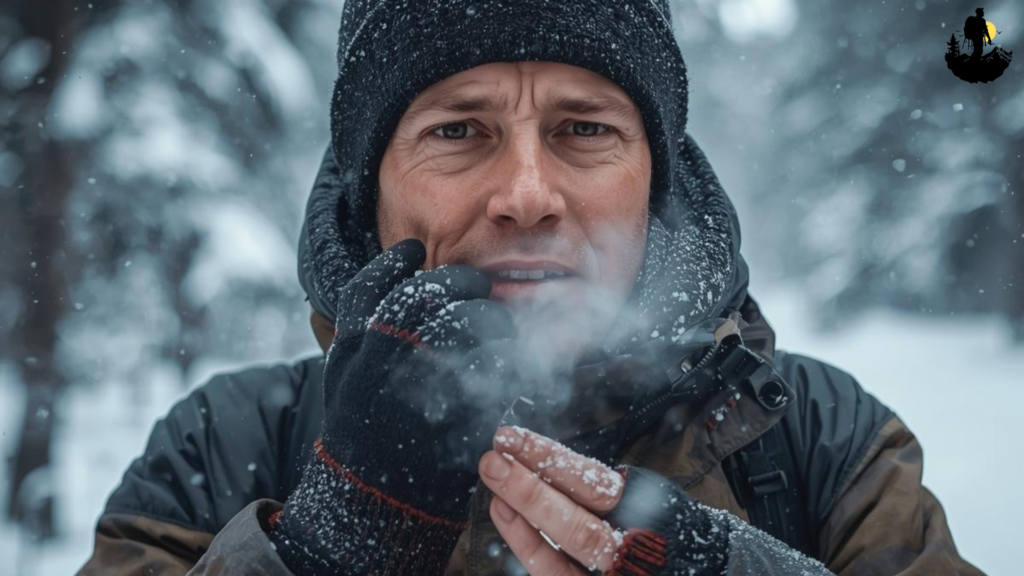
Understanding Frostbite and Hypothermia Warning Signs
Early recognition of cold-related illnesses saves lives.
Frostbite signs:
- Numb or pale skin
- Hard, waxy texture
- Tingling before numbness
- Blisters in severe cases
Hypothermia signs:
- Shivering that later stops
- Confusion or slurred speech
- Clumsiness
- Slow reaction time
- Uncontrolled sleepiness
Immediate actions:
- Add layers
- Move to shelter
- Drink warm fluids
- Warm affected areas slowly
Knowledge prevents minor injuries from becoming dangerous.
Mastering Fire-Building in Snowy Environments
Fire creates heat, comfort and a survival signal.
Steps for building a fire in winter:
- Clear snow to create a stable base
- Use dry sticks found under trees
- Carry tinder for quick ignition
- Build a teepee or log cabin structure
- Protect flames from wind using rocks or snow walls
Reasons fire matters:
- Provides warmth
- Dries wet clothes
- Boosts morale
- Helps cook food
- Signals rescuers
A reliable fire restores energy and helps maintain clear thinking.Learning Navigation Skills for Snow-Covered Terrain
Snow often hides trails, making navigation harder for beginners.
Navigation tools:
- Compass
- Physical map
- GPS device
- Marked trail posts
- Smartphone backups (used cautiously)
- Check direction often
- Identify landmarks before the snow falls
- Follow tree lines
- Walk in straight patterns to avoid drift
- Leave identifiable markers
Why navigation matters:
- Prevents wandering into unsafe zones
- Helps conserve energy
- Keeps you oriented during storms
Navigation confidence reduces panic and confusion.
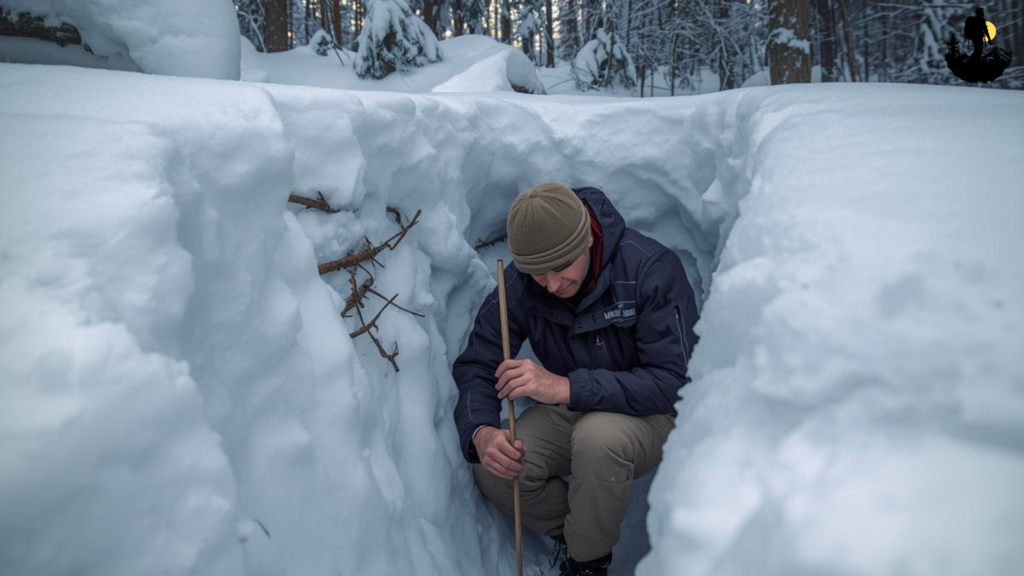
Building Emergency Shelter in Harsh Winter Conditions
Shelter protects you from wind, snow and extreme cold.
Shelter types beginners can build:
- Snow trench
- Tree-well shelter
- Lean-to made from branches
- Windbreak using piled snow
- Emergency bivy sack
Shelter-building steps:
- Choose a location away from avalanche zones
- Dig or construct insulated sides
- Create a minimal opening to retain heat
- Line interior with branches or gear
A shelter becomes your strongest defence against harsh conditions.
Practising Safe Travel Techniques in Deep Snow
Movement becomes slower and more difficult in deep snow.
Safe travel techniques:
- Use snowshoes for flotation
- Follow ridges where the snow is compact
- Walk steadily to conserve energy
- Step in existing tracks
- Avoid rushing uphill
- Maintain awareness of surroundings
Travel safety benefits:
- Reduces exhaustion
- Prevents injuries
- Helps conserve body heat
Efficient movement supports longer, safer winter journeys.
Avalanche Awareness Basics
Avalanches represent one of the most dangerous winter hazards.
Basic avalanche knowledge:
- Recognise steep slopes
- Watch for recent heavy snowfall
- Avoid areas under cornices
- Learn snowpack stability signs
- Study wind direction patterns
- Use avalanche forecasts
Safety tools to carry:
- Beacon
- Probe
- Shovel
Why avalanche training matters:
- Gives early warning
- Saves lives
- Builds situational awareness
Beginners must avoid avalanche zones until trained properly.
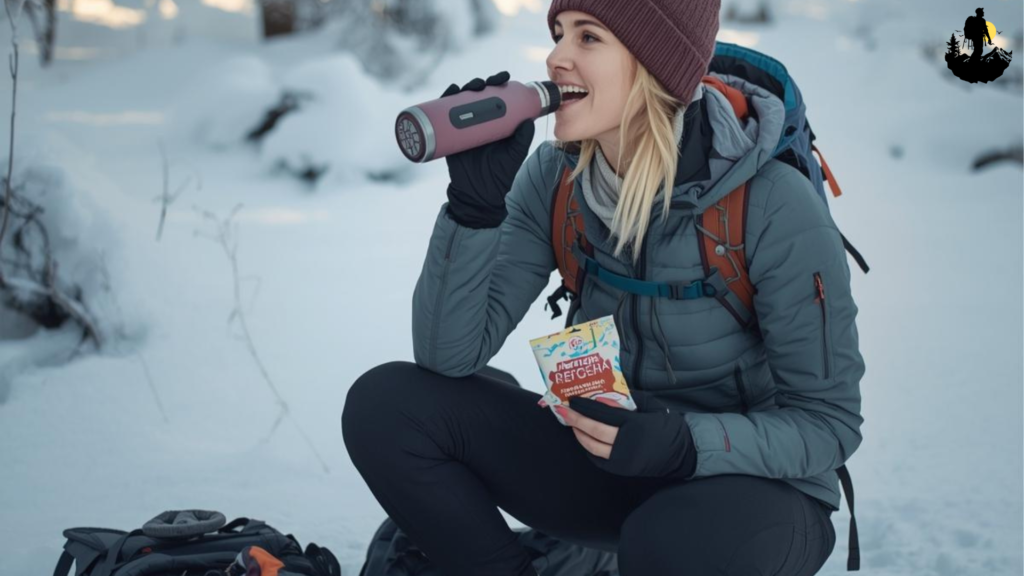
Managing Hydration and Nutrition in Cold Weather
Cold weather suppresses thirst, yet hydration remains essential.
Hydration tips:
- Carry insulated bottles
- Sip regularly
- Avoid freezing water containers
- Drink warm fluids when possible
Nutrition suggestions:
- Pack calorie-dense snacks
- Eat small portions frequently
- Choose foods that resist freezing
- Carry warm meals for long outings
Proper fueling keeps energy steady and prevents fatigue.
Communicating and Planning Before Winter Trips
Communication ensures someone can help if things go wrong.
Planning essentials:
- Share route plans with a friend
- Provide estimated return time
- Carry satellite messengers
- Check weather forecasts
- Have backup exit routes
Why communication matters:
- Helps rescuers locate you
- Reduces fear for loved ones
- Prevents avoidable risks
Responsible planning supports safe winter adventure.
Reflecting on the Value of Mastering Winter Survival Skills
Winter exploration becomes deeply rewarding once you master key skills. A cold landscape may appear harsh, yet it offers incredible beauty for those prepared to face it. New explorers gain confidence, resilience and self-reliance when they learn to navigate challenges. A strong understanding of winter survival skills usa opens doors to stunning frozen lakes, quiet forests and snow-covered mountains.
A winter journey teaches strength and patience. Every skill learned in the cold becomes an investment in future adventures. The winter wilderness becomes an inspiring partner rather than an overwhelming threat.

✦ Related Articles You May Love
- Living Like A Local In Remote U S Regions
- Hidden Homestay Experiences In Offbeat U S Towns
- Folklore And Legends From The Deep South
- How To Find Hidden Adventure Spots Across The Usa
- Essential Packing Tips For U S Hiking Trips
- Budget Travel Hacks For Exploring U S Trails
- Safety Tips For Hiking Hidden Trails In The Usa
- Best Seasons To Visit Hidden U S Parks
- Eco Friendly Ways To Explore Remote U S Destinations
- How To Reach Hard To Access U S Adventure Spots
- Navigating Road Trips To Lesser Known U S Parks
- Apps That Reveal Hidden Trails And Campsites
- How To Stay Connected In Remote U S Areas
- Capturing Hidden Landscapes Of The American West
- Capturing Hidden Motion Long Exposure Photography In U S National Parks
- Night Sky Photography In Americas Dark Sky Parks
- Photo Walks Through Hidden U S Small Towns
- Reflections Photography On Hidden U S Lakes
- Rock Climbing In Lesser Known U S Spots
- Trail Running Through Hidden Forest Paths
- Mountain Biking Adventures In The Pacific Northwest
- Paragliding Above Secret U S Peaks
- Scuba Diving Hidden Reefs In The Florida Keys
- Abandoned Ghost Towns In The American West
- Hidden Architectural Gems Across The Usa
- Discovering Truly Local Favourite Hiking Trail Usa
- Travel Mistakes To Avoid On U S Hidden Trails
- Solo Adventures In Remote U S Locations
- How Tourism Is Changing Hidden American Spots
- Hidden U S Destinations That Inspired Great Art
- Americas Forgotten Ghost Stories And Legends
- Short Hidden Hikes Under 5 Miles In The Usa
- Abiqua Falls Oregons Most Hidden Waterfall In The Pacific Northwest
- Exploring Hidden Islands In The Florida Keys
- Hidden Trails Secret Canyons Offbeat Hiking Escapes In The American Southwest
- Lesser Known National Parks Usa Hidden Gems To Explore In 2025
- Secret Caves To Explore In The Appalachian Mountains
- A Bloomseekers Paradise The Wildflower Trails In The Rocky Mountains
- Scenic Mountain Passes Few Know In Colorado Hidden And Adventurous Places You Must Explore
- Kayaking Through Hidden Rivers Of The South
- Underrated Desert Oases In The Southwest Usa
- Seasonal Hidden Wonders In U S National Parks
- Hidden Hot Springs In The Western United States Your Guide To Real Relaxation
- Snow Covered Winter Trails No One Talks About
- Secret Coastal Cliffs To Explore In California
- Underground Crystal Caves In The United States
- Untouched Forest Sanctuaries In The Northeast
- Stories From Rural Americas Forgotten Communities
- Hidden Artisan Markets In The Midwest Your Ultimate Guide
- Local Foods Found Only In Small Town America
🌿 Sources & References
- Wilderness Survival – U.S. Forest Service
- Survival Skills – American Red Cross
- Wilderness First Aid – NOLS
- 10 Essentials for Hiking – REI
- Travel & Adventure – National Geographic
- Outdoor Recreation – REI Expert Advice
- Leave No Trace Principles
- Nature Conservation – WWF
- U.S. National Parks – NPS
- Sustainable Tourism – UNWTO