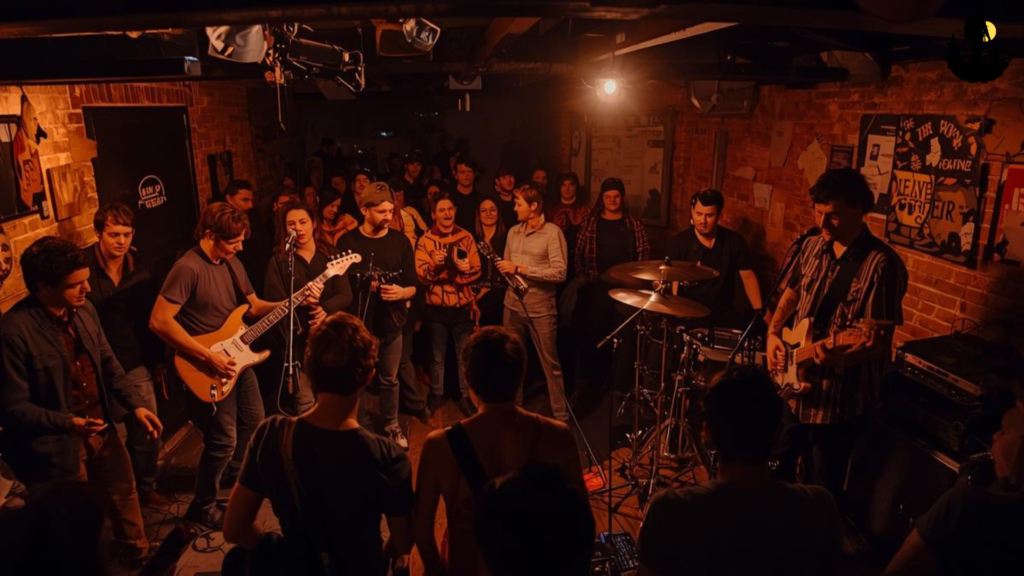
Underground music thrives in places that never make national headlines. Small cities across the country build creative communities in old warehouses, backroom bars, shared studios, and basement venues that only locals know. These spaces carry raw energy and real heart. Artists come together because they love the craft, not because they chase fame. Fans show up because the music feels honest.
Anyone exploring underground music usa cities can find pockets of sound that mix grit, passion, and experimentation. This guide highlights small cities with strong underground scenes, local gems, lesser-known creative hubs, and tips to help you explore these spots without missing what makes them special.
Small Cities With Underground Scenes Most People Miss
Eugene, Oregon
This city blends college-town energy with creative grit. Local bands push indie rock, psych, experimental folk, and lo-fi pop. Basement venues and tiny bars host shows several nights a week. Crowds stay supportive and open-minded, which helps new artists feel comfortable trying new sounds.
Denton, Texas
A relaxed environment and strong music programs feed the local scene. Shows happen in living rooms, garage setups, and intimate clubs. Jazz groups, punk bands, and alt-pop artists share lineups in ways that feel spontaneous. The DIY spirit holds the community together.
Asheville, North Carolina
The city’s artistic culture extends beyond its well-known busking scene. Small clubs and underground lounges highlight electronic sets, experimental acoustic nights, and improvisational performances. Musicians collaborate often, which keeps the sound fresh.
Missoula, Montana
The downtown area hides a surprising number of small venues. The local crowd supports everything from folk-punk to dream-pop. Bands often rehearse in converted garages, and the mountains surrounding the city add an inspiring backdrop.
Fayetteville, Arkansas
This city keeps a steady rhythm of house shows and underground performances. Creative communities support indie-rock groups, electronic producers, and singer-songwriters who test new material at informal gatherings.
Local Underground Music Spots in Tight-Knit Towns
Knoxville, Tennessee
A steady wave of small venues and tiny studios drives the underground movement. Rock, Americana, and experimental styles flow through the older parts of the city. Small poetry-and-music nights give emerging artists a stage.
Bellingham, Washington
This coastal town supports dreamy indie bands, folk duos, and experimental noise artists. Shows often happen in shared art spaces where audience members sit on mismatched couches or stand shoulder-to-shoulder.
Burlington, Vermont
Local musicians mix folk traditions with modern indie sound. Underground shows happen in community halls, basements, and small bars. The crowd loves originality and supports artists who try unconventional arrangements.
Springfield, Missouri
The downtown area hides a strong punk and alternative rock scene. Bands rotate between small DIY spaces and low-key clubs. The energy remains high and unpolished in the best way.
Greenville, South Carolina
A growing underground movement spreads across backroom bars, warehouse corners, and art studios. R&B groups, hip-hop artists, and indie rock bands share stages regularly.
Underrated Underground Scenes and What Sets Them Apart
Boise, Idaho
Local artists blend folk, electronic, and garage-rock influences. Many bands rehearse in industrial buildings turned into creative hubs. The community welcomes experimentation, which helps new acts stand out.
Flagstaff, Arizona
The mountain setting shapes a scene that feels peaceful during the day and electric at night. Small breweries and art spaces host shows that range from ambient sets to heavy guitar-driven projects.
Athens, Georgia Backstreets
Athens gets recognition for its music history, yet the underground scene thrives in corners the travel guides skip. House shows continue quietly across neighborhoods where young artists test new styles.
Savannah, Georgia
The historic districts hide small art collectives that welcome live sets. Soul, indie, and experimental electronic acts appear on rotating lineups. The warm coastal vibe influences the atmosphere at every show.
Lafayette, Louisiana
Local musicians embrace a mix of Cajun roots and modern underground sound. Intimate bars and small stages keep the music close and personal. The community often mixes genres on single sets.
How To Find Underground Music in Small Cities
Local flyers reveal more than social media. Coffee shop bulletin boards, record store windows, and community newspapers often list shows that never appear online. Asking someone at a local bar usually leads to a weekend lineup you won’t find through search engines.
Independent radio stations also help. Many small cities have DJ-hosted hours dedicated to local artists. These stations highlight shows happening that week and give you a sense of each city’s style.
Walking around downtown areas during the evening offers clues. Faint bass lines, chalkboard signs, or small crowds outside back entrances often point toward hidden venues. Listening for sound becomes part of the adventure.
Talking with musicians helps the most. Local artists love sharing upcoming gigs, especially in smaller spaces where community support keeps the scene alive.
Safety and Etiquette in Underground Music Spaces
Respect for the space sets the tone. DIY venues often operate on donated time and shared responsibility. Keeping the area clean helps the organizers and artists. Many shows rely on volunteers, so patience and kindness go a long way.
Crowd awareness matters in smaller rooms. Staying aware of your surroundings ensures everyone feels comfortable. Many underground spaces become packed quickly, and giving others room helps with movement and ventilation.
Supporting the artists strengthens the scene. Buying a shirt, tape, sticker, or digital download helps bands continue creating. Underground scenes rely on simple contributions rather than large budgets.
Photography should stay subtle. Not every artist wants bright flashes or constant filming. Asking first keeps things smooth.
Underground Music Comparison Table
| City | State | Difficulty | Special Feature |
|---|---|---|---|
| Eugene | Oregon | Easy | Blend of indie, folk, and experimental |
| Denton | Texas | Easy | Strong DIY shows and jazz influence |
| Missoula | Montana | Easy | Creative energy in small spaces |
| Asheville | North Carolina | Easy | Eclectic styles and spontaneous sets |
| Boise | Idaho | Easy | Folk-electronic fusion |
| Flagstaff | Arizona | Easy | Mountain vibe with diverse sound |
| Greenville | South Carolina | Easy | R&B, hip-hop, and indie mix |
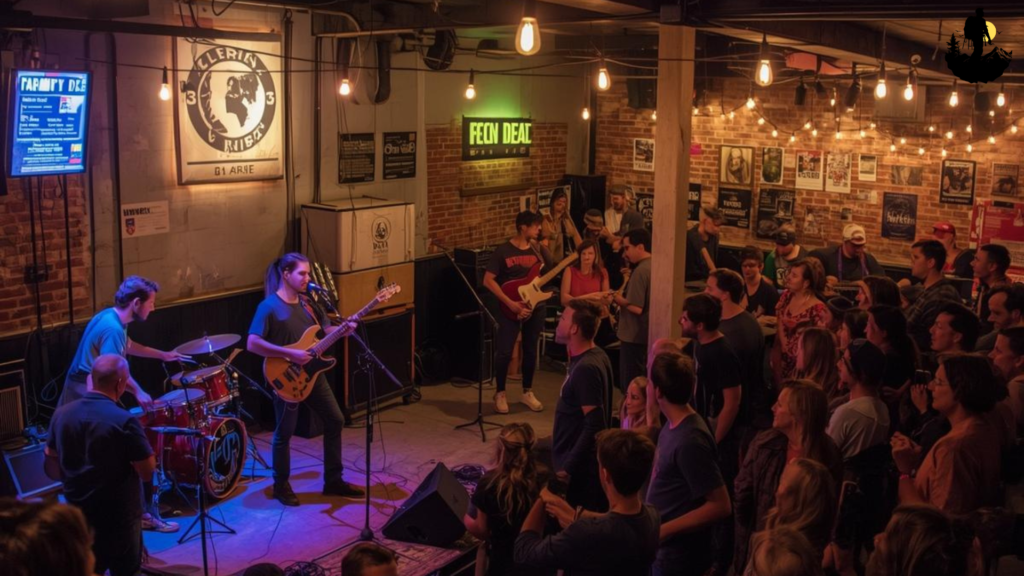
Best Small Cities for First-Time Underground Music Fans
Eugene, Oregon
The easy-going vibe and steady show schedule make it a great introduction. Many venues sit within walking distance of each other.
Knoxville, Tennessee
This city delivers a friendly crowd and accessible venues where new listeners feel welcome.
Asheville, North Carolina
A wide mix of genres helps newcomers explore without committing to one style.
Boise, Idaho
The relaxed atmosphere and creative energy make it beginner-friendly.
Hidden Underground Hubs for Adventurous Music Fans
Flagstaff, Arizona
The blend of high elevation air, cool nights, and a tight-knit community gives the scene a distinct personality.
Springfield, Missouri
Its punk-heavy lineup and loud rooms offer a bold introduction for listeners who want raw sound.
Lafayette, Louisiana
The cultural mix creates unique fusions you won’t hear anywhere else.
Savannah Side-Streets, Georgia
The blend of art, history, and underground sets keeps things interesting.
Missoula, Montana
The creative mountain environment attracts experimental and genre-bending artists.
What Makes These Underground Music Scenes Thrive
Community support keeps everything moving. Musicians help each other find gigs, borrow gear, or set up shows. Fans spread the word and bring friends. Venues open their doors to new performers even when they have no recordings yet.
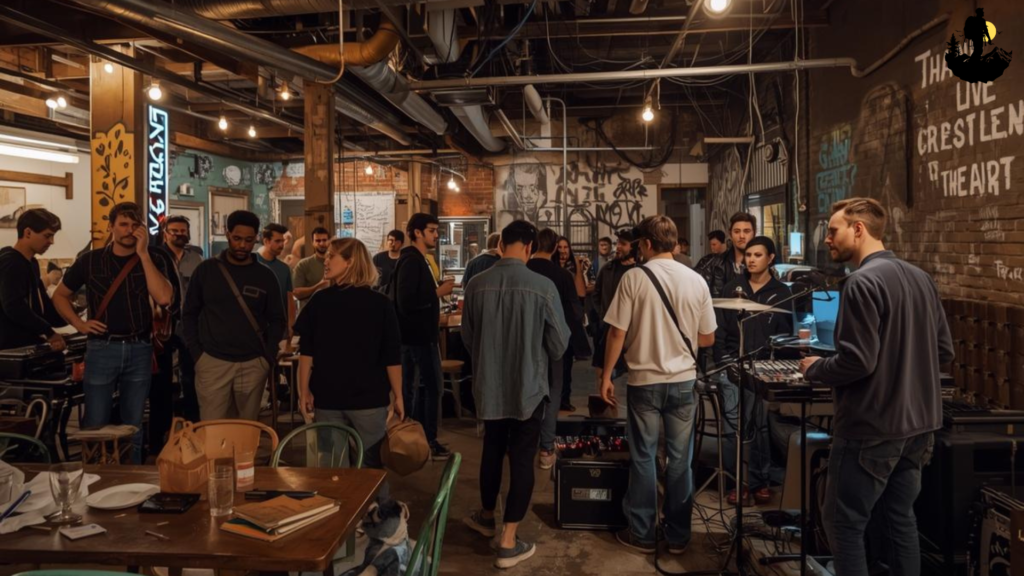
Space plays a role, too. Old warehouses, abandoned storefronts, and converted garages become venues when volunteers clean them up and add basic equipment. These places may look rough around the edges, yet the atmosphere feels honest.
Collaboration fuels creativity. Artists from different genres experiment together, creating sounds that break traditional rules. These towns encourage risk-taking without pressure to fit a mold.
Affordability matters. Small cities allow artists to live, rehearse, and perform without breaking their budget. Cheap rent and supportive neighbors help music scenes grow.
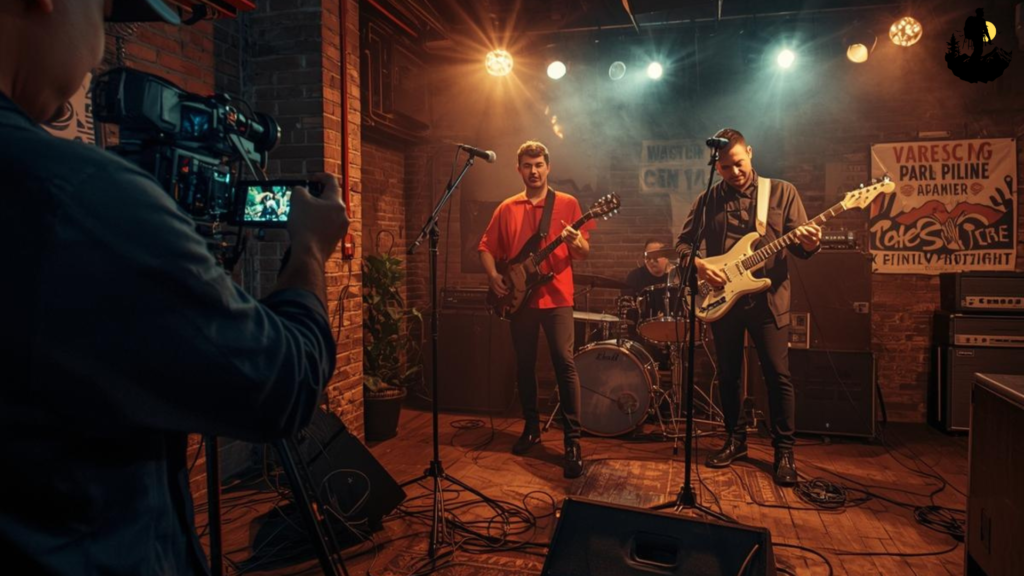
Photography Tips for Underground Music Shows
Low light defines most underground spaces, so steady hands and simple adjustments make a big difference. Softer lighting creates dramatic shadows and warm colors that bring character to your shots.
Standing off to the side sometimes gives you the best angle. Many performers move a lot, and capturing their expression or motion feels easier when you give them space.
Close-up shots highlight the emotion in small venues. Sweating musicians, worn guitars, and glowing amps look powerful in tight frames.
Wide shots show the energy of the room. Crowds often pack tightly, and capturing their movement helps share the atmosphere.
Packing Tips for Underground Music Adventures
Comfortable shoes help with long nights of standing, especially in tight rooms. A slim wallet or small bag works best in crowded spaces. Earplugs save your hearing during louder sets, especially in venues with low ceilings.
A portable charger keeps your phone ready for directions or event updates. Light clothing helps in warm rooms where sound equipment produces extra heat.
Cash often works better than cards. DIY venues sometimes lack card readers, and small purchases help support artists directly.
A Last Note Before You Step Into the Crowd
Small-city underground scenes bring raw talent, genuine energy, and creative honesty. These places give artists room to grow, experiment, and express themselves without judgment. Anyone exploring underground music usa cities can find secret shows, late-night performances, and spontaneous sets that feel personal. These communities thrive on connection, passion, and shared love for music. Every show becomes a small memory you carry with you long after the final chord fades.