
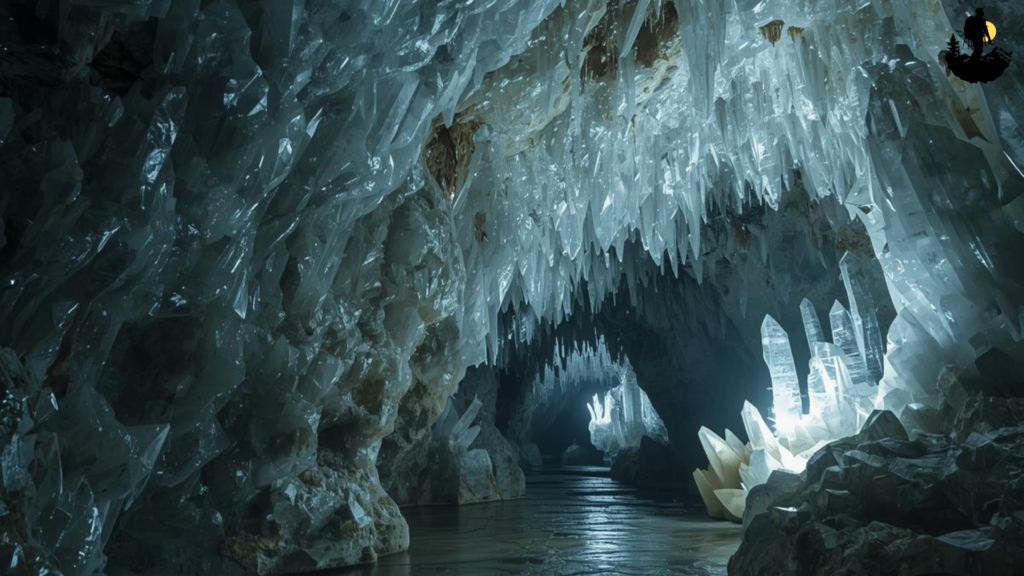
Crystal caves hold a special kind of mystery. Light bounces off mineral walls, hidden chambers stretch into the dark, and rare formations shine in ways that don’t feel real at first glance. Anyone searching for crystal caves in usa hidden locations can explore underground worlds filled with towering columns, shimmering quartz clusters, and crystal-lined corridors created over thousands of years. These caves sit beneath quiet forests, rugged mountains, and small towns that rarely show the secrets resting under their feet.
This blog highlights little-talked-about crystal caves, small-town finds, ways to visit safely, and tips for making the most of your time underground.
Crystal Caves Most Travelers Don’t Hear About
Moaning Caverns Crystal Chambers, California
A long spiral staircase leads into a huge chamber lined with minerals and reflective stone. The deeper levels hide narrow passages and smaller crystal pockets that many visitors miss.
Caverns of Sonora Crystal Rooms, Texas
This cave system holds some of the most unique formations in the country. Delicate helicities twist in every direction, and the crystal displays look like natural sculptures.
Marengo Cave Crystal Section, Indiana
Guided tours lead into smooth mineral rooms and clear calcite formations that glow softly under the cave lights.
Wind Cave’s Frostwork Rooms, South Dakota
Thin, needle-like crystals form fragile clusters along the walls. The formations look like white frost but hold up under steady temperatures.
Ape Cave Lava Tubes, Washington
This cave draws hikers for its volcanic tunnels, and deeper pockets hide small glittering mineral growths that only show with the right lighting.
Small Town Crystal Caves Worth Exploring
Blanchard Springs Caverns, Arkansas
A quiet forest hides a large cave system filled with pure white flowstone, crystal drips, and reflective pools. Rangers maintain the caverns well, which keeps the formations clean and bright.
Raccoon Mountain Caverns, Tennessee
This small town cave offers both easy walking tours and wild cave treks. Crystal pockets line the walls in deeper sections that few people reach.
Lewis and Clark Caverns Crystal Rooms, Montana
This system stretches across several large chambers decorated with polished crystals, columns, and mineral curtains.
Lockport Cave, New York
A guided boat ride takes you into a man-made tunnel that eventually connects to natural crystal-lined cuts in the bedrock.
Crystal City Cave, Wisconsin
This cave sits below farmland and holds layers of quartz, calcite, and reflective white formations that shine under simple flashlights.
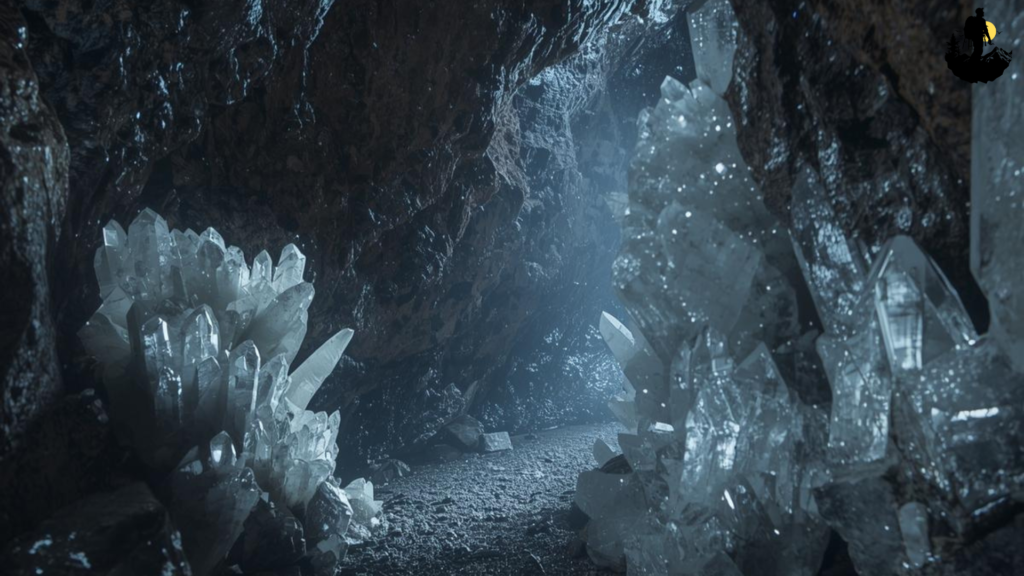
Hidden Crystal Cave Routes and What Makes Them Special
Jewel Cave’s Crystal Crawlways, South Dakota
The deeper you explore, the more crystal-lined pockets appear. Some walls sparkle like stars when your headlamp hits them.
Cosmic Cavern, Arkansas
Warm lakes and glassy mineral layers sit deep underground. Visitors love the clear reflection of crystals on the still water.
Crystal Ice Cave, Idaho
Winter temperatures freeze moisture into layers that sit over natural crystal patterns. The blend of ice and minerals creates a rare look.
Lava River Cave Side Pockets, Oregon
Small chambers off the main tunnel contain quartz-like mineral growths created during cooling periods.
Mystic Caverns, Arkansas
This system holds bright white formations, reflective pools, and mineral clusters shaped like folded fabric.
How To Check Access and Conditions for Crystal Caves
Cave access changes throughout the year. Bat populations, seasonal flooding, and conservation work can shift the schedule. Park websites usually post updates on tour times, closures, and safety rules.
Many caves require reservations, especially during the summer. A quick check saves you from long waits or full tours.
Some caves close during winter to protect bat colonies. Others stay open year-round but reduce the number of tours to keep the formations safe.
Flashlights and personal gear may not be allowed in certain areas because bright beams can harm delicate mineral growth or disrupt wildlife. Rangers provide approved lights when needed.
Safety Tips for Exploring Crystal Caves
Good shoes with traction help with the slick, damp floors. A light jacket keeps you warm since temperatures stay steady underground. Water stays cool even in summer, so bringing a small bottle makes sense for longer tours.
Caves often have low ceilings and uneven ground. Slow steps prevent bumps and slips. Touching formations is never allowed because skin oils damage the crystal surface.
Guides often explain how the cave formed and why certain areas remain off-limits. Listening closely helps protect both you and the cave.
Let someone know your tour location if you choose a wild cave experience. Trained guides run these trips, yet extra caution always helps.
Crystal Cave Comparison Table
| Cave Name | State | Difficulty | Special Feature |
| Moaning Caverns | California | Easy | Large crystal chambers |
| Caverns of Sonora | Texas | Easy | Unique helictite formations |
| Blanchard Springs Caverns | Arkansas | Easy | Pure white crystal flowstone |
| Jewel Cave | South Dakota | Moderate | Sparkling crystal crawlways |
| Cosmic Cavern | Arkansas | Easy | Warm underground lakes |
| Raccoon Mountain Caverns | Tennessee | Mixed | Crystal pockets in wild sections |
| Crystal City Cave | Wisconsin | Easy | Natural quartz and calcite layers |
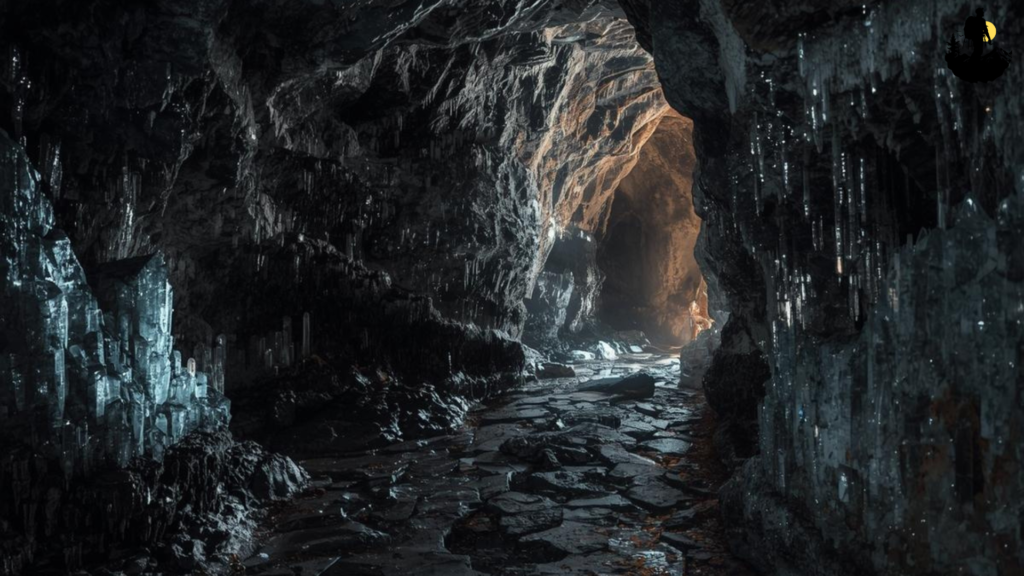
Best Caves for First-Time Crystal Explorers
Blanchard Springs Caverns, Arkansas
The walking tour stays simple and shows off bright formations.
Caverns of Sonora, Texas
Soft lighting brings out the detail in every room. The path stays comfortable for most visitors.
Moaning Caverns, California
The giant chamber feels impressive without needing advanced skills.
Crystal City Cave, Wisconsin
Short routes and well-lit areas make it great for families.
Advanced Cave Areas for Real Explorers
Jewel Cave’s Wild Tour Sections
Crawls and narrow passages lead into crystal-lined pockets rarely seen by casual visitors.
Raccoon Mountain’s Deep Routes
Long underground paths show raw, untouched mineral growth.
Crystal Ice Cave, Idaho
Winter visits feel otherworldly thanks to the blend of ice and crystal.
Mystic Caverns Wild Passages, Arkansas
The deepest sections offer bright white formations that look almost sculpted.
Photography Tips for Crystal Caves
Soft light shows crystal details better than a harsh flashlight. Many caves ban flash photography, so steady hands and slow shutter speeds help.
Angles matter more than equipment. A slight tilt toward a reflective surface can make crystals glow. Water pools create a mirrored effect for creative shots.
Good cave photos come from patience. Waiting for tour groups to move gives you time to capture quieter scenes.
Packing Essentials for Underground Trips
A small backpack holds everything you need. Water, snacks, a jacket, and a simple headlamp cover most situations. Some tours provide lights, yet bringing a personal one helps if the cave allows it.
Sturdy footwear beats soft sneakers on damp stone floors. A compact notebook works well if you like recording what you see. Extra batteries keep your light steady.
A lightweight pair of gloves helps for wild cave tours where the surfaces get rough. A small first aid kit fits easily and adds reassurance.
A Last Note Before You Go Underground
Crystal caves bring a kind of quiet that feels different from any other landscape. Underground rooms sparkle in steady light, and the stillness makes you slow down and appreciate every detail. Anyone looking for crystal caves in the USA can explore places shaped over thousands of years, where minerals grow in complete darkness and water carves patterns that seem almost deliberate. These caves remind you how much beauty rests under the surface of familiar places. Your trip becomes more than a visit. It becomes a memory you carry long after you return to daylight.


Pingback: Hidden Natural Swimming Holes in the South - Adventure Hidden