
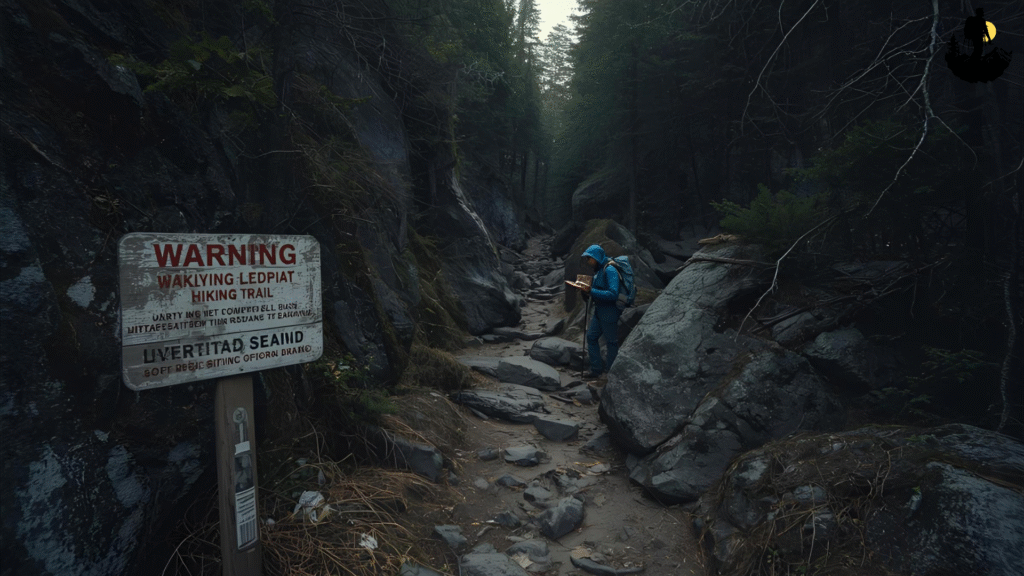
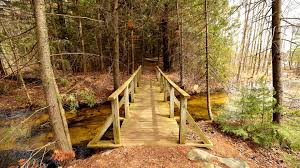
Hidden trails in the U.S. promise solitude, scenery and a sense of discovery. But the very qualities that make them special, less traffic, fewer facilities, and more remote access, also raise risks. Making travel mistakes in hidden trails USA can turn an adventure into a problem. Mistakes like under‑planning access, ignoring changing terrain or misjudging support can escalate quickly when you’re far from help. The good news: many issues are avoidable with forethought. Keep reading to get ahead of common pitfalls and step onto those lesser‑known trails with both excitement and preparedness.
Common Mistake: Under‑estimating Access & Logistics
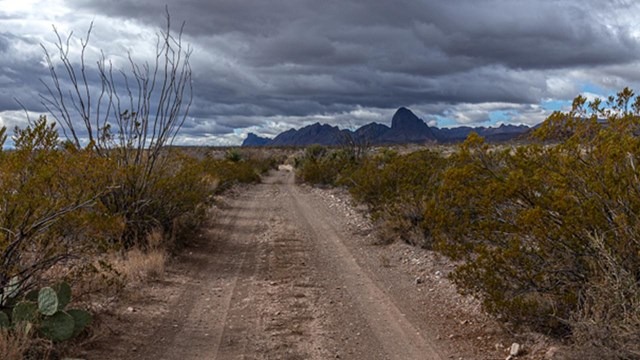
Many hikers set off onto lesser‑known routes, thinking, “It’s just a short walk from the car.” Then they get to a gate, a rough road, a locked lot or a trailhead where signage is missing. That’s one of the major travel mistakes hidden trails USA travellers make: assuming access is easy.
Key aspects to check:
- Road condition: Is your vehicle suited for a gravel or logging‑road drive?
- Parking: Is there registered parking or is it an informal pull‑off?
- Trailhead signage/trail map: Hidden trails may lack maps or markers.
- Return logistics: If you hike in a loop or remote area, is there cell service or an exit plan?
If you don’t plan the access wisely, your nice trail can turn into a rough scramble before you even begin.
Mistake: Skipping Weather and Seasonal Reality
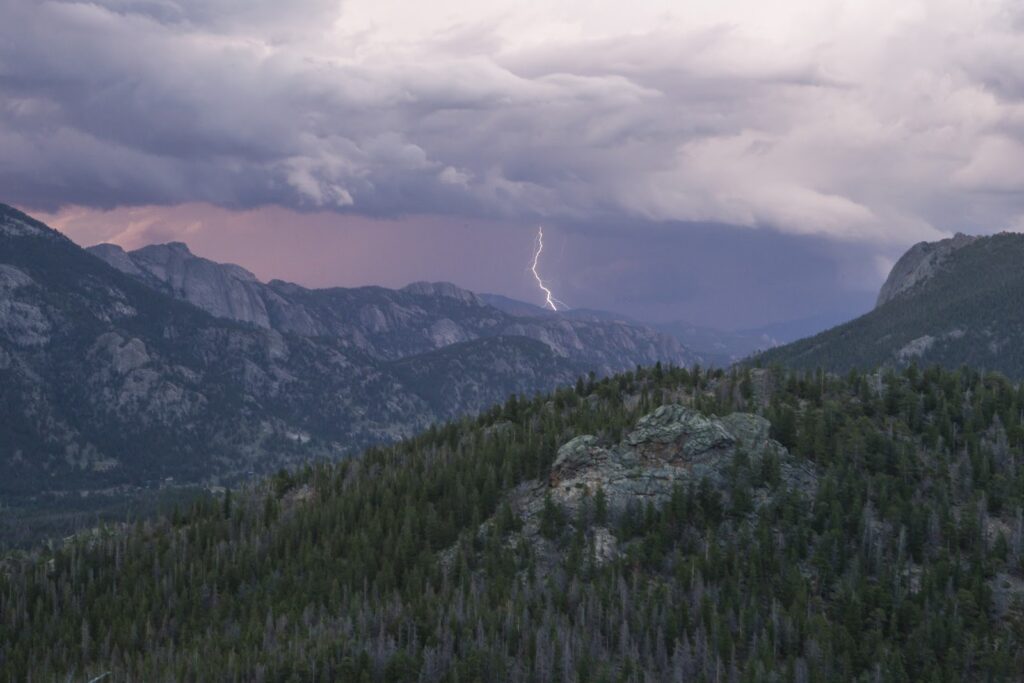
Even lesser‑known trails fall under the same weather hazards as big parks. Ignoring this is another big travel mistake hidden trails USA trap. Examples:
- Trail zones that flood or get muddy after rain.
- Sudden storms in mountain passes or exposed ridges.
- Seasonal closures or inaccessible segments in the off‑season.
Agencies like the National Park Service advise to “check the forecast for your route and pick trails appropriate to the conditions.”
If you’re hitting a trail without checking the forecast or knowing what the season brings, you risk getting caught in tricky terrain or worse.
Mistake: Choosing a Trail Out of Your Experience Level
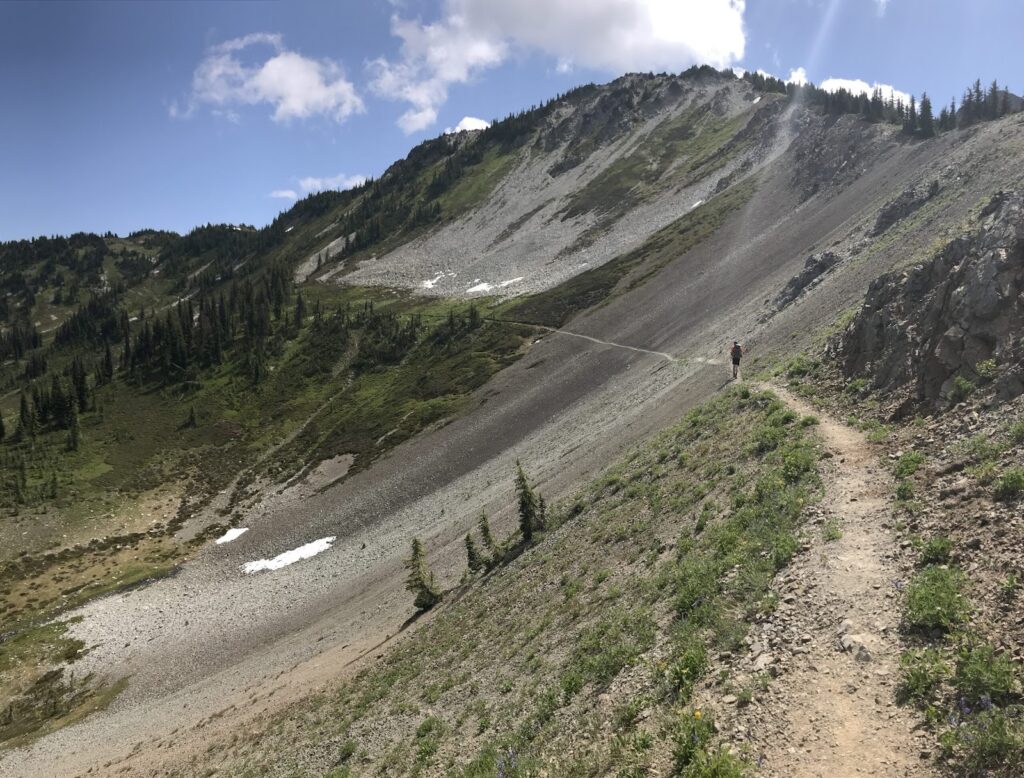
Just because a trail is hidden doesn’t mean it’s easy. Many hidden trails are more remote because they’re more challenging. One of the most frequent travel mistakes hidden trails USA involves taking on terrain beyond your comfort zone.
Red flags:
- Steep elevation gain without intermediate rest spots.
- Trail not well marked, with branching paths or confusing junctions.
- Limited cell service or aid points in case you need to exit.
Resources from hiking‑safety guides call this “planning a hike that’s too ambitious.”
Play to your skill level and plan accordingly. A hidden trail can be worth the effort, but it shouldn’t be a surprise test.
Mistake: Under‑packing or Inappropriate Gear

Lacking the right gear is a hallmark of travel mistakes hidden trails USA. On well‑known trails, you might rely on marked water stations, frequent visitors, and easy exits. Hidden ones offer less support. Consider gear and packing issues like:
- Not enough water or bringing heavy gear without trims.
- Footwear not suited for uneven, remote terrain.
- Missing navigation tools or emergency communication.
Multiple hiking guides emphasize that neglecting packing “essential gear” is a root mistake.
Prepare with intention, assuming “just a short walk” mentality can backfire.
Mistake: Ignoring Navigation and Trail Marking Issues
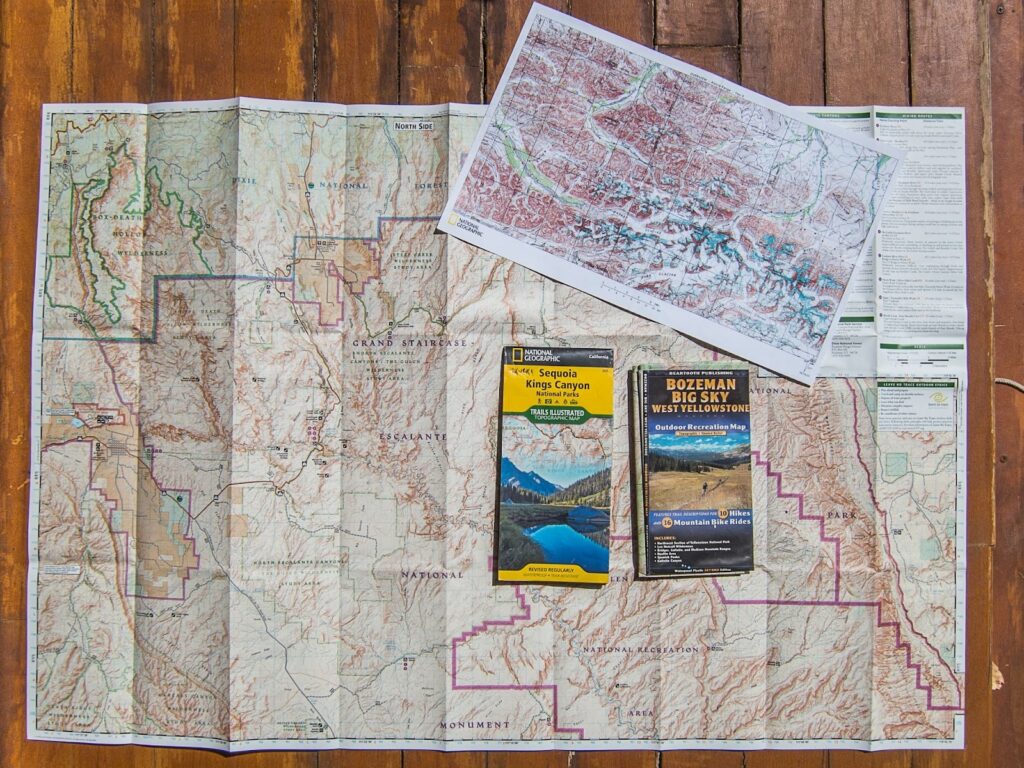
Signage may be limited, with hidden trails. Straying off‐path can expose you to hazards. One of the major travel mistakes hidden trails USA: assuming the path will always be obvious.
Get ahead by:
- Carrying a map, GPS / downloaded trail app especially where cell service is unreliable.
- Checking recent trail condition reports or local forums.
- Planning for exit routes and alternate trails if you stray or conditions deteriorate.
Agencies like the National Park Service encourage leaving a trip plan and ensuring you pick the right trail. Being lost or off‐trail on a less‐frequented route adds significant risk.
Mistake: Disregarding Wildlife, Environment & Leave‑No‑Trace
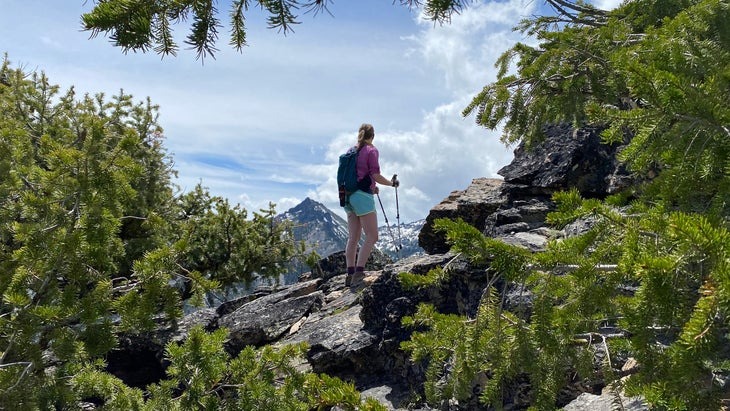
Remote trails often pass through sensitive environments and wildlife zones. Overlooking this leads to more than just personal mistakes; it can impact the trail itself. Among travel mistakes, hidden trails USA are:
- Straying off the designated trail and causing erosion or habitat damage.
- Failing to secure food against wildlife (bears, raccoons).
- Leaving waste or neglecting local regulations for human impact.
Backcountry safety advice reminds hikers to assume help is far and to respect the environment. A trail far from crowds isn’t a free-for-all demands more stewardship.
Mistake: Not Leaving a Trip Plan or Informing Others

Many hidden trails offer minimal cell coverage, fewer visitors, and a slower rescue response. A grave travel mistake, hidden trails USA involves not telling anyone where you’re going and when you’ll return.
Best practices:
- Record your planned route, trail name, expected return time, and emergency contact.
- Share with someone reliable who is not on your trip.
- Carry a whistle, personal locator beacon or satellite messenger if you’ll be especially remote.
Safety agencies list this under “assume getting help won’t be easy.” Stay prepared.
Mistake: Overestimating Your Turn‑Back Resilience
Hiking hidden trails often means fewer people and fewer clear exit windows. One important travel mistakes hidden trails USA: assuming you’ll feel strong all the way and ignoring the possibility of needing to turn back.
Key considerations:
- Daylight: Ensure you finish before dusk or bring lights.
- Fatigue: Be realistic about the effort needed and your physical reserve.
- Weather shift: If storm clouds gather, be ready to abandon views and head back.
Arriving late or fatigued on a remote trail drastically increases challenge and risk.
Mistake: Failing to Adjust Expectations and Respect the Experience
A hidden trail often means fewer facilities, fewer visitors and less infrastructure. One final category of travel mistakes hidden trails USA involves going in expecting amenities akin to popular parks restrooms, signage, cabins, snack stops, and feeling disappointed or stressed when none are there. Adjust your mindset:
- Accept that the journey is the reward, not a visitor‑centre experience.
- Embrace solitude, the challenge and the minimal footprint.
- Recognize that fewer amenities can mean a richer connection with nature.
When you adjust expectations, the trail becomes a meaningful escape rather than a let‑down.
Gear Up & Go Smart
Your next venture into remote or lesser‑known U.S. trails can be deeply satisfying, if approached with care. Avoiding travel mistakes hidden trails USA involves preparation, humility, good gear and respect for the land. Check access, plan for weather and exit, pack right, stay on track, inform someone, turn back when needed, and adjust your expectations. The reward? A genuine wilderness experience that few have, and often fewer carry out mistakes from. Stride ahead with confidence. The hidden trail is ready.

Pingback: Untouched Forest Sanctuaries in the Northeast - Adventure Hidden