Small-Town America: Traditions, Food & Festivals
Small-Town America tells stories that big cities often rush past. Beyond the highways and skylines, you’ll find communities where front-porch conversations still matter, homemade recipes are passed through generations, and local celebrations bring entire towns together. From quiet mountain villages to historic farming communities, these places hold traditions that reflect the heart of small town America culture.
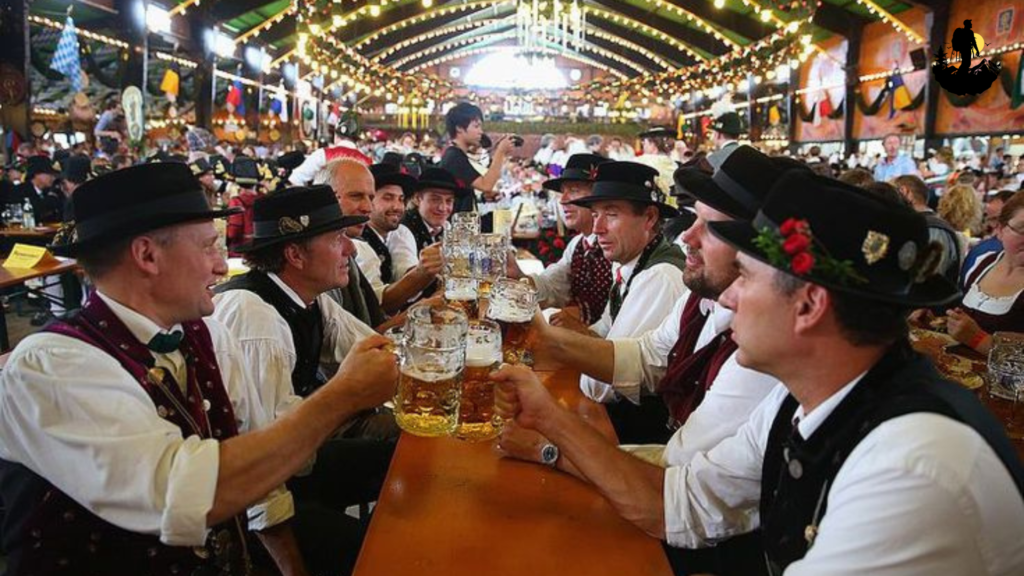
Travelers who explore small towns discover slower mornings, friendly faces, and experiences that feel genuine rather than staged. Whether it’s a county fair glowing with lights, a family-run diner serving classic comfort food, or a historic parade marching down a brick-lined street, small towns offer a sense of belonging that’s hard to replicate elsewhere.
This guide explores the magic of small-town America through its traditions, its unforgettable food, and its lively festivals – showing why these destinations continue to capture the imagination of travelers seeking authenticity, warmth, and meaningful cultural moments.
Why Choose Small-Town America
Choosing small-town destinations gives travelers a deeper connection to local life. Unlike crowded tourist hubs, these communities focus on heritage, storytelling, and shared experiences. Visitors often find themselves welcomed into traditions that have lasted decades – sometimes centuries – from seasonal markets to community dances. Small towns also allow you to slow down and appreciate details like historic architecture, handmade crafts, and locally sourced meals.
Another reason to explore these destinations is affordability. Many small towns offer budget-friendly stays, free public events, and nature-based experiences that don’t require expensive tickets. More importantly, they create opportunities to meet locals, learn regional history, and witness cultural traditions that remain untouched by mass tourism. If you’re looking for authentic American culture rather than commercial attractions, small towns deliver moments that feel personal and unforgettable.
Discover the Magic of Small-Town Traditions, Foods & Festivals
Galena, Illinois
About
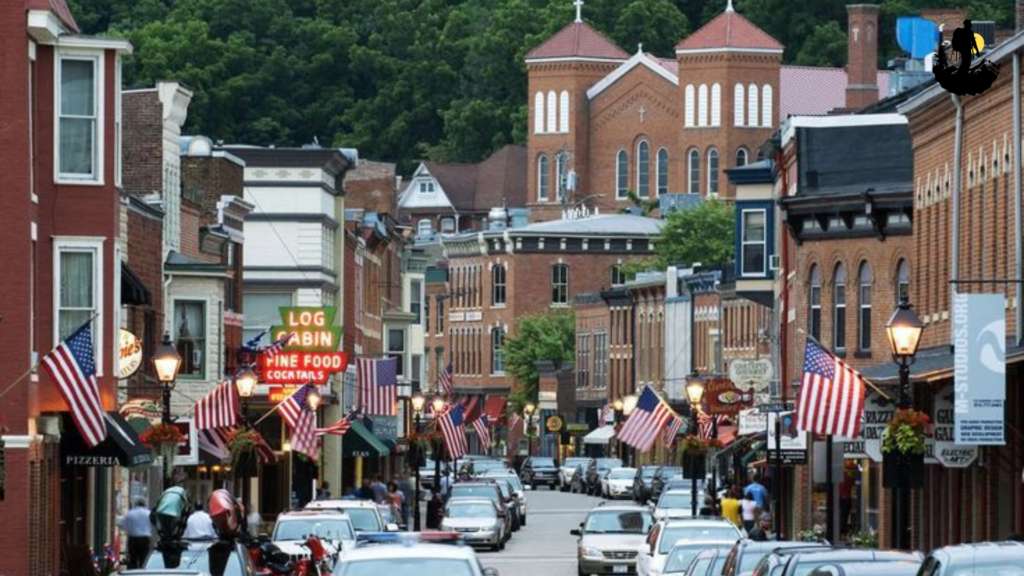
Galena feels like a preserved chapter of 19th-century America, where brick buildings line rolling hills and historic storefronts glow warmly at sunset. Once a booming mining town, it has transformed into one of the Midwest’s most charming small-town destinations, known for its welcoming atmosphere, preserved architecture, and strong community traditions. Walking along Main Street, visitors notice antique shops, locally owned cafés, and art galleries that reflect both history and creativity. The town’s slower pace encourages travelers to explore on foot, listen to local stories, and appreciate how deeply residents value their heritage. Galena’s charm comes from its ability to balance history with modern small-town life, making it ideal for travelers seeking culture without crowds.
Why This Place Is Special
What makes Galena unique is its dedication to preserving tradition while embracing local craftsmanship. Seasonal events like holiday strolls, farmers’ markets, and heritage celebrations bring residents together and invite visitors into the town’s rhythm. The historic homes scattered across the hills create a postcard-perfect setting, and the sense of community is visible everywhere – from friendly shop owners to local musicians performing on small stages. Galena also blends Midwestern hospitality with creative energy, giving travelers a chance to experience authentic traditions alongside contemporary art and food scenes.
Best Photography Spots
- Historic Main Street with colorful storefronts and vintage signs
- Grant Park for elevated views of the town’s rooftops and countryside
- The Galena Riverwalk for peaceful reflections and sunset shots
- Historic stairways connecting neighborhoods across the hills
- Seasonal markets filled with handmade crafts and decorations
Weather & Best Season
Galena changes beautifully throughout the year. Spring brings blooming flowers and outdoor markets, while summer offers lively festivals and warm evenings perfect for strolling. Autumn is especially popular thanks to vibrant foliage that transforms the surrounding hills into shades of gold and red. Winter turns the town into a cozy holiday destination with festive lights and snow-covered rooftops that feel straight out of a classic American postcard.
Budget
Galena can be explored on a moderate budget. Walking tours of historic streets are free, and many seasonal events cost little or nothing to attend. Travelers mainly spend on dining, local crafts, or boutique stays, but budget motels and nearby cabins provide affordable alternatives for longer visits.
Best Food Nearby
Local diners serve hearty Midwestern breakfasts, while bakeries offer fresh pastries and pies that reflect regional traditions. Farm-to-table restaurants highlight seasonal ingredients, and small cafés provide homemade soups, sandwiches, and desserts that make visitors feel like regulars.
Best Places to Stay
- Historic bed-and-breakfasts inside restored 1800s homes
- Boutique inns near Main Street for easy access to shops and festivals
- Budget-friendly motels just outside town
- Cozy countryside cabins for a quieter retreat
Leavenworth, Washington
About
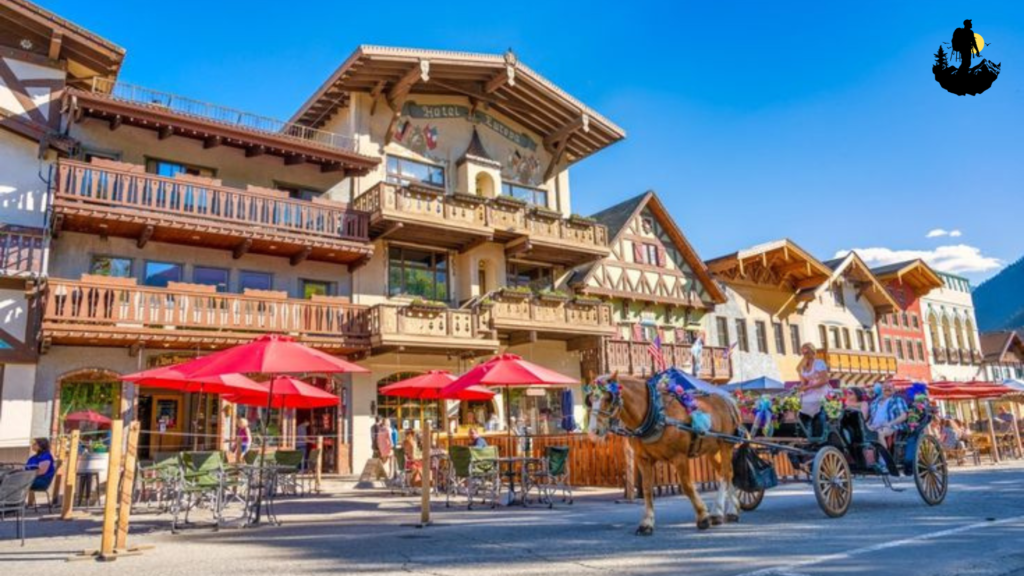
Nestled in the Cascade Mountains, Leavenworth is a small town that feels like a European alpine village blended with Pacific Northwest charm. Originally a logging community, it reinvented itself decades ago with Bavarian-inspired architecture, creating a destination known for lively traditions, seasonal festivals, and scenic surroundings. Colorful buildings, flower-filled balconies, and mountain views create a setting that feels both festive and peaceful. Beyond its unique appearance, Leavenworth thrives on community spirit, hosting events that celebrate music, food, and cultural heritage throughout the year.
Why This Place Is Special
Leavenworth stands out because it transforms every season into a celebration. Oktoberfest, winter holiday lighting ceremonies, and spring music festivals draw visitors from across the country, yet the town never loses its small-town warmth. Street performers, local artisans, and family-run shops add personality to every corner. Despite its popularity, mornings remain quiet enough for travelers to enjoy coffee while watching the mountains glow in soft light. The combination of natural beauty and cultural traditions makes Leavenworth a place where visitors can experience both relaxation and vibrant community energy.
Best Photography Spots
- Front Street Park with alpine-style buildings and mountain backdrops
- Icicle Creek for nature shots and peaceful scenery
- Seasonal festival decorations across downtown streets
- The Waterfront Park trails along the Wenatchee River
- Snow-covered rooftops during winter celebrations
Weather & Best Season
Each season offers a different experience. Summer brings outdoor concerts and warm hiking weather, while autumn highlights golden forests and harvest events. Winter is magical, with snow transforming the town into a glowing holiday village. Spring offers fewer crowds and blooming flowers that add fresh color to the alpine setting.
Budget
Leavenworth can be enjoyed on various budgets. Many festivals are free to explore, and outdoor activities like walking trails or riverfront picnics cost nothing. Dining and boutique stays can be pricier during peak seasons, but visiting midweek or in spring helps keep expenses lower.
Best Food Nearby
Traditional German-inspired eateries serve sausages, pretzels, and hearty comfort meals, while local bakeries offer pastries and sweet treats. Coffee shops and breweries provide cozy spaces to relax after exploring festivals or nearby trails.
Best Places to Stay
- Charming alpine lodges in the heart of town
- Family-friendly hotels near festival areas
- Cabins tucked into forested hills for a quiet mountain stay
- Budget motels along the highway for road-trip travelers
Fredericksburg, Texas
About
Fredericksburg blends Texas Hill Country landscapes with strong German heritage, creating a small-town destination known for food traditions, lively festivals, and welcoming hospitality. Surrounded by vineyards and rolling fields, the town feels relaxed yet full of character. Historic limestone buildings line the main street, while local markets and craft shops highlight the creativity of the region. Fredericksburg’s identity is rooted in its cultural history, which influences everything from architecture to cuisine and community events.
Why This Place Is Special
The magic of Fredericksburg lies in its ability to combine Southern warmth with European-inspired traditions. Seasonal festivals celebrate everything from peaches and wine to music and heritage, bringing locals and visitors together in a festive atmosphere. Live music often fills outdoor patios, and sunset views across the hills add a peaceful touch to the experience. Unlike larger Texas cities, Fredericksburg maintains a slower pace, allowing travelers to truly connect with the culture, food, and natural beauty that define the town.
Best Photography Spots
- Marktplatz square with historic structures and seasonal decorations
- Wildflower fields in spring, especially during bluebonnet season
- Vineyards and wineries scattered across the countryside
- Rustic barns and farmhouses reflecting Hill Country charm
- Sunset views from scenic drives outside town
Weather & Best Season
Spring is one of the most beautiful times to visit, thanks to blooming wildflowers and comfortable temperatures. Summer features lively markets and outdoor music, while fall brings wine harvest celebrations and pleasant evenings. Winter is quieter but offers cozy holiday markets and festive lights that create a warm, small-town atmosphere.
Budget
Fredericksburg offers options for different budgets. Walking through historic streets and visiting public markets is free, while wine tastings and specialty dining can be tailored to your spending level. Budget travelers can stay in nearby towns or choose simple motels while still enjoying the main attractions.
Best Food Nearby
Local restaurants highlight Texas barbecue, German sausages, homemade pies, and fresh peach desserts during harvest season. Food trucks and bakeries add variety, offering both traditional comfort meals and creative modern flavors.
Best Places to Stay
- Rustic bed-and-breakfasts in historic homes
- Hill Country cabins surrounded by nature
- Boutique inns near the main street for easy access to festivals
- RV parks and campgrounds for travelers exploring Texas by road
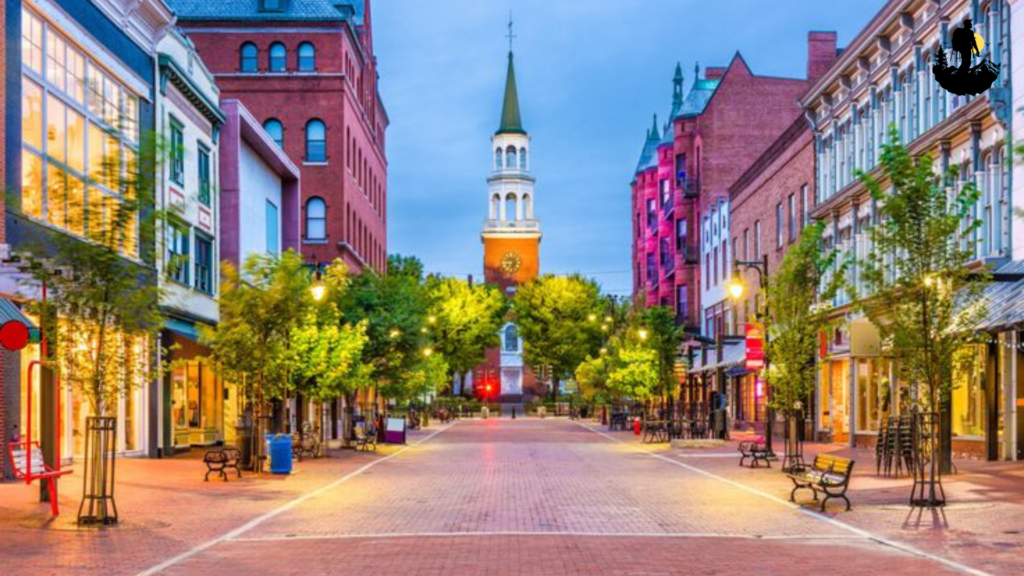
Stowe, Vermont
About
Stowe is a classic New England small town where traditions feel woven into everyday life. Surrounded by mountains and forests, the town blends historic charm with outdoor beauty, creating a peaceful destination that changes with every season. White church steeples rise above tree-lined roads, covered bridges cross gentle streams, and small shops offer handmade goods that reflect Vermont’s creative spirit. While Stowe is known for skiing in winter, its deeper appeal lies in its strong sense of community, farm-to-table culture, and year-round festivals that celebrate local heritage. Walking through town feels calm and welcoming, making it easy for visitors to slow down and experience authentic small-town living.
Why This Place Is Special
What makes Stowe stand out is how seamlessly nature, tradition, and food come together. Local farmers’ markets showcase fresh produce and homemade products, while seasonal events bring neighbors and travelers into shared celebrations. The town feels genuine rather than commercialized, with locally owned businesses and a culture that values sustainability and craftsmanship. Whether it’s a fall foliage drive or a winter festival filled with lights, Stowe offers experiences that feel personal and timeless.
Best Photography Spots
- Stowe Community Church with its iconic white steeple
- Covered bridges along Mountain Road
- The Stowe Recreation Path for scenic countryside views
- Local farms and maple syrup stands in autumn
- Snow-covered village streets during winter evenings
Weather & Best Season
Autumn is particularly magical in Stowe, as the surrounding mountains turn brilliant shades of orange and red. Winter brings snowy landscapes perfect for cozy small-town moments, while spring offers blooming countryside and quieter streets. Summer features outdoor markets, hiking trails, and warm evenings ideal for exploring local traditions.
Budget
While Stowe has luxury options, budget travelers can still enjoy free scenic drives, farmers’ markets, and community events. Visiting during shoulder seasons like late spring or early fall often means lower accommodation costs and fewer crowds.
Best Food Nearby
Farm-to-table restaurants highlight Vermont cheeses, maple-inspired dishes, and homemade baked goods. Small cafés serve hearty breakfasts, while local bakeries offer pastries perfect for a morning stroll through town.
Best Places to Stay
- Charming inns and historic lodges
- Cozy cabins tucked into forested hills
- Family-run bed-and-breakfasts near the village center
- Budget motels along nearby scenic routes
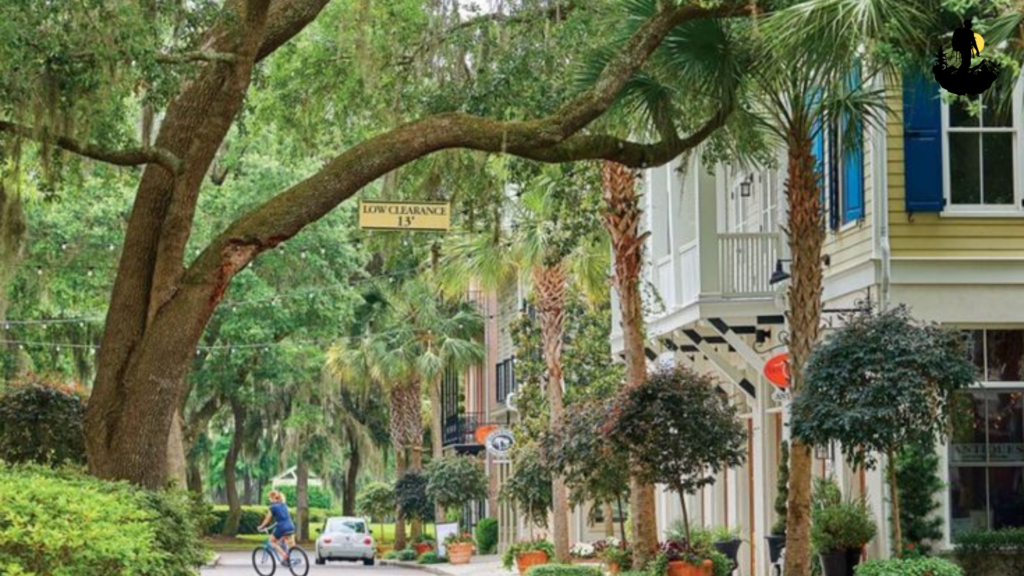
Beaufort, South Carolina
About
Beaufort sits along the coastal waterways of South Carolina, offering a blend of Southern charm, historic architecture, and relaxed seaside living. Spanish moss drapes over old oak trees, pastel homes line quiet streets, and waterfront views create a peaceful atmosphere that invites visitors to slow down. The town’s deep history and strong cultural traditions are visible in its preserved homes, local art scene, and vibrant community gatherings. Beaufort feels warm and welcoming, where storytelling and hospitality remain central to everyday life.
Why This Place Is Special
Beaufort’s magic comes from its balance of coastal beauty and Southern traditions. Community festivals, seafood celebrations, and historic walking tours bring people together, while local artisans and musicians add creativity to the town’s identity. Unlike busy beach cities, Beaufort offers a calm environment where visitors can connect with local culture through food, music, and heritage events. The blend of waterfront scenery and historic charm makes it unforgettable.
Best Photography Spots
- Waterfront Park with swings overlooking the river
- Historic homes along Bay Street
- Spanish moss–covered oak trees framing quiet roads
- Local marinas filled with colorful boats
- Sunset views over the marshlands
Weather & Best Season
Spring and fall are ideal times to visit, offering comfortable temperatures and vibrant community festivals. Summers can be warm but lively with outdoor events and seafood gatherings, while winters remain mild, making Beaufort a peaceful escape compared to colder northern towns.
Budget
Exploring Beaufort can be budget-friendly. Walking tours through historic districts are often free, and many festivals have low entry costs. Travelers mainly spend on seafood dining, local crafts, or waterfront accommodations.
Best Food Nearby
Fresh seafood is the highlight here, from shrimp and grits to crab cakes and Lowcountry boils. Family-run restaurants and waterfront cafés serve dishes inspired by coastal traditions, often using ingredients caught the same day.
Best Places to Stay
- Historic inns inside restored Southern homes
- Waterfront bed-and-breakfasts with scenic views
- Budget-friendly motels near downtown
- Small cottages perfect for longer coastal stays
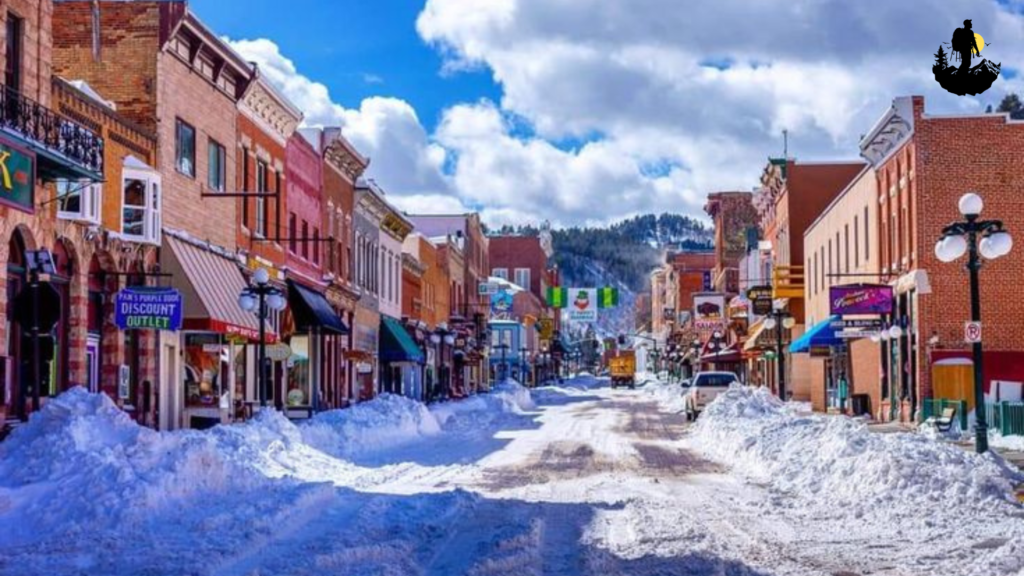
Deadwood, South Dakota
About
Deadwood is a historic frontier town nestled in the Black Hills, known for its Wild West heritage and lively small-town atmosphere. Wooden boardwalks, historic saloons, and preserved buildings create a setting that feels like stepping into an old western story. Despite its past as a gold rush town, Deadwood today is more about celebrating history through festivals, storytelling, and community traditions. Visitors can explore museums, scenic mountain surroundings, and local events that bring the town’s colorful past to life.
Why This Place Is Special
Deadwood stands out because it blends rugged history with modern-day celebrations. Reenactments, historic parades, and seasonal festivals give visitors a chance to experience the spirit of the frontier era. The town’s location in the Black Hills also adds natural beauty, creating a mix of cultural exploration and outdoor adventure. Unlike larger tourist cities, Deadwood keeps its small-town personality, where locals proudly share stories of the past.
Best Photography Spots
- Historic Main Street with vintage western-style buildings
- Mount Moriah Cemetery overlooking the town
- Wooden boardwalks and classic saloon fronts
- Scenic overlooks in the surrounding Black Hills
- Festival parades filled with period costumes
Weather & Best Season
Summer is the busiest time, with festivals and outdoor events filling the streets. Autumn offers cooler temperatures and colorful landscapes, making it perfect for photography. Winter transforms Deadwood into a quieter destination with snow-covered scenery, while spring brings fewer crowds and peaceful exploration.
Budget
Deadwood offers options for various budgets. Walking tours and historic sites can be affordable, and many seasonal events are free to watch. Travelers mainly budget for lodging, dining, and optional attractions like museums or guided tours.
Best Food Nearby
Classic western-style steakhouses, casual diners, and cozy cafés serve hearty meals that reflect frontier traditions. Expect comfort foods like burgers, steaks, homemade pies, and warm breakfasts perfect before exploring the hills.
Best Places to Stay
- Historic hotels with vintage western charm
- Small lodges and cabins in the Black Hills
- Budget motels near downtown attractions
- Campgrounds for travelers exploring South Dakota by road
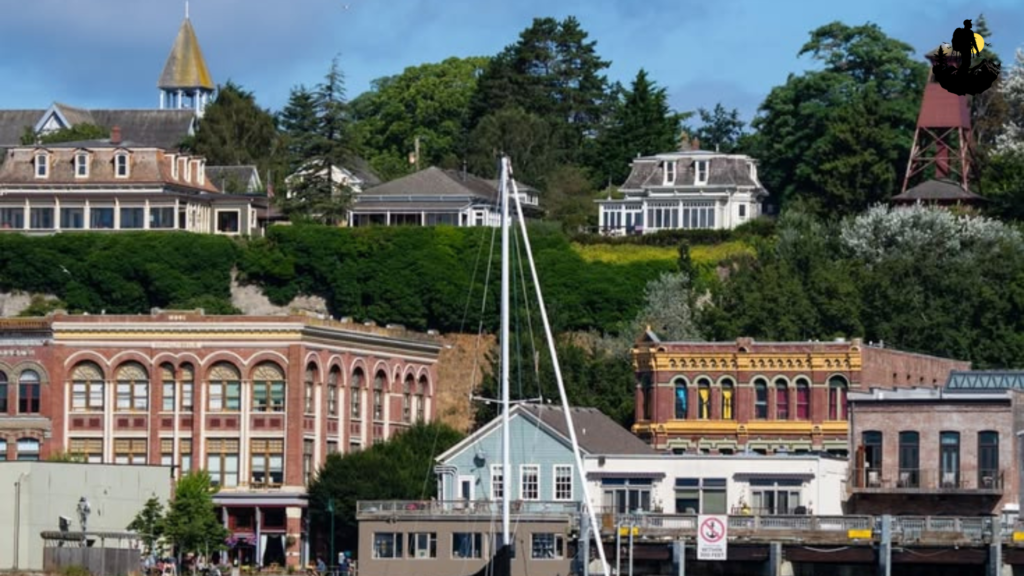
Port Townsend, Washington
About
Port Townsend is a coastal small town that blends maritime history with artistic creativity. Overlooking the waters of Puget Sound, the town is known for its Victorian-era buildings, charming harbor views, and relaxed pace of life. Wooden boats sway gently in the marina, while historic streets are filled with bookstores, galleries, and cozy cafés. Once a bustling seaport, Port Townsend now thrives on community traditions, local festivals, and a strong connection to the sea. The atmosphere feels nostalgic yet vibrant, offering visitors a chance to experience coastal culture in an authentic and peaceful setting.
Why This Place Is Special
What makes Port Townsend unique is how it celebrates creativity and heritage at the same time. Local artisans, musicians, and storytellers play a big role in shaping the town’s identity. Maritime festivals, farmers’ markets, and cultural gatherings bring residents together and welcome visitors into everyday traditions. Unlike larger coastal destinations, Port Townsend feels personal – a place where conversations flow easily and every shop has a story behind it.
Best Photography Spots
- Historic Victorian buildings in Uptown and Downtown districts
- The Port Townsend Marina filled with classic wooden boats
- Fort Worden State Park for coastal landscapes and sunsets
- Local art galleries and colorful storefronts
- Lighthouse views along nearby coastal trails
Weather & Best Season
Summer is ideal for festivals, waterfront walks, and sunny harbor views. Spring offers blooming gardens and quieter streets, while autumn brings misty coastal scenery that adds a dreamy atmosphere. Winters are cool but peaceful, perfect for cozy café visits and slow exploration.
Budget
Port Townsend is friendly for travelers on a moderate budget. Walking tours through historic districts are free, and many cultural events are low-cost or donation-based. Spending mainly goes toward local dining, art purchases, or boutique accommodations.
Best Food Nearby
Seafood cafés serve fresh fish dishes and clam chowder, while bakeries offer handmade pastries and coffee. Farm-to-table restaurants highlight seasonal ingredients from nearby farms, creating meals that reflect the Pacific Northwest’s culinary style.
Best Places to Stay
- Historic inns inside restored Victorian homes
- Cozy waterfront bed-and-breakfasts
- Budget motels near the harbor
- Cabins and campsites within Fort Worden State Park
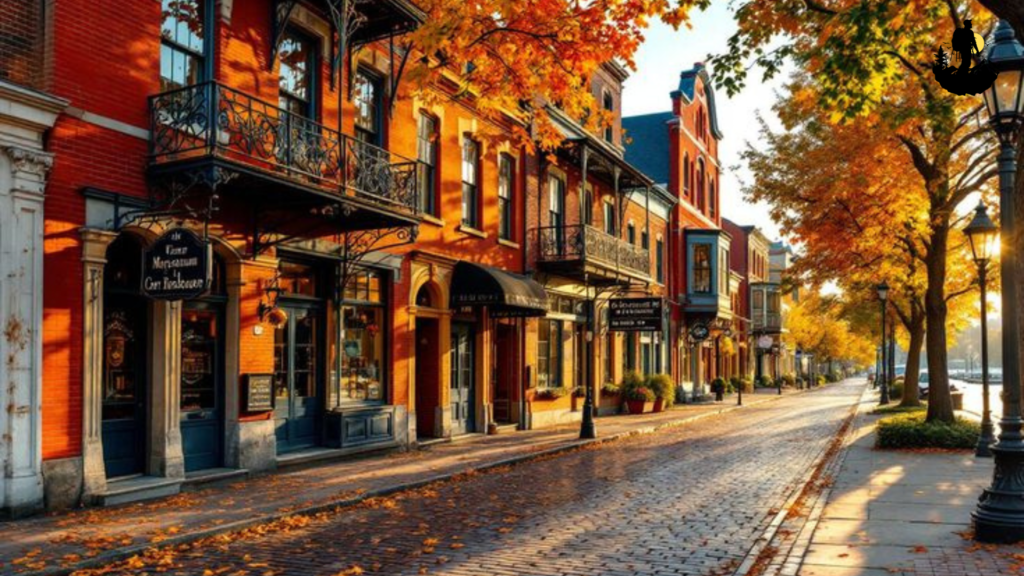
Hermann, Missouri
About
Hermann sits along the Missouri River and carries strong German heritage that shapes its traditions, architecture, and food culture. Rolling vineyards surround the town, while brick buildings and historic wineries give it a timeless atmosphere. Established by German settlers in the 1800s, Hermann has preserved its cultural roots through festivals, music, and community gatherings. Walking through town feels like stepping into a European-inspired village in the heart of the Midwest, where local traditions continue to thrive.
Why This Place Is Special
Hermann’s charm lies in its ability to celebrate heritage through everyday experiences. Seasonal wine festivals, Oktoberfest celebrations, and local markets create a lively yet welcoming atmosphere. Visitors often notice how residents proudly share their history, whether through storytelling, traditional music, or family-run wineries. The slower pace and scenic river views make Hermann feel peaceful while still offering vibrant community experiences.
Best Photography Spots
- Historic wineries set against rolling vineyard hills
- Brick storefronts along the town’s main streets
- Missouri River viewpoints at sunrise or sunset
- Traditional festival decorations during Oktoberfest
- Countryside barns and farm landscapes nearby
Weather & Best Season
Fall is one of the most popular seasons thanks to wine harvest celebrations and colorful foliage. Spring offers blooming vineyards and comfortable temperatures, while summer features lively outdoor events. Winter is quieter but cozy, with festive lights and peaceful river views.
Budget
Exploring Hermann can fit a range of budgets. Walking through historic streets and attending local markets is free, while wine tastings and special events can be chosen based on personal spending preferences. Budget travelers often stay in nearby towns for more affordable lodging.
Best Food Nearby
German-inspired restaurants serve sausages, schnitzel, and warm pretzels, while bakeries offer traditional desserts and fresh breads. Local cafés provide comforting Midwest-style meals, blending European flavors with regional ingredients.
Best Places to Stay
- Historic guesthouses inside old brick buildings
- Vineyard cottages surrounded by scenic views
- Family-run bed-and-breakfasts near downtown
- Budget inns along nearby highways
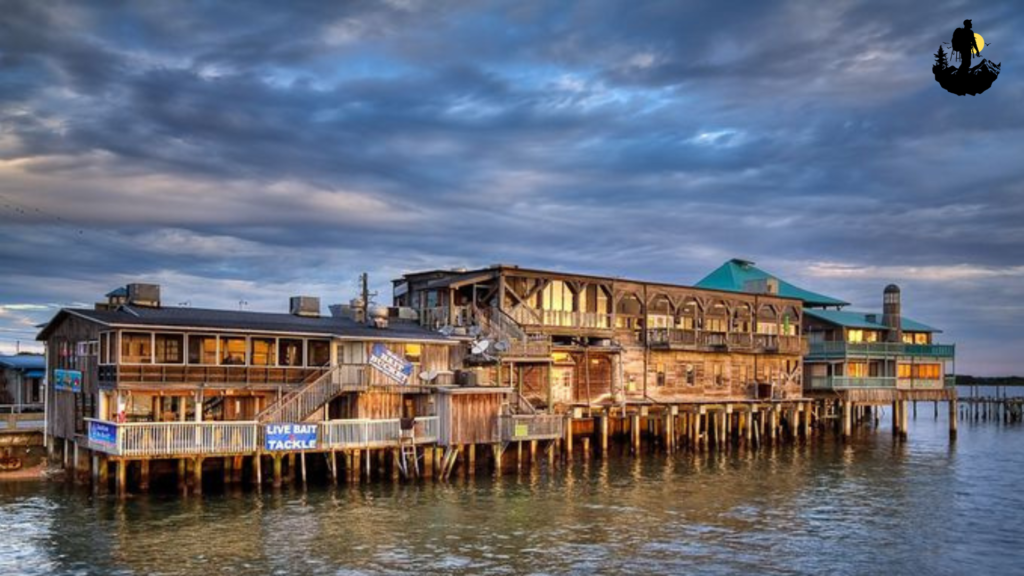
Cedar Key, Florida
About
Cedar Key is a quiet Gulf Coast fishing village that feels worlds away from Florida’s busy tourist hubs. Wooden docks stretch into calm waters, colorful cottages line narrow streets, and the rhythm of life moves slowly with the tides. Known for its seafood traditions and artistic community, Cedar Key offers a relaxed atmosphere where visitors can watch pelicans glide over the harbor and fishermen return with the day’s catch. The town’s simplicity and natural beauty create a peaceful environment that reflects old Florida charm.
Why This Place Is Special
What makes Cedar Key unforgettable is its authenticity. Instead of large resorts, visitors find local galleries, family-owned restaurants, and festivals that celebrate coastal life. Seafood events, art walks, and small music gatherings bring residents and travelers together, creating a sense of community that feels genuine. The sunsets here are particularly special, painting the sky in shades of orange and pink that reflect across the quiet waters.
Best Photography Spots
- The Cedar Key Fishing Pier at sunset
- Colorful waterfront cottages and marinas
- Kayaking routes through nearby mangroves
- Local art studios and coastal streets
- Birdwatching areas filled with pelicans and herons
Weather & Best Season
Spring and fall offer comfortable temperatures and fewer crowds, making them ideal for exploring. Summer brings lively seafood festivals and warm coastal breezes, while winter remains mild, attracting travelers looking for a peaceful seaside escape.
Budget
Cedar Key is relatively budget-friendly compared to larger Florida destinations. Many activities like walking the waterfront, birdwatching, and exploring art galleries are free. Travelers mainly budget for fresh seafood meals and cozy accommodations.
Best Food Nearby
Seafood restaurants specialize in clams, oysters, and freshly caught fish. Small cafés serve homemade pies, sandwiches, and local desserts that reflect the town’s relaxed coastal culture.
Best Places to Stay
- Waterfront cottages with sunset views
- Small inns run by local families
- Budget motels near the harbor
- RV parks and campgrounds for road-trip travelers
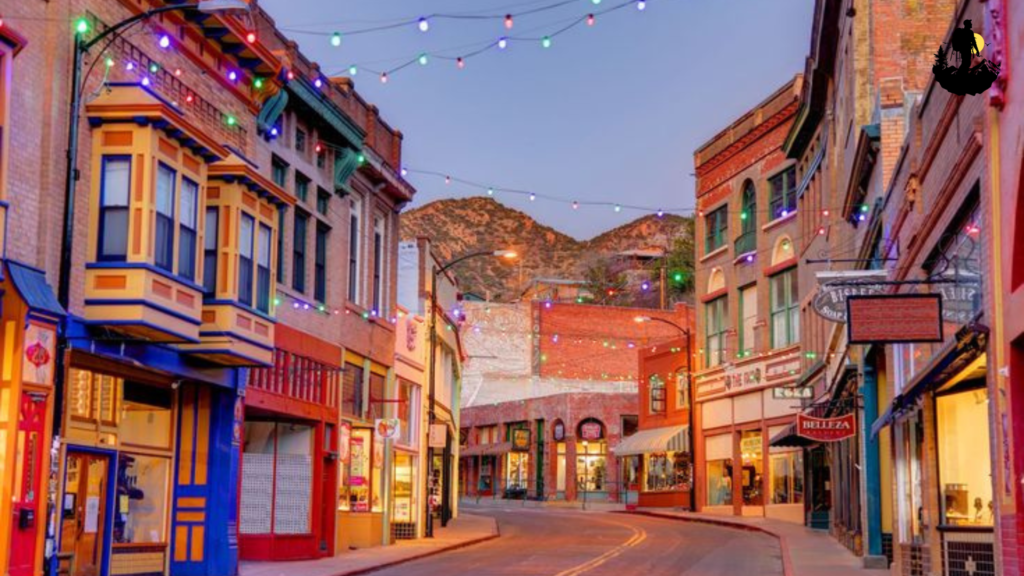
Bisbee, Arizona
About
Bisbee is a colorful desert town tucked into the mountains of southern Arizona, known for its artistic spirit, historic mining roots, and vibrant small-town culture. Once a booming copper mining community, Bisbee has reinvented itself as a creative haven filled with galleries, vintage shops, and quirky cafés. Narrow streets wind through hillside neighborhoods, while staircases connect historic homes painted in bright shades that reflect the town’s personality. The mix of Old West history and modern artistic energy creates a destination that feels both nostalgic and refreshingly unique.
Why This Place Is Special
What makes Bisbee stand out is its strong creative community. Local artists, musicians, and storytellers have shaped the town into a place where tradition meets imagination. Seasonal festivals, art walks, and music events fill the streets with energy while still maintaining the intimate feel of a small town. Visitors often find themselves chatting with locals in cafés or exploring handmade crafts that capture the spirit of the desert Southwest.
Best Photography Spots
- Colorful staircases and hillside homes in Old Bisbee
- Historic Brewery Gulch with vintage architecture
- Panoramic views from the Lavender Pit overlook
- Local art murals scattered throughout town
- Sunset views over the surrounding desert mountains
Weather & Best Season
Spring and fall offer the most comfortable weather, with warm days and cool evenings perfect for exploring. Summers can be hot but lively with events, while winter brings mild temperatures and fewer crowds, making it ideal for a quiet getaway.
Budget
Bisbee is friendly for budget travelers. Walking tours through historic streets are free, and many art events have little to no entry cost. Visitors mainly spend on local dining, art purchases, or boutique accommodations.
Best Food Nearby
Local cafés serve Southwestern comfort food, homemade pastries, and creative vegetarian options. Small diners offer hearty breakfasts, while coffee shops provide cozy spaces to relax and meet locals.
Best Places to Stay
- Historic boutique hotels inside restored mining buildings
- Art-inspired bed-and-breakfasts
- Budget motels near the town entrance
- Unique vintage trailers and small desert cabins
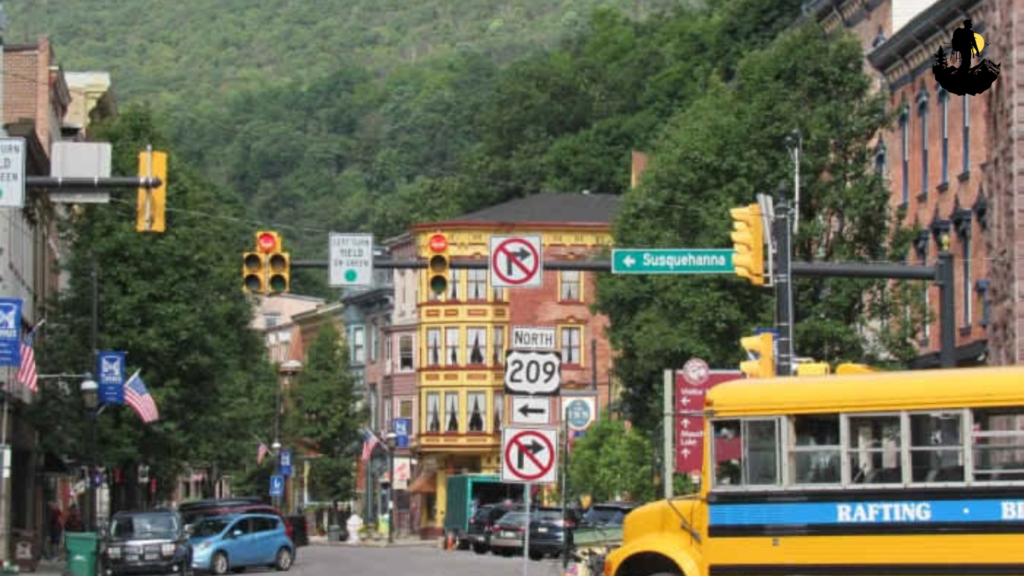
Jim Thorpe, Pennsylvania
About
Jim Thorpe sits in the scenic Pocono Mountains and is often called one of the most picturesque small towns in the eastern United States. Surrounded by forested hills and historic architecture, the town feels like a storybook setting where old-world charm meets outdoor adventure. Victorian buildings line narrow streets, and a peaceful river flows alongside the town, creating a calming atmosphere. Known for its rich history and welcoming community, Jim Thorpe offers travelers a chance to experience traditions, festivals, and local culture in a beautifully preserved setting.
Why This Place Is Special
Jim Thorpe’s charm comes from its blend of history and natural beauty. Seasonal festivals celebrate everything from fall foliage to holiday traditions, while historic tours share stories of the town’s past. The walkable downtown area makes it easy to explore shops, cafés, and galleries at a relaxed pace. Visitors often find that the town feels both lively and peaceful, offering the perfect balance between cultural exploration and quiet mountain scenery.
Best Photography Spots
- Historic Broadway street with Victorian architecture
- The Lehigh Gorge Scenic Railway area
- Mauch Chunk Lake Park for reflective water views
- Stone bridges and hillside overlooks surrounding the town
- Festival decorations during autumn and winter events
Weather & Best Season
Autumn is especially popular due to colorful foliage that transforms the surrounding mountains. Spring offers blooming landscapes and fewer crowds, while summer brings outdoor festivals and river activities. Winter turns Jim Thorpe into a cozy destination with holiday lights and snowy views.
Budget
Jim Thorpe can be explored without overspending. Walking tours, scenic overlooks, and many festivals are free to enjoy. Travelers can save by staying slightly outside town or visiting during weekdays.
Best Food Nearby
Family-run restaurants serve comfort foods like soups, sandwiches, and homemade desserts. Local bakeries offer fresh pastries, while cozy cafés provide warm drinks perfect after exploring mountain trails.
Best Places to Stay
- Historic inns and Victorian bed-and-breakfasts
- Small lodges near the river
- Budget motels along nearby highways
- Cabins tucked into the Pocono Mountains for a quiet retreat
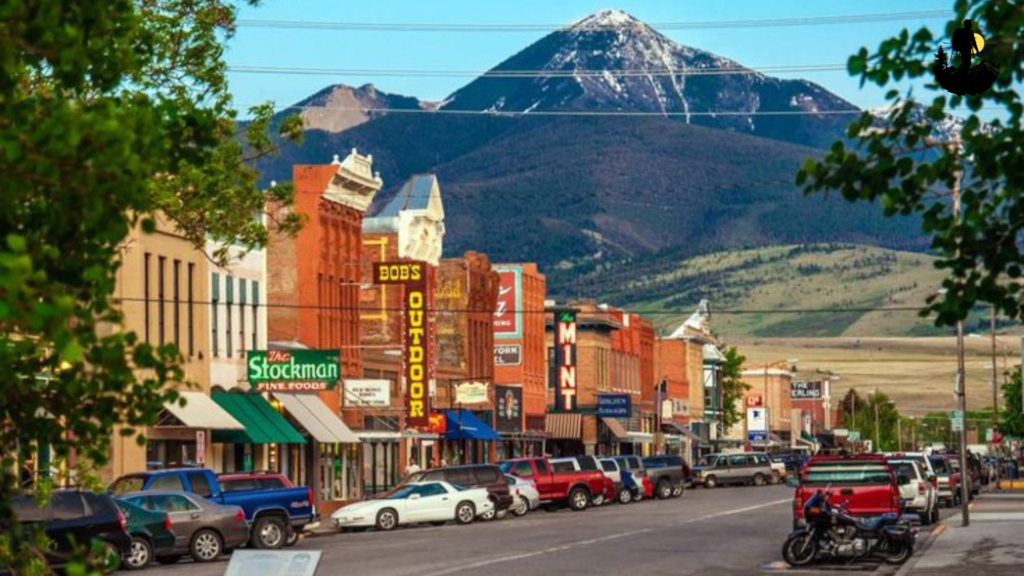
Tips for Experiencing Small-Town America Like a Local
Slow Down Your Travel Pace
One of the most important things to remember when exploring small-town America is to slow down. These destinations are not designed for rushed itineraries or packed schedules. Instead, they reward travelers who take time to walk through quiet streets, explore local shops, and enjoy spontaneous conversations with residents. Plan fewer activities each day so you can fully appreciate the charm of each place, whether it’s watching a peaceful sunset from a town square or discovering a hidden café recommended by locals.
Visit During Local Festivals and Seasonal Events
Timing your trip around community events can completely transform your experience. Small-town festivals, farmers’ markets, and holiday celebrations bring out the heart and personality of each destination. From harvest fairs to music gatherings, these events allow visitors to see traditions in action and connect with the local culture. Checking community calendars before your visit ensures you don’t miss moments that showcase the true spirit of the town.
Eat Where the Locals Eat
Food is one of the best ways to understand a place, and small towns often have incredible family-run diners, bakeries, and cafés. Instead of choosing familiar chain restaurants, ask residents for recommendations. Local spots usually serve regional specialties that reflect history and tradition. Whether it’s homemade pies, fresh seafood, or classic small-town food, dining locally not only supports small businesses but also creates more authentic travel memories.
Choose Local Accommodations
Staying in locally owned accommodations adds depth to your journey. Bed-and-breakfasts, historic inns, and small lodges often provide a more personal experience compared to large hotels. Hosts frequently share insider tips about nearby traditions, scenic drives, and hidden gems that may not appear in travel guides. These stays also help you feel more connected to the community, making your trip more meaningful.
Pack Smart for a Relaxed Experience
Small towns often involve a lot of walking, outdoor exploring, and changing weather conditions. Comfortable shoes are essential, especially if you plan to explore historic districts or attend outdoor festivals. Bringing a light jacket, reusable shopping bag, and a small camera can make your trip easier and more enjoyable. Since many towns emphasize simplicity, packing practical items ensures you’re prepared without overcomplicating your travel style.
Respect Local Culture and Community
Every small town has its own traditions and pace of life, so approaching your visit with respect is key. Support local artisans, follow community guidelines, and always ask before photographing people or private property. Being mindful of local customs helps preserve the welcoming atmosphere that makes these destinations special. Travelers who show appreciation for the culture often receive warm hospitality in return.
Keep an Open Mind and Be Curious
Perhaps the most valuable tip is to stay curious. Small-town America is incredibly diverse, offering artistic communities, historic villages, coastal escapes, and mountain retreats – each with its own story to tell. Some places may feel quiet at first, but taking time to explore deeper reveals unique traditions and experiences. By embracing the unexpected and allowing room for discovery, you’ll find that the most memorable moments often come from simple, genuine interactions.
Conclusion
Small-town America represents a side of travel that feels increasingly rare in a fast-moving world. Through traditions passed down across generations, comforting local food, and festivals that bring entire communities together, these towns preserve a sense of authentic travel that many travelers long to experience. Exploring these destinations is not just about sightseeing; it’s about understanding how culture lives and evolves in everyday moments – from a neighborly conversation at a market to a parade marching down a quiet main street.
One of the greatest joys of visiting small-town destinations is the feeling of connection they create. Unlike crowded tourist hotspots, these places invite visitors to become part of the story, even if only for a few days. You might arrive as a traveler, but you often leave feeling like a welcomed guest. The warmth of local hospitality, the pride in regional traditions, and the creativity reflected in food and festivals all contribute to a travel experience that feels deeply personal.
Another reason small towns continue to inspire travelers is their balance between simplicity and discovery. While they may appear quiet at first glance, each destination holds layers of history, culture, and community spirit waiting to be explored. From coastal villages to mountain retreats, the diversity of American small towns proves that meaningful travel does not require big cities or famous landmarks. Instead, it thrives in places where stories are shared over homemade meals and celebrations light up the streets throughout the year.
As you plan your own journey, remember that the true magic of small-town America lies in its details – the laughter during local festivals, the flavors of traditional recipes, and the sense of belonging created by welcoming communities. By traveling with curiosity and respect, you’ll not only see new places but also gain a deeper appreciation for the traditions that shape them. In the end, small towns remind us that travel is not just about where we go, but how we connect with the people, culture, and moments that make each destination unforgettable.

🌿 Sources & References
- Travel & Adventure – National Geographic
- Outdoor Recreation – REI Expert Advice
- Leave No Trace Principles
- Nature Conservation – WWF
- U.S. National Parks – NPS
- Sustainable Tourism – UNWTO
- Wilderness Safety – American Red Cross
- Outdoor Health Benefits – NIH
- Travel Health – CDC
- Ecotourism – The International Ecotourism Society