
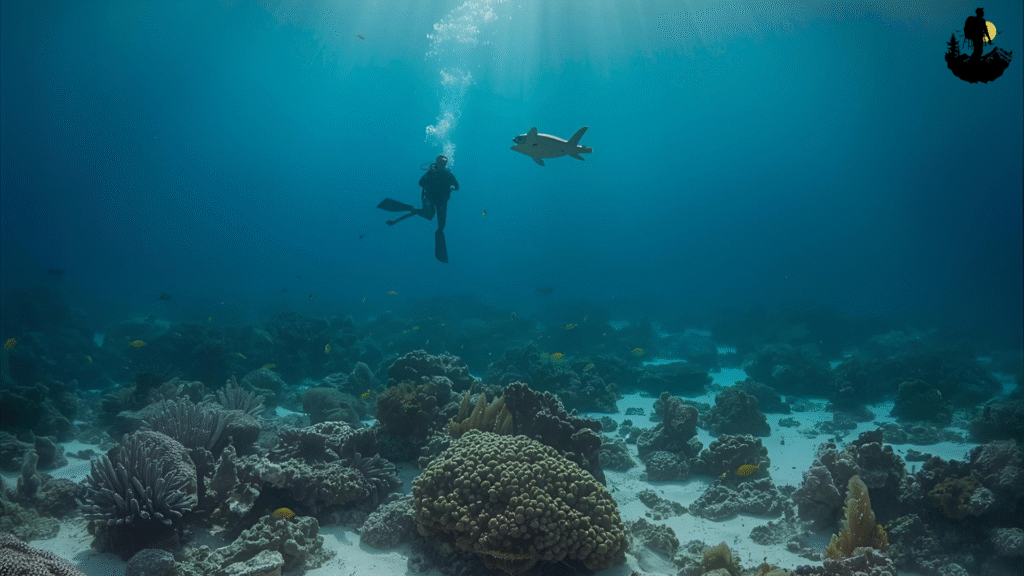

When you imagine scuba diving in the Florida Keys, you likely picture the popular sites with bright coral gardens, swaying sea fans, and tourist‑friendly spots. But the real thrill often lies beneath the surface, where scuba diving the Florida Keys’ hidden reef leads you to lesser‑visited, quieter coral outcrops that offer intimate, vibrant underwater worlds. These hidden reefs combine the famed clarity and biodiversity of the Keys with fewer crowds, deeper immersion, and a sense of discovery.
These lesser‑known reef sites allow you to swim alongside marine life with less distraction, to pause and explore details of coral heads and sponges at your own pace, and to emerge from the water with stories beyond the common tourist snaps.
What to Look for When Choosing a Hidden Reef

Venturing into a “scuba diving Florida Keys hidden reef” experience means choosing more than just a dive operator. Here are the key criteria:
- Accessibility & crowd level: Hidden reefs often lie slightly off the typical boat routes or are less advertised, resulting in fewer dive groups. For example, smaller sites near Tavernier are recognised as less crowded.
- Coral and reef structure: Look for reefs with interesting formation,spu, and groove systems, overhangs, or finger corals that support vivid marine life. Some hidden sites offer this without the heavy boat traffic.
- Depth and visibility: Many hidden reefs stay in the sweet spot, accessible depths (10‑40 ft), yet supportive of bigger coral and fish life. One guide highlights hidden reef dives near Key West, ranging from 10‑50 ft deep.
- Marine life & biodiversity: The Keys are home to the only living coral barrier reef in the continental USA. Even lesser‑visited reefs support rich ecosystems if you pick wisely.
- Responsible diving & environment: Dive spots within the Florida Keys National Marine Sanctuary (FKNMS) employ mooring buoys to protect coral and minimise anchor damage.
By evaluating these factors, your hidden reef dive becomes more than a trip, it becomes a thoughtfully crafted underwater exploration.
Top Hidden Reef Spots in the Florida Keys

Here are three standout hidden‑reef opportunities worth diving into the next time you’re on a mission for “scuba diving Florida Keys hidden reef”:
- Pickles Reef (near Tavernier/Key Largo): This lesser‑featured site offers vibrant coral heads and relatively gentle depth, making it ideal for those seeking a quieter, richly coral‑covered reef.
- Eastern Dry Rocks (near Key West): Just off the beaten path south‑west of Key West, this reef features coral fingers, sand channels and fewer dive crowds.
- Snapper Ledge (Key Largo area): Not always in the spotlight, but known for coral restoration efforts and a varied underwater habitat, great for divers keen on both scenery and the reef’s future.
Choose a region, check your certification level, and aim for these hidden gems to truly experience the “hidden reef” side of the Keys.
Gear, Conditions & Training for Hidden Reef Diving

Diving hidden reefs in the Florida Keys requires the right preparation:
- Gear considerations: A standard open‑water setup works fine: BCD, regulator, fins, but also consider a reef‑safe sunscreen, dive gloves (if allowed), and a dive computer.
- Conditions: Visibility in the Keys is often excellent (30‑100 ft) and water temps in summer hover 82‑87°F; shoulder seasons offer calm, but slightly cooler waters.
- Certification & dive level: Even some shallow, hidden reefs require good buoyancy control to protect corals and navigate dense marine life. Always dive within your training.
- Current & drift readiness: Even hidden reefs can experience light currents. A reef dive where you swim across coral fingers and sand channels means being comfortable with slight navigation.
- Conservation mindset: Stick to mooring buoys, avoid kicking coral, and maintain neutral buoyancy. The FKNMS emphasises volunteer efforts and sustainable dive practices.
With the right gear and mindset, your dive becomes immersive and rewarding.
Planning Your Hidden Reef Dive Trip

Here’s how to structure your dive trip around hidden reef exploration:
- Best time to go: Late spring to early fall offers warm water and calm seas. Shoulder months like April and October often provide fewer crowds.
- Dive operator & planning: Choose a dive charter that offers less‑crowded sites or “secret” reef lists; ask about dives labelled “hidden reef” or “less visited”.
- Logistics: Stay near Key Largo for upper‑Keys access or near Key West for southern sites. Decide if you’ll do day trips or stay close to boat launch.
- Budgeting: Factor in boat charter, gear rental (if needed), and potential extra dive for a hidden site. These sites often cost similar to standard ones but offer more peace.
- Itinerary idea: Day 1: orientation dive at a well‑known reef. Day 2: hidden reef dive like Pickles. Day 3: explore deeper zone or second hidden reef for variety.
Proper planning removes stress and lets you focus on the underwater world rather than logistics.
Benefits of Exploring Hidden Reefs

Exploring hidden reefs brings advantages:
- Less crowding: Fewer dive boats means calmer conditions, fewer bubbles and a more peaceful dive.
- Rich underwater scenes: With less disturbance, marine life can be more relaxed and abundant, ideal for photography or macro study.
- Unique stories: Hidden dives often yield special sightings, schooling fish, unspoiled coral heads, and marine behaviour rarely captured.
- Conservation connection: Diving less‑visited sites gives youa broader appreciation of reef health and ecosystems.
If you’re chasing depth of experience over just another reef dive, these benefits add serious value.
Common Mistakes & How to Avoid Them

Even experienced divers can encounter issues when diving hidden reefs:
- Poor buoyancy/control: Kicking coral inadvertently is a risk. Solution: Practice hover and trim before the dive.
- Underestimating conditions: Hidden reefs may still be affected by currents or boat traffic. Solution: check local current and launch time.
- Not using proper dive operator or gear: An operator unfamiliar with the site access can complicate things. Solution: pick providers with hidden‑site options.
- Ignoring conservation rules: Neglecting mooring buoys or anchoring issues can harm reef health. Solution: ask about the mooring, follow the guidelines.
Avoiding these mistakes ensures your hidden‑reef dive remains satisfying, eco‑friendly and memorable.
Dive In and Discover

If you’re seeking more than just “another reef dive” and want to explore what the Florida Keys truly offer beneath the surface, search for scuba diving in the Florida Keys’ hidden reef. These sites bring together the spectacular coral environments the Keys are known for, with the quiet confidence of discovery and fewer distractions.
Here’s your next move:
- Pick one hidden reef site from this article (e.g., Pickles, Eastern Dry Rocks, Snapper Ledge).
- Contact a local dive operator and ask for their hidden‑site options.
- Pack smart, respect the reef, and dive with an open mind.
Emerging from the water, you’ll hold a story of coral, fish, texture and silence that goes beyond the usual. Your underwater world awaits. Discover a hidden reef, dive in, and let the Florida Keys show you something unforgettable.