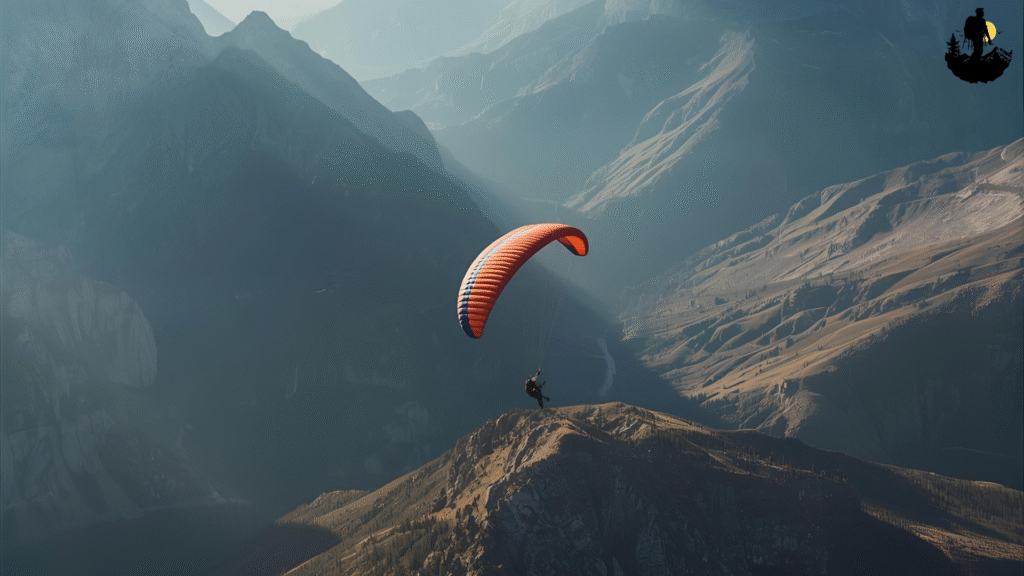
Not all peaks are listed in guidebooks. Some remain tucked behind remote ridges, unmarked by crowds but perfect for flight. For experienced pilots seeking solitude, altitude, and raw adventure, paragliding hidden peaks USA offers a different kind of rush that starts with the climb and ends in silent air. These are the peaks few have flown, the launches that require grit, planning, and skill. This guide takes you there: into the world of off-the-radar flight zones, what to expect, how to prepare, and why these hidden gems are where the real flying begins.
Hidden Peaks Offer the Ultimate Paragliding Experience
When you hear “paragliding in the U.S.,” you might imagine large, crowded launch zones at mainstream resorts. But if you tap into the concept of “paragliding hidden peaks USA”, you unlock something far more adventurous and unique: launching from lesser‑known summits, flying above remote ridgelines, and landing in spots few others reach. These hidden peaks deliver:
- Sweeping, rarely seen terrain: elevating the entire flight experience.
- Minimal crowds: often, you’ll have the launch site and landing field all to yourself.
- True connection with mountain environment, rugged access roads, bush launches, alpine winds, and the full spectrum of natural elements.
For thrill‑seekers and seasoned pilots, hidden peaks push the envelope: you’re not just flying, you’re exploring.
What to Scout When Choosing a Hidden Peak for Paragliding?
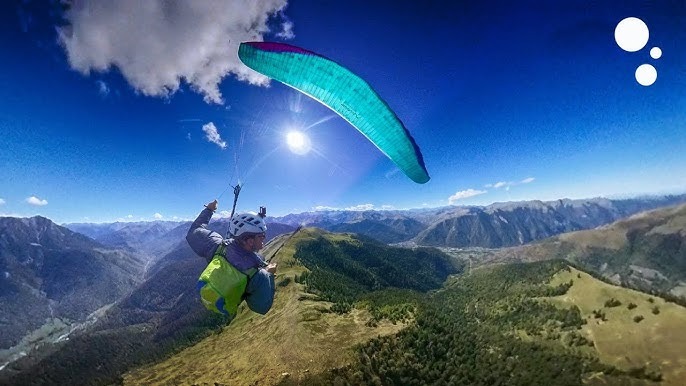
Selecting a remote U.S. peak for paragliding involves more than picking the highest summit. Here’s what to look for:
a) Launchable ridge or summit with drop‑off
Does the peak offer a clear take‑off face with enough altitude and wind slope? Some U.S. sites list take‑off zones for paragliders.
b) Access & remoteness
Hidden peaks often require logging roads, hiking in gear, or a remote approach. Plan accordingly and factor in gear transport.
c) Landing zone availability
Where you land matters. A small private field, alpine meadow, or lower ridge landing zone ensures permission and feasibility.
d) Weather patterns & thermals
Mountain peaks can offer strong lifts, but also tricky rotor or turbulence. Check ridge wind alignment, cloud base, and prevailing thermals.
e) Permissions & legality
Flying in wilderness or protected zones may be restricted. One paragliding map warns that “launching and landing in wilderness is prohibited” in certain areas.
In short, the thrill comes with complexity. But properly chosen hidden‑peak flysites make “paragliding hidden peaks USA” a potent theme.
Top Hidden Peak Launches Across the U.S.
Here are three standout hidden‑peak paragliding spots to explore under the “paragliding hidden peaks USA” banner:
- Tiger Mountain, Washington: Launches at the famous “Poo Poo Point” ridge near Seattle offer ridge‑soaring above the Issaquah Alps.
- Mount Abraham, Vermont: At 4,052 ft with open summit and alpine exposure, this peak offers classic fly‑in access.
- Less-travelled Rockies ridges: While not always documented, U.S. paragliding site maps list many “mountain sites to fly nearby as well” under hidden‑peak categories.
Each offers a different flavour of hidden‑peak paragliding: from accessible ridgelines near urban zones to more remote alpine entries.
Skills, Gear & Training for High‑Altitude Launches
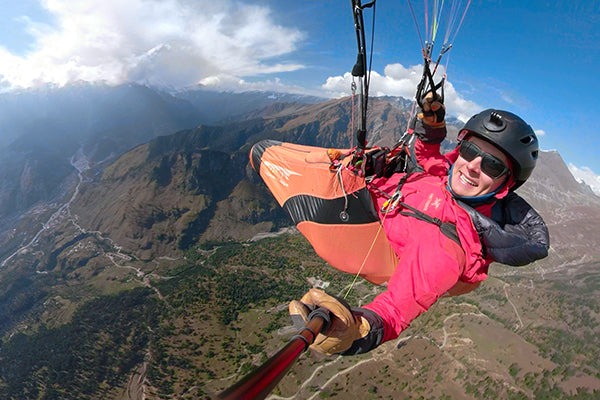
Flying remote peaks demands more preparation than standard fields. Here’s what to gear up for:
- Launch confidence: You’ll often have a limited runway, steep slope and real elevation. Practice safe launches and aborts.
- Aerologic understanding: High altitude plus ridges mean thermals, ridge lift and potential rotor zones. Study local meteorology.
- Gear selection: A glider suited for mountain flying, compact pack, helmet, radios, GPS and reserve. Carry additional layers, as the weather changes fast.
- Navigation & safety: Remote peaks may lack cell service; bring GPS, map, compass and emergency communication if possible.
- Fitness & logistics: Hiking gear up, walking to launch, carrying weight, all the extra load adds up. Condition accordingly.
When you combine these, you’re prepared to make “paragliding hidden peaks USA” not just a phrase, but a safe, striking reality.
Planning the Trip: Logistics, Timing & Budget
Bringing your hidden‑peak flight to life requires planning:
- Season: Choose times when the weather is reliable, thermals are active, and snow/ice is minimal.
- Access: Remote peaks may require 4×4 roads, hiking in gear, or shuttle arrangements.
- Accommodation: Stay near the trailhead, or camp for early launches. Proximity to launch can make or break dawn flights.
- Budget: Gear transport, guides/shuttles, permits and lodging add up. Factor in extras like weather delays or backup landing transport.
- Local support: Contact local paragliding clubs or pilots for beta‑launch info. The U.S. paragliding site map includes notes on accessibility.
With these logistics covered, you elevate your experience from “Just a flight” to “Expedition in the sky.”
Why “paragliding hidden peaks USA” Works as Your Anchor Theme?
- Adventure appeal: “Hidden peaks” signals discovery, which draws serious paragliders and adventure tourists.
- Geographic breadth: “USA” allows you to cover multiple states, remote regions and cross‑country itineraries.
- Niche yet searchable: Mainstream “paragliding USA” is broad; “hidden peaks” narrows focus to the lesser‑seen, which enthusiasts value.
- Content longevity: Remote peak launches don’t go out of style; they offer evergreen content for blog posts, video fly‑throughs and stories.
- Community & shareability: People love the “secret spot” narrative. Sharing launch photos, landing videos or gear lists under this theme resonates.
Benefits of Flying Hidden Peaks
Flying from hidden peaks offers unique rewards:
- Unparalleled views: Remote ridges and summits offer panoramic vistas unreachable by crowd‑filled sites.
- Solitude & serenity: Fewer pilots, fewer distractions. You’re immersed in altitude, wind and the sky.
- Skill growth: Challenging launches, remote landings and altitude flying refine your techniques.
- Story value: These flights become memories, blog posts or social shares with real weight.
- Connection with nature You’re part of the mountain environment in a raw way, from dawn winds to alpine thermals.
Common Mistakes & How to Avoid Them
Even experienced pilots can stumble when tackling hidden‑peak flying. Here are common pitfalls:
- Underestimating the approach: Remote launches often require hiking in gear. Plan transport and energy accordingly.
- Ignoring landing complexities: Remote LZs may be tricky. Always have a backup plan.
- Overconfidence in weather: Mountain weather is volatile. Turn around early if winds or cloud patterns shift.
- Insufficient gear: Remote means fewer support options. Bring a repair kit, extra layers, and communication tools.
- Not checking permissions: Some wilderness areas restrict launching or require permits. Fines or site closures can result.
Avoid these, and hidden‑peak flying stays thrilling, not risky.
How to Share Your Flight & Build the Community
After a flight from a hidden peak, amplify your impact:
- Share launch‑to‑landing video clips: take‑off sequence, ridge traverse, landing moments.
- Provide practical info: peak name, access road, launch direction, wind notes, LZ detail – this helps fellow pilots and builds your credibility.
- Tag local paragliding clubs, gear brands and regional tourism pages, your content gains reach and network value.
- Participate in trail‑or launch‑site clean‑ups or service days and document them; community involvement strengthens access and goodwill.
Answer the Peak’s Whisper
Here’s the truth: those peaks that don’t show up in every guidebook, the ridges whispered about in paragliding forums, those are the places that hold magic. When you pursue “paragliding hidden peaks USA”, you’re signing up for exploration, challenge and elevation.
Your next step: choose a hidden‑peak flysite you’ve never visited, study access and logistics, prepare your gear and training, and commit to the mission. Then take off. Soar. Share. Inspire.
The mountain is there. The ridge is there. The wind is ready. Will you launch?