
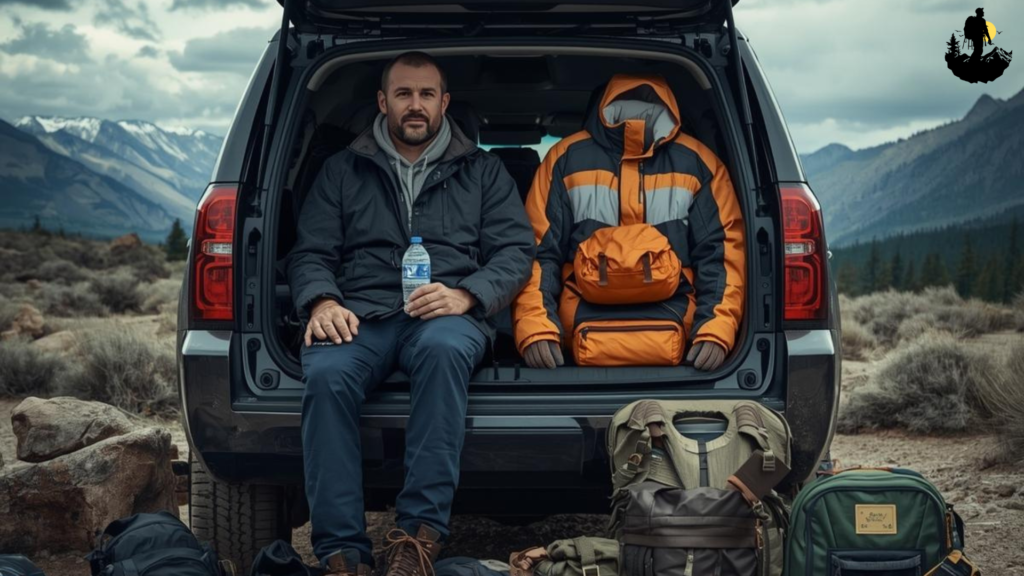
Extreme weather packing USA is not just about throwing gear into a bag. It is the skill of preparing for the unpredictable conditions that defines American landscapes. The United States is home to blistering deserts, frozen mountain passes, humid coastal storms, and fast-shifting plains weather. Travelers who plan well stay safe, comfortable, and confident even when nature refuses to cooperate.
This guide walks you through the essentials for cold, heat, wind, storms, and everything in between. With the right mindset and equipment, you can face any environment the U.S. puts in your path.
Understanding American Weather Zones Before You Pack
The United States contains some of the most diverse terrain and weather patterns in the world. Before you choose gear, understand how these regions behave.
Cold Mountain Regions: The Rockies, Sierra Nevada, Cascades, and Appalachians can drop below freezing at any time of year at high elevations.
Arid Desert Regions: Southern California, Nevada, Arizona, Utah, and New Mexico reach triple-digit temperatures by day and drop sharply at night.
Humid Coastal Zones: The Gulf Coast and Southeast bring heat, heavy winds, and sudden tropical storms.
Plains and Midwest: Known for strong winds, tornado activity, and sharp temperature swings.
Packing becomes simpler when you know the threats each zone presents.
Building a Strong Clothing System for Any Weather
Clothing is your first line of defense. A good system adapts to heat, cold, wind, and rain through layering.
Base Layers: Choose moisture-wicking fabric. It keeps sweat off your skin in both hot and cold climates.
Mid Layers: Fleece or synthetic insulated jackets trap warmth without adding bulk.
Outer Layers: A waterproof shell protects you from wind and rain. A windproof layer makes a huge difference in exposed plains.
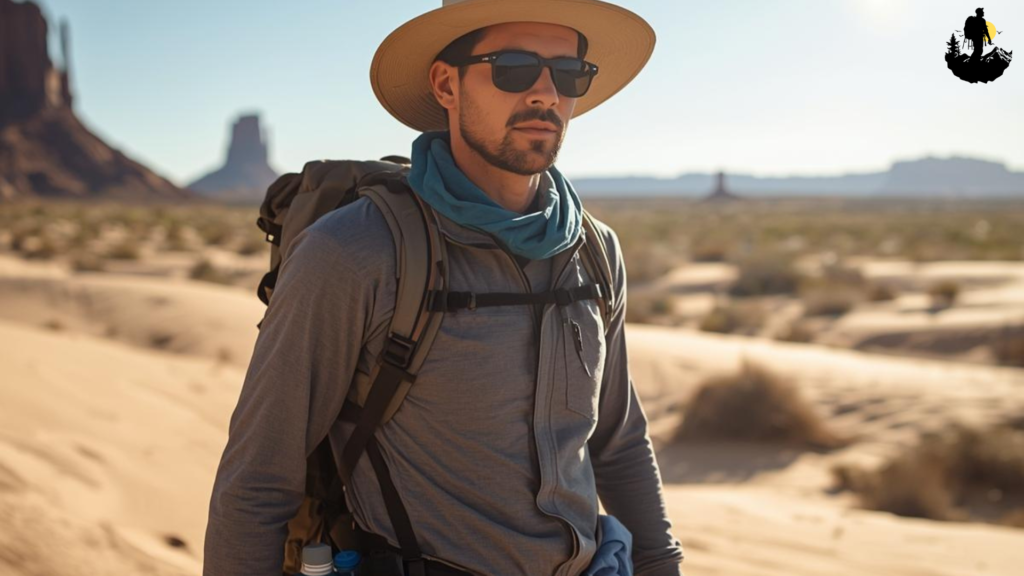
Hot Weather Clothing: Loose, breathable, sun-protective clothing reduces heat stress. Long sleeves matter in deserts.
Footwear: Waterproof boots for mountains, breathable shoes for desert hikes, and insulated boots for winter conditions.
Extreme weather packing USA begins with clothing, because the wrong outfit can turn a simple day into a dangerous situation.
Preparing for Intense Cold and Snow Conditions
Cold and snowy terrain is one of the most demanding environments in the country.
Insulated Layers: Down or synthetic jackets, thermal pants, and warm socks are essential.
Cold-Weather Accessories: Gloves, liners, balaclavas, and neck gaiters protect your extremities. Frostbite hits fingers and ears first.
Traction Gear: Microspikes or crampons prevent slips on icy trails or frozen roadsides.
Heating Packs: Hand and foot warmers help maintain circulation in severe cold.
Thermos Bottles: Keep water warm and prevent freezing.
Freezing weather punishes poor planning, but careful preparation makes it manageable.
Managing Heat, Sun, and Desert Environments
Deserts present a different kind of danger. Heat drains energy fast, and dehydration becomes a real concern.
Hydration Gear: Carry more water than expected. Hydration bladders and collapsible jugs help you store extra capacity.
Sun Protection: Wide-brim hats, UV shirts, sunglasses, and reef-safe sunscreen all reduce long-term exposure.
Cooling Towels: Useful during high-heat hikes or long vehicle days.
Electrolytes: Salt and mineral packets replace what sweat removes.
Desert Footwear: Breathable shoes reduce overheating, but closed-toe designs protect against thorns and sharp rocks.
Deserts are beautiful, but they require respect and preparation.
Gear for Heavy Rain, Humidity, and Coastal Storms
Coastal regions bring moisture, winds, and storms that roll in fast.
Rainproof Clothing: Look for fully waterproof jackets with sealed seams, not just water-resistant.
Waterproof Packs: Dry bags keep electronics and clothes protected.
Quick-Dry Fabrics: Cotton stays wet. Synthetics dry fast and help regulate temperature better.
Bug Protection: Humid regions often bring insects. Bug nets, repellent, and long sleeves help.
Storm Awareness Gear: A weather radio and portable power bank keep you informed when storms move in.
Stormy environments reward travelers who pack smart and avoid soaked gear.
Wind-Exposed Terrain: Plains, Ridges, and Open Desert
Wind is one of the most underestimated threats in outdoor travel.
Windproof Jackets: A simple windproof shell can make cold winds far more manageable.
Secure Headwear: Chin-strapped hats or caps that fit tightly prevent losing gear.
Eye Protection: Wind dries eyes and can blow dust or sand.
Tent Stability Gear: Extra stakes, guylines, and sand anchors help keep shelters in place.
Heat Loss Prevention: Wind chill can drop perceived temperatures by double digits.
Wind adds difficulty to any trip, so your packing should be ready for it.
Essential Tools for All Forms of Extreme Weather
Certain universal tools help you handle unpredictable conditions anywhere in the U.S.
Multi-Tool: Useful for repairs and adjustments.
Portable Power Banks: Charge phones, GPS devices, radios, and lights.
Headlamp and Backup Light: The weather can cut visibility fast. Keep your hands free while you move.
Fire Starters: Waterproof matches, lighters, and spark tools help you stay warm or cook when needed.
Compact Emergency Shelter: Lightweight bivy sacks or emergency blankets provide immediate protection.
These items support nearly every terrain and weather pattern in the country.
Packing for Backcountry Travel in Remote U.S. Areas
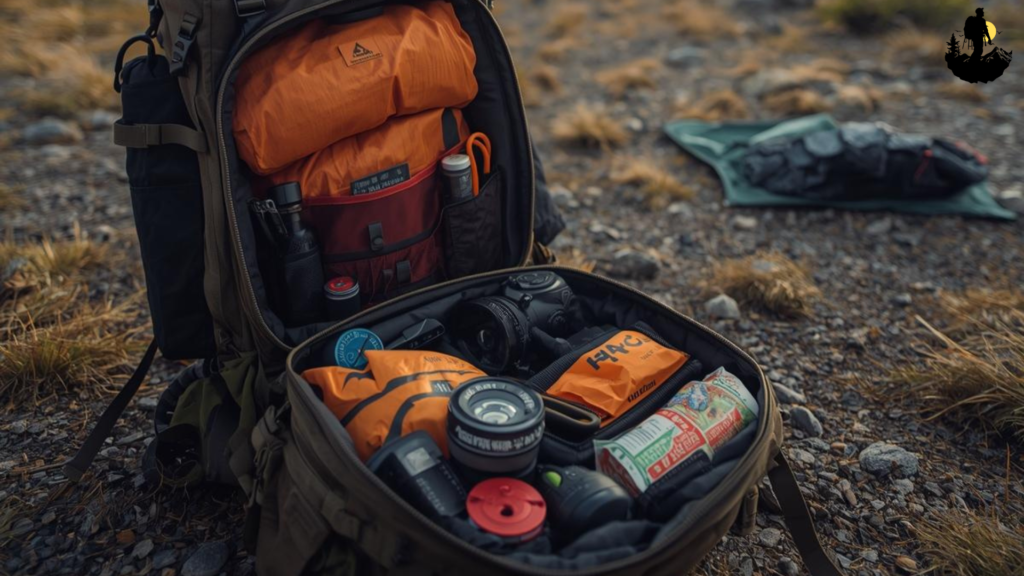
Remote areas combine multiple weather conditions in one trip, so you need a balanced kit.
Reliable Backpack or Duffel: Look for durable zippers, reinforced seams, and comfortable straps.
Water Filtration System: Even if you carry water, filters are essential for unexpected delays.
Extra Clothing Layers: Conditions can shift quickly between valleys and ridges.
Navigation Tools: GPS units, offline maps, and a compass should all be included.
Nutrition Planning: High-calorie foods hold up well in all weather conditions.
Remote trips demand flexibility. Your pack should prepare you for a little bit of everything.
Vehicle-Based Packing for Harsh Environments
If you are traveling by vehicle, add a weather-ready kit to your cargo space.
Tire Repair Tools: A compressor, plugs, and a pressure gauge handle flats in remote zones.
Extra Water Storage: Vehicles make it easier to carry more.
Blankets and Sleeping Bags: Helpful if stranded during cold conditions.
Traction Boards: Useful in snow, mud, and sand.
Jumper Cables or Jump Pack: A dead battery becomes an emergency fast.
Traveling by vehicle offers more capacity, so use it to build a robust safety kit.
Food, Hydration, and Heat Management Strategies
Weather affects how your body uses energy, so pack food and water wisely.
Calorie-Dense Foods for Cold Trips
Nuts, jerky, cheese, instant oats, and energy bars keep you warm.
Hydration and Electrolytes for Heat
Sweat drains minerals. Electrolyte tablets keep your system balanced.
Storm-Friendly Food Options
Pack foods that do not require cooking if fuel use becomes unsafe.
Water Insulation
Use insulated bottles to prevent both freezing and overheating.
Reliable nutrition boosts your endurance and improves safety.
Mastering Your Weather-Ready Travel Kit
Extreme weather packing the USA gives you control over unpredictable environments. When you build a smart clothing system, pack the right tools, respect the terrain, and think ahead, your travel becomes safer and richer. Every climate zone in the U.S. has its challenges, but you can face them with confidence.
The best packing strategy blends preparation with adaptability. Pack for the known threats and stay ready for the unexpected. Once your gear is dialed in, you can explore any terrain with peace of mind and enjoy the wild American landscapes at their most dramatic.