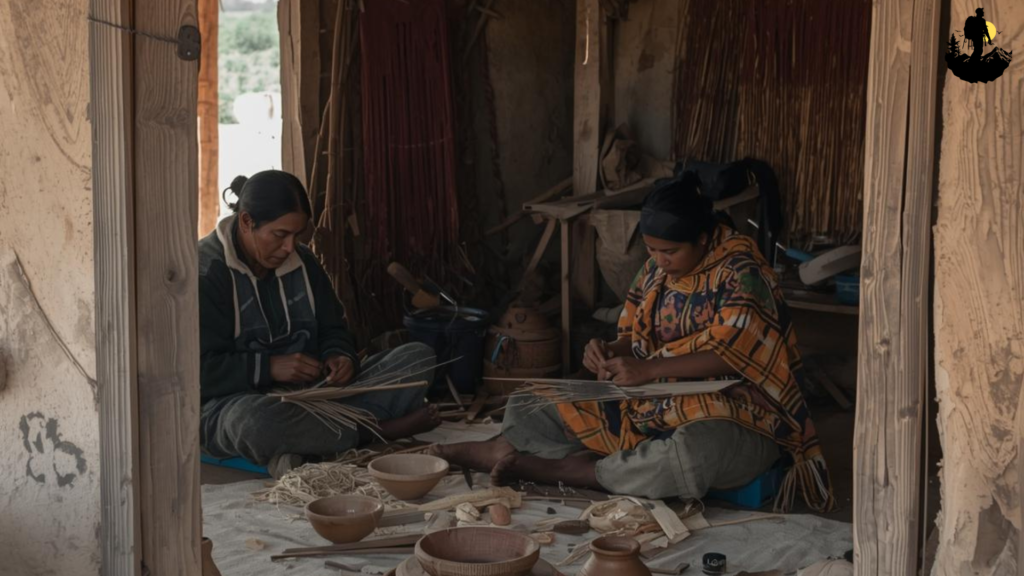
Native crafts carry more than skill. They hold memory, culture, identity, and connection to land. Artists across remote regions of the United States continue traditions passed through generations. These crafts reveal how communities lived, learned, adapted, and expressed themselves long before modern influence arrived.
Anyone exploring native crafts in remote America can find beadwork, pottery, wood carving, weaving, quillwork, and ceremonial art shaped with deep respect for history. These traditions thrive in quiet valleys, forest edges, desert plateaus, riverlands, and tundra communities that stay far from major cities.
This blog explores remote regions where Native crafts remain strong, small communities where traditions continue openly, lesser-known craft practices, and tips for approaching these traditions respectfully.
Remote Regions Where Native Crafts Remain Strong
- Navajo Nation, Arizona–New Mexico–Utah
Weaving stands at the center of the region’s craft history. Artists create rugs and blankets through a process that blends patience, skill, and meaning. Patterns often reflect stories, landscapes, and cultural teachings. Silversmithing also remains a powerful tradition, with turquoise and other stones set into jewelry that carries symbolism and personal identity. - Northern Plains Reservations, Montana–North Dakota–South Dakota
Beadwork thrives in this region. Artists use tiny beads to create geometric patterns, floral motifs, and symbolic designs. Buffalo hide work and hand-painted drums continue to hold cultural significance. Many communities teach these skills to younger generations during cultural gatherings. - Southeast Tribal Lands, Oklahoma Region
Basketry, finger weaving, and ribbon work remain central to daily and ceremonial life. The crafts connect to stories that date back before removal and relocation. Families often preserve techniques specific to their lineage. - Alaska Native Villages
Carving traditions run deep across coastal and inland communities. Artists carve wood, ivory, and bone into masks, tools, figurines, and ceremonial pieces. Sewing traditions also continue, especially in parkas, mittens, and mukluks made with natural materials suited to harsh climates. - Pacific Northwest Coastal Communities
Totem carving, cedar weaving, and bentwood box making remain vital. These crafts appear in ceremonies and community events and carry meaning tied to ancestry, clan identity, and stories that define each nation.
Small Communities That Keep Native Craft Traditions Alive
- Zuni Pueblo, New Mexico
Fetish carving remains central to Zuni culture. Artists shape small stone carvings that represent animals or spiritual figures. Many pieces carry protective meaning. Zuni inlay jewelry also holds widespread recognition. - Cherokee Communities, North Carolina
Basketmakers weave white oak baskets through a careful process that includes cutting, splitting, smoothing, dyeing, and weaving. Each step requires knowledge passed down through families. Clay pots and beadwork remain important as well. - Hoopa Valley, Northern California
Artists in this region practice basketry using materials like bear grass, willow, and grape root. Patterns often reflect local stories, seasonal changes, and the flow of the Trinity River.
- Nez Perce Communities, Idaho and Eastern Washington
Beaded bags, horse regalia, and woven pieces hold cultural meaning tied to generations of tradition. Many artisans continue techniques used during early horse-trading periods. - Hopi Villages, Arizona
Pottery stands out as a central craft. Artists shape clay pots with designs inspired by nature, migration stories, and ancient symbols. The villages maintain strong continuity in craft technique and cultural knowledge.
Lesser-Known Native Crafts and What Makes Them Unique
- Quillwork
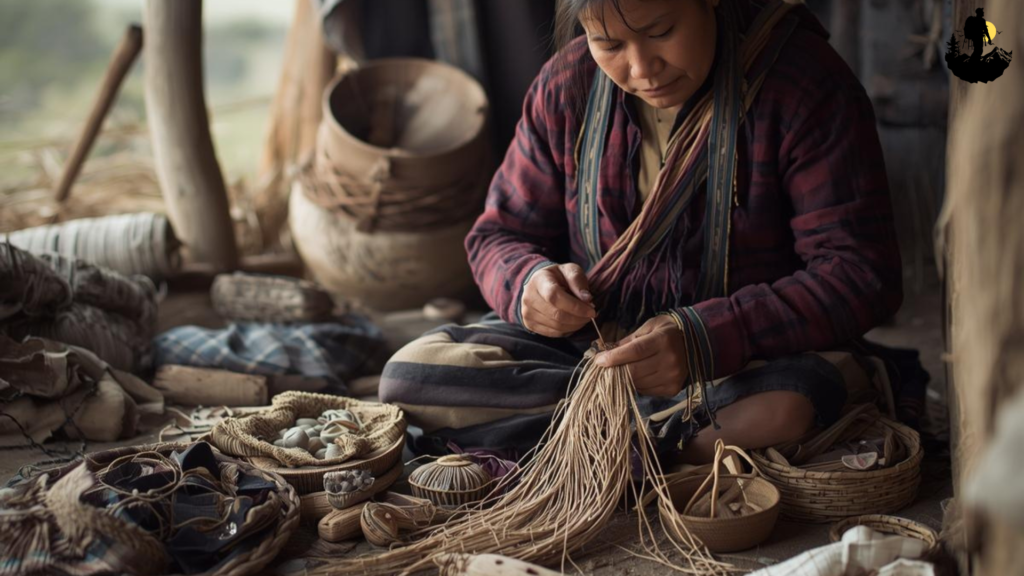
Porcupine quills transform into bright, textured designs through soaking, flattening, dyeing, and stitching. Some communities preserve quillwork as a sacred craft, especially on clothing and ceremonial items. - Drum Making
Drums carry sound and meaning that reach far beyond performance. Each drum requires knowledge of materials, tension, shape, and ceremonial purpose. Many small communities continue this practice as part of cultural gatherings. - Stone Tool Crafting
Knapping traditions remain alive in several remote regions. Artists shape flint or obsidian into blades, arrowheads, scrapers, or ceremonial pieces. The craft reflects precision and understanding of stone structure. - Birchbark Work
Communities in northern forests create baskets, containers, and art using birchbark. The process draws from seasonal harvests and careful preparation of layers. Designs often reflect river paths or forest patterns. - Tanning and Hide Work
Making traditional clothing requires deep knowledge of hide preparation, stitching, and natural dyes. Some communities craft moccasins, bags, and garments in ways preserved across time.
How To Find Native Crafts in Remote American Regions
Traveling with intention makes the experience richer. Many remote communities share craft traditions through cultural centers, local trading posts, seasonal gatherings, and artist cooperatives. These spaces highlight authentic work and support local artisans directly.
Tribal-run museums often display historical pieces alongside contemporary craft. These exhibits give helpful context about technique, meaning, and evolution. Staff members usually provide recommendations on where to find local artists.
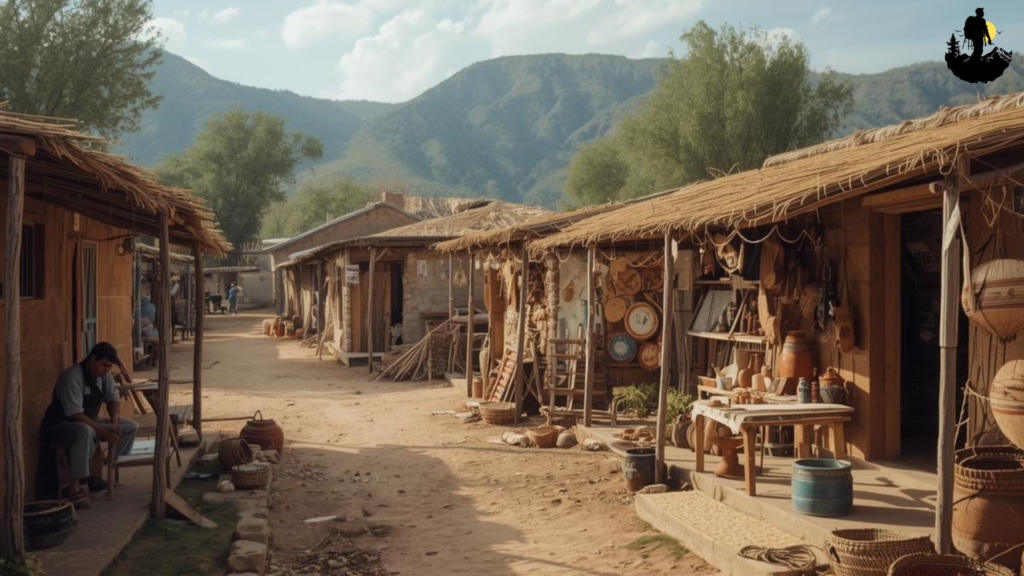
Community markets give visitors a chance to meet artists directly. Markets often sit near pueblo plazas, reservation centers, or village halls. Many crafts sold in these spaces come from families who learned their skills through generations.
Local events such as powwows, festivals, and seasonal ceremonies bring together artists from surrounding regions. These events offer a chance to see dance regalia, beadwork, and craft displays up close.
Respect matters when visiting remote areas. Asking before photographing art or artists helps maintain trust. Supporting locally made crafts instead of mass-produced replicas honors the communities that keep these traditions alive.
Respect and Safety Tips When Exploring Native Craft Regions
Listening first helps guide your interactions. Many crafts carry spiritual meaning or represent cultural identity. Respecting the boundaries set by artists ensures you learn without crossing into protected knowledge.
Buying directly from Native artists helps preserve traditions and supports families who rely on craft income. Authentic pieces reflect skill, story, and heritage. Mass-produced items at tourist stands usually lack a connection to the community.
Knowledge about land boundaries keeps your visit smooth. Many reservations and tribal lands have designated visitor areas. Staying on marked roads and respecting signs shows appreciation for the community’s space.
Cultural events often welcome visitors, yet some ceremonies remain private. Asking about guidelines helps you avoid interrupting important moments.
Craft demonstrations sometimes include fire pits, tools, or delicate materials. Watching with care ensures the artist can work without distraction.
Native Craft Comparison Table
| Craft Tradition | Region | Difficulty | Special Feature |
| Navajo Weaving | Southwest | Moderate | Spiritual patterns and natural dyes |
| Plains Beadwork | Northern Plains | Moderate | Geometric and floral designs |
| Cherokee Basketry | Southeast | Hard | White oak weaving techniques |
| Totem Carving | Pacific Northwest | Hard | Clan stories carved into cedar |
| Alaska Native Carving | Alaska Villages | Hard | Bone, wood, and ivory detail |
| Quillwork | Various Plains Regions | Hard | Historic technique with natural quills |
| Birchbark Craft | Northern Forests | Moderate | Seasonal bark harvesting |
Best Regions for First-Time Craft Explorers
- Cherokee Communities, North Carolina
Visitors find clear guidance through cultural centers and museum exhibits. The basketry demos and pottery displays provide accessible entry points. - Navajo Nation, Arizona–New Mexico–Utah
Weaving, jewelry, and silversmithing remain widely practiced. Local trading posts frequently feature authentic work. - Zuni Pueblo, New Mexico
Carved fetishes and inlay jewelry give newcomers a clear sense of Zuni style and tradition. - Hoopa Valley, California
Basketry demonstrations help first-time visitors understand the complexity behind each design.
Remote Craft Regions for Serious Learners
- Alaska Native Coastal Villages
Carving traditions require deep skill and knowledge. Visitors who approach respectfully can learn about the cultural meaning behind each piece.
- Northern Plains Reservations
Beadwork holds strong cultural significance, and skilled artists preserve centuries-old styles through refined technique. - Hopi Villages, Arizona
Pottery traditions run deep, and the cultural connection adds layers of meaning to every design. - Cedar Communities of the Pacific Northwest
Totem carving and cedar weaving reflect powerful family stories and require long-term dedication.
What Makes Native Crafts in Remote Areas So Meaningful
Connection to land shapes every step. Materials come from forests, deserts, rivers, and mountains. Artists harvest responsibly and use what nature offers with gratitude. Each piece carries the memory of the place it came from.
Tradition creates continuity. Younger generations learn from elders, often through quiet instruction woven into daily life. Craft becomes a bridge between the past and the future.
Community defines the craft. Many pieces reflect shared stories, clan identity, or ceremonial purpose. Art and cultural life remain deeply intertwined.
Time shapes these crafts. Some pieces require weeks or months to complete. Patience becomes part of the art.
Photography Tips When Observing Native Crafts
Asking permission ensures respect. Many artists welcome pictures of finished pieces, yet prefer privacy while working. Soft light from windows or open doors highlights details in weaving, carving, or bead patterns.
Angles matter. Close shots reveal texture, while wide shots show context, tools, or workspace. Patience gives you better results because many details stand out only when the light settles.
Cultural items used in ceremonies often require discretion. Avoid photographing anything that feels sacred or restricted.
Packing Tips for Visiting Remote Craft Regions
Comfortable walking shoes help when exploring villages, markets, or trails near craft areas. A notebook works well for jotting down stories, techniques, or artist names.
Cash helps support artisans directly, especially in areas with limited card access. A water bottle keeps you comfortable during long drives between remote communities.
Maps or downloaded navigation tools guide you through regions with a weak signal. A respectful mindset remains the most important tool you bring.
A small bag with padding protects fragile craft pieces you purchase.
Explore Native Craft Regions
Native crafts tell stories that stretch across generations. These pieces reflect land, memory, ceremony, and community. Anyone exploring native crafts in remote America can find art that carries both beauty and meaning. Visiting remote regions gives you a chance to learn from artists who honor tradition through careful technique and cultural respect.
Every crafted piece holds a connection to ancestors who shaped the path forward. Your visit becomes more than a trip. It becomes a step toward understanding the deep roots of culture across the American landscape.