Looking for rugged climbs, flowy descents, and some of the best singletrack in the country? The Pacific Northwest delivers everything. This region is a dream for riders who crave real terrain and raw adventure from Oregon’s alpine ridges to Washington’s dense forests. In this blog, we break down everything you need to know about mountain biking in the Pacific Northwest, where to ride, what to expect, and how to make the most of every mile.
Pacific Northwest is a Mountain Biker’s Playground
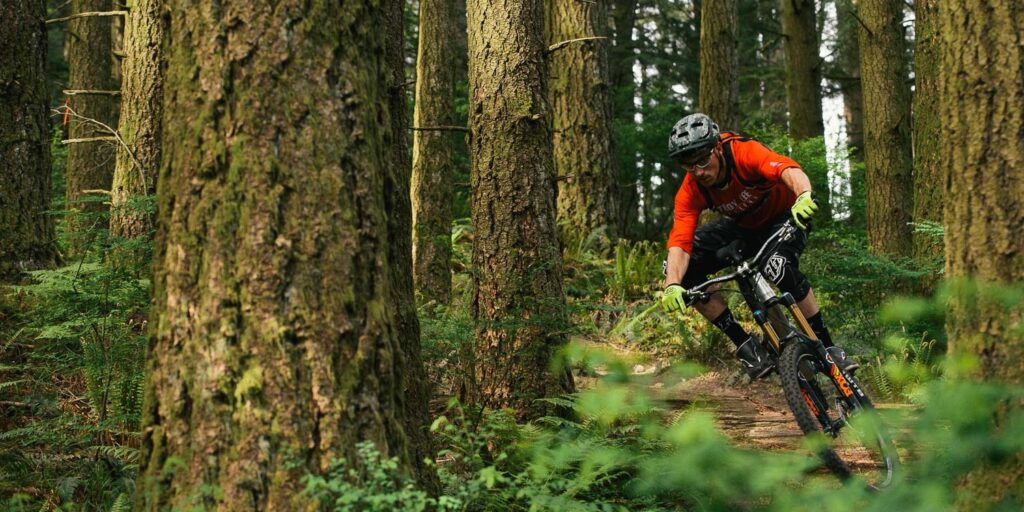
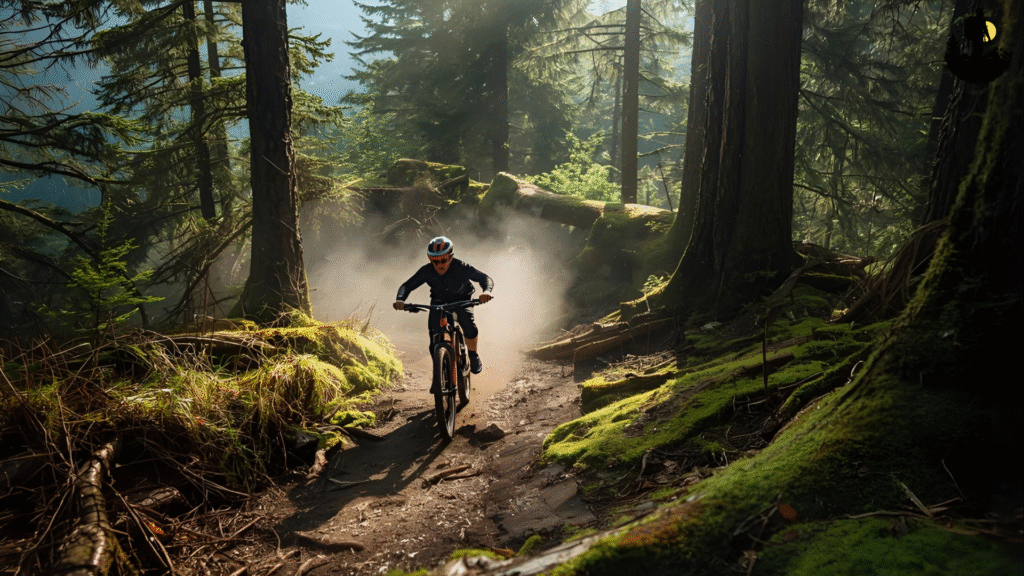
Mountain biking in the Pacific Northwest delivers some of the most diverse, scenic and challenging mountain bike terrain in the U.S. The Pacific Northwest has something for every rider, from moss‑covered fir forests and endless singletrack loops to volcanic ridges and alpine descents. What makes it especially compelling?
- The terrain varies dramatically: you’ll ride flowy trails one day and technical rock features the next.
- The setting is simply spectacular: lush green, mountain peaks, coastal ridges and deep forest combine to give immersive scenery.
- The trail culture here is strong: local communities support trail building and maintenance, and you’ll find plenty of friendly riders to swap stories with.
Gear up for terrain, weather and views that confirm why so many riders search for “mountain biking pacific northwest.”
What to Look for When Planning Your Ride?
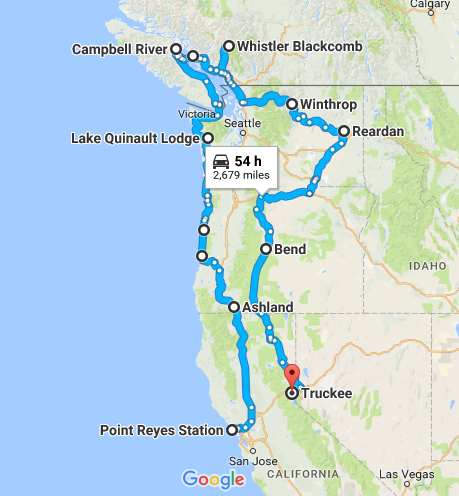
Before you load your bike and hit the trail, a little preparation goes a long way. Here are key considerations:
a) Terrain & trail style
Are you seeking smooth, flowing singletrack or steep, technical descents? The region offers everything. Be clear about your preferred difficulty and pick accordingly.
b) Trail access & logistics
Some of the best rides require driving logging roads or shuttle services. Know whether you’re doing a point‑to‑point or loop, where parking is, and if any access restrictions apply.
c) Weather & seasonal conditions
The Pacific Northwest weather can change fast. Rain, fog, and overnight chill are common even in summer. Choose trails appropriate to conditions.
d) Proper gear
You’ll want a mountain bike that can handle rock features or steep descents if that’s your goal. At minimum: helmet, gloves, protective layers, hydration and trail tools.
e) Trail etiquette & sustainability
Respect trail rules, yield appropriately, and follow Leave No Trace. The region’s trail networks thrive because riders, land managers and builders collaborate.
Top Ride Destinations Across the Pacific Northwest
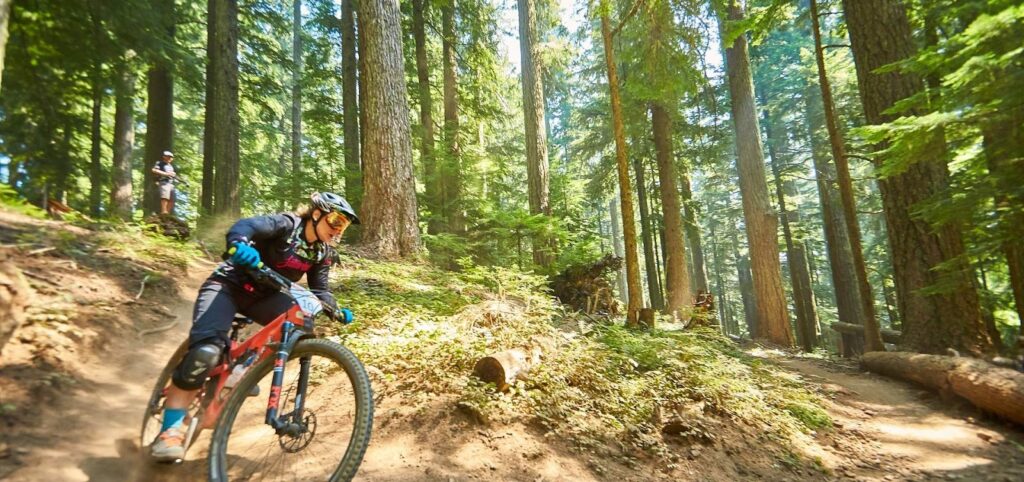
Here are some standout spots to include in your itinerary when you hunt down “mountain biking Pacific Northwest” experiences:
- Oakridge, Oregon: Often called the mountain biking capital of the Pacific Northwest, with world‑class singletrack loops and technical descents.
- Galbraith Mountain, Washington: A trail-rich area near Bellingham with varied terrain for beginners to experts.
- Bend, Oregon: High desert meets forest; the trails mix flow, technical rock and beautiful vistas.
- North Umpqua Trail, Oregon: 79 miles of forest and riverside singletrack in the Cascades.
- Plus many lesser‑known gems scattered across Washington and Oregon, each rewarding.
Pick a region, scout the trails, and plan your ride style and logistics accordingly.
Essential Skills & Training for Mountain Biking the PNW

Riding in the Pacific Northwest demands more than basic biking skills. Here’s how to up your game:
- Technical handling: Rock gardens, roots, narrow ledges and steep drops are common. Focus on weight distribution, line choice and controlled braking.
- Climbing & endurance: Many trails have long climbs before the reward of flowing descents. Build stamina with interval rides.
- Descending confidently: After climbing, the reward is often a technical descent. Practice cornering, body position and vision.
- Ride conditions adaptability: Wet dirt, slick rock, loose gravel, know how to adjust your technique for slippery surfaces.
- Gear check & maintenance: Before each ride, ensure tyre pressure, brakes, suspension and gear are optimised. A mechanical issue far from the trailhead can ruin an expedition.
Follow a training plan that mixes skill drills, fitness work and actual trail time. Over time, you’ll ride harder trails with more confidence.
Trail Etiquette and Stewardship in the Pacific Northwest
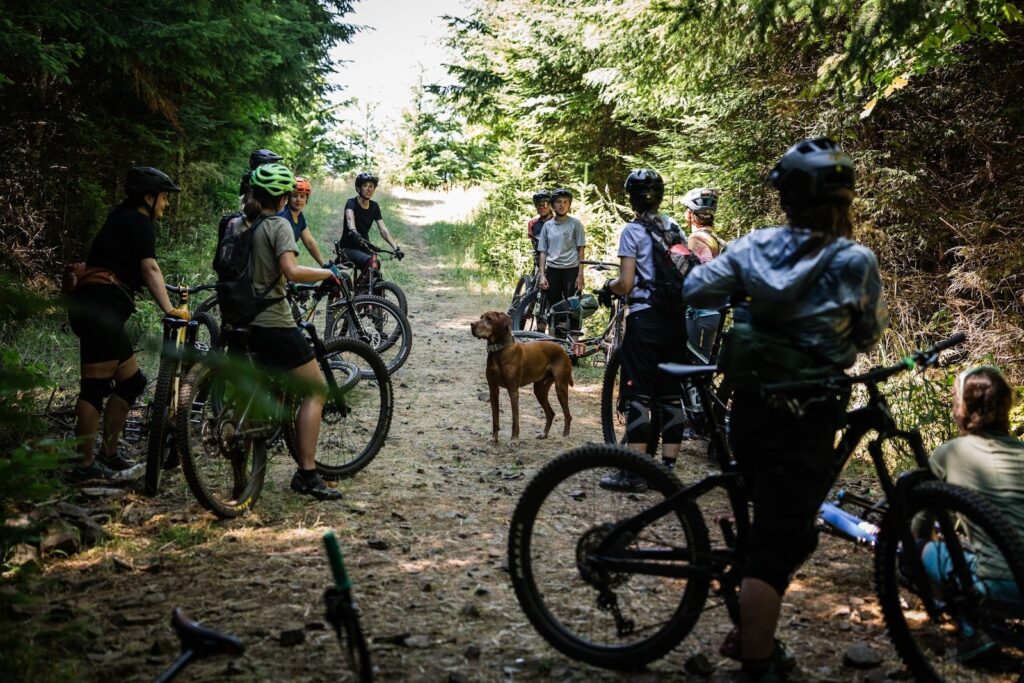
When searching for “mountain biking Pacific Northwest,” you’ll find any number of trails, but access and longevity depend on responsible riders. Here are good practices:
- Yield properly: On singletrack ups and downs, give way to hikers or equestrians when required.
- Stay on designated trails: Avoid shortcutting and causing erosion.
- Ride only where permitted: Some sensitive forest zones may restrict bike access.
- Participate in trail work: Many communities host trail‑maintenance days and welcome volunteering.
- Leave no trace: Pack out what you bring, avoid disturbing vegetation and respect wildlife. These efforts protect trail access for all.
By treating trails, land managers and fellow users with respect, you contribute to a robust trail network that benefits everyone.
Planning Your Trip: Logistics, Timing & Budget
Here’s how to convert your “mountain biking Pacific Northwest” dream into a solid trip:
- Timing & season: Late spring through early fall is the peak, with summer offering dry trails. In shoulder seasons, expect rain or mud.
- Transportation & access: Many trailheads require 4WD roads, remote parking or shuttle service. Research ahead.
- Accommodation: Mountain‑bike‑friendly towns will have bike shops, rentals and repair services. Consider staying close to trail networks.
- Bike transport: If you’re flying in, check bike‑box requirements, local rental availability or local bike shops that partner with trail areas.
- Budget: Factor in trail‑access fees (if any), shuttle costs, gear, accommodation and potential guide services.
- Local knowledge: Visit local bike shops for ride advice, trail conditions and hidden gems. Locals often know what apps and maps to reference.
With solid prep, your trip becomes less about logistics and more about the ride.
Gear and Bike Setup for Pacific Northwest Terrain
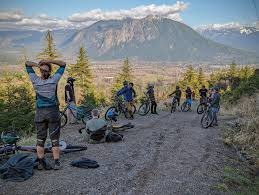
To ride the best of “mountain biking pacific northwest” terrain, your gear matters:
- Bike: A full‑suspension mountain bike (120–160 mm travel) is ideal for mixed terrain. A hardtail may suffice for smoother trails.
- Tires: Wide, grippy tyres (2.4″ or wider) with tread suited to wet or loose surfaces.
- Protective gear: Helmet (ideally full‑face for technical descents), gloves, knee and elbow pads.
- Hydration & nutrition: Pack 1–2 litres of water, trail snacks, and a small repair kit (tube/plug kit, multi‑tool).
- Weather layers: Lightweight waterproof shell, gloves, and a warm layer for changing conditions.
- Navigation: Map, GPS or trail app loaded offline; some PNW trails have limited cell signal.
The right setup gives you confidence, better performance and fewer surprises.
Sample Itineraries Based on Skill Level
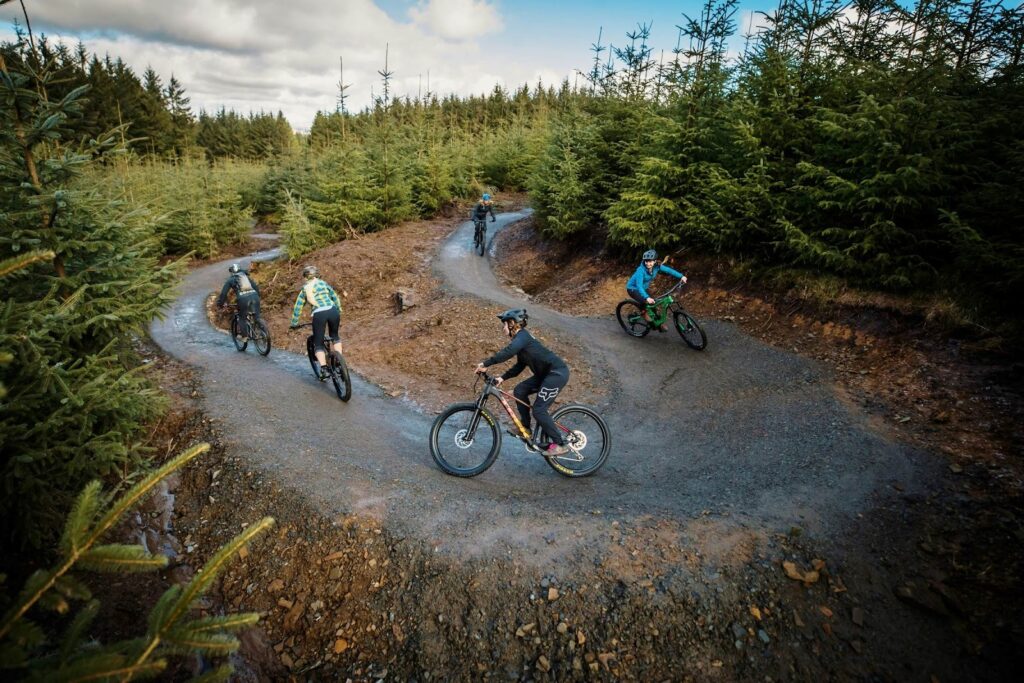
Here are three sample itineraries you can plug into your “mountain biking Pacific Northwest” plan:
- Beginner (1 day): Choose a moderate singletrack loop near a trail‑hub town, ride 10–15 km, focus on flow and fun.
- Intermediate (2–3 days): Pick a trail network with 30–50 km rides, including moderate climbs and descents. Stay nearby, service your bike each day.
- Advanced/Expedition (4+ days): Multi‑day route with remote access, long mileage (50–100 km/day), shuttles or ride‑out finish, mix of high summit views and technical descents.
Tailor your riding style, accommodations and logistics according to your skill and ambition.
Challenges & How to Overcome Them
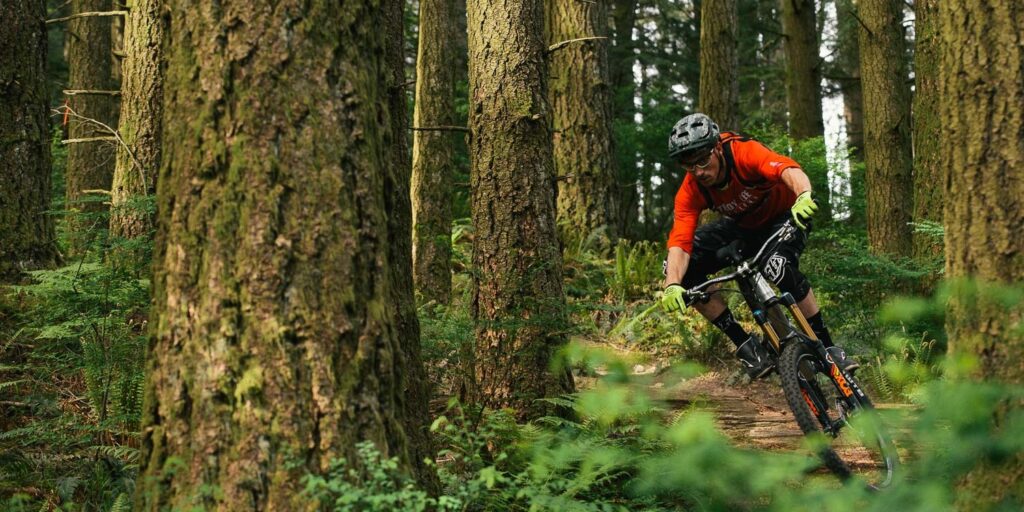
Even the best rides come with hurdles. Here’s how to handle them in the Pacific Northwest:
- Wet, muddy trails: After rain, trails can be slick or closed. Check conditions ahead.
- Remote access: Many trailheads are far from help; carry a basic first‑aid kit and tell someone your plan.
- Technical terrain: Rocks, roots, and steep drops require concentration and skill. Take it slow if uncomfortable.
- Navigation issues: Trail signage may be minimal. Use GPS or downloaded maps.
- Weather changes: Sudden storms or temperature drops can occur. Be prepared with layers and lights if needed.
Address these challenges with preparation, respect for the environment and patience.
The Pacific Northwest Is Calling
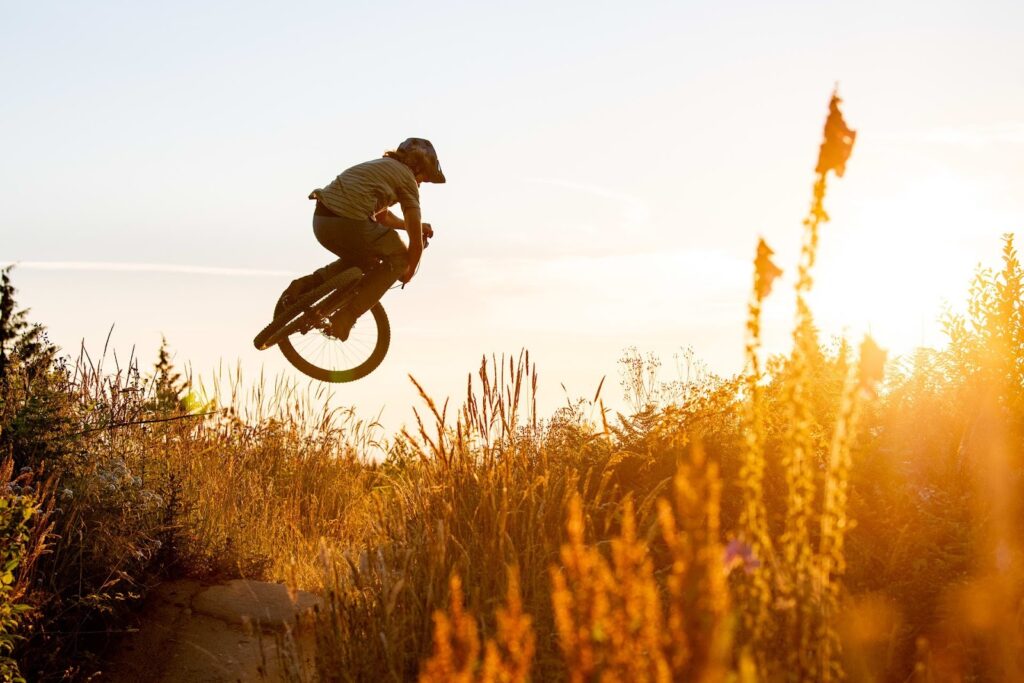
There’s a reason why mountain biking to the Pacific Northwest keeps drawing riders from around the world: it’s a region that rewards curiosity, effort and adventure. The trails here deliver scenery, challenge and community.
Call to action: Pick your next weekend, identify a trail system in the Pacific Northwest you haven’t ridden yet, tune your gear, plan the logistics, and ride it. Then share your story. Get your bike. Head into the forest. Discover the trails that await. The PNW is calling.