The Ultimate Guide to Living Like a Local While Traveling the USA
Traveling across the United States can feel overwhelming when your experience is shaped only by guidebooks, tourist routes, and crowded attractions. Yet the real soul of America lives quietly beyond the obvious landmarks, in neighborhood coffee shops, weekly farmers markets, local traditions, and everyday routines.
Living like a local while traveling is not about seeing more places, but about seeing places more deeply. It means slowing down, observing how people live, eat, work, and relax, and allowing yourself to temporarily blend into that rhythm. From small-town main streets to urban residential neighborhoods, the USA offers countless ways to experience authenticity if you know where to look.
This guide explores how one can travel like a local USA and step beyond surface-level tourism and build meaningful, grounded experiences that feel personal rather than packaged. When you travel like a local, the journey becomes less about checking boxes and more about connection, understanding, and belonging.
Beyond Sightseeing: A Local’s Way to Experience the United States
Live the Neighborhood Rhythm, Not the Tourist Schedule
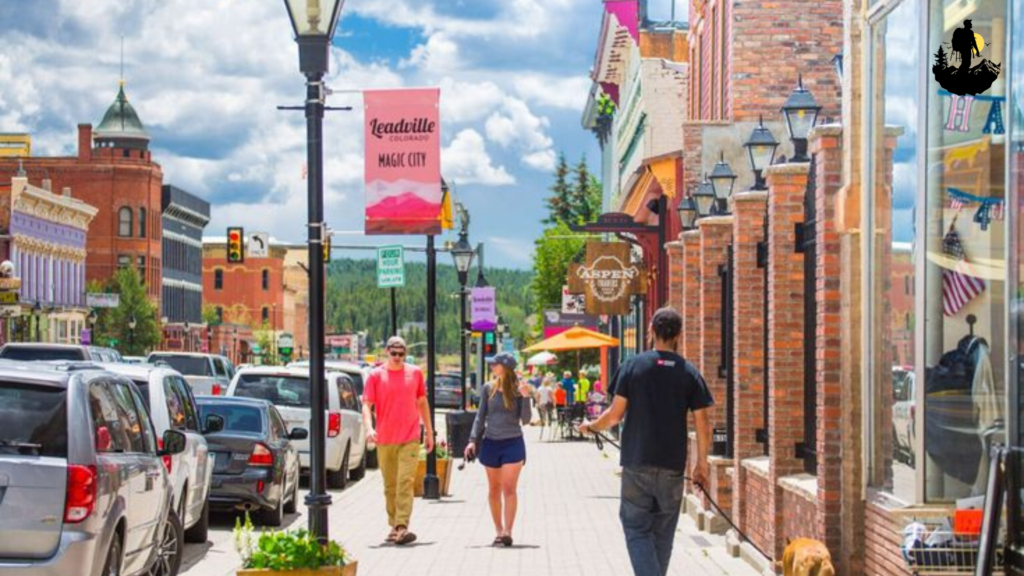
Living like a local begins the moment you stop chasing attractions and start observing routines. Every American neighborhood has a pulse shaped by morning commutes, afternoon quiet hours, and evening social rituals. Locals wake early for coffee runs, greet familiar faces at bakeries, and plan their days around work, school, and weather rather than sightseeing agendas. To tap into this rhythm, stay in residential areas instead of tourist-heavy districts. The sounds of early trash trucks, joggers passing by, and school buses stopping at corners reveal a side of travel most visitors never experience.
Mornings are the best entry point. Visit the café where regulars already know the barista by name. Order what people around you are having instead of scanning menus for signature items. Sit quietly and observe conversations, body language, and pacing. This is where local life unfolds naturally. In suburban and small-town areas, breakfast diners play a similar role. Locals gather for familiar meals, discussing weather, sports, and community news. These spaces are informal, welcoming, and deeply rooted in everyday life.
Midday life slows in many parts of the USA. Small businesses operate steadily but without rush. This is the ideal time to explore independently owned shops, local bookstores, thrift stores, and neighborhood parks. These places are not designed for tourists; they exist for residents. Walking rather than driving helps you notice small details like front porch decorations, yard sales, community boards, and handwritten signs advertising events. These details tell you far more about a place than museums ever could.
Evenings reveal another layer of local culture. Families gather for dinner early in many regions, while urban neighborhoods come alive later with casual bars, food trucks, and community hangouts. Instead of researching the best-rated restaurant, ask someone nearby where they usually eat. Locals tend to recommend places based on comfort and habit rather than popularity. Accepting these recommendations often leads to meals that feel honest and personal.
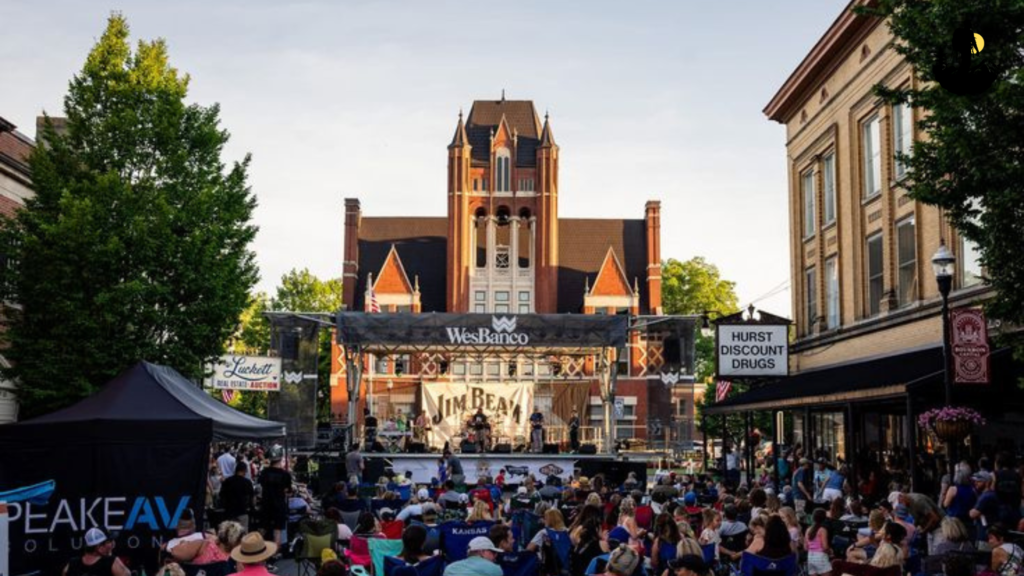
Weekends are especially revealing. Farmers markets, local festivals, flea markets, and high school sports games offer direct insight into community values. These gatherings are rarely advertised to visitors, but they welcome everyone. Standing among locals as they browse produce, cheer for teams, or chat with neighbors allows you to experience shared moments that define everyday American life.
Why It Is So Special
Living within the neighborhood rhythm transforms travel into participation rather than observation. You are no longer rushing from one attraction to another but aligning your pace with real lives unfolding around you. This approach fosters quiet moments of connection, whether it is a smile from a shop owner or a brief conversation with a fellow customer. These interactions, though small, create memories that feel genuine and grounded. Instead of feeling like an outsider passing through, you begin to feel momentarily rooted, as if the place has accepted you into its daily flow.
- Weather: Varies by region, daily routines adapt closely to climate
- Best Season to Visit: Spring and fall for walkable, community-focused experiences
- Budget: $50 to $180 per night in residential accommodations
- Best Food Nearby: Local diners, bakeries, neighborhood cafés, casual eateries
- Best Places to Stay: Residential rentals, guesthouses, small inns in local districts
Eat, Shop, and Move Like a Local, Not a Visitor
One of the fastest ways to experience the USA like a local is through everyday choices: where you eat, how you shop, and how you get around. Locals prioritize convenience, familiarity, and value over novelty. Embracing these priorities helps travelers integrate naturally into daily life.
Food is central to local identity. Skip places designed to impress visitors and seek out establishments that serve regulars. These include grocery store delis, food counters inside gas stations in rural areas, family-owned takeout spots, and small ethnic restaurants tucked into residential streets. Locals often eat quickly during the day and casually at night. Portions are generous, menus are practical, and service is straightforward. You will notice less performance and more consistency.
Shopping locally goes beyond souvenirs. Visit supermarkets, pharmacies, hardware stores, and thrift shops. These spaces reveal how people live, what they value, and what they consider essential. Grocery stores in particular are cultural mirrors. From regional snacks to seasonal produce, they tell a story of climate, tradition, and preference. Buying groceries and preparing simple meals also creates a sense of normalcy, grounding you in everyday routines rather than constant indulgence.
Transportation choices matter. While renting a car is common, locals in many cities rely on walking, biking, or public transit for daily errands. Using buses, subways, or commuter trains introduces you to real commuting patterns and social dynamics. You see people heading to work, school, and appointments, sharing space in unspoken harmony. Even driving like a local means learning traffic rhythms, parking habits, and preferred routes rather than relying solely on navigation apps.
Engaging with services locals use adds another layer. Laundromats, barber shops, nail salons, and community gyms are social hubs. Conversations happen organically here, often starting with small talk about weather or local events. These interactions are rarely forced and often surprisingly warm. Americans are generally open to brief, friendly exchanges, especially when approached with respect and curiosity.
Why It Is So Special
Eating, shopping, and moving like a local removes the invisible barrier between traveler and resident. You stop being someone who consumes a place and start being someone who coexists within it. These everyday actions build familiarity and comfort, allowing you to experience the USA as a living, breathing society rather than a collection of attractions. The memories created here feel personal and unscripted, rooted in routine moments that reflect real life.
- Weather: Influences food choices, shopping habits, and transportation styles
- Best Season to Visit: Year-round, with local routines adapting seasonally
- Budget: $40 to $120 per day for food and daily needs
- Best Food Nearby: Grocery delis, local takeout spots, family-run restaurants
- Best Places to Stay: Walkable neighborhoods near local services and transit
Learn the Unwritten Rules and Local Etiquette
Every place in the USA has social rules that are rarely written down but deeply felt. Living like a local means understanding these small, unspoken behaviors that shape daily interactions. These rules vary by region, neighborhood, and even city blocks, yet they quietly guide how people communicate, move, and coexist.
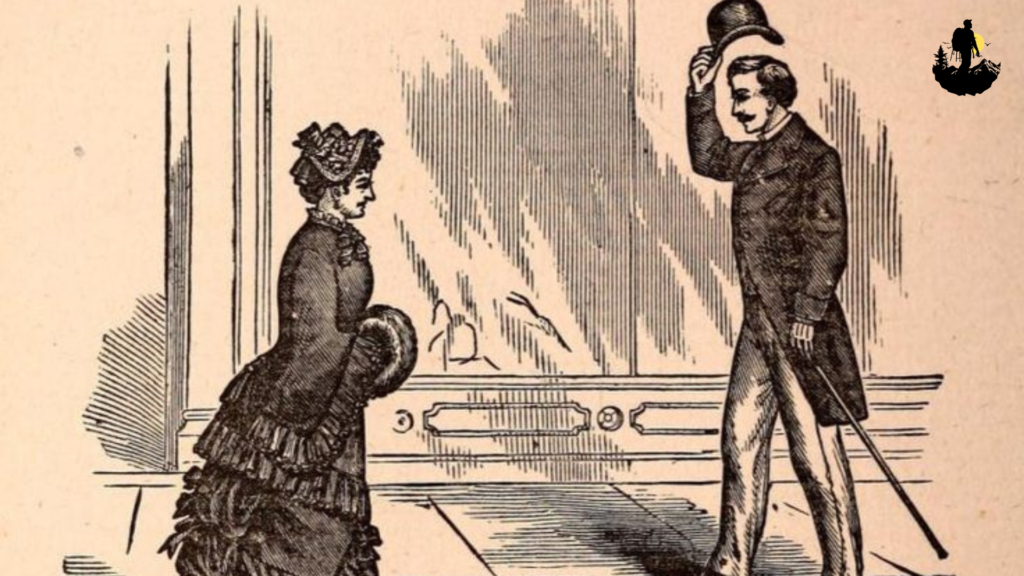
In many parts of the country, friendliness is expressed through brief acknowledgment rather than long conversations. A nod, a quick smile, or a casual greeting goes a long way. Ignoring someone entirely can feel rude in smaller towns, while overly personal questions may feel intrusive in larger cities. Observing how locals greet each other gives you cues on what is expected. If people exchange small talk in line, it is acceptable to join in lightly. If they remain quiet, respect that silence.
Personal space is another important aspect. Americans generally value physical space, especially in public settings. Standing too close or touching unnecessarily can make people uncomfortable. At the same time, doors are often held open, and saying thank you to strangers is common practice. These small gestures signal mutual respect and awareness.
Tipping culture is one of the most practical local norms to understand. In restaurants, cafés, bars, and service-based businesses, tipping is not optional but expected. Locals tip based on service quality, but rarely below a certain threshold. Understanding this system helps you navigate social expectations smoothly and shows respect for workers whose income depends on it.
Time is treated with importance, though interpretations differ by region. Being punctual is valued, especially for appointments and reservations. Arriving late without notice can be seen as disrespectful. However, social gatherings may allow more flexibility. Observing how locals handle time gives you a clearer sense of what is acceptable in different contexts.
Why It Is So Special
Learning local etiquette allows you to move through spaces with confidence and ease. Instead of feeling unsure or out of place, you begin to blend naturally into everyday interactions. This awareness reduces friction and creates smoother, more respectful connections. When locals feel understood, they are more likely to open up, share stories, and treat you as part of the environment rather than a temporary visitor.
- Weather: Social behavior adapts to seasonal moods and comfort
- Best Season to Visit: Any season, etiquette remains consistent
- Budget: No cost, only awareness and observation
- Best Places to Practice: Cafés, public transport, local businesses
- Best Way to Learn: Observe first, mirror gently, ask politely
Engage With Community Spaces and Everyday Events
Community spaces are where local life truly gathers. Libraries, recreation centers, parks, town halls, and neighborhood venues are not tourist attractions, yet they hold the heart of American daily culture. Spending time in these places reveals how people connect, relax, and support one another.
Public libraries are especially revealing. They are quiet hubs of activity, hosting book clubs, workshops, lectures, and children’s programs. Locals use them as workspaces, study areas, and meeting points. Walking into a library immediately places you inside the intellectual and social fabric of the community.
Parks and open spaces show how people unwind. Morning walkers, families with children, seniors chatting on benches, and fitness groups all coexist in these shared environments. Sitting in a park for an hour tells you more about local life than any sightseeing tour. You witness routines repeating day after day, shaped by weather, season, and habit.
Local events offer another gateway. These include community markets, street fairs, art walks, neighborhood concerts, and school fundraisers. Many of these events are small, informal, and rarely promoted outside the community. Attending them allows you to experience collective joy, pride, and tradition. You are not there to observe from a distance but to participate alongside residents.
Faith-based and cultural centers also play a significant role in many communities. Even without attending services, surrounding activities like food drives, festivals, or open houses provide insight into local values. These spaces emphasize belonging and continuity, showing how communities care for their members.
Why It Is So Special
Community spaces dissolve the boundary between traveler and resident. You are no longer consuming experiences but sharing them. These environments encourage organic interaction, where conversations happen naturally and moments feel unscripted. You begin to understand what matters to people, what they protect, and how they come together. This sense of shared presence creates a deeper, more human travel experience.
- Weather: Strongly influences outdoor community activity
- Best Season to Visit: Spring and summer for maximum events
- Budget: Free or very low-cost
- Best Places to Visit: Libraries, parks, community centers
- Best Way to Participate: Attend quietly, respect norms, stay open
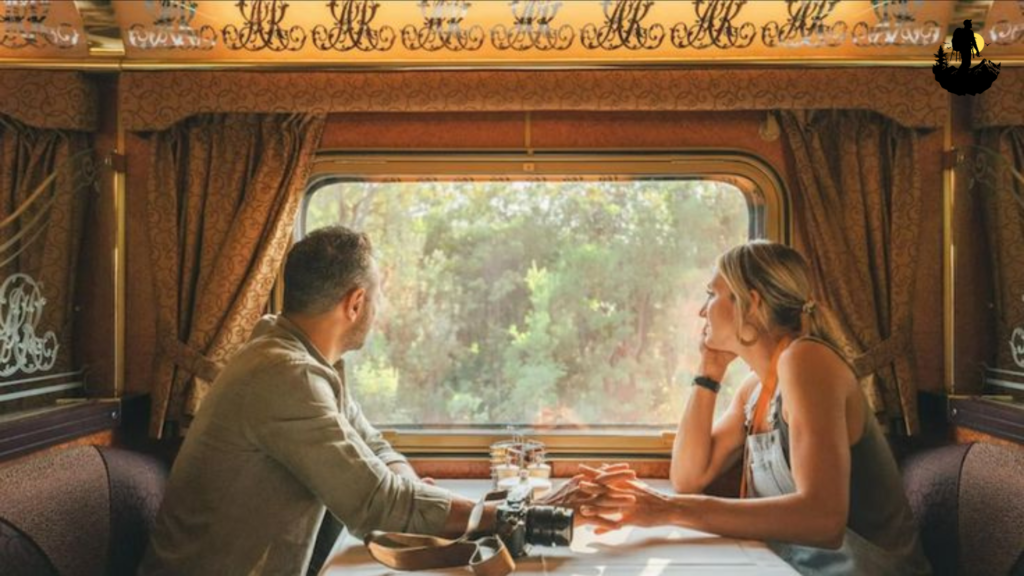
Slow Down and Let Curiosity Replace Itineraries
Perhaps the most important shift when living like a local is letting go of rigid plans. Locals do not experience their surroundings as a checklist. They move through familiar spaces with curiosity, patience, and openness to small discoveries. Adopting this mindset changes how you experience the USA.
Instead of scheduling every hour, leave room for wandering. Walk without a destination, take unfamiliar streets, and allow yourself to be guided by interest rather than obligation. Locals often find their favorite places accidentally, through repetition and exploration rather than intention.
Pay attention to small details. Murals on alley walls, handwritten signs in shop windows, conversations overheard in passing, and seasonal decorations all reveal layers of local identity. These details are easy to miss when rushing but deeply rewarding when noticed.
Allow yourself to repeat experiences. Visit the same café multiple times, walk the same route daily, or shop at the same store. Familiarity breeds recognition, and recognition creates connection. Locals may begin to acknowledge you, remember your order, or greet you casually. These moments create a sense of belonging that no landmark can offer.
Being present also means accepting imperfection. Not every day will be exciting. Some will feel ordinary, even quiet. That ordinariness is exactly what makes the experience authentic. Living like a local is not about constant stimulation but about comfort, rhythm, and subtle satisfaction.
Why It Is So Special
Slowing down transforms travel into a lived experience rather than a performance. You stop chasing highlights and start appreciating continuity. This approach allows places to reveal themselves naturally, building emotional resonance over time. The memories formed through stillness, repetition, and curiosity often last longer than those tied to spectacle.
- Weather: Influences pace and outdoor exploration
- Best Season to Visit: Any, depending on desired rhythm
- Budget: Lower due to reduced activity pressure
- Best Way to Experience: Walk, sit, observe, return
- Best Mindset: Curious, patient, unhurried
Build Micro Connections Through Everyday Conversations
Living like a local in the USA is less about making friends quickly and more about building small, repeated connections that feel natural over time. These micro interactions happen everywhere: at checkout counters, coffee shops, bus stops, elevators, and sidewalks. Locals may not always engage in long conversations, but brief exchanges form the foundation of everyday social life.
Simple greetings matter. Saying hello, thank you, or have a good day is a social norm in many regions. These phrases are not empty politeness but signals of mutual acknowledgment. Over time, these repeated exchanges can evolve into familiarity. A cashier may begin to recognize you, a barista might remember your usual order, or a neighbor may offer a nod of recognition. These moments create a sense of belonging without pressure.
Small talk plays an important role. Topics like weather, local sports, traffic, or seasonal changes are common and safe. The goal is not deep conversation but shared presence. Participating lightly shows respect for social customs and helps you blend in naturally. Listening is just as important as speaking. Locals often appreciate visitors who show genuine interest without dominating conversations.
Body language and tone also matter. Americans value friendliness combined with personal boundaries. Smiling, relaxed posture, and calm eye contact signal openness, while respecting space shows awareness. These subtle cues help interactions feel comfortable and authentic rather than forced.
Why It Is So Special
Micro connections create continuity in your travel experience. Instead of feeling anonymous, you begin to feel noticed. These small acknowledgments accumulate into a quiet sense of community, reminding you that travel is ultimately about human presence. The warmth of being recognized, even briefly, can transform unfamiliar places into spaces that feel welcoming and familiar.
- Weather: Influences mood and interaction patterns
- Best Season to Visit: Any season, social habits remain steady
- Budget: Free
- Best Places to Practice: Cafés, shops, public transport
- Best Approach: Friendly, brief, respectful
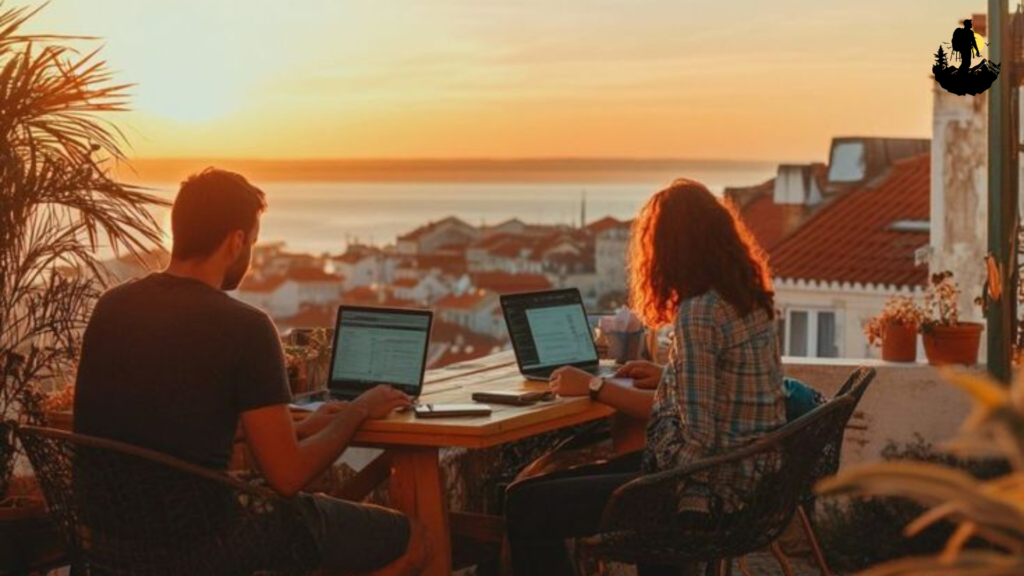
Experience Local Work and Weekday Life
Tourists often see destinations during their most curated moments, usually on weekends or holidays. To live like a local, experience places during ordinary weekdays. This is when real life unfolds. Offices open, schools operate, errands are run, and routines repeat with quiet consistency.
Observe morning commutes. Whether in cities or towns, weekdays reveal movement patterns that define daily life. People grab coffee, wait at crosswalks, and listen to music on public transit. Sitting in these environments allows you to feel the collective rhythm of work and responsibility that shapes communities.
Midday offers insight into working culture. Lunch breaks are often short and practical. Locals favor nearby spots, grocery store counters, or packed lunches. Eating where workers eat exposes you to authentic food habits and pricing. Conversations are brief, focused, and grounded in routine.
Evenings during the week feel different from weekends. Neighborhoods settle into calm patterns. Families return home, parks grow quieter, and restaurants fill with regulars rather than crowds. This is a valuable time to experience residential life. Walking through neighborhoods at dusk shows how people unwind and reconnect after long days.
Why It Is So Special
Weekday life strips away performance and reveals reality. You experience places as they truly function, not as they are presented to visitors. This perspective builds empathy and understanding, helping you see destinations as lived spaces rather than temporary backdrops. It deepens respect for the people who call these places home.
- Weather: Shapes commute styles and daily routines
- Best Season to Visit: Year-round
- Budget: Often lower due to weekday pricing
- Best Places to Observe: Transit hubs, lunch spots, neighborhoods
- Best Time: Early morning and early evening
Respect Local Identity and Avoid Over-Consumption
Living like a local also means knowing when to step back. Many American communities are navigating challenges related to tourism, rising costs, and cultural dilution. Being a respectful traveler means consuming thoughtfully and contributing positively rather than taking excessively.
Support locally owned businesses instead of large chains whenever possible. Locals rely on these establishments for livelihoods and community stability. Spending money intentionally keeps neighborhoods vibrant and authentic.
Avoid treating everyday spaces as spectacles. Not every street, person, or routine is meant to be photographed or documented. Observing quietly and asking permission when appropriate shows respect. Locals appreciate travelers who value presence over performance.
Be mindful of resources. Water usage, noise levels, parking habits, and waste disposal all affect communities. Locals notice visitors who act responsibly and integrate smoothly. Following posted rules and unspoken norms shows consideration for shared spaces.
Why It Is So Special
Respect transforms travel into partnership rather than consumption. When you approach communities with humility and care, your presence becomes welcome rather than intrusive. This mutual respect allows deeper access, trust, and authenticity, enriching your experience while honoring the people and places you visit.
- Weather: Affects resource use and community dynamics
- Best Season to Visit: Any, respect is timeless
- Budget: Conscious spending, not excessive
- Best Practice: Observe, ask, adapt
- Best Outcome: Meaningful, sustainable travel
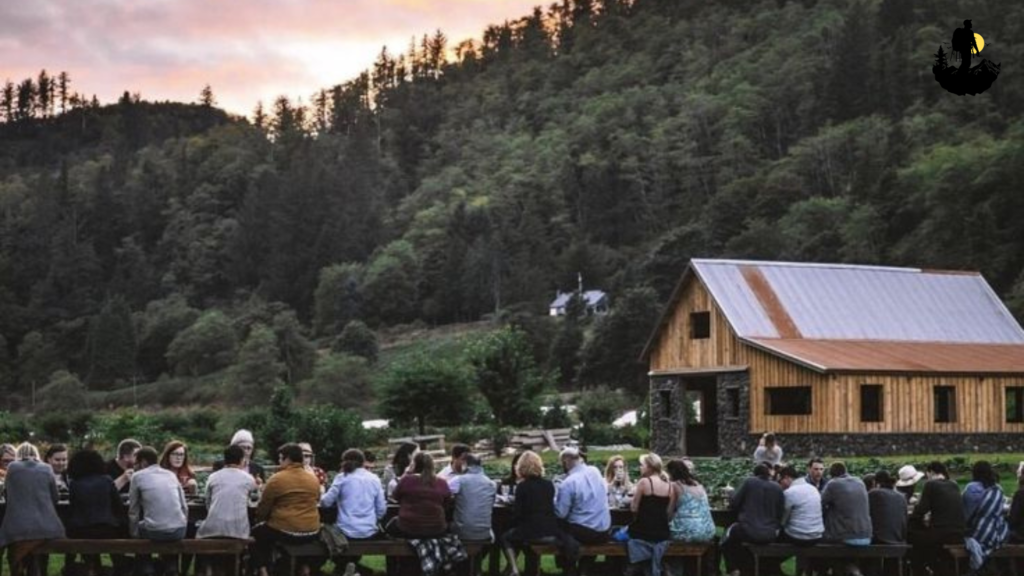
Stay Longer in Fewer Places to Build Familiarity
Living like a local in the USA is nearly impossible when you move every day. Locals experience places through repetition, not novelty. Staying longer in one area allows routines to form, patterns to emerge, and familiarity to grow naturally. Even a few extra days in the same neighborhood can dramatically change how connected you feel.
When you remain in one place, you start recognizing landmarks that matter to residents rather than tourists. The grocery store becomes familiar, the nearest park feels like an extension of your living space, and walking routes turn into habits rather than directions. This sense of orientation reduces the feeling of being lost and increases comfort.
Extended stays also deepen social recognition. Staff at cafés may remember your face, neighbors may greet you casually, and local business owners may offer small talk. These moments rarely happen during short visits but become common when you stay put. Familiarity builds trust, even without deep conversation.
Longer stays encourage slower days. You feel less pressure to fill every hour and more freedom to rest, observe, and adapt. This mirrors how locals balance work, leisure, and downtime. You experience the place as a living environment rather than a temporary attraction.
Why It Is So Special
Staying longer transforms travel into temporary residency. You stop reacting to everything as new and start relating to your surroundings with ease. This familiarity creates emotional grounding, making departures more meaningful and memories more lasting. Instead of remembering a place by highlights, you remember it by feelings.
- Weather: Becomes part of daily decision-making
- Best Season to Visit: Any, longer stays adapt well
- Budget: Often lower through weekly rates
- Best Places to Stay: Neighborhood rentals, extended stays
- Best Approach: Settle in, repeat routines, observe
Let Locals Lead Your Discoveries
One of the most authentic ways to live like a local is to let residents guide your experience, even indirectly. Locals rarely plan days around attractions. Instead, they follow recommendations passed casually through conversation, habit, and community knowledge.
Ask open-ended questions. Instead of asking for the best tourist spot, ask where people go on a regular evening or where they eat when they do not feel like cooking. These questions invite honest, practical answers rooted in everyday life. Locals often take pride in sharing these insights.
Pay attention to offhand comments. A mention of a seasonal dish, a weekly event, or a nearby town can open doors to experiences not found online. Acting on these suggestions leads to spontaneous, memorable moments.
Trust local timing. If someone says a place is better at a certain hour or on a certain day, believe them. Locals understand flow, crowd patterns, and atmosphere in ways no guidebook can capture.
Why It Is So Special
Allowing locals to guide you shifts authority away from algorithms and back to human experience. You discover places through shared knowledge rather than search results. This creates a sense of collaboration and mutual respect, turning your journey into a shared story rather than a solo pursuit.
- Weather: Influences local recommendations and timing
- Best Season to Visit: Any, advice adapts naturally
- Budget: Often more affordable through local insight
- Best Way to Discover: Ask, listen, follow through
- Best Outcome: Authentic, unscripted experiences
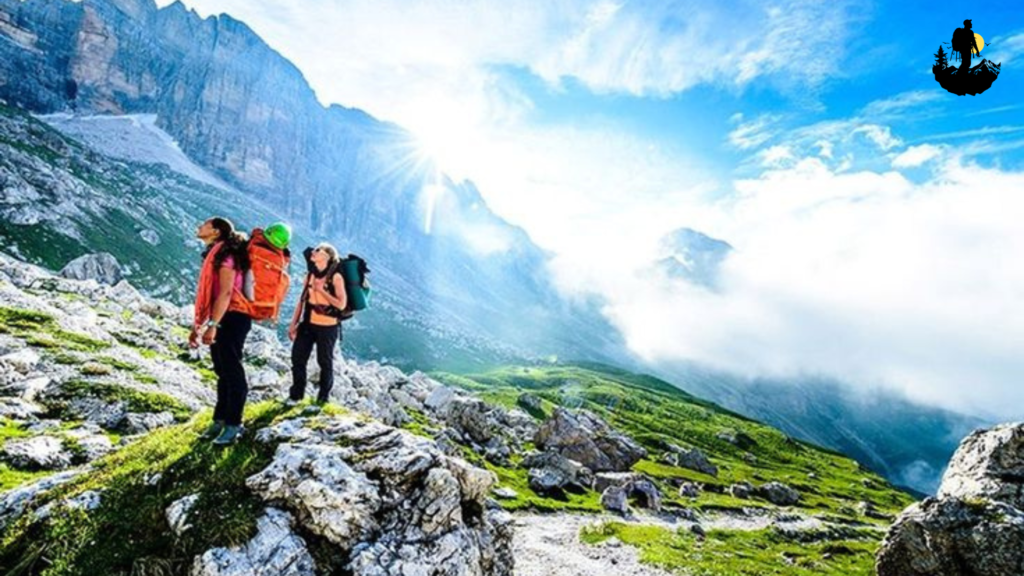
Adapt to Local Pace and Energy
Every place in the USA moves at its own speed, and living like a local means adjusting yourself to that pace rather than resisting it. In small towns, days unfold slowly. People take their time with conversations, errands, and meals. In large cities, movement is faster, and efficiency is valued. Sidewalks have an unspoken rhythm, lines move with purpose, and pauses are brief. Observing and adapting to this energy helps you blend in naturally.
Pay attention to how people walk, wait, and speak. Locals intuitively know when to linger and when to move on. Matching this rhythm shows awareness and respect. For example, standing too long in busy walkways or hesitating during rush hours can mark you as an outsider, while moving confidently signals familiarity.
Even leisure has its own pace. Some communities prioritize early nights and morning activity, while others come alive late in the evening. Adapting your schedule to local habits allows you to experience places when they feel most natural rather than staged.
Why It Is So Special
When you move at the same speed as the place around you, friction disappears. You feel less like you are passing through and more like you belong. This harmony between traveler and environment creates comfort and ease, turning unfamiliar surroundings into spaces that feel intuitively navigable.
- Weather: Strongly influences daily pace
- Best Season to Visit: Any, pace adapts year-round
- Budget: No additional cost
- Best Way to Learn: Observe first, follow second
- Best Result: Seamless integration into daily life
Carry the Local Mindset Beyond the Trip
Living like a local does not end when you leave. The mindset you develop while traveling can reshape how you remember places and how you approach future journeys. Locals experience their surroundings with care, patience, and responsibility. Carrying this perspective forward deepens the impact of your travels.
Reflect on what you learned. The routines, values, and behaviors you observed offer insight into how communities sustain themselves. Remembering these details helps preserve the authenticity of the experience rather than reducing it to photos or highlights.
Staying connected in small ways matters. Supporting local businesses online, sharing respectful stories, and recommending places thoughtfully helps maintain the integrity of the communities you visited. Avoid overexposing fragile locations or treating them as trends.
Most importantly, let the experience change how you travel next time. Approach new places with humility, curiosity, and patience. This continuity honors the people and places that welcomed you, allowing each journey to build upon the last.
Why It Is So Special
Carrying the local mindset transforms travel into a long-term relationship rather than a one-time event. Places remain alive in memory, not frozen as destinations but remembered as lived environments. This perspective creates deeper appreciation, responsible exploration, and richer personal growth.
- Weather: Shapes memories tied to seasons
- Best Season to Visit: Any, mindset remains constant
- Budget: Conscious travel over excess
- Best Practice: Reflect, respect, revisit
- Best Impact: Meaningful, lasting connections

Practical Tips for Living Like a Local While Traveling the USA
Redefine What a Successful Travel Day Looks Like
Living like a local starts with changing expectations. A successful day does not need to be packed with famous sights or constant movement. Locals value routine, comfort, and familiarity far more than novelty. Sitting in the same café twice, walking the same route each morning, or spending an hour people-watching can feel unproductive from a tourist mindset but deeply meaningful from a local one. When you release the pressure to constantly do more, you create space for genuine connection.
Choose Accommodations That Support Daily Life
Where you stay shapes how you experience a place. Prioritize neighborhoods with grocery stores, parks, laundromats, and public transport rather than proximity to attractions. These everyday conveniences naturally pull you into local routines and reduce reliance on tourist services. Staying in residential areas also exposes you to real community rhythms, from early morning activity to quiet evenings.
Shop and Eat Where Residents Go
Locals do not treat meals as events every day. They eat simply, often, and close to home. Shopping at grocery stores, bakeries, and neighborhood takeout spots reveals authentic food culture while keeping costs reasonable. Preparing occasional meals grounds your experience in daily life and creates balance. These habits mirror how people actually live, not how destinations are marketed.
Observe Social Norms Before Jumping In
Every community has its own social rules. Watch how people interact in lines, on sidewalks, and in shared spaces. Notice how long conversations last, how much personal space is given, and how people acknowledge each other. Mirroring these behaviors gently helps you blend in without feeling forced. Observation builds confidence and prevents uncomfortable misunderstandings.
Practice Respectful and Light Conversation
Americans are generally friendly but value boundaries. Keep interactions polite and brief unless invited deeper. Small talk about weather or local happenings is common, while overly personal questions may feel intrusive. Treat conversations as shared moments rather than opportunities to extract information. Respect grows when curiosity is paired with restraint.
Respect Time, Space, and Flow
Punctuality matters in most settings. Arriving on time, moving efficiently in busy areas, and avoiding blocking entrances or walkways shows awareness. These small actions signal respect for shared space and help you move through environments smoothly. Locals notice this more than you may realize.
Document Thoughtfully, Not Excessively
Not every moment needs to be captured or shared. Some spaces and interactions are best experienced without a camera. Ask permission when photographing people or intimate community spaces. Presence creates stronger memories than constant documentation and shows respect for others’ privacy.
Spend Money Intentionally
Support locally owned businesses when possible and avoid overconsumption. Buying fewer, better experiences rooted in community creates a lighter footprint and deeper satisfaction. Thoughtful spending strengthens neighborhoods and preserves authenticity.
Allow Space for Boredom and Stillness
Boredom is part of real life. Locals experience quiet, uneventful days too. Sitting with stillness allows subtle details to surface, from changing light to recurring routines. These moments often become the most memorable.
Be Patient With the Learning Curve
Mistakes are inevitable. You may misunderstand cues or feel out of place at times. What matters is intention and willingness to adapt. Humility builds trust and opens doors to richer experiences.
Conclusion: Turning Travel into Temporary Belonging
Living like a local while traveling the USA is not about abandoning your identity or imitating someone else’s life. It is about stepping into a place with openness and allowing it to shape your experience naturally. When you slow down, observe, and participate thoughtfully, travel shifts from consumption to connection.
The United States is vast, diverse, and layered. No single narrative defines it. What unites its communities is not sameness but routine. Daily life, repeated actions, and shared spaces form the foundation of local identity. By engaging with these elements, you gain access to the country’s quieter truths.
This approach changes how places feel. Streets stop being backdrops and become pathways of memory. Cafés turn into anchors of familiarity. Neighborhoods begin to feel navigable rather than overwhelming. Even brief stays carry emotional weight when lived with intention.
Living like a local also changes how you see people. Instead of service providers or background characters, locals become individuals navigating their own rhythms. This perspective fosters empathy and respect, reminding you that travel spaces are lived spaces first.
The rewards of this mindset often arrive subtly. Recognition from a shop owner. Comfort in routine. Confidence in movement. These moments do not announce themselves, but they linger long after the trip ends. They shape how you remember places, not as destinations checked off a list but as environments you temporarily inhabited.
This way of traveling also encourages responsibility. When you see places as homes rather than attractions, you naturally act with greater care. You waste less, consume thoughtfully, and share stories respectfully. Your presence becomes lighter, leaving behind appreciation rather than disruption.
Perhaps most importantly, living like a local reshapes future travel. You begin every new journey with patience instead of urgency, curiosity instead of expectation. You trust that meaning will emerge without forcing it. This continuity turns travel into a personal practice rather than a series of events.
In the end, the goal is not to disappear into local life but to coexist within it briefly and respectfully. When you travel this way, places do not feel distant once you leave. They remain alive in memory, connected to emotions rather than images.
Living like a local is not about how far you go but how deeply you arrive.

🌿 Sources & References
- Travel Health – CDC
- Responsible Travel – National Geographic
- Travel Tips – Lonely Planet
- Sustainable Travel – World Tourism Organization (UNWTO)
- Outdoor Recreation – REI Expert Advice
- Leave No Trace Principles
- Nature Conservation – WWF
- U.S. National Parks – NPS
- Wilderness Safety – American Red Cross
- Outdoor Health Benefits – NIH