Indigenous & Native American Cultural Experiences Guide
Indigenous cultural experiences is not just about visiting a destination. It is about listening, learning, and connecting with traditions that have shaped landscapes for thousands of years. Across the United States, Native American communities continue to preserve languages, ceremonies, storytelling, art, and deep relationships with nature.
Responsible travelers have the opportunity to experience these living cultures through guided tours, heritage sites, and community events that honor history while celebrating modern Indigenous identity. From desert pueblos to forested mountain homelands, these places invite you to slow down and see the world through a different perspective.
This guide highlights immersive cultural experiences where respect and curiosity go hand in hand. Each native american culture travel usa offers a chance to understand Indigenous heritage not as something frozen in the past, but as a vibrant and evolving part of today’s world, filled with wisdom, artistry, and meaningful human connection.
Sacred Lands and Living Traditions Across Indigenous America
Taos Pueblo, New Mexico
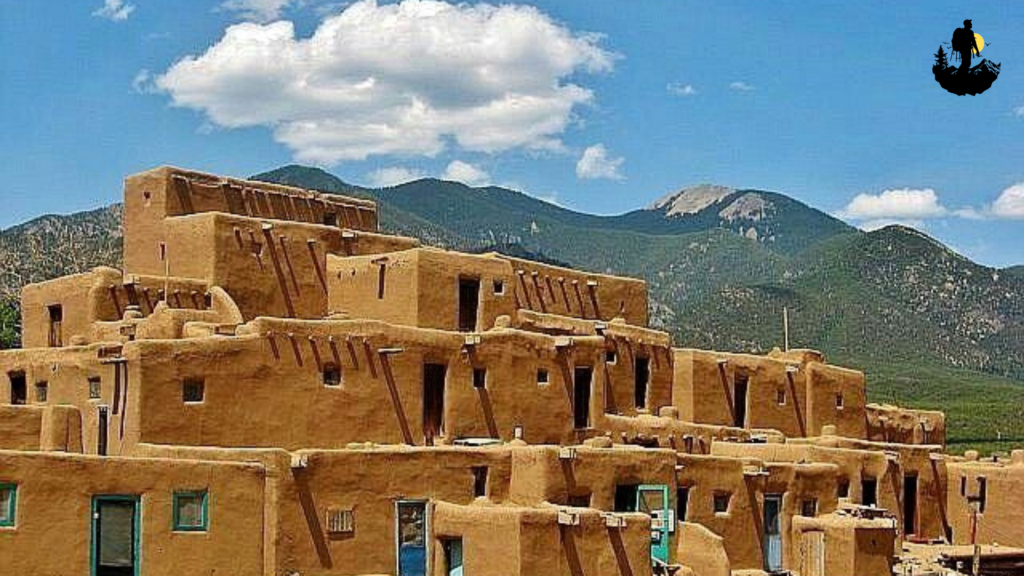
Taos Pueblo rises from the high desert like a timeless work of art shaped by earth and sky. Multi story adobe buildings stand closely together, their warm clay tones blending into the surrounding mountains. For more than a thousand years, this living Native American community has remained continuously inhabited, making it one of the oldest living settlements in North America. Walking through the pueblo feels like stepping into a story that has been carefully protected across generations.
The air carries a quiet sense of reverence. Wood smoke drifts from traditional ovens, and handmade crafts such as pottery, jewelry, and woven textiles are displayed by local artisans. Visitors move slowly through narrow pathways, guided by signs that remind everyone to respect sacred spaces. The Rio Pueblo runs nearby, its gentle sound creating a peaceful rhythm that contrasts with the vast desert silence beyond.
Sunrise and sunset transform the adobe walls into glowing shades of gold and amber. Snow sometimes dusts the surrounding Sangre de Cristo Mountains, adding a dramatic backdrop that changes with the seasons. Unlike museums that preserve culture behind glass, Taos Pueblo is alive. Children play in courtyards, elders share stories, and ceremonies continue according to traditions that have survived centuries of change.
Coordinates: Approximate location 36.4370° N, 105.5450° W, located north of Taos in northern New Mexico
Best Photography Spots:
- Main plaza viewpoint: Captures the layered adobe architecture against mountain peaks.
- Riverbank perspective: Shows reflections of the pueblo in calm water during early morning light.
- Entrance pathway: Frames traditional buildings with natural desert textures.
- Golden hour angles: Late afternoon light emphasizes the earthy tones and textures of adobe walls.
- Always follow local photography guidelines and respect areas where cameras are not allowed.
Why It Is So Special
- Taos Pueblo is not simply a historic landmark. It is a living cultural landscape where traditions continue every day. Visitors learn about Indigenous resilience through art, architecture, and storytelling. Many travelers describe feeling a deep sense of grounding while walking through the village. The simplicity of natural materials and the strong connection to land create an atmosphere that feels authentic and deeply human. Seasonal events such as feast days offer opportunities to witness dances and ceremonies that celebrate community identity. The experience encourages quiet observation rather than fast paced tourism, allowing visitors to reflect on history, respect, and cultural continuity.
- Weather: High desert climate with warm sunny days, cool evenings, and snowy winters
- Best Season to Visit: Late spring and early fall for comfortable temperatures and cultural events
- Budget: $120 to $220 per night in nearby Taos
- Best Food Nearby: Native inspired cuisine, blue corn dishes, green chile stew, fry bread tacos
- Best Places to Stay: Adobe style inns in Taos, boutique desert lodges, mountain view casitas
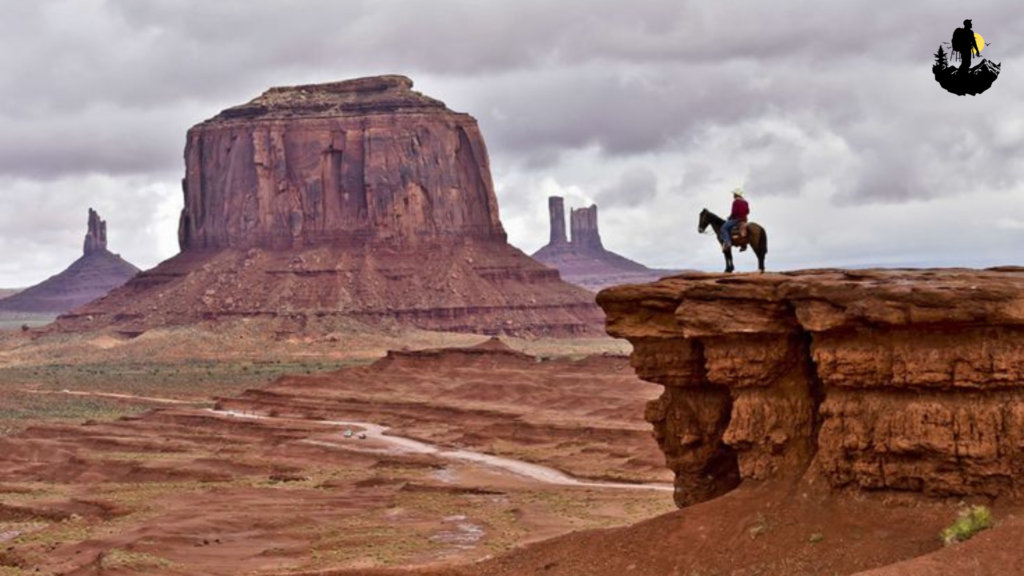
Monument Valley Navajo Tribal Park, Arizona and Utah
Monument Valley stretches across the Navajo Nation like a vast red canvas painted by wind and time. Towering sandstone buttes rise dramatically from the desert floor, their shapes instantly recognizable from classic Western films. Yet beyond its cinematic beauty, the valley holds deep spiritual meaning for the Navajo people, who know this land as Tsé Biiʼ Ndzisgaii. Guided cultural tours led by Navajo guides offer visitors a chance to hear stories, learn about traditional lifestyles, and understand the sacred connections between land and identity.
The silence here feels immense. Wind moves across open desert plains, carrying the scent of sage and warm stone. As the sun shifts across the sky, shadows carve patterns into the towering formations, creating constantly changing colors from deep crimson to soft orange. Many cultural tours include visits to traditional hogans, storytelling sessions, and demonstrations of weaving or sand painting. These experiences provide insight into Navajo philosophy, emphasizing harmony with nature and respect for ancestors.
Nightfall reveals another layer of magic. With minimal light pollution, the sky fills with countless stars, making Monument Valley one of the most breathtaking places for stargazing. Guides often share Navajo constellations and cultural interpretations of the night sky, turning a simple evening into a meaningful cultural exchange. Rather than rushing from viewpoint to viewpoint, visitors are encouraged to slow down, listen, and appreciate the land’s sacred presence.
Coordinates: Approximate location 36.9980° N, 110.0980° W, located within the Navajo Nation on the Arizona Utah border
Best Photography Spots:
- John Ford Point: Wide panoramic views of iconic buttes and expansive desert horizons.
- Artist’s Point overlook: Elevated perspective with dramatic layered rock formations.
- Sunrise viewpoint near The Mittens: Soft morning light creates long shadows and rich color contrast.
- Stargazing areas: Clear desert skies perfect for night photography and long exposure shots.
- Always travel with authorized guides when visiting restricted cultural areas.
Why It Is So Special
- Monument Valley is more than a famous landscape. It is a sacred homeland where stories are woven into every rock formation. Guided cultural experiences help visitors see beyond the scenery and understand Navajo traditions rooted in balance, respect, and spiritual connection. The sense of scale here is humbling, reminding travelers of humanity’s small place within nature’s vastness. Listening to Navajo guides share personal histories and cultural knowledge creates moments that feel deeply personal and meaningful. Many visitors leave with a renewed appreciation for Indigenous perspectives on land stewardship and community values.
- Weather: Hot summers, cool winters, clear dry air year round
- Best Season to Visit: Spring and fall for mild temperatures and softer desert light
- Budget: $150 to $300 per night at nearby lodges or tribal park cabins
- Best Food Nearby: Navajo tacos, roasted corn dishes, local stews, Southwestern flavors
- Best Places to Stay: The View Hotel cabins, Navajo owned guesthouses, desert eco lodges
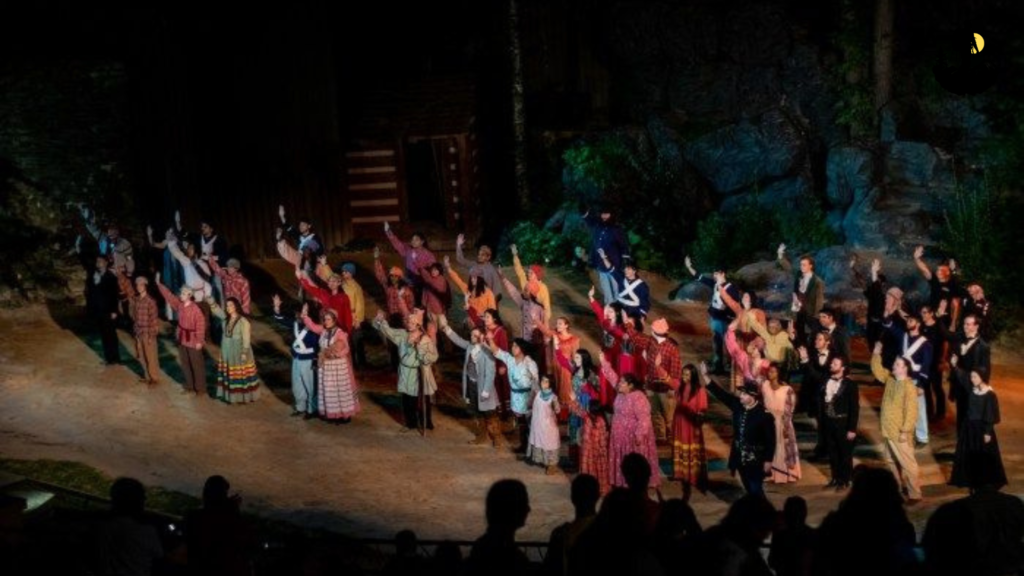
Cherokee Cultural Experience, Cherokee, North Carolina
Cherokee feels like a place where stories move gently through the mountains with the morning fog. Located at the entrance to the Great Smoky Mountains, this community is home to the Eastern Band of Cherokee Indians and offers one of the most immersive Indigenous cultural experiences in the Appalachian region. Instead of feeling like a typical tourist town, Cherokee blends cultural preservation with natural beauty, inviting visitors to learn through living traditions rather than distant history.
Early mornings bring a soft hush over the valley. Mist rises from the Oconaluftee River while the surrounding mountains glow in pale shades of blue and green. The sound of water flowing over smooth stones mixes with birdsong, creating an atmosphere that feels calm and reflective. Cultural sites and artisan workshops open slowly, allowing travelers to watch basket weaving, pottery shaping, and wood carving demonstrations led by Cherokee artists who continue skills passed down through generations.
One of the most meaningful parts of visiting Cherokee is experiencing storytelling and dance performances that share Cherokee history from an Indigenous perspective. Traditional music echoes through outdoor amphitheaters during the warmer months, while cultural centers provide deeper insight into language preservation and historical resilience. Walking through the area, visitors quickly realize that Cherokee is not frozen in time. It is a living community balancing heritage with modern life.
Coordinates: Approximate location 35.4773° N, 83.3149° W, located in western North Carolina near the Great Smoky Mountains
Best Photography Spots:
- Oconaluftee River banks: Reflections of mountains and morning mist create soft atmospheric images.
- Cultural village entrances: Capture artisans at work framed by traditional architecture.
- Mountain overlook pull offs: Wide scenic views that highlight the connection between culture and landscape.
- Evening performance areas: Warm stage lighting and movement during cultural dances create dynamic storytelling photos.
Why It Is So Special
- Cherokee offers a rare opportunity to understand Appalachian Indigenous heritage through personal interaction rather than observation from a distance. Visitors often describe feeling welcomed into a space where storytelling shapes every experience. Cultural performances and artisan demonstrations emphasize resilience, showing how traditions continue to evolve without losing authenticity. The surrounding mountains add a spiritual quality to the visit, reminding travelers of the deep bond between the Cherokee people and their ancestral land. Instead of rushing through attractions, many guests find themselves slowing down, listening more carefully, and gaining a deeper respect for Indigenous identity.
- Weather: Mild summers, colorful autumn seasons, cool winters with occasional snow
- Best Season to Visit: Late spring through fall for festivals and outdoor cultural events
- Budget: $90 to $180 per night nearby
- Best Food Nearby: Cherokee fry bread, smoked trout, homestyle Southern Appalachian dishes
- Best Places to Stay: Mountain cabins, riverside lodges, locally owned inns in Cherokee
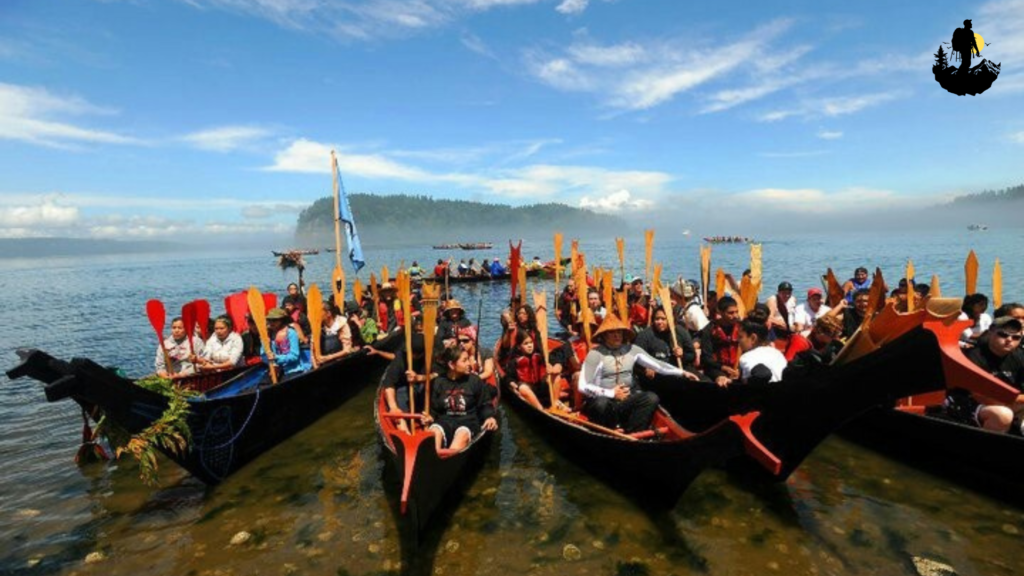
Makah Cultural Experience, Neah Bay, Washington
At the far northwestern edge of the continental United States lies Neah Bay, home of the Makah Tribe. Surrounded by rugged coastline, dense forests, and powerful ocean waves, this remote destination feels deeply connected to nature’s rhythm. The Makah people have lived along this coast for thousands of years, relying on the sea for sustenance, identity, and storytelling. Visiting Neah Bay is less about sightseeing and more about understanding a maritime culture shaped by wind, water, and resilience.
The landscape itself sets the tone. Waves crash against rocky cliffs while sea stacks rise dramatically from the Pacific Ocean. Eagles glide overhead, and driftwood lines quiet beaches where fog often rolls in like a moving curtain. Cultural experiences here often include visits to tribal museums, guided coastal walks, and conversations about traditional fishing and whaling practices. The Makah Cultural and Research Center preserves artifacts uncovered from ancient village sites, offering insight into a sophisticated coastal civilization that thrived long before modern borders existed.
Evenings in Neah Bay feel peaceful and reflective. The sound of the ocean becomes constant background music, while sunsets paint the sky in soft pink and orange tones. Local guides share stories about navigation, canoe carving, and the importance of environmental stewardship. Visitors quickly understand that for the Makah people, the ocean is not just scenery. It is a living partner in cultural survival.
Coordinates: Approximate location 48.3660° N, 124.6250° W, located at Neah Bay on the Olympic Peninsula, Washington
Best Photography Spots:
- Cape Flattery viewpoints: Dramatic ocean cliffs and sea stacks framed by evergreen forests.
- Beach driftwood areas: Textured foreground elements perfect for coastal compositions.
- Harbor perspectives: Capture traditional boats against calm water reflections.
- Foggy morning trails: Soft light filtering through coastal forests creates atmospheric imagery.
Why It Is So Special
- Neah Bay offers a cultural experience rooted in the power of the sea. Unlike inland tribal destinations, the Makah story is inseparable from ocean life, creating a unique perspective on Indigenous resilience. Visitors often feel a sense of humility standing on windswept cliffs where generations have fished and traveled by canoe. Cultural education here focuses on respect for marine ecosystems and the importance of preserving traditions while adapting to modern challenges. The remote setting also encourages mindful travel, allowing visitors to slow down and fully absorb the environment and the stories shared by local guides.
- Weather: Cool coastal climate with frequent fog and rain
- Best Season to Visit: Late spring through early fall for clearer skies and calmer seas
- Budget: $120 to $200 per night in nearby coastal lodges
- Best Food Nearby: Fresh salmon dishes, clam chowder, locally caught seafood
- Best Places to Stay: Rustic oceanfront cabins, small guesthouses near Neah Bay, eco lodges on the Olympic Peninsula
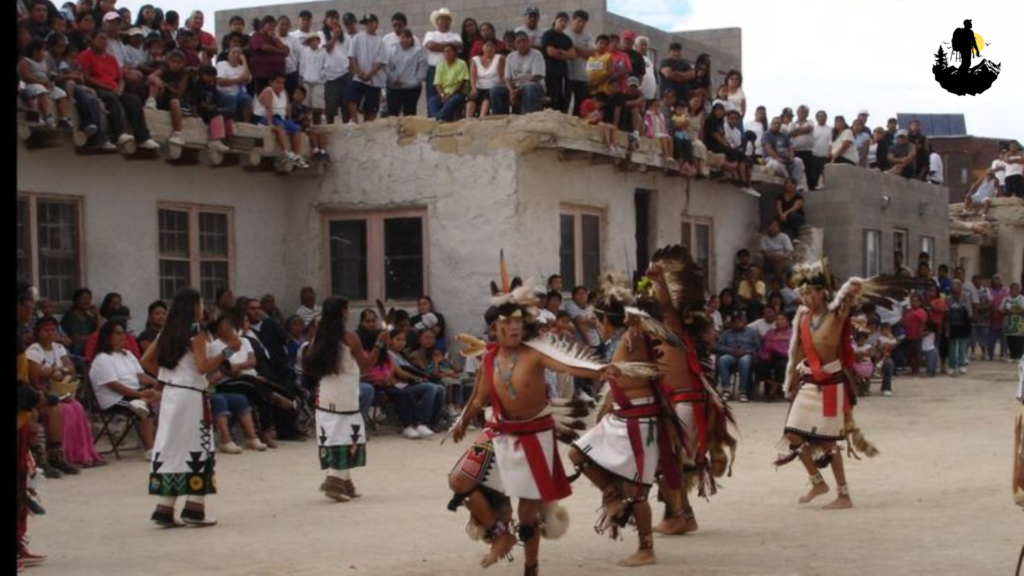
Hopi Cultural Experience, First Mesa, Arizona
High above the Arizona desert, the villages of First Mesa stand quietly against a vast sky that seems to stretch forever. The Hopi people have lived in this region for centuries, building stone villages atop mesas that rise dramatically from the surrounding plains. Visiting the Hopi lands is a deeply respectful experience, where culture is shared carefully and visitors are encouraged to listen more than speak. The environment feels timeless, shaped by wind, sun, and generations of tradition.
The journey to First Mesa reveals wide open desert landscapes dotted with sagebrush and red earth. As you approach the village, the architecture blends seamlessly into the natural surroundings. Stone homes appear almost carved from the mesa itself, reflecting the Hopi philosophy of living in harmony with the land. Cultural tours led by knowledgeable guides provide insight into Hopi history, spirituality, and artistic traditions such as katsina carving and intricate pottery.
Silence plays an important role here. Unlike busy tourist destinations, the pace on First Mesa is calm and contemplative. The sound of wind moving across the plateau replaces city noise, and the expansive horizon creates a sense of openness that feels both grounding and inspiring. Seasonal ceremonies and artisan markets offer glimpses into Hopi life, though many sacred traditions remain private, reinforcing the importance of cultural respect.
Coordinates: Approximate location 35.8160° N, 110.6780° W, located on First Mesa within the Hopi Reservation in northeastern Arizona
Best Photography Spots:
- Mesa edge viewpoints: Sweeping desert panoramas with endless sky.
- Village pathways: Textured stone walls and traditional architecture framed by natural light.
- Sunrise horizon angles: Soft morning colors illuminating the desert landscape.
- Artisan market areas: Capture handmade pottery and carvings in natural settings with permission.
Why It Is So Special
- First Mesa represents one of the oldest continuously inhabited areas in North America, carrying a profound sense of history and spiritual depth. The Hopi philosophy emphasizes balance, humility, and respect for natural cycles, and visitors often leave feeling inspired by this worldview. The simplicity of life on the mesa highlights how culture can thrive through connection to land and community rather than modern distractions. Unlike highly commercialized destinations, the Hopi experience remains intimate and authentic, encouraging thoughtful engagement rather than passive observation. Many travelers describe their visit as quietly transformative, offering a rare chance to see the desert through an Indigenous perspective shaped by centuries of wisdom.
- Weather: Dry desert climate with warm days and cool nights
- Best Season to Visit: Spring and fall for comfortable temperatures
- Budget: $100 to $190 per night in nearby towns such as Winslow or Tuba City
- Best Food Nearby: Traditional corn based dishes, Southwestern stews, handmade tortillas
- Best Places to Stay: Desert lodges, small motels near the reservation, quiet eco retreats with mesa views
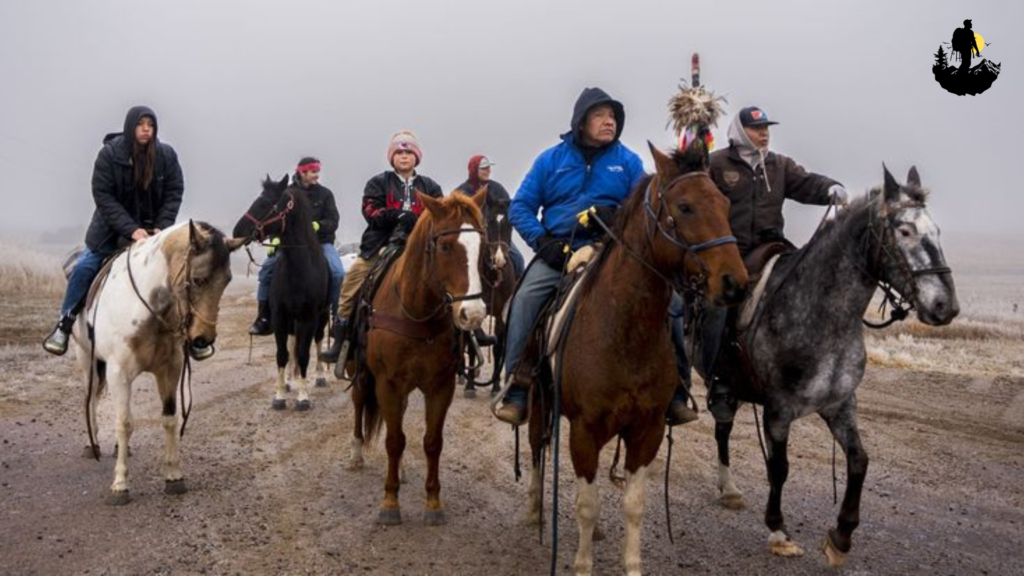
Pine Ridge Lakota Cultural Experience, South Dakota
The wide open plains of South Dakota carry a quiet strength that feels both grounding and powerful. Pine Ridge Reservation, home to the Oglala Lakota Nation, offers visitors an opportunity to experience Indigenous culture shaped by resilience, storytelling, and deep spiritual connection to the land. Rolling grasslands stretch endlessly toward the horizon, and the sky feels vast enough to hold generations of history. Traveling here is less about sightseeing and more about understanding community, tradition, and the enduring spirit of the Lakota people.
Morning light spreads slowly across the prairie, illuminating golden grasses that sway gently in the wind. Cultural tours led by Lakota guides often include visits to historical sites, artisan markets, and storytelling gatherings where oral traditions bring history to life. Visitors may learn about traditional beadwork, drum making, and the significance of sacred ceremonies that honor ancestors and nature. The experience encourages respectful listening, allowing travelers to see the plains not as empty space but as a living cultural landscape filled with meaning.
Evenings on Pine Ridge feel peaceful and reflective. As the sun sets, the sky shifts through layers of orange and purple, creating a calm atmosphere perfect for quiet conversation. Community events and cultural centers offer opportunities to learn about Lakota language revitalization and contemporary Indigenous art. Many travelers describe leaving Pine Ridge with a deeper understanding of Native resilience and a renewed appreciation for the strength of Indigenous communities.
Coordinates: Approximate location 43.0240° N, 102.5560° W, located on the Pine Ridge Reservation in southwestern South Dakota
Best Photography Spots:
- Prairie overlook hills: Capture sweeping views of rolling grasslands under dramatic skies.
- Cultural center exteriors: Traditional motifs and murals reflecting Lakota heritage.
- Sunset horizon lines: Silhouettes of grasses against glowing evening colors.
- Artisan gatherings: Document handmade beadwork and crafts with permission from artists.
Why It Is So Special
- Pine Ridge offers an experience rooted in cultural truth rather than spectacle. Visitors are invited to learn directly from Lakota voices, creating moments of genuine connection. The simplicity of the plains encourages reflection, while storytelling reveals layers of history often overlooked in mainstream travel narratives. Many travelers find the experience deeply meaningful because it highlights Indigenous perspectives on community, respect, and the importance of honoring the past while building a strong future.
- Weather: Warm summers, cold winters, open windy plains
- Best Season to Visit: Late spring through early fall for cultural events and comfortable travel
- Budget: $80 to $160 per night in nearby towns
- Best Food Nearby: Buffalo burgers, fry bread, hearty Midwestern comfort meals
- Best Places to Stay: Small local motels, ranch style lodges, guesthouses near the reservation
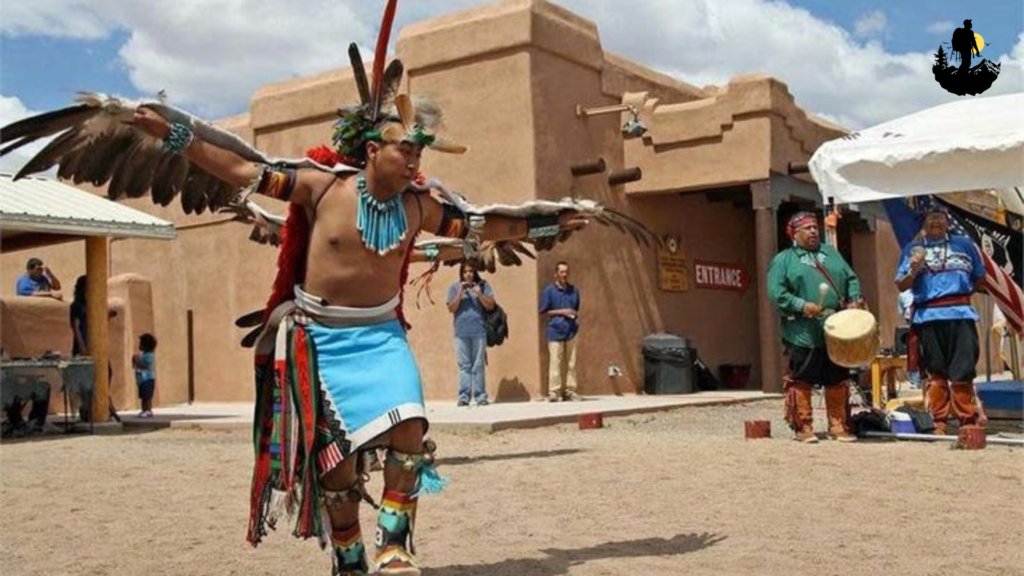
Zuni Pueblo Cultural Experience, New Mexico
Zuni Pueblo sits quietly in the high desert of western New Mexico, surrounded by wide open landscapes that glow under the southwestern sun. Known for intricate jewelry, stone carvings, and centuries old artistic traditions, Zuni offers a cultural experience deeply rooted in creativity and spiritual balance. Walking through the village feels calm and intimate, with narrow streets lined by adobe homes and artisan workshops that reflect generations of craftsmanship.
The desert air carries a warm stillness, broken only by distant voices and the occasional sound of wind moving across the plains. Many visitors come to Zuni to meet artists who specialize in delicate inlay jewelry, fetish carvings, and pottery designs inspired by nature and spiritual symbolism. Cultural centers provide insight into Zuni beliefs, emphasizing harmony between people, land, and the natural world. Seasonal events sometimes include traditional dances that celebrate community identity and ancestral stories.
Sunset transforms Zuni Pueblo into a landscape of deep reds and golden light. Shadows stretch across adobe walls while the sky slowly fades into soft evening blues. Unlike busy tourist destinations, the atmosphere here feels respectful and grounded, encouraging travelers to slow down and appreciate the details of everyday life. The experience often leaves visitors inspired by the dedication of Zuni artists who continue to preserve traditional techniques in a modern world.
Coordinates: Approximate location 35.0690° N, 108.8450° W, located in western New Mexico near the Arizona border
Best Photography Spots:
- Adobe village pathways: Textured walls and earthy tones glowing in natural light.
- Artisan workshop entrances: Authentic glimpses of creative spaces.
- Open desert edges: Wide landscapes framing the pueblo against expansive skies.
- Golden hour viewpoints: Warm evening light enhancing traditional architecture.
Why It Is So Special
- Zuni Pueblo stands out for its artistic heritage and deep spiritual philosophy centered on balance. Visitors often feel a quiet sense of inspiration while learning about the meaning behind jewelry patterns and ceremonial art. The community’s commitment to preserving cultural identity through creativity creates an atmosphere that feels both timeless and alive. Rather than focusing on grand monuments, Zuni offers meaningful personal encounters that highlight the power of art as a living cultural expression.
- Weather: Dry desert climate with sunny days and cool nights
- Best Season to Visit: Spring and fall for mild temperatures
- Budget: $90 to $170 per night in nearby Gallup or local inns
- Best Food Nearby: Southwestern stews, blue corn dishes, locally made baked goods
- Best Places to Stay: Desert motels, small pueblo guesthouses, quiet adobe style lodgings
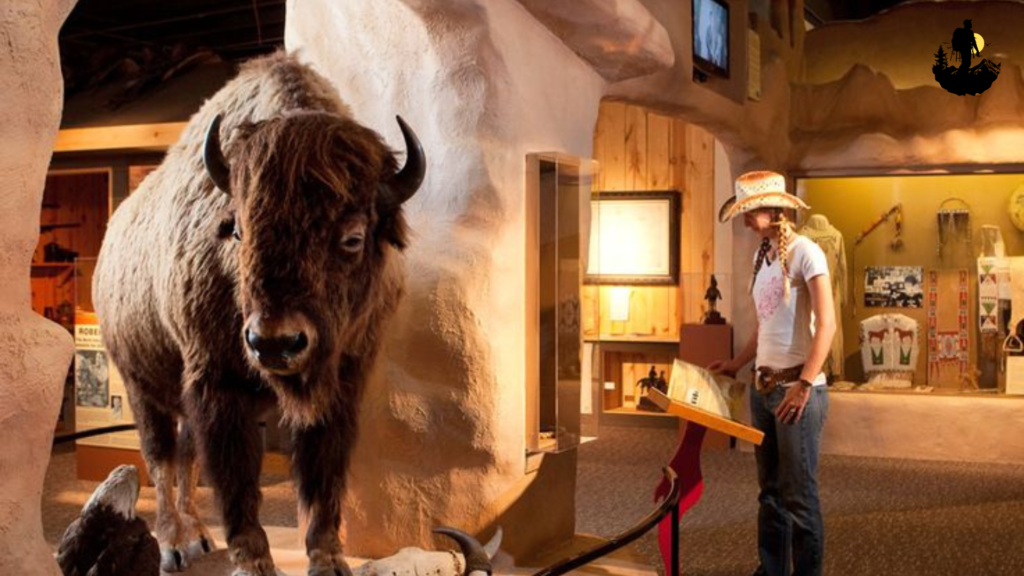
Standing Rock Cultural Experience, North Dakota
Standing Rock stretches across the windswept plains where North Dakota meets South Dakota, carrying a powerful sense of history and cultural pride. Home to the Standing Rock Sioux Tribe, this region offers travelers an opportunity to learn about Indigenous activism, storytelling, and spiritual traditions connected to the Missouri River. The landscape feels expansive and peaceful, with rolling hills and open skies that create a deep sense of calm.
Guided cultural experiences often include visits to historic landmarks, community centers, and art spaces where local artists share paintings, beadwork, and music rooted in Sioux heritage. Storytelling plays a central role, with elders and cultural educators explaining the significance of ceremonies, language preservation, and the relationship between people and land. Visitors quickly understand that Standing Rock represents both tradition and contemporary Indigenous resilience.
The quiet beauty of the plains becomes especially powerful at sunrise and sunset. Light spreads slowly across the horizon, turning the river into a ribbon of gold. Community gatherings sometimes feature drumming and dance that invite visitors to witness the strength of living culture. The experience feels deeply reflective, encouraging travelers to consider themes of respect, unity, and environmental stewardship.
Coordinates: Approximate location 46.0860° N, 100.6320° W, located along the Missouri River in North Dakota
Best Photography Spots:
- Missouri River viewpoints: Reflections and wide open landscapes perfect for peaceful imagery.
- Hilltop overlooks: Expansive prairie scenes under dramatic skies.
- Community art murals: Colorful expressions of Sioux heritage and modern identity.
- Sunrise plains angles: Soft light illuminating grasses and distant hills.
Why It Is So Special
- Standing Rock offers more than scenic beauty. It represents a place where cultural pride and modern Indigenous voices come together. Visitors often describe feeling inspired by the sense of unity within the community and the emphasis on protecting land and water for future generations. Learning directly from local storytellers creates an experience that feels authentic and meaningful, leaving travelers with a deeper understanding of Native American history and contemporary life.
- Weather: Cold winters, warm summers, windy prairie conditions
- Best Season to Visit: Late spring through early fall for cultural events and outdoor exploration
- Budget: $85 to $160 per night in nearby towns
- Best Food Nearby: Hearty Midwestern meals, buffalo dishes, fry bread specialties
- Best Places to Stay: Local inns, small prairie lodges, riverside cabins
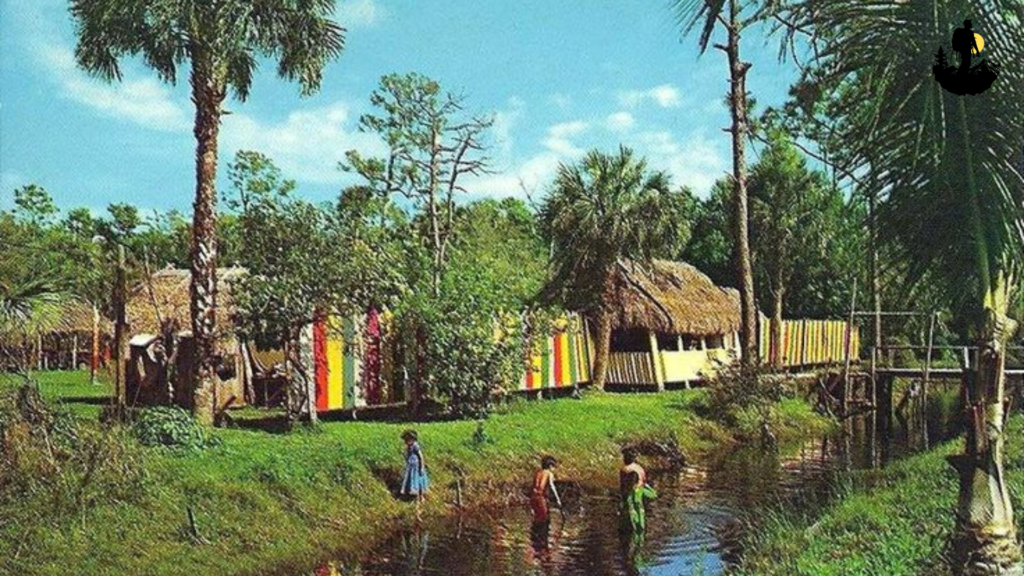
Seminole Cultural Experience, Big Cypress, Florida
The wetlands of Big Cypress stretch endlessly across southern Florida, filled with sawgrass prairies, winding waterways, and towering cypress trees draped in moss. This region is home to the Seminole Tribe of Florida, whose history is deeply tied to the Everglades landscape. Visiting Big Cypress offers a cultural experience shaped by resilience, environmental knowledge, and a strong connection to nature. The atmosphere feels alive with birdsong, distant splashes of water, and warm breezes moving through the wetlands.
Early mornings bring a golden glow across the marshes as mist rises slowly from shallow water. Guided cultural tours introduce visitors to traditional chickee huts, patchwork clothing designs, and stories of how the Seminole people adapted to life in the Everglades. Airboat rides led by knowledgeable guides reveal not only wildlife but also cultural insights into survival techniques, plant knowledge, and the spiritual meaning of the land. Artisan demonstrations often showcase beadwork and crafts that reflect Seminole identity.
As the sun sets, the sky fills with soft pink and orange tones reflected across calm water channels. Evenings feel peaceful and reflective, offering time to listen to stories shared by local educators about the tribe’s history and modern life. The balance between culture and environment makes Big Cypress a unique destination where visitors learn to see wetlands not as wilderness alone but as a homeland shaped by generations.
Coordinates: Approximate location 25.8580° N, 81.0800° W, located within Big Cypress Reservation in southern Florida
Best Photography Spots:
- Boardwalk trails through cypress trees: Dramatic reflections and textured natural framing.
- Open marsh viewpoints: Wide scenes capturing wildlife and expansive skies.
- Traditional chickee huts: Cultural architecture set against lush wetlands.
- Golden hour waterways: Soft evening light creating mirror like reflections.
Why It Is So Special
- Big Cypress offers a rare chance to experience Indigenous culture within a subtropical ecosystem unlike anywhere else in North America. The Seminole story is deeply connected to adaptation and survival, and visitors often leave with a deeper respect for environmental stewardship. Cultural programs emphasize education through storytelling, helping travelers understand how traditions evolve while maintaining strong roots in heritage. The peaceful rhythm of the wetlands encourages mindfulness, making the experience feel both educational and spiritually grounding.
- Weather: Warm and humid climate with frequent summer rain
- Best Season to Visit: Winter and early spring for cooler temperatures and wildlife viewing
- Budget: $130 to $240 per night near the Everglades region
- Best Food Nearby: Fresh seafood, Southern Florida dishes, fry bread and local specialties
- Best Places to Stay: Eco lodges near Big Cypress, Everglades cabins, small nature focused resorts
Alaska Native Cultural Experience, Sitka, Alaska
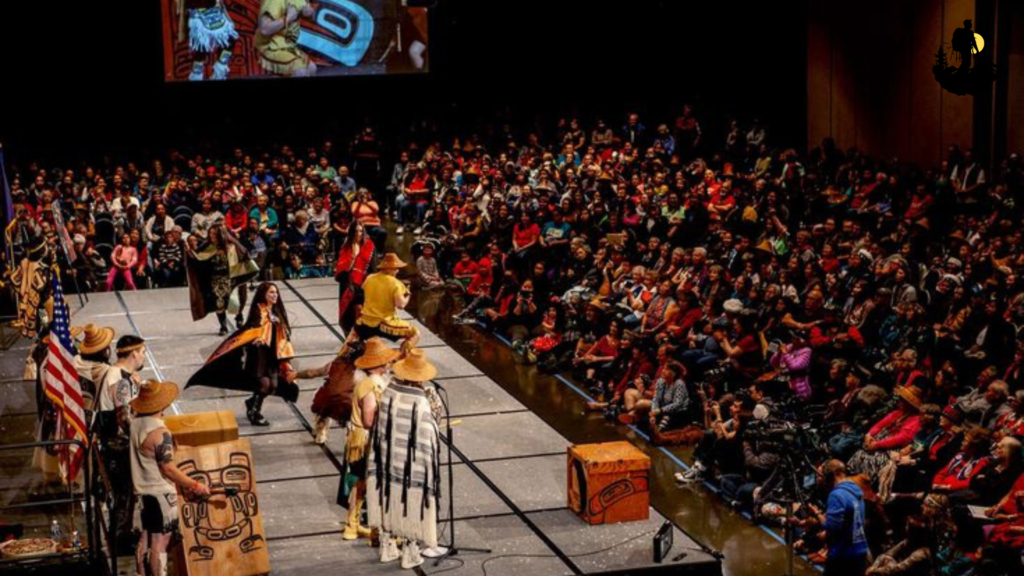
Sitka rests between towering mountains and the cold blue waters of the Pacific, offering one of the most immersive Alaska Native cultural experiences in the United States. Home to Tlingit heritage, this coastal town blends Indigenous traditions with dramatic natural beauty. Totem poles rise among dense spruce forests, and the scent of saltwater fills the air as fishing boats move quietly through the harbor. Visiting Sitka feels like stepping into a living story shaped by ocean life and centuries of cultural continuity.
Morning fog often drifts across the shoreline, softening the outlines of islands scattered across the bay. Cultural experiences here include visits to totem parks, artisan workshops, and storytelling sessions where local guides explain the symbolism behind intricate carvings and clan histories. The rhythmic sound of waves against the docks adds a calming backdrop while visitors learn about canoe building, weaving, and the importance of salmon to Tlingit culture.
During summer evenings, long daylight hours bathe the landscape in a cool golden glow. Wildlife sightings such as eagles or sea otters add to the feeling of connection with nature. Community events sometimes feature traditional dance performances that celebrate heritage through movement and music. Sitka’s quiet pace encourages travelers to slow down and appreciate both cultural knowledge and the powerful beauty of Alaska’s coastal wilderness.
Coordinates: Approximate location 57.0530° N, 135.3300° W, located on Baranof Island in southeastern Alaska
Best Photography Spots:
- Totem lined forest paths: Dramatic cultural imagery surrounded by evergreen trees.
- Harbor viewpoints: Fishing boats framed by mountains and calm ocean water.
- Coastal cliffs: Wide panoramic views of the Pacific and nearby islands.
- Foggy morning shoreline: Soft atmospheric scenes perfect for storytelling photography.
Why It Is So Special
- Sitka stands out for blending Indigenous culture with a raw, untouched coastal landscape. Visitors often feel a deep sense of respect while learning about totem symbolism and clan history directly from Alaska Native voices. The connection between ocean life and cultural identity creates an experience that feels both powerful and peaceful. Rather than overwhelming crowds, Sitka offers quiet moments of discovery where history, art, and nature come together in harmony.
- Weather: Cool maritime climate with frequent rain and mist
- Best Season to Visit: Late spring through early fall for cultural events and wildlife viewing
- Budget: $180 to $320 per night depending on season
- Best Food Nearby: Fresh salmon, halibut dishes, locally inspired seafood cuisine
- Best Places to Stay: Harbor view lodges, small boutique inns, coastal cabins with mountain views
Tips for Respectful Indigenous & Native American Cultural Travel
Learn before you go
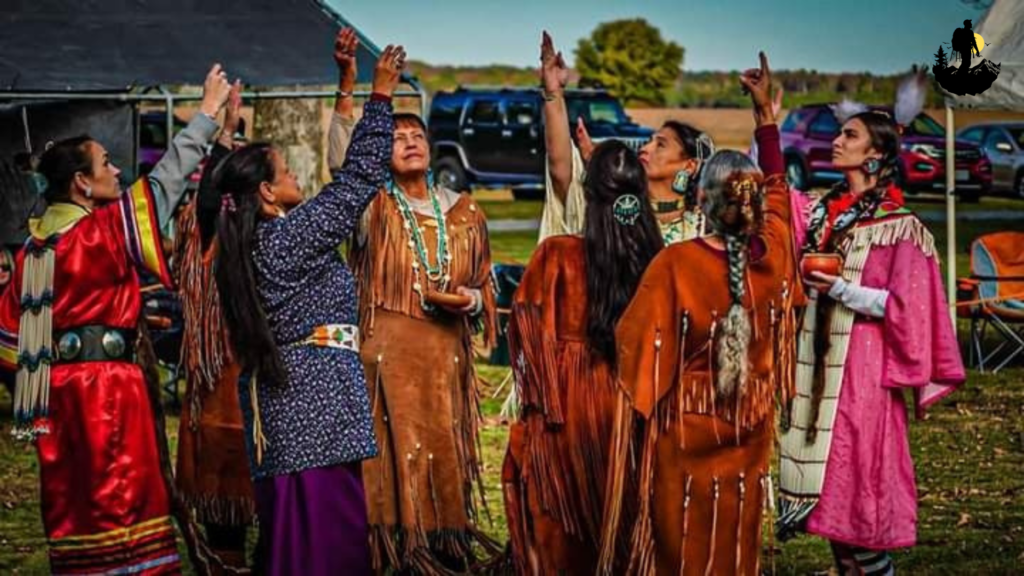
Spend time reading about the tribe or community you plan to visit. Every Indigenous nation has its own traditions, beliefs, and history. Understanding even a small part of that background helps you arrive with awareness and respect instead of assumptions.
Follow local photography rules
Some ceremonies, buildings, or sacred spaces may not allow photos or videos. Always look for posted guidelines and ask permission when unsure. Respecting these boundaries shows cultural sensitivity and builds trust between visitors and communities.
Choose Indigenous owned tours and businesses
Booking experiences through Native owned guides, lodges, or artisan markets helps support local economies directly. It also ensures that the stories you hear come from authentic voices rather than outside interpretations.
Listen more than you speak
Cultural travel is not about collecting photos quickly. It is about listening to stories, observing traditions, and allowing space for learning. Many visitors find the most meaningful moments happen when they slow down and simply pay attention.
Respect sacred land and traditions
Avoid touching ceremonial objects, entering restricted areas, or treating cultural symbols as decorations. Many Indigenous communities view land as sacred, so walking mindfully and leaving no trace is especially important.
Dress modestly and comfortably
Some cultural events or villages may encourage modest clothing out of respect for tradition. Comfortable, neutral attire also helps you blend into the environment and avoid drawing unnecessary attention.
Support local artisans ethically
When purchasing jewelry, carvings, or textiles, buy directly from artists whenever possible. Ask about the meaning behind designs. Authentic crafts often carry stories and spiritual symbolism that deserve appreciation rather than casual bargaining.
Be open to different perspectives
Indigenous cultural experiences may challenge familiar ideas about history, nature, and community. Approach these moments with curiosity rather than comparison. Each culture offers a unique worldview shaped by generations of knowledge.
Travel slowly and intentionally
Indigenous destinations are rarely about fast paced sightseeing. Plan extra time to walk, reflect, and engage in conversations. A slower pace allows deeper understanding and more meaningful memories.
Understand that some traditions are private
Not every ceremony or cultural practice is meant for visitors. Accepting limits with grace is part of respectful travel. The goal is not access to everything but appreciation for what communities choose to share.
Practice environmental respect
Many Indigenous cultures emphasize harmony with nature. Carry reusable water bottles, avoid littering, and stay on marked paths. Small actions show respect for the land that holds deep cultural significance.
Ask thoughtful questions
When interacting with guides or artisans, ask questions that reflect genuine curiosity rather than stereotypes. Conversations about art, language, or personal stories often create the most memorable travel experiences.
Support cultural education centers
Museums, research centers, and community programs often rely on visitor support. Entry fees and donations help preserve language, art, and historical knowledge for future generations.
Stay present in the moment
It can be tempting to view cultural travel through a camera lens or social media posts. Taking time to put devices away and simply experience the atmosphere allows you to connect more deeply with the place and people around you.
Conclusion
Traveling through Indigenous and Native American cultural destinations offers something far more meaningful than a typical vacation. These experiences invite you to step into living traditions that continue to shape communities today. From desert pueblos and coastal villages to forested mountain homelands and open plains, each place carries stories of resilience, creativity, and spiritual connection to the land. Visitors often discover that the true value of these journeys lies not in dramatic landscapes alone but in the moments of quiet learning shared with local guides, artisans, and storytellers.
One of the most powerful aspects of Indigenous cultural travel is the opportunity to see history from a different perspective. Many travelers arrive expecting to learn about the past but leave with a deeper understanding of the present. Indigenous communities are vibrant and evolving, blending traditional knowledge with modern life while maintaining strong cultural identities. This balance between heritage and innovation reminds visitors that culture is not static. It grows and adapts while remaining rooted in ancestral wisdom.
Respect plays a central role in every meaningful cultural experience. Choosing to listen carefully, follow local guidelines, and support Native owned businesses helps ensure that tourism benefits communities rather than disrupting them. Responsible travel also encourages deeper personal reflection. Standing in a sacred desert landscape, watching artisans craft jewelry by hand, or listening to stories passed down through generations can shift the way we think about connection, history, and belonging.
Another lasting impact of Indigenous cultural travel is the way it reshapes our relationship with nature. Many Native traditions emphasize harmony with the environment, teaching lessons about balance and stewardship that feel especially important in today’s world. Visitors often leave with a renewed appreciation for quiet spaces, natural cycles, and the importance of protecting landscapes that hold cultural meaning.
As you plan your own journey, remember that these destinations are more than places on a map. They are living communities that deserve respect, curiosity, and care. Travel slowly, ask thoughtful questions, and remain open to learning in unexpected ways. When approached with humility and awareness, Indigenous cultural experiences become more than trips. They become opportunities for personal growth, deeper understanding, and genuine human connection that stays with you long after the journey ends.

🌿 Sources & References
- Travel & Adventure – National Geographic
- Outdoor Recreation – REI Expert Advice
- Leave No Trace Principles
- Nature Conservation – WWF
- U.S. National Parks – NPS
- Sustainable Tourism – UNWTO
- Wilderness Safety – American Red Cross
- Outdoor Health Benefits – NIH
- Travel Health – CDC
- Ecotourism – The International Ecotourism Society