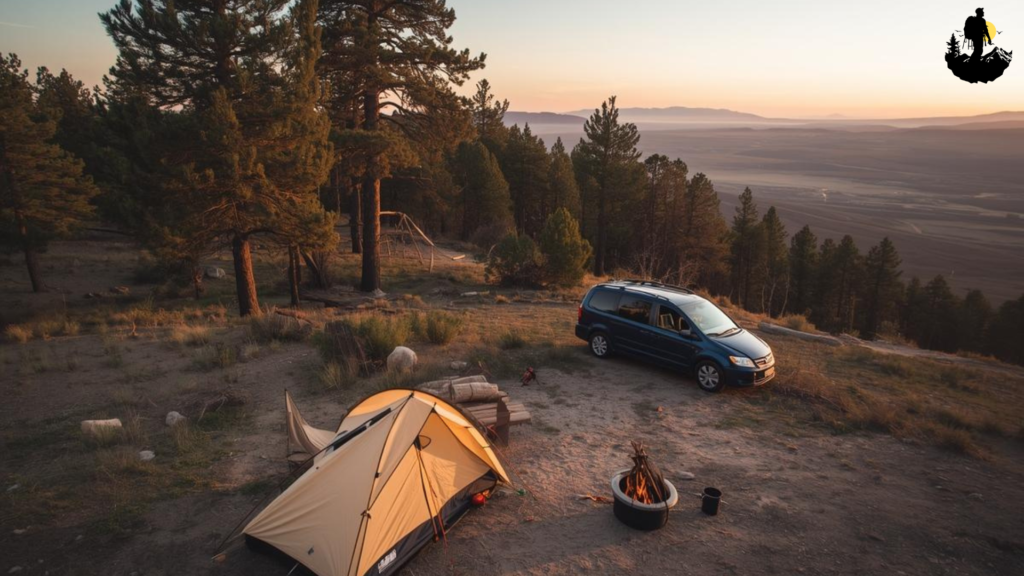
Finding free campsites in the United States is easier than most travelers realize. Not only is it legal in many places, but it also gives you access to quiet forests, open deserts, peaceful lakes, and scenic mountain areas far from crowded campgrounds. The key is knowing where to look, what rules apply, and how to camp responsibly so these places remain open for everyone.
This guide breaks down the best free camping resources, public lands, tools, and strategies so you can explore the outdoors without paying nightly fees. Free camping becomes safe, legal, and incredibly rewarding with the right approach.
Why Free Campsites Are Legal in Many Parts of the U.S.
The United States is unique because millions of acres of public land are open for free, legal camping. National forests, Bureau of Land Management (BLM) land, grasslands, and wildlife management areas allow dispersed camping with few restrictions.
These lands belong to the public. As long as you follow posted rules, use existing sites, and respect the environment, you can stay at no cost. Free camping attracts travelers who want solitude, flexibility, and the ability to explore without reservations or campground fees.
Understanding Dispersed Camping Rules
Dispersed camping means camping outside a designated campground, usually in primitive areas without services like water, toilets, or trash bins. Rules vary by land agency but generally include:
• Stay 100–200 feet from water sources
• Use existing fire rings
• Camp in previously used spots to avoid damaging vegetation
• Follow stay limits (often 14 days per site)
• Park only on durable, established surfaces
• Follow fire restrictions and seasonal closures
Dispersed camping offers more freedom, but you must be responsible, pack out everything you bring in.
Best Places to Find Legal Free Campsites in America
Knowing where to look is the most important part of free campsite usa tips. These lands offer the most reliable options:
National Forests (USFS)
Allow free dispersed camping almost everywhere unless posted otherwise. Great for shaded, quiet forest stays.
Bureau of Land Management (BLM) Land
Found mostly in the West with wide open spaces, scenic, and perfect for RVs, vans, and car camping.
National Grasslands
Large open spaces with few people, ideal for tent campers and road trippers.
Wildlife Management Areas (WMAs)
Rules vary by state, but many allow primitive camping.
Some State Forests and State Trust Lands
Certain states allow free dispersed camping; check local regulations.
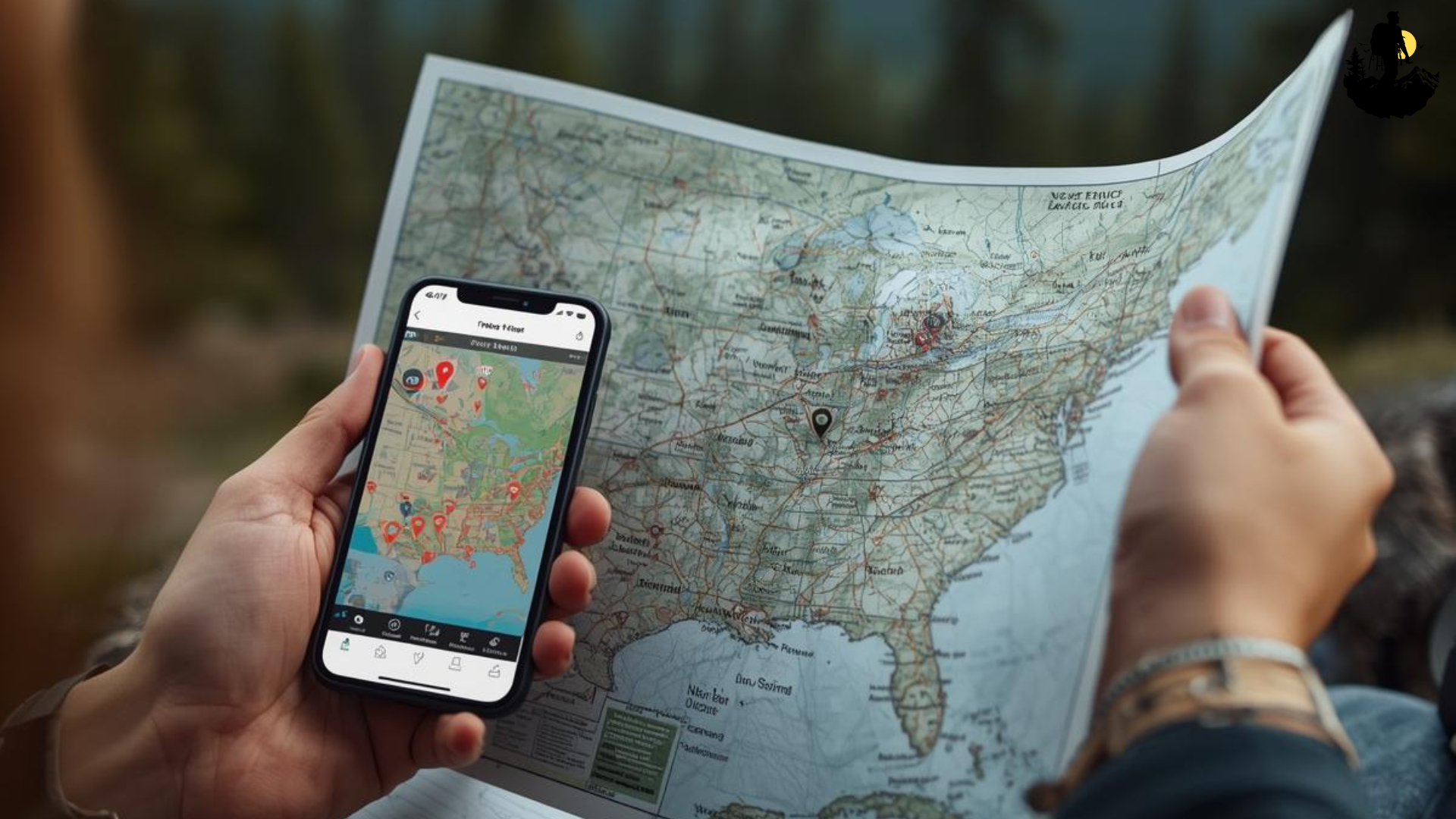
How to Use Maps and Apps to Spot Free Campsites
Modern tools make finding free campsites easier than ever. Use these apps and maps:
Free Camping Apps
• FreeRoam
• iOverlander
• Campendium (free camping filters)
• The Dyrt (free sites filter)
Offline Maps
• Gaia GPS
• OnX Offroad
• Avenza Maps
Government Resources
• USFS forest maps
• BLM public land maps
Look for:
• land boundaries
• access roads
• recreation zones
• previously used pullouts
• fire restriction updates
Always download maps before heading into low-signal zones.
Using Forest Service Roads and BLM Roads Safely
Many great free campsites sit along forest service roads (FS roads) or BLM access roads. These roads lead to quiet pullouts, shaded clearings, and scenic overlooks.
Tips for safe navigation:
• Drive slowly as roads may be gravel, rutted, or narrow
• Check weather conditions because rain or snow can make roads unsafe
• Avoid roads marked “Administrative Use Only.”
• Look for numbered forest roads as these are public
• Park only in existing pull-offs
The farther down the road you travel, the quieter your campsite will be.
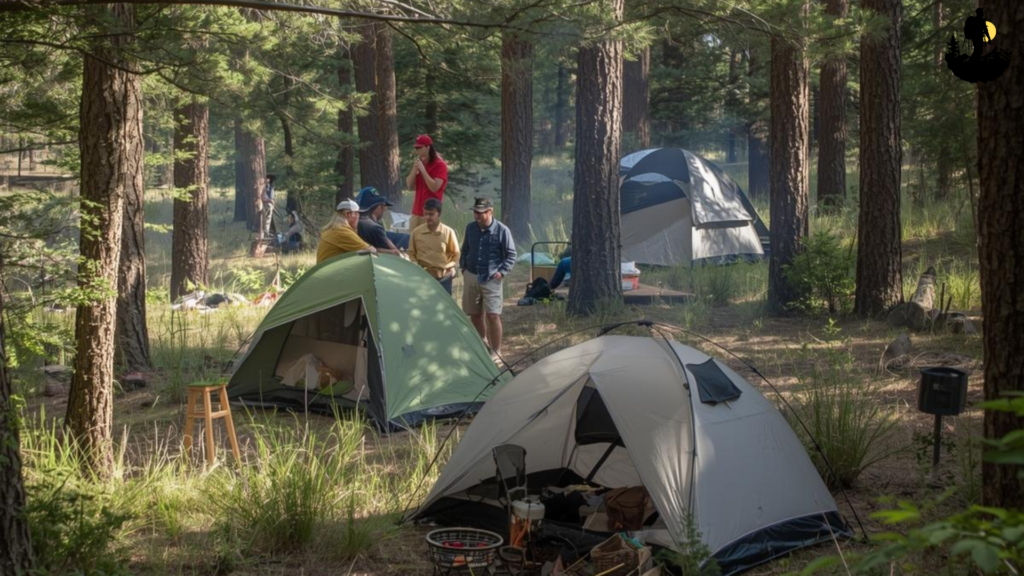
Choosing Good Sites Without Breaking Rules
Knowing what to look for helps you camp legally and comfortably.
Choose sites that are:
• Already flattened or cleared
• Located on durable surfaces like dirt or gravel
• Away from vegetation and water
• Free of “no camping” signs
• Spacious enough to turn around safely
Avoid camping:
• In closed restoration areas
• On private land without permission
• At busy trailheads (most prohibit overnight camping)
• On narrow roadsides without a pullout
If a site looks heavily impacted, choose a lighter footprint alternative nearby.
Free Camping Near National Parks
Inside most national parks, camping is allowed only in designated areas. But the best trick for saving money and avoiding crowds is camping near national parks on USFS or BLM land.
Top areas include:
• Near Grand Canyon: Kaibab National Forest
• Near Yellowstone: Gallatin, Targhee, or Shoshone National Forest
• Near Joshua Tree: BLM land to the south and north
• Near Zion: Hurricane Cliffs BLM land
• Near Glacier: Flathead National Forest
• Near Great Smoky Mountains: Cherokee and Pisgah National Forest
These zones offer free camping within minutes of major attractions.
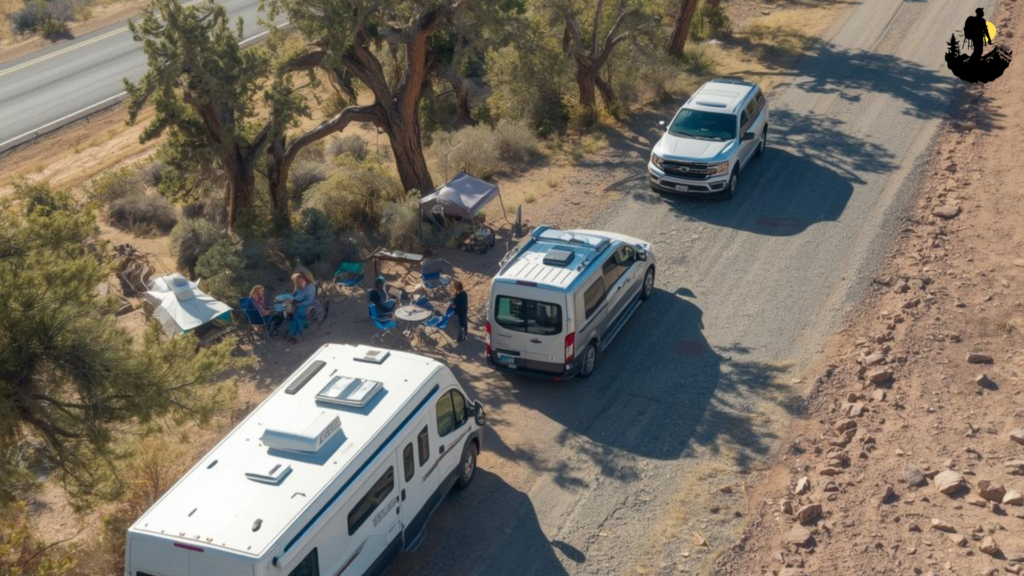
Free Camping for RVs, Vans, and Car Campers
RVs and vans have more flexibility than tent campers because they can access wider dispersed areas.
Good RV-friendly locations:
• Large BLM pullouts
• Wide forest service road campsites
• Public land near desert highways
• Free overnight lots (where legal)
• Large gravel clearings
Avoid:
• Narrow mountain roads
• Soft sand without 4×4 capability
• Overgrown forest roads
• Private property near towns
Always check length restrictions on mountain roads.
Understanding Stay Limits and Overuse Rules
Public land agencies set stay limits to prevent overuse.
Common rules:
• 14-day stay limit per site
• Must move a certain distance before staying again (usually 25 miles)
• No leaving property unattended for long periods
• Pack out all waste
• Follow seasonal fire restrictions
Ignoring rules leads to closures. Respecting them keeps free camping available for everyone.
Free Camping in Small Towns and Roadside Areas
Some rural communities allow travelers to stay overnight in certain public areas. These are helpful options during road trips or long drives.
Possible locations (check local laws):
• Designated city park lots
• Fairgrounds with free overnight areas
• Visitor center lots
• Trailhead lots (only where explicitly allowed)
• Certain Walmarts, casinos, and truck stops
Always look for posted signs. If it says “No Overnight Parking,” follow the rules.
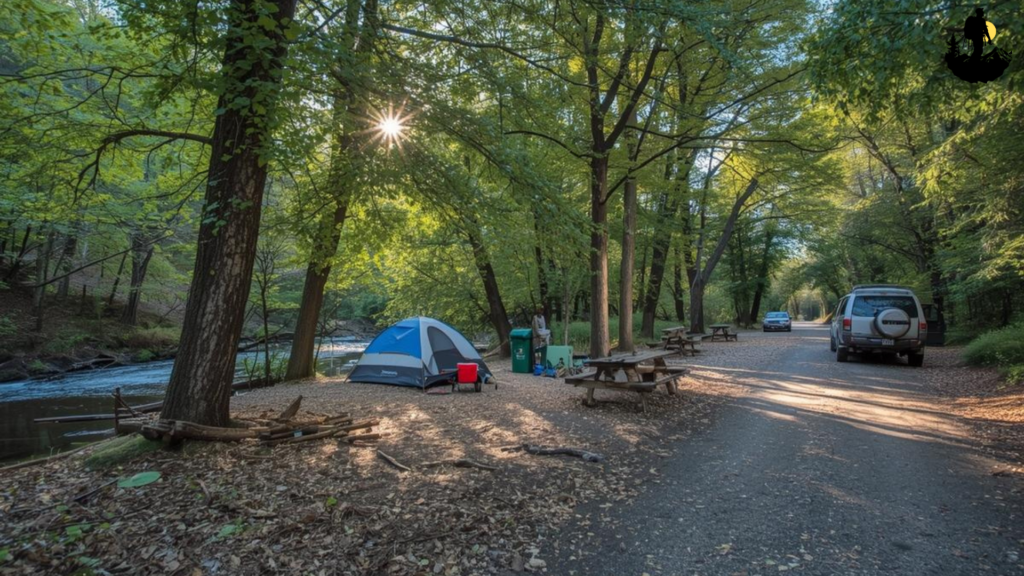
Free Campsites with Water, Shade, and Good Access
Even though free campsites are primitive, many offer surprisingly comfortable setups. You can find shaded forests, creekside pullouts, high desert overlooks, and lakeside clearings with beautiful morning light.
When searching for comfort, look for:
• Shade during summer
• Wind protection in deserts
• High ground in rainy regions
• Safe access for your vehicle
• Flat tent spots
• Light tree cover without widow-makers
Comfort matters, especially during multi-day trips.
Safety Tips for Free and Remote Camping
Free camping means fewer people, fewer services, and more responsibility.
Stay safe by:
• Letting someone know your location
• Carrying extra water and food
• Having offline maps
• Carrying basic repair tools
• Keeping your vehicle fueled
• Watching weather forecasts
• Avoiding high fire-risk areas
• Staying aware of wildlife activity
Free sites feel remote because they are. Preparation keeps your trip safe and enjoyable.
Essential Gear for Free Camping Success
Because services are minimal, bring gear that supports self-sufficient travel.
Useful items:
• A reliable tent and ground tarp
• Water containers and filtration system
• Portable toilet or waste bags
• Cooler or insulated food storage
• Solar panels or power banks
• Headlamps and extra batteries
• Fireproof gloves and shovel (where fires are allowed)
• Trash bags for cleanup
The better your setup, the easier free camping becomes.
Making Free Camping Part of Your Routine
Free camping in America is one of the most rewarding ways to explore the outdoors. With millions of acres of public land, a little preparation, and the right mindset, you can travel affordably and responsibly. Using the free campsite USA tips in this guide, you can find legal, scenic campsites that offer peace, flexibility, and a deep connection to nature.
As long as you respect the land, follow stay limits, and leave no trace, these places will remain open for generations. Let free camping become part of your travel routine, and the entire country becomes your playground.