
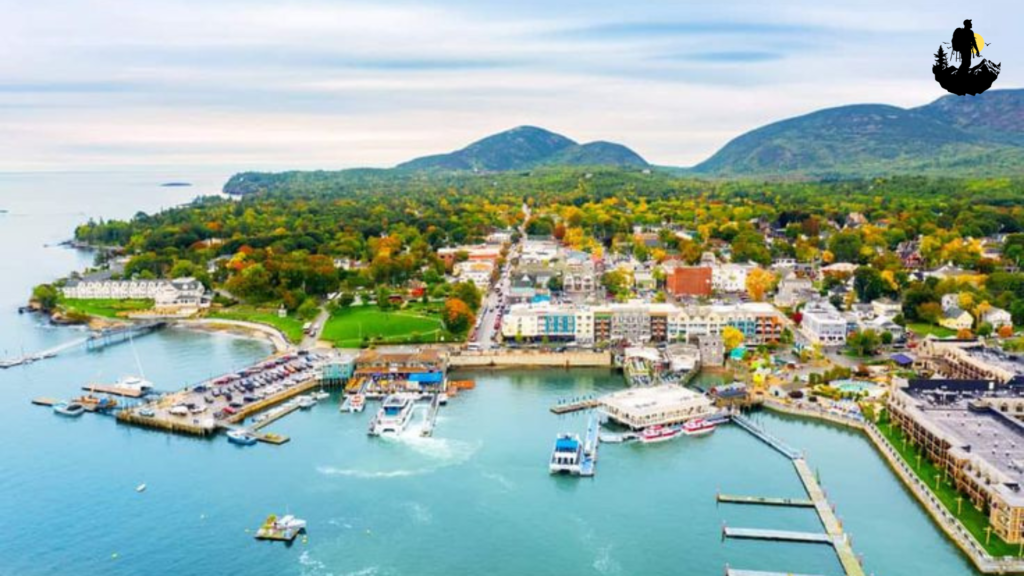
Coastal Secrets of the United States
The coastline of the United States stretches for thousands of miles, touching quiet fishing villages, rugged cliffs, soft dunes, and remote islands shaped by wind and tide. While famous beaches draw crowds year-round, some of the most memorable coastal experiences happen far from packed boardwalks and bustling resorts. These hidden coastal destinations usa offer something deeper than a simple day by the sea. They invite you to slow down, wander, and feel a sense of connection with nature that feels increasingly rare.
These coastal secrets united states are not defined by flashy attractions or polished amenities. Instead, they are shaped by raw beauty, subtle details, and moments of solitude. You might find yourself standing alone on a windswept beach, watching wild horses wander past the dunes, or listening to waves crash against cliffs as fog rolls in from the horizon. These places reward patience, curiosity, and a willingness to explore beyond the obvious.
Here are remarkable hidden coastal destinations usa that capture the quiet magic of America’s shoreline and remind us why the ocean continues to inspire wonder.
Whispers of the Tide: America’s Hidden Coastal Wonders
Cumberland Island, Georgia
Cumberland Island feels like a world suspended in time. As soon as you step off the ferry and onto the sandy paths, the noise of everyday life fades away. Towering live oaks draped in Spanish moss arch over winding trails, creating natural tunnels of shade and filtered light. The air smells faintly of salt and earth, and the distant sound of waves acts as a gentle guide, pulling you toward the island’s wide, undeveloped beaches.
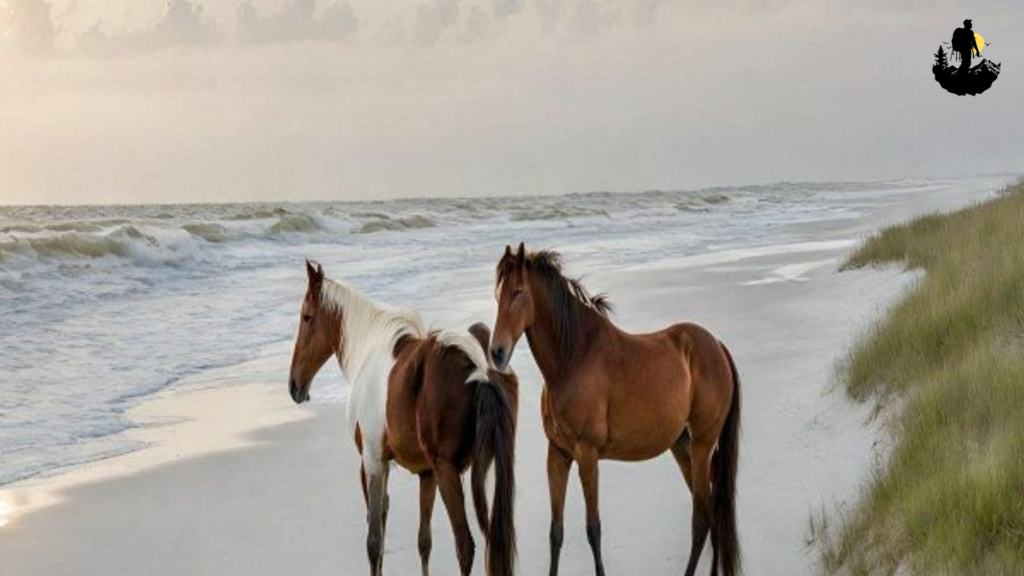
One of the first things many visitors notice is the presence of wild horses. They roam freely across maritime forests, grassy meadows, and along the shoreline, moving with a quiet grace that feels almost dreamlike. Seeing them against the backdrop of crashing waves and endless sand creates a scene that feels more like a painting than reality.
Cumberland’s beaches stretch for miles, often with hardly another person in sight. The sand is soft and pale, dotted with shells and the occasional piece of driftwood shaped by years of ocean currents. Walking here feels meditative. With each step, you become more aware of the rhythm of the tides, the patterns of seabirds gliding overhead, and the vastness of the Atlantic unfolding before you.
Beyond the shoreline, the island holds layers of history. Ruins of old mansions peek through the forest, slowly being reclaimed by nature. Brick walls crumble under vines, and weathered foundations hint at a grand past now softened by time. Exploring these remnants adds a quiet sense of mystery to your visit, reminding you that landscapes carry stories far older than we imagine.
Cumberland Island also feels deeply alive. Armadillos rustle through underbrush, deer move silently between trees, and dolphins are often spotted playing just offshore. The island’s ecosystems blend seamlessly, from salt marshes to dense forests to open beach, creating a rich tapestry of life.
Sunrise and sunset are especially magical. At dawn, the beach glows with soft pinks and golds, and the island feels hushed, as if holding its breath. At dusk, the sky deepens into layers of orange and purple, while silhouettes of horses or seabirds add drama to the horizon. Nights bring a canopy of stars, unobstructed by city lights, making stargazing a simple but unforgettable experience.
Cumberland is not a place for rushing. There are no large resorts, no bright lights, and limited services. This simplicity is part of its charm. You bring what you need, respect the land, and allow yourself to slow down. In return, the island offers peace, beauty, and a sense of connection that lingers long after you leave.
Coordinates: Approximate location 30.8580° N, 81.4500° W, barrier island off the coast of southeastern Georgia
Best Photography Spots:
- Beach at sunrise: Capture wild horses silhouetted against soft morning light.
- Maritime forest trails: Use the Spanish moss-draped trees as natural frames.
- Dune crossings: Elevated views of beach and ocean with layered textures.
- Historic ruin clearings: Contrast crumbling architecture with lush greenery.
A wide-angle lens works beautifully here, especially in early morning or late afternoon light.
Why It Is So Special
Cumberland Island offers a rare blend of untouched wilderness, rich history, and coastal beauty. Unlike developed beach destinations, it feels raw and honest. The absence of crowds allows visitors to experience the island on a deeply personal level. Encounters with wild horse beaches, quiet walks through mossy forests, and long stretches of empty beach create moments that feel intimate and unrepeatable. It is a place that reminds you how powerful simplicity can be.
Weather: Warm, humid summers, mild winters, occasional coastal breezes
Best Season to Visit: Fall and spring
Budget: $80 to $200 per night nearby
Best Food Nearby: Fresh seafood, shrimp and grits, low-country boils, fried green tomatoes
Best Places to Stay: Small inns on the mainland, eco-lodges, charming coastal cottages
McClures Beach, California
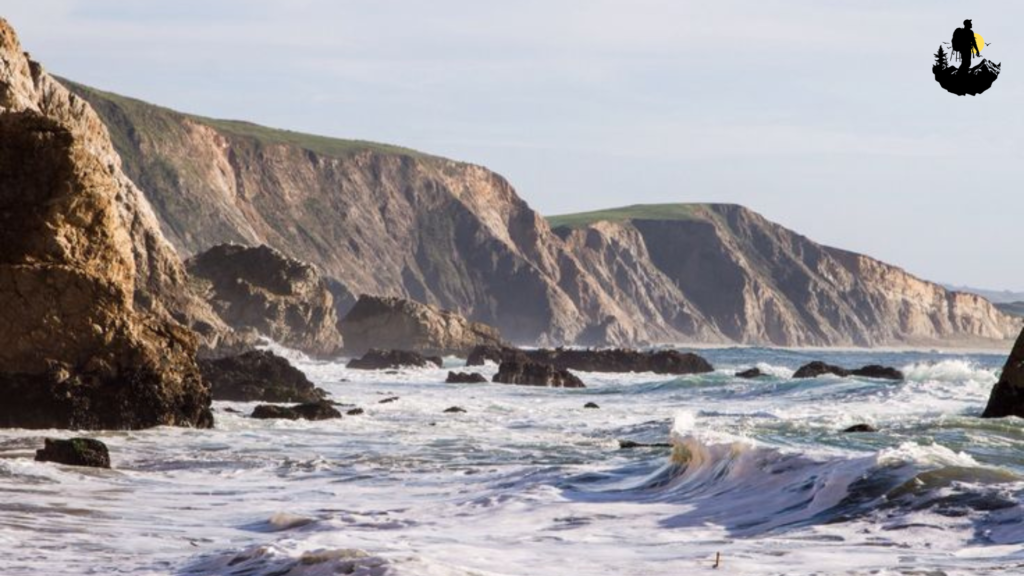
McClures Beach is one of those places that reveals itself slowly. Tucked along the rugged northern coastline of California, the journey to reach it winds through rolling hills, coastal scrub, and open pastures where the land seems to stretch endlessly toward the sea. When you finally arrive and step out of your car, the first thing you notice is the sound. Waves crash against rocks below, echoing through the cliffs in a steady, powerful rhythm.
A short trail leads down to the beach, offering glimpses of turquoise water framed by dark, jagged rocks. The descent feels like entering another world. By the time your feet touch the sand, the landscape opens into a dramatic cove surrounded by towering bluffs and rugged headlands. The beach itself is a mix of soft sand, pebbles, and smooth stones shaped by constant wave action.
Fog often drifts in and out, creating an atmosphere that feels moody and cinematic. On clear days, sunlight glints off the water, revealing subtle shades of blue and green. Sea stacks rise from the ocean just offshore, standing like ancient sentinels against the restless Pacific.
McClures Beach feels wild in the best sense of the word. There are no lifeguard towers, no snack stands, and very few people. It is a place for contemplation, beachcombing, and simply watching the ocean do what it has always done. Tide pools appear along rocky edges, revealing tiny worlds filled with anemones, crabs, and starfish.
Walking along the shoreline, you may find shells, sea glass, and pieces of driftwood bleached smooth by time. The wind carries the scent of salt and kelp, and seabirds glide effortlessly above the waves. Everything here feels elemental.
Sunset transforms McClures Beach into a place of quiet magic. The sky shifts through layers of gold, pink, and deep blue, while shadows stretch across the sand. The cliffs catch the last light, glowing softly before fading into silhouette. It is the kind of scene that makes you pause and forget about everything else.
Despite its beauty, McClures Beach remains relatively unknown compared to California’s famous coastal spots. This sense of seclusion is part of its appeal. You feel like you have discovered something special, something meant to be experienced rather than advertised.
Visitors should come prepared. Winds can be strong, temperatures cool even in summer, and cell service limited. But these small challenges are what preserve the beach’s character. McClures is not about convenience. It is about immersion.
Coordinates: Approximate location 38.2100° N, 122.9670° W, northern Marin County coastline
Best Photography Spots:
- Cliff overlook above the trail: Wide view of the entire cove.
- Sea stack viewpoint: Capture waves breaking around offshore rocks.
- Low-tide shoreline: Reflections in wet sand and tide pools.
- Sunset from southern edge of beach: Warm light on cliffs and water.
A tripod is helpful for long exposures, especially during low light.
Why It Is So Special
McClures Beach embodies the raw spirit of the Pacific coast. Its rugged beauty, isolation, and ever-changing light create a powerful emotional experience. It is not a beach for crowds or activities but for presence. Standing here, listening to the waves and feeling the wind, you become aware of how small you are in the face of nature. That humbling feeling is what makes McClures unforgettable.
Weather: Cool, windy, frequent fog, mild summers
Best Season to Visit: Late spring through early fall
Budget: $120 to $250 per night nearby
Best Food Nearby: Fresh oysters, clam chowder, sourdough bread, local cheeses
Best Places to Stay: Coastal inns, small bed and breakfasts, seaside cottages
Assateague Island, Maryland and Virginia
Assateague Island feels like a thin ribbon of wilderness stretched between land and sea. This barrier island is known for its windswept beaches, rolling dunes, and the wild horses that roam freely across its sandy landscape. From the moment you arrive, there is a sense that nature is in charge here. The air is salty and fresh, the horizon wide and uninterrupted, and the pace of life slows to match the steady rhythm of the waves.
The beaches are expansive and often quiet, even during warmer months. Soft sand gives way to grassy dunes that rise and fall like gentle waves frozen in place. Sea oats sway in the breeze, and shorebirds dart along the water’s edge searching for food. The ocean stretches endlessly, its surface constantly shifting in color depending on the light.
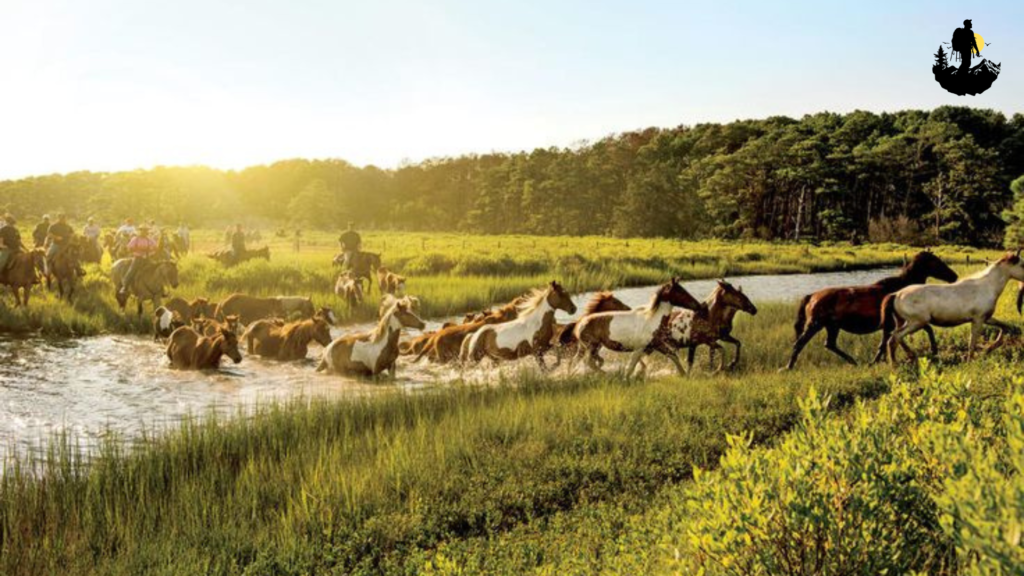
The wild horses are the island’s most iconic residents. Seeing them grazing near the dunes or walking calmly along the shoreline feels surreal. They move with an easy confidence, completely at home in this harsh yet beautiful environment. Watching them from a respectful distance is a reminder that this place belongs to them first.
Assateague is also a paradise for nature lovers. The island supports salt marshes, maritime forests, and tidal flats, each with its own unique character. Kayaking through the calm back bays offers a different perspective, with mirror-like water reflecting the sky and reeds. At night, the island becomes wonderfully dark, making it an excellent place for stargazing and listening to the distant roar of the surf.
Sunrise on Assateague is especially peaceful. Soft pastel colors spread across the sky as the first light touches the dunes. The beach feels hushed, and the world seems to wake slowly. Sunset, on the other hand, brings dramatic oranges and purples, with silhouettes of horses or birds adding depth to the scene.
Camping on the island allows you to fully immerse yourself in its atmosphere. Falling asleep to the sound of waves and waking to salty air creates a deep sense of connection to the coast. Even day visitors often leave feeling refreshed and grounded.
Coordinates: Approximate location 38.1730° N, 75.1550° W, barrier island along Maryland and Virginia coast
Best Photography Spots:
- Dune crests: Capture horses against open sky.
- Shoreline at sunrise: Soft light and calm waves.
- Salt marsh boardwalks: Reflections and birdlife.
- Ocean City Inlet views: Waves meeting sandbars.
Early morning and late afternoon offer the best light.
Why It Is So Special
Assateague Island blends wild beauty with a sense of freedom. The presence of wild horses, combined with vast open beaches and minimal development, creates an experience that feels timeless. It is a place where nature sets the rules, and visitors are simply guests.
Weather: Warm summers, breezy springs and falls, cool winters
Best Season to Visit: Late spring and early fall
Budget: $70 to $180 per night nearby
Best Food Nearby: Crab cakes, steamed blue crabs, fresh oysters
Best Places to Stay: Beachfront hotels, campgrounds, coastal cottages
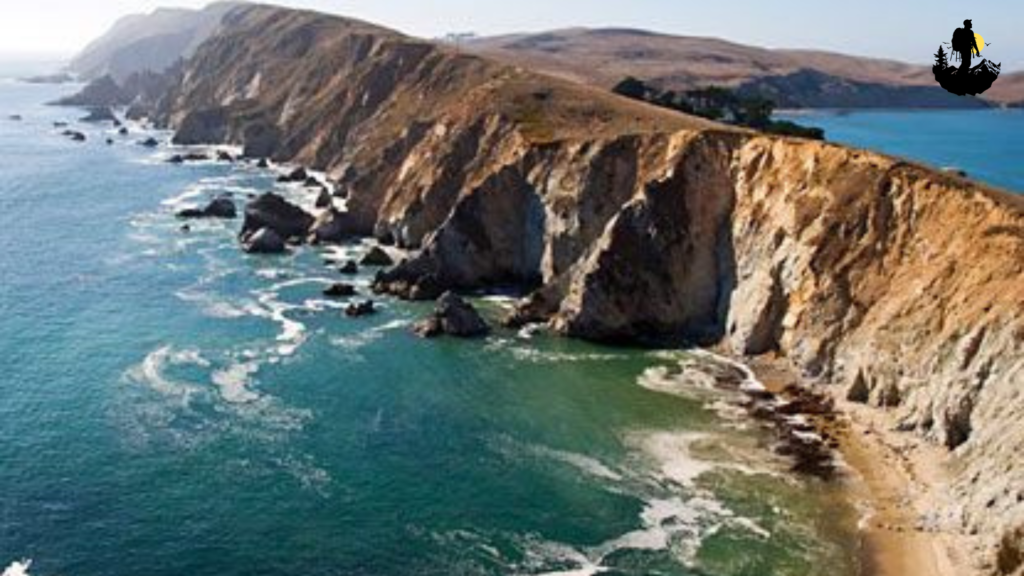
Point Reyes Beach, California
Point Reyes Beach stretches for miles along a remote section of California’s coast, offering a sense of openness that is increasingly rare. The landscape feels dramatic and untamed. Rolling bluffs drop sharply to meet wide expanses of pale sand, and the Pacific Ocean crashes relentlessly against the shore.
The beach is often shrouded in fog, which adds to its mysterious charm. On clear days, the sky feels impossibly big, and the line between sea and horizon blurs into a soft blue haze. Walking here feels like stepping into a different era, one where the coastline remains as it has for centuries.
The sand is firm and cool underfoot, dotted with smooth stones and shells. Driftwood lies scattered in artistic patterns, shaped by storms and tides. The wind can be strong, carrying the scent of salt and seaweed, but it only enhances the feeling of raw coastal power.
Wildlife is abundant. Elephant seals gather on nearby beaches, whales migrate offshore, and seabirds circle overhead. Even a simple walk becomes an opportunity for quiet discovery.
Sunset at Point Reyes Beach is breathtaking. The sun sinks slowly into the ocean, painting the sky with deep reds, oranges, and purples. The waves glow briefly before fading into shadow, and the world feels hushed and vast.
Coordinates: Approximate location 37.9960° N, 122.9730° W, Marin County coastline
Best Photography Spots:
- Cliff overlooks: Wide views of beach and ocean.
- Low tide shoreline: Reflections and textures.
- Northern end of beach: Dramatic wave action.
- Sunset near sand dunes: Warm light on contours.
Why It Is So Special
Point Reyes Beach offers solitude on a grand scale. Its sheer size, powerful waves, and minimal development make it feel untouched. It is a place that reminds you how wild the Pacific coast truly is.
Weather: Cool, windy, frequent fog
Best Season to Visit: Late spring through early fall
Budget: $120 to $250 per night nearby
Best Food Nearby: Fresh seafood, chowder, artisan bread
Best Places to Stay: Coastal inns, lodges, small hotels
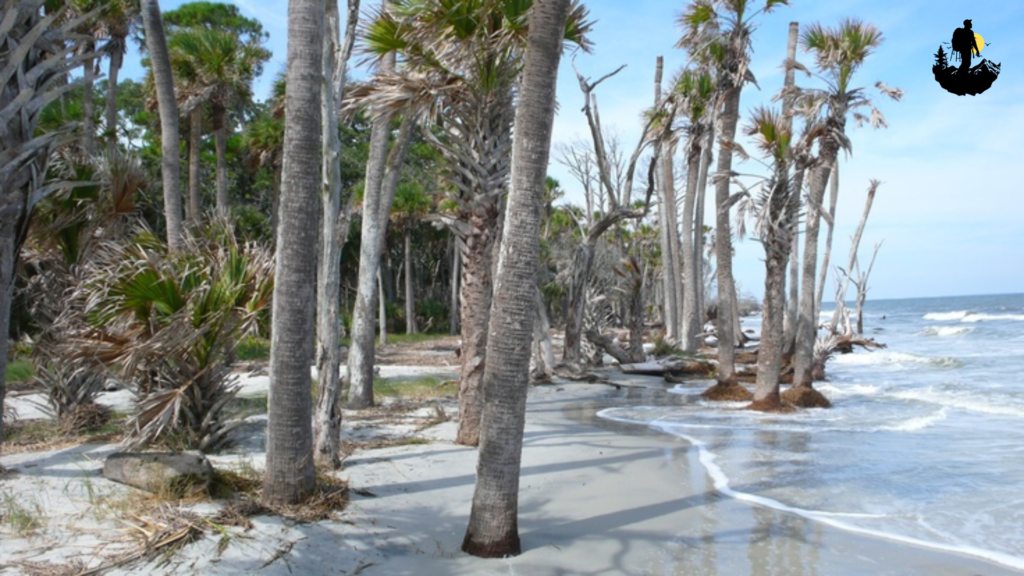
Hunting Island Beach, South Carolina
Hunting Island Beach feels like a place where the land and sea are in constant conversation. Here, towering palmettos and live oaks lean toward the shore, their roots exposed and sculpted by years of erosion. The result is a coastline that feels alive and ever-changing.
The beach stretches wide and open, with soft sand and gentle waves. It is quieter than many East Coast beaches, offering space to wander and explore. Shells of every shape and color scatter the shoreline, and tidal pools form in shallow depressions.
One of the most striking features is the historic lighthouse that rises above the trees. Climbing to the top offers sweeping views of forest, marsh, and ocean, providing a sense of how diverse the surrounding landscape truly is.
Sunrise brings soft golden light filtering through palm fronds, while sunset paints the sky in warm hues over the water. The atmosphere is peaceful, unhurried, and welcoming.
Coordinates: Approximate location 32.3640° N, 80.4540° W, Beaufort County coastline
Best Photography Spots:
- Driftwood-strewn shoreline: Unique compositions.
- Lighthouse base: Coastal forest and sky.
- Low tide flats: Reflections and patterns.
- Sunrise near palmetto line: Soft tropical tones.
Why It Is So Special
Hunting Island Beach combines southern coastal beauty with a sense of quiet authenticity. Its mix of forest, marsh, and ocean creates a rich and calming experience that feels deeply connected to nature.
Weather: Warm, humid summers, mild winters
Best Season to Visit: Spring and fall
Budget: $80 to $200 per night nearby
Best Food Nearby: Shrimp and grits, fried seafood, sweet tea
Best Places to Stay: Beach cabins, small inns, campgrounds
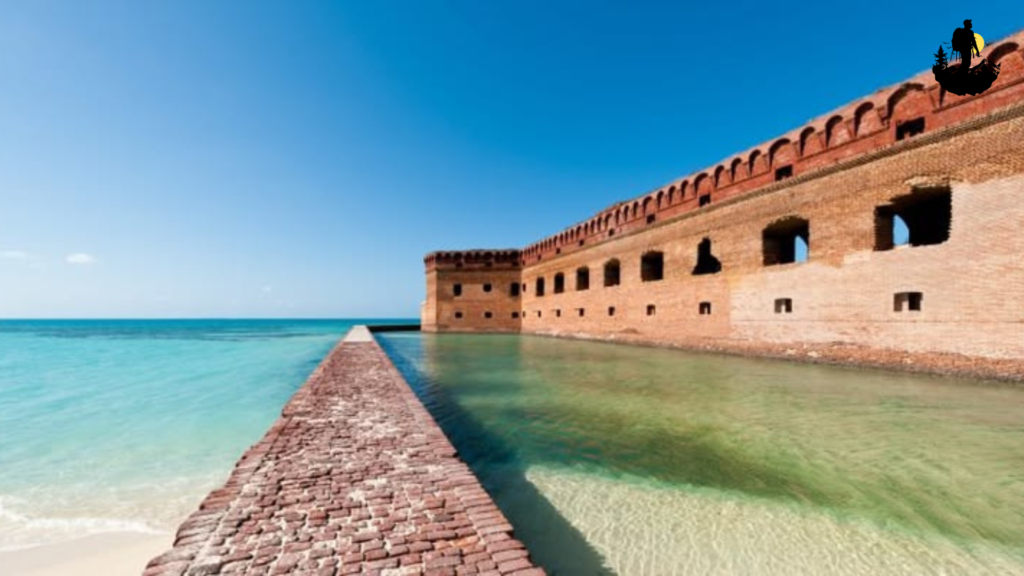
Dry Tortugas, Florida
Dry Tortugas feels less like a destination and more like a dream that floats on turquoise water. Located far from the bustle of mainland Florida, this remote cluster of islands sits where the Gulf of Mexico meets the Atlantic Ocean. The journey itself is part of the experience. Whether arriving by boat or seaplane, you watch civilization slowly disappear as endless blue water surrounds you. By the time the islands appear on the horizon, they feel like a mirage.
The most striking feature is the massive brick fort that dominates the landscape. Its curved walls rise from the sand, weathered by time and sea air, standing as a reminder of centuries past. Yet despite its size, the fort does not feel imposing. Instead, it feels quietly majestic, perfectly integrated into its surroundings.
Beyond the fort, the islands are defined by crystal-clear water, powdery white sand, and vibrant coral reefs. The water is so transparent that you can often see fish swimming several feet below the surface. Gentle waves lap against the shore, and the air carries a constant hint of salt and warmth.
The beaches here are small but stunning. Soft sand meets shallow, calm water that shifts between pale aqua and deep blue depending on the light. Walking along the shoreline, you may spot seabirds resting on driftwood, small crabs scuttling across the sand, or colorful fish darting through the shallows.
Snorkeling is one of the greatest pleasures at Dry Tortugas. Just offshore, coral formations create underwater gardens filled with tropical fish, sea fans, and sponges. The experience feels intimate and immersive. You float quietly on the surface while an entire world unfolds beneath you.
Despite its beauty, Dry Tortugas feels peaceful and uncrowded. There are no large resorts, no busy streets, and no constant noise. The limited number of daily visitors ensures that the islands retain their sense of solitude. This quiet allows you to truly absorb the surroundings.
Sunrise paints the sky in soft pinks and oranges, reflecting across the still water like liquid light. Sunset, on the other hand, brings deep gold and fiery red tones that melt into purple and blue as darkness settles. At night, the stars emerge in breathtaking numbers. With almost no light pollution, the sky feels vast and endless.
Camping is available for those who want to extend their stay. Falling asleep to the sound of waves and waking up surrounded by ocean creates a sense of isolation that feels both humbling and comforting.
Dry Tortugas is not about variety or entertainment. It is about simplicity. Sand, sea, sky, and silence. That is what makes it unforgettable.
Coordinates: Approximate location 24.6270° N, 82.8730° W, western Florida Keys
Best Photography Spots:
- Fort walls at sunrise: Soft light on brick textures.
- Shoreline facing open ocean: Endless blue horizon.
- Snorkeling shallows: Underwater color and clarity.
- Sunset from western beach edge: Dramatic sky reflections.
A polarizing filter helps reduce glare and deepen water colors.
Why It Is So Special
Dry Tortugas offers rare isolation combined with extraordinary natural beauty. Its remoteness preserves its fragile ecosystems and tranquil atmosphere. It feels like stepping outside of time, into a place where nature still holds the upper hand.
Weather: Warm year-round, breezy, occasional storms
Best Season to Visit: Late fall through spring
Budget: $150 to $350 per night nearby (mainland)
Best Food Nearby: Cuban sandwiches, fresh grouper, key lime pie
Best Places to Stay: Hotels in Key West, seaside inns, small resorts
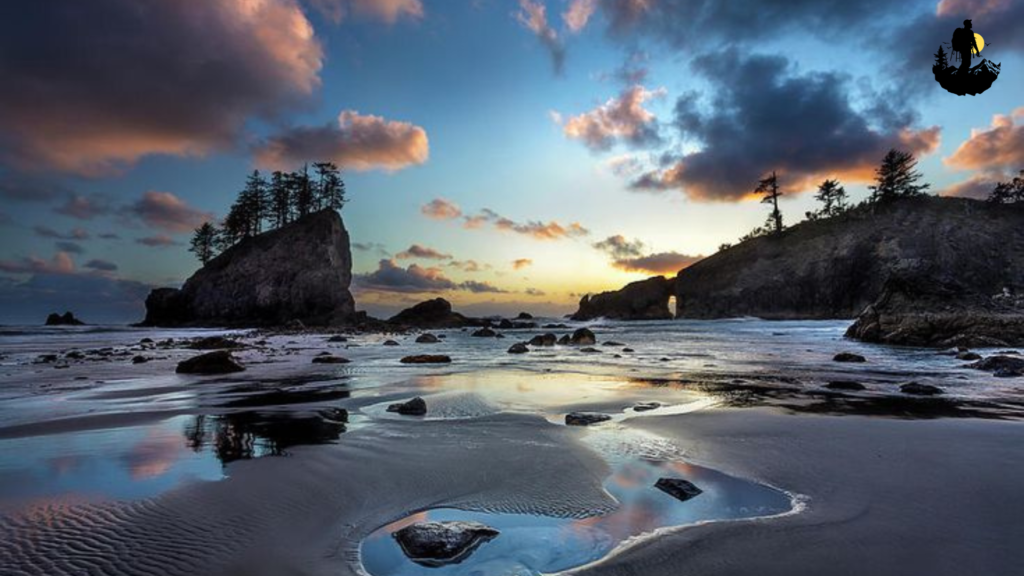
Second Beach, Washington
Second Beach feels like a storybook version of the Pacific Northwest coast. Reaching it requires a short forest hike that winds through moss-covered trees, wooden footbridges, and ferns as tall as your shoulders. The trail itself sets the mood. Everything feels damp, green, and alive.
When the forest finally opens, you step onto a wide stretch of sand framed by towering sea stacks and rugged cliffs. The ocean rolls in steadily, sending long waves toward shore that break with a low, thunderous sound. The air smells of salt and cedar, and mist often hangs in the distance.
The beach is vast and textured. Soft sand blends with smooth stones and driftwood logs the size of small boats. Sea stacks rise dramatically from the water, their dark silhouettes standing in stark contrast to the pale sky. At low tide, tide pools form around these rock formations, revealing starfish, sea anemones, and tiny fish.
Fog is a frequent companion here, especially in the morning. It drifts across the water and wraps around the sea stacks, creating an atmosphere that feels mysterious and cinematic. On clear days, the sky opens wide, and the ocean stretches endlessly toward the horizon.
Second Beach is ideal for long, contemplative walks. You can wander for hours, listening to the waves and watching seabirds glide overhead. There is a deep sense of calm here, as if the land encourages you to slow your thoughts and simply exist.
Sunset is one of the most magical times. The sky glows with soft oranges and pinks, reflected in wet sand and shallow pools. The sea stacks become dark silhouettes against the color, creating scenes that feel almost unreal.
Camping nearby allows visitors to fully experience the rhythm of the coast. Nights are filled with the sound of waves and wind, and mornings begin with soft light filtering through mist.
Second Beach does not offer convenience or luxury. It offers something better. A feeling of raw, untamed beauty that stays with you long after you leave.
Coordinates: Approximate location 47.8800° N, 124.6300° W, Olympic Peninsula coastline
Best Photography Spots:
- Sea stack clusters: Dramatic compositions.
- Low tide tide pools: Reflections and details.
- Forest trail opening: Framed beach views.
- Sunset near southern end: Colorful skies and silhouettes.
Why It Is So Special
Second Beach captures the essence of the Pacific Northwest. Moody skies, rugged rock formations, and deep green forests combine into a powerful coastal experience. It feels wild, quiet, and deeply atmospheric.
Weather: Cool, wet winters, mild summers
Best Season to Visit: Late spring through early fall
Budget: $90 to $220 per night nearby
Best Food Nearby: Salmon chowder, smoked fish, fresh bread
Best Places to Stay: Cabins, small lodges, campgrounds
Cape San Blas, Florida
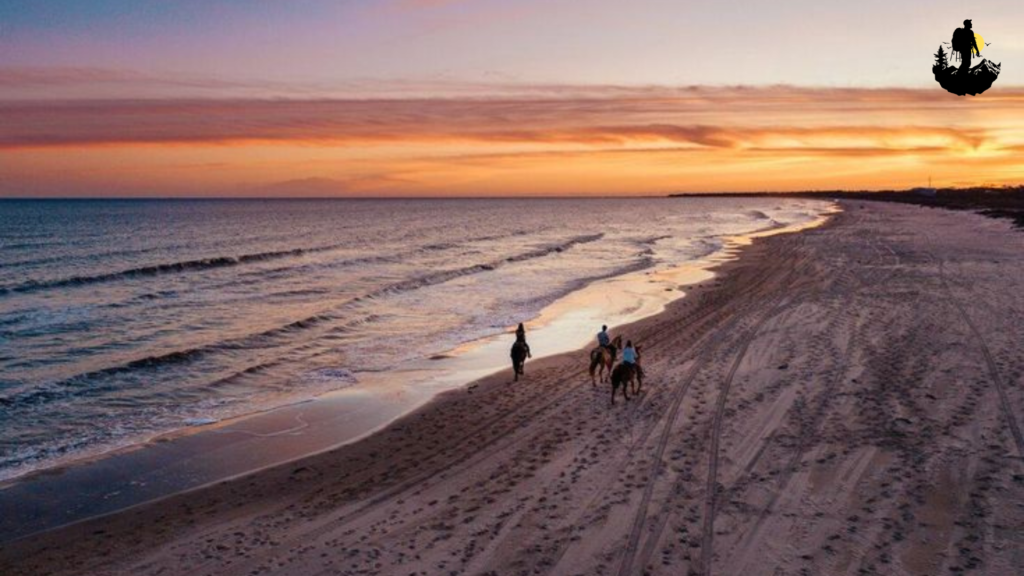
Cape San Blas feels like Florida before crowds and high-rise hotels. This narrow peninsula stretches into the Gulf of Mexico, offering wide beaches, calm water, and a relaxed pace of life. From the moment you arrive, everything feels slower.
The sand here is pale and fine, and the water often appears in gentle shades of turquoise and emerald. Waves are usually small, making the shoreline perfect for long walks and quiet swimming. Shells scatter the beach, and dolphins are frequently seen just offshore.
Cape San Blas is known for its simplicity. There are no large resorts or flashy attractions. Instead, you find beach houses, quiet roads, and nature preserves. The landscape is shaped by dunes, sea oats, and coastal grasses that sway softly in the breeze.
Sunrise and sunset are both spectacular. Mornings bring soft pastel skies and calm water. Evenings turn the horizon into a painting of orange, pink, and purple, with the sun sinking slowly into the Gulf.
Fishing, kayaking, and paddleboarding are popular, but many visitors simply relax. Sitting on the beach, listening to the waves, and watching the light change throughout the day becomes a form of meditation.
Wildlife is abundant. Shorebirds wander the sand, sea turtles nest during warmer months, and dolphins glide through the shallows. At night, the sky fills with stars, unobstructed by city lights.
Cape San Blas feels personal. It is a place you experience rather than consume. A place that invites you to breathe deeper and move slower.
Coordinates: Approximate location 29.6500° N, 85.3600° W, Florida Panhandle coastline
Best Photography Spots:
- Dune walkovers: Elevated beach views.
- Shoreline at sunset: Warm reflections.
- Quiet coves: Calm water and shells.
- Starry night beach: Long exposure skies.
Why It Is So Special
Cape San Blas offers a rare sense of peace along Florida’s coast. Its lack of development preserves its natural beauty and relaxed atmosphere. It feels like a hidden corner of the Gulf where time moves gently.
Weather: Warm summers, mild winters
Best Season to Visit: Spring and fall
Budget: $100 to $250 per night nearby
Best Food Nearby: Fresh oysters, grouper sandwiches, key lime pie
Best Places to Stay: Beach houses, small inns, cottages
Kalalau Beach, Hawaii
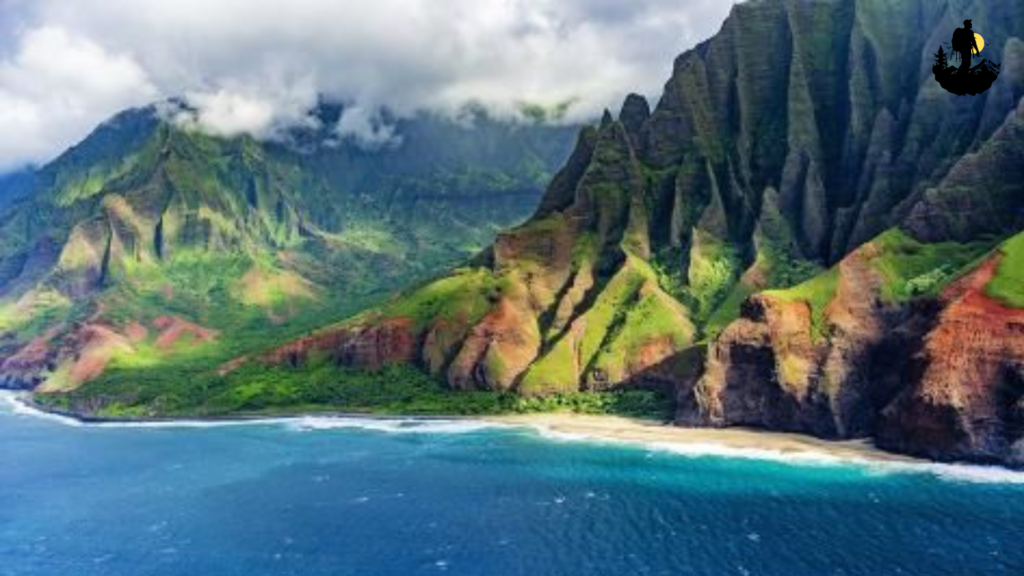
Kalalau Beach feels like the edge of the world. Hidden along the dramatic Nā Pali Coast of Kauai, this remote stretch of sand can only be reached by boat, helicopter, or a challenging hike along a rugged coastal trail. That sense of effort is exactly what preserves its magic. By the time you arrive, you already feel changed, as though you have stepped into a place that exists outside ordinary time.
Towering emerald cliffs rise thousands of feet above the shoreline, carved by centuries of wind and rain into deep valleys and sharp ridges. Waterfalls spill down these cliffs after rainfall, creating silver ribbons that disappear into lush greenery. The contrast between the dark volcanic rock, vibrant vegetation, and turquoise ocean is breathtaking.
Kalalau Beach itself is wide and golden, curving gently along the base of the cliffs. The sand is warm and soft, and the beach stretches far enough that even when a few visitors are present, it still feels open and quiet. Palm trees lean toward the shore, offering pockets of shade and framing views of the endless Pacific.
The ocean here is powerful and alive. Waves roll in steadily, crashing against rocks at either end of the beach. On calm days, the water glows in shades of blue and green, but conditions can change quickly. Swimming requires caution, yet simply standing at the water’s edge and watching the surf is mesmerizing.
Kalalau carries a deep spiritual and cultural presence. Ancient Hawaiians once lived and farmed in this valley, and traces of old stone structures can still be found hidden in the vegetation. There is a strong sense that this land remembers its past. Many visitors describe feeling a quiet reverence, as though the valley itself is watching and listening.
Hiking into Kalalau is an experience in its own right. The trail hugs steep cliffs, passes through lush valleys, and opens to jaw-dropping ocean views. Each step brings new scenery, from narrow ridges with sweeping vistas to shaded forest sections filled with birdsong. Reaching the beach feels like a reward earned through patience and perseverance.
Sunrise at Kalalau is soft and gentle. Light creeps over the cliffs, illuminating their ridges in warm gold while the valley below remains in shadow. As the sun rises higher, the entire landscape slowly comes alive. Sunset is equally powerful. The sky fills with oranges, pinks, and purples that reflect off the water and paint the cliffs in deep, glowing tones.
Camping on the beach allows you to fully immerse yourself in the rhythm of the place. Nights are filled with the sound of waves, rustling palms, and distant waterfalls. Without artificial lights, the stars shine intensely, creating a sky so full it almost feels heavy.
Kalalau Beach is not comfortable in the traditional sense. There are no hotels, no restaurants, and no easy conveniences. But that is exactly why it is unforgettable. It strips life down to essentials. Food, water, shelter, and presence. In return, it offers a rare feeling of freedom and connection.
Many people arrive expecting beauty. They leave with something deeper. A sense of humility. A renewed appreciation for the natural world. And memories that feel almost sacred.
Coordinates: Approximate location 22.1940° N, 159.5950° W, Nā Pali Coast, Kauai
Best Photography Spots:
- Cliff overlook near beach approach: Wide view of valley and shoreline.
- Central beach facing west: Sunset colors and reflections.
- Waterfall streams after rain: Motion and contrast.
- Palm-framed shoreline: Natural compositions.
Early morning and late afternoon provide the most flattering light.
Why It Is So Special
Kalalau Beach represents the raw, untouched soul of Hawaii. Its isolation, dramatic scenery, and deep cultural roots create an experience that feels profound rather than touristic. It is not just a beautiful beach. It is a place that stays with you emotionally and spiritually.
Weather: Warm year-round, occasional rain showers
Best Season to Visit: Late spring through early fall
Budget: $120 to $300 per night nearby (if staying elsewhere on Kauai)
Best Food Nearby: Fresh poke, grilled fish, tropical fruit
Best Places to Stay: Small resorts and vacation rentals on Kauai, camping with permit
Tips for Visiting Hidden Coastal Places
Plan Around Nature, Not Schedules
Hidden coastal hidden gems operate on nature’s terms, not human timetables. Check tide charts, sunrise and sunset times, and local weather forecasts before you go. Some beaches look completely different at high tide versus low tide, and certain coves or trails may only be accessible during specific conditions. Building flexibility into your itinerary allows you to adapt and fully enjoy what the coast offers.
Pack for Self-Sufficiency
Many undiscovered coastal places have little to no infrastructure. Bring enough water, snacks, sunscreen, insect repellent, and any medications you may need. A small first-aid kit, flashlight, and portable phone charger can make a big difference. Being prepared ensures you can stay longer and explore with confidence.
Respect Wildlife and Habitat
These places remain special because they are undisturbed. Observe animals from a distance, never feed them, and avoid stepping on dunes, vegetation, or tide pools. Stay on established paths whenever possible. Small actions help preserve fragile ecosystems for future visitors.
Leave No Trace
Carry out everything you bring in. Even biodegradable items like food scraps can disrupt local wildlife. If you see litter left behind by others, consider picking it up. Leaving a place better than you found it is one of the simplest ways to give back.
Choose Off-Peak Times
Early mornings and late afternoons are often quieter and more beautiful. Light is softer, temperatures are cooler, and wildlife is more active. Visiting during shoulder seasons can also mean fewer people and a more peaceful experience.
Dress for Changing Conditions
Coastal weather can shift quickly. Wear layers, sturdy footwear, and bring a light jacket even on warm days. A hat and sunglasses help protect against sun and wind.
Move Slowly and Observe
Remote coastal destinations reveal their beauty gradually. Sit, listen, watch, and notice small details like shells, bird calls, or patterns in the sand. Slowing down transforms a simple visit into a meaningful experience.
Know Your Limits
Some locations require hiking, swimming, or scrambling over rocks. Be honest about your fitness level and experience. Turning back is always better than pushing into unsafe situations.
By approaching quiet beaches usa with respect, preparation, and curiosity, you allow their quiet magic to unfold naturally.
Conclusion
The United States coastline holds far more than famous beaches and bustling resort towns. Hidden along its shores are places that speak quietly but powerfully to those willing to seek them out. From remote islands and rugged Pacific coves to wild barrier beaches and dramatic cliff-lined shores, these coastal travel destinations remind us what travel can truly be about. Not checking off boxes. Not chasing crowds. But slowing down, paying attention, and allowing a place to shape how we feel.
Each of these america’s coastline destinations offers something rare. A sense of solitude. A deeper connection to nature. A reminder that the world is still full of wonder if we choose to look beyond the obvious. Whether you reach them by long hikes, boat rides, or winding back roads, the reward is always the same. A moment of awe. A feeling of peace. And hidden coastal wonders that linger long after the tide has washed away your footprints.

🌿 Sources & References
- Travel & Adventure – National Geographic
- Outdoor Recreation – REI Expert Advice
- Leave No Trace Principles
- Nature Conservation – WWF
- U.S. National Parks – NPS
- Sustainable Tourism – UNWTO
- Wilderness Safety – American Red Cross
- Outdoor Health Benefits – NIH
- Travel Health – CDC
- Ecotourism – The International Ecotourism Society

Pingback: Cumberland Island, Georgia- All you need to know! - Adventure Hidden