
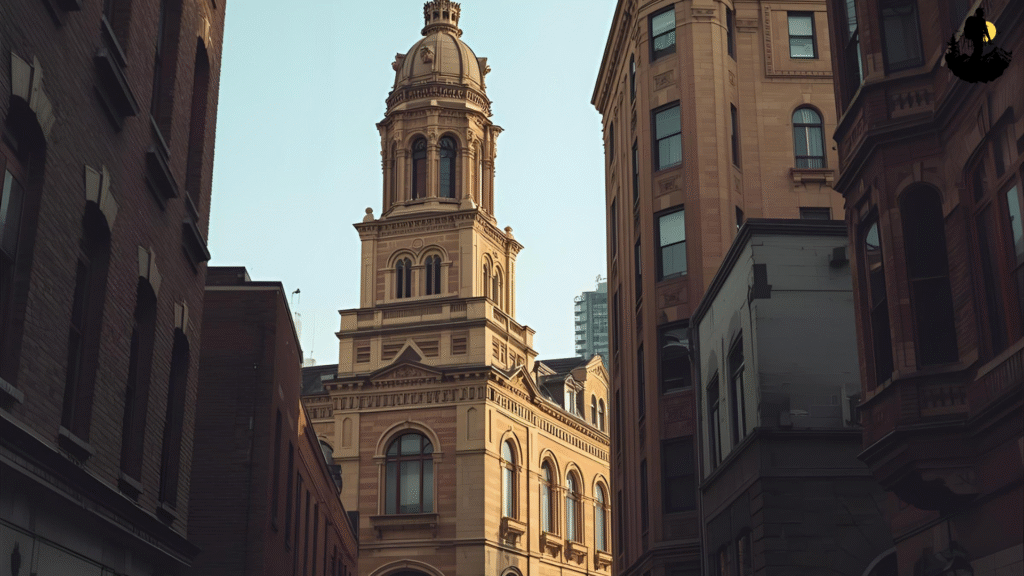
The USA is full of architecture that doesn’t dominate guidebooks, but still holds deep character. These buildings, homes, and public structures were designed with care, show unique stylistic touches, or simply surprise you when you stumble on them. They are the kinds of places where you pause, look up, and think: “Wow, I didn’t know this existed.”
These hidden architectural treasures reward discovery, whether you’re a fan of historic mansions, sleek mid‑century modern buildings, community halls, or innovative smaller works. Below we’ll explore how to spot them, highlight some standout examples, and show how you can seek them out in your next trip.
What Makes a Building an Architectural Hidden Gem

When we talk about an “architectural hidden gem,” several qualities often come into play:
- Under‑the‑radar appearance: These are not the big tourist architectural icons; they’re often tucked down side streets, in quiet neighbourhoods or overlooked corners of major cities. For instance, one overview lists buildings that “fly under the national radar.”
- Distinct character or craft: They may showcase detailed ornamentation, local materials, or a creative adaptation of style that makes them special. A guide to New York’s hidden architecture highlights features like exquisite pottery facades, terracotta detailing and traditional stoops.
- Stories and context: Often these buildings have meaningful histories, architects who experimented, local patrons who built boldly, or industries that once thrived. Discovering the context enriches the experience.
- Preservation and authenticity: Many hidden gems retain original features—or at least enough to feel genuine. That gives you more than just a photo opportunity; it gives you a link to a place and time.
When you train your eye with these criteria, you’ll start noticing architecture you might’ve passed without registering.
Standout Hidden Architectural Gems by Region

Here are three compelling examples of hidden architectural gems across the USA, each offering a distinct style and story.
1. Watts Towers-Los Angeles, California
This striking folk‑art landmark was created by Italian immigrant Simon Rodia over 33 years using scrap metal, glass, pottery and tile. It’s bold, whimsical, and unlike conventional architecture, a true hidden gem because it’s off the beaten path yet visually unforgettable.
2. Pomander Walk-Manhattan, New York City
In a city full of iconic buildings, this little Tudor‑style gated street in the Upper West Side stands quietly with charm. Built in the 1920s, it feels like a village within the city and is one of those details that reveals itself if you look just a little.
3. Art Nouveau Mansions-New Orleans, Louisiana
The city’s famed French Quarter may dominate, but tucked in quiet neighbourhoods are mansions with Art Nouveau curves, ornate ironwork and unique flair. These jewels sit quietly amid the bustle. Each of these sites invites you to linger, look up, turn corners, and explore context, not just pass by.
How to Plan a Quest for Hidden Architectural Gems

To make your architectural exploration intentional:
- Pick a city or neighbourhood focus: Instead of trying to hit famous landmarks, pick one area and ask: “What buildings am I missing?”
- Use local resources: Architecture blogs, preservation societies, and local walking tours often highlight the “hidden gems.” For instance, Detroit has walking tours focused on lesser‑known architectural beauty.
- Look up and look sideways: Many hidden gems are above street level or behind facades. In one write‑up about New York City: “If you look out for them, you’ll find detailed terracotta facades, old carriage houses, hidden mosaics.”
- Document and interpret: Bring your camera or sketchbook. Take note of details: materials, windows, style, age. Research later.
- Respect and preserve: Many of these places are privately owned or located in residential districts, look but do not disturb.
With this mindset, your next city break becomes an architectural treasure hunt.
Types of Hidden Architectural Gems to Explore

Here are categories of hidden architecture worth tracking down:
a) Industrial conversions and adaptive reuse
Old factories, warehouses or silos repurposed into lofts, galleries or homes often retain structural character and creative design.
b) Mid‑century modern homes and small‑scale public buildings
While giant modern icons get publicity, there are many smaller modernist houses or schools designed in the 1950s‑70s with exceptional design.
c) Neighbourhood churches and community halls
Often overlooked, these buildings reflect local materials, historic styles and craftsmanship unique to their region.
d) Revival‑style residential blocks
From Tudor‑style rowhouses to Spanish‑colonial courtyards, neighbourhoods sometimes hide dense collections of character architecture.
e) Experimental or folk‑art architecture
Think of architects or artisans who design outside the mainstream, or community‑built structures that aren’t officially famous, but still visually compelling.
As you travel or explore your hometown, keep an eye out for these categories—they embed rich aesthetic and cultural value.
Preservation, Access & Visitor Tips

When seeking out architectural hidden gems, it’s wise to observe a few guidelines:
- Check public access: Some buildings are in private homes or gated communities. Enjoy from the exterior unless you’ve arranged access.
- Research history: Knowing the architect, style, date, or original purpose enriches your experience. Sites like “architectural marvels off the beaten path” provide good leads.
- Respect current use: Even if a building is older or preserved, it may house offices or residents today. Keep your explorations low‑impact.
- Support local efforts: Many hidden architectural gems benefit from preservation groups, and visiting responsibly helps maintain these places for the future.
- Timing matters: Light and context improve your experience. Morning or afternoon shadows can bring out architectural detail.
Your architectural explorations will be rewarding and respectful with care and curiosity.
Why These Sites Matter?

These less‑famous architectural works matter for many reasons:
- They reflect local identity: Style, materials and scale tuned to the region and community.
- They show craft and innovation: Architects and builders working outside major headlines to create meaningful designs.
- They provide depth of discovery: You’ll remember discovering a local church, a converted warehouse or a quiet mid‑century house more than just checking off a famous landmark.
- They remind us that architecture isn’t only about monuments, it’s about everyday buildings, neighbourhoods and people’s lives.
By paying attention to these hidden works, we expand how we understand built heritage, not just grand buildings but everyday ones with soul.
Final Reflection

Next time you step into a new city or stroll through your own, ask: “What am I missing?” Look for the side street, the less busy block, the façade that catches your eye. That’s often where architectural hidden gems reveal themselves.
The search for architectural hidden gems across the USA isn’t just about collecting addresses; it’s about opening your eyes, noticing craft, celebrating local identity and adding a fresh layer of meaning to travel or exploration. Keep your camera ready, your curiosity fired, and be willing to wander. There’s architecture waiting, just around the corner.