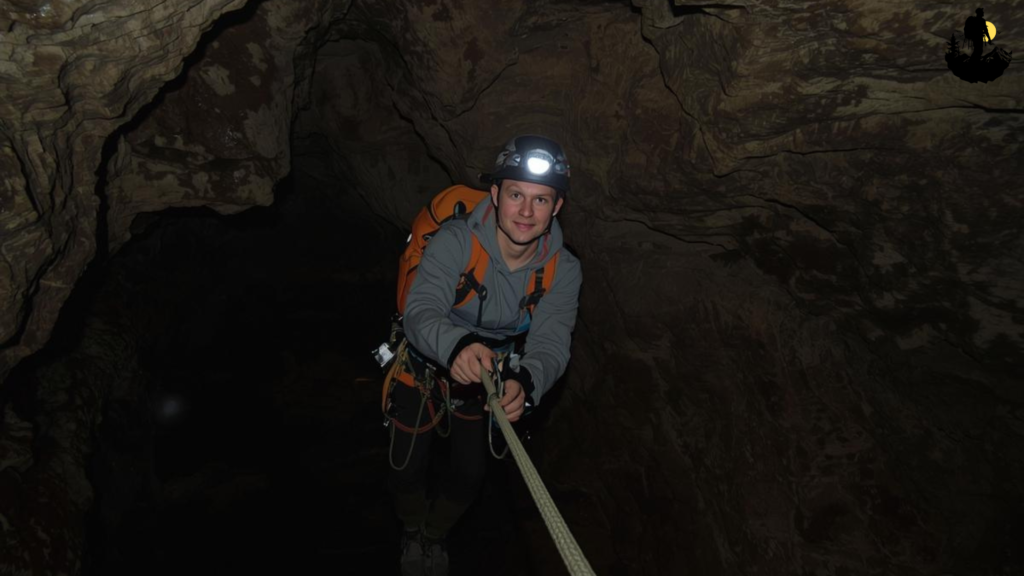
Cave rappelling introduces new explorers to a world that exists beneath the surface. The experience mixes excitement, controlled risk, and unforgettable scenery. Many first-timers across the United States seek guided drops into caverns, lava tubes, and narrow shafts where darkness hides entire ecosystems. A beginner learns discipline, patience, and trust in their equipment. The journey into this new environment becomes safer and more enjoyable when proper skills are developed early, especially for anyone exploring beginner cave rappelling USA.

Key Reasons Cave Rappelling Attracts New Adventurers
Motivations many first-timers feel:
- Desire for a unique outdoor challenge
- Curiosity about underground landscapes
- Interest in learning technical rope skills
- Love for confined adventure environments
- Excitement of descending into darkness
- Opportunity to see rare formations
Emotional rewards:
- Confidence gained through facing fears
- Strong sense of achievement after a successful descent
- Increased awareness of geology and nature
- Connection to teamwork and trust
Cave rappelling blends adventure sport and science in a way few activities do.
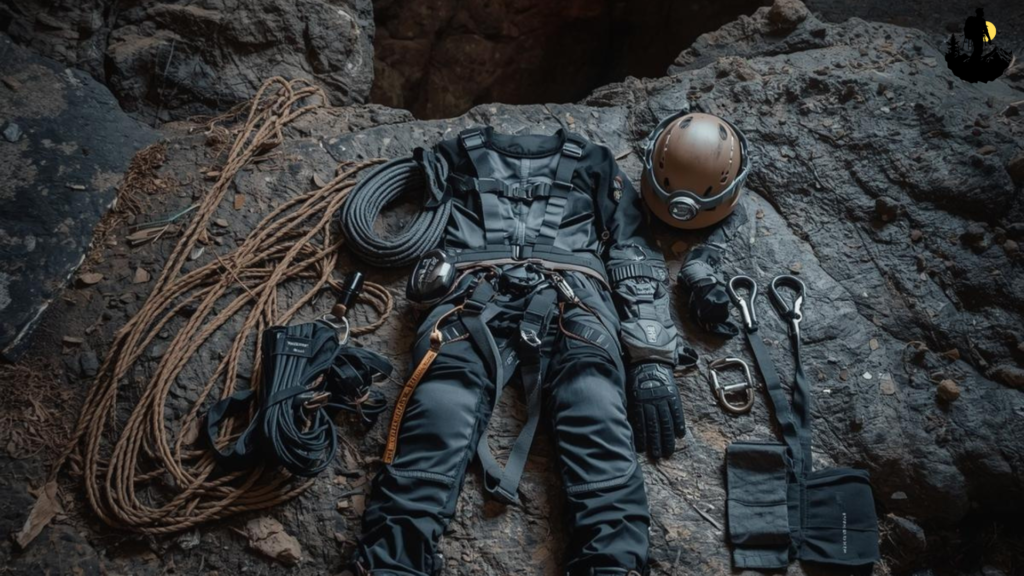
Essential Gear Needed for First-Time Cave Descents
Safety and comfort depend heavily on proper gear.
Must-have equipment:
- Static rope suitable for vertical drops
- Climbing harness rated for caving
- Rappel device, such as an ATC or figure-eight
- Helmet with mounted headlamp
- Backup light source
- Gloves for rope control
- Knee and elbow pads for tight passages
- Durable boots with a strong grip
- Carabiners rated for load-bearing
- Protective clothing that resists abrasion
Why gear matters:
- Reduces injury risk
- Improves control over descent
- Supports navigation in darkness
- Protects against sharp rocks
Prepared gear ensures safe and steady movement underground.
Learning Rope Basics Before Entering a Cave
Rope skills form the core of safe cave rappelling.
Skills worth practicing above ground first:
- Tying essential knots such as figure-eight, double fisherman’s, and bowline
- Setting up a rappel system
- Locking off during descent
- Switching from rappelling to climbing if required
- Checking rope integrity
- Adjusting harness and device fit
- Communicating commands clearly
Benefits of rope practice:
- Builds muscle memory
- Reduces fear during real descent
- Ensures smooth and controlled motion
- Helps beginners avoid common mistakes
Ground practice sets the foundation for deeper exploration later.
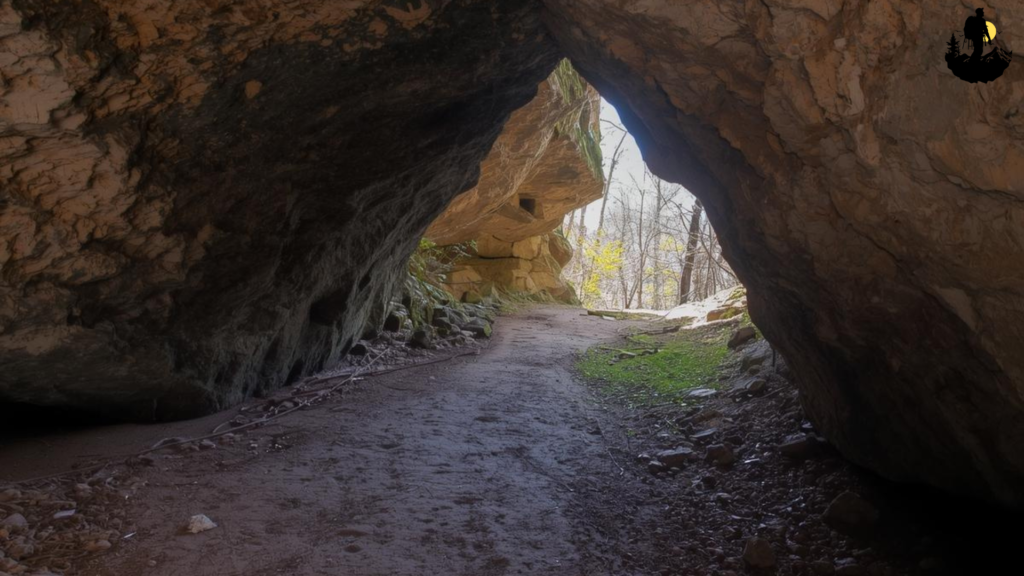
Choosing Beginner-Friendly Caves Across the USA
Not all caves suit beginners. Some require advanced vertical training.
Qualities of a good first-timer cave:
- Short vertical drop
- Wide openings
- Stable rock surfaces
- Minimal water flow
- Established anchor points
- Guided-tour availability
- Clear entry and exit routes
Popular beginner cave regions in the USA:
- Tennessee and Kentucky limestone caves
- New Mexico lava tube systems
- Alabama vertical pits with guided drops
- Eastern Oregon caves are suitable for learning
- Arkansas adventure parks with training walls
Safe entry points make early experiences positive and motivating.
Using Proper Body Position During Descent
Good body posture increases control and reduces risk.
Key positioning tips:
- Keep feet shoulder-width apart
- Lean back at a comfortable angle
- Maintain slight bend in knees
- Control rope gradually rather than gripping tightly
- Look ahead instead of straight down
- Move slowly when passing irregular surfaces
Why positioning matters:
- Improves balance
- Prevents sudden jerks
- Enhances rope friction control
- Reduces strain on arms
A steady posture builds stability throughout the descent.
Maintaining Safe Communication During Cave Rappelling
Clear communication becomes crucial once inside dark, echoing spaces.
Common communication methods:
- Voice commands taught by guides
- Rope tugs are used in tight spaces
- Hand signals for short-distance visibility
- Headlamp flashes for nonverbal cues
Purpose of strong communication:
- Prevents missteps
- Keeps the team synchronized
- Helps identify hazards
- Supports beginners needing guidance mid-descent
Communication ensures safety even when visibility decreases.
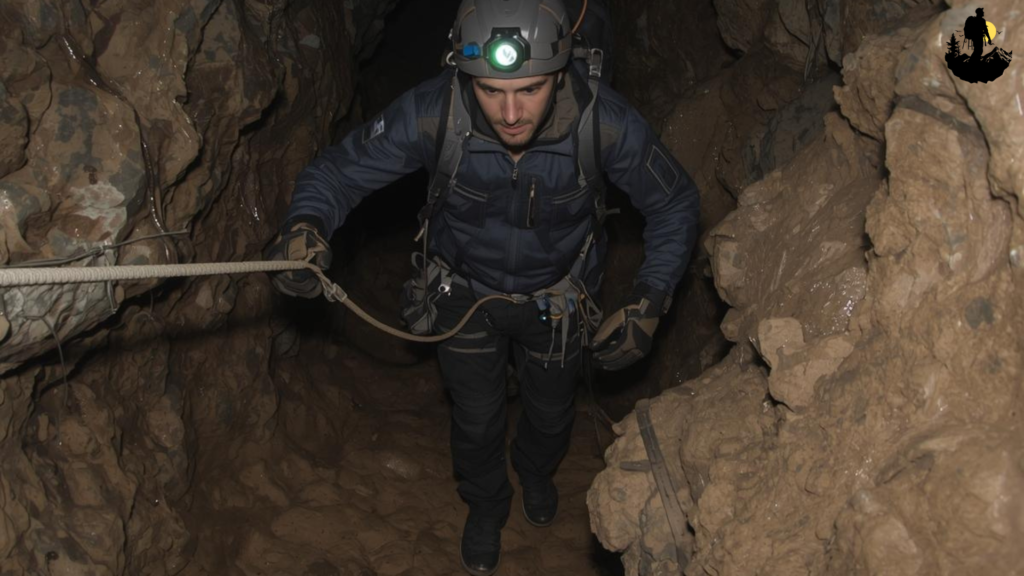
Identifying Cave Hazards and Avoiding Them
Caves contain natural dangers that must be respected.
Common hazards:
- Loose rock near edges
- Narrow ledges
- Water dripping onto ropes
- Mud-coated surfaces that reduce traction
- Sharp mineral formations
- Sudden drop-offs
- Cold pockets that reduce grip strength
Risk-reduction steps:
- Step lightly near edges
- Test surfaces before shifting weight
- Avoid disturbing rock formations
- Protect ropes from sharp edges
- Wear gloves to maintain friction
Awareness keeps minor hazards from becoming major issues.
Managing Fear and Mental Pressure During Rappelling
First-timers often feel nervous when dangling over underground voids.
Ways to stay calm:
- Breathe slowly and steadily
- Focus on one movement at a time
- Trust your gear and training
- Listen carefully to guide instructions
- Remind yourself that controlled descent is safe
- Avoid overthinking the height
Mental benefits of overcoming fear:
- Increased confidence
- Stronger outdoor skills
- Greater appreciation for challenging environments
Calmness enhances decision-making and physical control.
Protecting Cave Ecosystems While Exploring
Caves host fragile ecosystems that depend on low disturbance.
Conservation best practices:
- Avoid touching cave formations
- Stay on designated paths
- Keep noise low to prevent disturbing wildlife
- Pack out all waste
- Use existing anchor points instead of new ones
- Avoid disturbing cave-dwelling bats
Reasons conservation matters:
- Caves take millions of years to form
- Human damage is often irreversible
- Wildlife inside caves is highly sensitive
- Ethical exploration preserves sites for future adventurers
Sustainable behavior protects these rare environments.
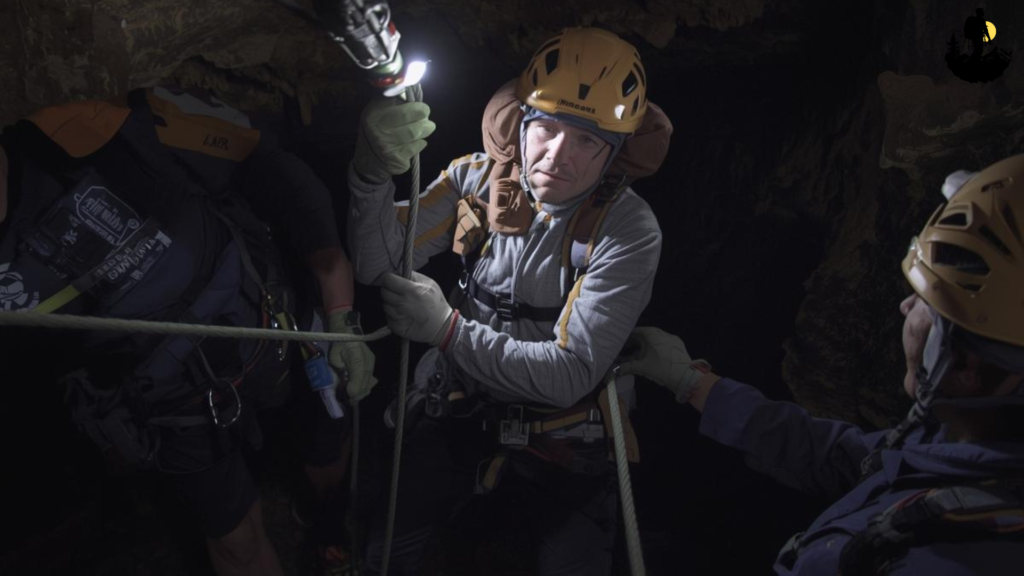
Handling Emergencies and Unexpected Situations
Emergency awareness prevents panic in tight underground spaces.
Possible emergencies:
- Jammed rappel device
- Rope abrasion
- Minor slips
- Light failure
- Unexpected water flow
- Panic attacks in narrow spaces
Prepared responses:
- Lock off your device
- Call out to the team
- Use your backup light immediately
- Follow guide instructions
- Move slowly and reassess footing
- Maintain steady breathing
Preparedness turns emergencies into manageable events.
Learning Descent and Ascent Transitions
Some caves require both descending and ascending skills.
Important techniques:
- Switching from rappel mode to ascend mode
- Using ascenders safely
- Controlling upward progress
- Leveraging legs to reduce arm fatigue
- Maintaining rope connection at all times
Why transitions matter:
- Allows safe retreat if needed
- Supports multi-drop cave systems
- Builds more advanced caving confidence
Mastering transitions prepares beginners for more complex cave routes.
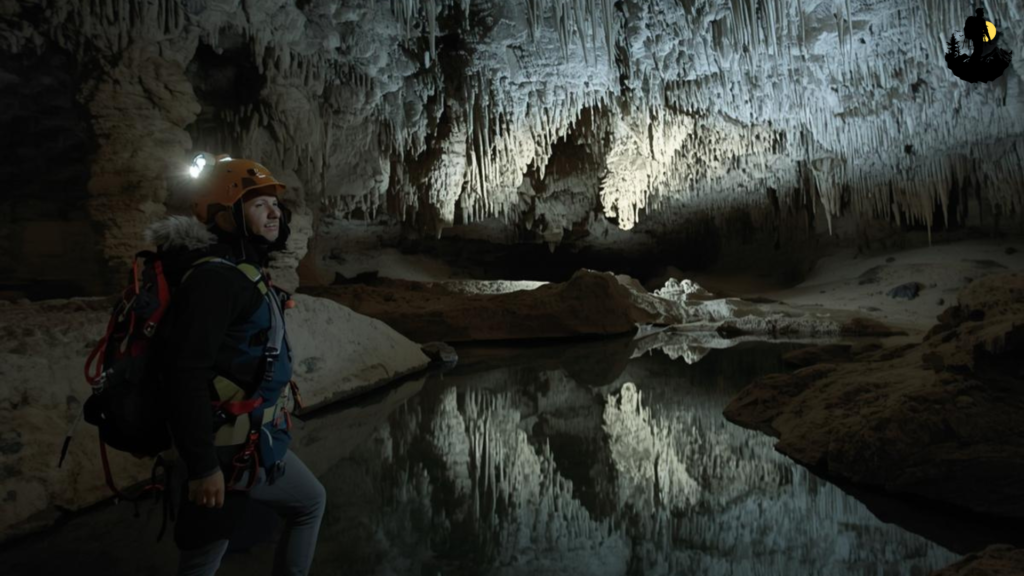
Savoring the Experience of Entering an Underground World
Cave rappelling reveals landscapes seen by very few people.
Common highlights:
- Giant caverns lit by headlamps
- Still pools that reflect mineral ceilings
- Sparkling limestone formations
- Echoes that make whispers sound grand
- Cool temperatures that feel calming
- Silence broken only by water drops
Emotional takeaways:
- Sense of timelessness
- Awe at geological formations
- Appreciation for Earth’s hidden beauty
A cave descent becomes more than a sport—it becomes an entry into another world.
Final Thoughts on Beginner Cave Rappelling USA
Cave rappelling offers challenge, beauty, and personal growth. A first-timer gains both physical technique and mental resilience. A careful approach, proper gear, and strong guidance turn intimidating depths into thrilling memories. Many caves across the United States welcome new explorers who want to learn safely.
A meaningful journey into beginner cave rappelling USA destinations teaches courage, precision, and environmental respect. Every descent becomes a reminder of how extraordinary the world feels once you step beyond daylight.

✦ Related Articles You May Love
- Living Like A Local In Remote U S Regions
- Hidden Homestay Experiences In Offbeat U S Towns
- Folklore And Legends From The Deep South
- How To Find Hidden Adventure Spots Across The Usa
- Essential Packing Tips For U S Hiking Trips
- Budget Travel Hacks For Exploring U S Trails
- Safety Tips For Hiking Hidden Trails In The Usa
- Best Seasons To Visit Hidden U S Parks
- Eco Friendly Ways To Explore Remote U S Destinations
- How To Reach Hard To Access U S Adventure Spots
- Navigating Road Trips To Lesser Known U S Parks
- Apps That Reveal Hidden Trails And Campsites
- How To Stay Connected In Remote U S Areas
- Capturing Hidden Landscapes Of The American West
- Capturing Hidden Motion Long Exposure Photography In U S National Parks
- Night Sky Photography In Americas Dark Sky Parks
- Photo Walks Through Hidden U S Small Towns
- Reflections Photography On Hidden U S Lakes
- Rock Climbing In Lesser Known U S Spots
- Trail Running Through Hidden Forest Paths
- Mountain Biking Adventures In The Pacific Northwest
- Paragliding Above Secret U S Peaks
- Scuba Diving Hidden Reefs In The Florida Keys
- Abandoned Ghost Towns In The American West
- Hidden Architectural Gems Across The Usa
- Discovering Truly Local Favourite Hiking Trail Usa
- Travel Mistakes To Avoid On U S Hidden Trails
- Solo Adventures In Remote U S Locations
- How Tourism Is Changing Hidden American Spots
- Hidden U S Destinations That Inspired Great Art
- Americas Forgotten Ghost Stories And Legends
- Short Hidden Hikes Under 5 Miles In The Usa
- Abiqua Falls Oregons Most Hidden Waterfall In The Pacific Northwest
- Exploring Hidden Islands In The Florida Keys
- Hidden Trails Secret Canyons Offbeat Hiking Escapes In The American Southwest
- Lesser Known National Parks Usa Hidden Gems To Explore In 2025
- Secret Caves To Explore In The Appalachian Mountains
- A Bloomseekers Paradise The Wildflower Trails In The Rocky Mountains
- Scenic Mountain Passes Few Know In Colorado Hidden And Adventurous Places You Must Explore
- Kayaking Through Hidden Rivers Of The South
- Underrated Desert Oases In The Southwest Usa
- Seasonal Hidden Wonders In U S National Parks
- Hidden Hot Springs In The Western United States Your Guide To Real Relaxation
- Snow Covered Winter Trails No One Talks About
- Secret Coastal Cliffs To Explore In California
- Underground Crystal Caves In The United States
- Untouched Forest Sanctuaries In The Northeast
- Stories From Rural Americas Forgotten Communities
- Hidden Artisan Markets In The Midwest Your Ultimate Guide
- Local Foods Found Only In Small Town America
🌿 Sources & References
- Travel & Adventure – National Geographic
- Outdoor Recreation – REI Expert Advice
- Leave No Trace Principles
- Nature Conservation – WWF
- U.S. National Parks – NPS
- Sustainable Tourism – UNWTO
- Wilderness Safety – American Red Cross
- Outdoor Health Benefits – NIH
- Travel Health – CDC
- Ecotourism – The International Ecotourism Society