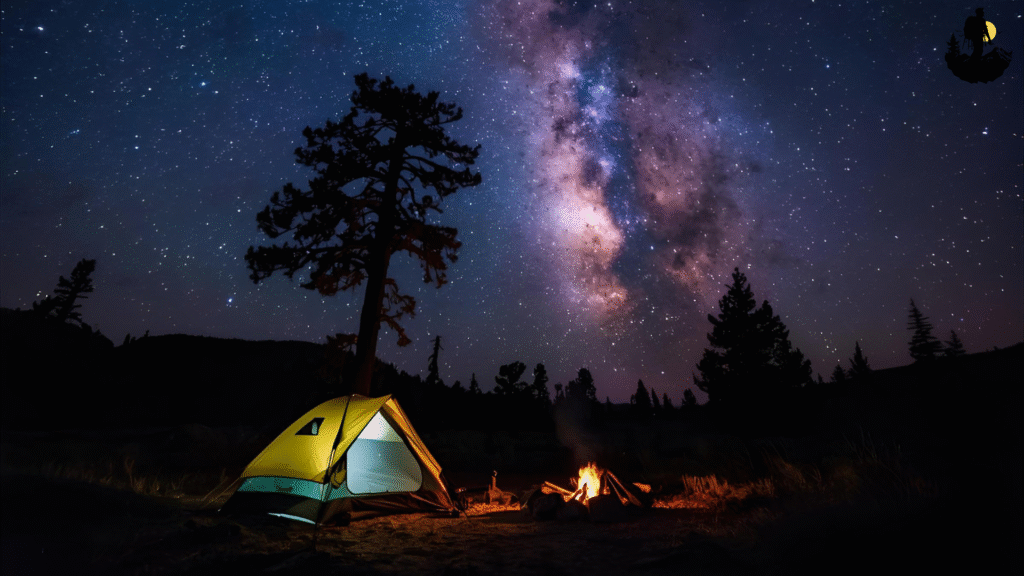
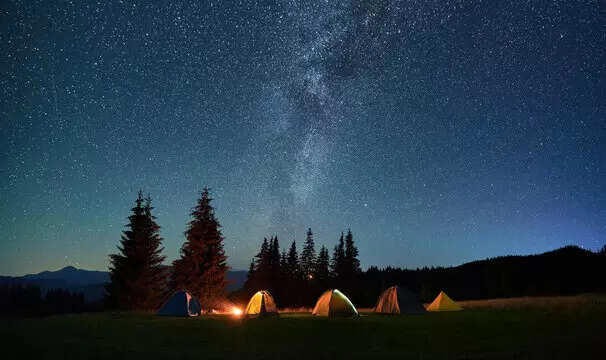
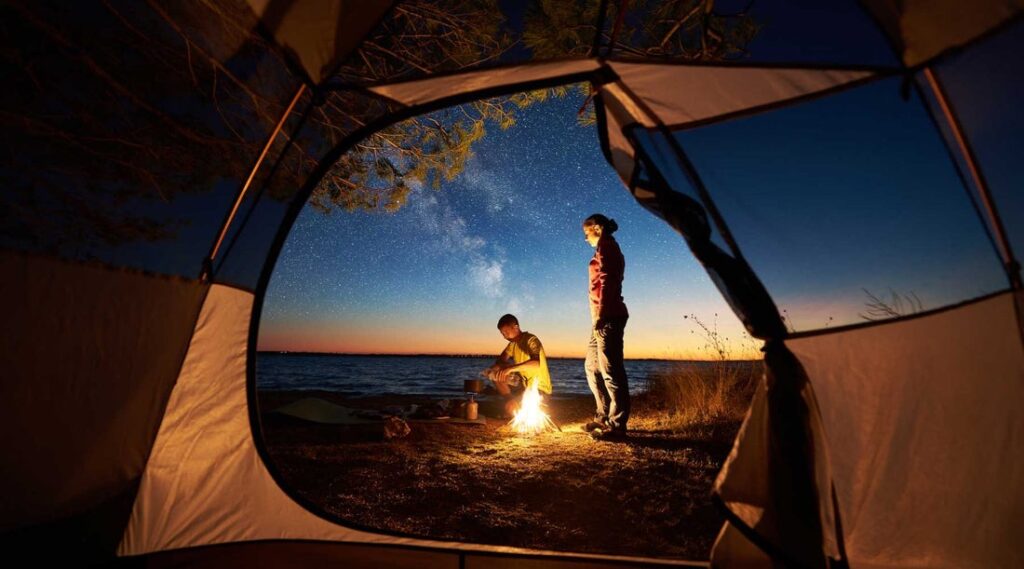
There’s something elemental about setting up a tent where the only lights are stars and your campfire. When you seek out camping remote USA sites, you’re stepping beyond developed campgrounds and into territories of real silence, real immensity, and real connection. These are places where tree lines, mountain ridges or wide open plains become your backdrop, where you can watch the Milky Way arch overhead, and where “home” for the night is simply the ground beneath you and the sky above. In such remote campsites, you trade amenities for authenticity, crowds for solitude, and the result is often the richest outdoor memory you’ll make.
What to Consider When Choosing Remote Campsites
Selecting one of those exceptional remote camping sites in the USA means more than just picking a spot on a map. Here are the criteria that will elevate your trip:
- Access & transportation: Some remote sites are reachable only by hiking, canoe or a long forest‑road drive. Knowing how you’ll get there is key.
- Campsite location & exposure: Ridge tops, lakeshores, wide-open clearings, all affect wind, views, weather and nocturnal star visibility.
- Terrain & comfort: A relatively flat, debris‑free site makes setup easier, but part of the remote site’s charm is its uneven ground, roots, and natural features.
- Facilities & leave‑no‑trace: Most remote sites offer no restrooms, no running water, and minimal or no cell signal. You’ll carry water, pack out waste and rely on your gear.
- Weather and seasonality: Being remote often means being exposed to the elements. Nighttime temps drop, storms roll in unannounced, and wildlife may roam.
- Safety & permit requirements: Especially in wilderness zones, remote campsites may require permits, orientation, or have limitations.
When you vet these details ahead, you’ll not just survive your remote stay but thrive.
Top Remote Campsite Destinations Across the U.S.
Here are three standout destinations where you’ll find true camping, remote USA sites worth pursuing:
1. Remote Forest Campsites (for example: Northern Wisconsin & Adirondacks)
In places like Wisconsin’s northern forests, backcountry permits allow you to stay at campsites accessible by foot or water, and off the beaten track. The stillness of trees, the quiet shoreline of a lake, and minimal other human presence make these spots ideal for stargazing and immersion.
2. Wilderness Backcountry Sites in Mountain Ranges
Venturing into mountain ranges, think remote valleys, high meadows, alpine ridges, you’ll find sites with sweeping views, fewer crowds and the kind of environment that rewards effort. One guide lists many backcountry campsites where “quiet and solitude” were unmistakable.
These are classic camping remote USA sites for those who want more than convenience.
3. Dispersed Campsites on Public Lands
On public lands managed by agencies such as the Bureau of Land Management (BLM), there are countless dispersed‑camping options where you can pick your own spot (within rules) and experience a raw wilderness stay. These offer flexibility, remoteness and a self‑reliant vibe.
Gear, Conditions & Setup for the Remote Night
For your camping remote USA sites stay to feel safe, comfortable and memorable:
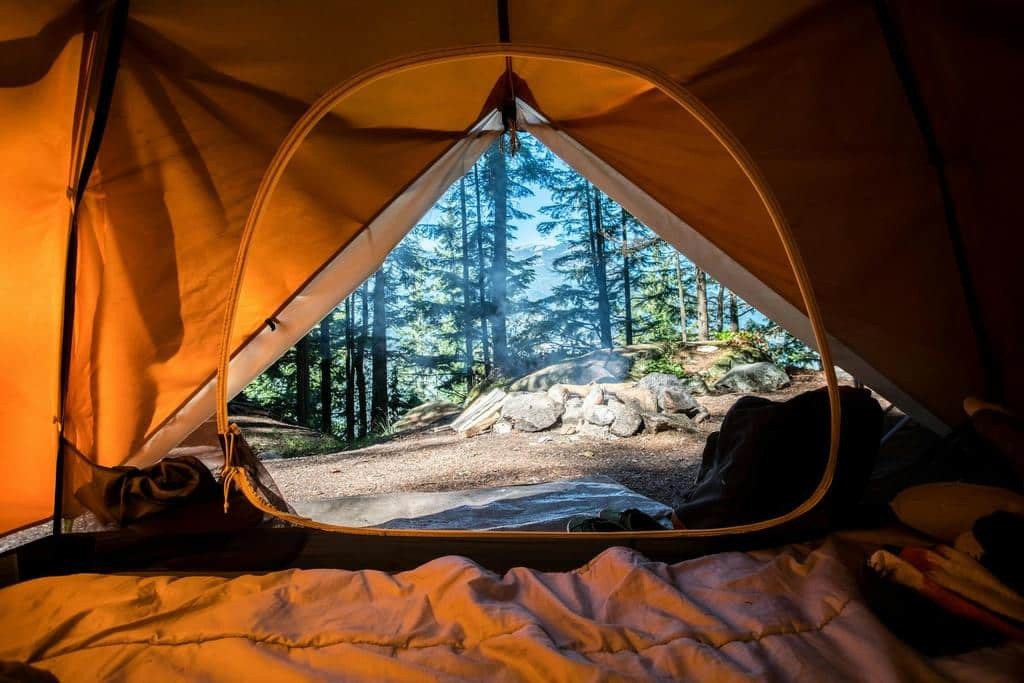
- Shelter: A quality tent with a reliable rainfly, stakes and good ventilation is non‑negotiable.
- Sleeping gear: A sleeping bag rated for colder temps than you expect (for night chill) and an insulated pad for comfort and warmth.
- Lighting: Headlamp and spare battery, no street lights out in the wild.
- Water & food supply: Carry sufficient water or water‑filter gear; plan meals that are easy to prepare.
- Leave‑no‑trace kit: Trash bag, trowel (for burying waste where permitted), fire‑safety gear.
- Navigation & safety: Map, compass, GPS (if needed), first‑aid kit, and knowledge of entry/exit. Cell signal may be absent.
- Clothing & weather readiness: Layers, rain jacket, extra socks, even in summer nights, can get cold in remote zones.
Preparedness allows you to enjoy the remoteness without undue worry.
Planning Your Remote Camping Trip
Here’s how to plan a successful excursion to one of those coveted remote camping sites:
- Choose your timeframe: Consider daylight hours, weather window, and access roads (seasonal closures).
- Select access route: Are you driving, hiking, or paddling in? Ensure you account for time, gear transport and physical effort.
- Reserve or permit: Many remote sites require advance permits or registration, even for dispersed camping. Check federal or state land agency rules.
- Pack according to isolation: If you’ll be hours from help, pack redundantly: extra food, water, gear, and emergency communication.
- Leave itinerary with someone: Let a friend or family member know where you’ll be and when you plan to return.
- Plan for minimal footprint: Since you’re remote, pack light, pick up after yourself and leave the site better than you found it.
Camp Etiquette & Respect for Remote Sites
When you camp at remote sites, your impact matters, often more than at busy campgrounds. Points of good practice:
- Use existing fire rings or avoid fires if not permitted. Fires can scar remote landscapes heavily.
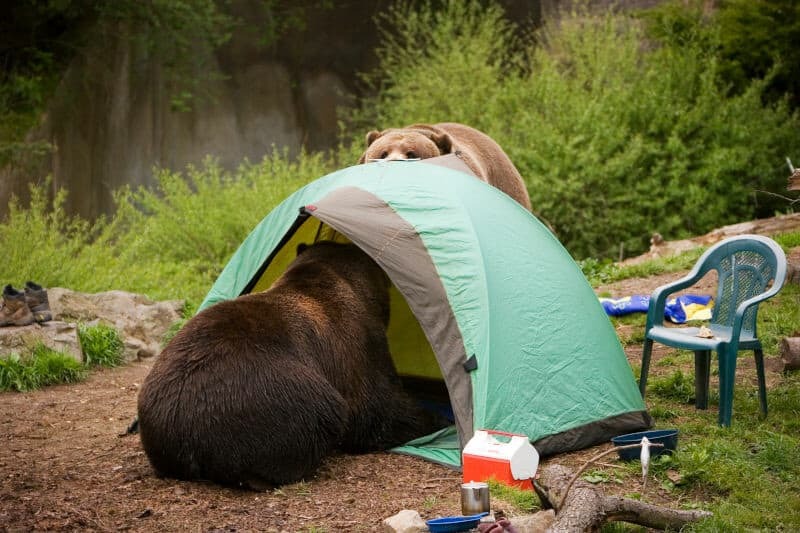
- Store food securely, especially in bear or wildlife country.
- Stay on established sites or durable ground, and avoid creating new scars.
- Pack out all trash and any personal items. No leftover gear or plastics.
- Respect wildlife and vegetation: stepping off‑trail damages fragile ecosystems.
By applying these habits, you contribute to preserving the very remoteness you came to experience.
Benefits of Staying at Truly Remote Campsites
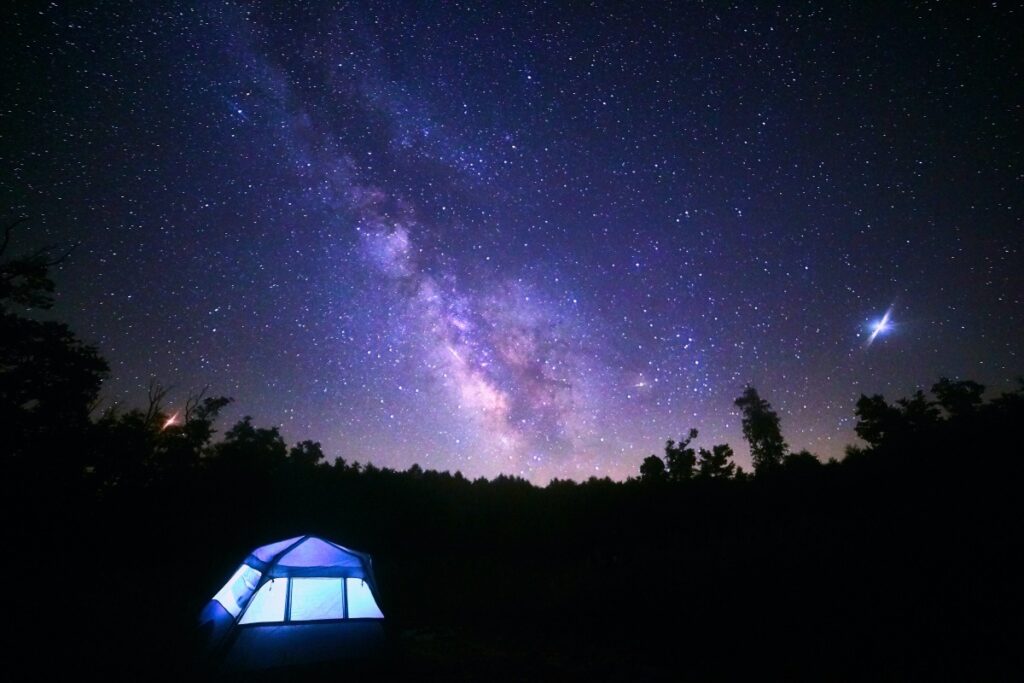
Staying at authentic camping remote USA sites brings unmatched perks:
- Solitude: Fewer neighbours, fewer sounds of civilisation, just nature’s rhythms.
- Night‑Sky clarity: Minimal light pollution means brilliant stars, planets, and Milky Way vistas.
- Heightened senses: Without the usual distractions, you notice ambient sounds, scents, and ecosystem details.
- Personal challenge & reward: Reaching a remote site often takes effort, and that effort deepens satisfaction.
- Stories worth telling: Remote campsites aren’t just overnight stays—they’re wilderness experiences you’ll remember.
When you unwind at night, watch the stars, and wake to dawn in a quiet wilderness, you’ll understand why “remote” matters.
Common Mistakes & How to Avoid Them
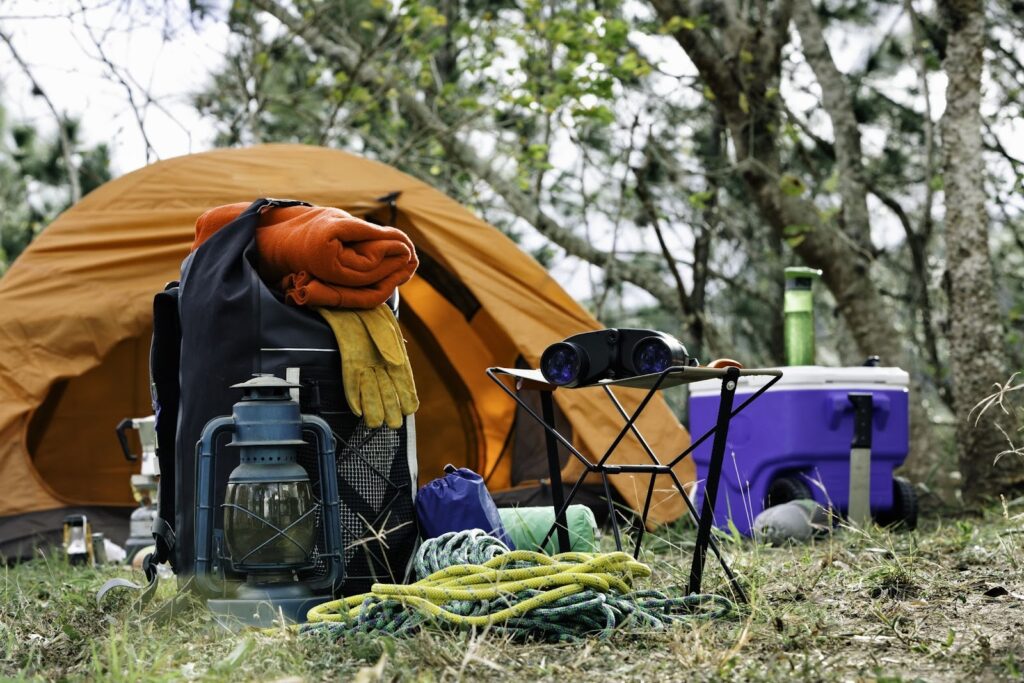
Even experienced campers can slip up when venturing remote. Here’s what to watch out for and how to steer clear:
- Under‑estimating access time or terrain: A “30‑minute drive” may turn into remote logging roads and extra trudging. Solution: allow buffer time and check conditions.
- Inadequate gear for overnight chill or weather change: Remote spots amplify exposure. Solution: pack for the worst‑case, not just a mild forecast.
- Poor water or food planning: No nearby stores. Solution: bring more than you think, carry extra water or treatment gear.
- Failing to practice tents/campsite setup ahead of time: Remote means no help. Solution: test gear at home/training ground first.
- Leaving no itinerary: In remote zones, rescue or help is delayed. Solution: file a trip plan or let someone know.
By avoiding these pitfalls, you let the remote experience shine instead of getting bogged down.
Answer the Call of the Wild
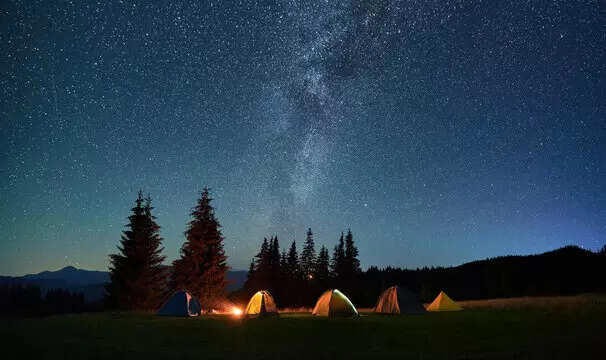
You’ve scouted access, packed smartly, and chosen one of the few genuine camping remote USA sites. Now the silence begins, the stars show u,p and you realise why you sought out the wild in the first place. Tonight, your tent is your roof, a forest or spacious plain your walls, and the night sky your ceiling. Tomorrow, you’ll wake to a new light, likely alone, possibly with only your thoughts and the birds or wind for company.
If you’re looking for more than a bed under the trees, if you want the wide‑open hush of true wilderness, then find that remote campsite, set your gear and let the stars watch over you.
No lights. No crowds. Just you, nature, and one incredible night in one of America’s remote wild places.

✦ Related Articles You May Love
- Living Like A Local In Remote U S Regions
- Hidden Homestay Experiences In Offbeat U S Towns
- Folklore And Legends From The Deep South
- How To Find Hidden Adventure Spots Across The Usa
- Essential Packing Tips For U S Hiking Trips
- Budget Travel Hacks For Exploring U S Trails
- Safety Tips For Hiking Hidden Trails In The Usa
- Best Seasons To Visit Hidden U S Parks
- Eco Friendly Ways To Explore Remote U S Destinations
- How To Reach Hard To Access U S Adventure Spots
- Navigating Road Trips To Lesser Known U S Parks
- Apps That Reveal Hidden Trails And Campsites
- How To Stay Connected In Remote U S Areas
- Capturing Hidden Landscapes Of The American West
- Capturing Hidden Motion Long Exposure Photography In U S National Parks
- Night Sky Photography In Americas Dark Sky Parks
- Photo Walks Through Hidden U S Small Towns
- Reflections Photography On Hidden U S Lakes
- Rock Climbing In Lesser Known U S Spots
- Trail Running Through Hidden Forest Paths
- Mountain Biking Adventures In The Pacific Northwest
- Paragliding Above Secret U S Peaks
- Scuba Diving Hidden Reefs In The Florida Keys
- Abandoned Ghost Towns In The American West
- Hidden Architectural Gems Across The Usa
- Discovering Truly Local Favourite Hiking Trail Usa
- Travel Mistakes To Avoid On U S Hidden Trails
- Solo Adventures In Remote U S Locations
- How Tourism Is Changing Hidden American Spots
- Hidden U S Destinations That Inspired Great Art
- Americas Forgotten Ghost Stories And Legends
- Short Hidden Hikes Under 5 Miles In The Usa
- Abiqua Falls Oregons Most Hidden Waterfall In The Pacific Northwest
- Exploring Hidden Islands In The Florida Keys
- Hidden Trails Secret Canyons Offbeat Hiking Escapes In The American Southwest
- Lesser Known National Parks Usa Hidden Gems To Explore In 2025
- Secret Caves To Explore In The Appalachian Mountains
- A Bloomseekers Paradise The Wildflower Trails In The Rocky Mountains
- Scenic Mountain Passes Few Know In Colorado Hidden And Adventurous Places You Must Explore
- Kayaking Through Hidden Rivers Of The South
- Underrated Desert Oases In The Southwest Usa
- Seasonal Hidden Wonders In U S National Parks
- Hidden Hot Springs In The Western United States Your Guide To Real Relaxation
- Snow Covered Winter Trails No One Talks About
- Secret Coastal Cliffs To Explore In California
- Underground Crystal Caves In The United States
- Untouched Forest Sanctuaries In The Northeast
- Stories From Rural Americas Forgotten Communities
- Hidden Artisan Markets In The Midwest Your Ultimate Guide
- Local Foods Found Only In Small Town America
🌿 Sources & References
- Camping Tips – REI Expert Advice
- Camping Safety – U.S. Forest Service
- Leave No Trace Camping
- National Park Camping – NPS
- Camping Health Benefits – Verywell Mind
- Travel & Adventure – National Geographic
- Outdoor Recreation – REI Expert Advice
- Nature Conservation – WWF
- U.S. National Parks – NPS
- Sustainable Tourism – UNWTO